
Generation X has spent decades being overlooked. Squeezed between the massive cultural footprints of Baby Boomers and Millennials, this cohort born roughly between 1965 and 1980 rarely dominates the headlines. For years, Gen X has been dubbed “the forgotten generation” in media, policy, and even marketing campaigns. Yet something significant is happening beneath the surface of American migration data right now.
While much of the conversation about urban flight focuses on younger renters or retiring Boomers, Gen X is making deliberate, quiet moves of their own. They’re leaving specific cities in measurable numbers, driven by a mix of financial pragmatism and life-stage clarity. These six cities tell that story best.
New York City: The Great Gen X Exit

New York is losing residents across multiple generations. Millennials are leaving at a rate of 11,263 residents a year, followed by Baby Boomers at 14,438, Gen X at 6,672, and the Silent Generation at 4,855. Those are not small numbers, and the Gen X departure is particularly telling given the stage of life this generation is in.
Gen X, Baby Boomers, and the Silent Generation are also moving away from major cities, particularly New York City and Washington, D.C., heading to some of the same cities as Gen Z, including Houston and Jacksonville, Florida. Houston is the top destination for Gen X, attracting 6,312 residents from this generation. For a generation that built careers in New York, this marks a real psychological and financial turning point.
Los Angeles: High Costs Finally Tip the Scale

California lost 239,575 residents in 2024, the largest outmigration of any state. Los Angeles sits at the center of that trend, and Gen X residents are among those calling it quits. Year-over-year data shows California median home prices declining in Los Angeles by over six percent, while remaining deeply unaffordable.
While many sought these metro areas for tech jobs, milder climates, or lifestyle reasons, there was also significant out-migration, particularly from Los Angeles and San Francisco. For Gen X homeowners who bought in during the 2000s, the math of staying has shifted dramatically. The affordability gap between California coastal metros and popular Southern destinations remains stark, with Atlanta’s median home price sitting at roughly $445,000 compared to $1.499 million in Los Angeles.
Chicago: A Slow but Steady Departure

Illinois, Michigan, California, Nevada, and Pennsylvania were among the top five outbound states, with major metropolitan areas like Chicago, Los Angeles, San Diego, and Seattle seeing the most outbound migration. Chicago has been shedding residents across generational lines for years, and Gen X is no exception. The majority of movers aged 30 and older left locales like New York, Chicago, and Miami, with some slight variations in where they ended up.
What makes Chicago’s Gen X departure notable is the combination of reasons behind it. California, New York, and Illinois experienced some of the steepest net outflows, driven largely by high housing prices, taxes, and insurance premiums. Gen X, now in their mid-40s to early 60s, is at an age where carrying those costs without an obvious payoff no longer makes sense.
San Francisco: Tech Dreams Give Way to Practical Reality

From the mid-2000s through the late 2010s, San Francisco was a magnet for young graduates driven by the tech boom. It was a city that boasted high-paying jobs and promised a breezy West Coast lifestyle. In the past several years, however, workers have been ditching San Francisco for cheaper cities and better work-life balance. Gen X professionals who arrived during those boom years are now the ones walking away.
There was significant out-migration particularly from Los Angeles and San Francisco, even as some continued to seek these metro areas for tech jobs, milder climates, or lifestyle reasons. Many Gen X residents rode the city’s highs and have now cashed out their home equity to restart elsewhere. Job-related relocation continues to decline as remote work expands, reducing the need to move for employment, which means there’s less and less keeping this generation tethered to an expensive zip code.
Washington, D.C.: Policy Town Loses Its Gen X Core

People moved out of major cities like San Francisco, Chicago, and New York City and into cities like Austin and Raleigh-Durham. Gen X, Baby Boomers, and the Silent Generation are also moving away from major cities, particularly New York City and Washington, D.C., heading to some of the same cities as Gen Z, including Houston and Jacksonville, Florida. Washington’s Gen X departure reflects a city that has become increasingly expensive without offering the family-friendly lifestyle stability this generation now prioritizes.
When it came to choosing where they would live, both Gen X (around one in three) and Boomers put being closer to family or their support network as a top priority. That value matters enormously here. D.C. has long attracted ambitious careers, but Gen X is now at the stage where proximity to aging parents, adult children, and established community ties outweighs professional prestige.
Miami: The Surprise Outbound City
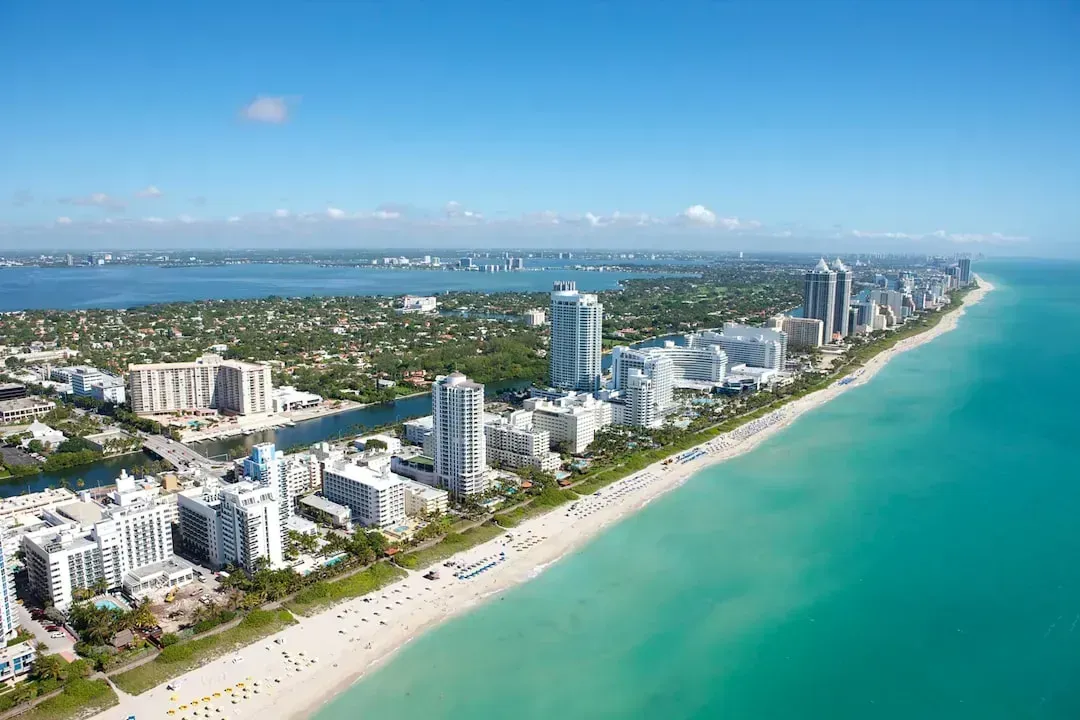
Miami might seem like a logical landing spot, but recent data tells a more complicated story. Miami and Philadelphia continued to lose residents, largely due to surging housing costs. Gen X, who might have once eyed Miami as a near-retirement destination, is now watching costs there rival the very cities they’re fleeing. Rising costs in previously popular destinations like South Florida are now beginning to reverse inbound migration trends.
Among the top outbound markets in 2024, Miami, Florida ranked first for out-migration, with South Florida close behind. For Gen X residents already living there, the cost-of-living escalation of the post-pandemic years has simply become unsustainable. Gen Xers moved to Florida and Texas in notable numbers, but Texas ultimately became their top destination state, suggesting that even those drawn to the Sun Belt are bypassing Florida’s priciest metros for more affordable ground.
Where Gen X Is Actually Going

For Gen X, Baby Boomers, and the Silent Generation, the state that showed the highest net migration was Florida overall. Beyond that, states like Texas, North and South Carolina, Tennessee, and Arizona figured prominently in each generation’s top ten lists. The pattern is consistent: warmer climates, lower tax burdens, and meaningfully cheaper housing.
Job-related relocation continues to decline as remote work expands, and lifestyle upgrades and climate shifts are increasingly common, with more Americans relocating for better weather or to avoid natural disasters. Gen X is uniquely positioned to act on this, given that with their buying power projected to grow significantly toward $23 trillion by 2035, Gen X is set to drive U.S. markets and shape consumer trends for the next decade. These aren’t distressed departures. They’re calculated ones made by a generation that has, characteristically, figured things out without making much noise about it.




Leave a Reply