
Walk into almost any restaurant on a busy Friday night and you’ll notice something shifting at the tables occupied by younger diners. The orders coming in aren’t quite what veteran servers have spent decades processing. Some requests involve swapping out core components of classic dishes, others involve asking for a mocktail with the same seriousness that someone once reserved for a Bordeaux selection.
It’s not rudeness, and it’s rarely indecision. Gen Z diners are more likely to opt for quicker service models and items they can enjoy on the go, as long as those items are healthy, locally sourced, sustainable, and ideally part of a global cuisine. That combination of demands, delivered at speed and with complete confidence, is what leaves some older waitstaff momentarily speechless. Here are nine of the most common culprits.
1. Elaborate Mocktails Ordered With Cocktail-Level Seriousness
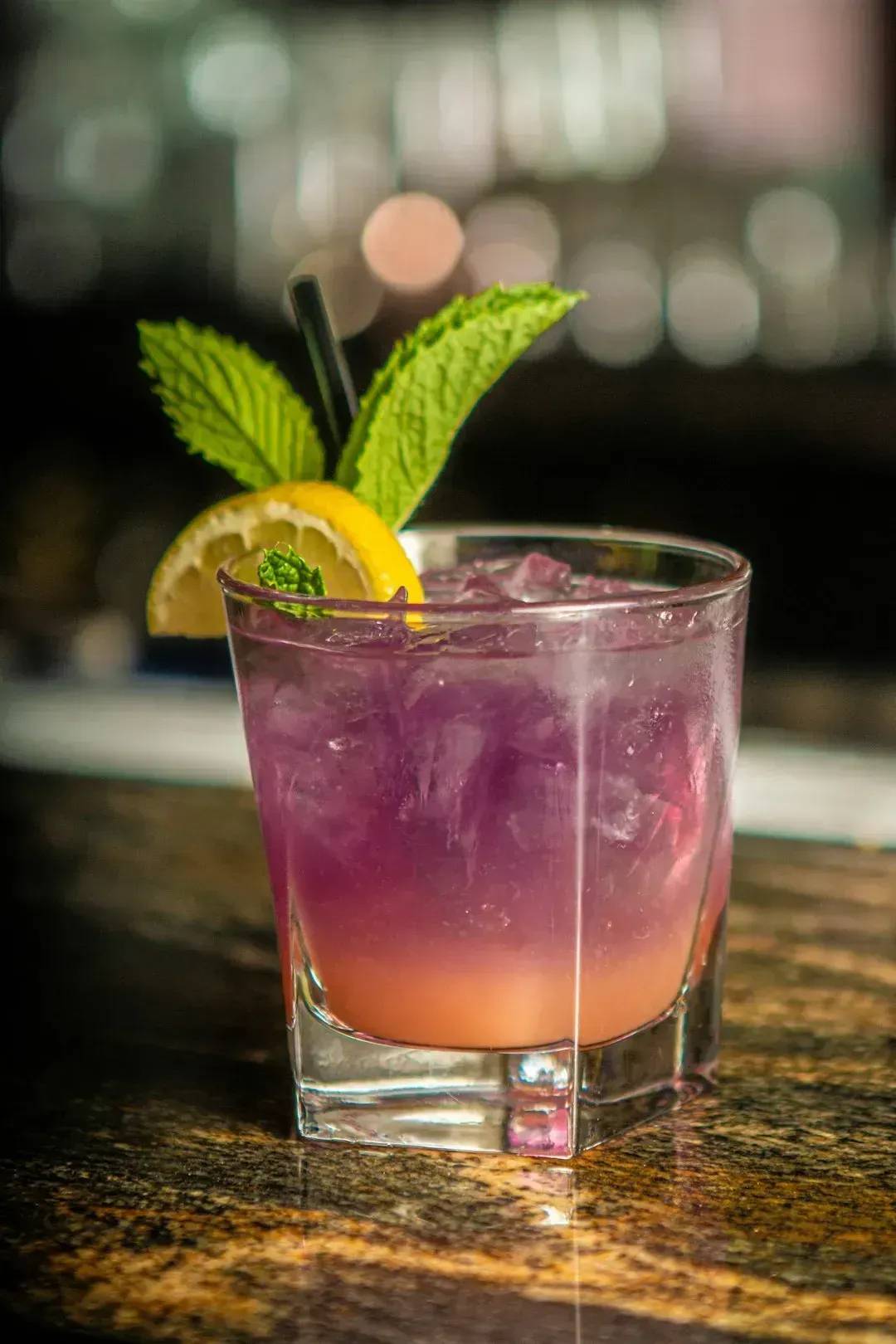
A Gen Z diner sitting down at a bar restaurant and ordering a mocktail used to raise eyebrows. Now it’s becoming standard practice, though the specificity of the order still catches some servers off guard. This generation drinks roughly a fifth less alcohol than millennials did at their age, and for them non-alcoholic beverages are primary options, not alternatives. They’re willing to pay premium prices for mocktails, kombuchas, and artisanal sodas.
The numbers back this up. More than forty percent of Americans said they were trying to drink less alcohol in 2024, a jump from the year prior, and that figure climbed to around sixty-one percent for Generation Z. According to TouchBistro’s 2025 State of Restaurants Report, roughly four in ten restaurants plan to expand their non-alcoholic drink offerings this year. The older waiter who still mentally pairs “young person at dinner” with “white wine or beer” is increasingly working from an outdated script.
2. Ordering From the Kids’ Menu Without Any Embarrassment

Some restaurants are embracing the trend of adults ordering from kids’ menus as a cost-effective, portion-controlled option, which helps them attract and retain younger customers. For a generation that grew up price-conscious and skeptical of oversized portions, this makes complete practical sense. Passing the laminated dinosaur menu to a 24-year-old, however, still produces a noticeable pause from waiters who learned the phrase “children’s menu” a certain way.
A 2024 National Restaurant Association report showed more than three quarters of customers want smaller portions for less money. Gen Z is simply the generation acting most visibly on that preference. Meanwhile, sixteen popular chain restaurants increased their prices by an average of forty-two percent between 2020 and 2025, according to a Finance Buzz study. Ordering a smaller, cheaper plate isn’t a quirk. It’s arithmetic.
3. Hyper-Customized Orders With Multiple Substitutions
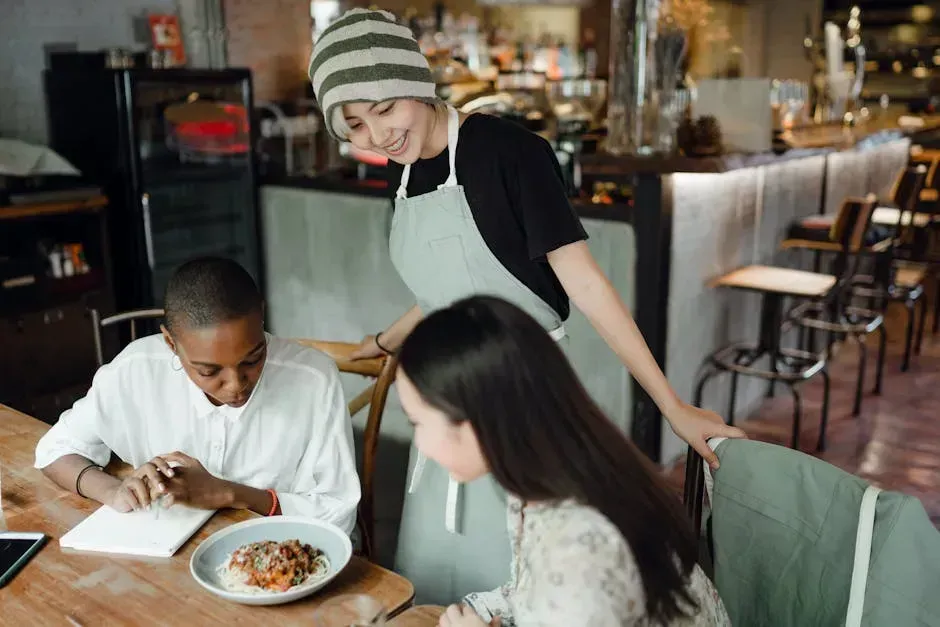
Older servers have seen special requests before, but the Gen Z version tends to arrive as a structured list rather than a tentative aside. This generation prefers restaurants that offer customizable menu options, and roughly three quarters of them customize their orders. About twenty-two percent try new menu items very often. Swapping a protein, requesting a different base, cutting a sauce, and adding a specific topping all in one breath is just how they order.
Their expectations include menu items that promote healthy eating, sustainability, and affordability, all while being readily available on demand. When those expectations don’t perfectly align with what’s printed on the menu, Gen Z simply rebuilds the dish verbally. A waiter who expected to write down “burger, medium” instead finds themselves navigating a five-part customization. It’s not difficult, it’s just different.
4. Sharing Everything at the Table, Including the Entrées
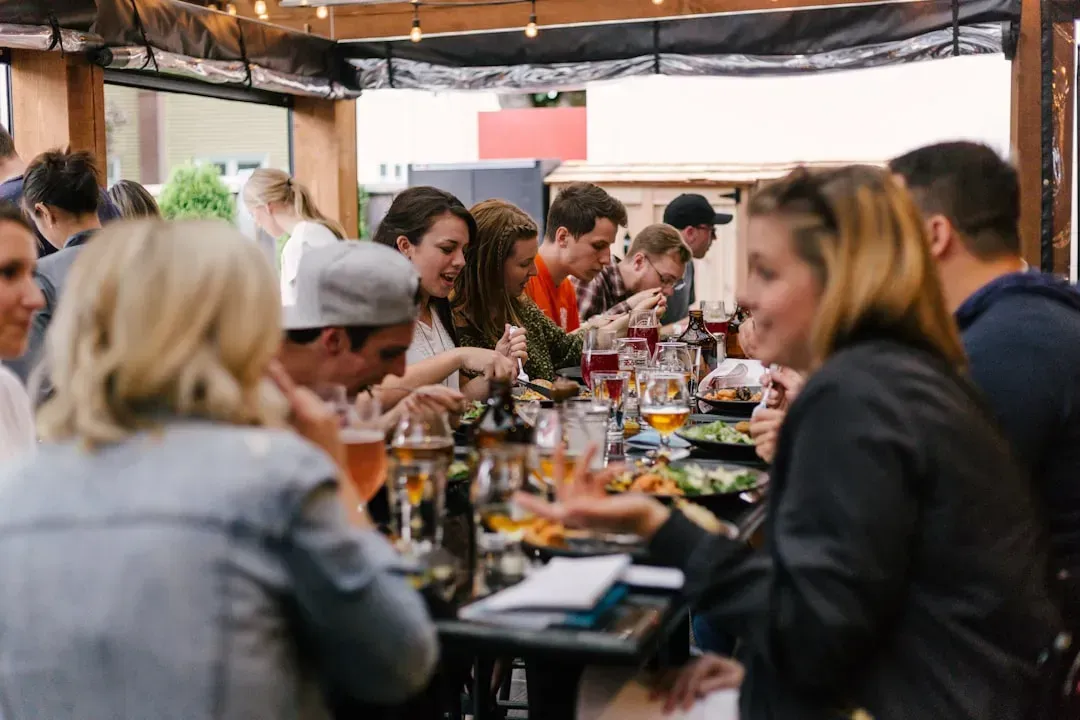
Communal dining isn’t new, but Gen Z takes it further than most generations before them. Many younger customers opt to share plates or order appetizers to offset the cost of dining out during a period of inflation and tariffs, often splitting entrées so everyone at the table can try something. This means a table of four might collectively order two main dishes and four appetizers rather than four individual entrées, which disrupts the timing rhythm that experienced servers have spent years mastering.
Gen Z doesn’t stick to three big meals a day. Almost seventy percent of them eat smaller snacks more often. That snacking mindset translates directly to how they approach a sit-down meal. The concept of one person, one plate, one entrée reads as old-fashioned to a generation more comfortable grazing across the whole table.
5. Asking Detailed Questions About Ingredient Sourcing
It wasn’t long ago that asking where the chicken came from would earn a confused look from a waiter who simply hadn’t been briefed on that. Gen Z asks anyway, and often. As climate change discussions persist, Gen Z tends to practice conscious consumption with their food choices. A survey from Food Insight found that sustainability impacts roughly a third of Gen Z’s food and beverage purchases.
Gen Z is conscious of making food choices that bolster their physical and mental health, with a focus on digestive and gut health. They actively look for menu items made with organic, fresh, and sustainable ingredients. For a veteran server at a chain restaurant that has never been asked about its supply chain, being peppered with questions about local farms mid-service is a genuinely new experience. Because they were raised with the internet, Gen Z is wary of information they find online, and they’re likely to conduct their own research to verify health and nutrition claims.
6. Ordering Plant-Based Versions of Classic Meat Dishes
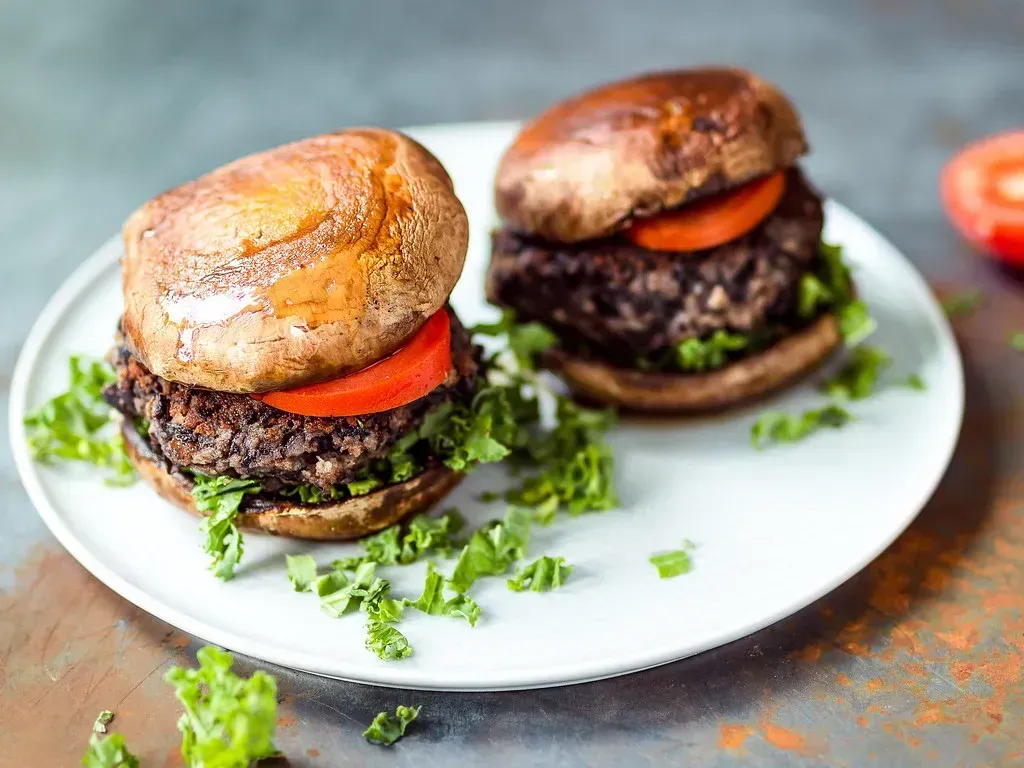
Swapping a beef patty for a plant-based one is common enough that most kitchens handle it without drama. What surprises some older staff is how naturally and frequently Gen Z makes this call, and that it’s not always tied to a declared dietary restriction. Gen Z’s food choices are more likely than any previous generation to embrace flexitarian eating habits, meaning on-and-off vegan or vegetarian lifestyles. They might order a plant-based burger one visit and a beef one the next, simply depending on what they feel like that day.
According to a 2023 GlobeScan report, about twenty-seven percent of Gen Z claim to eat plant-based food most or all of the time. Gen Z’s adoption of plant-based diets has also increased by five percent since 2021. For context, only about sixteen percent of Baby Boomers report eating that way. A waiter who grew up in a steakhouse culture and now fields daily requests to swap out the central protein is watching a genuine shift, not a passing phase.
7. Ordering Appetizers as a Full Meal, Then Skipping the Entrée
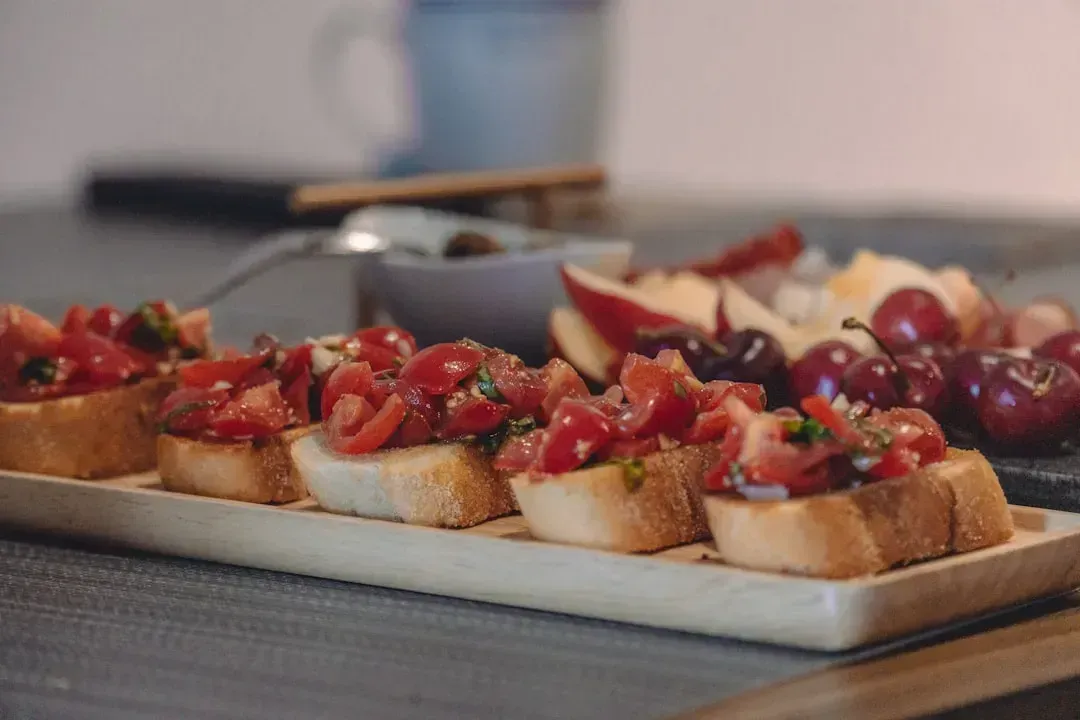
This one genuinely trips up the service flow. A table orders three starters, everyone eats, and then someone asks for the check. No entrées. The server who circled back to take the main course order is now holding a notepad with nothing on it. A 2024 National Restaurant Association report showed more than three quarters of customers want smaller portions for less money. Appetizers, in that context, become the meal itself.
Gen Z’s top restaurant choice is fast casual, followed by family style, bar and grill, and fast food. The formats they favor naturally lend themselves to smaller, more varied plates rather than a structured three-course progression. Ordering appetizers as a main course isn’t a budget hack so much as a reflection of how this generation genuinely prefers to eat: less structured, more exploratory, and lighter overall.
8. Requesting Specific Global Flavor Combinations That Weren’t on the Menu Yesterday
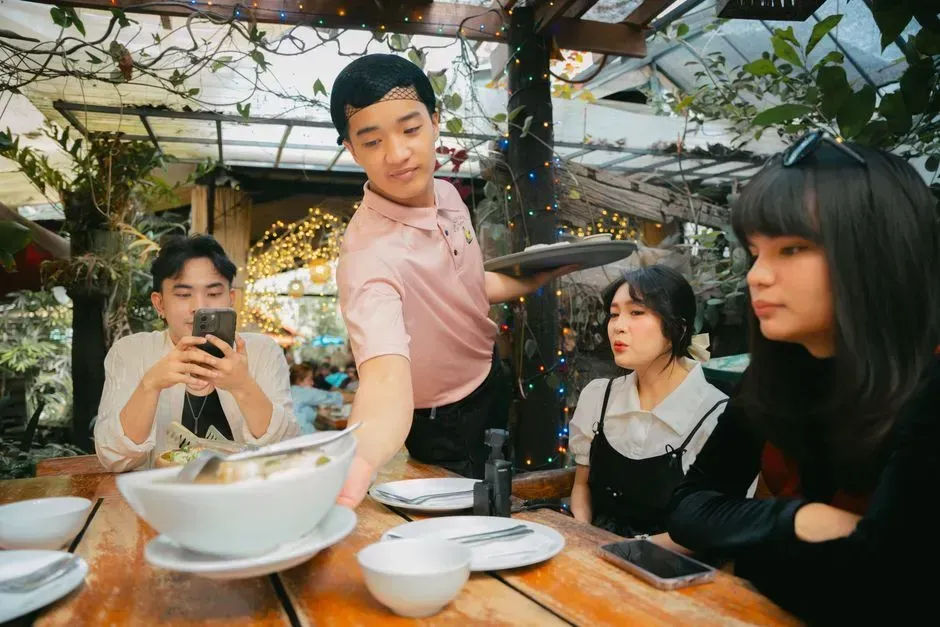
A Gen Z diner asking whether the kitchen can do a gochujang-glazed version of a dish, or whether there’s a way to get a miso-based dressing instead of the house option, is drawing on a food vocabulary that grew up alongside TikTok food culture. Bold flavors like yuzu, black garlic, and miso caramel reflect a love for global cuisines among this generation. Functional foods like protein-rich preparations and adaptogenic beverages tie into Gen Z’s focus on health.
Creative fusions such as Korean-Mexican tacos or Middle Eastern cuisine blended with Western street food formats are also rising in popularity. About half of Gen Z diners have tried a new restaurant based on positive social media feedback. A waiter at a mid-range American grill who hasn’t followed the same TikTok food rabbit holes can be forgiven for needing a moment when a 22-year-old asks if the sweet-spicy glaze on the ribs might also work as a dipping sauce for the fries. It might, and Gen Z will absolutely test it.
9. Paying Separately and Splitting Bills Down to the Exact Cent

Few things slow down a table’s checkout like a Gen Z group that has already pre-calculated every person’s share on Venmo before the check arrives, then asks the server to run four separate cards for four separate amounts that don’t match any obvious division of the bill. One true challenge restaurants face with Gen Z and Millennial diners is their approach to tipping. These younger generations tend to tip less frequently and are becoming more comfortable with declining tips.
While Gen Z dines in and orders more frequently than other generations, they are particularly sensitive to inflation and price hikes. Restaurateurs should explore alternatives to raising menu prices to prevent Gen Z diners, who are already financially sensitive, from pulling back. The split-check habit reflects real economic pressure, not bad manners. The economic uncertainty of the pandemic that marked the start of their adult lives has influenced their purchases, and Gen Z is working hard to get through college and begin their careers, so quick and easy approaches to spending are in high demand.
What ties most of these habits together is a generation that arrived at adulthood during a period of economic disruption, unprecedented digital access, and rapidly shifting ideas about what food is actually for. They order with intention. They customize without apology. They show up to dinner knowing exactly what they want, even when what they want doesn’t have a clear line on the menu. That might be mildly baffling to a waiter who trained on a different set of norms, but the restaurants paying close attention to these habits are quietly rewriting their menus in response.

Leave a Reply