
Ohio

Ohio spent much of the last decade losing more residents to other states than it gained, the kind of quiet decline that rarely makes headlines but adds up over time. That trend reversed in a way demographers noticed immediately. One of the most notable developments in 2025 was the improvement in migration performance across parts of the Midwest, with Ohio posting a net gain of nearly 12,000 residents.
The state’s turnaround wasn’t accidental. Ohio and Michigan had previously been in a population slump marked by negative net domestic migration and worrisome natural population declines, more deaths than births, before the trend turned around. Local officials in Columbus and Cincinnati have leaned into that momentum, and cities like Toledo have shown up on national lists of the hottest housing markets precisely because of how far a paycheck stretches there.
Michigan

Michigan’s story is arguably the more dramatic one. For over three decades, the state simply did not post a net gain of people moving in from elsewhere in the country. That changed in 2025, and the shift was described by state demographers as historic in scope.
The Census Bureau estimates that Michigan had a net domestic migration of 1,796 from July 1, 2024 to June 30, 2025, and though small, this marks the first time since at least 1990 that the Population Estimates Program showed net domestic gains for Michigan. Cities like Dearborn have started appearing on lists of hot housing markets, largely because of prices that simply cannot be matched on either coast. It’s a modest number in absolute terms, but for a state that had grown used to losing people, even a small positive figure counts as a milestone.
Indiana
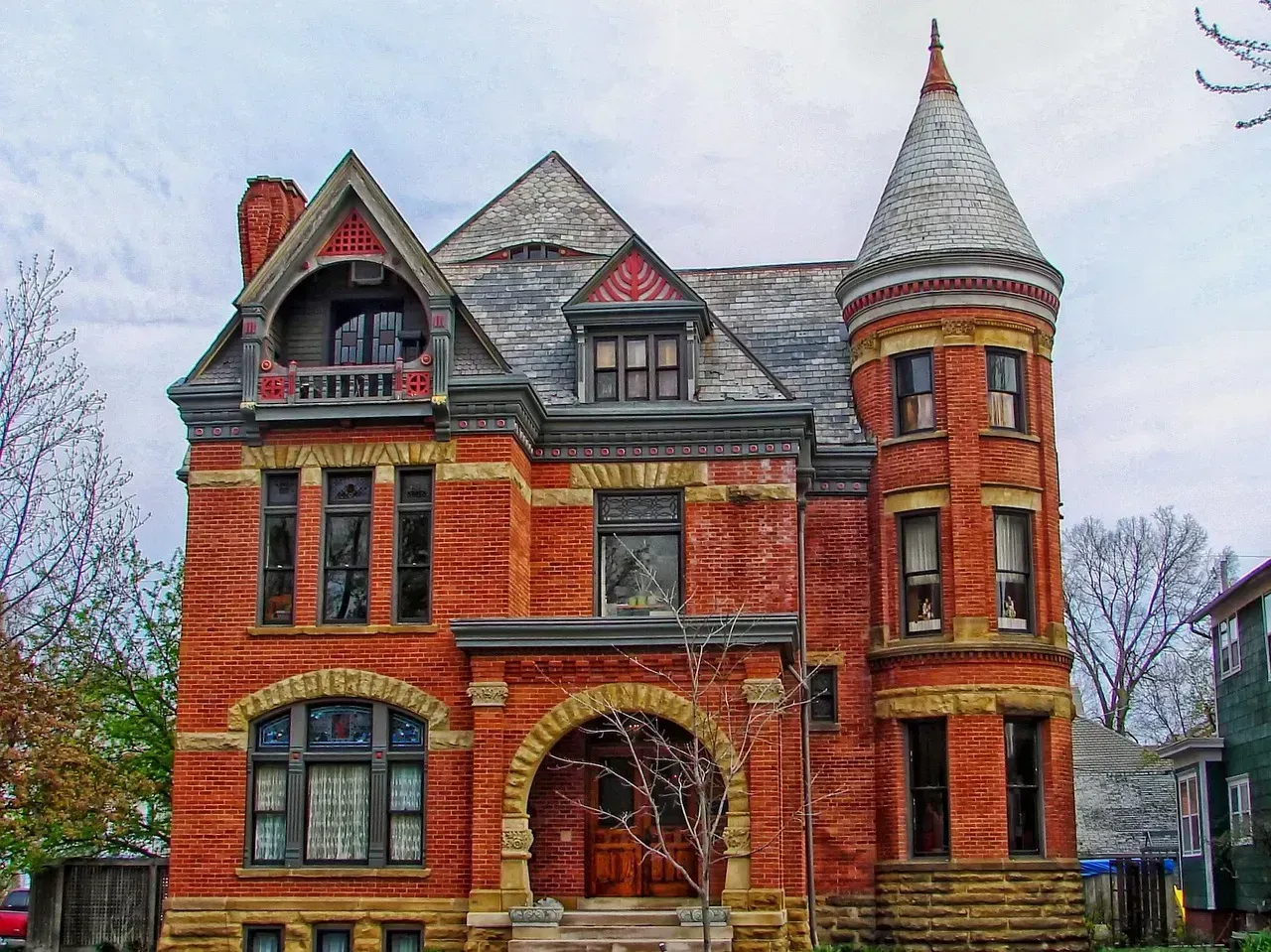
Indiana never had the dramatic collapse that some of its neighbors experienced, but it has quietly become one of the Midwest’s most consistent affordability stories. The state has managed something rare: steady population growth backed by genuine, sustained gains from people moving in from elsewhere.
Indiana, Iowa, Minnesota, Missouri and Nebraska have seen population growth each of the past five years. Indiana added 38,579 residents in 2025, placing it among the top 15 states for population growth in absolute terms. Cities such as South Bend and Carmel have benefited from that shift, with housing analysts pointing to them as some of the most affordable options for buyers priced out of larger metros.
Minnesota
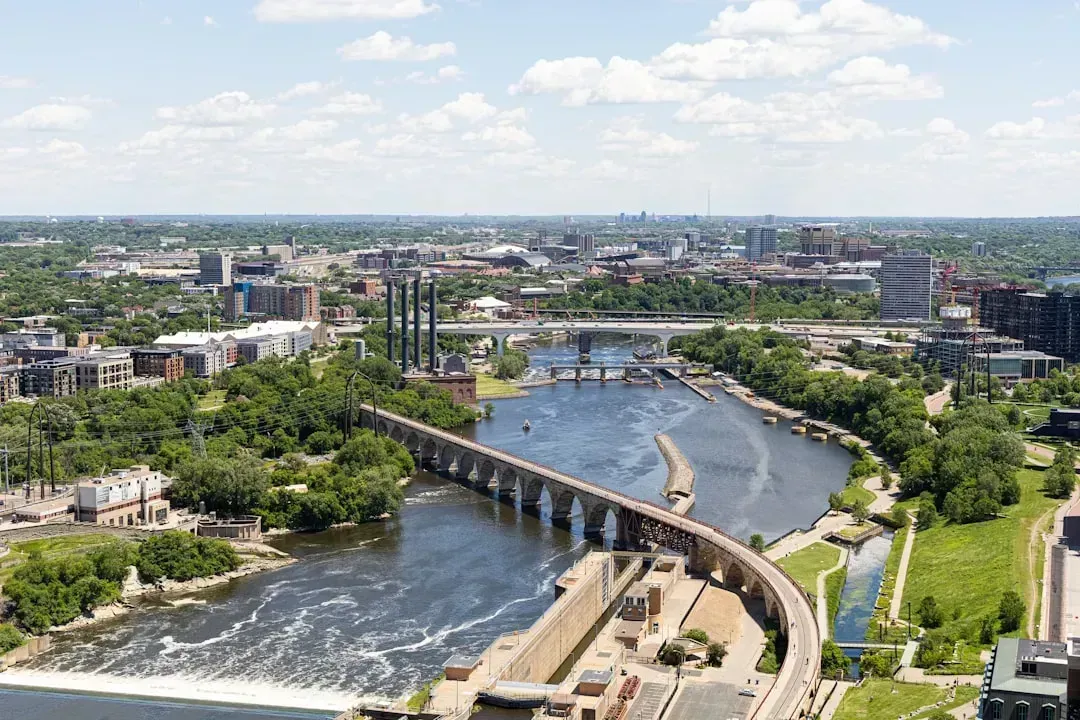
Minnesota’s turnaround might be the most striking reversal on this list. The state had actually been losing residents to domestic migration as recently as 2024, a trend that flipped almost overnight.
Minnesota saw the largest domestic migration growth of any state, reversing a loss of 204 movers in 2024 into a gain of 8,300 movers in 2025. That shift showed up in the moving industry’s own data too. Minneapolis flipped from net domestic outflow to net inflow in the most recent year, and Minnesota appeared on United Van Lines’ top 10 inbound list for the first time. For a state that had spent years being overlooked in favor of Sun Belt destinations, that’s a meaningful change in fortune.
Missouri

Missouri has quietly built a reputation as one of the cheapest places in the country to actually live, not just on paper but in the day to day cost of groceries, rent, and utilities. Missouri’s cost of living index for the first quarter of 2026 was 88.6, tying it for the seventh lowest cost of living in the United States.
That affordability has translated into real population gains. In the Midwest region, Missouri and Indiana were the clear winners in terms of generating positive net domestic migration last year, with Wisconsin right on their heels. Even within Missouri, the differences are stark; the city with the lowest cost of living index for the period was Joplin, at 83.7. For families weighing a move against a paycheck that isn’t growing as fast as prices, that kind of number is hard to ignore.
Oklahoma

Oklahoma has claimed the title of the nation’s most affordable state for several years running, and the gap between it and the priciest states has only widened. Oklahoma is the cheapest state to live in with a cost of living index of 86.0, ranking alongside West Virginia and Mississippi as the three most affordable states in the country.
Housing is doing most of the heavy lifting behind that number. Oklahoma has the lowest annual cost of living in the US, with average household expenditures of $66,284 and housing 32% below the national average. That gap is showing up in real estate listings across Tulsa and Oklahoma City, where rents remain a fraction of what similar apartments cost in Austin or Denver, drawing in both retirees and remote workers looking to stretch a fixed income further.
Arkansas

Arkansas doesn’t get the same national attention as its neighbors, but it has quietly become one of the more compelling affordability stories in the South. Arkansas continues to gain traction as an affordable place to relocate, supported by economic growth and lower living costs, with cities like Bentonville, Little Rock, and Fayetteville often mentioned as magnets for both workers and employers.
The state’s growth has also shown up in broader regional data. A combination of lower costs of living and nicer weather has led to rapid growth for southern Sun Belt states such as Arkansas and Oklahoma. Northwest Arkansas in particular has benefited from corporate expansion tied to the region’s retail and logistics sector, giving new arrivals both cheaper housing and a real job market to land in, rather than just a lower price tag.
Kansas

Kansas rarely shows up on glossy relocation lists, and that might be exactly its appeal. It offers a combination that’s increasingly rare: genuinely low costs paired with a stable, unremarkable safety record that families quietly value.
Kansas stands out as an affordable state with a strong safety record, carrying a Cost of Living Index of 88.8 and relatively low crime rates, especially in suburban and rural areas. The state provides decent public schools, safe suburban communities, and affordable childcare, which matters more to relocating families than any single flashy statistic. It’s not a state anyone moves to for the scenery, but for people running the numbers on rent versus salary, it consistently comes out ahead.
Iowa

Iowa has built its reputation on something simple and durable: houses that people can actually afford relative to what they earn. Iowa ranks as the most affordable state in America, requiring just 3.7 years of household income to purchase a typical home, at about $283,000 in 2025.
That affordability isn’t a fluke of the moment either; it reflects a longer pattern of price stability that other states lost years ago. Iowa’s home price-to-income ratio sits close to what the median U.S. homebuyer faced back in 2000, a benchmark almost no coastal state can claim anymore. Combined with steady population growth over the past five years, Iowa has quietly turned into one of the more dependable options for anyone tired of watching housing costs outrun their income.
Pennsylvania

Pennsylvania’s comeback looks a little different from the Midwest’s story, driven less by manufacturing nostalgia and more by sheer geographic convenience. Philadelphia in particular has emerged as an affordability escape valve for New Yorkers who still want access to a major East Coast city without paying New York prices.
Philadelphia boasts the third largest inflow of any major metro for the fourth quarter of 2025, and more than one in four new residents to Philadelphia hailed from New York City. That interest has translated into rising rankings elsewhere too. Pennsylvania saw the largest increase in relocation interest of any state, climbing 20 spots year over year. For people unwilling to give up on urban life entirely but no longer willing to pay Manhattan rent, Philadelphia has become the practical middle ground.
These reversals don’t mean the old Sun Belt story is over. Texas, Florida, and the Carolinas are still adding people by the tens of thousands every year. What’s changed is that the conversation is no longer one directional. States that spent a generation watching their best and brightest leave for warmer, cheaper pastures are finding that the pastures aren’t quite as cheap as they used to be, and that home, it turns out, still has some pull left in it.



Leave a Reply