
Crystal Pepsi
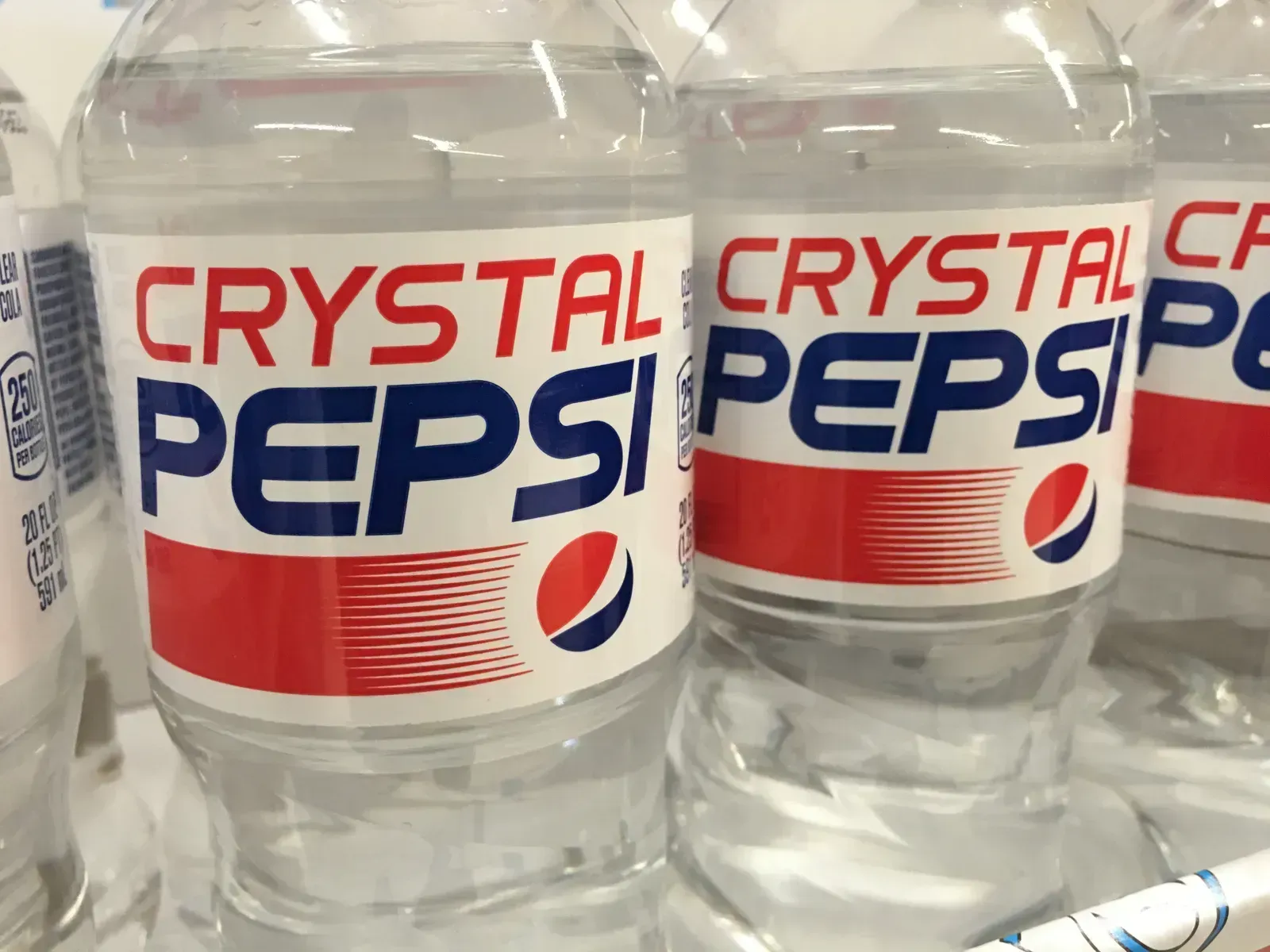
No discontinued soda generates more chatter than Crystal Pepsi, and for good reason. Crystal Pepsi is a cola made by PepsiCo that was initially marketed in the United States and Canada between 1992 and 1994, and has had sporadic limited releases since 2016. In its brief original run it was a genuine phenomenon, capturing one full percentage point of U.S. soft drink sales, or approximately 474 million dollars, in its first year alone.
The nostalgia never really faded, and neither did the campaigning. In March 2015, an online grassroots campaign began to bring back Crystal Pepsi, encouraged by a similar campaign that had made Coca-Cola reintroduce Surge in the United States. That pressure paid off again recently, since PepsiCo officially confirmed that Crystal Pepsi, which had a brief run in the U.S. between 1992 and early 1994, would return to shelves for a limited time in the U.S. and Canada. The company said the decision was inspired by overwhelming fan demand, with the soda hitting shelves on July 11 in Canada and August 8 in the U.S.
Surge
If Crystal Pepsi was Pepsi’s clear-cola gamble, Surge was Coca-Cola’s answer to the extreme-sports energy of the late 90s. Citrus-flavored, neon-colored Surge was introduced in 1997 as Coca-Cola’s answer to Mountain Dew, making a splash with bold branding and an even bolder marketing campaign tied to extreme sports and 90s teen culture. It didn’t last, and in 2003, Coca-Cola decided to sunset Surge entirely.
The fanbase never accepted that outcome quietly. The discontinued drink’s fans organized and started a petitioning operation that resulted in over 30,000 signatures. That pressure actually worked once before, and it’s still working in fits and starts, since the movement has succeeded in periodically bringing Surge back to test markets, though it remains officially off the market as of this publication. Collectors have taken matters into their own hands too, with Coca-Cola’s neon green citrus soda becoming something of a collector’s item, complete with small-batch releases popping up online.
Josta
Long before Red Bull and Monster took over gas station coolers, PepsiCo tried something similar with a tropical twist. Josta is largely considered the first energy drink released by a major soda company in the United States, a high-energy citrus soda that circulated from 1995 to 1999 and included both guarana and caffeine. The name itself came from an unusual source, since it was launched in 1995 by PepsiCo and had a berry-like flavor possibly inspired by jostaberries.
Of every soda on this list, Josta might inspire the most genuine mourning. Josta was probably the most missed of these discontinued sodas, with fans still reminiscing about its flavor and deep red color decades later and even spearheading campaigns to bring it back, with some going as far as trying to create copycat recipes. So far none of that devotion has moved PepsiCo, and occasionally a very old can shows up in some corner of the internet, but the company has no plans to resurrect the soda. Fans hunting for a taste of it on screen can spot a bottle in an unexpected place, since Josta does feature in the Loki television series.
Orbitz
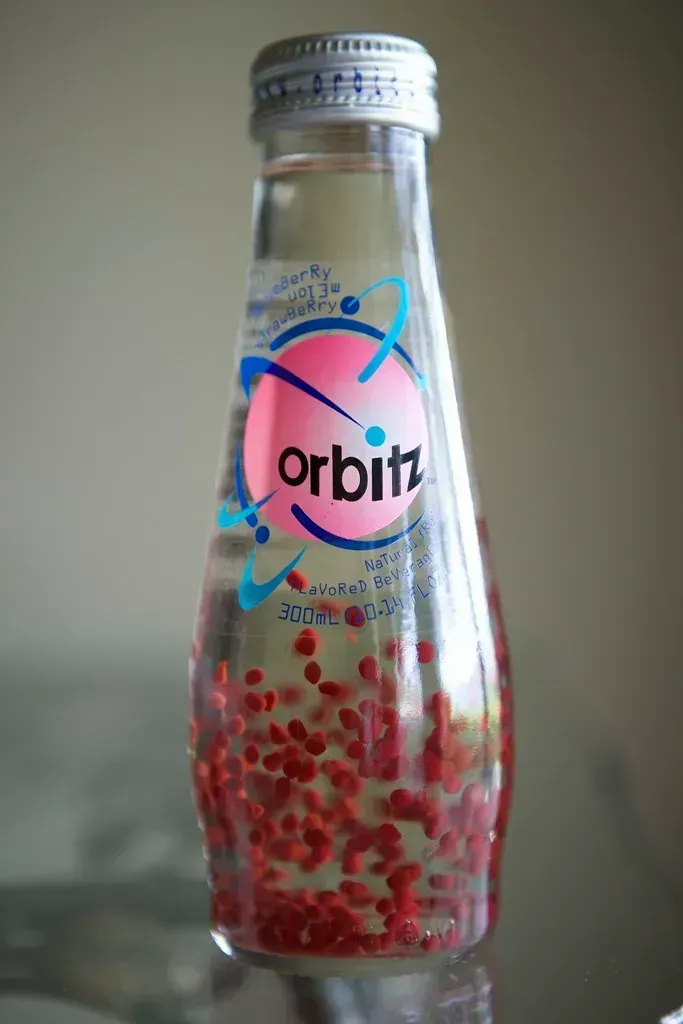
Few discontinued drinks are as visually strange as Orbitz, and that strangeness is exactly why people still bring it up. Orbitz was a discontinued fruit-flavored, non-carbonated beverage made by the Clearly Food and Beverage Company, filled with mini orbs of gelatin that floated weightlessly throughout the bottle and only moved about when shaken. The visual effect was the entire pitch, since when the drink was still, the beads would float in the liquid, almost creating a lava lamp-like effect.
It didn’t survive long, and its exit was as low-key as its arrival was gimmicky. The company eventually gave up on trying to make its weird, ball-filled drinks happen, and removed Orbitz entirely from store shelves in 1998. Fans hoping to relive it today are mostly out of luck through official channels, though the lava-lamp drink with floating gelatin balls has started making limited-edition runs for novelty-seeking Gen Zers. In the meantime, some have gotten creative on their own, with home cooks and content creators posting DIY recreations rather than waiting for a corporate revival.
OK Soda
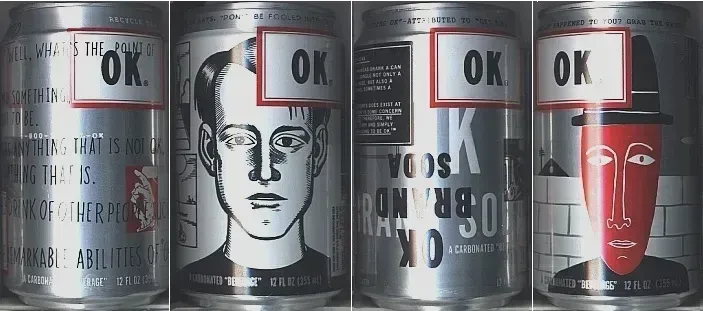
OK Soda might be the most self-aware failure in soda history. If ever there was a soda that epitomized 90s counterculture before it even started, it was OK Soda, launched by Coca-Cola in 1993 with quirky advertising and minimalist design that felt like a rebellion against traditional cola brands. The whole concept leaned into irony rather than away from it, since it was practically a satire of advertising itself, with cans featuring abstract artwork, offbeat slogans and even a hotline number you could call just to hear weird recorded messages.
The flavor was almost beside the point, described by the brand itself as deliberately hard to pin down. The flavor was intentionally vague, described by fans as a mix of cola, citrus and something else, which somehow added to its cult appeal. That cleverness never translated into staying power, and despite its bold campaign, OK Soda failed to find a consistent audience and was discontinued in 1995. It remains a favorite talking point among marketing nerds precisely because its failure felt intentional in retrospect, a joke that the public simply didn’t stick around long enough to get.
7 Up Gold
7 Up Gold is proof that changing a beloved brand’s entire identity rarely goes smoothly. Spicy and cinnamony, it was a dramatic departure from the crisp, lemon-lime 7UP everyone knew, with fans describing a complex taste that blended ginger ale and cola with a hint of cinnamon. It also broke from tradition in a more practical way, since unlike regular 7UP, which is caffeine-free, 7UP Gold actually contained caffeine.
Consumers weren’t sure what to make of a soda wearing a familiar name but tasting nothing like the original. Introduced in the late 80s, it tried to tap into the cola market but confused consumers looking for the brand’s signature light and crisp vibe. That confusion sealed its fate quickly, though ironically it might land better today. Despite its short lifespan, its complex flavor would feel right at home today among craft sodas and cocktail mixers.
Slice
Before “made with real fruit juice” became standard grocery store language, Slice was already doing it. Slice Soda was first launched by PepsiCo in 1984 in direct competition with the massively popular lemon-lime brands Sprite and 7UP, and what made it unique was its use of real fruit juices. The gamble worked at first, and by 1987, Slice lived up to its name to win a major slice of the American soft drink market.
Momentum eventually slipped, and the reasons were fairly mundane. Variants like Mandarin Orange Slice were fan favorites, but they lost ground to competitors like Sprite and Fanta. The Slice name technically still exists in some markets, but the version people remember from childhood, with its distinct fruit-forward punch, has largely disappeared, leaving a gap that modern juice-soda hybrids haven’t quite filled the same way.
Tab
Tab occupies a strange spot in soda history, since it outlived almost every other drink on this list before finally disappearing for good. One of the original diet sodas from Coca-Cola, Tab was recognizable by its hot pink can and bold retro logo, with a distinct taste that could best be described as a diet soda before diet soda really got good. That taste came from a specific ingredient choice, since it leaned heavily on saccharin, an artificial sweetener that gave it a slightly bitter aftertaste.
Unlike the other sodas here, Tab’s ending is very recent and very final. Tab was discontinued in 2020 after being left far behind by Diet Coke’s sales. That hasn’t stopped a determined fanbase from making noise online, since a group of superfans has been calling for its comeback using the hashtag SaveTabSoda, garnering thousands of views on Facebook and TikTok. Coca-Cola has given no indication it plans to reverse course, but the campaign shows no signs of slowing down either.
Hi-C Ecto Cooler
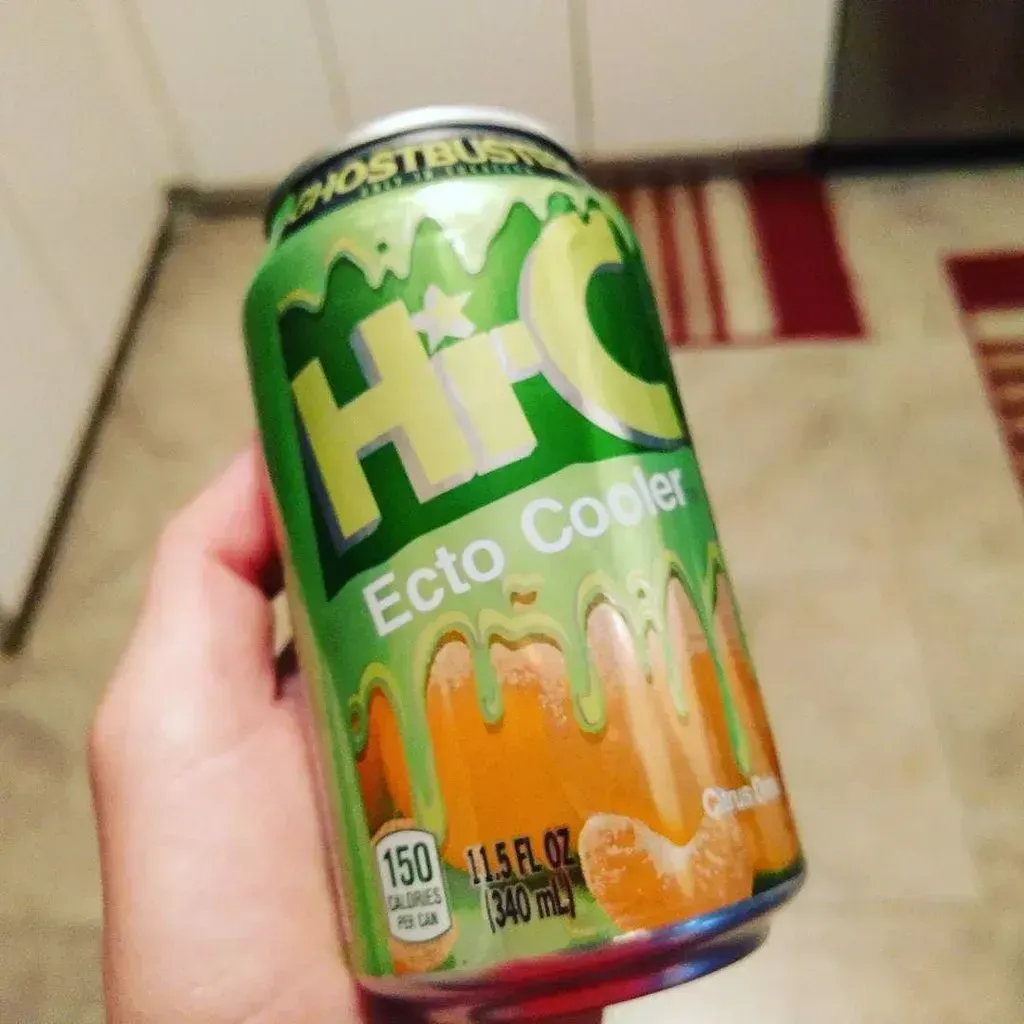
Ecto Cooler proves that a marketing tie-in can outlive the movie it was built around. Launched in 1987 as a tie-in to the Ghostbusters franchise, Hi-C Ecto Cooler quickly became more than just a promotional product. The green citrus flavor stuck in people’s memory long after the Ghostbusters branding faded from pop culture relevance, turning it into one of the more requested childhood flavors among people now in their thirties and forties.
Unlike some names on this list, Ecto Cooler has actually come back more than once, just never permanently. Originally tied to Ghostbusters, it returned for a brief period but remains a cult favorite. Each limited reissue tends to sell out fast, which only reinforces the case fans keep making that Hi-C should just bring it back for good instead of treating it like a once-a-decade special event.
Where Things Stand Heading Into the Rest of 2026
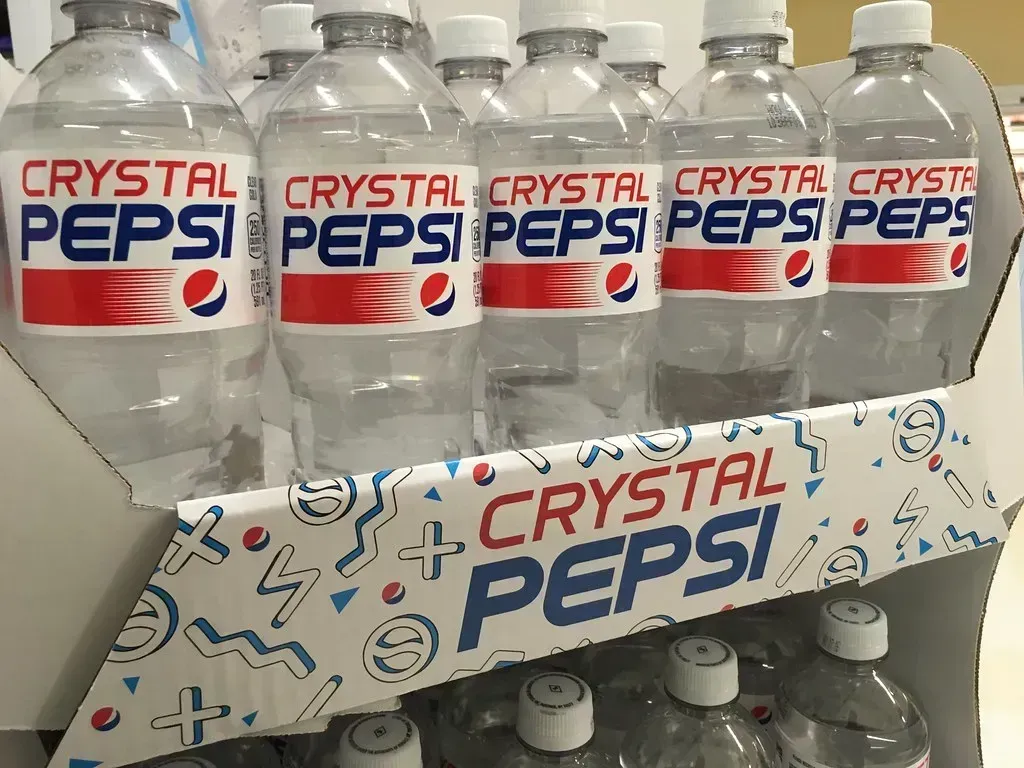
What’s changed recently isn’t the nostalgia itself, it’s that companies are finally acting on it rather than just watching it play out in Facebook groups and TikTok comment sections. People are craving tangible, emotional connections in a world dominated by algorithms, and brands are leaning in hard, with PepsiCo re-releasing Crystal Pepsi as one clear example. The Crystal Pepsi return this summer is the most concrete proof yet that a persistent enough fanbase can eventually get a real answer instead of just another limited sweepstakes.
Not every soda on this list will get that same treatment, and some, like Josta, seem permanently retired despite years of requests. Still, the pattern is clear enough that fans of Surge, Tab, and Orbitz have reason to keep asking. Soda companies have noticed that a good origin story sells almost as well as a good flavor, and right now nostalgia is one of the most reliable ingredients on the shelf.
Leave a Reply