
There’s something about the smell of a certain casserole or the sight of a gelatin mold on a buffet table that instantly transports people back decades. The 1950s kitchen was shaped by rationing memories, new convenience products, and a growing postwar middle class eager to entertain. Home cooks leaned on canned soups, molded salads, and hearty one-dish meals that fed a family without much fuss.
These dishes weren’t fancy by today’s standards, but they carried a kind of comfort that still lingers in family recipe boxes. Below are nine meals that defined that era, the kind of food that, if your grandmother made them, you probably still remember exactly how they tasted.
1. Tuna Noodle Casserole
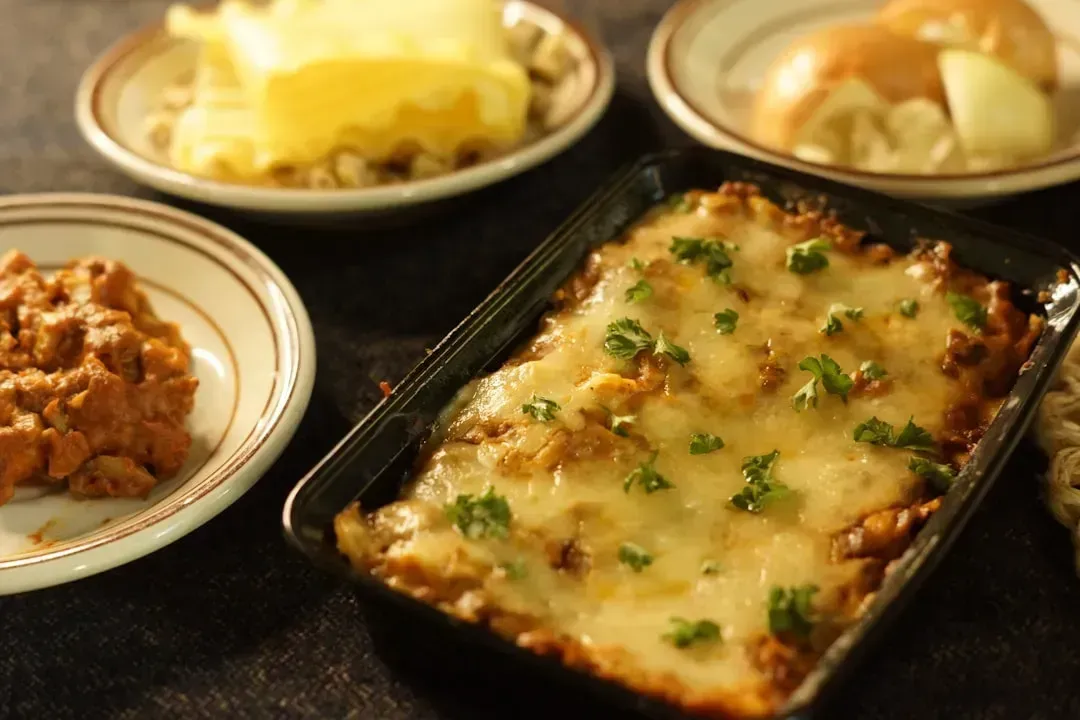
Few dishes scream midcentury American kitchen louder than tuna noodle casserole. It relied on canned tuna, egg noodles, and a can of condensed cream of mushroom soup, a combination that became a pantry staple after Campbell’s began promoting the soup as a cooking ingredient rather than just a starter. Crushed potato chips or buttered breadcrumbs on top added the crunch that made it feel like a proper dinner rather than just leftovers stirred together.
The dish spread quickly because it was cheap, filling, and forgiving of substitutions. Families could swap in peas, celery, or whatever vegetable needed using up. It became such a fixture that Campbell’s soup labels themselves featured casserole recipes for decades, cementing the connection between the brand and this particular comfort food.
2. Jell-O Salad with Fruit or Vegetables
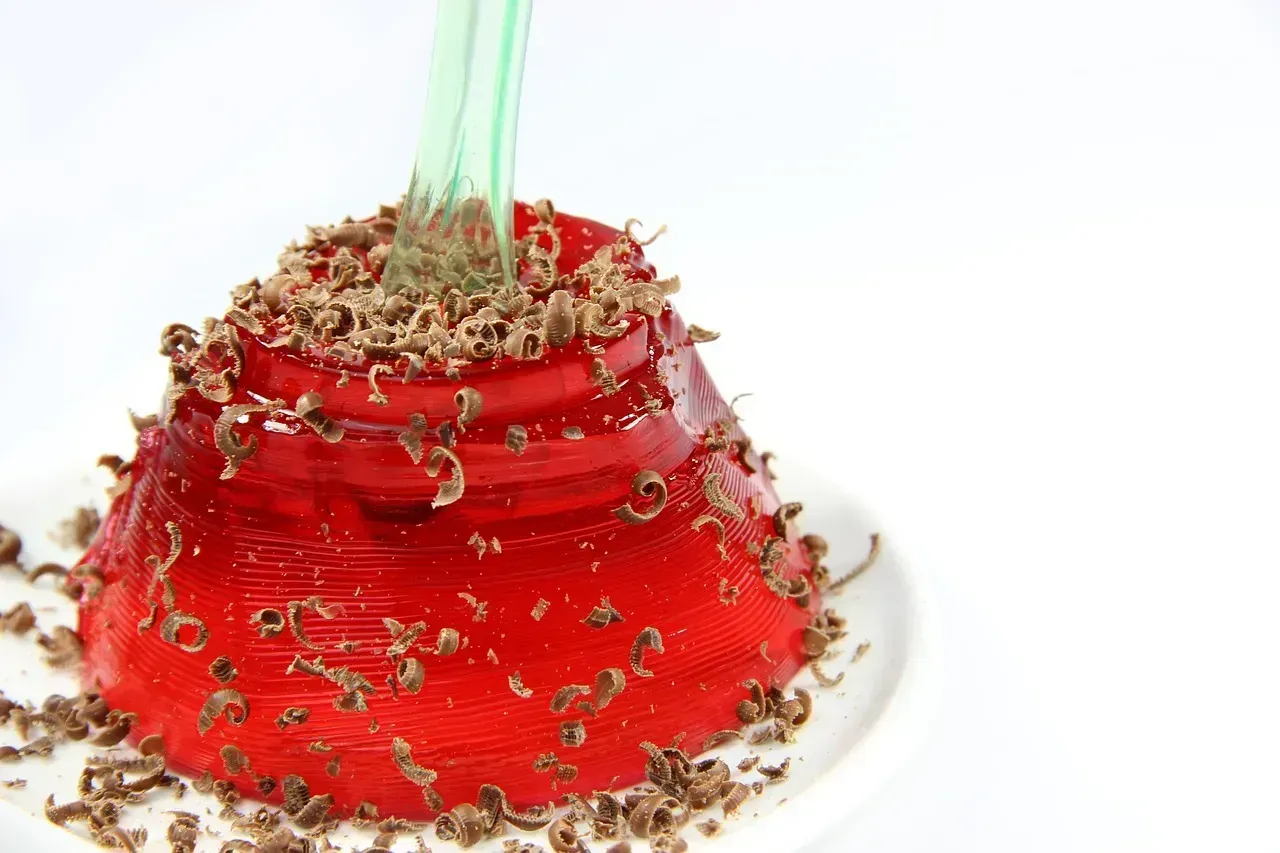
Gelatin salads were practically a symbol of 1950s hospitality. Housewives suspended canned fruit, shredded carrots, celery, or even cottage cheese inside brightly colored Jell-O, then unmolded the whole thing onto a serving platter for guests to admire before slicing. The combination of sweet and savory ingredients in a single wobbly dish sounds unusual today, but it was considered elegant at the time.
Jell-O had been around since the early 1900s, but the 1950s marked its true golden age thanks to aggressive advertising and the rise of molded salad recipe booklets included with packages. Some versions incorporated canned tuna or shrimp, turning dessert-adjacent gelatin into a full savory course. The trend faded by the 1970s, but many families still have an aunt who insists on making one for holidays.
3. Swedish Meatballs
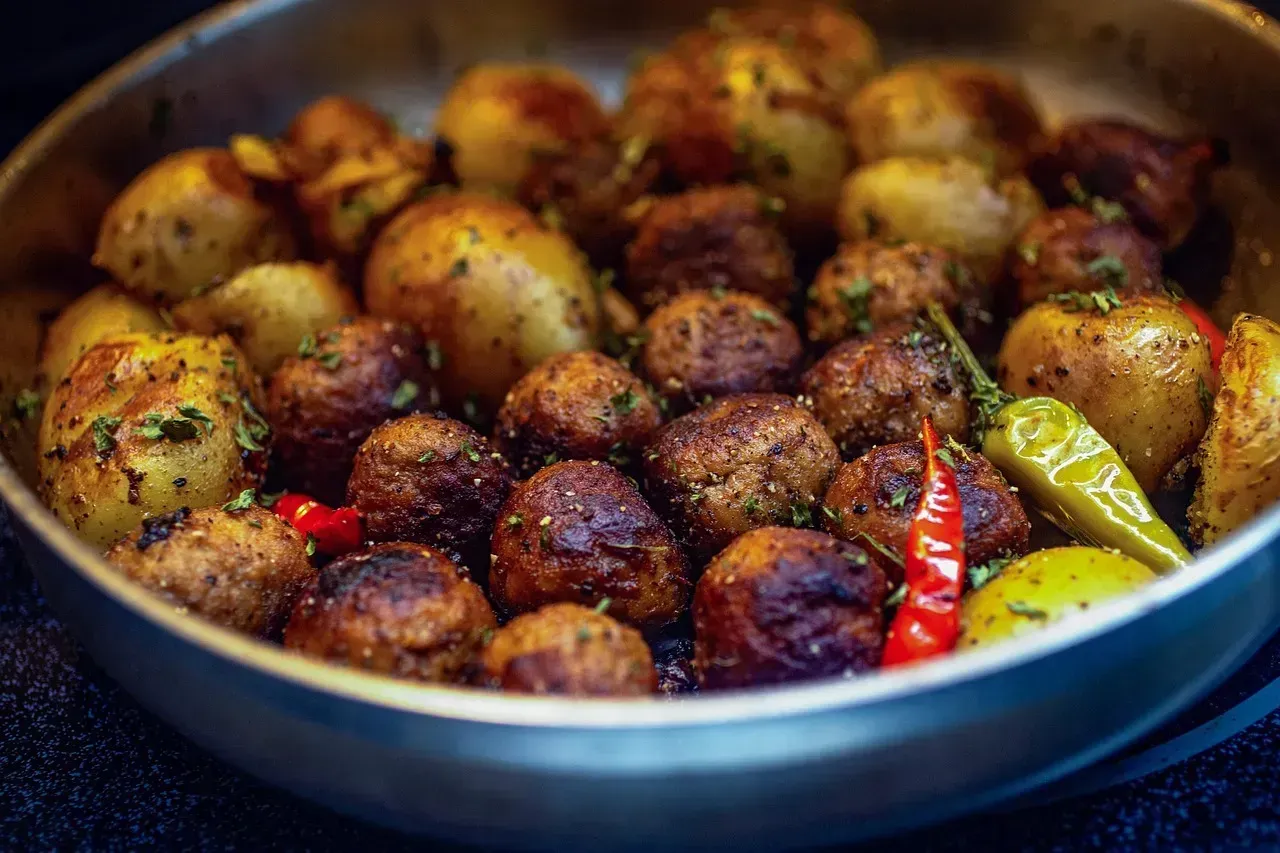
Swedish meatballs found their way into American homes largely through community cookbooks and the growing popularity of Scandinavian-style entertaining. Ground beef or a beef and pork blend was rolled into small balls, browned, then simmered in a creamy gravy often thickened with flour and enriched with sour cream. Served over egg noodles or with toothpicks at a party, they worked equally well as a weeknight dinner or a buffet centerpiece.
The dish’s popularity in the United States grew alongside a broader midcentury fascination with international-inspired comfort food, even if the American version diverged quite a bit from traditional Swedish köttbullar. Many grandmothers passed down their own gravy tweaks, whether that meant a splash of Worcestershire sauce or a spoonful of currant jelly for sweetness. It remains one of the more enduring dishes from that decade, still appearing on party tables today.
4. Deviled Eggs
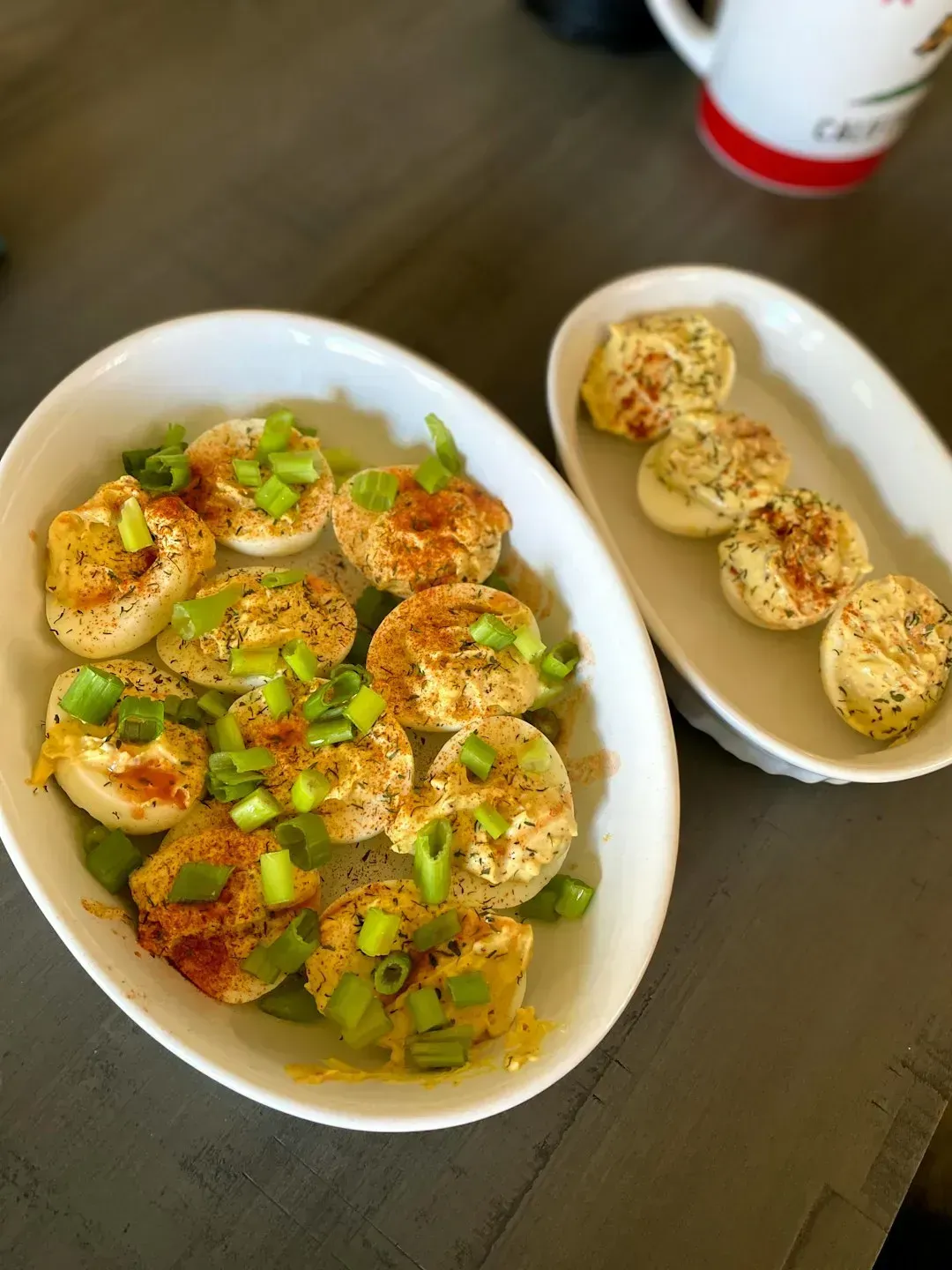
Deviled eggs were the reliable appetizer of nearly every 1950s gathering, from church potlucks to backyard barbecues. Hard boiled eggs were halved, their yolks mashed with mayonnaise and mustard, then piped or spooned back into the whites and dusted with paprika for a bit of color. The recipe itself dates back much further, but the postwar era turned it into a near-mandatory item on any spread.
Part of the appeal was practicality. Eggs were affordable, the dish required no oven time, and it could be made ahead and chilled until guests arrived. Specialized deviled egg plates with indentations for each half became a common wedding gift during the decade, a small but telling sign of how central the dish was to home entertaining.
5. Meatloaf
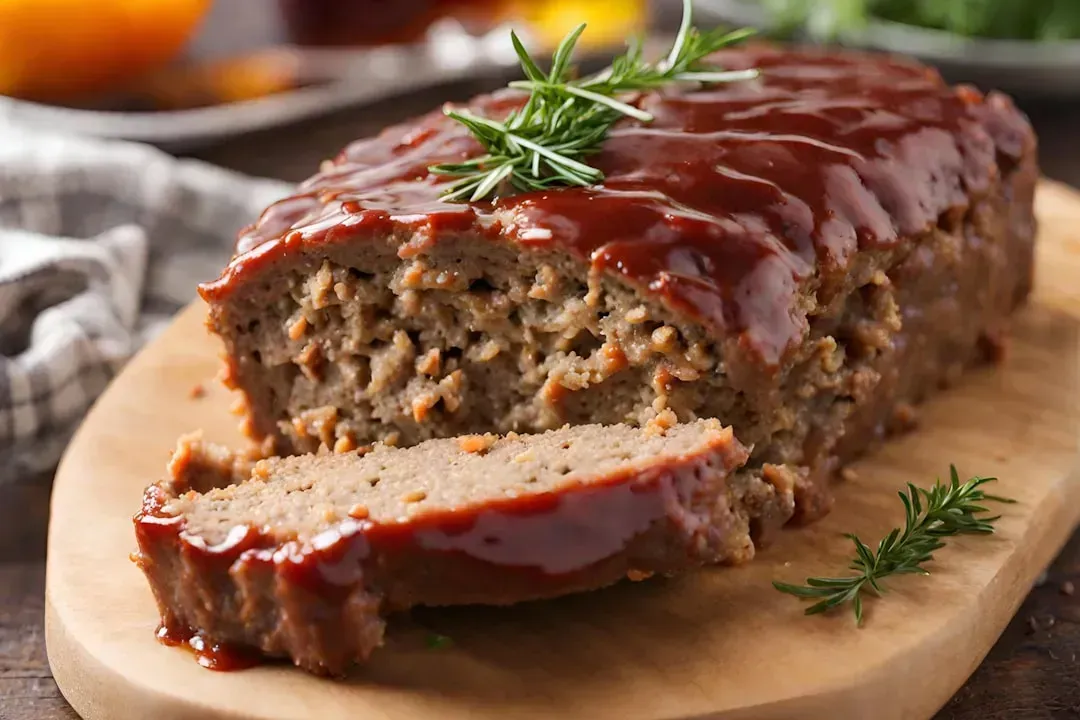
Meatloaf had existed long before the 1950s, but the decade gave it a signature makeover with the addition of a glossy ketchup or tomato sauce glaze baked right on top. Ground beef was mixed with breadcrumbs, egg, onion, and seasonings, shaped into a loaf pan, and baked until firm enough to slice. It stretched a modest amount of meat to feed a whole family, which mattered in an era still shaped by memories of wartime rationing.
Recipe cards from the period often called for canned tomato soup or ketchup mixed with brown sugar as the glaze, giving the dish a slightly sweet, tangy crust. Leftovers were frequently repurposed into cold sandwiches the next day. Meatloaf’s staying power says a lot about its practicality, since versions of it still show up in home kitchens across the country.
6. Chicken à la King
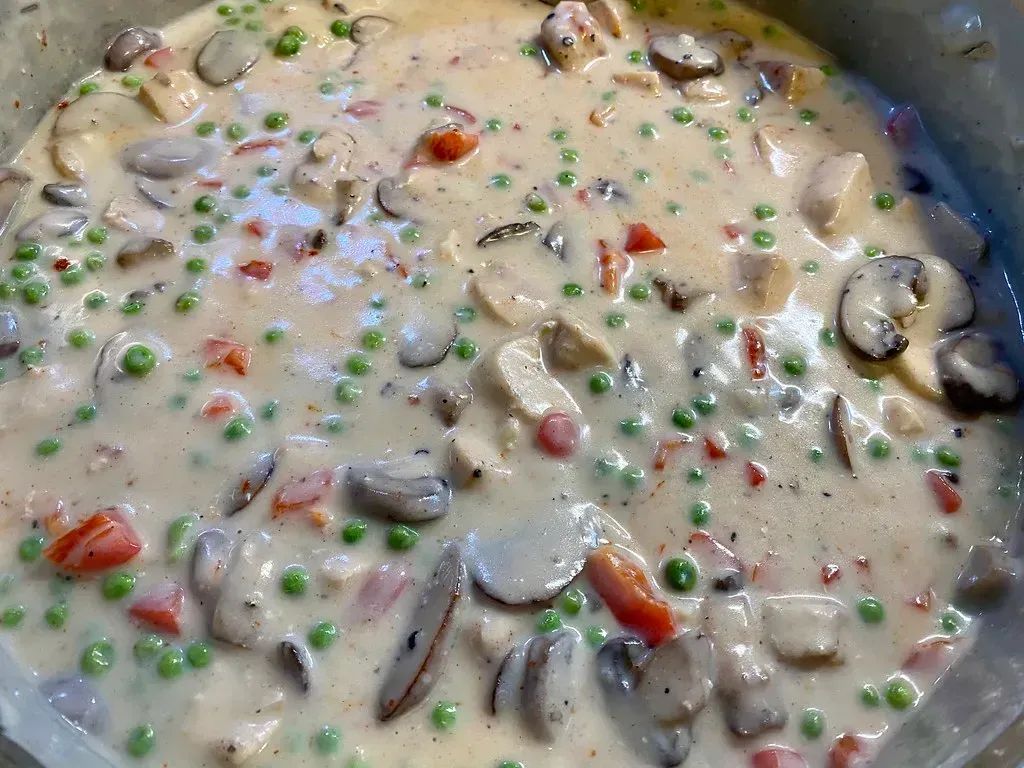
Chicken à la King had genteel origins dating back to the late 1800s, but it became a staple of 1950s dinner parties and ladies’ luncheons. The dish combined diced cooked chicken with mushrooms and pimentos in a rich cream sauce, typically served over toast points, rice, or puff pastry shells. It had an air of sophistication that made it a favorite for hosting without requiring much technical skill in the kitchen.
Convenience versions using canned soup became common as the decade progressed, mirroring the broader trend of processed shortcuts replacing scratch sauces. Frozen and canned versions were even sold commercially, making it one of the earliest examples of a restaurant-style dish translated into a mass market product. For many families, it represented a special occasion meal rather than a weeknight regular.
7. Pineapple Upside Down Cake
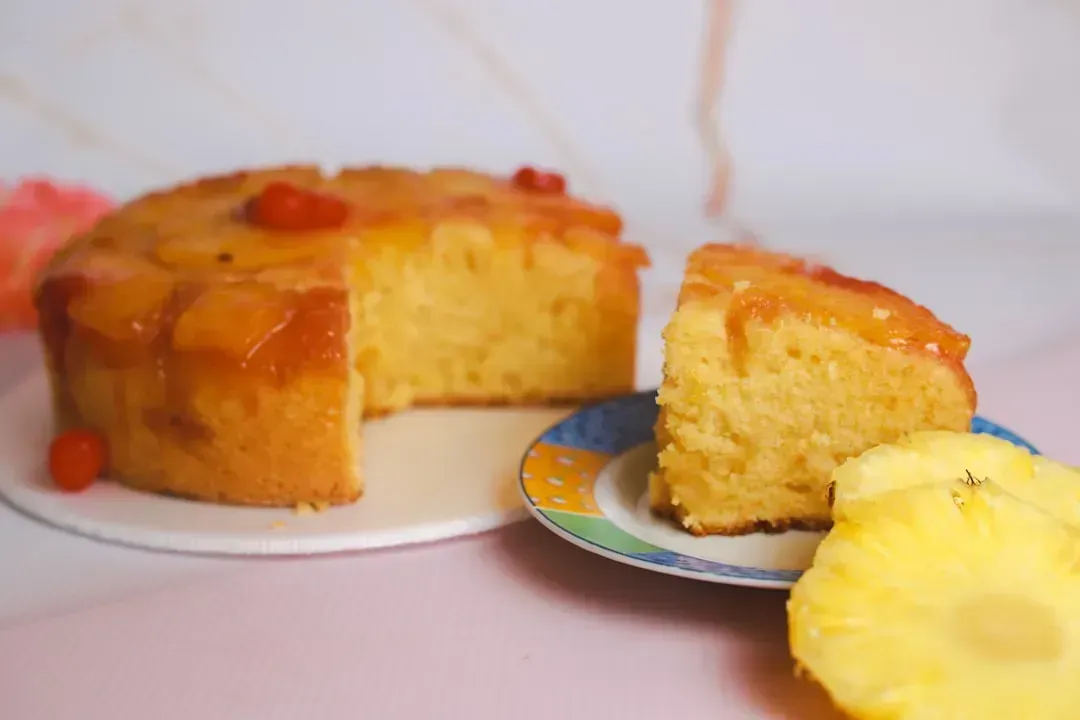
Pineapple upside down cake became a genuine sensation after canned pineapple became widely available and affordable in the years following World War II. A skillet or cake pan was lined with butter, brown sugar, and pineapple rings, often with a maraschino cherry centered in each ring, then topped with cake batter and baked before being flipped for serving. The dramatic reveal of the caramelized fruit pattern made it a showpiece dessert.
Dole and other canning companies ran recipe contests during the era specifically promoting pineapple desserts, which helped cement the cake’s popularity nationwide. It required relatively few ingredients and modest baking skill, yet delivered a dessert that looked far more impressive than the effort involved. Many families still consider it a nostalgic holiday dessert today.
8. Beef Stroganoff
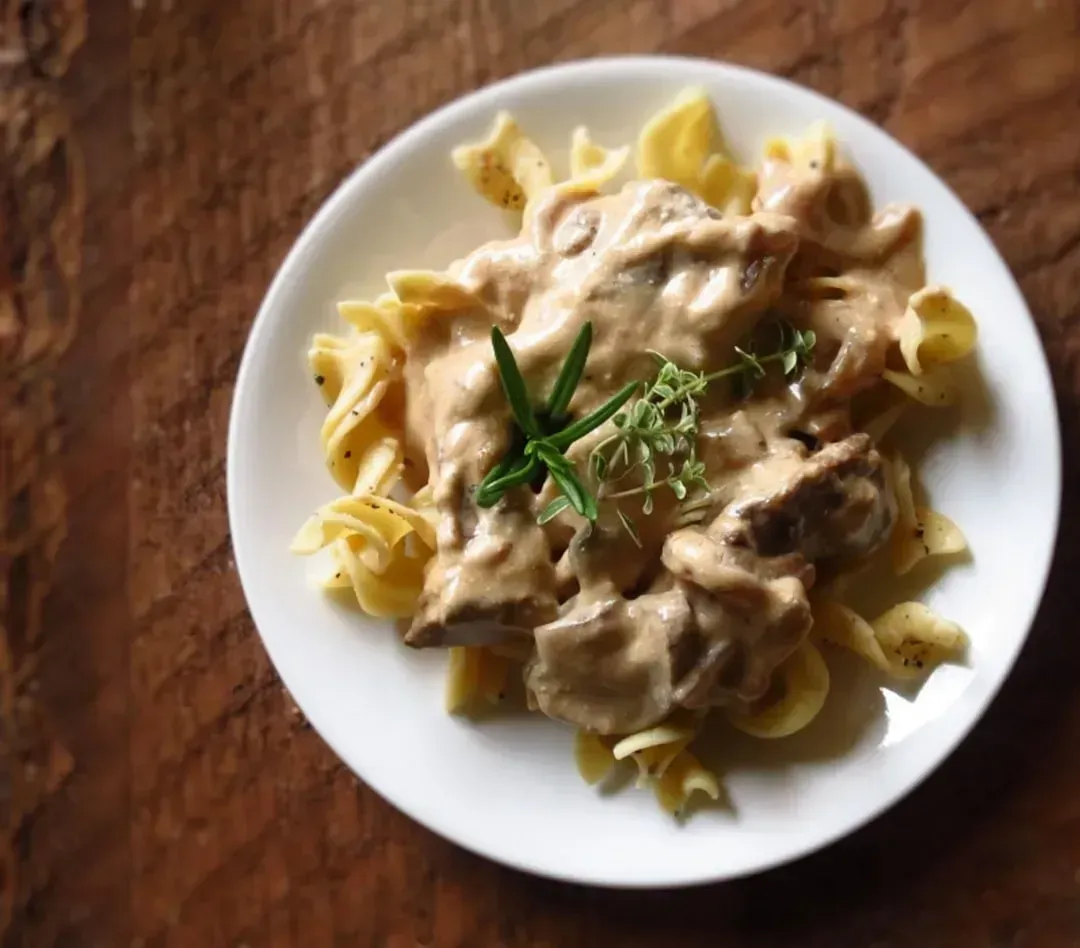
Beef stroganoff entered American home cooking during the 1950s as part of a broader curiosity about international dishes, loosely inspired by the Russian original. Strips of beef were browned, then simmered with mushrooms, onions, and a sauce built from sour cream or a canned soup base, usually served over egg noodles. It offered a slightly more refined alternative to meatloaf or casseroles without demanding restaurant level technique.
The dish appeared frequently in women’s magazines and community cookbooks of the period, often adapted to use whatever cheaper cuts of beef were available rather than the tenderloin traditionally called for. Sour cream production and distribution expanded through the decade, making the creamy sauce base more accessible to average households. It remained popular enough to survive into modern cookbooks, though today’s versions often skip the canned soup shortcut.
9. Ambrosia Salad
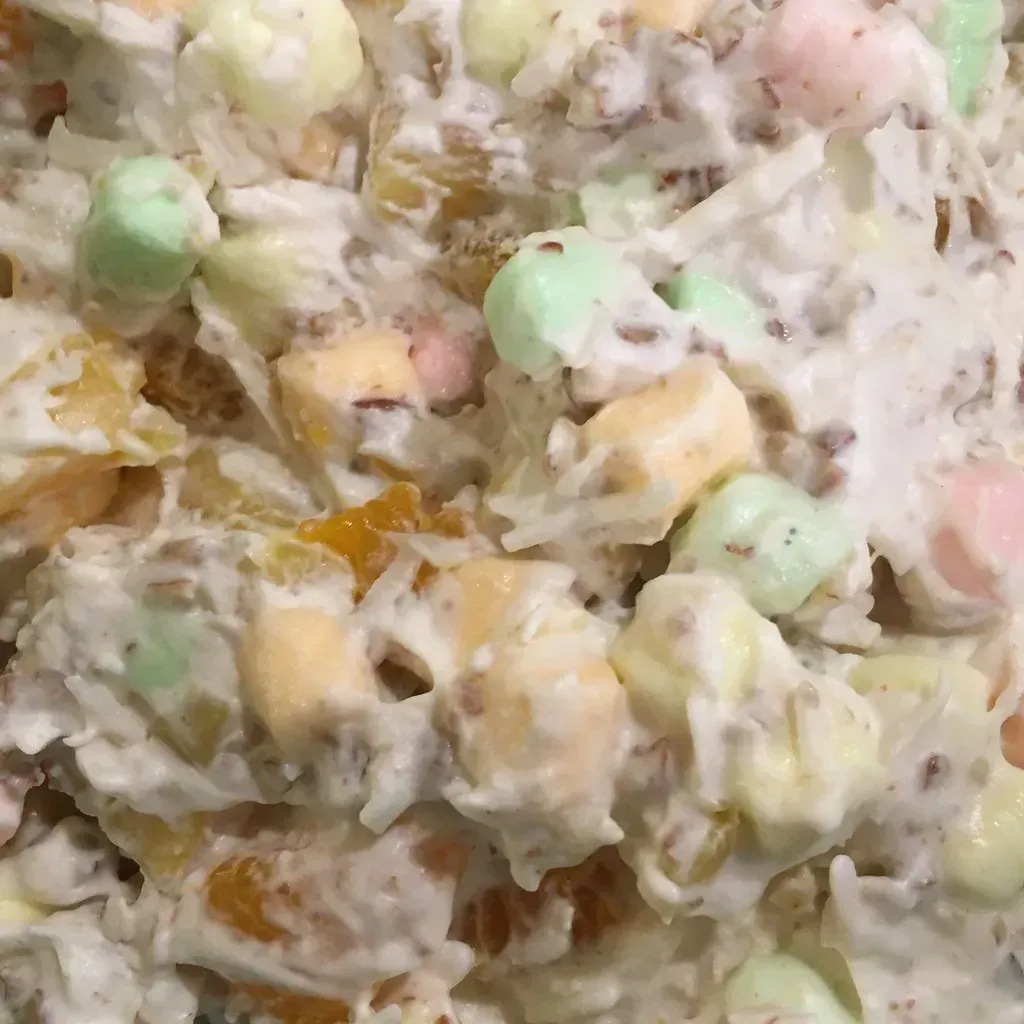
Ambrosia salad closed out many a 1950s meal, blending canned mandarin oranges, pineapple chunks, shredded coconut, mini marshmallows, and a dollop of whipped cream or sour cream into a sweet, chilled side dish. It sat somewhere between a salad and a dessert, which made it flexible enough to appear alongside dinner or as the final course. The recipe’s roots trace back to the American South in the late 1800s, but canned fruit availability turned it into a nationwide potluck staple by midcentury.
Maraschino cherries were often added for color, and some versions included chopped pecans or a splash of orange juice for extra sweetness. Its simplicity meant almost any home cook could assemble it without turning on an oven, which made it a natural fit for holiday tables and church suppers alike. Variations of ambrosia salad still appear at Southern gatherings today, largely unchanged from the original postwar formula.





Leave a Reply