
1. Bulk-Size Mayonnaise Jars
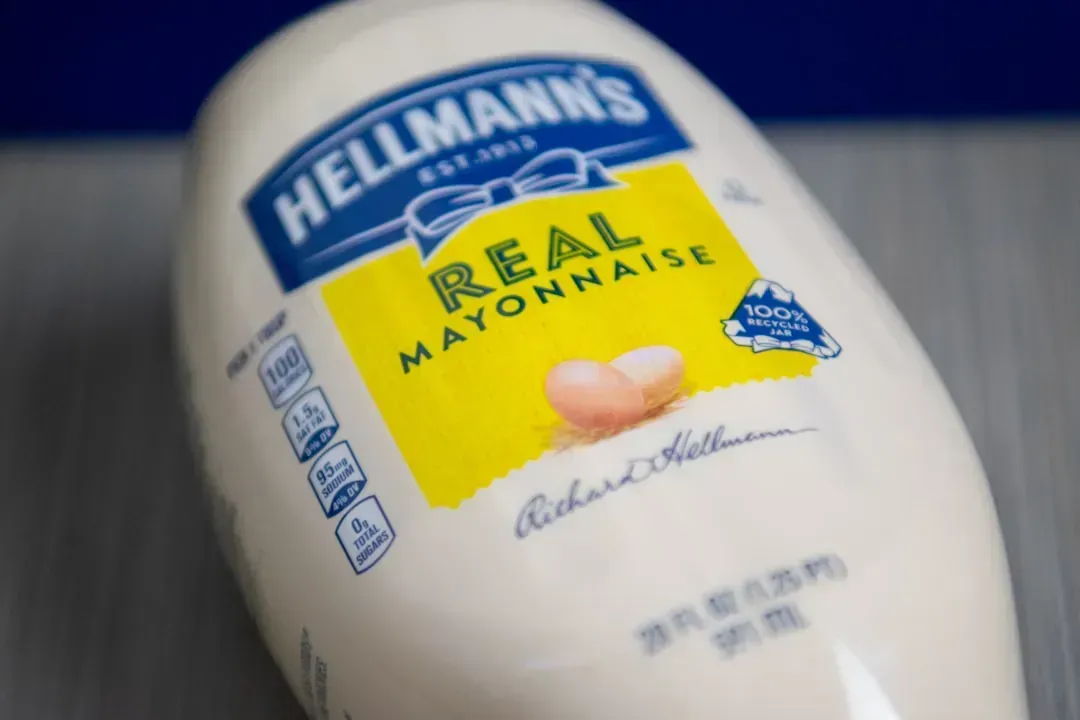
Gallon jars of mayonnaise look like a smart bulk buy until you actually think about how much mayo one household can realistically eat before it turns. One worker told Business Insider they would never buy gallon jar mayonnaise in bulk, unless they happened to be running a restaurant. Unless you’re supplying a restaurant, chances are your mayo will go off before you ever get a chance to eat it.
The math is simple once you break it down. A family might use a few tablespoons a week, which means a jar sized for a diner could sit open in the fridge for months, slowly losing quality long before it’s finished. Workers who see how these jumbo condiments move, or rather don’t move, tend to stick with the smaller size instead.
2. “Fresh Baked” Bread and Pastries
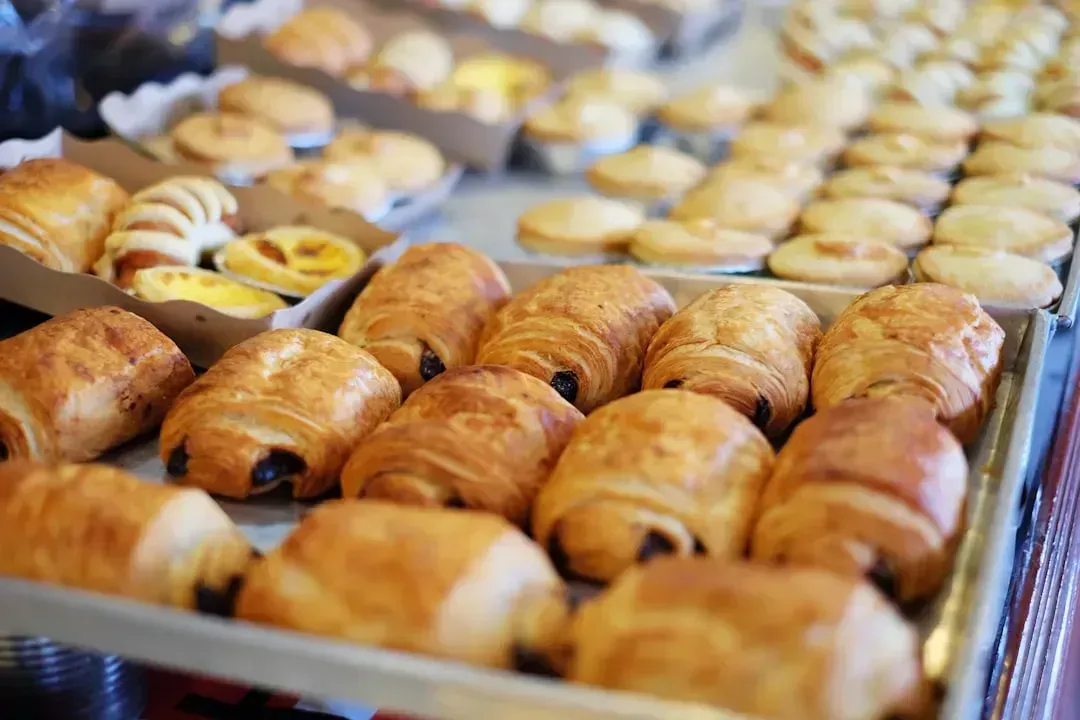
The smell of a grocery store bakery is one of the most effective sales tools in the entire building, but the story behind that aroma is a bit less romantic than it seems. The enticing smell from the in-store bakery is often by design, since many “freshly baked” breads, cookies, and pastries arrive at the store as frozen, pre-made dough or par-baked items that employees then simply bake off in ovens.
None of that makes the bread bad, but it does explain why some employees skip the bakery case for anything beyond a quick treat. While technically baked fresh on-site, they aren’t usually made from scratch in that location, which is a common misconception. Workers who’ve watched the frozen dough get unloaded from delivery trucks tend to know the difference between “baked here” and “made here.”
3. Pre-Packaged Deli Salads From the Tub
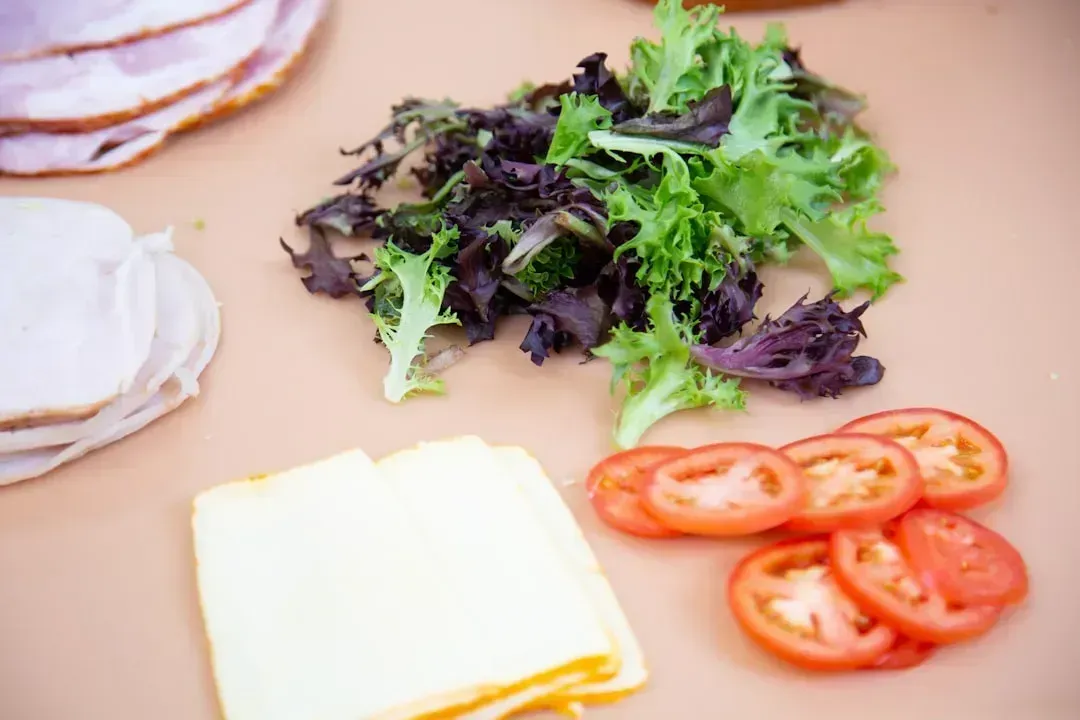
Macaroni salad, potato salad, and chicken salad sold by the pound at the deli counter have a reputation among some employees that doesn’t exactly inspire confidence. A former deli counter worker described being told that when the pre-packed tubs of macaroni and potato salad expired, staff would empty them into the bulk case and sell them by weight instead.
Chicken salad has its own backstory too. Supermarket consultants have admitted that vegetables and meat are often thrown into premade salads or deli items to minimize waste, and even rotisserie chickens that don’t sell get chopped up and mixed into chicken salad. None of this is necessarily unsafe, but it’s enough to make some workers reach for ingredients and make their own version at home.
4. Rotisserie Chicken Late in the Day
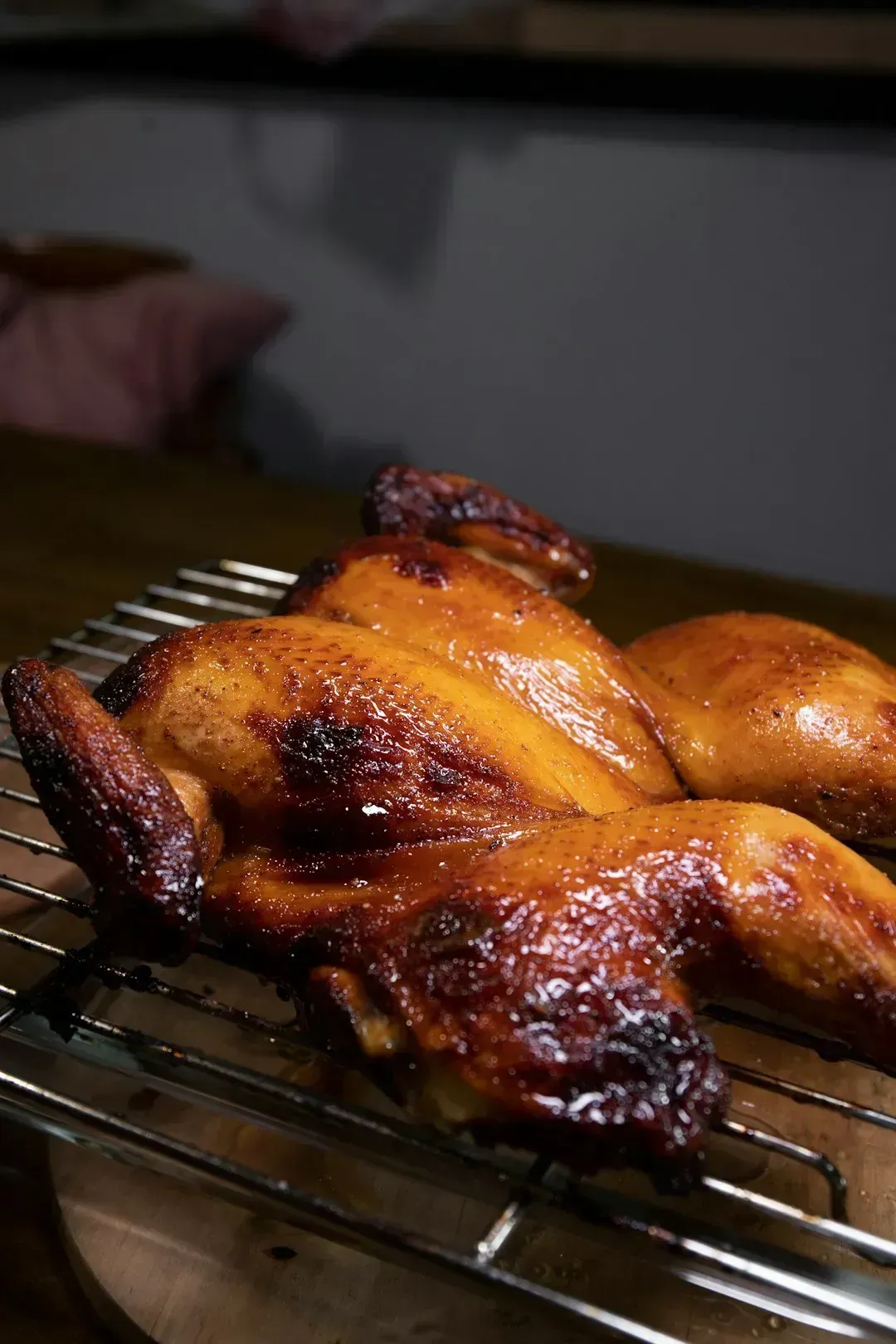
Rotisserie chicken itself isn’t the problem for most employees, timing is. Health codes generally set clear limits on how long a bird can sit under a heat lamp before it needs to be pulled. Chickens kept in warmers below 135 degrees can’t be sold or repurposed into other deli offerings after four hours, but if the warmer stays at 135 degrees or higher, stores can repurpose and sell chickens indefinitely.
That’s a wide gap in practice, and workers who track when the birds actually went into the case tend to grab one early or skip the case altogether later in the afternoon. There’s also a financial angle worth knowing. For many companies, including Costco, which loses up to 30 to 40 million dollars a year on the birds, rotisserie chickens are treated as a loss leader meant to draw shoppers in rather than turn a profit on their own.
5. Deli-Sliced Meat and Cheese Cut to Order
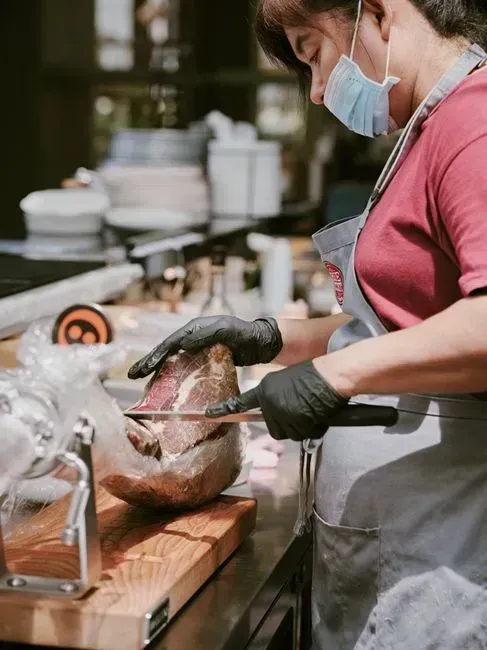
The deli counter is convenient, but it’s also one of the areas current and former workers mention most often when asked what they avoid. Ex-workers have warned people to avoid deli meat over a lack of slicer sanitation, on top of customers reporting that certain chains’ meat is consistently odorous and slimy.
Cheese has its own quirks too. A former deli worker described being instructed to sell spoiled deli meat at one point in her job, and separately noted that cutting mold off harder cheeses before selling them at full price was standard practice rather than the exception. Workers who’ve handled the slicer themselves tend to know exactly how often, or how rarely, it gets a deep clean between customers.
6. Loose Candy From Bulk Bins and Dispensers
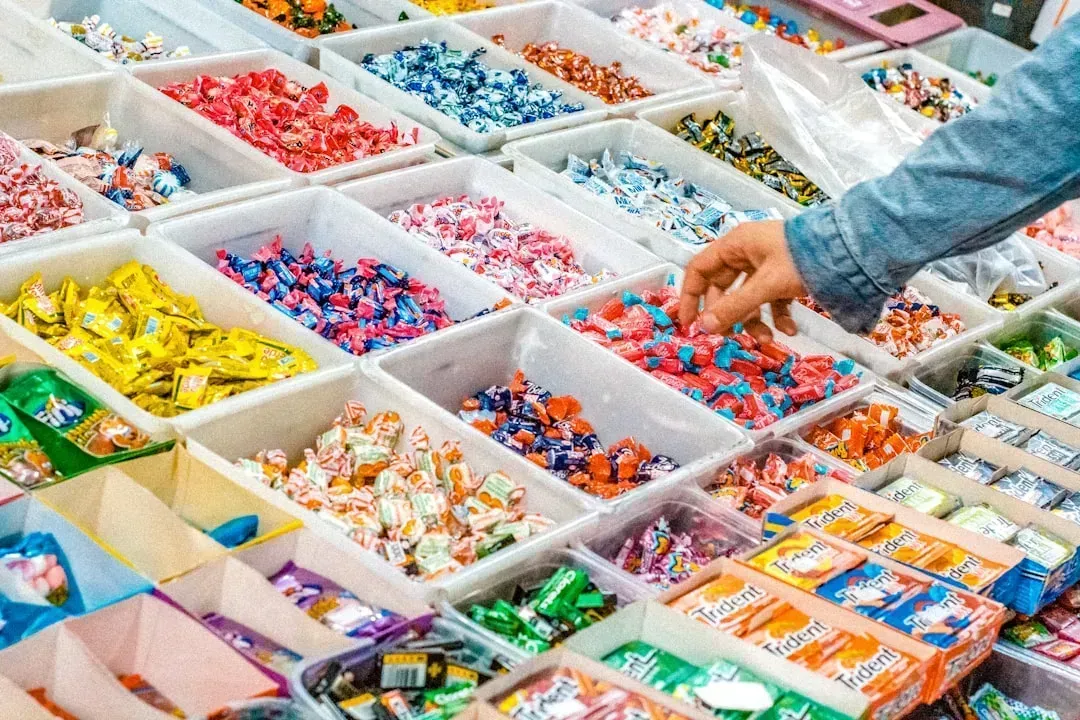
Self-serve candy displays look harmless enough, scoop, weigh, pay, done. Behind that simple process, though, some employees have a different perspective on how long that candy actually sat out before it reached the bin. One candy store employee said plainly that chocolate got left out in display cases for months on end.
Beyond the freshness question, bulk bins are also touched by a lot of hands over the course of a day, sometimes without a scoop involved at all. Combine open air exposure with unpredictable turnover, and it’s easy to see why some workers would rather buy candy in its original sealed packaging instead.
7. Jumbo Bakery Cakes and Party Trays

Warehouse club bakeries are famous for their size, and that’s exactly the issue for some employees who’ve worked the counter. One Costco bakery worker said the products are simply too big to store at home, adding that a container built for a party or restaurant is more than most households have room for in a regular fridge or freezer.
It’s less about quality and more about practicality. A cake sized to feed forty people doesn’t shrink to fit a family of three, and leftover frosting doesn’t improve with a week in the fridge. Workers who see these trays roll out by the pallet tend to save the jumbo option for actual parties rather than a random Tuesday.
8. In-Store “Prepared” Meal Kits and Hot Bar Dinners
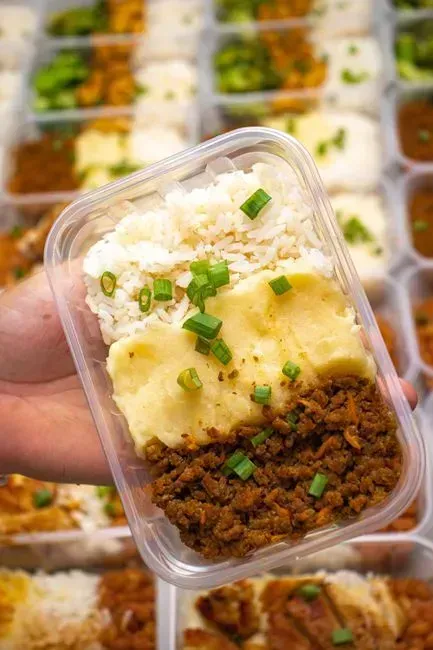
Ready-made dinners sold near the deli or hot bar promise convenience, and they deliver it, but often at a price that surprises people once they understand how it’s calculated. One worker explained that in-store prepared items carry a wild markup, since many are just kits or bags of ingredients that staff dump into a container, meaning shoppers effectively pay the equivalent of 75 to 125 dollars an hour for that minimal assembly work.
The same worker pointed out that none of that extra money goes to the employees doing the assembling. It all lands with the company instead. For a lot of grocery staff, that math is reason enough to buy the raw ingredients from the same store and put together dinner themselves.
9. Pre-Cut Fruit and Bagged Produce
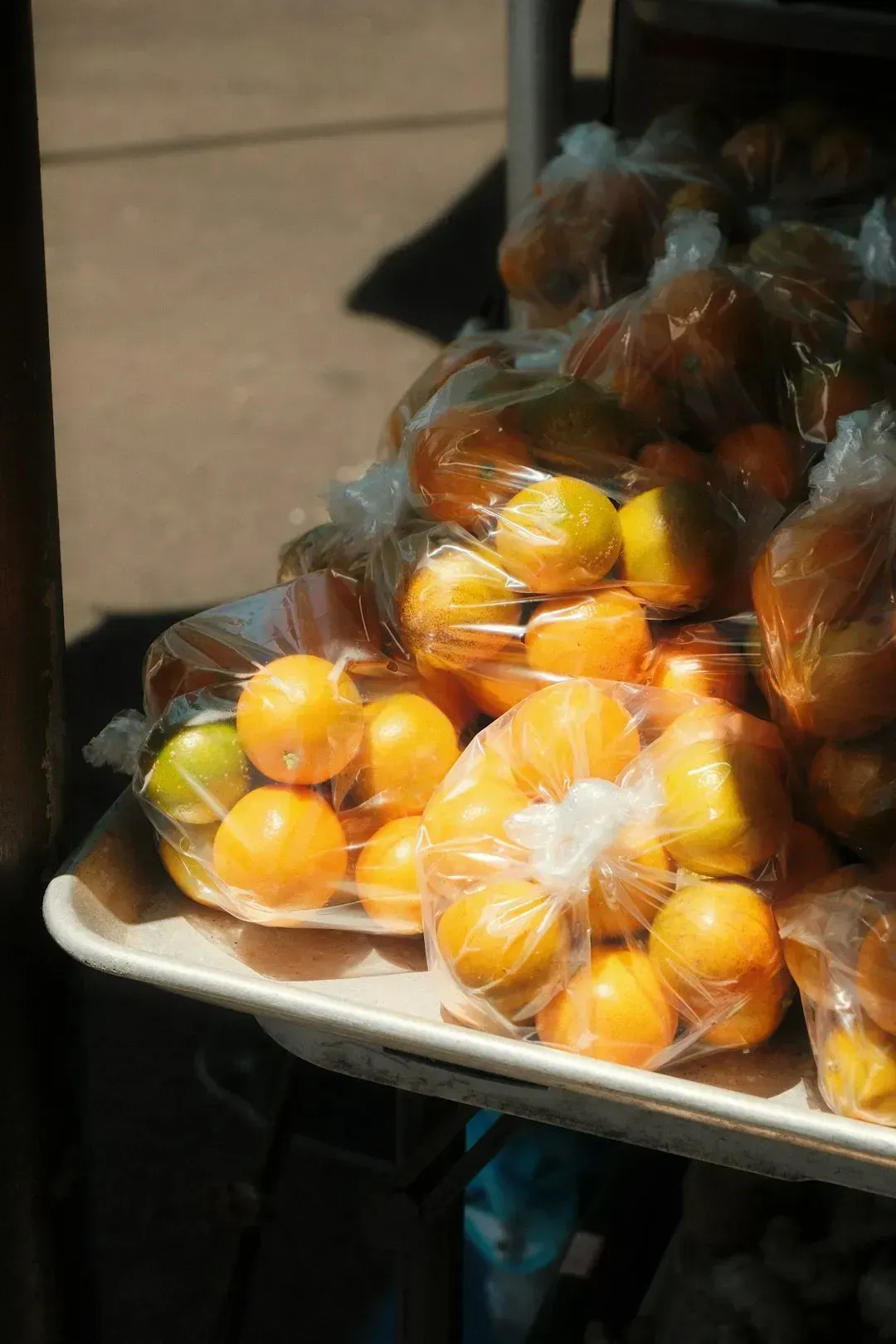
Pre-cut fruit saves time, which is exactly what you’re paying for, and the price gap can be significant. A pineapple runs about 2.75 dollars per pound whole, compared to 4.28 dollars per pound once it’s already been cut up.
Bagged produce sold in bulk from warehouse clubs has its own drawback, according to workers who’ve watched customers return with spoiled leftovers. One Costco employee said fruits and vegetables are among the worst bulk buys, noting the packs sold aren’t huge but will likely go bad unless a shopper eats a lot of that particular item or has a big family to feed. Employees who see this pattern repeat tend to buy smaller quantities more often instead of stocking up all at once.



Leave a Reply