
You learn a lot standing in driveways. After a decade and a half of walking clients through front doors, I’ve noticed that most of what a house is really like reveals itself before you even step inside. The smell in the entryway, the way a floor creaks, the dust pattern on a vent cover, these small details tell a story that staging can’t fully hide.
None of this is magic or some special gift. It’s pattern recognition built from thousands of showings, inspections, and a few expensive lessons learned the hard way. Here are the fifteen things I check almost without thinking now, the details that tell me more about a property than any listing description ever could.
1. The smell the second you walk in

Smell hits before sight does, and it’s one of the hardest things for sellers to fake convincingly. A musty, damp odor almost always points to moisture problems somewhere, whether that’s a leaky basement, poor ventilation, or hidden mold behind drywall. Heavy air freshener or scented candles burning during a showing is often a cover, and I’ve learned to ask what’s underneath it rather than just accept the pleasant scent at face value.
On the flip side, a house that smells neutral or faintly clean, without anyone trying too hard to mask something, is usually a good sign. Pet odor soaked into carpet or subfloor is another one worth noting, since it can mean expensive replacement rather than a simple cleaning. Your nose is doing real diagnostic work in those first few seconds, so it pays to trust it.
2. Ceiling stains and water marks

I look up before I look anywhere else, because ceilings don’t lie the way fresh paint sometimes does. A brownish ring or discoloration near a corner or around a light fixture usually means water has traveled through at some point, whether from a roof leak, plumbing issue, or condensation problem. Fresh paint patches on an otherwise older ceiling can actually be a red flag rather than reassurance, since it might mean a stain was recently covered rather than the underlying issue fixed.
Roof problems are among the costliest repairs a homeowner can face, and industry data consistently shows roof replacement often runs into five figures depending on materials and size. Catching early signs during a walkthrough, rather than after closing, can save a buyer from a nasty surprise. This is one habit I picked up early in my career and never stopped doing.
3. How the front door feels when it opens

A front door should open smoothly without sticking, scraping, or requiring a shoulder bump. When it doesn’t, that’s often a sign the house has settled unevenly, which can be completely normal in older homes but sometimes points to foundation movement worth investigating further. I pay attention to whether the door frame looks square or slightly warped, since that tells me something about what’s happening structurally.
The feel of the hardware matters too. Loose hinges, a wobbly handle, or a deadbolt that doesn’t align properly are small maintenance issues on their own, but together they suggest a level of upkeep, or lack of it, that often carries through the rest of the property. First impressions at the door tend to be surprisingly accurate previews of what’s inside.
4. The condition of the electrical panel
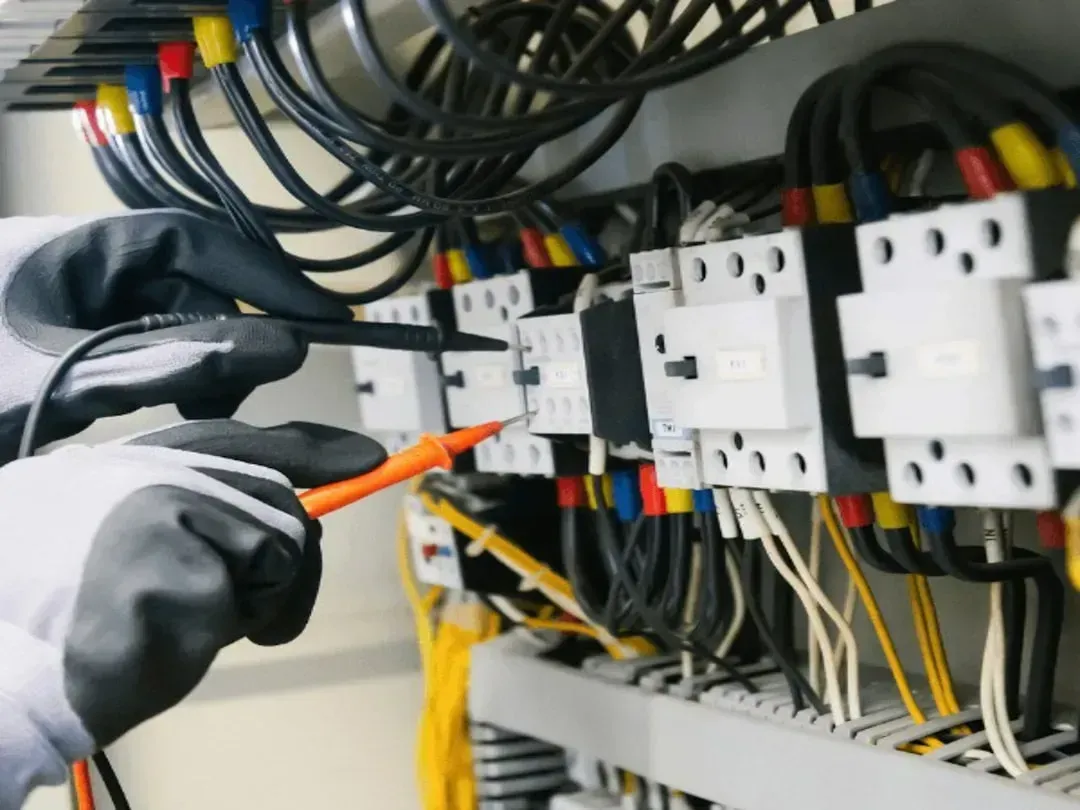
I always ask to see the panel, and what’s inside tells a story fast. Older homes sometimes still have outdated panel brands or fuse boxes rather than modern breakers, which can affect both safety and insurability. Many insurers now flag or decline coverage for homes with certain older electrical systems, making this a detail that matters well beyond aesthetics.
A panel with room for expansion, clearly labeled circuits, and no obvious rust or scorch marks suggests a home that’s been maintained with some care. A cluttered, unlabeled panel with visible corrosion, on the other hand, often means deferred maintenance elsewhere too. It’s a small metal box that quietly reveals a lot about the rest of the house.
5. Whether the windows fog or feel drafty
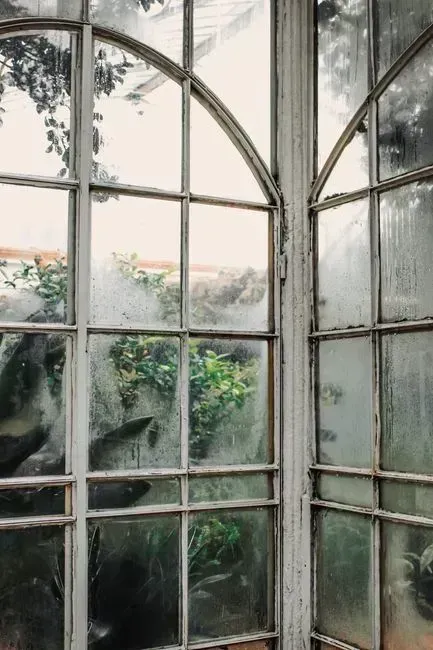
Running a hand near a window frame tells you quickly whether it’s properly sealed. A draft on a calm day usually means aging weatherstripping or single-pane glass that hasn’t been updated, both of which affect energy bills more than most buyers expect. Foggy condensation trapped between double-pane glass layers is a telltale sign the seal has failed, and replacing multiple windows can add up quickly.
I also check how windows operate, since painted-shut sashes or broken sash cords point to years of neglected minor repairs. None of these issues are usually dealbreakers, but they help build a realistic picture of near-term costs. Buyers who skip this check often end up surprised by their first winter heating bill.
6. The slope and drainage around the foundation
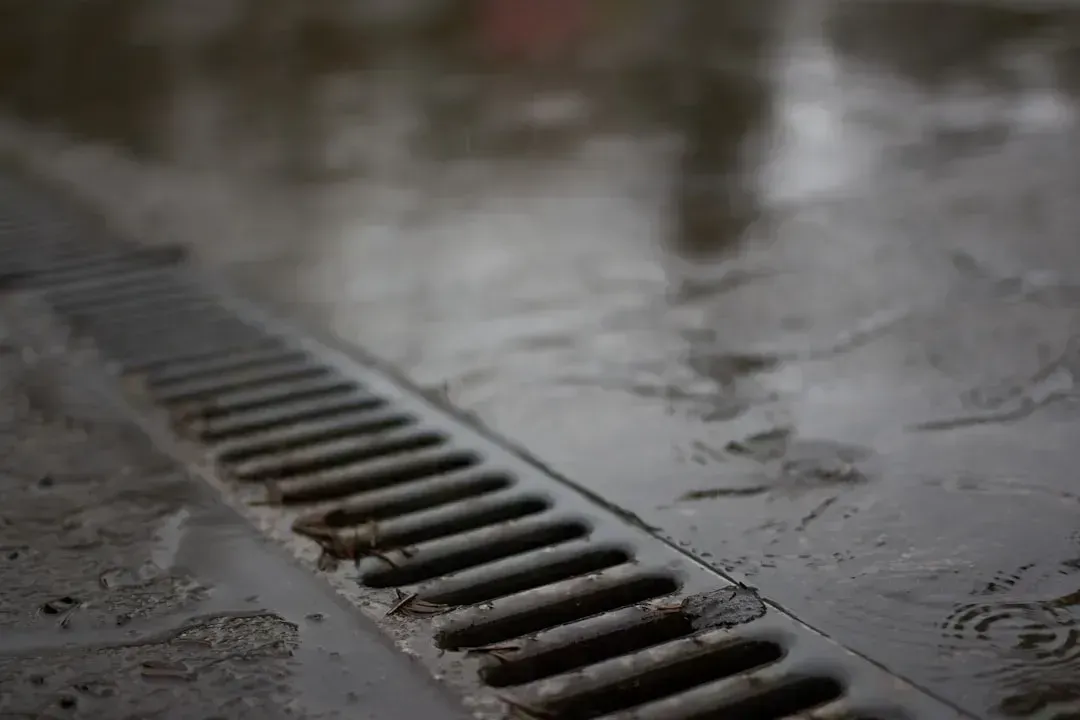
Standing outside and looking at how the ground slopes away from the house takes thirty seconds and can save thousands of dollars. Ground that slopes toward the foundation instead of away from it is one of the most common causes of basement water intrusion. Gutters that are clogged, disconnected, or dumping water right next to the foundation compound the same problem.
Cracks in the foundation itself deserve a closer look too, though not every crack is serious. Thin vertical cracks are often just normal settling, while wide horizontal cracks or ones that seem to be actively widening are worth flagging for a structural engineer. Grading and drainage issues are also among the more affordable problems to fix compared to the damage they can eventually cause if ignored.
7. How level the floors feel underfoot
Walking slowly across a room lets you feel things your eyes might miss. A slight, gradual slope in an older home is often just decades of natural settling and not necessarily alarming. A sudden dip, bounce, or noticeably uneven spot near a wall, however, can point to a weakened floor joist or subfloor damage that’s worth a closer inspection.
I also pay attention to how floors sound. Excessive creaking isn’t always a problem, since older homes with wood floors often creak simply due to age, but a consistent bounce when you walk is different from a normal creak. Testing the floor with a real walk-through, rather than just looking at it, gives a much better sense of what’s underneath.
8. The age and hum of the HVAC system
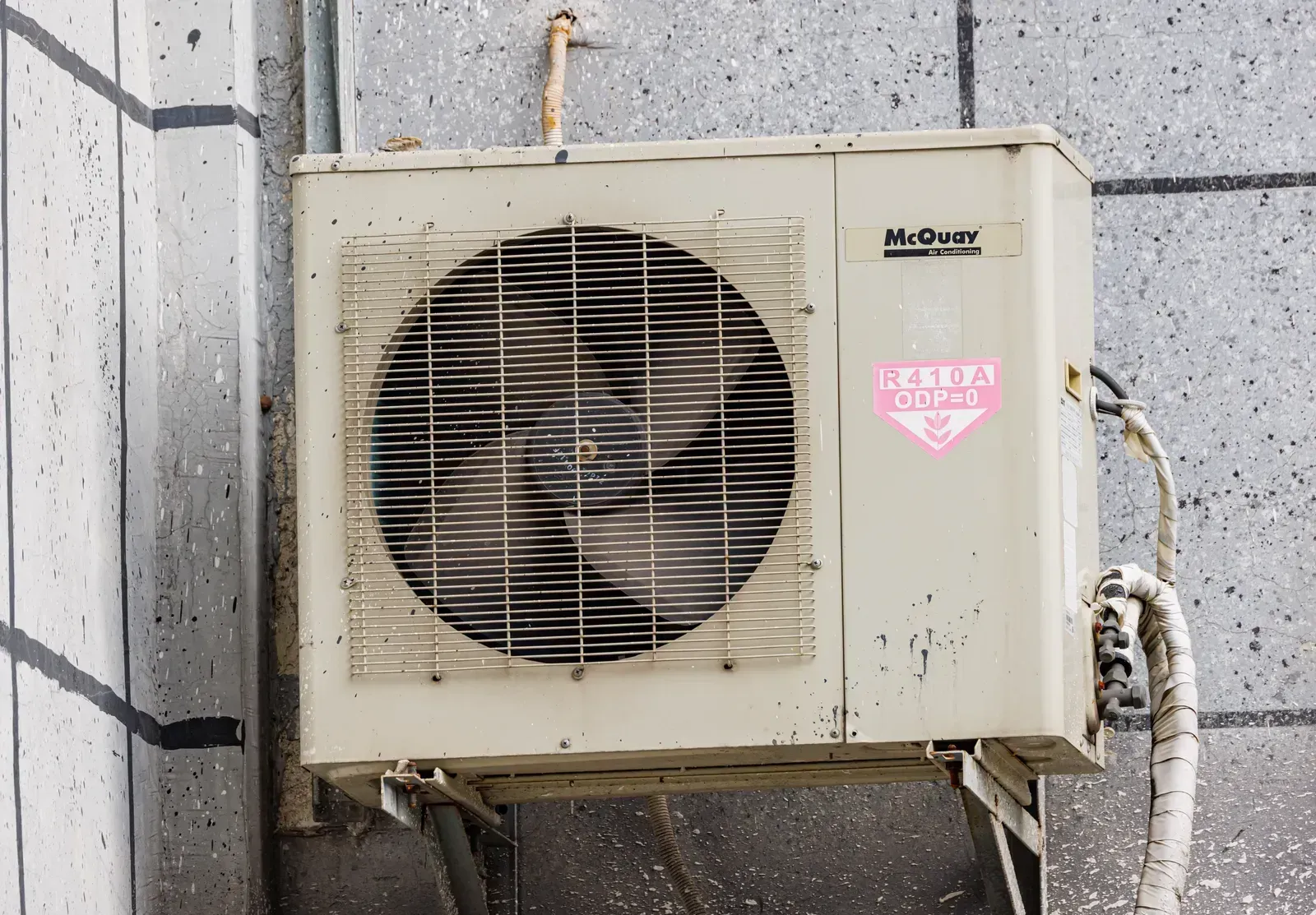
Most heating and cooling systems have an expected lifespan of around fifteen to twenty years, and the manufacture date is usually printed right on a metal tag on the unit. I always check that tag, because a seller listing a home as move-in ready doesn’t always mean the furnace or air conditioner has much life left. A loud, straining hum when the system kicks on can also indicate it’s working harder than it should.
The Environmental Protection Agency and various energy studies over the years have noted that older, inefficient HVAC systems can significantly increase utility costs compared to newer models. Replacing a full system is a five-figure expense in many markets, so this detail directly affects the real cost of owning a home. A quick glance at that tag takes seconds but can shift the entire financial picture of an offer.
9. What’s growing, or not growing, in the yard

Landscaping tells you more than curb appeal alone. Patchy, dead grass in specific patterns can indicate buried debris, poor soil, or even old septic system issues in homes without city sewer connections. Overly lush, unusually green patches in an otherwise average yard sometimes point to a leaking water or sewer line feeding that section unintentionally.
Mature trees positioned too close to the foundation are another thing I flag, since root systems can eventually affect foundations, water lines, and sewer pipes. It’s not something that needs fixing immediately, but it’s worth knowing about for long-term planning. A yard is basically a slow-motion record of what’s happening underground.
10. The sound and feel of the stairs
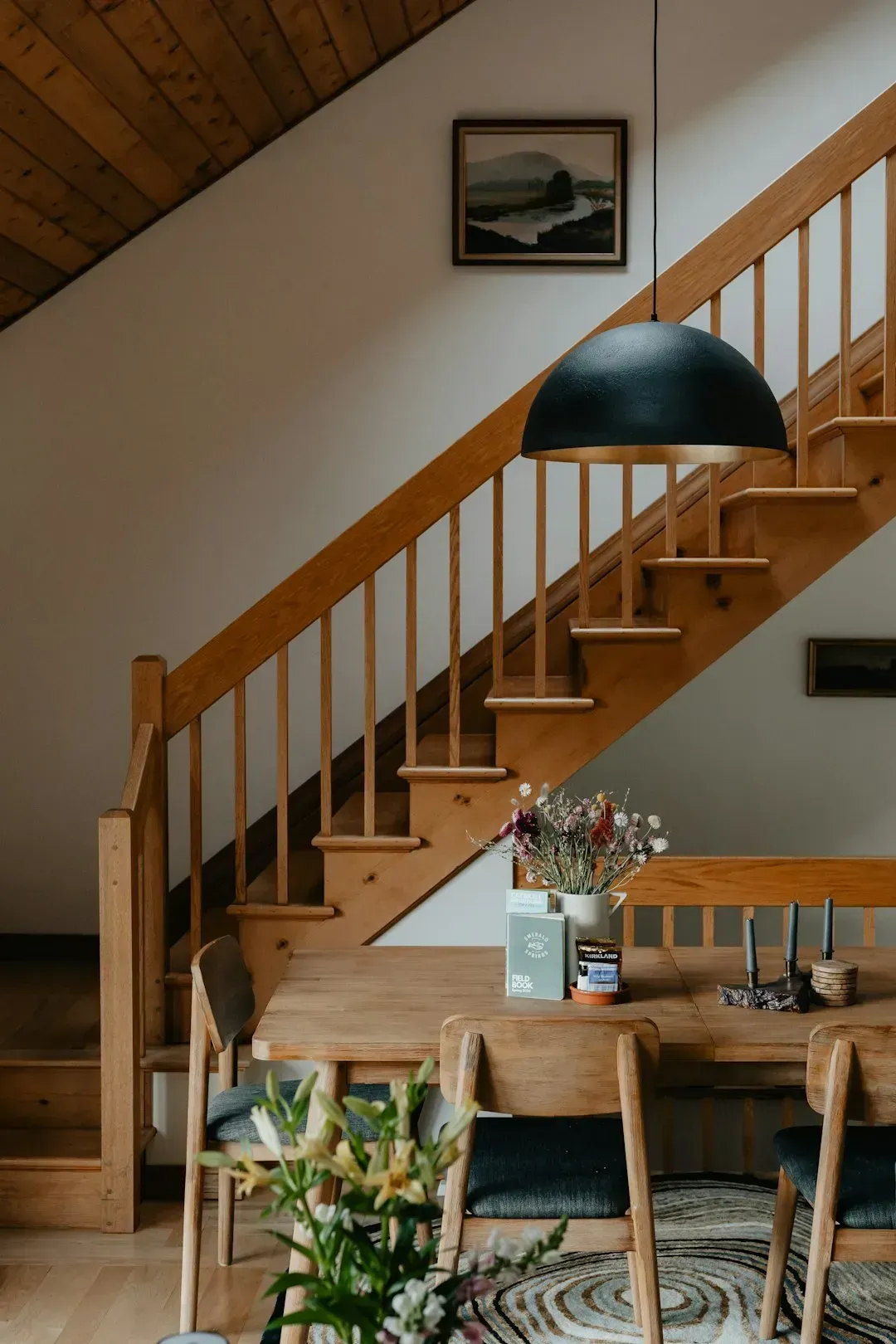
Stairs get a lot of daily wear, and that wear shows up fast if you pay attention. A staircase that wobbles, has a loose handrail, or produces a hollow sound underfoot often signals aging or improperly installed structural supports. I always give the railing a firm shake, since a loose or wobbly railing is both a safety issue and a sign of general upkeep, or the lack of it.
Uneven stair heights are another detail that’s easy to miss visually but very noticeable when walking. Building codes generally require consistent riser heights for safety reasons, and older homes sometimes drift from that standard over the years due to settling or amateur renovations. A steady, solid staircase is a small but reassuring sign that a home has been cared for.
11. The water pressure and drainage speed

Turning on a faucet and flushing a toilet during a showing might seem like an odd move, but it reveals plumbing health quickly. Weak water pressure can point to old, corroded pipes, particularly in homes built before the 1980s that may still have galvanized steel plumbing. Slow-draining sinks or tubs, especially in multiple bathrooms at once, often suggest a bigger blockage or venting issue further down the line rather than a simple clog.
I also check under sinks for any dampness, discoloration, or the smell of mildew, since these are early indicators of slow leaks that haven’t been addressed yet. Plumbing issues are notoriously expensive once they involve wall or slab repairs, so catching early warning signs during a walkthrough is one of the more valuable sixty-second checks a buyer can do. Running the water costs nothing and often tells you more than the seller’s disclosure form does.
12. The type and condition of exterior siding
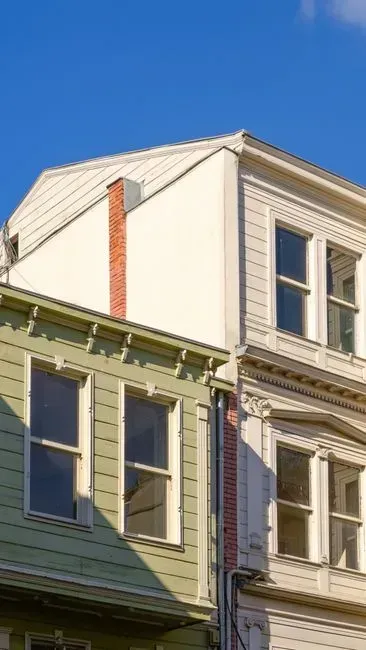
Siding material affects both maintenance costs and long-term durability, and I can usually identify it and its condition from across the street. Wood siding requires regular painting and is more vulnerable to rot, while vinyl and fiber cement generally hold up longer with less upkeep. Warped, cracked, or bubbling siding sections often mean moisture has already gotten in behind the surface material.
I also look at how siding meets window and door frames, since gaps or poor caulking there are common entry points for water damage. Faded or chalky siding on one side of a house compared to the other can simply mean sun exposure differences, which is usually cosmetic rather than structural. Reading siding condition takes practice, but it’s a fast way to estimate upcoming exterior maintenance costs.
13. The attic’s insulation and ventilation
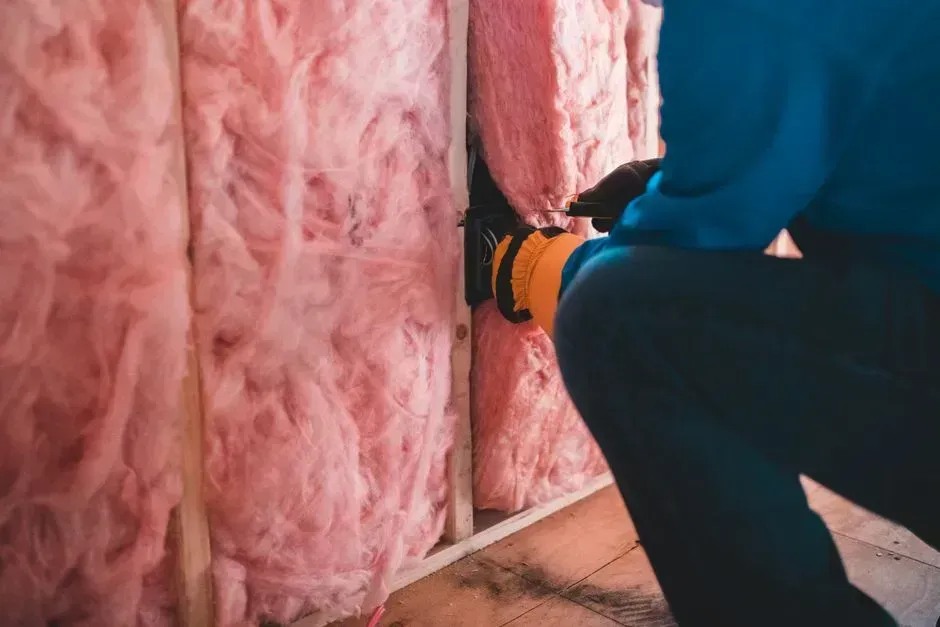
Popping my head into the attic, even briefly, tells me a lot about how well a house has been maintained behind the scenes. Thin, patchy, or compressed insulation usually means higher energy bills and less comfortable temperature swings between seasons. The Department of Energy has long noted that inadequate attic insulation is one of the most common sources of unnecessary heat loss in older homes.
Poor attic ventilation shows up as dark staining on the underside of the roof deck or a noticeably stale, hot smell in summer. This can shorten roof lifespan and contribute to ice dam problems in colder climates during winter. It’s a space most buyers skip entirely, but a two-minute look up there often reveals issues a fresh coat of paint downstairs never would.
14. The age and wear on kitchen appliances

Kitchens sell houses, and sellers know it, which is why appliances are often the shiniest, most staged part of a showing. I still check manufacture dates on appliances when possible, since a kitchen that looks brand new sometimes has appliances nearing the end of their typical ten to fifteen year lifespan. Scratches, dents, or inconsistent wear between appliances can also hint at pieced-together upgrades rather than a full renovation.
Cabinet doors and drawers are worth testing too, since sticking drawers or misaligned doors often point to humidity issues or lower quality materials beneath an attractive finish. A kitchen can look impressive in photos and still have underlying wear that only becomes obvious in person. Testing things by hand, rather than just admiring them visually, remains one of the simplest ways to separate real quality from surface polish.
15. The neighborhood itself, seen from the curb

A house doesn’t exist in isolation, and I always take a moment to look at the surrounding street before even walking inside. Well-maintained neighboring properties, visible pride of ownership, and reasonable traffic patterns tend to correlate with more stable property values over time. Multiple for-sale signs clustered on one block can sometimes indicate a local issue worth researching further, though it can also simply reflect normal market timing.
I also pay attention to smaller cues like street noise, proximity to visible power lines or industrial areas, and general upkeep of sidewalks and public spaces. These details rarely show up in listing photos but shape daily life in a home more than most buyers initially realize. A sixty-second look around the block before stepping inside often confirms, or challenges, everything the listing description promised.
Reading a house quickly isn’t about having some sixth sense. It comes from knowing which small details tend to connect to bigger, costlier issues, and checking them consistently every single time. These fifteen habits took years to develop, but any buyer can start using them on their very next showing.




Leave a Reply