
National park planning has a way of turning into a rabbit hole. There are 63 official national parks scattered across the country, and narrowing that list down to a manageable trip is harder than it sounds. So, out of curiosity more than anything else, I asked ChatGPT to pick its top ten and explain the reasoning behind each choice.
The answers weren’t wildly surprising, but the details behind them were worth digging into. I fact-checked each pick against current visitation data and park service records to see how the AI’s reasoning held up against what’s actually happening on the ground in 2026. Here’s the full rundown, gallery-style, park by park.
1. Great Smoky Mountains National Park, Tennessee and North Carolina
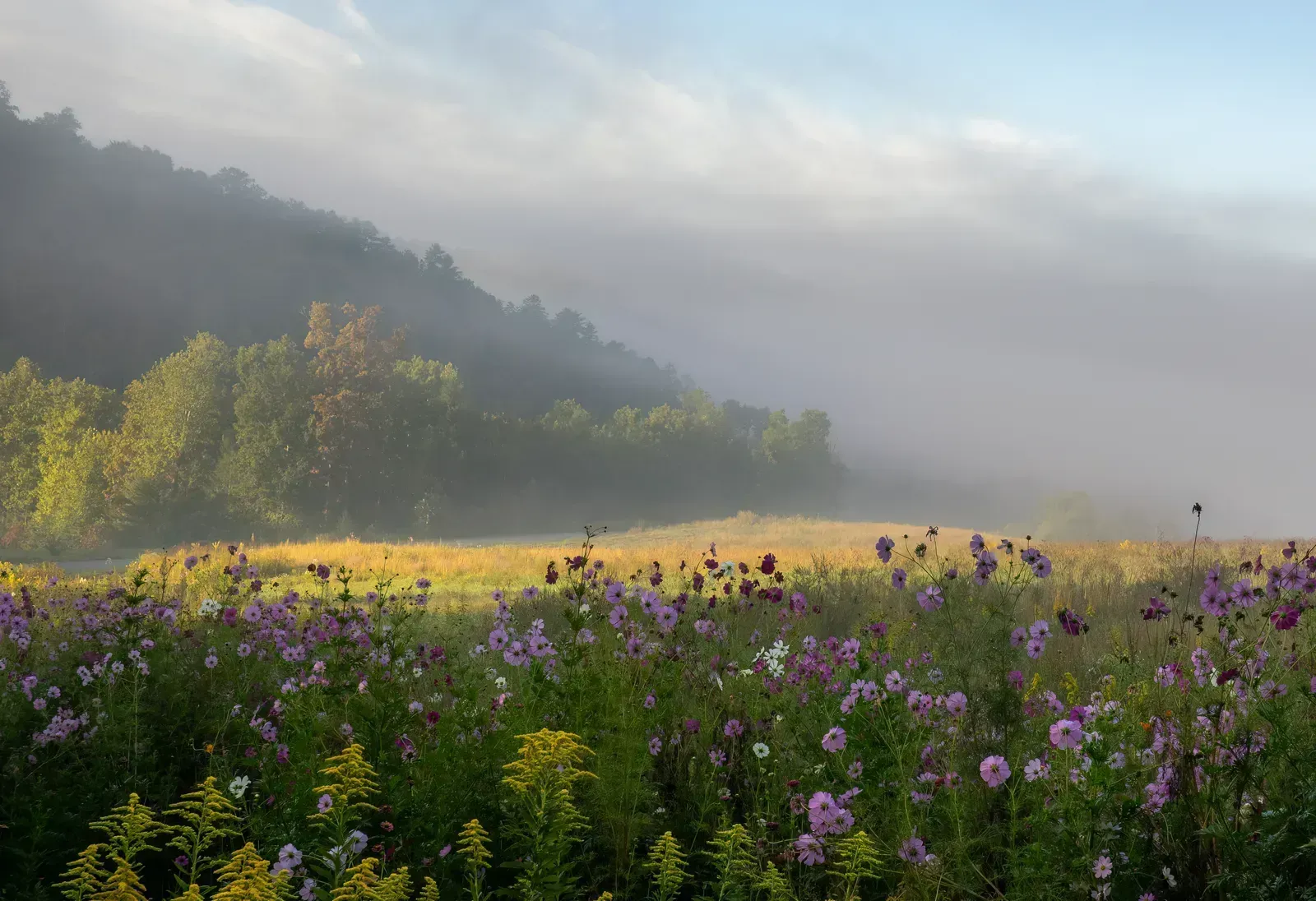
ChatGPT put this one at the top of the list, and the numbers back that up completely. With over 12 million visitors in 2024, the Great Smoky Mountains National Park is the most visited national park in the United States. That crown hasn’t slipped, either. More than 11.5 million visitors passed through Great Smoky Mountains National Park last year, easily extending the Smokies’ reign as the most popular national park.
Part of the appeal is that there’s no entrance fee, and the park sits within a day’s drive of a huge chunk of the eastern population. The Appalachian Trail passes through the center of the park on its route from Georgia to Maine. The economic footprint is massive too, with the park bringing in an estimated 2 billion dollars in visitor spending to gateway regions in 2024.
2. Zion National Park, Utah
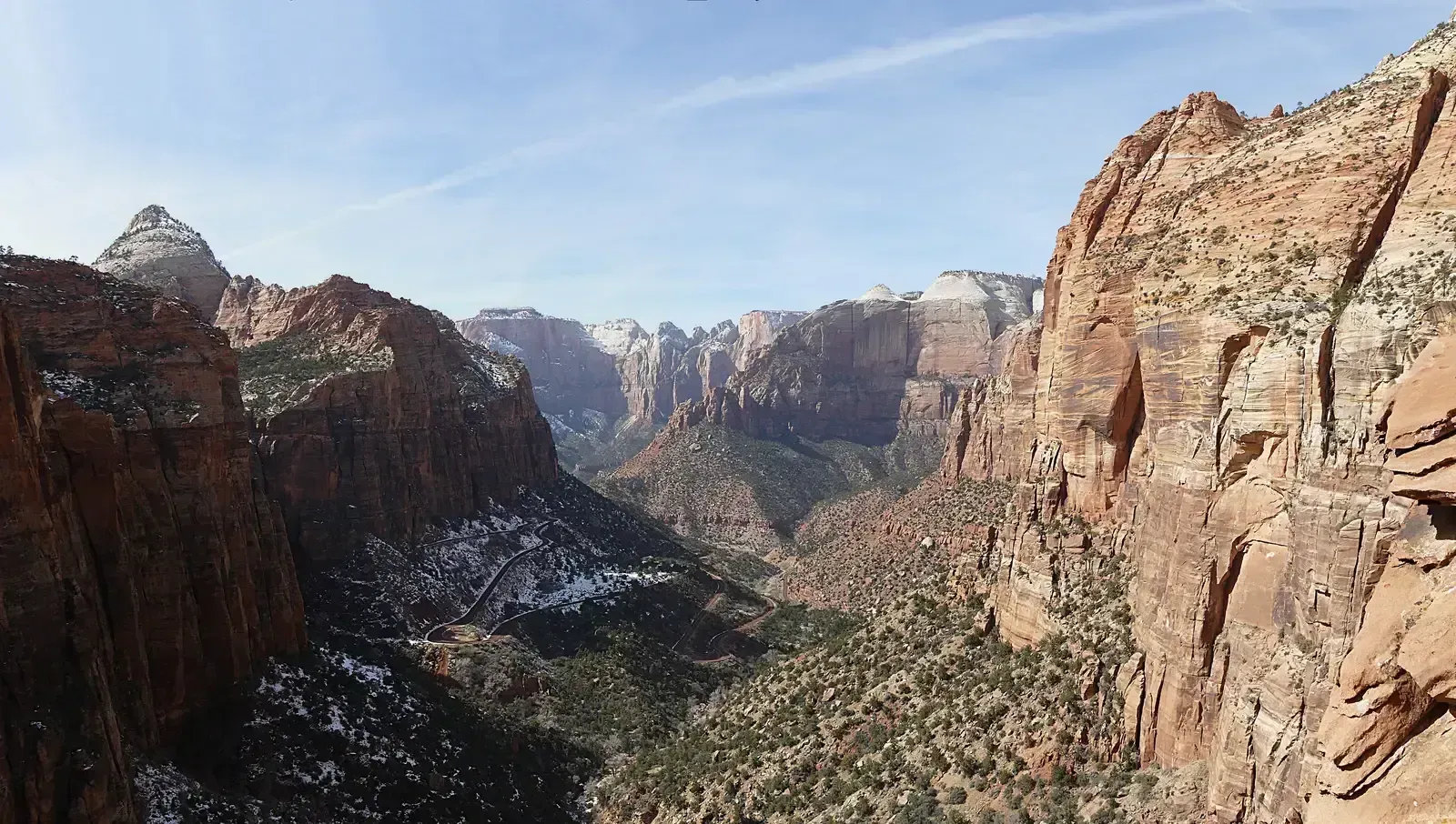
ChatGPT flagged Zion for its dramatic sandstone canyons and the sheer variety packed into a relatively compact park. It’s no longer a niche pick either. Zion National Park in Utah hosted 4.9 million visitors in 2025, holding steady as the second most visited national park in the country.
What makes Zion stand out isn’t just the scenery, it’s the accessibility of trails like Angels Landing and the Narrows, paired with a shuttle system that keeps the canyon floor from turning into a parking lot. The park’s popularity has forced permit systems for its most famous hikes, a trend that’s becoming common across the busiest parks. It’s a place where you can go from a leisurely riverside walk to a genuinely strenuous climb within the same afternoon.
3. Yellowstone National Park, Wyoming, Montana, and Idaho
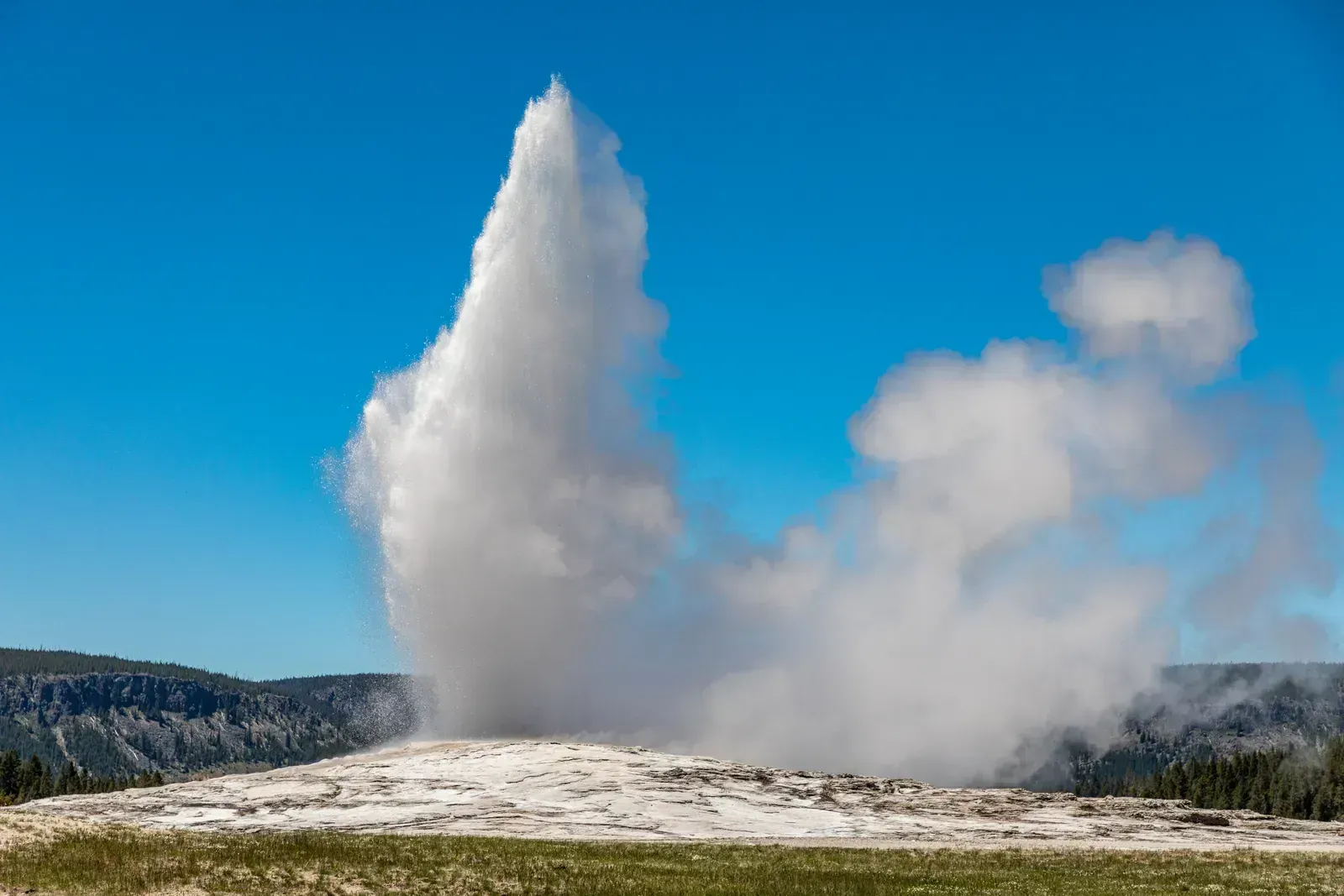
ChatGPT’s reasoning here leaned on Yellowstone’s status as the original national park and its unmatched geothermal features. Old Faithful, the Grand Prismatic Spring, and the wildlife-rich Lamar Valley all get mentioned, and for good reason. The park’s sheer scale, spanning three states, means visitors genuinely need several days to see even the major highlights.
What’s less talked about is how much Yellowstone has changed its approach to crowd management in recent years, including timed entry pilots at some gates during peak summer months. The park remains one of the best places in the lower 48 to see free-roaming bison, wolves, and grizzly bears without a guided tour. It’s a park that rewards patience and early mornings more than almost any other on this list.
4. Grand Canyon National Park, Arizona
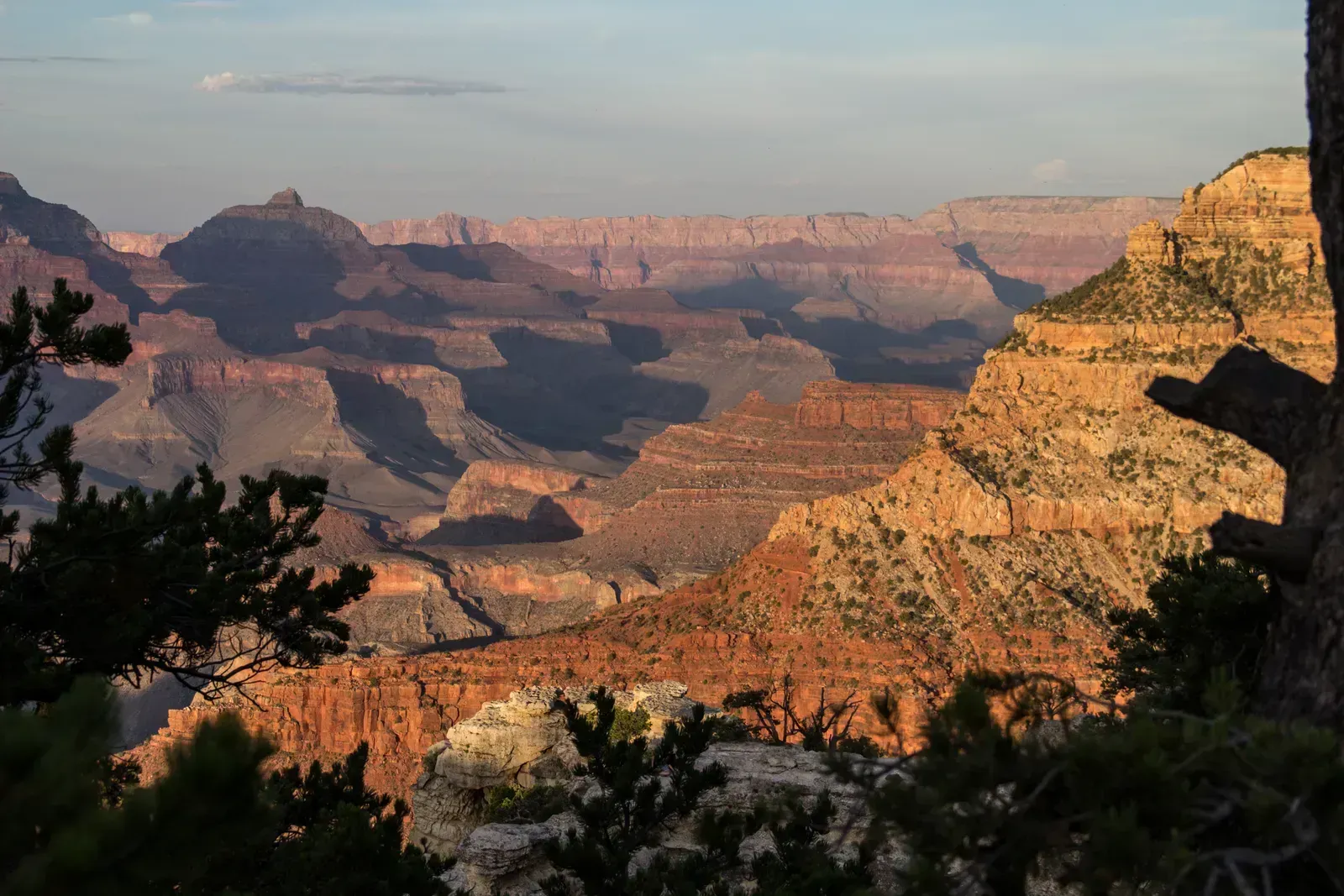
This one was almost a given. ChatGPT described the Grand Canyon as the park that photographs can’t quite prepare you for, and most visitors would probably agree once they’re standing at the rim. The scale is genuinely disorienting the first time you see it in person.
The South Rim gets the bulk of foot traffic thanks to easier access from Flagstaff and Phoenix, while the North Rim stays quieter and closes for the winter season. Rafting trips through the canyon on the Colorado River remain some of the most sought-after permits in the entire park system, often booked years in advance. For a lot of first-time visitors, though, just standing at Mather Point at sunrise does the trick.
5. Glacier National Park, Montana
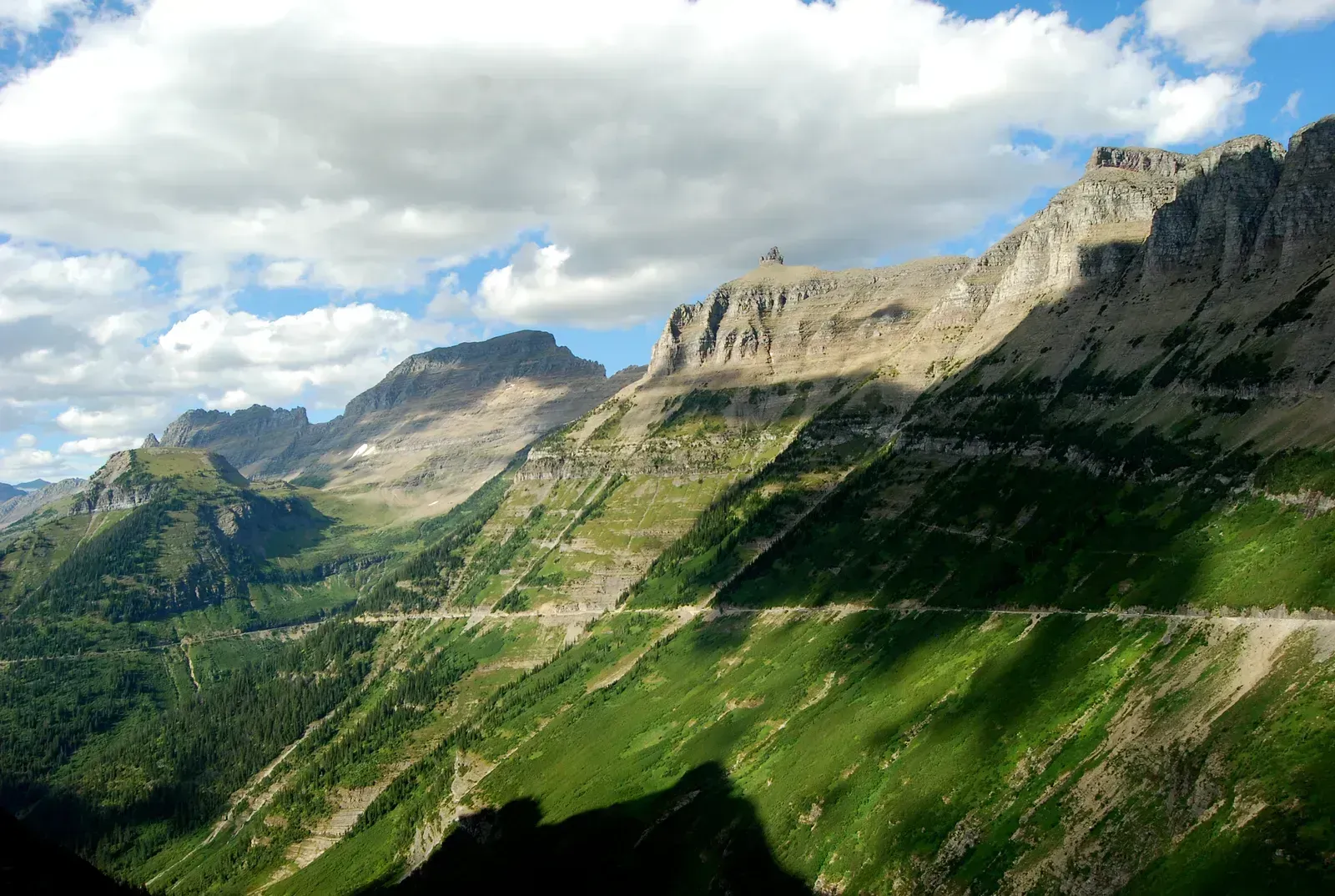
ChatGPT highlighted Glacier for its alpine scenery and the Going-to-the-Sun Road, which it correctly described as one of the most scenic drives in the country. The park sits near the Canadian border and shares an ecosystem with Waterton Lakes National Park just across the line. It’s remote enough that it still feels wild in a way some of the more accessible parks don’t.
There’s a quieter urgency to visiting Glacier now, since the park’s namesake glaciers have been shrinking for decades and some are projected to disappear entirely within the coming years. Timed vehicle reservations have become standard for the busiest sections during summer, a change that’s reshaped how people plan their trips. Hiking to Grinnell Glacier or Hidden Lake Overlook remains the draw for most visitors willing to put in the effort.
6. Yosemite National Park, California
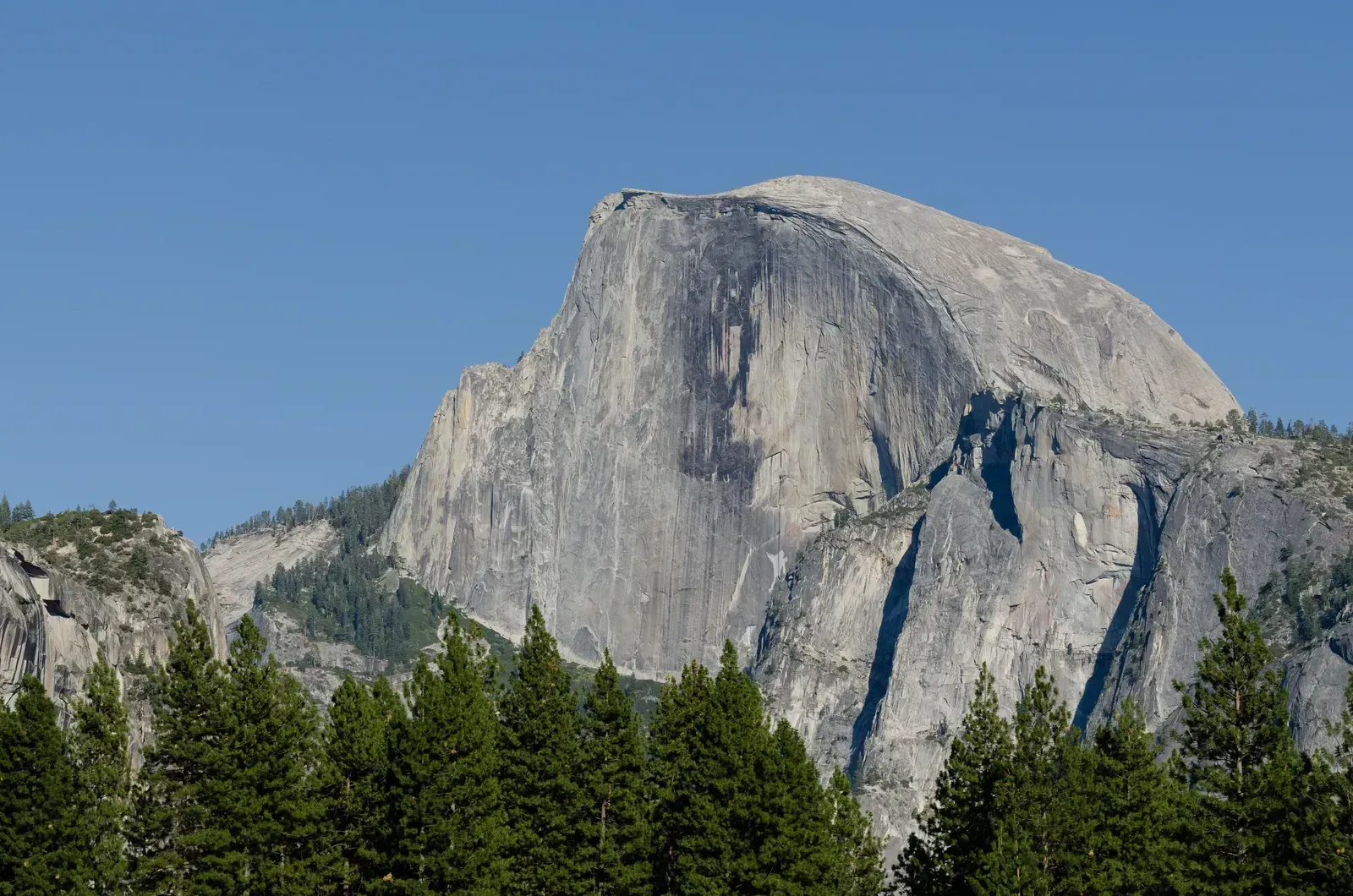
Yosemite made ChatGPT’s list largely on the strength of its granite cliffs, waterfalls, and the sheer concentration of iconic viewpoints within Yosemite Valley. Half Dome and El Capitan need no introduction at this point, having become shorthand for extreme rock climbing worldwide. The valley itself is small enough to explore by shuttle, which helps with the crowds.
Beyond the valley floor, Yosemite has a surprising amount of solitude available in its high country, particularly along Tioga Road once it opens for the season. Reservation requirements during peak summer weekends have become a fixture here too, part of a broader pattern across California’s most popular parks. The waterfalls are best seen in late spring, when snowmelt is at its peak.
7. Rocky Mountain National Park, Colorado
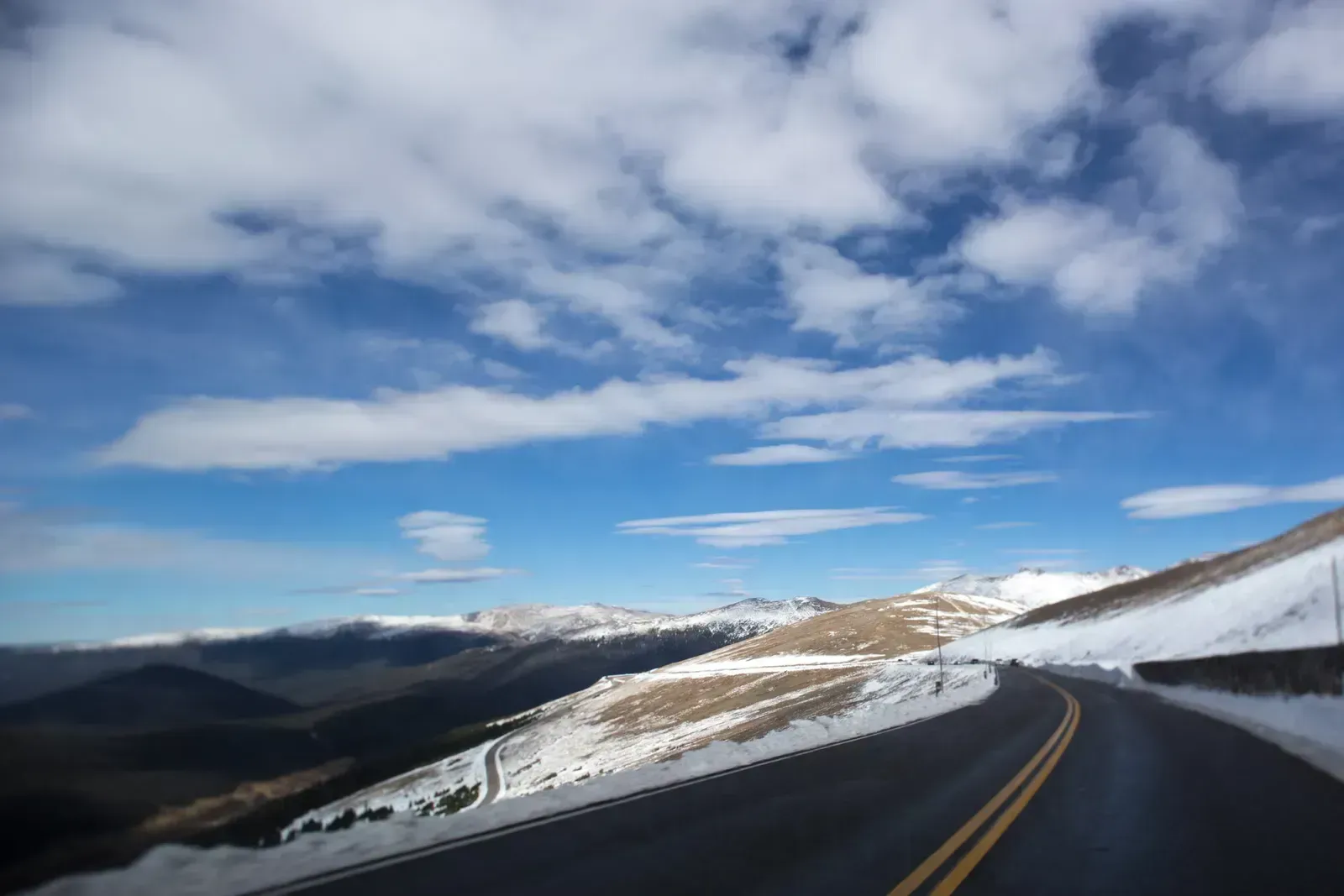
ChatGPT pointed to Rocky Mountain’s accessibility from Denver and its dramatic elevation range as major selling points. Trail Ridge Road climbs above 12,000 feet, making it one of the highest continuous paved roads in the country and giving visitors alpine tundra views without a strenuous hike. That kind of drive-up access to high alpine terrain is rare.
The park has leaned into timed entry permits more aggressively than most others, a response to years of steadily climbing visitation from the growing Front Range population. Elk viewing during the fall rut remains one of the most popular seasonal draws, with Moraine Park and Horseshoe Park serving as reliable viewing spots. It’s a park that rewards early starts, since parking lots at the popular trailheads fill by mid-morning most of the year.
8. Acadia National Park, Maine
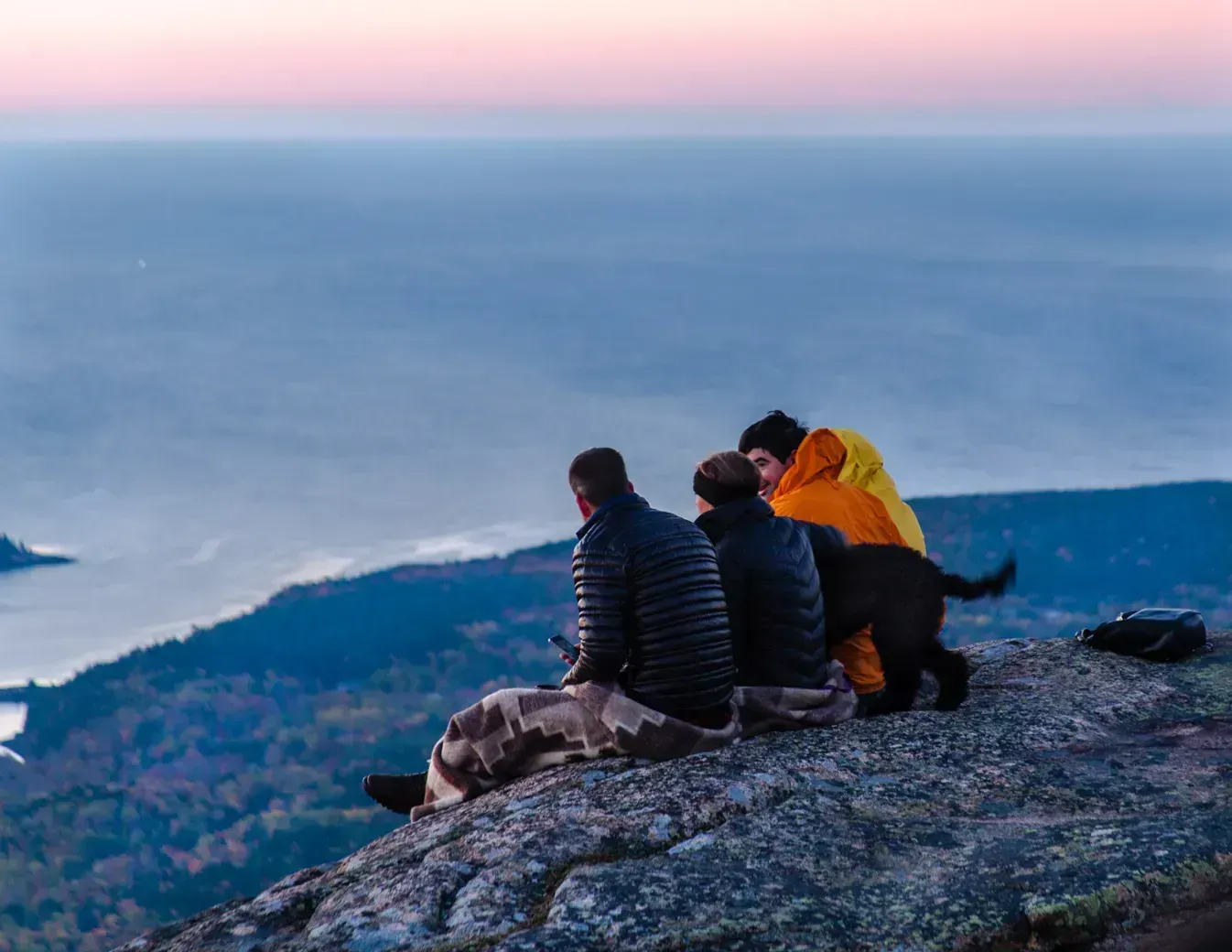
ChatGPT’s inclusion of Acadia leaned on its status as one of the few national parks on the East Coast with real coastal drama. Cadillac Mountain, the rocky shoreline along Ocean Path, and the carriage roads built by the Rockefeller family give the park a distinctly different character from the western giants on this list. It’s compact, which makes it manageable in a long weekend.
Acadia has also become known for something unusual: it’s one of the first places in the country where the sun’s rays hit at sunrise for part of the year, which has turned Cadillac Mountain into a reservation-only sunrise viewing spot during peak season. The park’s blend of granite peaks, quiet ponds, and lobster shacks just outside the boundary gives it an appeal that’s less about scale and more about atmosphere.
9. Grand Teton National Park, Wyoming
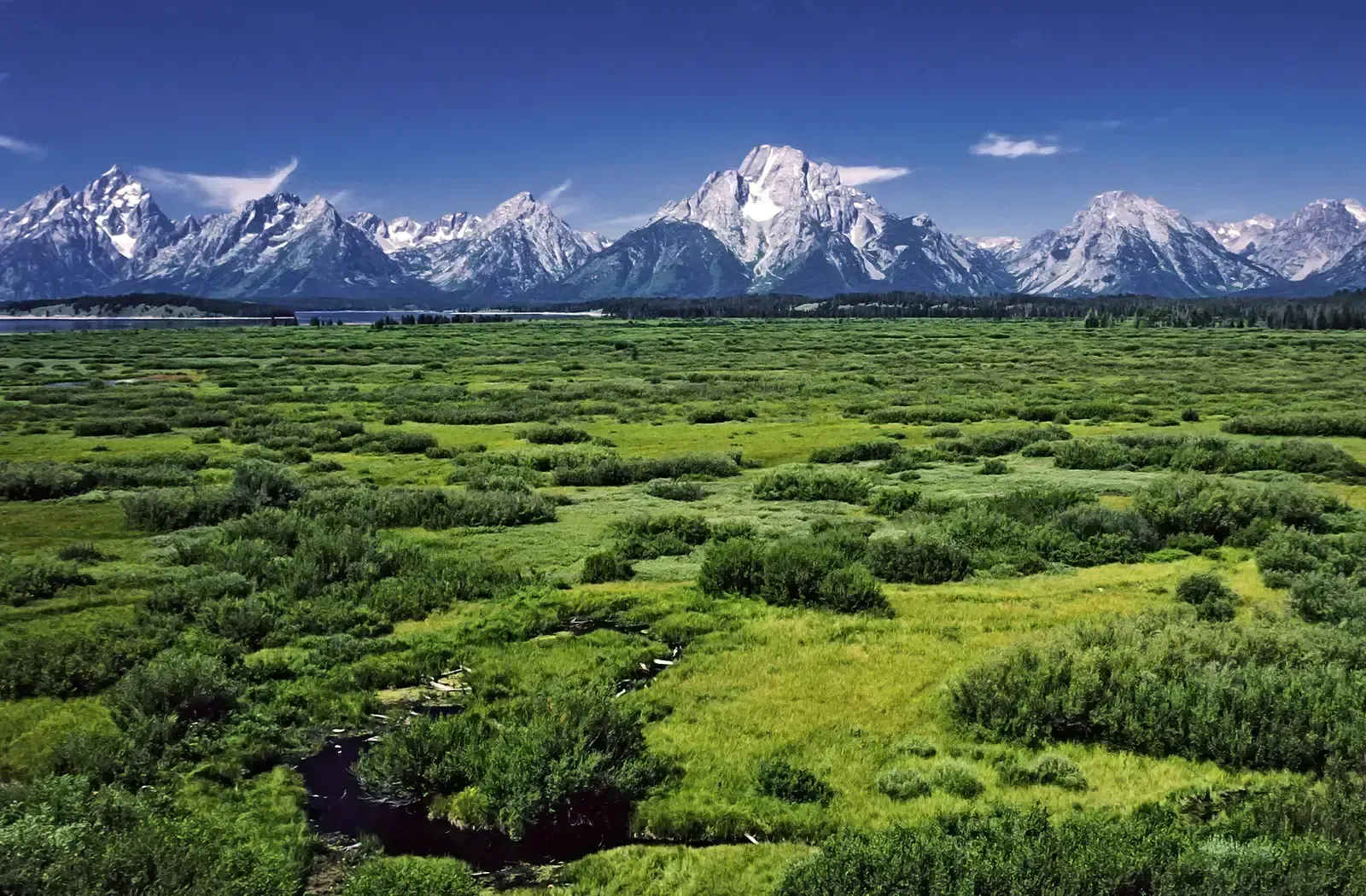
ChatGPT grouped Grand Teton close to Yellowstone in its reasoning, and the two do share a border, but it treated the park as a standout in its own right. The jagged, glacier-carved peaks rise dramatically from the valley floor with almost no foothills to soften the view, which gives Grand Teton one of the most photographed skylines in the park system. Jackson Lake and the Snake River add reflection shots that photographers travel specifically to capture.
Wildlife viewing here rivals Yellowstone’s, with moose, pronghorn, and grizzlies regularly spotted in the valley bottoms. The park works well as a shorter add-on for people already headed to Yellowstone, since the two are connected by a short scenic drive. It’s a place where the mountains do most of the talking.
10. Everglades National Park, Florida
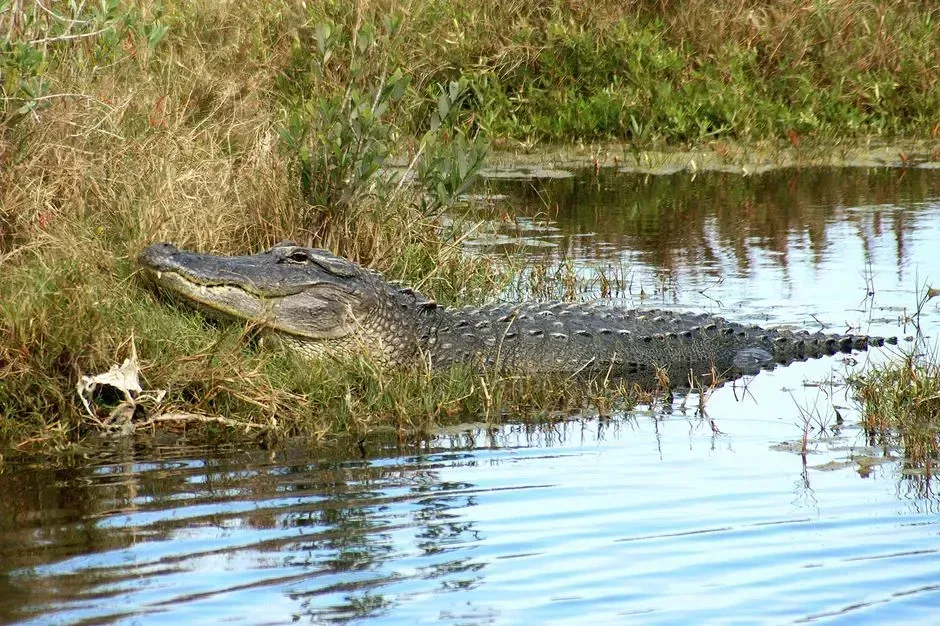
The final pick on ChatGPT’s list was a bit of a departure from the mountain-heavy rest of the group, and that variety was intentional. Everglades offers something none of the others do: a subtropical wetland ecosystem home to alligators, manatees, and hundreds of bird species. It’s flat, humid, and completely unlike anywhere else on the list, which is precisely the point.
Airboat tours and the Anhinga Trail boardwalk give visitors close access to wildlife without much hiking required, making it one of the more accessible parks for families or people with mobility concerns. The park also carries genuine conservation weight, since it protects one of the largest remaining subtropical wilderness areas in the country. Visiting between December and April avoids both the heat and the mosquitoes, which locals will tell you matters more than almost anything else.
How the AI’s List Stacks Up Against Reality

What stood out most in comparing ChatGPT’s picks to actual visitation data wasn’t disagreement, it was overlap. Nine of the ten parks it named sit comfortably among the most visited and most talked-about parks in the current NPS rankings, which suggests the model leaned heavily on genuinely popular, well-documented destinations rather than obscure picks. There are 63 national parks and preserves spanning the U.S. and its extended territories, so landing on a list this aligned with real-world popularity isn’t nothing.
Where the list falls a little short is in surprises. There’s no mention of newer or lesser-known parks like New River Gorge, which hit 1,958,440 visits and continues its climb since gaining national park status in 2020, or quieter gems like North Cascades. For a first-timer’s checklist, though, ChatGPT’s picks hold up as a solid, well-reasoned starting point rather than a list built around novelty.




Leave a Reply