
There’s a particular kind of quiet misery that comes from living in a home you didn’t fully choose. Not because someone forced you, but because you were too considerate, too accommodating, too reluctant to make waves. You smiled and said “that works for me” when it really didn’t. And now you walk past that paint color, that rug, that inherited side table every single day.
Being agreeable is a virtue in most situations. In home design, though, it has a way of quietly compounding into regret. Of those who have remodeled in the past five years, roughly three quarters report having some form of renovation regret. A surprising number of those regrets trace back not to bold decisions, but to soft ones – the choices nobody wanted to fight over. Here are ten situations where costs you more than you bargained for.
1. Keeping the Furniture You Got as a Gift
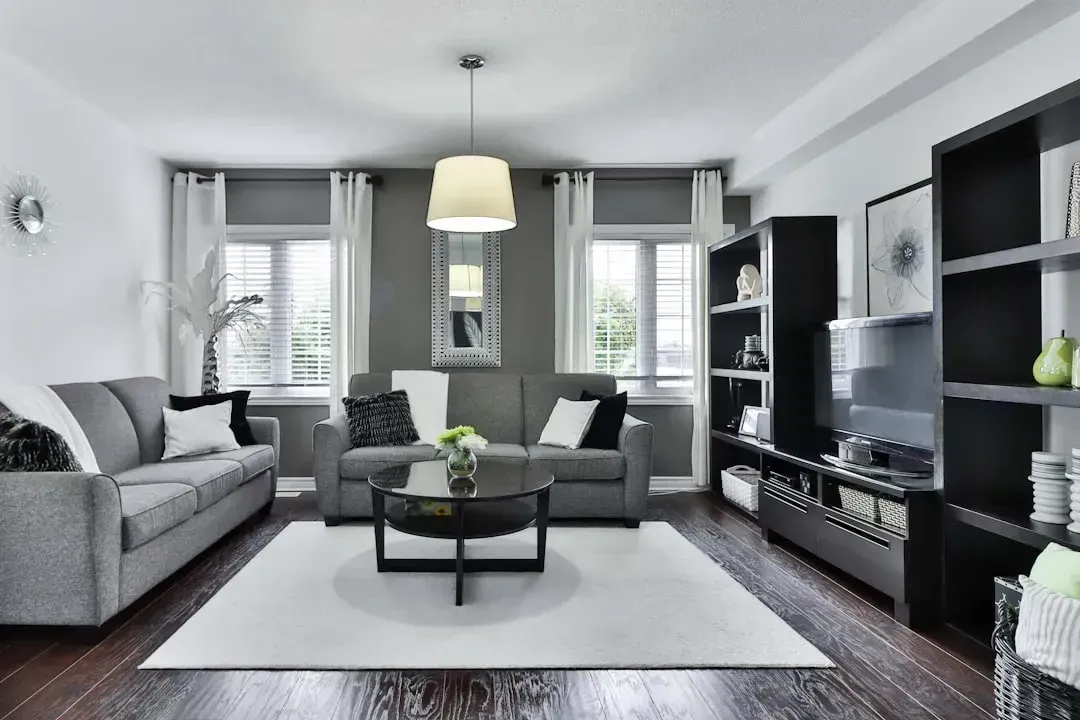
It starts innocently. A well-meaning relative gives you a statement armchair, a heavy cabinet, or a framed print. You thank them, position it somewhere visible, and slowly arrange your whole room around it. Sentimental attachments are a genuine source of conflict in home design – what might be an eyesore to one person is a cherished memory to another. The problem is that designing around a single obligatory piece often prevents the rest of the room from ever coming together properly.
Decorating mistakes are not about shaming personal taste; they’re about helping a home feel balanced, comfortable, and genuinely lived in. Keeping a piece you dislike out of politeness doesn’t honor the giver – it just means you spend years in a room that feels slightly off. Most gifted items can be quietly moved to a less prominent spot, sold, or donated without damaging a relationship.
2. Agreeing to Your Partner’s Color Choice When You Hate It

Decorating a home together should be a fun and creative experience, but for many couples it can quickly turn into a battleground. Whether you’re moving in together for the first time or giving your home a much-needed refresh, making interior design decisions as a couple can be genuinely challenging. Picking paint colors is often where one partner quietly capitulates, choosing peace over preference. That works fine until you’re staring at a color you find deeply unappealing every morning.
Paint colors can look vastly different depending on lighting conditions, existing colors, and the time of day. Selecting a color from a sample chip without testing it in the room can lead to disappointing results. The real lesson here is that compromising on color without properly testing it first can leave both partners unhappy. A large wall swatch tested across different times of day gives everyone a chance to respond honestly before anything is committed.
3. Accepting a Rug That’s Too Small to Avoid Conflict
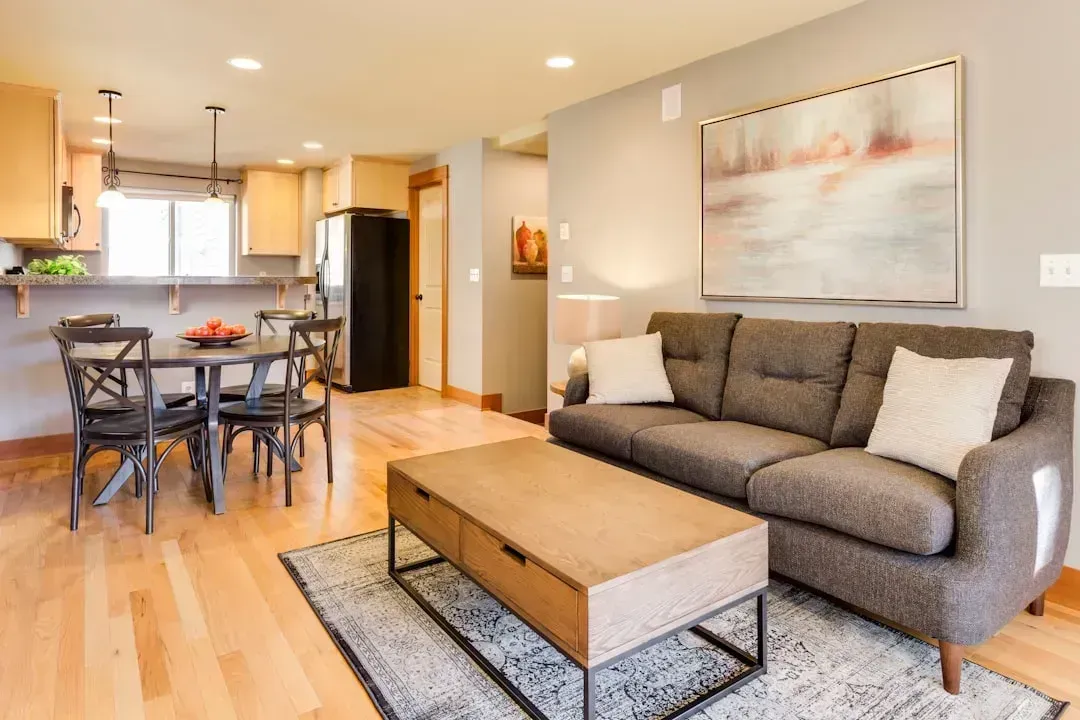
It’s so tempting to save money and opt for a smaller rug, but this is not the area to skimp. When rugs are too small for a space, the room automatically feels unfinished and bare. It’s better to shop at a more wallet-friendly brand and purchase a rug that’s the appropriate size for your room and layout, rather than investing in a smaller but high-end piece. The same logic applies when you’re being polite about a partner’s or roommate’s choice of rug size: agreeing to the smaller one to avoid debate creates a visual problem that persists for years.
A smaller rug makes a room feel disjointed and underwhelming, and can also make furniture arrangements look disconnected rather than cohesive. The go-to designer rule is to make sure at least the front legs of all your furniture sit easily on the rug. Going back to buy a properly sized rug later, after furniture is already placed and settled, is a far more inconvenient and expensive process than simply speaking up at the start.
4. Going Along with Open Shelving Because It’s Trendy
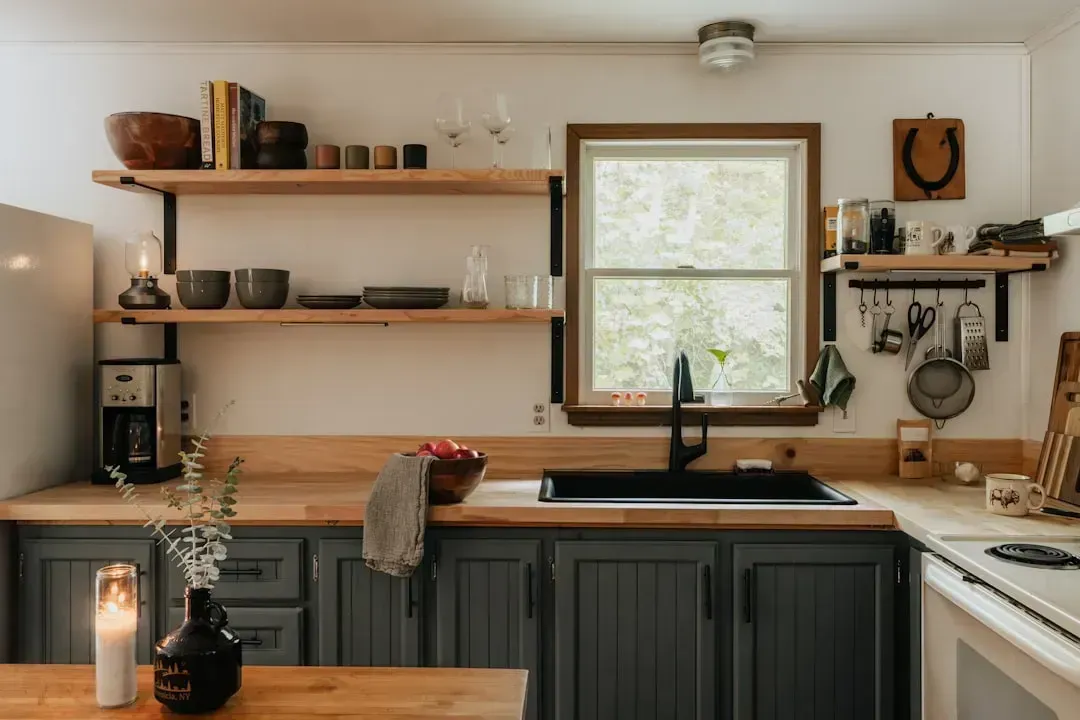
Open shelving had a long run as the defining feature of the aspirational kitchen. Plenty of homeowners agreed to remove upper cabinets partly because a partner or designer made it sound like the obvious, modern choice. By now, some homeowners are undoubtedly missing their upper kitchen cabinets. The pressure involved with open shelving has likely worn thin: keeping dishes pristinely displayed and organized, and the constant dusting.
Designers are increasingly advocating function over form, particularly in the kitchen. Practical storage is a must-have for keeping things looking clean and stylish, which is why many are turning away from open shelving. Saying yes to a trend you weren’t fully convinced by is one of the gentlest forms of self-betrayal in home design. The kitchen, more than any other room, needs to function well first and look good second.
5. Not Pushing Back on the Wrong Lighting Setup
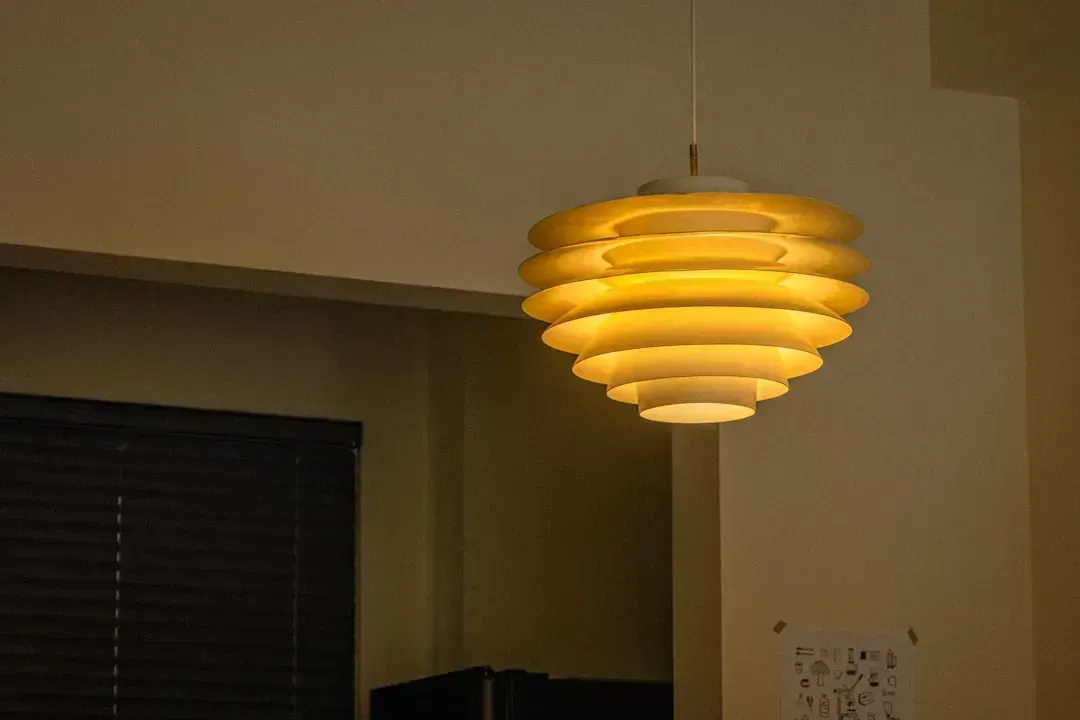
Lighting is a key element in interior design that often gets overlooked. Relying on just one type of lighting, like an overhead fixture, can leave your space feeling flat. When one person in a household pushes for a simpler setup – fewer fixtures, just the one ceiling light – it’s easy to agree and move on. The result is a room that works fine in a photograph and feels cold and dull at night.
One of the most common decorating mistakes is using warm bulbs in one lamp, cool bulbs in another fixture, and daylight bulbs in the ceiling. The eye may not know the technical reason, but the body feels the mismatch immediately. Layered lighting – ambient, task, and accent combined – isn’t an extravagance. Using a mix of ambient, task, and accent lights creates a dynamic, well-lit environment that highlights key features of the room and helps set the right mood. It’s worth the minor negotiation to get it right.
6. Letting a Partner Veto Necessary Storage
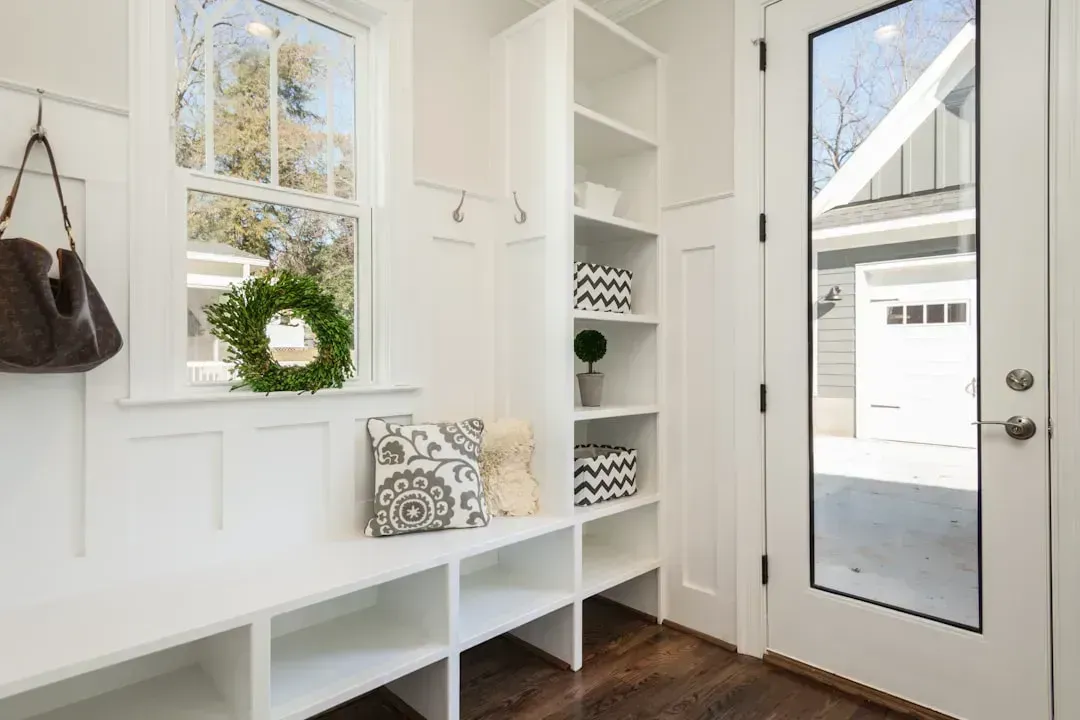
A beautiful home that lacks adequate storage can quickly become disorganized and cluttered. Custom cabinetry, built-in shelving, and multifunctional furniture can provide elegant storage solutions that complement your interior design. Yet storage is consistently the area where the “nice” partner backs down. Someone wants cleaner lines, fewer visible elements, less visible organization – and rather than argue, the other person agrees. Within months, surfaces become cluttered and the room stops functioning.
The big design decisions get most of the attention: countertops, tile, and flooring. It’s the small details – outlet placement, trim style, and lighting layout – that can make a home feel truly finished. Storage fits that same category. It doesn’t generate excitement in the planning phase, but the absence of it creates daily friction. Advocating for it firmly, early, is one of the most practical things you can do.
7. Going Along with a Fully Open-Concept Layout
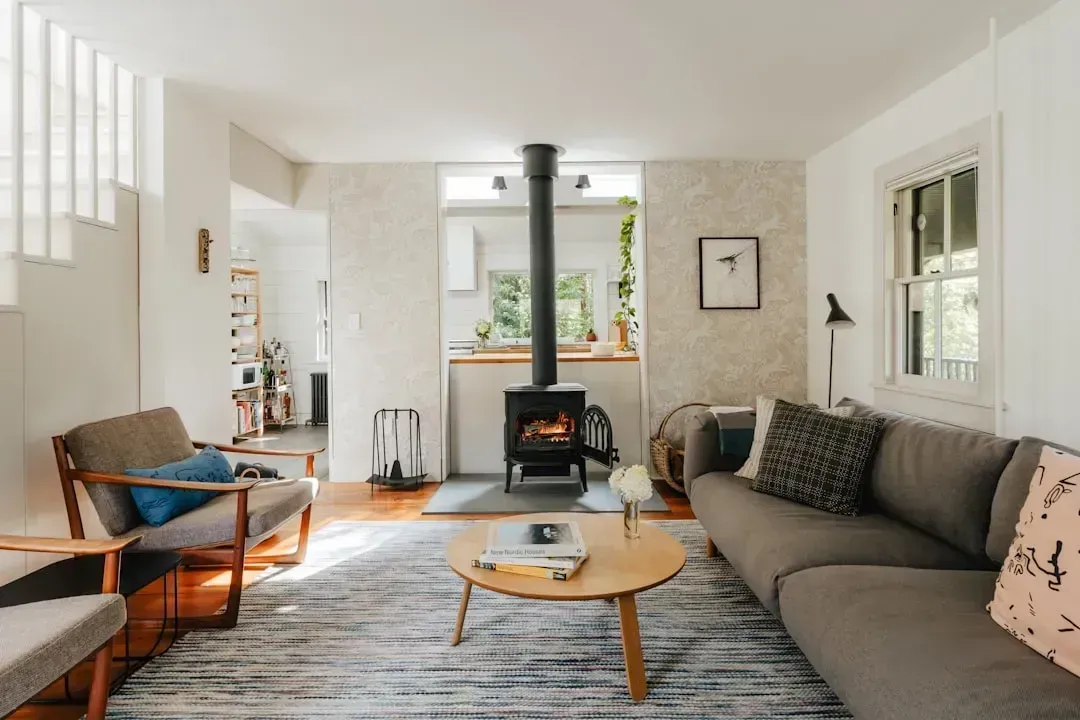
The open-concept living space has been a dominant idea in residential design for over a decade. Many couples adopt it because it sounds appealing, or because one person really wants it and the other doesn’t want to seem difficult. The open-concept layout is continuing to face pushback from designers who value privacy, defined function, and acoustic separation. Homes with open-concept layouts can be loud, hard to furnish, and leave little room for real design moments – every element has to coordinate instead of letting each room have its own personality.
The appeal of having an open and spacious living area is tempting, but you may regret it for reasons you didn’t think about in advance. While the room may be very large, it doesn’t offer many options – any mess is immediately visible and remains that way until tidied, and sometimes you don’t want to hear whatever the kids are watching on TV. Raising a concern about this before walls come down is not being difficult. It’s being honest about how you actually live.
8. Silently Accepting Furniture That’s the Wrong Scale
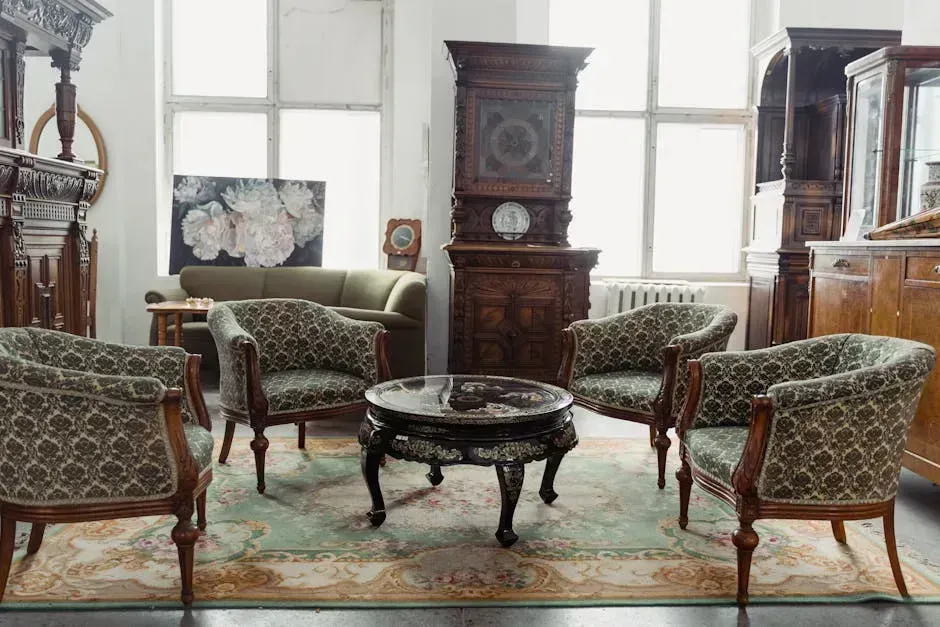
Scale and proportion are essential for creating a balanced and harmonious design. Placing oversized furniture in a small room, or undersized pieces in a large one, can make the space feel unbalanced and uncomfortable. Paying attention to the size of your furniture in relation to the room’s dimensions is critical. This is frequently a “niceness” problem. Someone selects a sofa they love, and rather than point out it’s too large for the room, the other person quietly accommodates it. The furniture wins; the room loses.
Undersized furniture in expansive rooms has been one of the most glaring design missteps in recent years. While the minimalist ethos of less is more continues to influence interiors, this approach doesn’t translate well to spatial proportion. Proportion and scale are essential – large rooms demand furniture that can command their scale; otherwise, even the most beautifully styled spaces can feel incomplete and awkward. Measuring before purchasing is a practical act of honesty that saves everyone from a year of rearranging.
9. Not Speaking Up About Curtains and Window Treatments
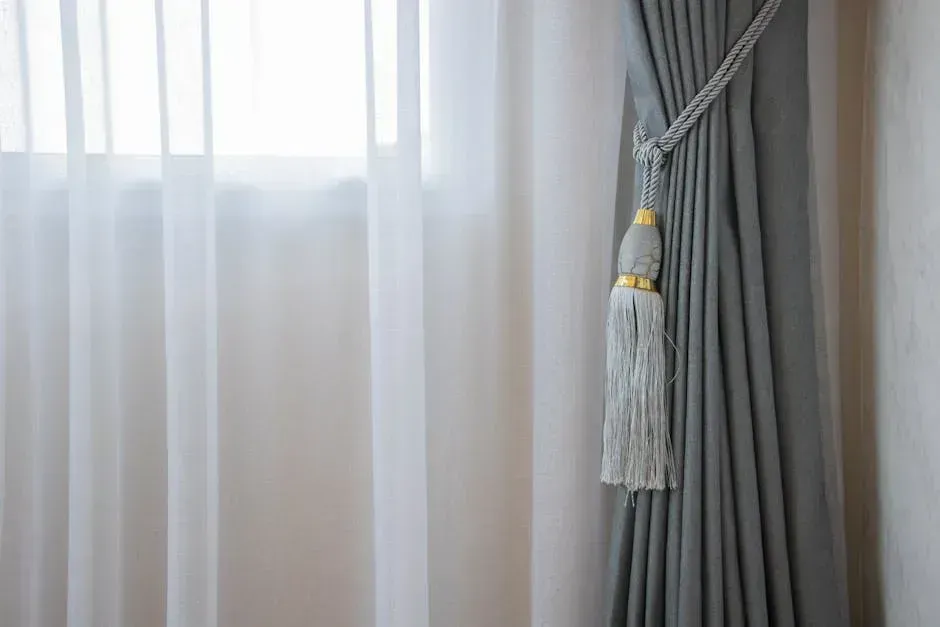
One of the most common decor mistakes involves curtains. From passing on them altogether to opting for a too-short pair to save a bit of money, window treatments leave plenty of room for error. Curtains are like mascara for a designer – they make a space feel put together and complete. Agreeing to skip curtains entirely, or accepting a cheap and narrow pair because the other person thinks it’s “fine,” leaves rooms looking bare and unfinished in a way that’s hard to name but easy to feel.
When curtains are too narrow, they block light and make windows seem smaller. Designers notice poor curtain placement quickly because it changes the whole architecture of a room. The rule of thumb is to always go high and wide: hang the curtain rod four to six inches above the window frame and extend it outward so the curtains just dust the sides. Curtains should touch the floor – floor-length curtains help create more visual height and draw the eye upward. These are not minor details. They shape the entire feel of a space.
10. Staying Quiet During a Renovation to Keep the Peace

Recent surveys reveal that a substantial majority of couples who embark on a home renovation project find it to be the ultimate test of their bond, while a significant share regret having undertaken the project altogether. Much of that regret isn’t about the renovation itself – it’s about the decisions made in moments of conflict-avoidance. Don’t cut corners and compromise only to be full of regret later. Likewise, don’t make concessions you’ll resent later just to appease your partner. That’s advice worth reading twice before any major project begins.
Renovating has a way of testing your patience and your decision-making skills all at once. Even the smallest choices can have a big impact once the dust settles. Often, the things you think you can skip, cut back on, or leave until later end up becoming your biggest regrets. Speaking up during a renovation is not the same as being difficult or ungrateful. It means you’re invested in the outcome, which is exactly what a shared home deserves. The rooms you’ll live in for years are worth the brief discomfort of an honest conversation now.




Leave a Reply