
Egypt: pyramids, scams, and constant pressure
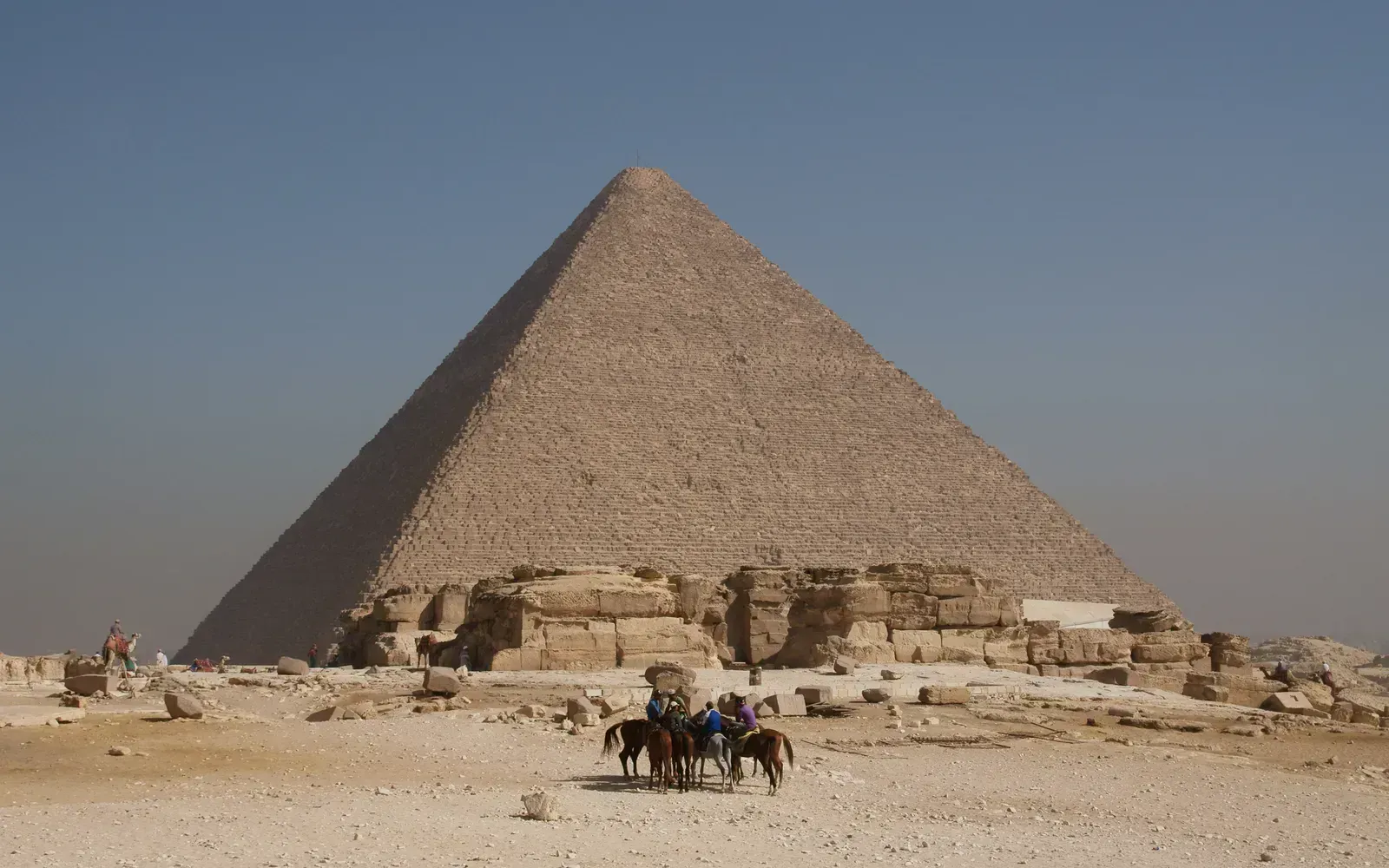
Egypt draws travelers with images of the Great Pyramid and the Nile, but the on-the-ground reality has earned it an unflattering reputation. Throughout 2025, the consensus across social media warnings and veteran traveler forums has been unanimous that Egypt is the undisputed number one destination on the planet for scamming tourists, a striking claim for a country with such iconic landmarks. Visitors often describe being swarmed by vendors the moment they step out to see the sights they traveled thousands of miles to witness.
That combination of aggressive selling and constant negotiation wears people down faster than the heat does. Many travelers say the hassle overshadows the history, turning what should be a bucket-list moment into a transaction-heavy ordeal.
Morocco: Instagram dreams meet harassment reality
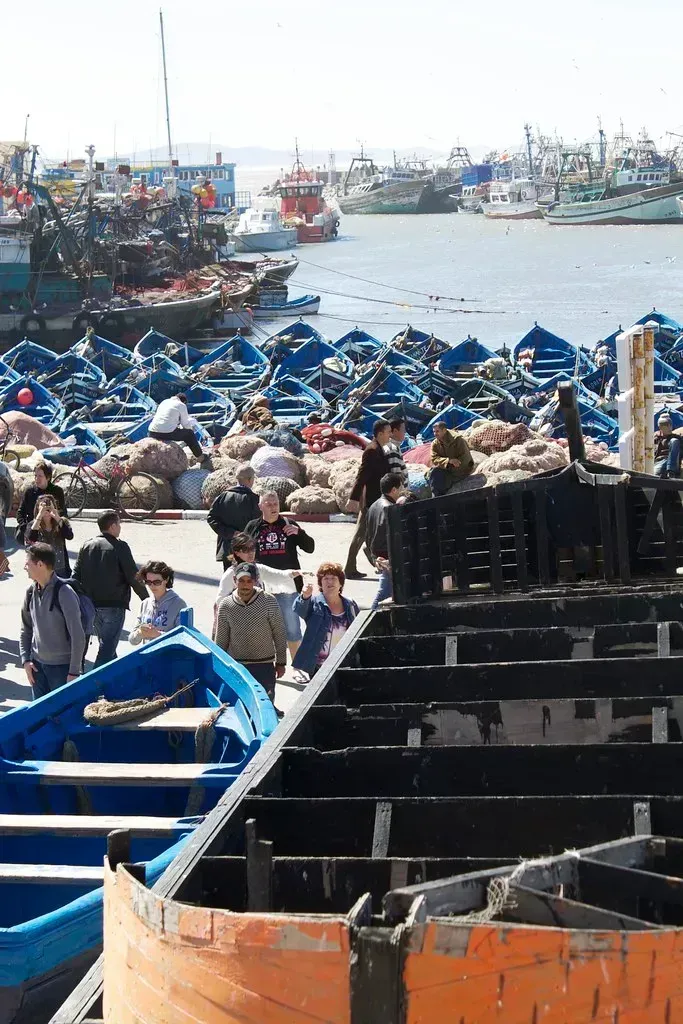
Morocco’s colorful markets and riads photograph beautifully, but the experience behind the camera can be rougher. Out of almost 70 countries visited by experienced travelers, Morocco was identified as the most hostile environment faced as a visitor, being the only place where travelers reported being screamed and shouted at for resisting a scam.
Walking through cities like Fes or Marrakesh, that pressure repeats itself constantly rather than as an isolated incident. Aggressive touts appear every few minutes trying to separate visitors from their cash, and the pattern is persistent enough that many Americans say it colored their entire trip.
Mexico: beauty alongside real safety concerns
Mexico remains one of the top destinations for Americans, but safety concerns are not just internet chatter. Currently locked in a drug war, Mexico is one of two countries whose current travel advisory falls outside the standard Level 1-4 system, and while states like Yucatan and Campeche are relatively safe, foreign tourists in many other parts of the country are frequent targets for crimes ranging from pickpocketing and muggings to kidnapping and carjacking.
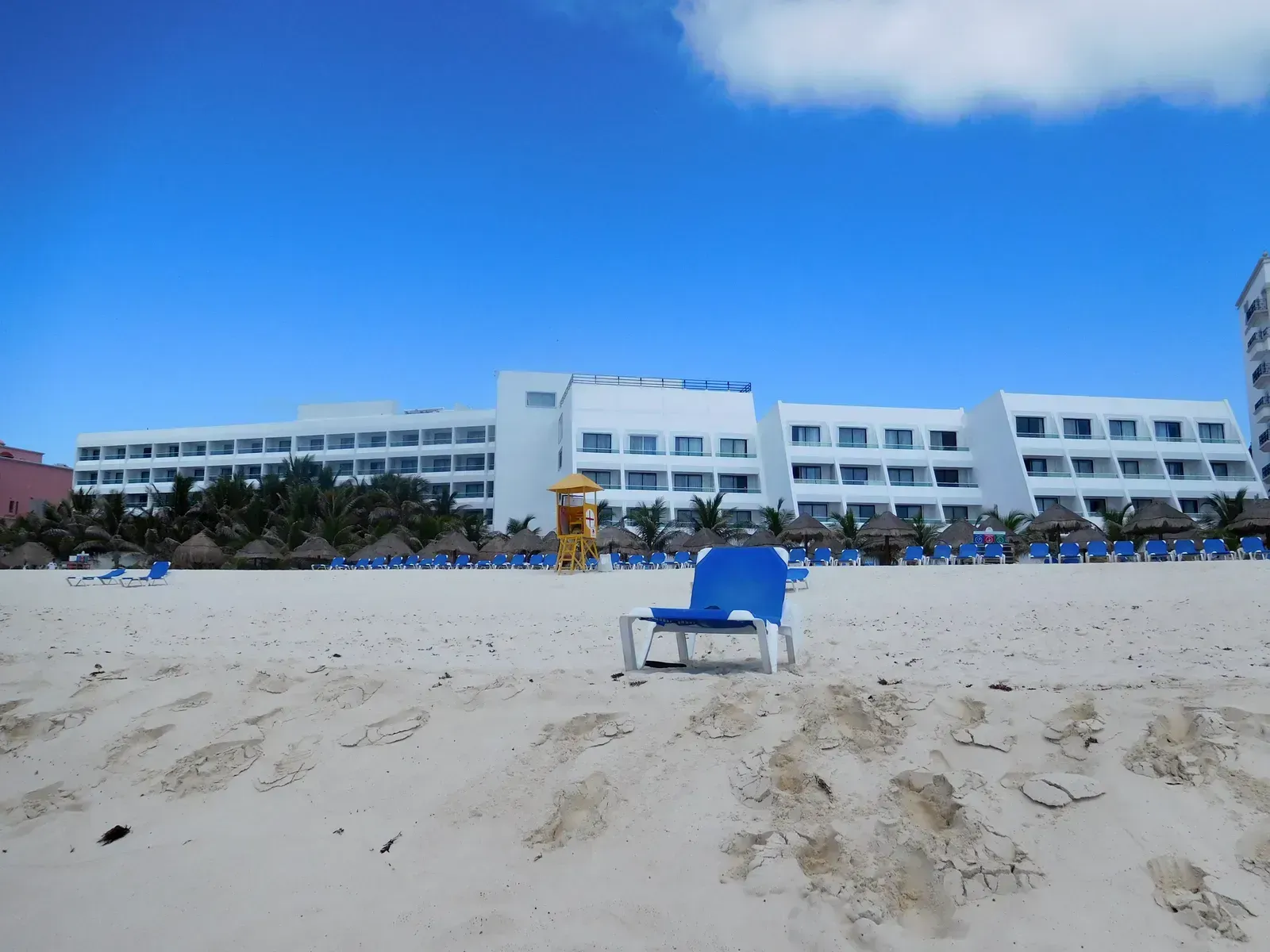
Beyond safety, some resort towns have drawn criticism for feeling overbuilt and impersonal. Cancún topped a 2025 list of disappointing destinations, with 14.2 percent of visitors calling it a letdown, a shift from the tropical escape Americans once dreamed about to something that now feels like a commercialized beach resort that could exist anywhere.
Dominican Republic: resort bubbles with limited reality

The Dominican Republic pulls in enormous numbers of American vacationers every year, largely thanks to affordable all-inclusive packages. The country hosts over 7 million tourists annually, with Punta Cana leading arrivals, and resort packages often cost under 1,500 dollars for a week, making it appealingly accessible.
The tradeoff, according to review data, is a resort-bubble experience that doesn’t always match the destination’s reputation. Punta Cana ranked third in a major 2025 city-ranking study, with 11.9 percent of reviews turning negative, a notable result for one of the Caribbean’s most recognizable package-holiday brands.
Turkey: booming numbers, wearing crowds
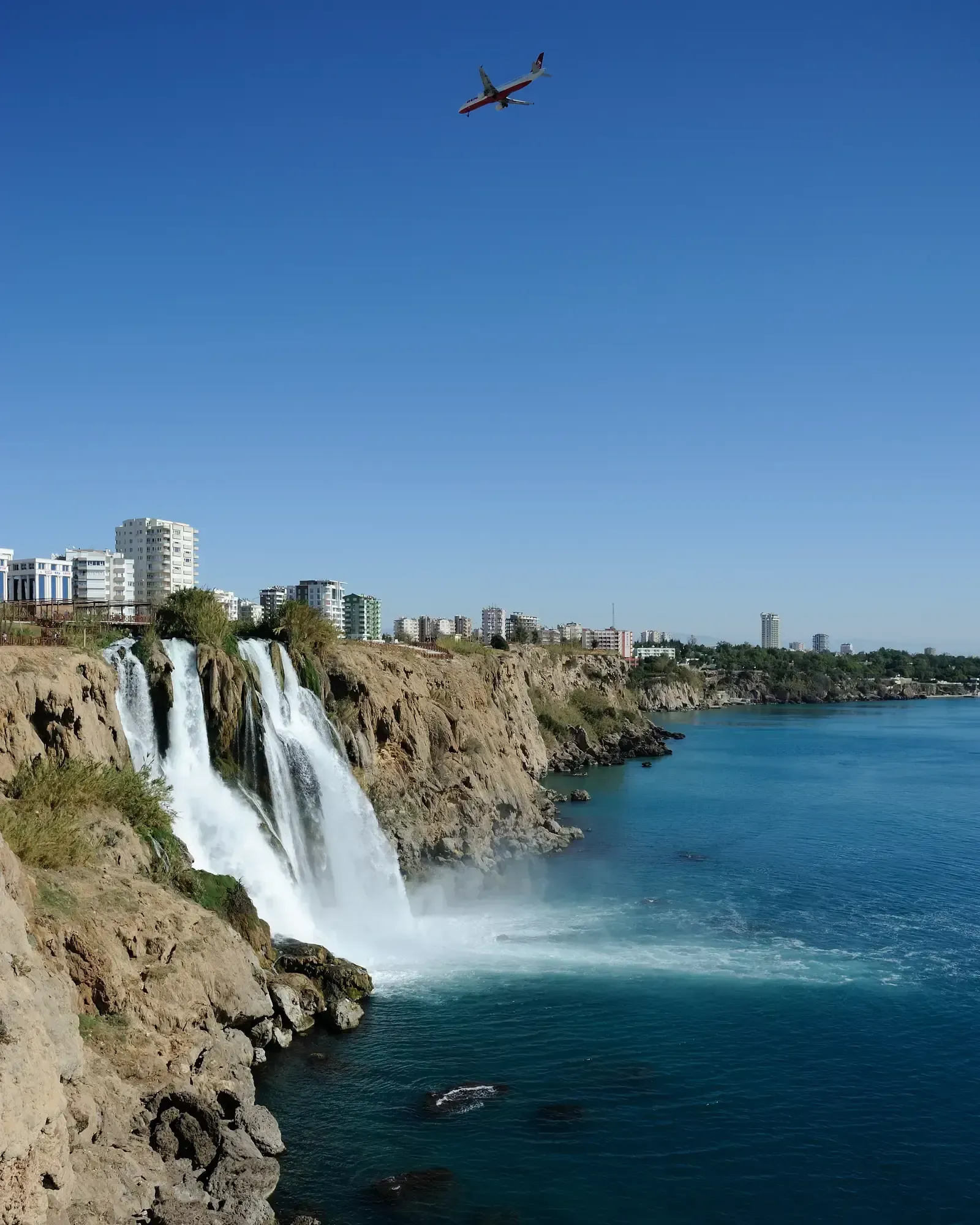
Turkey’s tourism sector is thriving by almost any measure, yet that success brings its own set of frustrations for visitors. Antalya closed 2025 with a record 17.12 million visitors, the kind of volume that can keep a destination booming while also wearing down the visitor experience.
The result is a mix of crowd stress, rising prices, and logistical friction that some travelers didn’t anticipate. Turkey can still be a fantastic trip, but some of its highest-demand tourism zones now seem to be suffering from the classic mix of crowd stress, pricing friction, and overexposure.
France: the dream of Paris versus the cost of Paris

Few destinations carry as much romantic weight in the American imagination as Paris, which makes the letdown sting more when reality intrudes. Practical frustrations pile up quickly once travelers arrive. Long queues at major museums can exceed two hours during summer, and hotel rates frequently surpass 300 dollars per night in central districts.
There’s also a social layer to the disappointment that goes beyond logistics. A 2025 Upgraded Points survey found that 15 percent of French respondents admitted Americans aren’t always wanted, fueled by perceptions of loudness and entitlement. While the architecture and cuisine remain exceptional, travelers who underestimate crowds or language differences sometimes leave feeling the romance they imagined was overshadowed by logistical stress, since the dream of Paris is so deeply embedded in American culture that the collision with reality can feel particularly sharp.
China: commercialized nature and constant friction

China’s landscapes and history are genuinely remarkable, but many American travelers come away feeling like the experience was engineered rather than authentic. Some of the most incredibly beautiful places on earth exist in China, but it feels like everything is being commercialized, including nature, with natural wonders fenced off with admission fees and crowds overwhelming supposedly serene locations.
Add in political tension, and the friction becomes harder to shake off. The drop in tourism from China to the United States has been a notable trend over the past few years, driven by geopolitical tensions, stringent visa requirements, and rising travel costs, and that friction flows both directions, with Americans visiting China in 2025 and 2026 increasingly reporting they feel surveilled.
Costa Rica: overrated hype and crowded trails

Costa Rica built its brand around eco-tourism, and for years that pitch worked exceptionally well. Perhaps too well, according to more recent traveler feedback. Costa Rica successfully marketed itself as an eco paradise, and tourists responded enthusiastically, maybe too enthusiastically, with travelers now confidently describing it as an overrated, Instagram-hyped destination full of American tourists on vacation.
The disconnect isn’t about the natural scenery itself, which remains genuinely impressive by most accounts. It’s the sense that the experience has been packaged and repeated so often that the sense of discovery has worn thin, leaving visitors comparing notes about crowded trails rather than untouched rainforest.
Dubai and the UAE: impressive skyline, distant culture
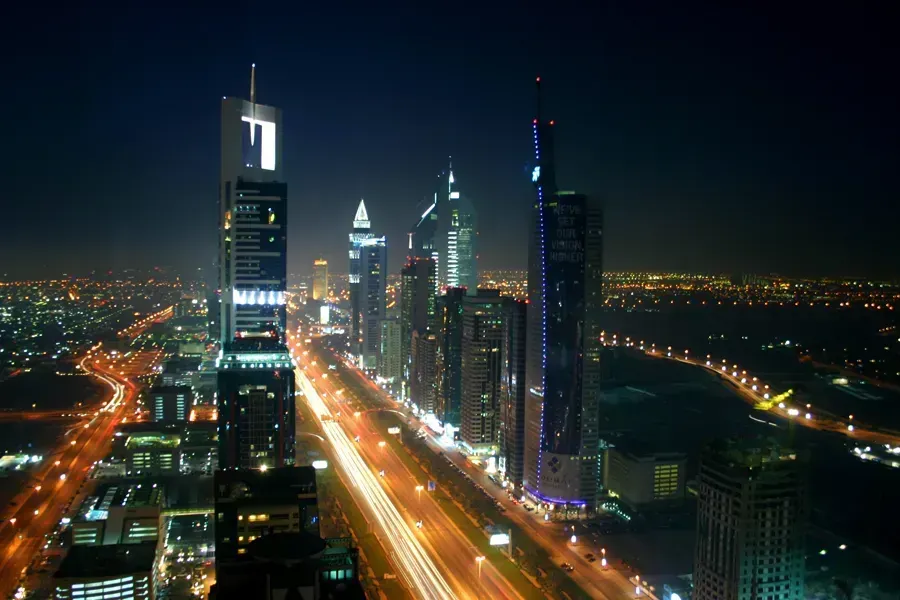
Dubai’s skyline is undeniably striking, and the tourism numbers back up its global draw. The United Arab Emirates welcomes roughly 24 million visitors each year, many heading to Dubai for skyscrapers and luxury resorts.
Still, plenty of Americans leave feeling like they saw a highlight reel rather than a place. Some describe the experience as visually impressive but culturally distant, with limited interaction beyond resort properties and organized excursions that can feel standardized, so that while beaches and skyline views are vibrant, travelers seeking deeper exploration sometimes wish they had ventured further beyond hotel compounds.
Japan: beautiful, overcrowded, and getting stricter
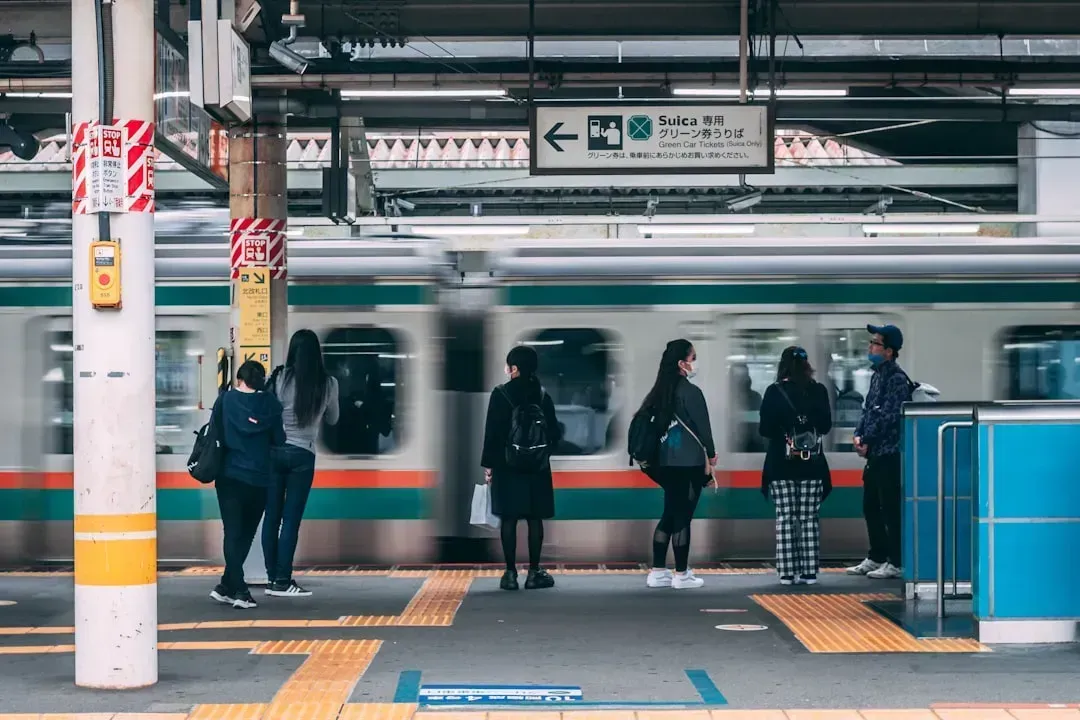
Japan’s popularity has surged to a point where the infrastructure and etiquette-driven culture are visibly straining under the weight of visitor numbers. The Japan National Tourism Organisation reports that over 31.6 million foreign visitors arrived in the first nine months of 2025, a 17.7 percent increase over 2024.
That surge changes the texture of a trip that many Americans imagined would feel calm and orderly. When that many people pile into a country famous for its peaceful shrines and immaculate etiquette, the cracks start to show very quickly. Crowded temples, packed trains, and new restrictions at popular sites have replaced the tranquil image many travelers expected before they landed.
What the broader travel data shows

Beyond individual country complaints, larger surveys back up the idea that travel regret is common and often predictable. Travel Guard’s research found the most common reason travelers wish they could redo a trip is something going wrong along the way, like illness or cancellations, followed by not planning properly and feeling too stressed to enjoy the visit.
Regret isn’t limited to a handful of unlucky trips either; it’s remarkably widespread across nationalities. Travelers in South Africa report the most travel regret, at 98 percent, with the U.S. right behind at 97 percent, followed by Mexico and Brazil at 96 percent. The pattern suggests that mismatched expectations, not just bad luck, are driving a lot of these disappointing trips.




Leave a Reply