
1. Packing the same way they always have

Many travelers over 70 stick to packing habits formed decades earlier, before airlines tightened baggage rules and before mobility became a bigger factor. A suitcase that felt manageable at 55 can feel unreasonably heavy at 75, especially when there are stairs, cobblestones, or long terminal walks involved. Sticking with an old packing list instead of adjusting for current physical needs is one of the quieter reasons trips get harder than they need to be.
This often shows up as overpacking “just in case” items that never get used, or underestimating how much lighter luggage needs to be for comfortable handling. A bag that used to be lifted into an overhead bin without a second thought can suddenly become a real obstacle. Small adjustments, like switching to lighter fabrics or fewer shoe options, tend to make a noticeable difference.
2. Skipping travel insurance because “nothing’s ever happened before”

A common quiet habit is assuming that decades of trouble-free travel means insurance isn’t necessary. But medical costs abroad can be steep, and travel insurance providers routinely note that age is one of the factors that raises premiums and claim likelihood for older travelers. Skipping coverage to save money can turn a minor health issue overseas into a major financial and logistical headache.
This isn’t about assuming something will go wrong. It’s about the math simply shifting with age, since medical evacuation and emergency care abroad can run into tens of thousands of dollars without coverage. Travelers who’ve never needed insurance before sometimes let that streak convince them it’s optional, when it’s really just been lucky timing.
3. Booking tighter connections than their body can handle

Layover habits formed in younger years don’t always get updated. A forty-five-minute connection that once felt like a fun challenge can turn into a genuinely stressful sprint through a large airport later in life. Long terminal walks, security lines, and gate changes take a real physical toll that’s easy to underestimate when booking flights months in advance.
The quiet part of this habit is that it often isn’t a conscious choice. Many travelers simply book flights the way they always have, without factoring in that walking speed, stamina, and recovery time change with age. A slightly longer layover, chosen deliberately, tends to prevent a lot of unnecessary panic later.
4. Not registering prescriptions or carrying medical documentation

Many older travelers carry the same pill organizer they’ve used for years but skip updating documentation that explains what those medications are for. This becomes a real problem at customs checkpoints in countries with strict rules on certain medications, including some common blood pressure or pain management drugs. Without a doctor’s note or prescription label, travelers can face confiscation or lengthy questioning.
This habit tends to persist simply because it’s never caused a problem before. Countries vary widely in what they allow, and rules can shift with little public notice. Carrying medication in original packaging with clear labeling, along with a basic letter from a physician, is a simple step that often gets overlooked.
5. Assuming previous fitness levels still apply to itineraries

It’s common to book the same kind of active, walk-heavy itinerary that felt comfortable ten or fifteen years earlier. Cities with hilly terrain, uneven sidewalks, or minimal seating in public areas can be far more demanding than they appear on a map or in a brochure. What used to be an easy day of sightseeing can quietly become exhausting.
This isn’t a failure of planning so much as a mismatch between memory and current reality. Physical stamina changes gradually, so it’s easy to miss the tipping point until a trip is already underway. Building in rest days or choosing itineraries with more flexibility helps close that gap before it becomes a problem.
6. Relying on paper documents alone, without digital backups
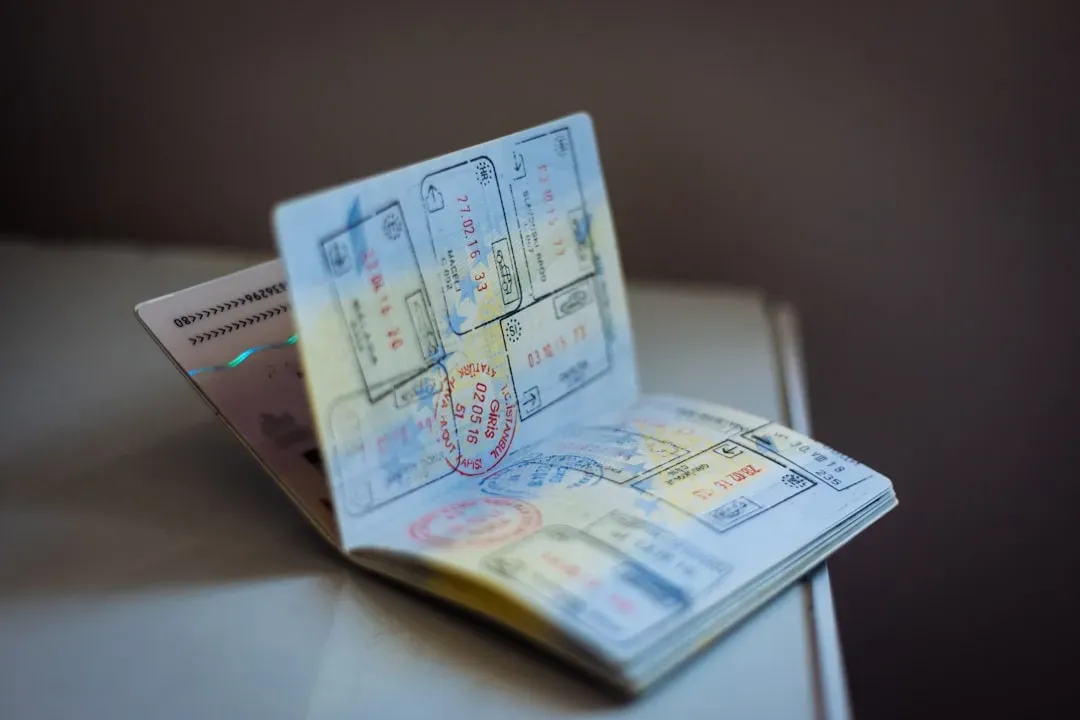
Many travelers over 70 still prefer physical printouts for boarding passes, hotel confirmations, and itineraries, which works fine until something gets lost, soaked, or left behind. Airports and border agencies increasingly expect digital verification as a backup, and relying solely on paper can slow things down significantly if a document is misplaced. This habit rarely causes issues at home, which is part of why it goes unnoticed for so long.
The fix isn’t complicated, but it does require a small shift in routine. Saving digital copies of passports, insurance policies, and reservations, even just as photos on a phone, adds a layer of backup that paper alone can’t offer. It’s a quiet habit change that prevents a very loud problem later.
7. Underestimating time zone recovery

Jet lag hits differently with age, and many travelers don’t adjust their expectations to match. A recovery period that took a day in earlier decades can stretch to two or three days later in life, according to sleep researchers who note that circadian rhythm flexibility tends to decline with age. Scheduling a packed first day right after a long-haul flight is a habit that often backfires quietly rather than dramatically.
This becomes more noticeable on trips crossing multiple time zones, where the mismatch between old expectations and current recovery needs is largest. Building a buffer day into the schedule, rather than assuming the same quick bounce-back as before, tends to make the rest of the trip go far more smoothly.
8. Not informing anyone of detailed travel plans
Independent travelers of any age sometimes skip sharing detailed itineraries with family, but this becomes riskier after 70 simply because emergencies are statistically more likely to require outside help. It’s a habit rooted in independence rather than carelessness, and that’s exactly why it persists quietly for years. Without a clear plan on file, family members can struggle to locate or assist a traveler quickly if something goes wrong.
This doesn’t mean giving up spontaneity entirely. Sharing a general outline, including flight numbers, accommodation details, and emergency contacts, gives loved ones a starting point without requiring a rigid schedule. It’s a small administrative step that carries outsized value in a real emergency.
9. Ignoring changes in balance or hearing when navigating airports

Airports are loud, crowded, and full of subtle tripping hazards like uneven flooring transitions or moving walkways. Many travelers don’t notice gradual changes in their own balance or hearing until they’re in exactly this kind of high-stimulation environment. This is a quiet habit because it isn’t really a choice, it’s simply a slow physical shift that goes unaddressed until travel puts it under pressure.
Requesting wheelchair assistance or extra time at security isn’t an admission of frailty, it’s a practical tool that airports specifically offer for this reason. Many airlines allow passengers to request mobility assistance in advance, which can significantly reduce stress during connections. Recognizing and accommodating these changes early tends to make the entire airport experience far less exhausting.
Travel after 70 doesn’t have to shrink in scope, but it often benefits from small course corrections that account for how the body and circumstances have changed. Most of the habits above aren’t mistakes so much as outdated defaults, carried forward simply because they worked for so long. Adjusting them isn’t about slowing down; it’s about making sure the trip itself doesn’t get harder than it has to be.




Leave a Reply