
Decluttering feels great in the moment. The bags go to donation, the shelves look clean, and there’s a sense of lightness that comes with letting go of stuff. But talk to enough people a year or two later, and a familiar pattern shows up: certain items always seem to resurface as regrets, the ones that felt disposable at the time but turned out to carry more weight than expected.
Minimalism trends on social media often push people toward fast, sweeping purges, yet organizing experts have started pushing back a little, encouraging more thoughtful pauses before big items leave the house for good. Below are seven categories that consistently show up in decluttering regret stories, along with why they’re trickier to let go of than they first seem.
1. Handwritten letters and cards
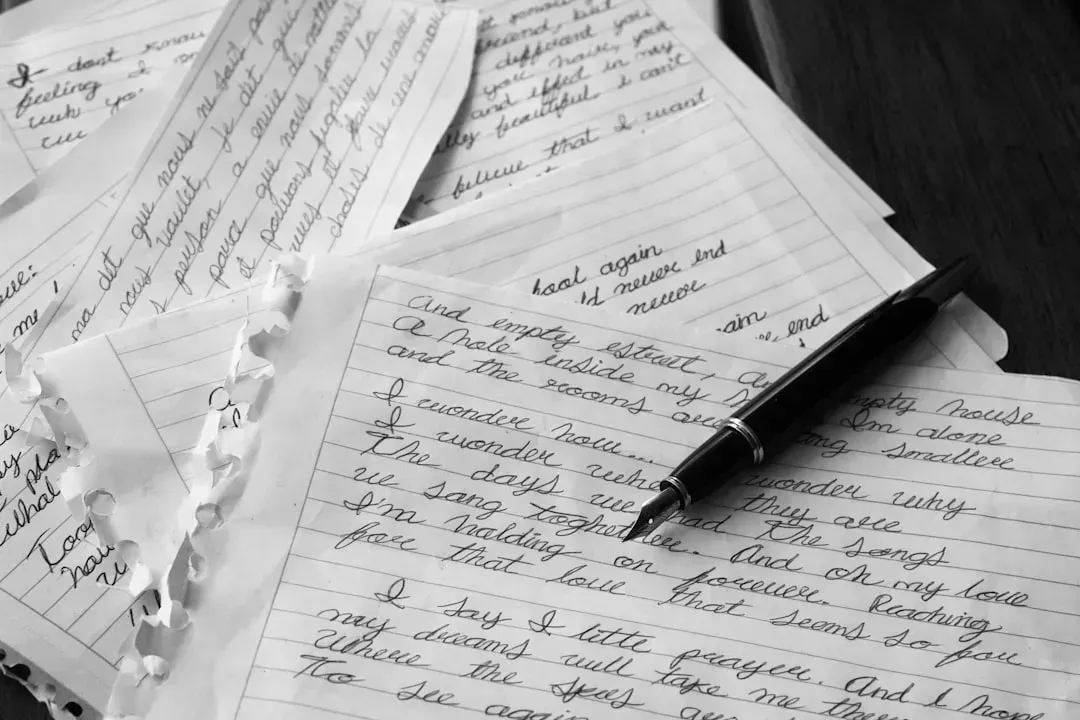
Physical letters and greeting cards get tossed during decluttering sprints because they seem like paper clutter with no real function. Once gone, though, people often realize these were some of the only physical traces of a person’s handwriting, a specific memory, or a relationship at a particular point in time. Digital messages don’t carry the same weight, since a text thread doesn’t feel like someone sat down and wrote something just for you.
Family historians and estate organizers frequently note that letters from grandparents or deceased relatives become irreplaceable once discarded, since there’s no way to recreate them. Even a single shoebox of correspondence, kept rather than digitized and discarded, tends to hold more emotional value over time than almost any other paper item in a home.
2. Children’s artwork and school projects

Parents doing a big purge often clear out bins of kids’ drawings and school projects, reasoning that there’s simply too much of it and most of it isn’t “special.” Years later, many wish they’d kept even a small selection, particularly pieces tied to specific ages or milestones, like a first attempt at writing their name or a drawing from a particular grade.
The regret usually isn’t about volume, since nobody wants to keep every single page. It’s about tossing everything indiscriminately instead of setting aside a handful of standout pieces, which would have taken up minimal space but preserved a meaningful timeline of a child’s development.
3. Specialty kitchen tools
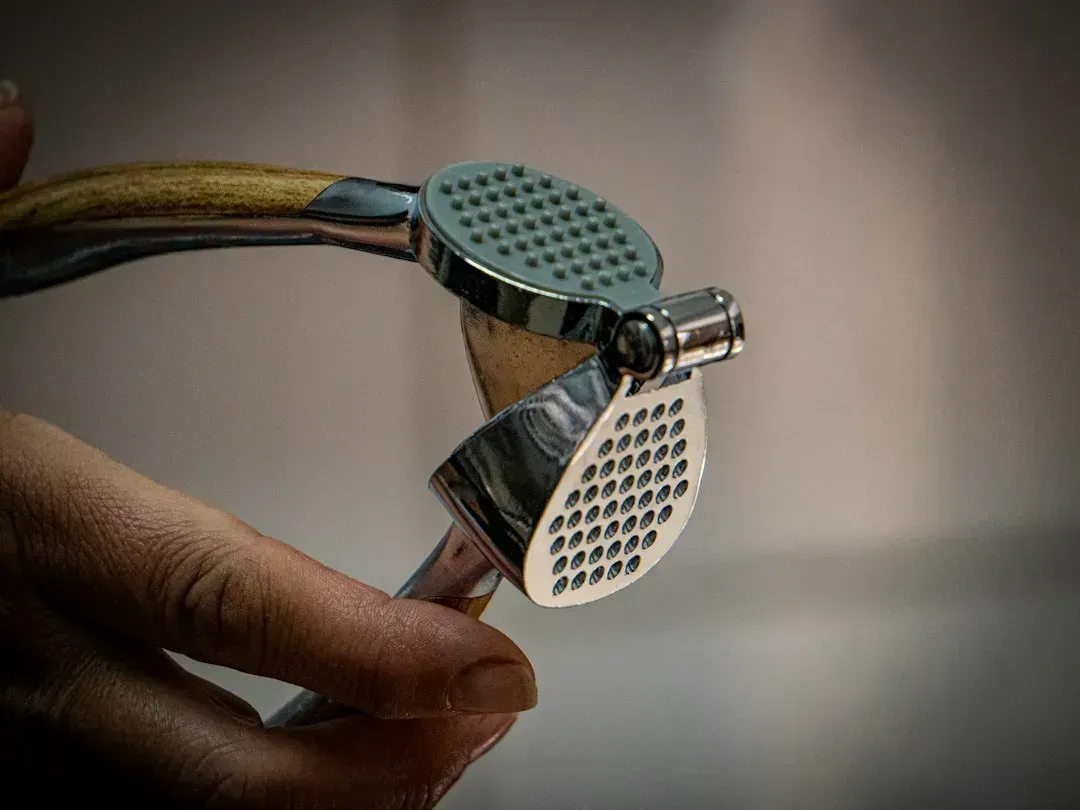
Single-use kitchen gadgets get targeted early in most decluttering projects because they take up drawer space and seem redundant next to a good knife or a sturdy pan. But items like a reliable garlic press, a cherry pitter, or a specific baking pan for a family recipe often turn out to be harder to replace than expected, either because the exact model is discontinued or because a general substitute just doesn’t perform the same way.
This regret tends to hit hardest around holidays or family gatherings, when someone reaches for a tool used every year for a specific dish and realizes it’s gone. Kitchen organizers now often suggest testing a “no-use” period of several months before discarding specialty tools, rather than removing them in one pass based on how often they’re used generally.
4. Old photographs, negatives, and physical albums

Printed photos and negatives are heavy, take up space, and feel outdated in an era of cloud storage, which makes them an easy decluttering target. The regret shows up later when people realize that many older photos were never digitized, or that scanned copies lost detail compared to the physical print or negative.
Photo archivists and preservation specialists have pointed out that negatives in particular hold more image information than most home scanners can capture, meaning a discarded negative is often a genuine, permanent loss rather than something recoverable elsewhere. Even blurry or duplicate photos sometimes turn out to be the only visual record of a specific event, person, or place.
5. Sentimental clothing items

Clothes are one of the first categories tackled in most decluttering efforts, and sentimental pieces, like a parent’s old jacket, a wedding dress, or a concert t-shirt, sometimes get swept up in the momentum of clearing out a closet. The logic at the time usually focuses on practicality: it doesn’t fit, it’s never worn, it’s taking up space that could go to something useful.
Later, though, many people describe wishing they’d kept at least one or two meaningful pieces, even if only for occasional wear or as a memory object. Some have turned old sentimental clothing into quilts or keepsake pillows specifically because they regretted donating similar items in the past, treating the fabric as something worth preserving in a different form.
6. Books with personal inscriptions or annotations

Book purges are common in minimalist decluttering, especially when someone decides to switch mostly to e-readers or digital formats. Generic paperbacks are easy to part with, but books containing a person’s handwritten notes in the margins, or an inscription from a friend or family member, carry a different kind of value that’s easy to overlook mid-purge.
Once donated or sold, these specific copies are essentially gone, since the exact combination of the text and the personal marking can’t be recreated by buying another copy of the same title. People who’ve made this mistake often describe missing the annotations more than the book itself, since the notes reflected a particular moment of thinking or a shared conversation about the material.
7. Tools and hardware inherited from family
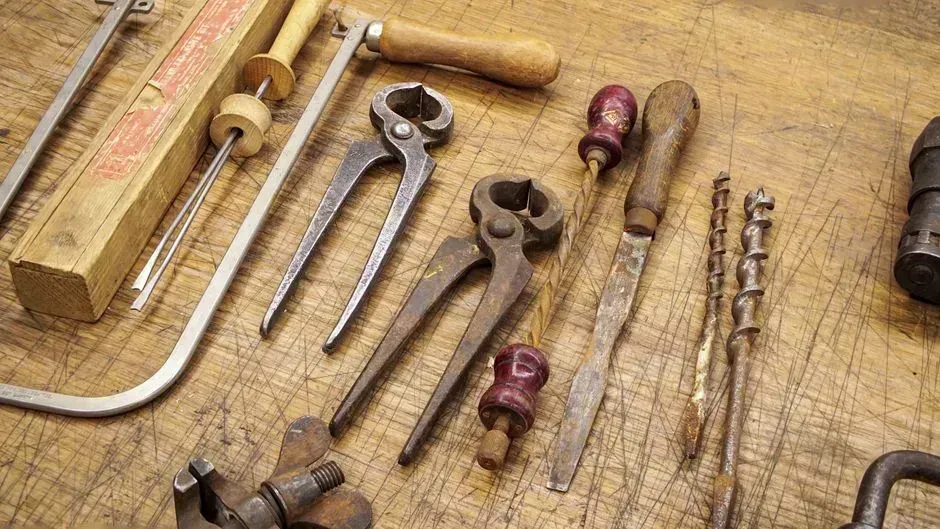
Garages and toolboxes often get a hard pass during decluttering, since many tools look redundant, especially older or slightly worn ones sitting next to newer versions. Tools inherited from a parent or grandparent, though, sometimes carry more than just function, particularly if they were used regularly by that person or came from a specific trade or hobby.
People who’ve cleared these out for practical reasons, like duplicate function or space constraints, frequently mention wishing they’d kept at least one signature piece, such as a specific hammer, wrench set, or workbench item tied to memories of watching someone use it. Unlike mass-produced replacements, these tools often can’t be swapped for something equivalent in sentimental terms, even if the physical function is identical.
Regret after decluttering rarely comes from getting rid of clutter itself, since most people don’t miss the excess. It comes from removing items too quickly, without pausing to separate genuinely disposable things from objects that carry memory, history, or irreplaceable detail. A slower, more selective approach, keeping a small, meaningful sample rather than everything or nothing, tends to prevent most of these common regrets before they happen.




Leave a Reply