
Simplifying a routine sounds simple, until you actually try it. Most people don’t fail because they can’t let go of stuff on a shelf. They fail because certain habits quietly survive the purge, tucked away in daily behavior where nobody thinks to look. By the time they notice, months have passed and the “simple life” still feels cluttered.
What follows are the habits that tend to slip through the cracks. People who’ve gone through a genuine simplification process, not just a weekend declutter, often name these same culprits when they look back at what actually held them up.
1. Keeping a backup for every “just in case” scenario
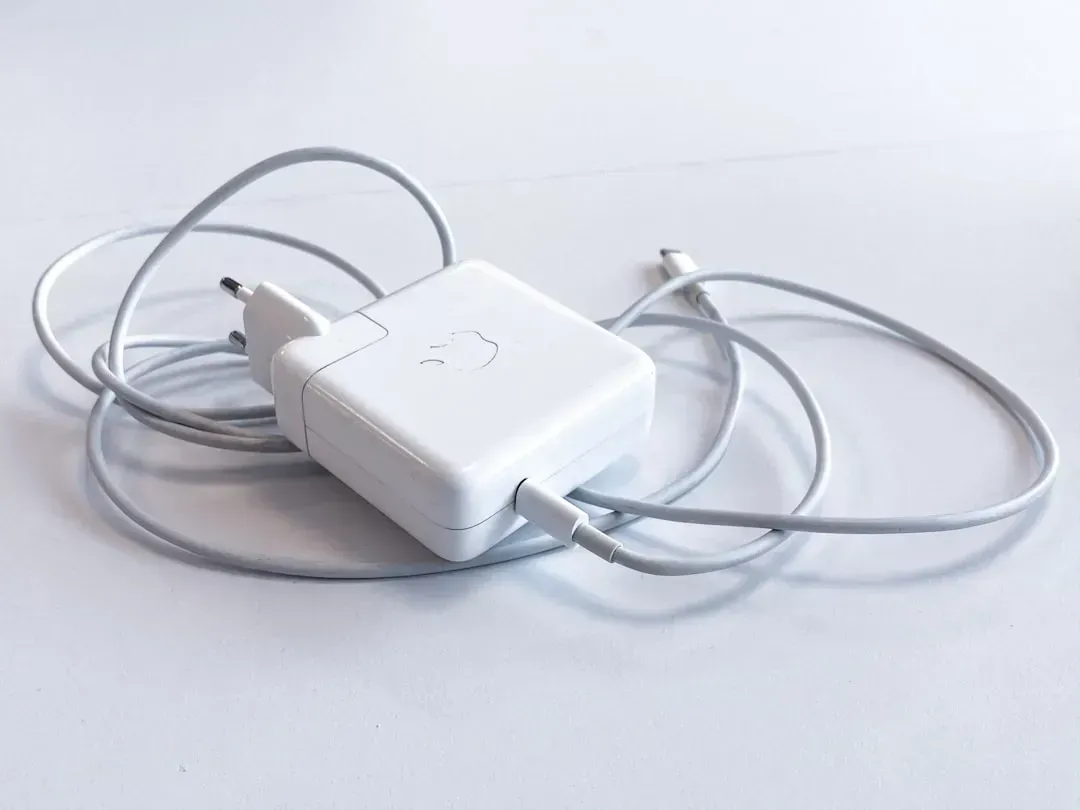
The instinct to hold onto duplicates feels responsible in the moment. A second phone charger, a spare set of dishes, extra office supplies bought “for emergencies” that never really happen. People who simplify their homes often keep this mindset even after clearing physical clutter, because the habit lives in the brain, not the closet.
The regret shows up later, when storage space fills right back up with new “just in case” items. Minimalist coaches and organizing professionals frequently point out that most emergencies people prepare for rarely occur, and when they do, a quick trip to the store solves it faster than storing duplicates ever could. The habit isn’t really about safety. It’s about anxiety wearing a practical disguise.
2. Saying yes to every social obligation out of guilt
Simplifying a calendar is supposed to mean fewer commitments, yet many people keep the reflexive “yes” long after they’ve trimmed their schedule elsewhere. They’ll cancel a subscription service without blinking but still agree to a third birthday party in one weekend because saying no feels rude. The result is a simplified home sitting inside an exhausting, overbooked life.
This habit tends to be the hardest to spot because it disguises itself as kindness. People often realize, months into their simplification efforts, that unstructured time is the actual luxury they were chasing all along, not fewer possessions. Letting go of guilt-based yeses usually does more for a person’s sense of ease than any decluttering session ever did.
3. Checking email and messages first thing in the morning

Digital minimalism has become a common companion to physical simplifying, yet the habit of reaching for a phone before getting out of bed survives almost every attempt at change. It’s often the single behavior people say they regret keeping the longest, because it resets the mind into reactive mode before the day even begins. A simplified morning routine on paper still gets hijacked by fifteen minutes of scrolling through inboxes and notifications.
Behavioral researchers who study attention and habit formation have noted that morning phone checking correlates with higher reported stress throughout the day, since the brain starts processing other people’s priorities before addressing its own. People who eventually break this habit describe a noticeable shift, not dramatic, but steady, in how calm the rest of the day feels. It’s a small window of time that carries outsized influence.
4. Overplanning meals instead of simplifying the process

Meal planning is often marketed as the simple solution to food stress, yet many people keep an overly elaborate planning habit that defeats the purpose. Spreadsheets, multiple grocery lists, and color coded weekly menus can become their own source of mental load. The habit survives because it feels productive, even when it’s quietly adding friction to something that used to be straightforward.
People who actually simplify their food routines tend to shift toward repeatable, low decision meals rather than intricate plans, something nutrition writers have highlighted as a practical way to reduce daily decision fatigue. A short rotating list of five or six meals removes more stress than a beautifully organized but complicated system ever will. The regret isn’t about caring less about food. It’s about realizing the planning itself had become the clutter.
5. Holding onto a packed wardrobe “for someday”

Clothing is one of the most commonly decluttered categories, yet the habit of keeping a “someday” section rarely gets addressed. These are the clothes that don’t fit right now, or belong to a different job, or a different season of life, kept just in case that version of the person returns. It’s an emotionally loaded habit, which is exactly why it survives most closet purges.
People who simplify their wardrobes fully, rather than partially, often describe a real sense of relief once the “someday” clothes are gone, because the visual reminder of an unrealized goal disappears with them. Capsule wardrobe advocates have long argued that a smaller, fully wearable rotation reduces morning decision time significantly compared to a large, mixed closet. The regret people voice isn’t about the clothes themselves. It’s about how long they let guilt dictate what stayed.
6. Multitasking as a badge of productivity

Simplifying a schedule often leaves multitasking completely untouched, since it feels like efficiency rather than clutter. Listening to a podcast while cooking while half answering texts seems harmless, even resourceful. Yet cognitive research on task switching has consistently shown that the brain doesn’t actually multitask, it switches rapidly between tasks, losing efficiency and accuracy with each shift.
People who commit to simplifying their days more deeply eventually notice that single tasking, doing one thing with full attention, produces less mental fatigue by the end of the day. It’s a habit many people regret keeping specifically because it feels productive while quietly working against the calm they were trying to build. Letting it go usually requires more discipline than any physical decluttering step.
7. Keeping a crowded list of subscriptions and memberships

Streaming services, apps, gym memberships, and subscription boxes are easy to sign up for and strangely difficult to cancel, even after someone has simplified nearly everything else. A 2025 consumer survey by C+R Research found that many people underestimate their monthly subscription spending by a significant margin, often by more than the true amount, because charges are spread across small automatic payments. The habit of keeping unused subscriptions survives simplification efforts because each individual charge feels too small to bother with.
People who eventually audit and cut their subscriptions report the same reaction almost every time, mild disbelief at how much money and mental clutter had been quietly accumulating. It’s a habit that costs money without offering the excuse of sentimental value or convenience that other clutter often provides. Of the seven habits on this list, this one tends to produce the most immediate, measurable regret once addressed.
These seven habits share a common thread. They’re rarely visible the way physical clutter is, which is exactly why they linger long after drawers get emptied and shelves get cleared. Simplifying a routine fully means looking past objects and into the smaller behaviors that quietly shape a day, the ones easy to overlook until the regret sets in.





Leave a Reply