
There’s a particular kind of buyer’s remorse that doesn’t show up right away. It creeps in months after the purchase, once the novelty wears off and the maintenance reality sets in. Plenty of upgrades marketed as life-improving conveniences end up creating new chores, new costs, or new frustrations that nobody mentions in the glossy ads.
The gap between how something looks in a showroom and how it feels after a year of daily use is often wider than expected. Below are eight popular upgrades that tend to lose their shine once the routine of owning them kicks in.
1. Smart home systems with too many connected devices
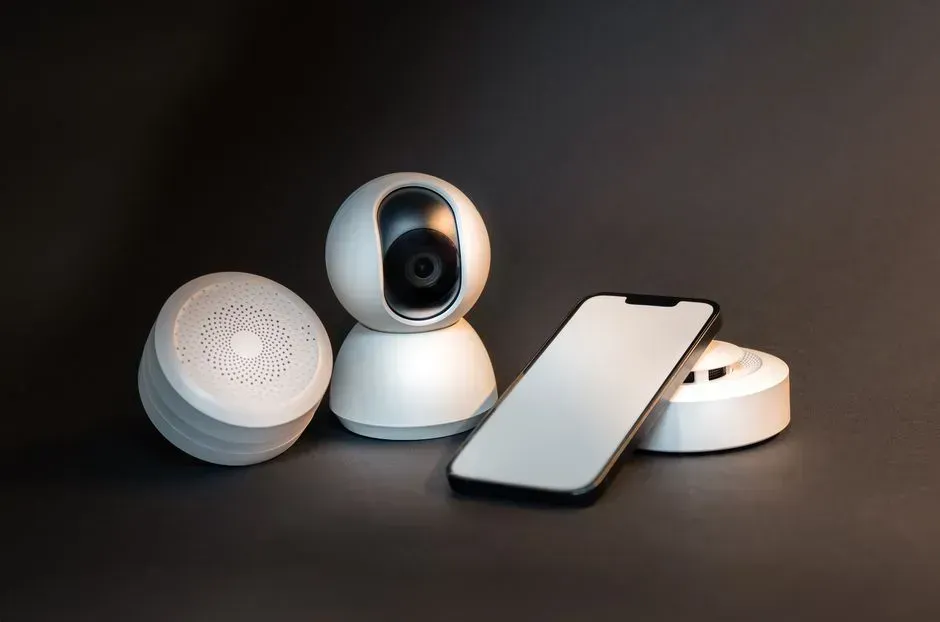
Smart bulbs, voice assistants, connected thermostats, and app-controlled locks promise effortless living, but the reality often involves juggling five different apps just to turn off a lamp. When Wi-Fi hiccups or a firmware update fails, simple tasks like unlocking a door or adjusting the heat can suddenly require a phone, a password, and a lot of patience. Compatibility issues between brands also mean upgrading one device sometimes breaks another that used to work fine.
Over time, many households end up reverting to physical switches for anything urgent, keeping the smart features mostly for novelty use. The subscription fees some platforms charge for advanced automation or cloud storage add another layer of ongoing cost that wasn’t obvious at checkout. What felt futuristic in year one can feel like unnecessary complexity by year three.
2. Large in-ground swimming pools
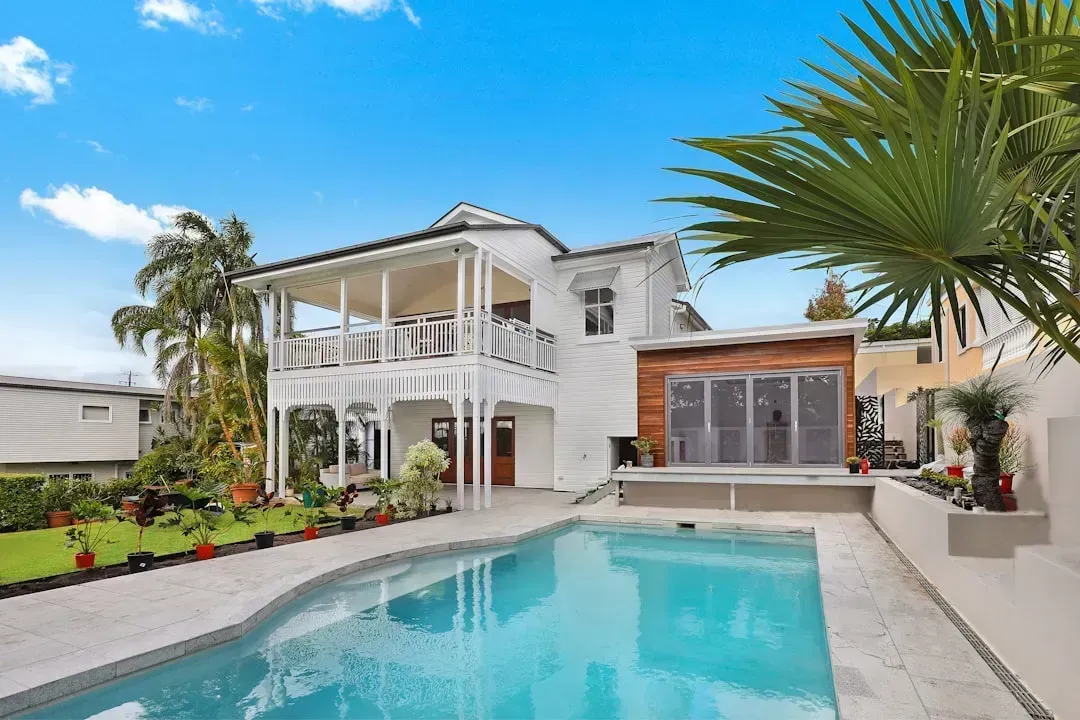
A backyard pool looks like the ultimate summer luxury until the maintenance bills start arriving. Pool owners routinely spend hours each week on skimming, checking chemical balance, and running filtration systems, and professional maintenance contracts can run into the thousands annually depending on size and climate. Heating, resurfacing, and equipment repairs add further costs that aren’t part of the initial sales pitch.
In regions with real winters, pools also need seasonal closing and reopening, which is its own specialized and often pricey process. Many owners report using the pool heavily for the first couple of summers, then far less as the upkeep starts to outweigh the enjoyment. It’s a luxury that quietly becomes a part-time job.
3. High-end espresso machines
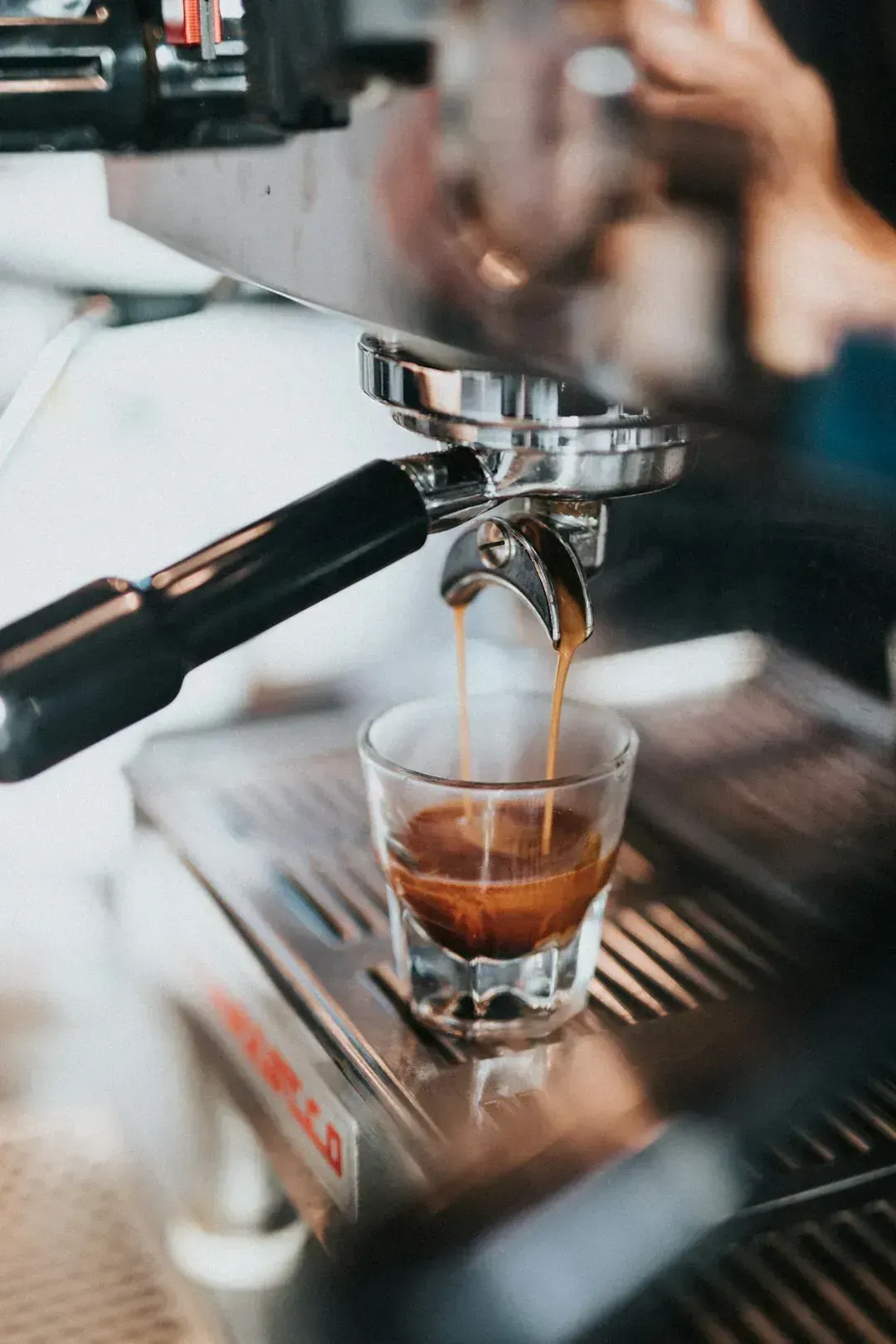
A serious espresso machine can turn a kitchen counter into a mini café, but the daily ritual of descaling, tamping, and cleaning grouphead residue isn’t for everyone. Many premium models require regular backflushing and periodic descaling to prevent mineral buildup, especially in areas with hard water. Skipping this maintenance shortens the machine’s lifespan and can affect taste within just a few months.
Replacement parts like portafilters, gaskets, and burrs aren’t cheap either, and repairs often require sending the machine to a specialist rather than a quick DIY fix. For people who just want a quick coffee before work, the ceremony that once felt indulgent can start to feel like a time-consuming obligation. The machine that was supposed to save café trips sometimes just adds a new morning task.
4. Oversized SUVs and luxury trucks
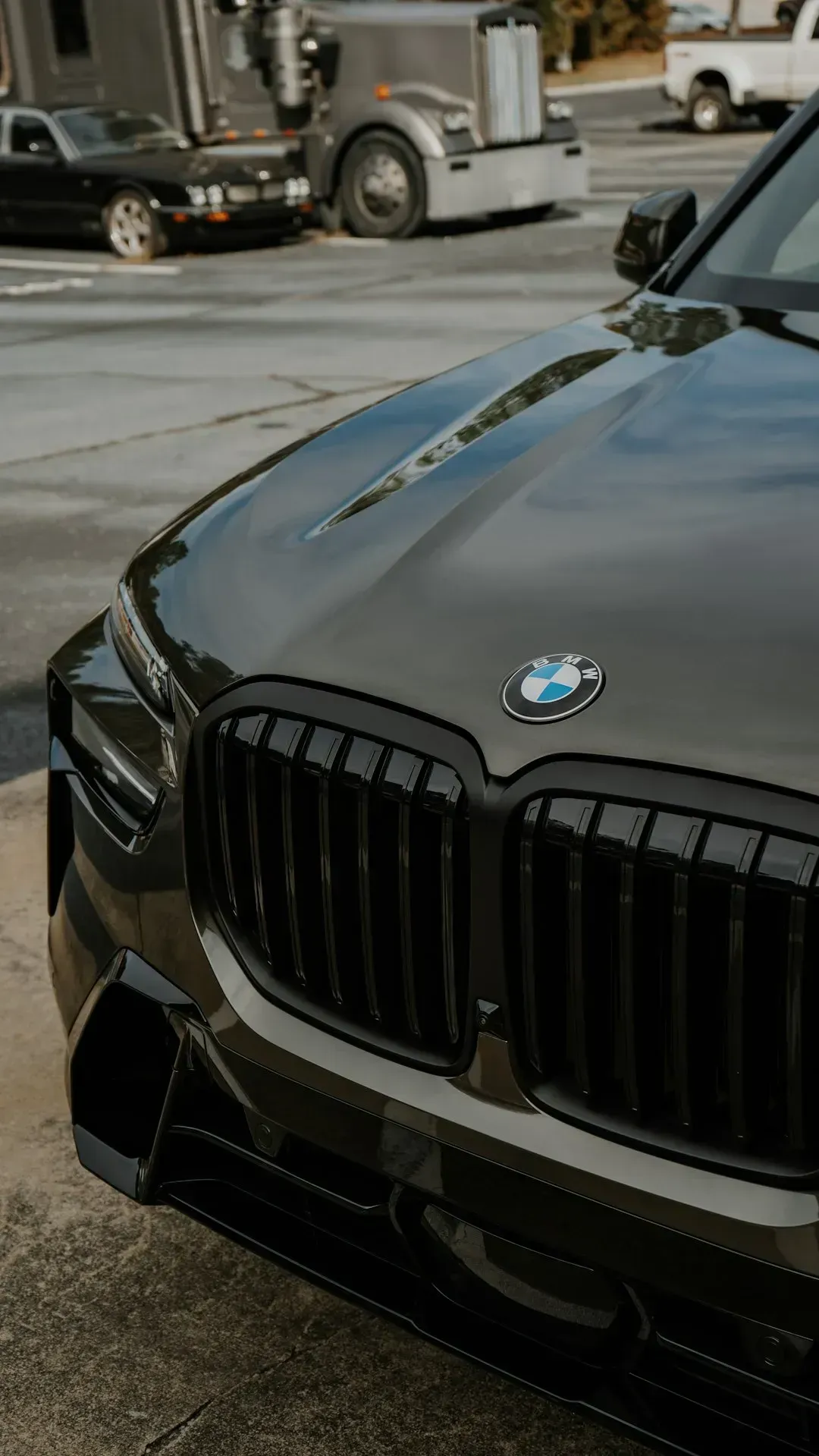
Bigger vehicles often come with a bigger sense of status, but that size brings real daily friction. Parking in tight urban spaces or older garages becomes a recurring headache, and fuel costs climb noticeably compared to smaller vehicles, particularly with larger engines common in premium SUV trims. Tire replacement and routine maintenance on heavier vehicles also tend to cost more due to the increased wear from added weight.
Visibility issues, tougher maneuverability, and higher insurance premiums are other common complaints that surface only after the new-car excitement fades. Many owners who prioritized size for comfort or safety perception eventually find themselves annoyed by how much harder everyday errands become. The impressive first impression doesn’t always translate into daily satisfaction.
5. High-maintenance landscaped yards
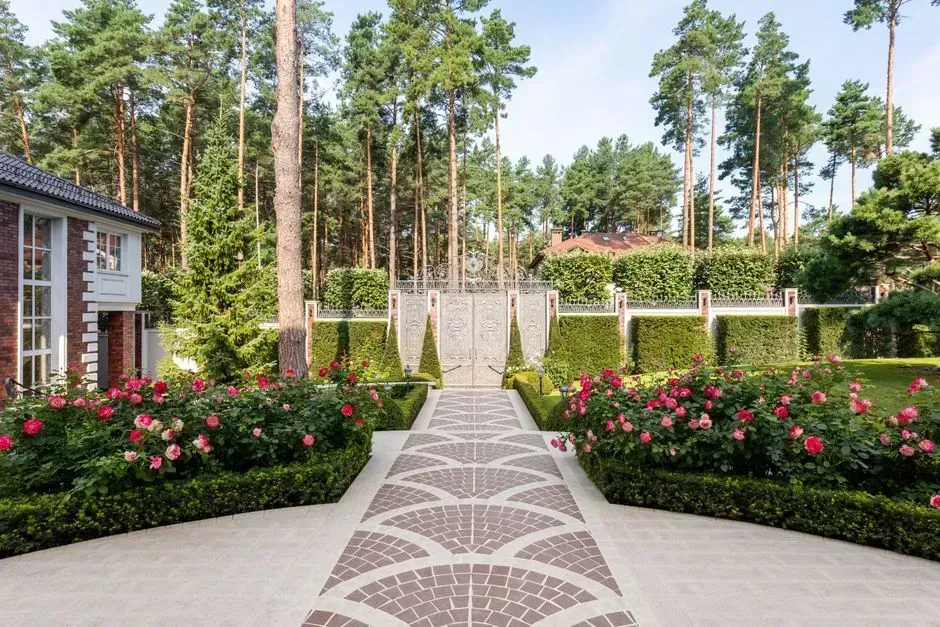
A perfectly manicured lawn with imported plants, elaborate hedging, and decorative water features looks impressive in photos, but keeping it that way is relentless. Specialty plants often require precise watering schedules, seasonal fertilizing, and pest management that go well beyond basic yard work. Homeowners frequently underestimate how much time or money professional landscaping services charge to maintain that magazine-cover look year-round.
Weather extremes, which have become more unpredictable in many regions in recent years, can also damage delicate landscaping choices, forcing costly replacements. What began as a weekend hobby or a one-time design investment can turn into a near-constant project with no real finish line. Many end up simplifying their yards eventually just to reclaim their free time.
6. Whole-house sound and entertainment systems
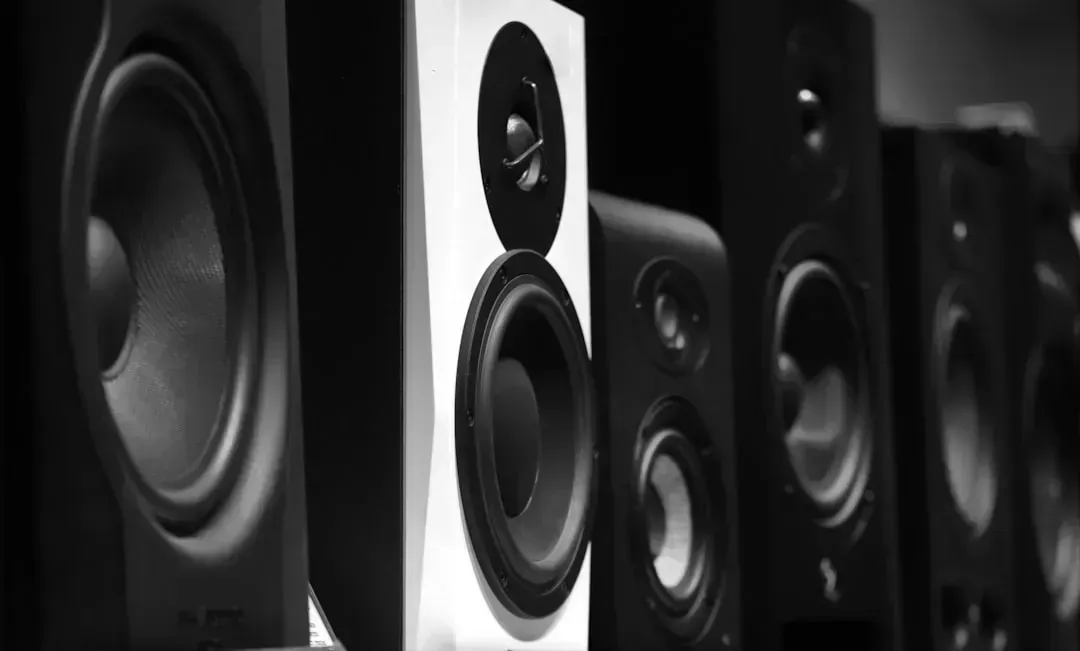
Multi-room audio and built-in home theater setups sound appealing during the planning phase, offering seamless music and movies throughout the house. In practice, syncing multiple speakers, receivers, and streaming devices across different rooms often leads to glitches, dropped connections, or software updates that temporarily disable parts of the system. Troubleshooting these issues typically requires either technical know-how or a paid service call, since the systems are rarely simple enough for quick fixes.
As streaming platforms and audio formats evolve, some older whole-house systems become outdated faster than expected, needing costly upgrades to stay compatible. The initial installation cost, which can run into the thousands for a full setup, doesn’t always account for these later expenses. Many homeowners end up using only one or two rooms regularly, leaving the rest of the elaborate system idle.
7. Designer wardrobes requiring special care
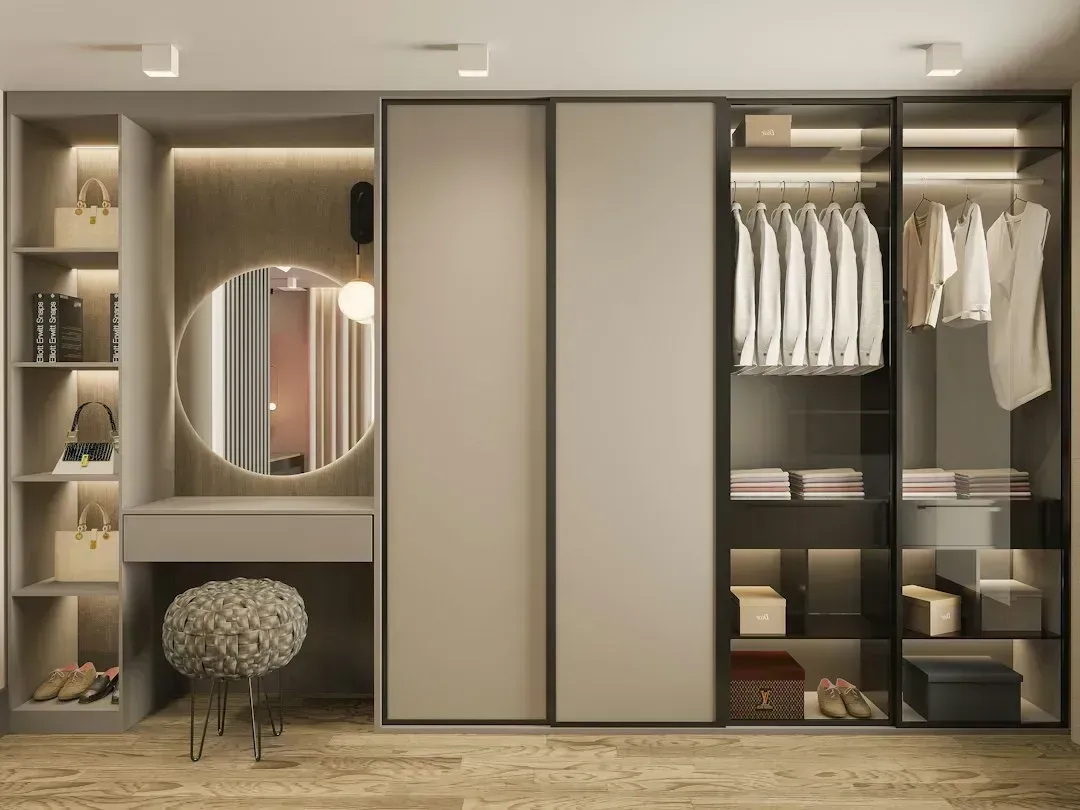
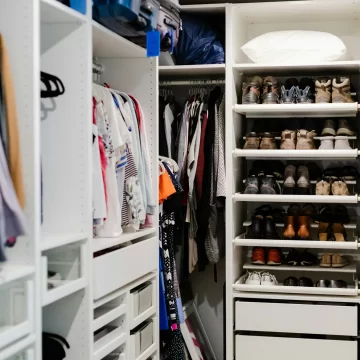
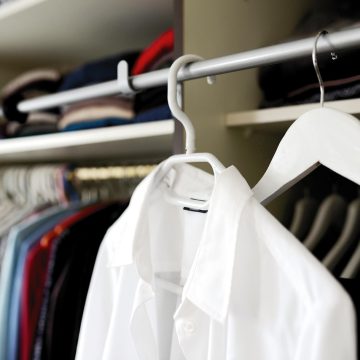
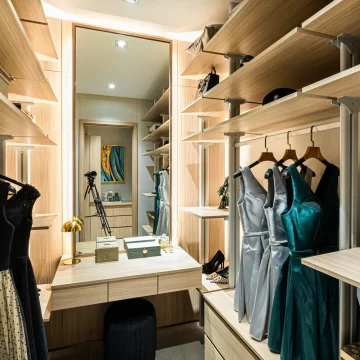
A closet full of designer pieces feels like an obvious upgrade from fast fashion, but many high-end fabrics like silk, cashmere, and delicate wool demand specific care that’s inconvenient for daily life. Dry cleaning costs add up quickly, and certain garments can only be cleaned a limited number of times before the fabric starts to degrade. Storage also becomes more complicated, since some pieces need particular hangers, breathable garment bags, or climate-controlled closets to avoid damage.
The emotional cost matters too. Wearing an expensive item to a casual outing can create low-level anxiety about stains, spills, or wrinkles that cheaper clothing never causes. Over time, many people find themselves reaching for more forgiving, easy-care pieces for actual daily wear, reserving the designer wardrobe for rare occasions.
8. Second homes and vacation properties
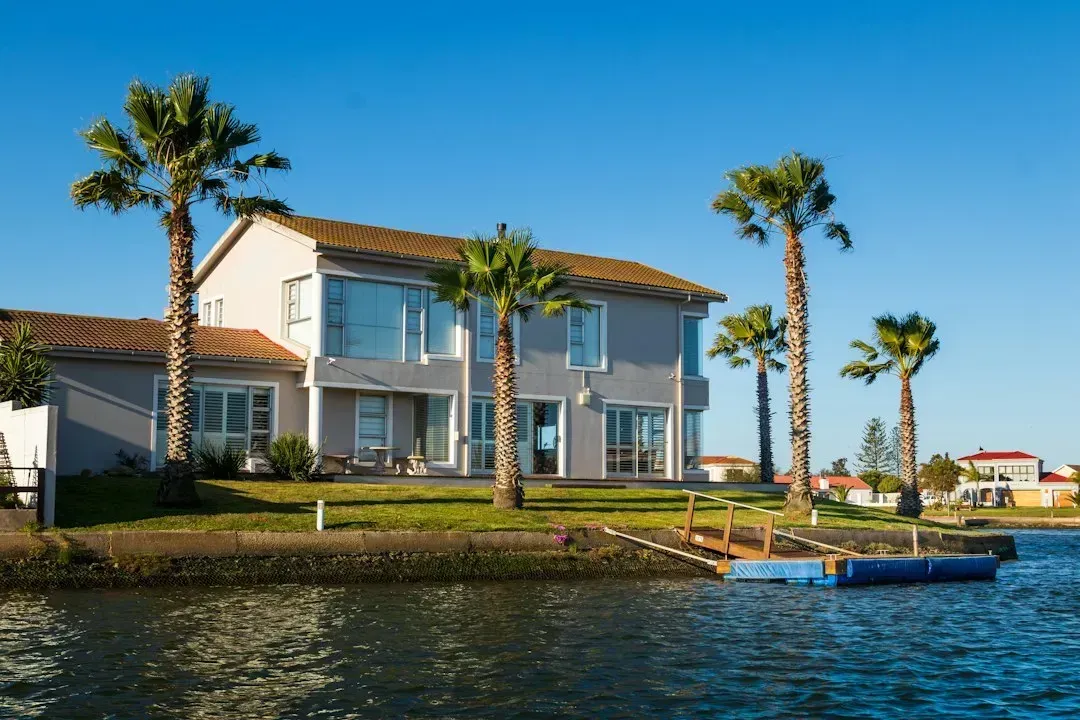
Owning a vacation home sounds like the pinnacle of a relaxed lifestyle, offering a guaranteed escape whenever needed. The reality includes property taxes, insurance, ongoing maintenance, and the logistics of managing a home from a distance, especially if it sits empty for long stretches between visits. Weather damage, pipe issues, or pest problems can go unnoticed for weeks when nobody is physically present to catch them early.
Many owners also feel obligated to visit regularly to justify the expense, which can turn a spontaneous getaway destination into a scheduled chore rather than a relaxing option. Renting it out to offset costs introduces its own headaches, from guest turnover to property wear. What began as a symbol of freedom sometimes becomes another property to manage rather than enjoy.


Leave a Reply