
Solid wood shelving with a slatted, ventilated design
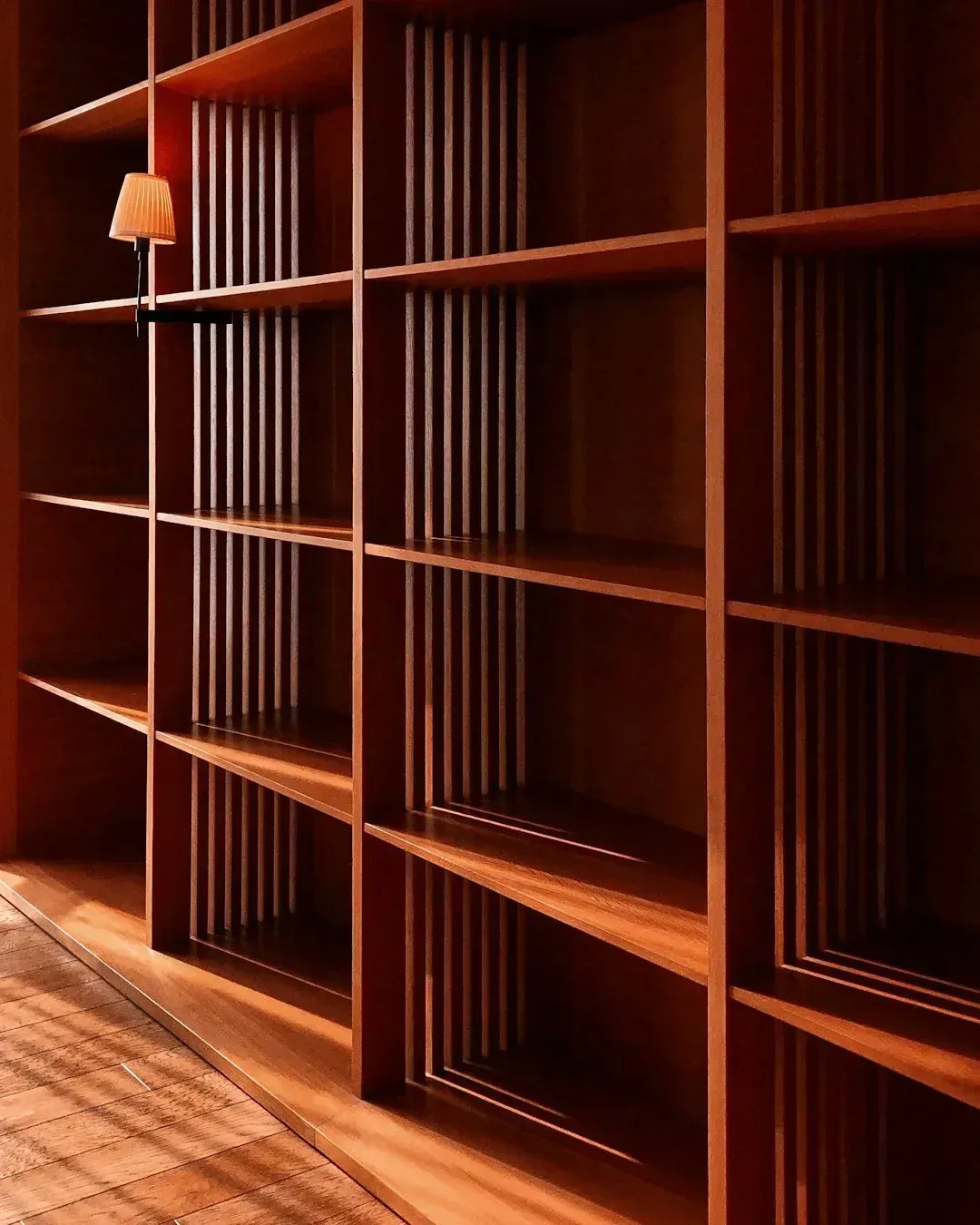
Wood has become the most direct wire replacement, largely because manufacturers figured out how to keep the airflow benefit while ditching the flimsy grid look. A common misconception is that you need wire for airflow, but solid wood shelves can use a slatted design that allows clothes to breathe just like wire does, which matters for preventing musty odors and keeping laundry fresh. That single innovation removed the biggest technical objection people had to switching materials.
Cost comparisons still favor wire on paper, but wood’s long-term math tends to win out. Solid wood is often considered the best value over time because it lasts a lifetime, while wire frequently needs to be fixed or replaced within 5 to 10 years as it sags or the plastic coating gets sticky, whereas wood is a one-time investment. For homeowners planning to stay put for years, that durability argument is hard to ignore.
Adjustable modular systems like freedomRail-style rails
One of the biggest complaints about traditional wire kits was that once installed, they were basically permanent. Modular rail systems solved that by letting shelves, rods, and accessories slide and reposition without tools. Homeowners increasingly want organization that adapts as life changes rather than a fixed layout that limits them, which is why truly adjustable storage systems have become a design leader by giving people the freedom to rearrange shelves, rods, and accessories over time.
This flexibility appeals especially to families whose storage needs shift as kids grow or as wardrobes change with the seasons. Instead of ripping out a wire system and drilling new holes, homeowners can simply relocate a bracket. It’s a small mechanical difference that translates into a much bigger quality of life change for anyone who’s ever tried to retrofit a fixed shelf around a new dresser or bin.
Custom built-in cabinetry and drawer systems
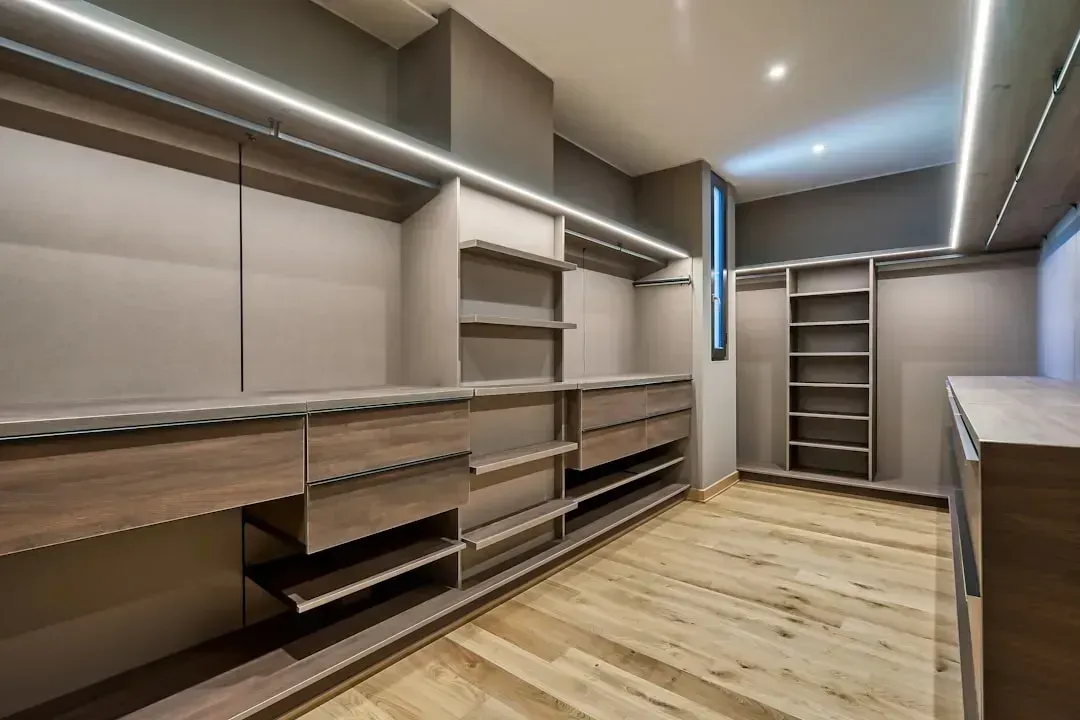
At the higher end of the market, built-ins have become the aspirational standard, particularly in primary closets and pantries. Modular closet systems now offer customizable storage with shelving, drawers, and hanging space, delivering a tailored solution that goes well beyond basic wire shelving. The appeal isn’t just storage capacity, it’s the finished, cabinetry-grade look that makes a closet feel like an extension of the home’s overall design rather than an afterthought.
Builders have taken notice of how this shift affects buyer perception during showings and resale. A wood walk-in closet organizer is increasingly evaluated as part of the total finish package on a home, functioning as a marketability upgrade rather than a minor add-on. That’s a meaningful change from a decade ago, when closet shelving barely registered as a selling point.
Freestanding wood and laminate furniture pieces
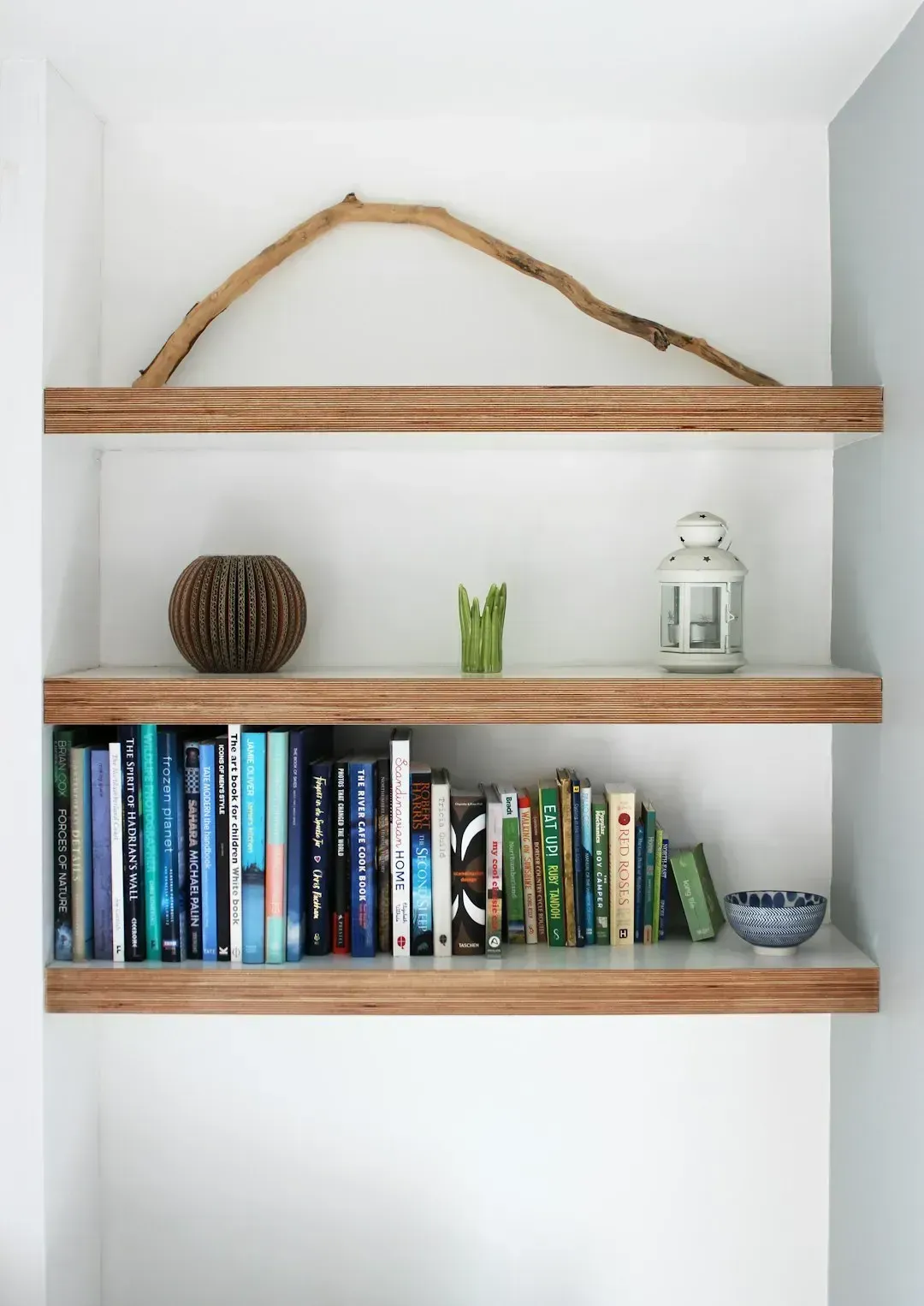
Not everyone wants to commit to permanent, wall-mounted systems, especially renters or people who move often. Freestanding units have carved out a middle ground, offering better looks than wire without the commitment of built-ins. Freestanding wood or laminate options in the $150 to $600 range split the difference, looking better than wire, moving with the owner, and requiring no wall anchoring in most cases.
These pieces function more like furniture than fixed shelving, which is part of their appeal. A tower unit with drawers can be pulled out of a closet and repurposed elsewhere if someone relocates, something a mounted wire shelf simply can’t do. For anyone uncertain about how long they’ll stay in a given space, this option offers a practical compromise between cost and appearance.
Boutique-style feature shelving and display storage
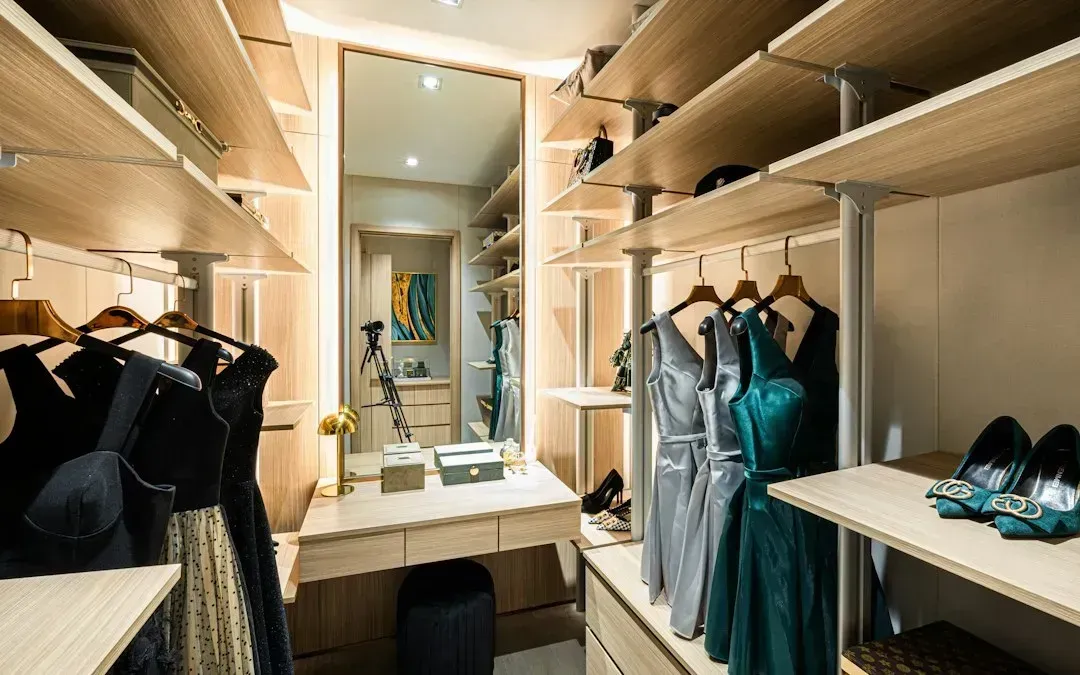
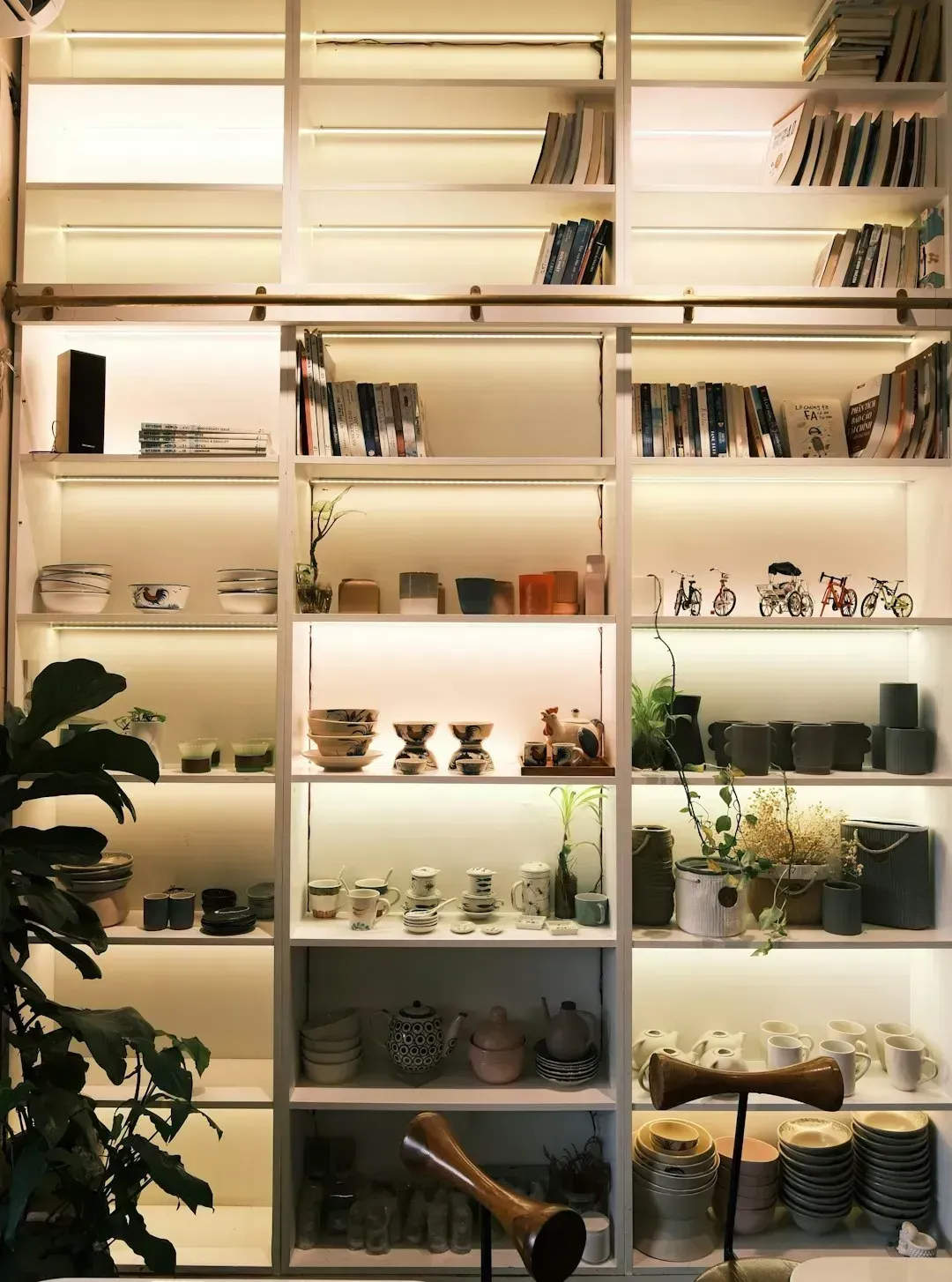
Closets in 2026 are being designed less like utility spaces and more like small retail environments. Closets are becoming more expressive spaces that draw inspiration from boutique retail, with homeowners choosing mixed materials, feature shelving, curated displays, and bolder color choices to showcase their wardrobe and accessories. Open shelving that shows off shoes, bags, or folded sweaters has replaced the impulse to hide everything behind closed wire racks.
This shift reflects a broader change in how people relate to their belongings at home. Instead of treating storage purely as concealment, many homeowners now want a system that lets favorite items double as decor. It’s a subtle but noticeable departure from the strictly functional mindset that dominated closet design for years.
Wall-mounted vertical storage in smaller footprints
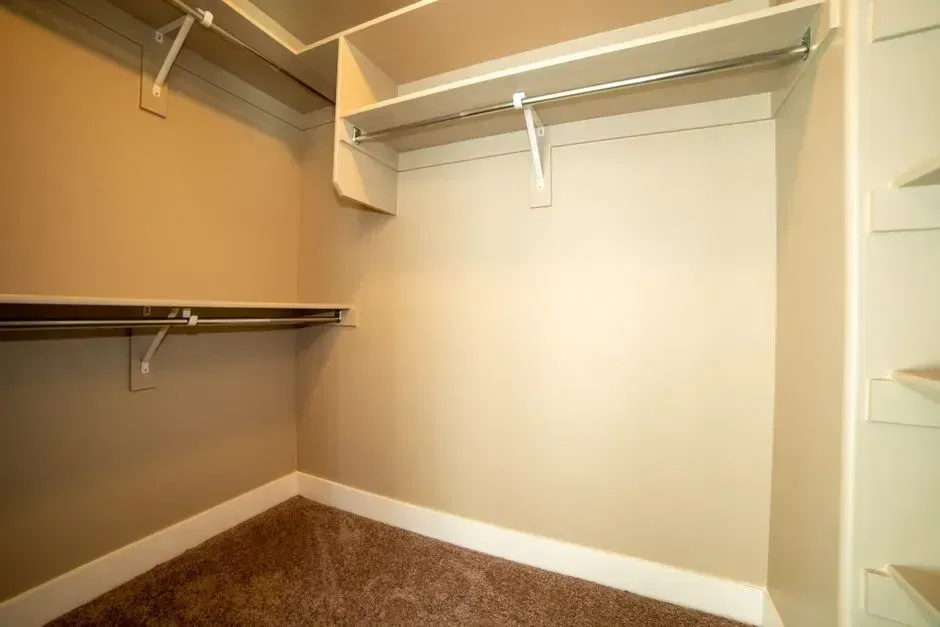
Not every home has room for sprawling walk-in closets, and vertical wall-mounted systems have become the practical answer for tighter spaces. These setups maximize height rather than floor area, which matters in smaller apartments and older homes with cramped closets. The category still uses some wire components, but increasingly pairs them with solid backing panels or wood accents to avoid the stark industrial look of older kits.
The appeal here is efficiency without sacrificing appearance entirely. A narrow closet that once held a single sagging wire shelf can now support several tiers of storage that look intentional rather than makeshift. This has been particularly popular in urban markets where square footage comes at a premium and every inch of vertical space needs to earn its keep.
Category-based zoned storage layouts
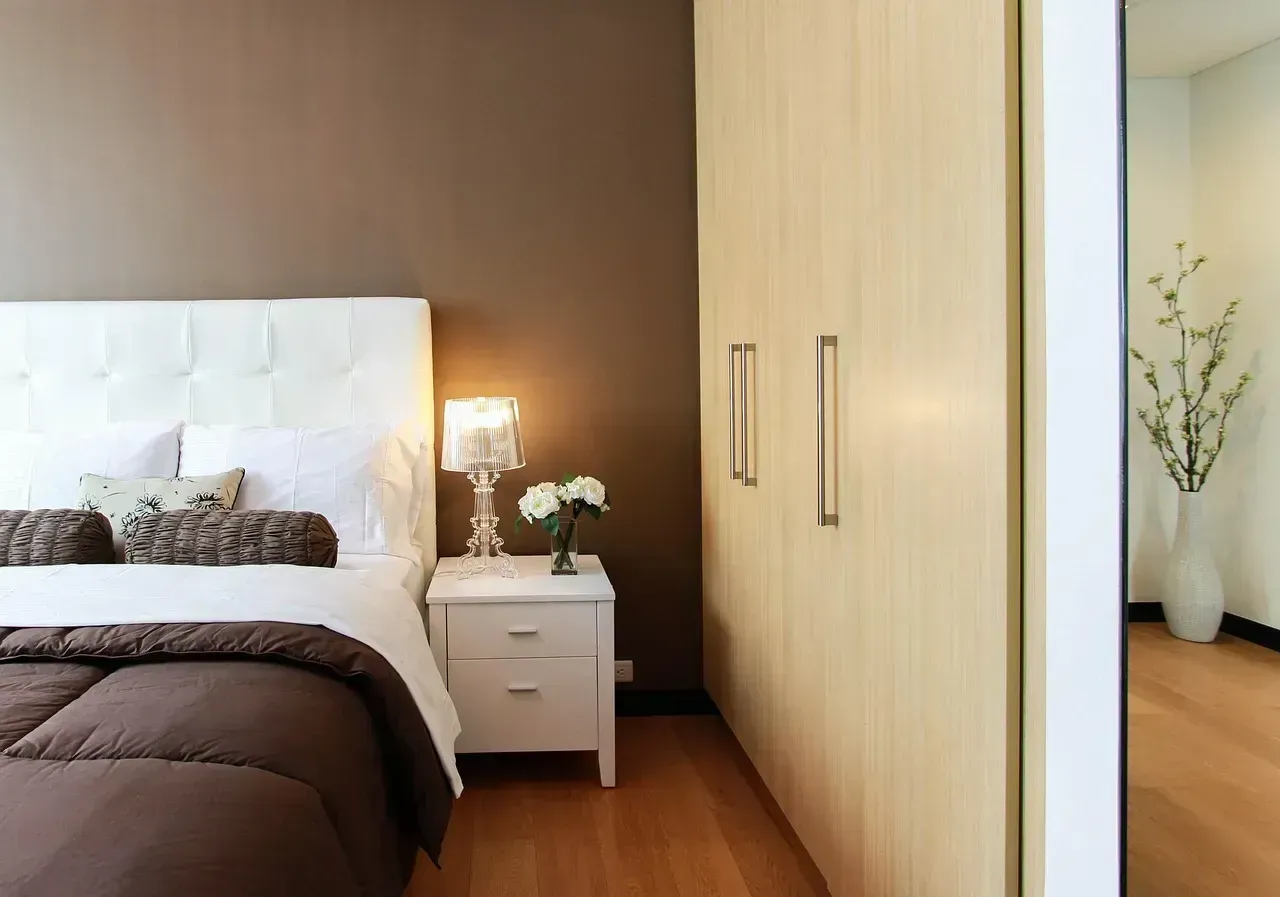
Beyond materials, the actual layout philosophy has shifted away from one long wire shelf toward distinct zones for different categories of items. Closets that respect categories, giving shirts, pants, and shoes each a defined zone with nothing overlapping, tend to feel calm and direct, because when everything has a predictable place, the closet supports routine instead of slowing it down. This zoned thinking has influenced product design across nearly every price point, from budget modular kits to full custom builds.
What makes this trend notable is that it isn’t tied to a single material or brand. Whether someone installs wood, laminate, or a hybrid system, the underlying principle is the same: dedicated space for shoes, dedicated space for folded items, dedicated space for hanging garments. Wire shelving’s uniform, one-size-fits-all shelf just doesn’t accommodate that kind of intentional zoning very well.
Lighting-integrated storage systems
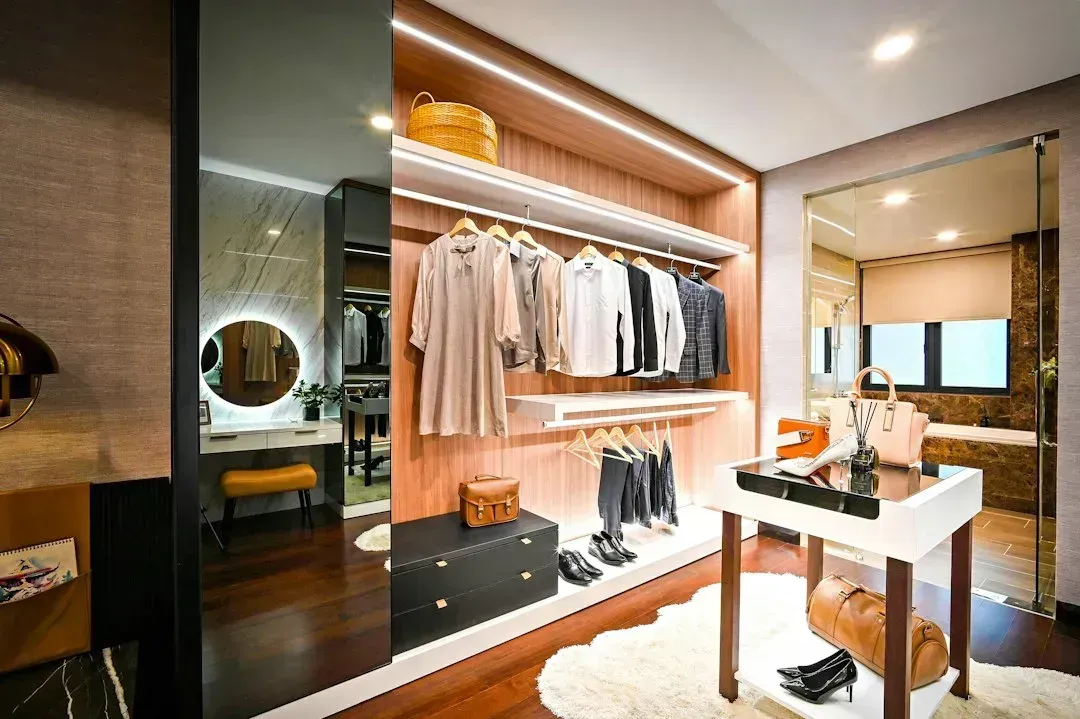
Perhaps the most technical shift has been the integration of lighting directly into shelving systems, something wire racks were never designed to accommodate. Lighting is no longer an afterthought in closet design, with homeowners now expecting LED accents and motion-activated lighting, even as full smart-closet automation remains an emerging rather than mainstream feature. Solid shelving and modular rail systems have open architecture that pairs naturally with these lighting additions in ways a wire grid simply can’t.
This matters more than it might initially seem. A closet with proper lighting doesn’t just look nicer in photos, it also makes it genuinely easier to find matching shoes or distinguish navy from black at six in the morning. As LED strips have become cheaper and easier to install, this feature has moved from luxury renovation territory into mainstream product lines.
Custom shoe and accessory storage components
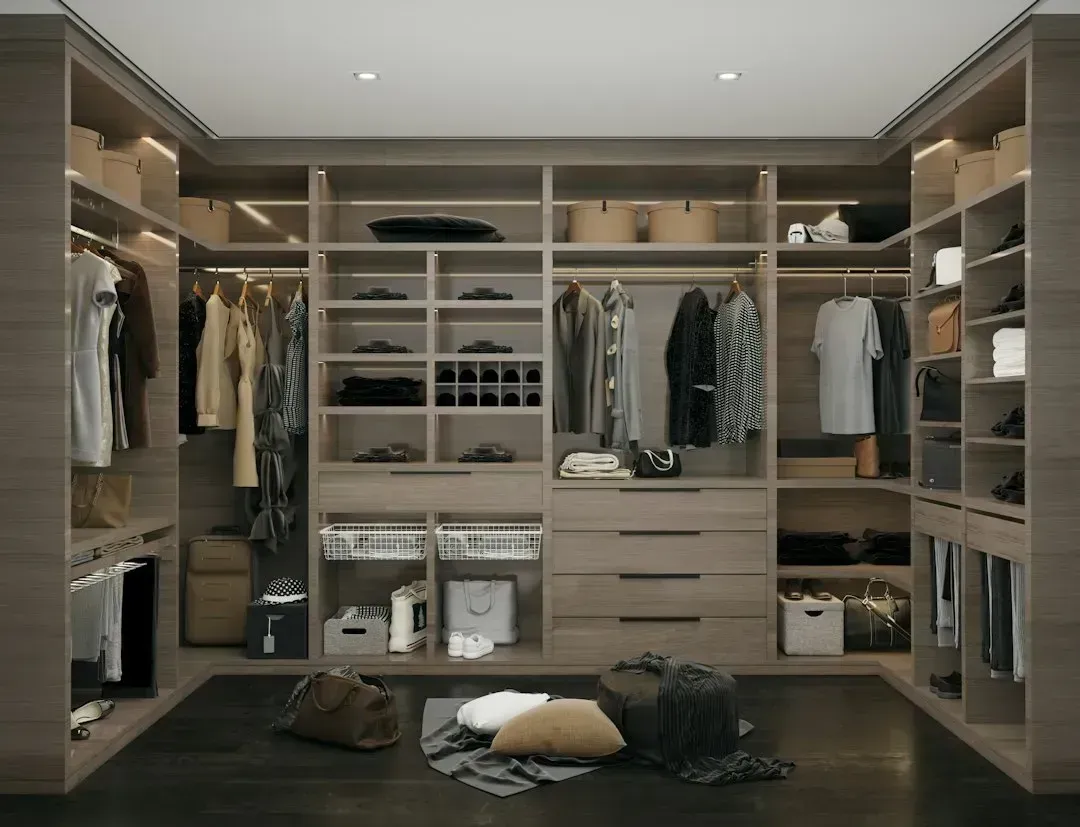
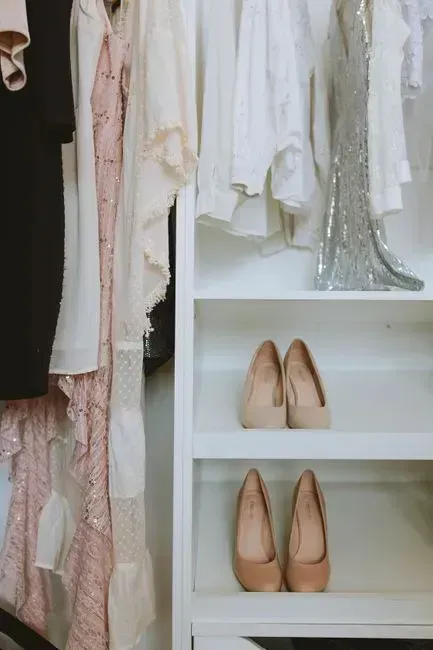
Specialized inserts for shoes, handbags, jewelry, and belts have become a defining feature of modern closet systems, something generic wire shelving handled poorly at best. Closets that treat handbags as part of the design use shelves sized correctly with spacing that prevents slouching, and the key is restraint, leaving room to breathe so the display doesn’t turn into clutter. This level of specificity simply wasn’t possible with a flat wire shelf that treated every item the same.
The rise of these accessory-specific components reflects how much closet design has matured as its own category. Instead of buying a generic kit and improvising storage for oddly shaped items, homeowners can now select modules built for exactly what they own. It’s a level of customization that would have seemed excessive a decade ago but now feels close to standard in mid-range renovations.
Where wire shelving still makes sense
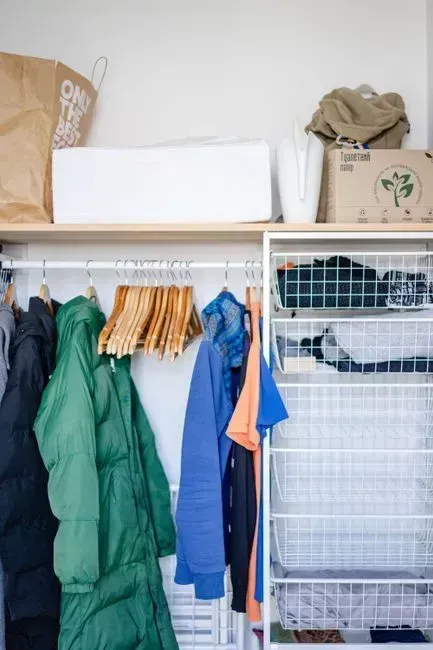
None of this means wire shelving has disappeared entirely, and it would be inaccurate to suggest otherwise. It remains the practical choice for renters, budget-limited homeowners, temporary living situations, and utility closets, and for anyone in an apartment with a lease ending in eighteen months, wire is still the only rational choice. It also continues to hold an edge in specific environments where moisture and airflow matter more than appearance.
Wire shelving remains a strong option for basements, attics, garages, and other rooms that experience fluctuating humidity and temperatures. The bigger shift, then, isn’t that wire has become obsolete everywhere. It’s that homeowners now reserve it for utilitarian spaces while reaching for wood, modular rails, or custom cabinetry anywhere appearance and long-term function matter more.
The bigger picture behind the shift
This trend fits into a larger pattern in home improvement spending, where storage has quietly become a bigger priority than it used to be. The home storage and organization market in the U.S., which includes bins, shelving, and garage storage, was valued at over 15 billion dollars in 2025, and with homeowner remodeling spending expected to hit a record 524 billion dollars by early 2026, closet systems, pantries, and laundry rooms consistently rank among the top-selling project categories. That’s a meaningful amount of money flowing into a part of the house that used to get almost no design attention at all.
What’s driving it ultimately comes down to expectations. Homeowners have gotten used to seeing polished, magazine-ready closets on renovation shows and social media, and that visual standard has trickled down into what feels acceptable in an average home. Wire shelving, once seen as a smart, cost-effective solution, now reads to many people as a placeholder rather than a finished choice, and the market has responded accordingly.



Leave a Reply