
Walk into a friend’s place and within seconds, before a word is even spoken, your brain has already formed an opinion. That snap judgment isn’t random. It’s built on a handful of visual and sensory cues that signal order, calm, and intention.
Some of these cues are obvious, others are subtle enough that most people couldn’t name them even if asked. Here’s what actually registers first when a home feels genuinely organized, rather than just tidied up for company.
1. A clear, uncluttered entryway
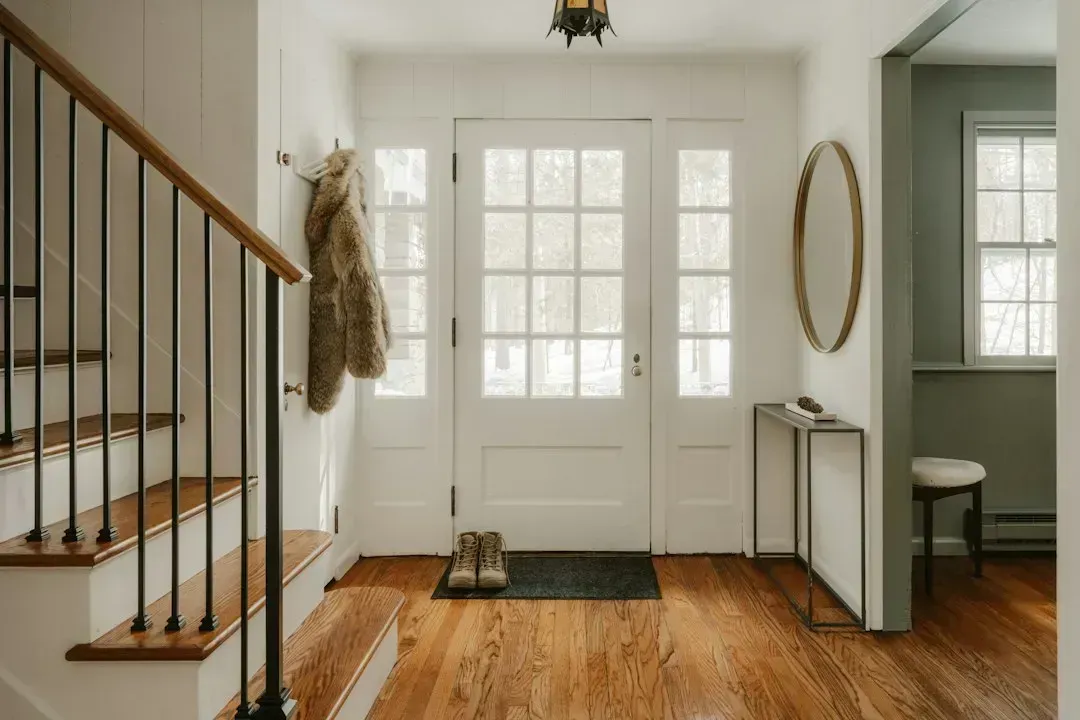
The entryway sets the tone before anyone even steps fully inside. Shoes lined up neatly, a designated spot for keys, and a clear path to walk through all send an immediate signal that the household has systems in place. This matters because the entry is a high-traffic transition zone, and clutter there tends to compound fast if there isn’t a routine to manage it.
Interior designers often point to the entryway as the single most influential space for first impressions, since it’s the only room every visitor guarantees to see. A console table with a tray for mail, a bench with under-seat storage, or even just a wall hook system can transform this small area into a functional buffer zone. When this space works, the rest of the home feels more approachable by association.
2. Visible surfaces without piles of stuff
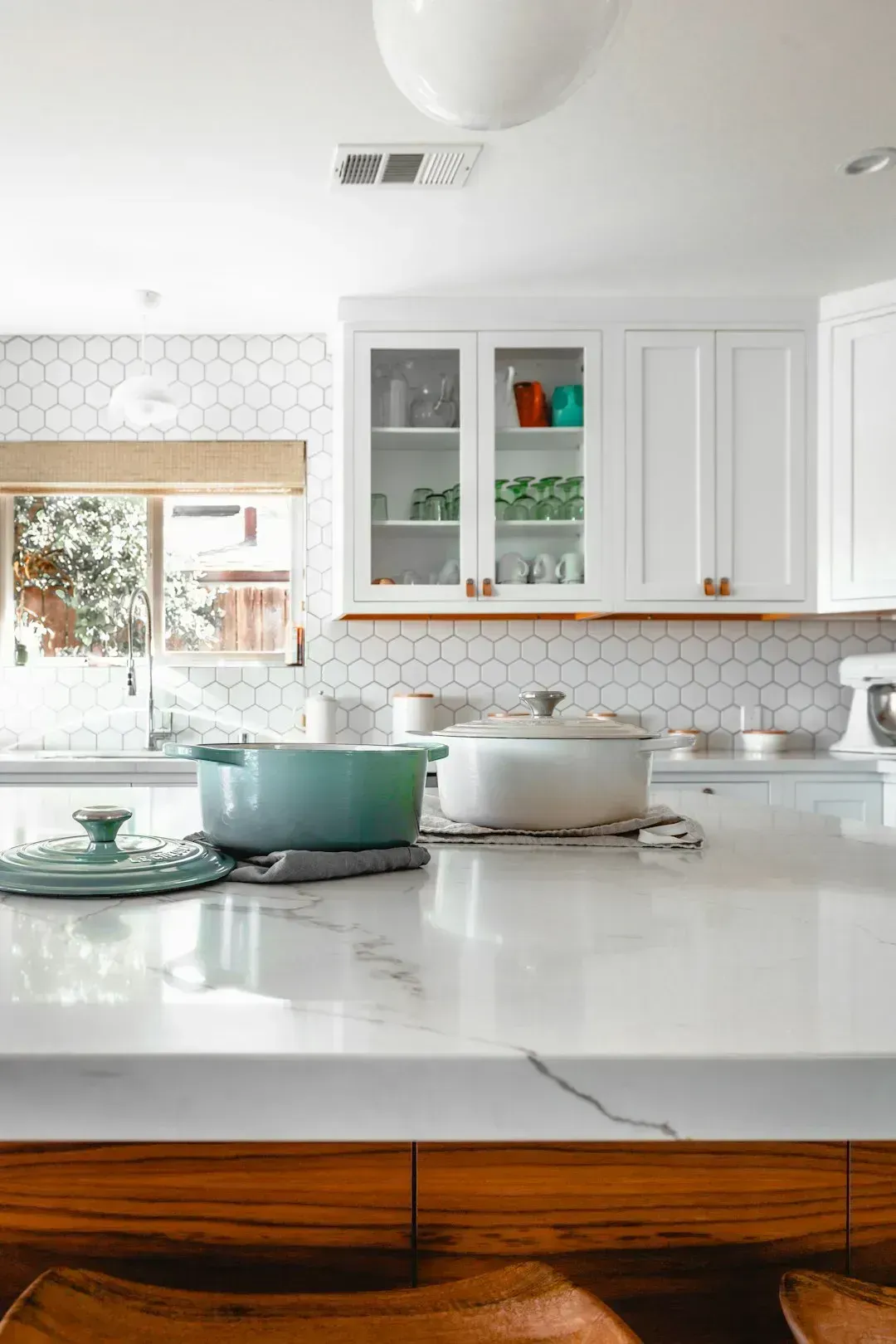
Countertops, tables, and shelves that are mostly clear rather than covered in loose papers, mail, or random objects create an instant sense of calm. This isn’t about having empty rooms; it’s about surfaces doing their intended job instead of becoming default storage. When a kitchen counter has actual counter space, it suggests the household has found homes for its belongings elsewhere.
Professional organizers frequently cite horizontal surfaces as the fastest indicator of a home’s daily habits, since they’re where clutter naturally accumulates if there’s no system to intercept it. A dining table that’s actually used for dining, rather than as a catch-all, tells visitors something about how intentionally the space is managed. It’s a small detail, but it shapes perception more than most people realize.
3. Consistent storage that matches the room’s purpose
Baskets, bins, and labeled containers that actually match what’s stored inside them reveal a level of thought that goes beyond simple tidying. A pantry with clear jars for dry goods or a closet with matching hangers signals that someone took the time to create a system rather than just shoving things out of sight. This kind of consistency is often more noticeable than people expect, because mismatched or overflowing storage draws the eye just as quickly as clutter does.
The rise of home organization content on platforms like Instagram and TikTok over the past few years has made this especially visible to the average person, since aesthetic storage solutions have become mainstream rather than niche. Many now recognize the difference between storage that’s functional and storage that’s just for show. A well-organized home tends to blend both, prioritizing accessibility over pure appearance.
4. A lack of overwhelming smells
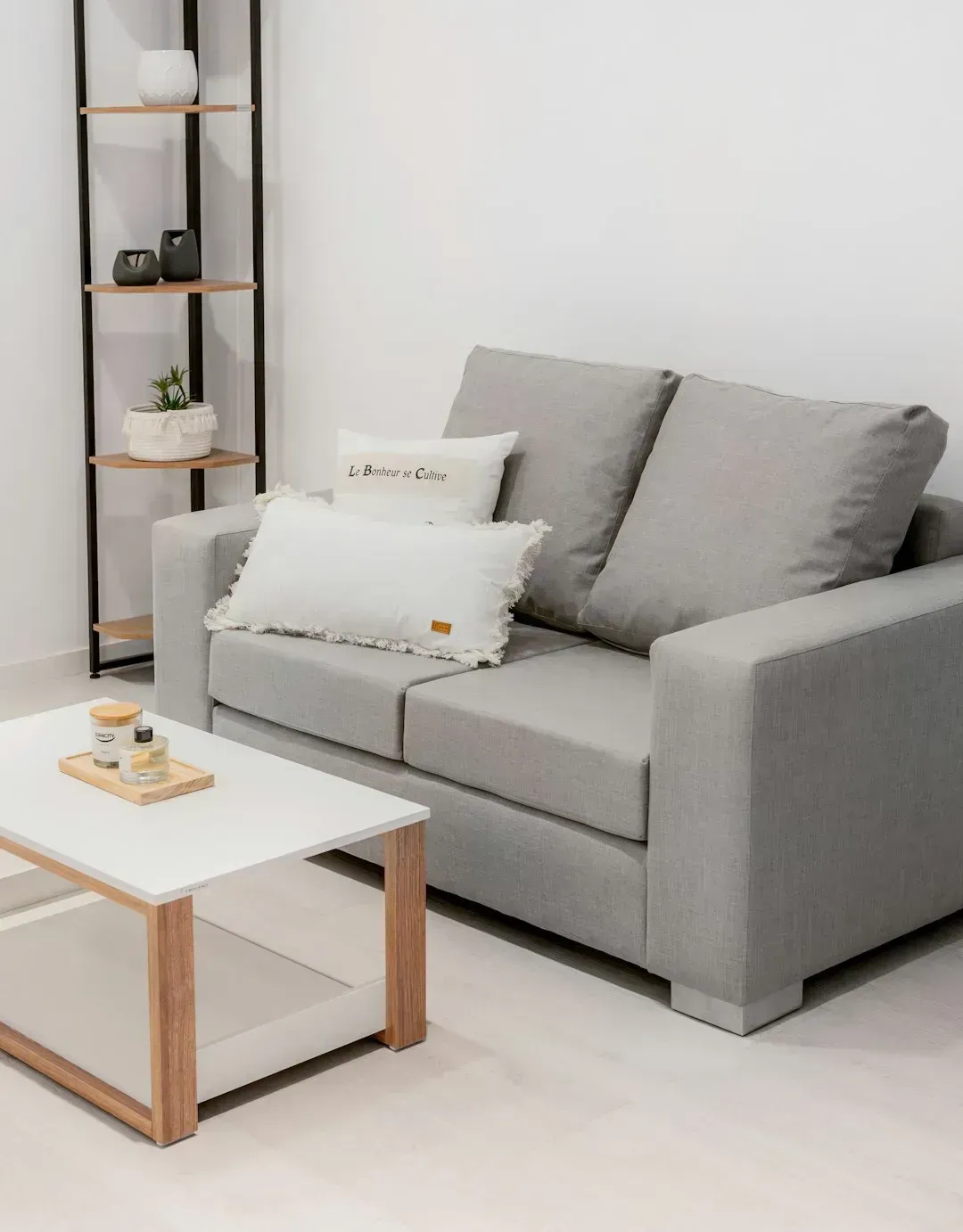
Scent registers almost instantly, often before visual details fully sink in. A home that smells neutral, or pleasantly of something simple like fresh linen or a lightly scented candle, suggests regular cleaning and airflow rather than masking odors with heavy fragrance. Overpowering scents can actually raise suspicion that something underneath is being covered up.
Indoor air quality research has shown that ventilation and regular cleaning routines directly affect how a space smells over time, independent of any air fresheners used. Homes that are consistently maintained tend to have a more neutral baseline scent simply because dust, pet dander, and food residue aren’t given the chance to build up. This is one of the more overlooked cues, but it works on a nearly subconscious level.
5. Furniture arranged with intention, not just placement
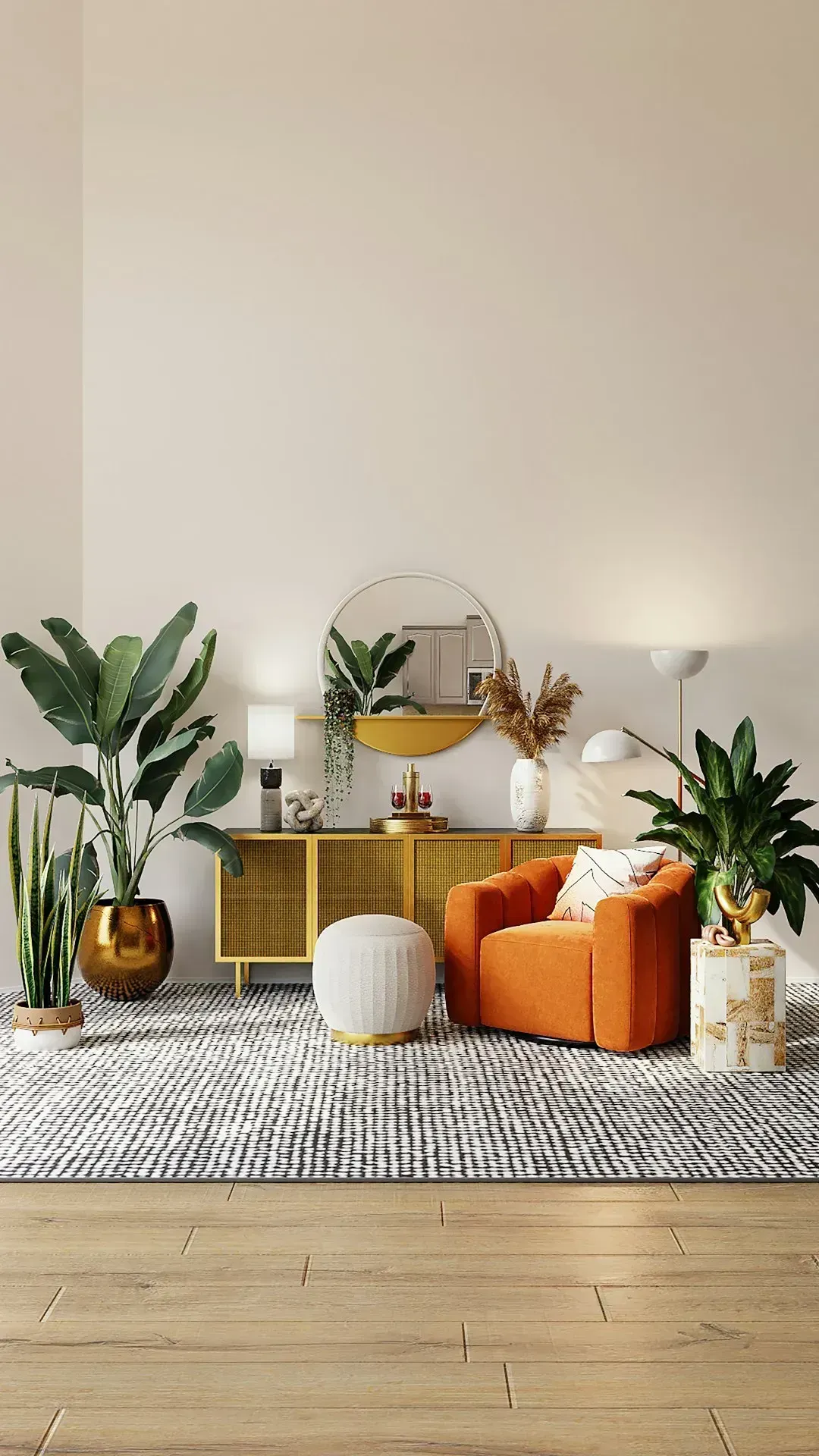
There’s a difference between furniture that’s simply positioned to fit and furniture arranged to support how a room is actually used. A living room where seating faces a natural focal point, with clear walking paths and no awkward bottlenecks, reads as deliberate. This kind of layout doesn’t happen by accident; it usually reflects some planning around how the household actually moves through the space.
Design principles around traffic flow have long emphasized that rooms should accommodate movement without requiring people to squeeze past furniture or navigate around obstacles. When this is done well, guests often can’t articulate why a room feels comfortable, they just sense that it does. That ease of movement is a direct byproduct of organizational thinking applied to spatial design.
6. Digital and paper clutter kept out of sight
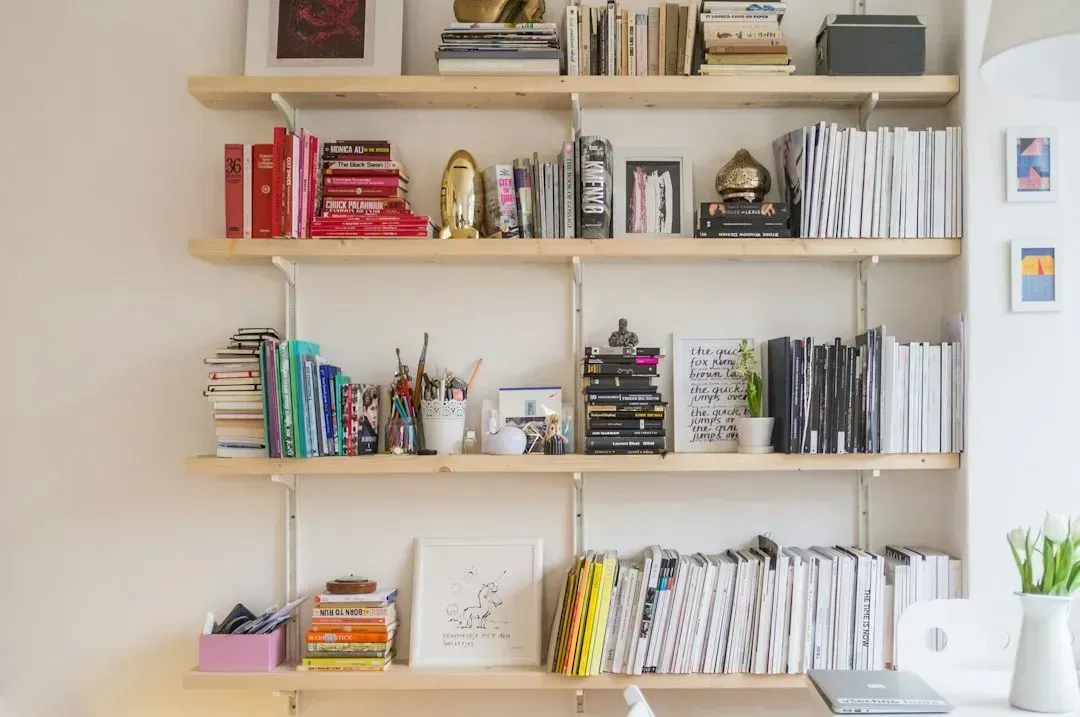
In recent years, this has become just as noticeable as physical clutter. A charging station that isn’t a tangle of cords, a mail sorting system instead of a growing stack of envelopes, and screens that aren’t buried under sticky notes all contribute to a sense of control. As more households manage bills, subscriptions, and documents digitally, the physical remnants of paperwork have actually become more conspicuous when they do pile up.
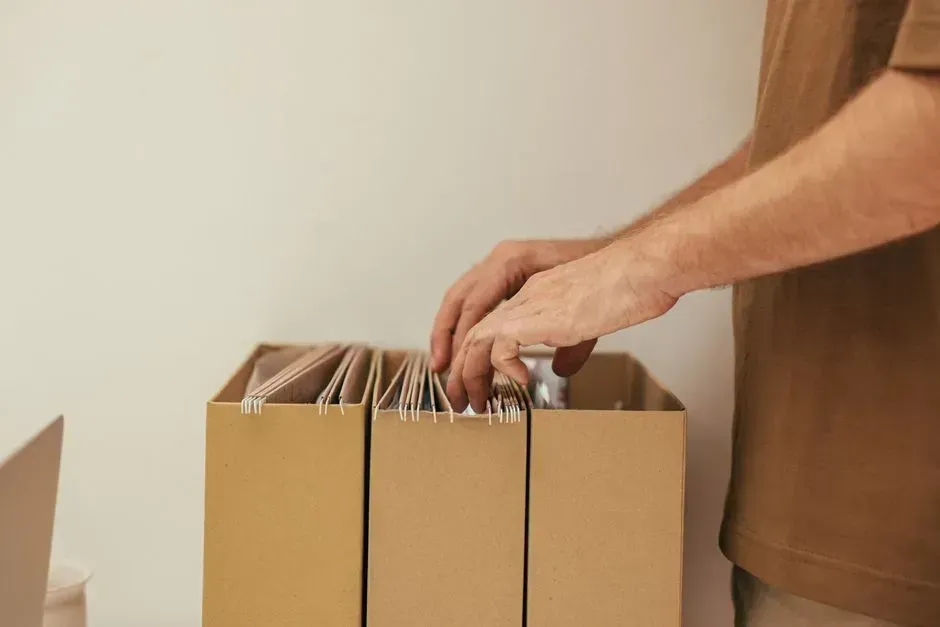
Organizing experts have noted that paper clutter remains one of the most common problem areas even in otherwise tidy homes, since mail and documents tend to accumulate faster than most people process them. A simple filing system or a designated inbox tray addresses this before it becomes visible chaos. When it’s handled, it removes one of the last hiding spots for disorganization.
7. A sense of breathing room in every space
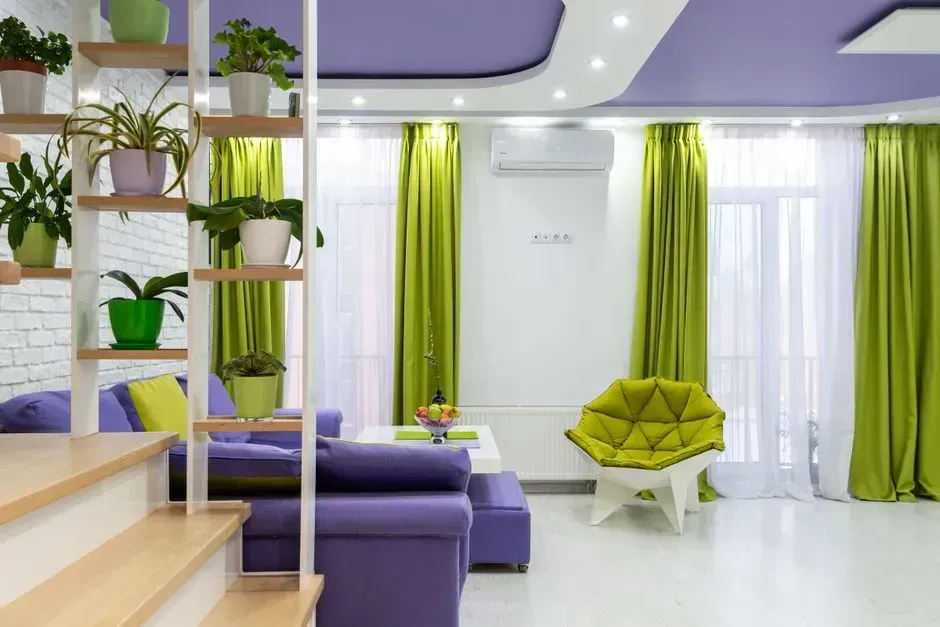
Perhaps the most telling sign is simply the presence of negative space, areas left intentionally empty rather than filled to capacity. This doesn’t mean a home looks sparse or unlived-in; it means there’s enough open space that the eye has somewhere to rest. Homes that feel organized almost always have this quality, even if the exact reason isn’t consciously identified by a visitor.
This principle echoes minimalist design philosophy, which has steadily influenced mainstream home organization trends throughout the past several years. Breathing room doesn’t require owning less necessarily, though that often helps, but it does require thoughtful editing of what’s on display at any given time. Spaces that achieve this balance tend to feel more spacious than their actual square footage would suggest.
Together, these seven cues explain why some homes feel effortlessly put-together while others, despite genuine effort, still read as cluttered or chaotic. None of them require large budgets or major renovations. They’re rooted in small, consistent habits that accumulate into a lasting impression the moment someone walks through the door.




Leave a Reply