
1. Wrinkled or visibly worn clothing
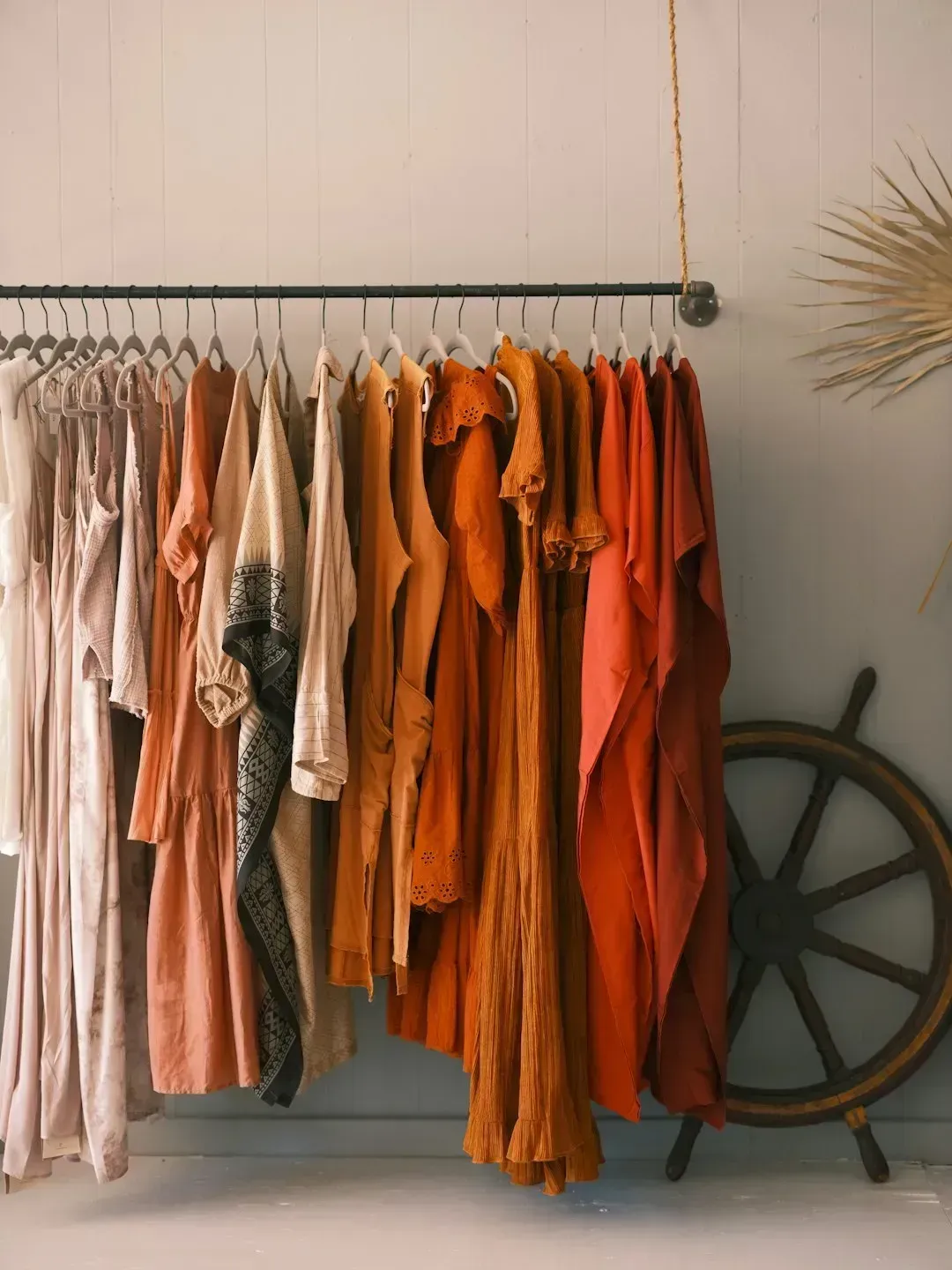
A shirt pulled straight from the dryer or a blazer that’s been balled up in a bag sends a message before you say a word. Coaches consistently point out that wearing clean, wrinkle-free, and well-fitted clothing is one of the simplest universal rules for interview dressing. It signals attention to detail, which is exactly the quality most employers want to see reflected in someone’s work habits too.
The fix costs nothing but a few extra minutes. Steaming or ironing an outfit the night before, and checking hems and buttons for damage, removes an easy source of doubt. It is a small effort that quietly reinforces the idea that a candidate takes the meeting seriously.
2. Jeans and other overly casual bottoms
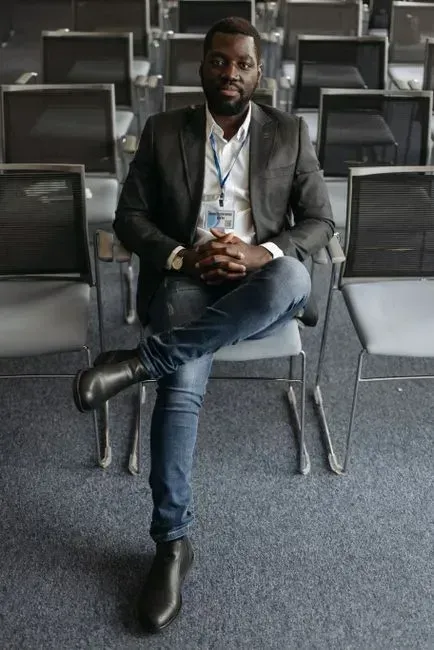
Even in workplaces where jeans are standard daily wear, coaches advise against wearing them to the interview itself. One widely cited guide notes that rather than wearing jeans to an interview, candidates may want to consider a nice pair of slacks or dress pants instead. The logic is that an interview is a special occasion within the job search, not a preview of casual Friday.
This does not mean showing up in a formal suit for every role. It means choosing tailored trousers or a structured skirt that reads as intentional rather than thrown together. Dressing a notch above the everyday office norm remains a safe, low-risk strategy.
3. T-shirts and other loungewear-adjacent tops
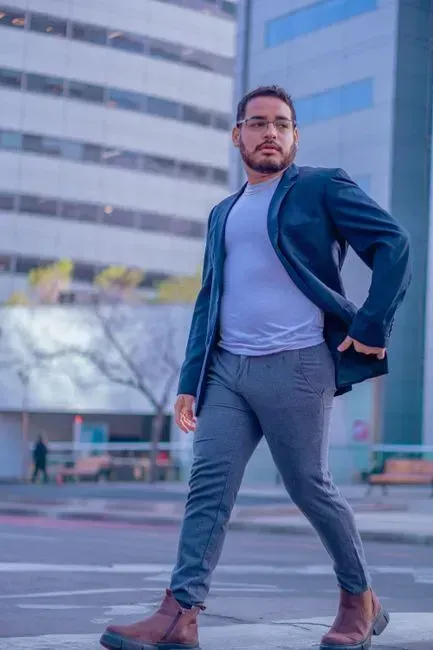
A plain tee, even paired with a blazer, tends to read as too relaxed for most hiring panels. Coaches note that although a T-shirt might be paired with a more formal item like a blazer, employers may still find it too casual, so a blouse, button-up shirt, or sweater is a better choice. The top half of an outfit is usually what appears on camera during virtual interviews too, so it carries extra visual weight.
Swapping a tee for a button-down or fine-knit sweater instantly elevates the look without requiring a full formal wardrobe. It is one of the easiest substitutions candidates can make when they are unsure how dressed up to go.
4. Hoodies, sweatpants, and loungewear head to toe
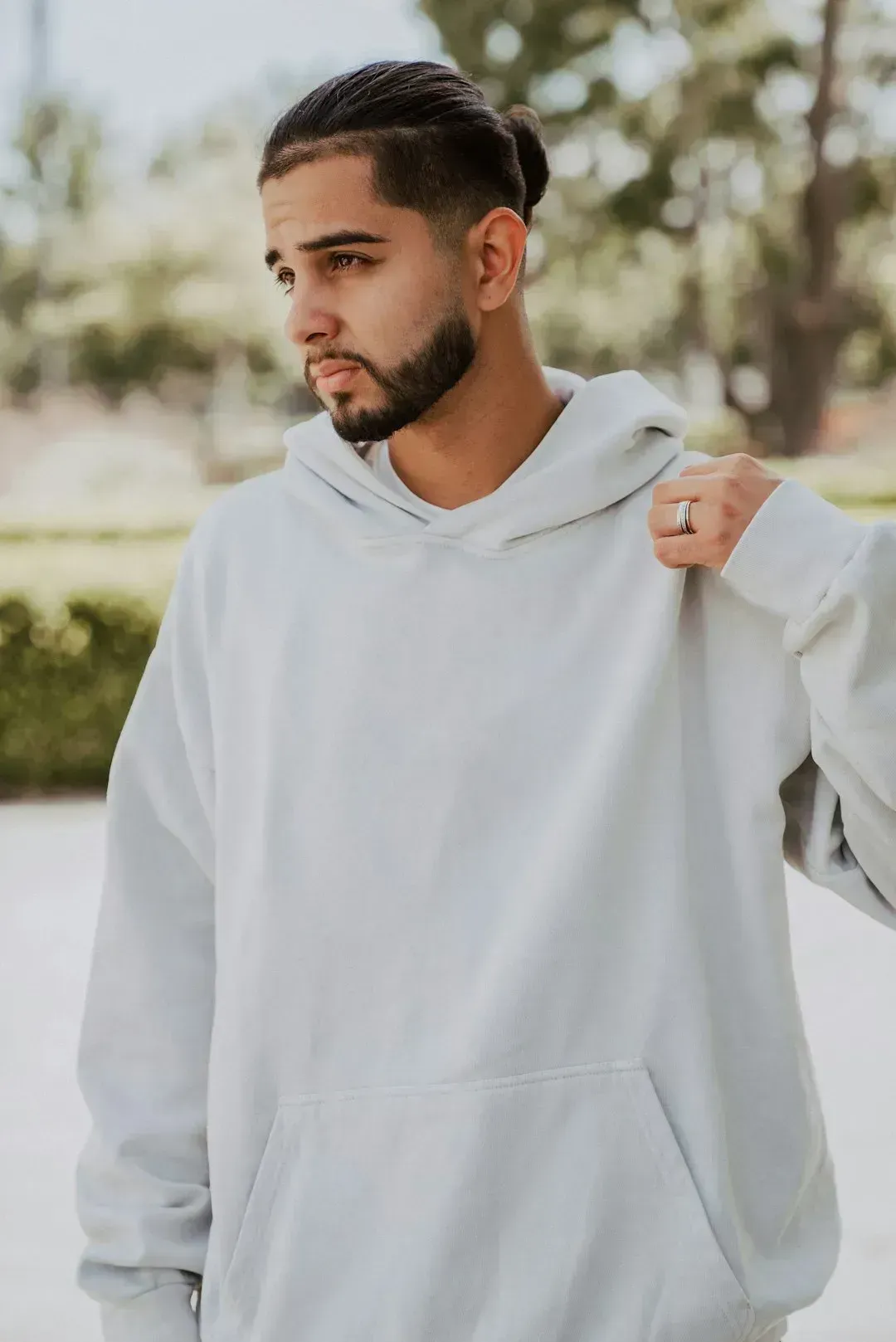
Comfort has crept into professional life since remote work became common, and many closets are now stocked more with athleisure than with tailored pieces. One interview guide bluntly lists yoga pants, pajamas, wrinkled clothing, jeans, shorts, hoodies, and t-shirts as too casual for a job interview, noting that loungewear is never the right choice even in a laid-back company culture. Coaches see this mistake most often among candidates coming from long stretches of remote or hybrid work.
Even a company known for a relaxed dress code expects more effort during the hiring process itself. Save the sweatshirt for after the offer letter arrives, not before it.
5. Bright, neon, or overly bold patterns
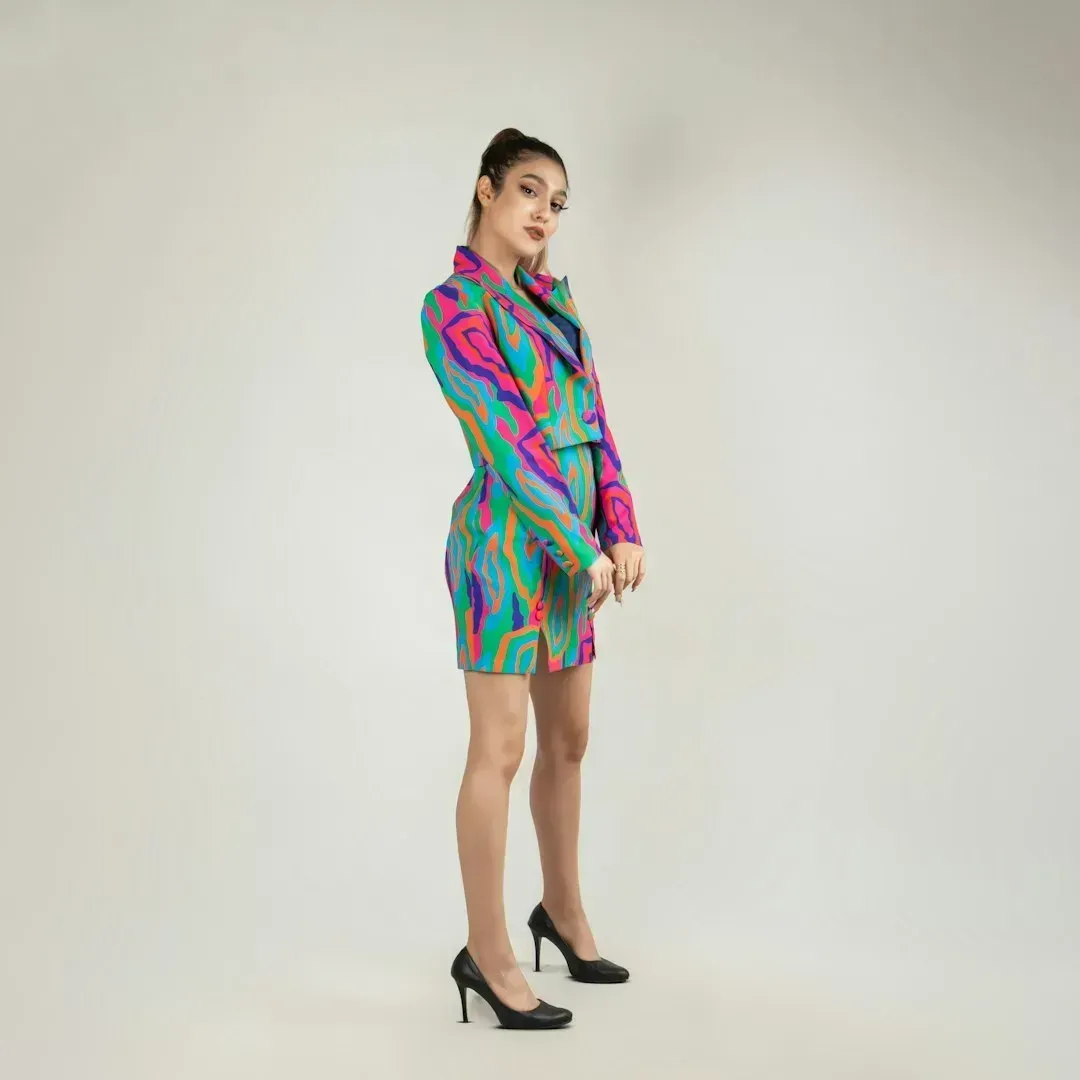
Standing out for the wrong reasons is a real risk with loud color choices. Career advisors warn that distracting patterns and colors may include neon, red, or sparkling orange, and wearing neutral, businesslike tones like black, navy, gray, or white is the more appropriate option. The goal is to keep the interviewer’s attention on qualifications rather than on an outfit.
This is especially true on video calls, where busy patterns or neon colors can look distracting on screen. A muted palette with maybe one small pop of color, like a tie or scarf, tends to strike the right balance between personality and professionalism.
6. New shoes worn for the first time
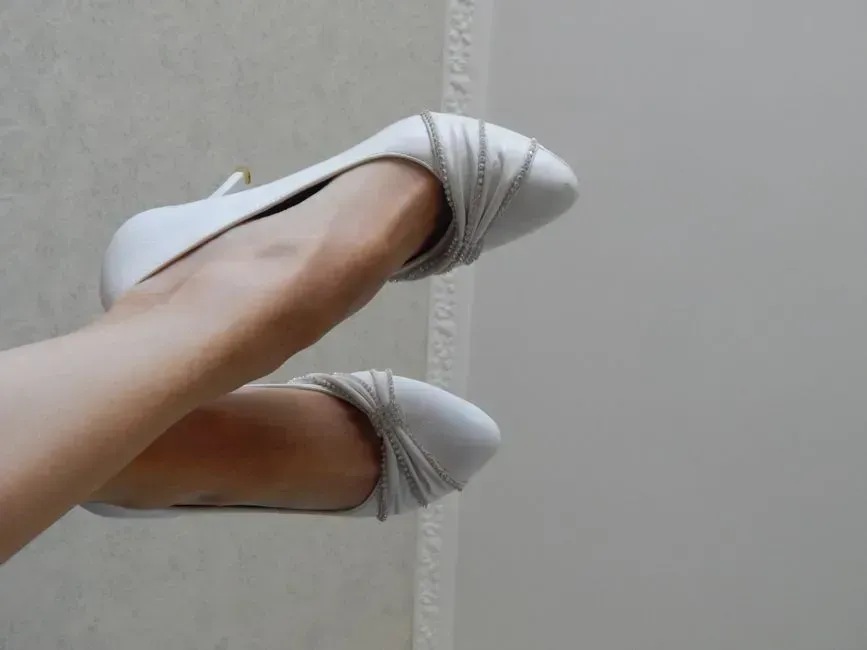
It sounds minor, but coaches flag this one repeatedly because the consequences are so visible. As one career resource puts it, wearing new shoes to a job interview is a mistake since blisters are painful and recruiters will notice if a candidate is limping or uncomfortable. Physical discomfort has a way of leaking into body language, fidgeting, and even the confidence behind a candidate’s answers.
Breaking shoes in ahead of time, even for a short walk around the block, prevents an unnecessary distraction. Comfort at the ankle level translates surprisingly well into composure at the interview table.
7. Excessive or noisy jewelry
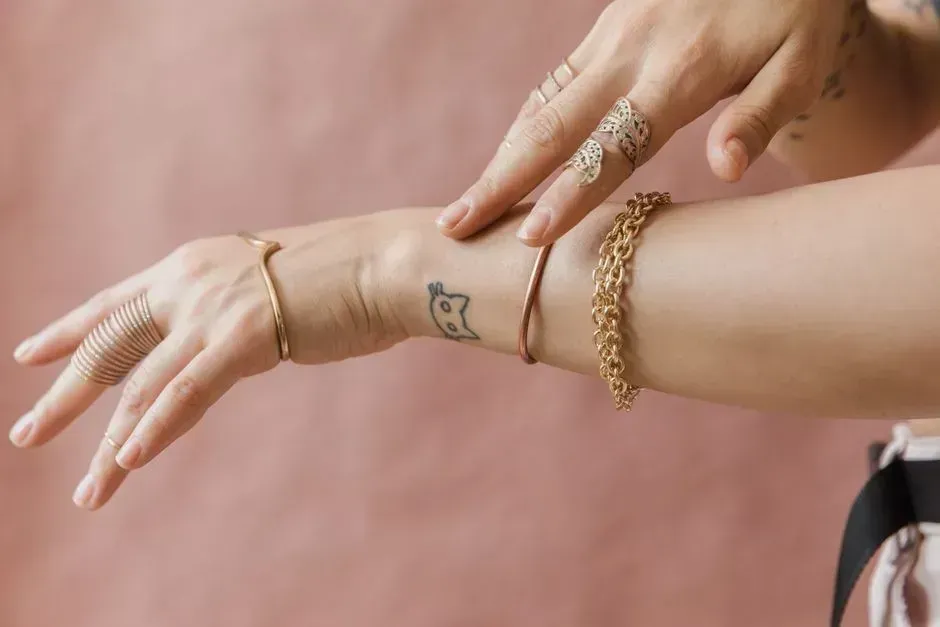
Statement pieces can pull focus away from what a candidate is actually saying. Coaches advise keeping accessories minimal, since accessories shouldn’t be distracting, meaning no large jewelry, no facial piercings that draw excess attention, and simple makeup tend to work best in a formal interview setting. Bracelets that clink against a table or long necklaces that catch the light can become an unintentional focal point.
Coaches often suggest choosing one understated piece, like a simple watch or small stud earrings, rather than layering several accessories at once. Restraint here almost always reads as more polished than abundance.
8. Strong perfume or cologne
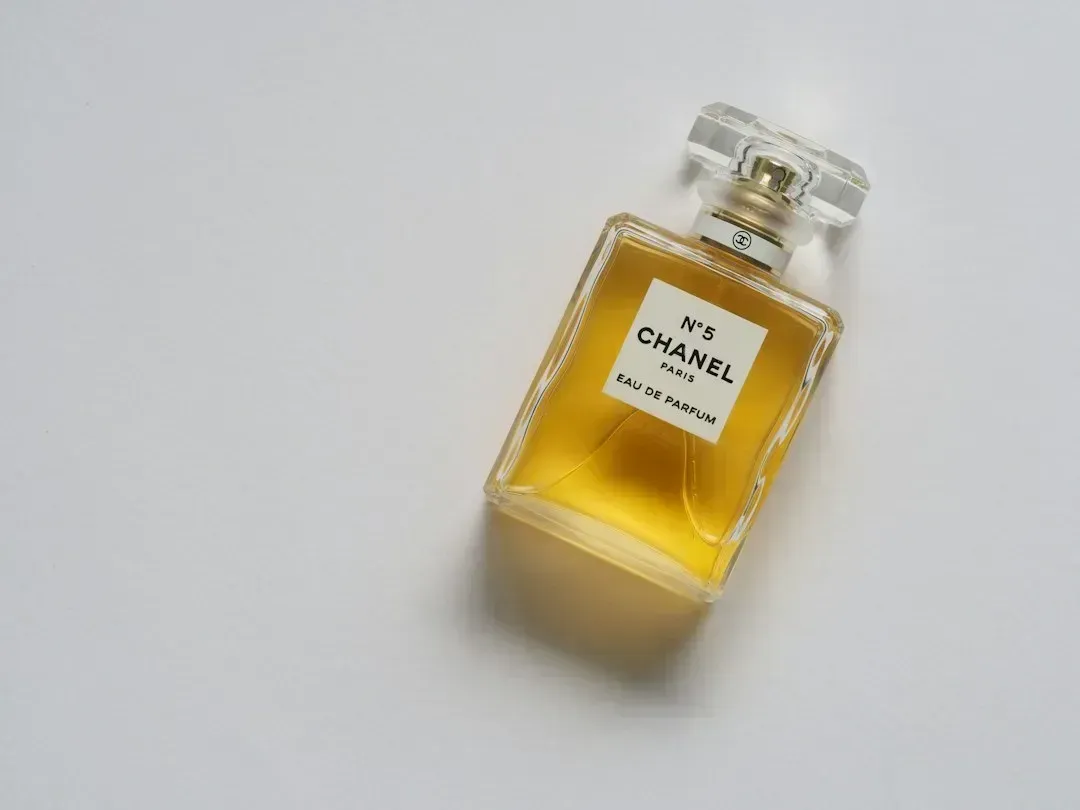
Scent is easy to overlook while getting dressed but hard to ignore once in a small interview room. Guidance from career resources recommends that candidates keep perfume or cologne to a minimum, or eliminate it altogether, since fragrance sensitivities are common and unpredictable. A scent that feels pleasant to the wearer can be overwhelming to someone sitting across a desk for thirty minutes.
This is one of those details that costs nothing to fix and carries real upside. Going light, or skipping fragrance entirely on interview day, removes a variable that has nothing to do with skill or experience yet can still color an interviewer’s impression.
9. Backpacks or book bags in formal settings
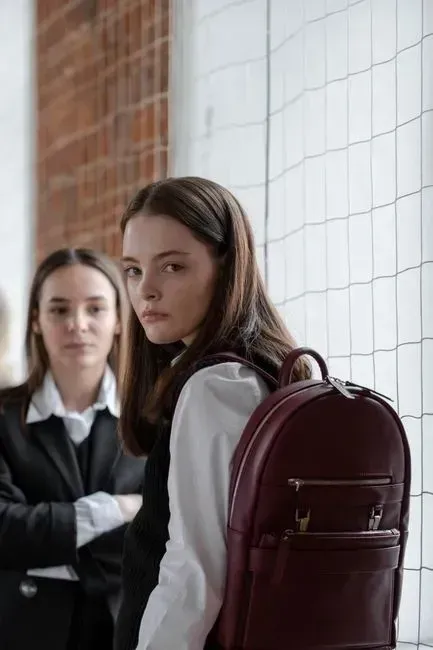
What a candidate carries into the room matters more than most people expect. One career resource notes that using a book bag rather than a briefcase is a mistake many college grads make, and staying professional extends even to the accessories level. A worn backpack can undercut an otherwise sharp outfit the moment it is set down on the floor.
A slim portfolio, structured tote, or leather bag tends to read as more deliberate. For interviews in more relaxed industries like tech, a clean backpack can pass, but conservative fields still expect something closer to a briefcase.
10. Hats, hoods, and headphones left in place

Small oversights around the head and ears can send a signal of disengagement without the candidate meaning to. Career advisors caution to keep earbuds, hats, beanies, and hoods away from an interview since none of these are acceptable and can be distracting or off-putting, potentially making a candidate seem uninterested in what the interviewer is saying. This guidance naturally does not apply to headwear worn for religious or cultural reasons, which is a separate and respected category entirely.
The larger point coaches make is about visible attentiveness. Removing anything that obscures the face or suggests half-attention helps a candidate look fully present for the conversation.
11. Ill-fitting or overly tight clothing
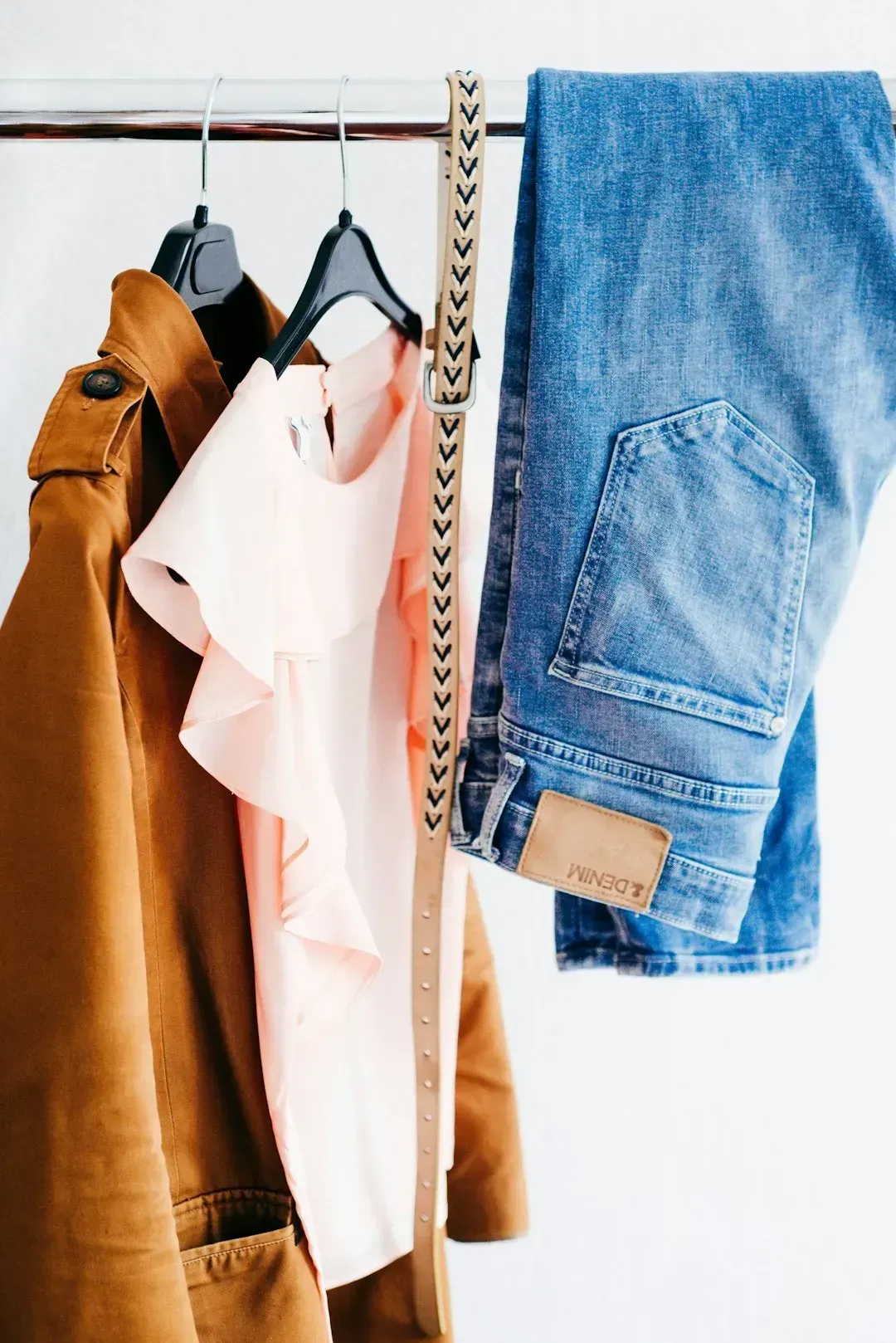
Fit often matters more than the actual price tag of an outfit. One resource observes that while ripped and tight clothing can look trendy elsewhere, it would be detrimental in a job interview, where basic colors and clean silhouettes are the most reliable way to project professionalism. Clothes that are too snug can also be physically distracting, pulling a candidate’s focus toward adjusting a sleeve or waistband instead of answering questions.
Coaches generally recommend trying on an interview outfit well before the actual day, not the morning of, to catch any fit issues while there is still time to alter or swap the piece.
12. An outfit that ignores the company’s actual culture
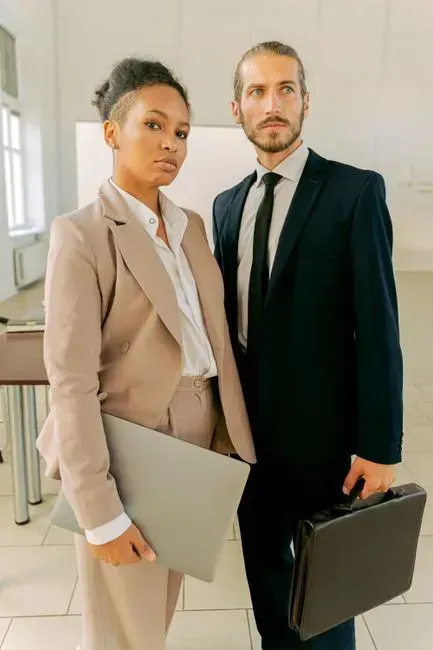
Dressing sharply in the wrong direction can be just as costly as dressing too casually. Guidance for 2025 and 2026 job seekers suggests researching the workplace first, since candidates should lean on industry norms when specific dress code information isn’t available, given that finance, banking, law, and consulting firms usually expect more formal attire while tech startups or creative agencies tend to dress more casually. Showing up in a full suit to a scrappy startup, or arriving underdressed at a law firm, both raise the same question in an interviewer’s mind about whether a candidate has done their homework.
The safest general approach coaches recommend is dressing one notch above the everyday standard for that specific workplace. That single adjustment shows both self-awareness and respect for the room without requiring a guess about formality in either direction.
None of these choices are dealbreakers on their own, and no interviewer is likely to reject a strong candidate over a single wrinkle or one bold sock. Taken together, though, wardrobe details form a pattern that interviewers read quickly and often unconsciously, which is exactly why career coaches keep returning to this same list. A little preparation on the clothing side frees up mental space to focus on what actually gets someone hired: the answers themselves.




Leave a Reply