
1. Spanking and physical discipline as a default response

For many boomer households, a swat or a spanking wasn’t treated as extreme. It was simply what happened when a kid stepped out of line, often without much conversation before or after. Pediatric and psychological research over the past two decades has consistently linked physical punishment to higher rates of anxiety, aggression, and strained parent child relationships later in life.
Younger parents today largely favor discipline rooted in talking things through, natural consequences, or time based cooling off periods instead of physical correction. Major pediatric organizations have shifted their guidance accordingly, recommending against spanking as a primary discipline tool. That shift alone marks one of the clearest generational breaks in parenting philosophy.
2. Dismissing kids’ feelings as overreactions

Phrases like “you’re fine” or “stop crying, nothing happened” were common shorthand in a lot of boomer households, especially when a child was upset over something that seemed small to an adult. Emotional dismissal wasn’t necessarily cruelty. It was often just the emotional vocabulary parents themselves grew up with.
Millennial and Gen Z parents, many of whom grew up feeling unheard in exactly these moments, have leaned hard into naming emotions and validating a child’s experience before problem solving. Therapists working in family and child development have noted that validation doesn’t mean giving in to every demand, but it does mean acknowledging that a feeling is real before redirecting behavior. That distinction is one younger parents say they wish had existed when they were kids.
3. Comparing siblings or kids to other families’ children

“Why can’t you be more like your brother” or “the neighbor’s kid already knows how to do that” were common motivational tactics in boomer era households. The intent was usually to push a child toward improvement, but the effect often landed as feeling less valued than a sibling or peer.
Younger parents tend to avoid comparison entirely, focusing instead on a child’s individual progress rather than measuring them against someone else’s timeline. Child development specialists have long pointed out that comparison based motivation can erode self esteem rather than build drive. It’s a small phrase with outsized emotional weight, and many adults still remember exactly who they were compared to.
4. Keeping money problems and family stress completely hidden
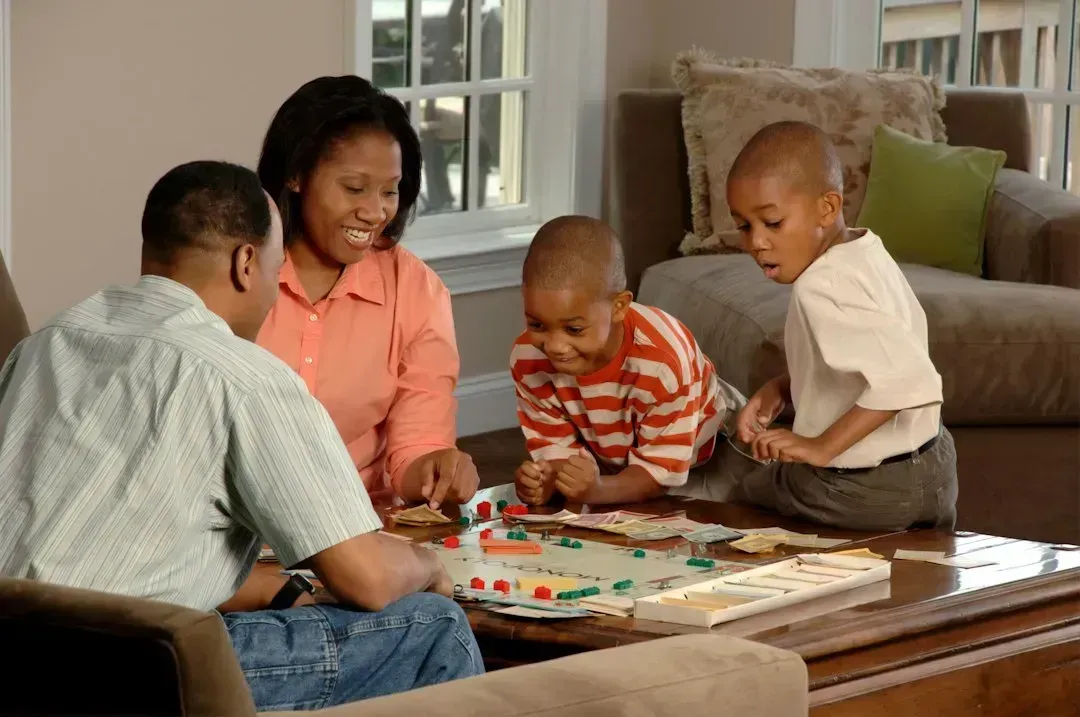
Boomer parents frequently operated under the belief that kids shouldn’t know about financial stress, layoffs, or family tension, even when that stress was clearly affecting the household. The idea was protection, shielding children from adult burdens for as long as possible.
Younger parents, many of whom say they wish they’d understood earlier why the mood at home shifted or why certain things weren’t affordable, tend to favor age appropriate honesty instead. Financial literacy advocates and family therapists increasingly recommend involving kids in basic money conversations as a way to build both trust and practical skills. Silence, it turns out, often created more confusion than it prevented.
5. Expecting unquestioning obedience over open conversation

“Because I said so” functioned as a complete sentence in a lot of boomer households, closing off debate rather than inviting it. Respect for parental authority was assumed, not something that needed explaining or negotiating.
Today’s parents are far more likely to explain the reasoning behind a rule, even briefly, treating kids as people capable of understanding cause and effect. This approach draws heavily from developmental psychology research showing that children internalize rules better when they understand the reasoning behind them rather than simply obeying out of fear. It’s a slower process in the moment, but many parents say it builds more durable trust over time.
6. Pushing kids outside all day with minimal supervision

Boomer parenting often meant sending kids outside after breakfast and not expecting them back until dinner, with little tracking of where they actually went. That level of independence built resilience for a lot of people, but it also came from a very different social and safety landscape.
Younger parents, raising kids in an era of smartphones, GPS tracking, and heightened awareness of stranger danger statistics, tend to favor structured independence instead of total freedom. This isn’t purely about anxiety. It reflects real shifts in neighborhood connectivity and the fact that fewer families know their neighbors the way earlier generations often did.
7. Treating chores and responsibilities as non negotiable without explanation

Household chores in boomer families were often assigned early and enforced strictly, sometimes without much discussion about why they mattered beyond keeping the house running. Kids were expected to simply do the task, whether it made sense to them or not.
Younger parents generally keep the chores but add context, framing tasks as contributions to a shared household rather than arbitrary obligations. Family researchers have found that kids who understand the purpose behind a responsibility are more likely to follow through consistently. The chore itself hasn’t disappeared, but the reasoning behind it has become part of the conversation.
8. Rarely, if ever, saying “I’m sorry” to a child

Apologizing to a child was uncommon in many boomer households, based on the belief that admitting fault to a kid undermined parental authority. Even when a parent clearly overreacted or made a mistake, the moment usually passed without acknowledgment.
Millennial and Gen Z parents increasingly treat apologizing as a normal part of parenting rather than a weakness, modeling accountability directly for their kids. Psychologists who study parent child attachment note that repair after conflict, including a genuine apology, actually strengthens a child’s sense of security rather than eroding respect. For many younger parents, this one habit represents the clearest generational shift of all.
These eight habits don’t erase the affection or effort boomer parents put into raising their kids. They simply reflect how much parenting norms have shifted alongside changes in psychology, technology, and everyday family life. What one generation saw as necessary structure, the next has often reworked into something gentler, more communicative, and shaped by lessons learned the hard way.




Leave a Reply