
1. Phone books
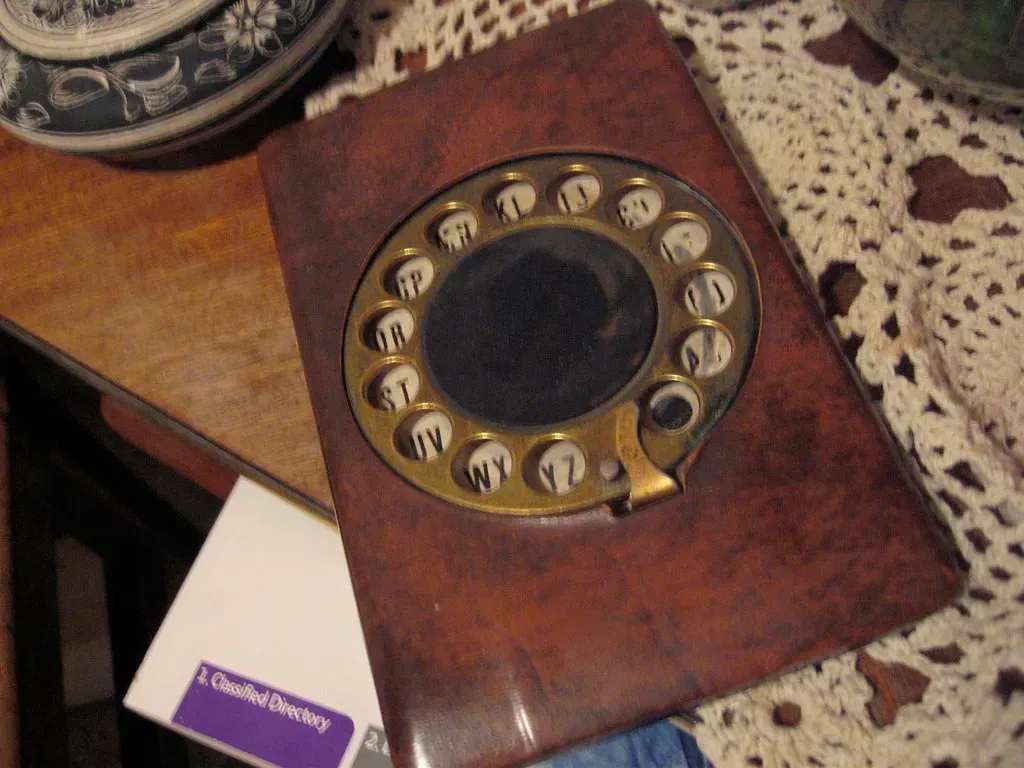
Phone books were once the backbone of finding a plumber, a pizza place, or a long lost relative’s number, and many Boomers still have a stack tucked under a side table or in a kitchen drawer. The habit of keeping them formed over decades when there was no alternative, and even after smartphones became common, tossing them out felt oddly wasteful to people who grew up relying on them.
Gen Z has likely never opened one, since search engines and contact apps replaced the need entirely by the time they were old enough to look up a number themselves. Publishers have scaled back print runs dramatically over the past two decades as usage collapsed, making the physical phone book something closer to a museum piece than a household tool.
2. VHS tapes
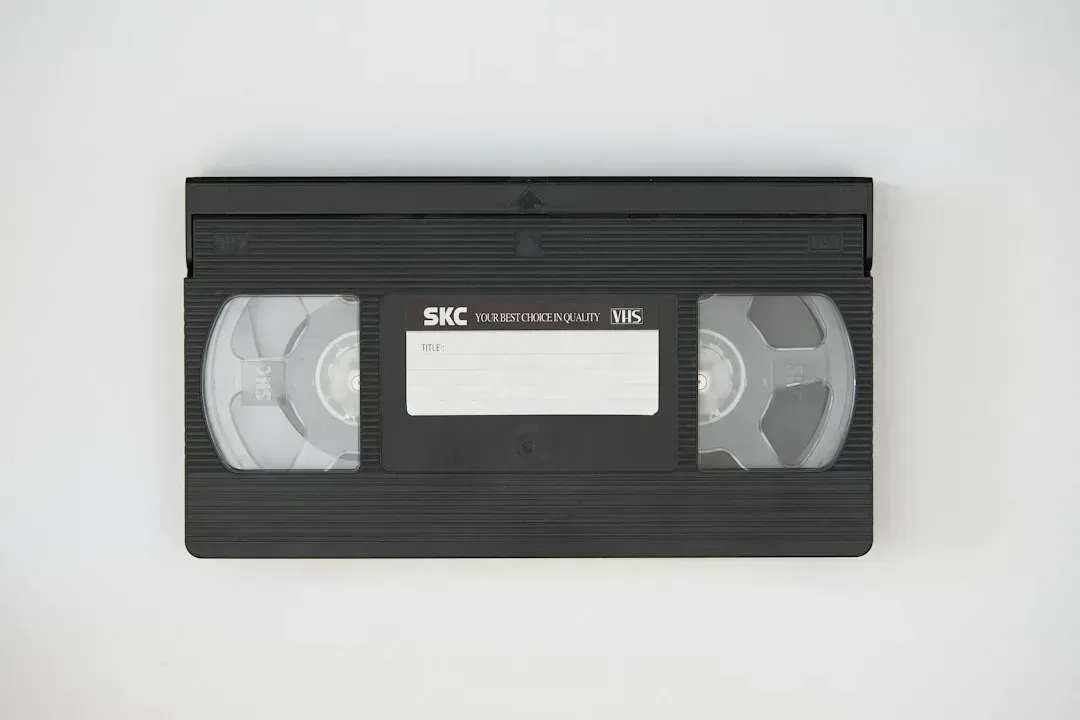
Boxes of VHS tapes, often labeled by hand with a marker, still sit in closets and basements across Boomer households. These tapes represent home movies, recorded television specials, and movie collections built up over years, and many owners simply never got around to converting them to digital formats.
For Gen Z, the format is almost incomprehensible without context, since streaming and cloud storage make physical media feel unnecessary. The tapes also degrade over time, losing picture and sound quality, which makes them functionally less useful with every passing year even if they’re never thrown away.
3. Landline telephones with cords
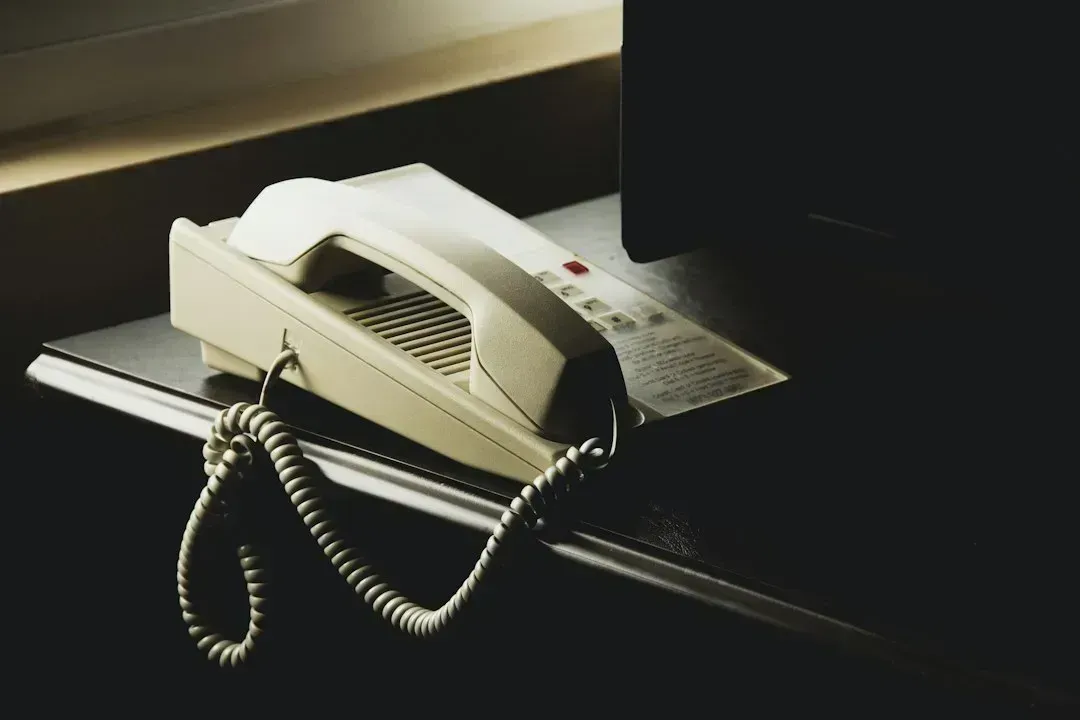
A corded landline phone might still be plugged into a wall somewhere in a Boomer’s house, often in a hallway or kitchen where it’s lived for thirty years. Many households kept them as a backup during power outages or emergencies, since corded phones don’t rely on a home’s electricity to function.
Gen Z, having grown up entirely in the mobile phone era, often finds the concept of a phone tethered to a wall genuinely strange. The declining number of landline subscriptions nationwide reflects this shift, as fewer young adults ever bother to set one up in their own homes.
4. Encyclopedia sets
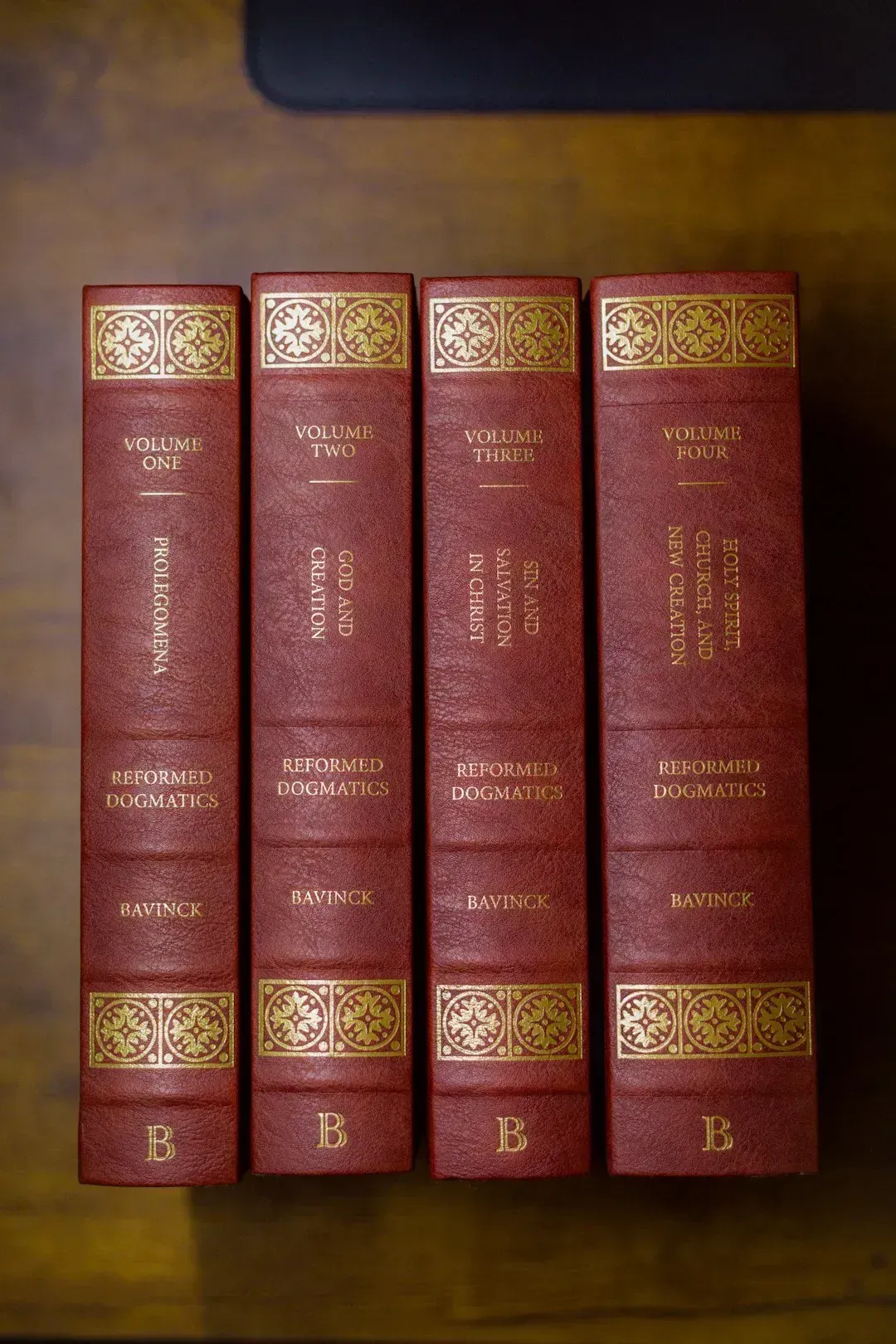
A full encyclopedia set, often bound in matching leather-look covers, used to be a proud fixture in living rooms and represented a real investment for many families. Boomers who bought these sets, sometimes through door-to-door salespeople or school fundraisers, often kept them displayed prominently even decades after the information inside became outdated.
Gen Z has grown up with instantly searchable information, making a printed encyclopedia feel less like a resource and more like furniture. Many public libraries have also phased out physical encyclopedia sets in favor of digital databases, reinforcing how obsolete the format has become for research purposes.
5. Rotary or push-button answering machines
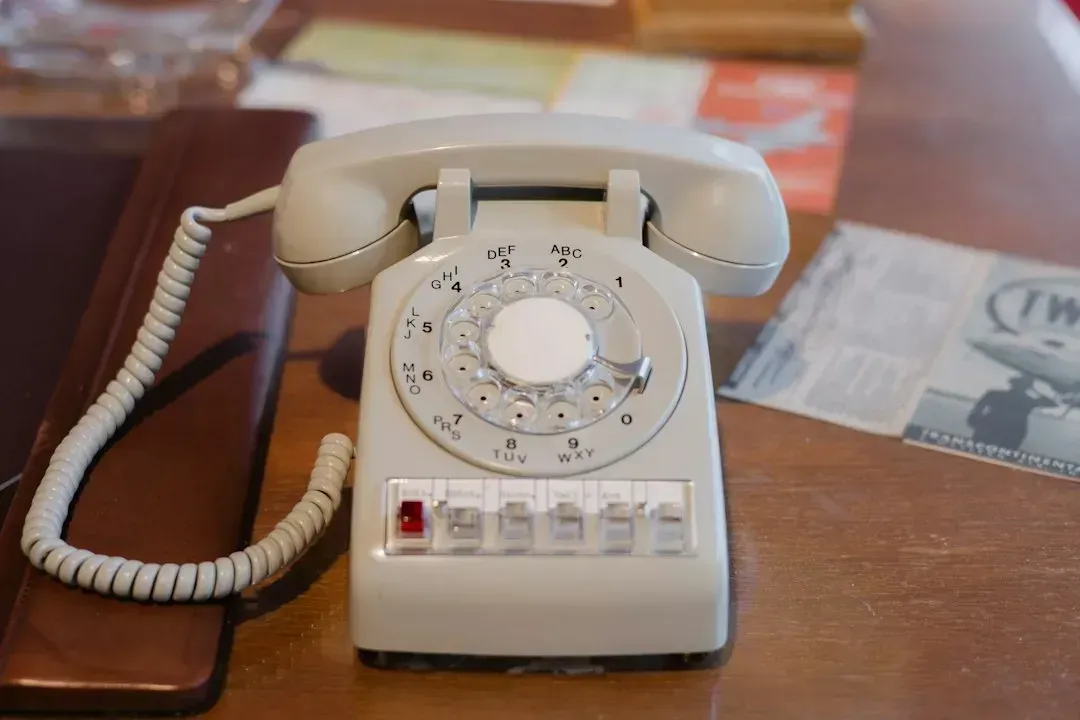
Standalone answering machines, the kind with a small cassette tape or digital chip inside, are another item that often lingers in Boomer households well past their useful life. These devices were essential in the 1980s and 1990s before voicemail became a built-in feature of most phone services.
For Gen Z, the idea of a separate physical machine just to record missed calls seems almost comically inefficient compared to a smartphone’s built-in voicemail. Many of these machines don’t even get plugged in anymore, existing more as a leftover habit than a functioning tool.
6. Paper road maps and atlases

Glovebox atlases and folded paper maps, often creased and worn from repeated use, remain common in cars owned by Boomers even though most trips now rely on GPS navigation. These maps served as essential travel tools for decades, and many drivers kept them as a trusted backup even after smartphones became widespread.
Gen Z drivers, who learned to drive alongside GPS apps like Google Maps and Waze, rarely see the need for a paper alternative. Folding a map correctly, once considered a basic life skill, has become something closer to a novelty for younger generations.
7. Fax machines
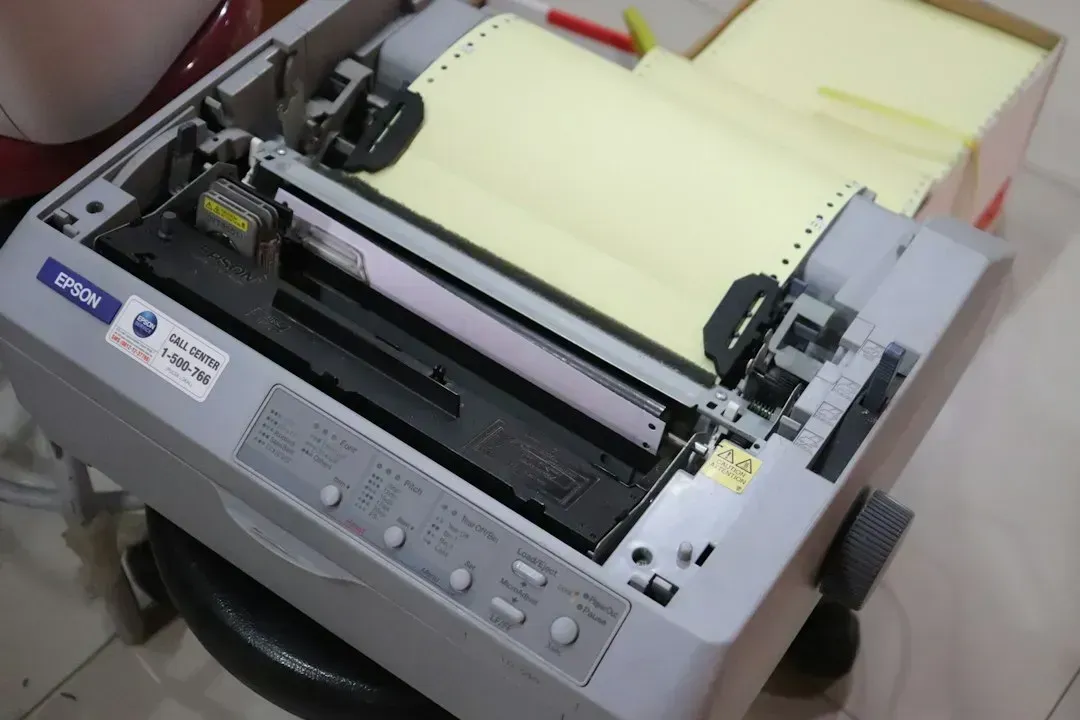
Fax machines, once considered cutting edge office technology, still occupy space in some Boomer home offices, particularly for those who worked in fields like law, medicine, or government where faxing remained standard practice longer than in other industries. Even as email became dominant, many professionals kept a fax machine on hand for documents requiring signatures or official transmission.
Gen Z workers entering the job market largely never encounter fax machines, since most industries have shifted to digital signatures and secure document sharing platforms. The technology now feels less like a tool and more like an artifact of a bygone office culture.
8. CRT televisions
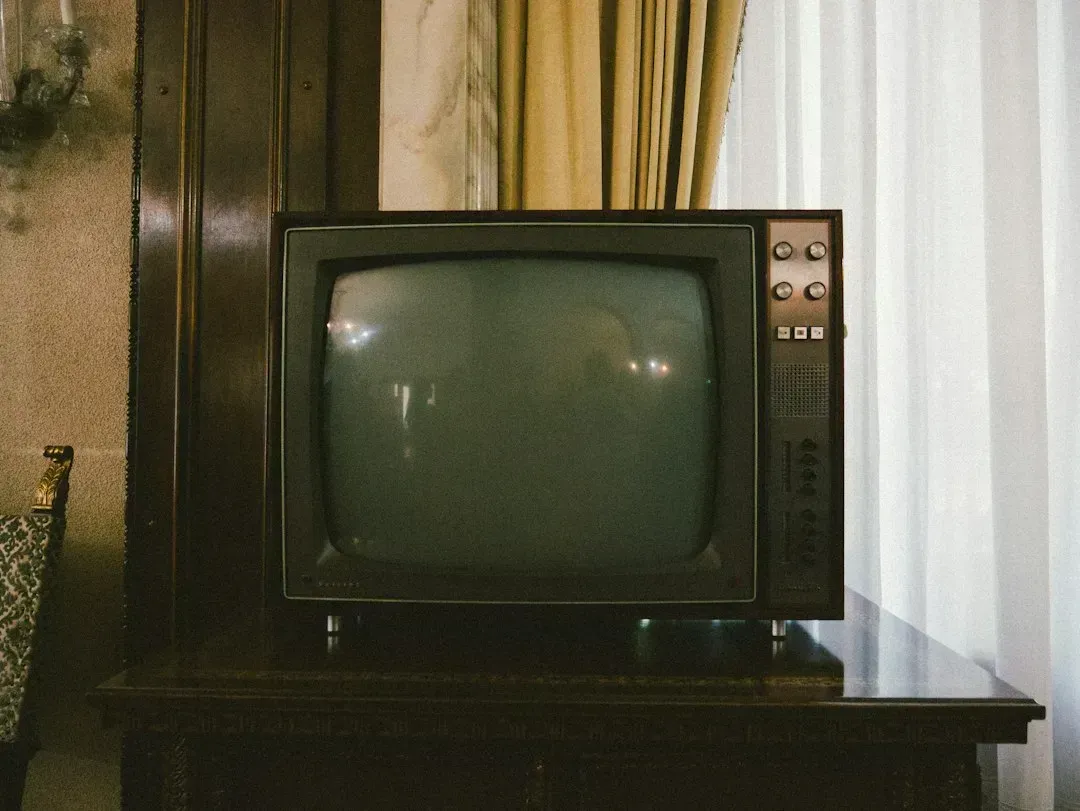
Boxy cathode ray tube televisions, heavy enough to require two people to move, still turn up in guest rooms, garages, or basements of Boomer households. These sets were often kept as backups or handed down to younger family members before flat screen technology became affordable and standard.
For Gen Z, the size and weight of a CRT television alone make it seem impractical compared to slim, high-definition screens that cost a fraction of what they once did. The bulky design and lower resolution make these older sets feel like relics rather than usable electronics.
9. Physical photo albums and negatives
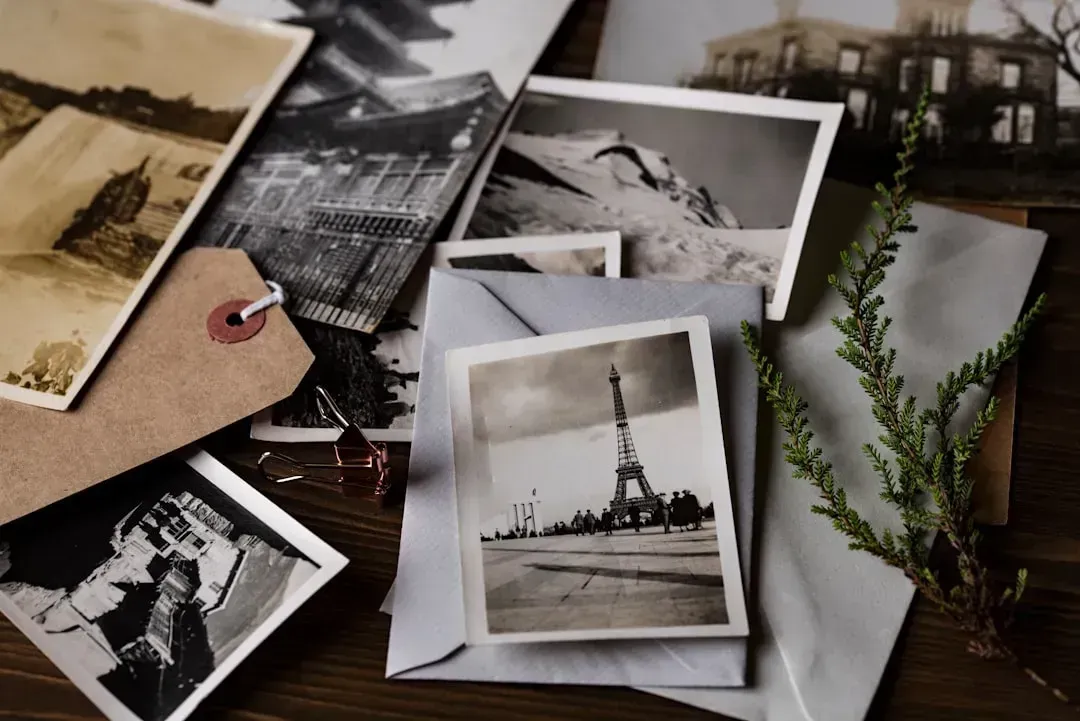
Stacks of physical photo albums, along with envelopes of negatives from film cameras, represent decades of family history that many Boomers have carefully preserved. These items hold sentimental weight, capturing memories long before digital cameras and smartphones made photography instant and nearly free.
Gen Z, having grown up documenting life through phone cameras and cloud storage, often finds the physical format cumbersome rather than meaningful in the same way. Digitizing services have grown in popularity precisely because younger family members increasingly ask for these memories in shareable, digital form instead.
10. Cassette tapes and Walkmans
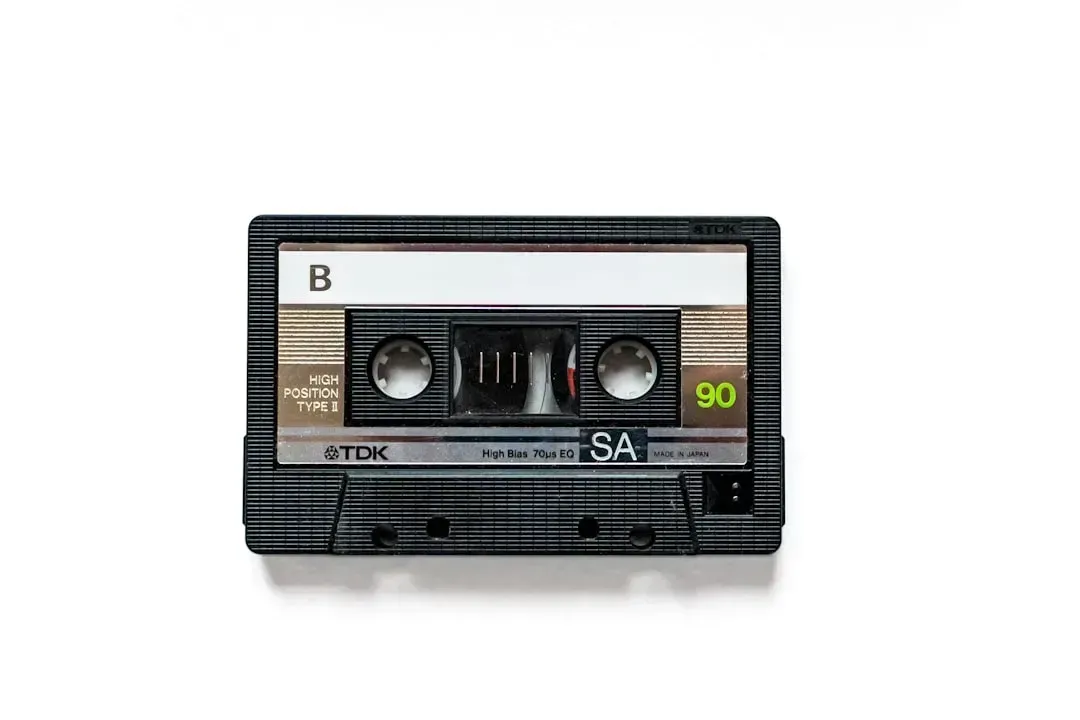
Boxes of cassette tapes, sometimes paired with a still functional Walkman, often survive in closets long after the music inside has been replaced by streaming services. Many Boomers kept these collections out of sentimental attachment to mixtapes and albums that marked specific periods of their lives.
Gen Z listeners, who have never needed physical media to access music, tend to view cassette tapes as curiosities rather than functional items. Streaming platforms now offer instant access to nearly every recorded song, making the practical need for tapes almost entirely obsolete.
11. Manual typewriters
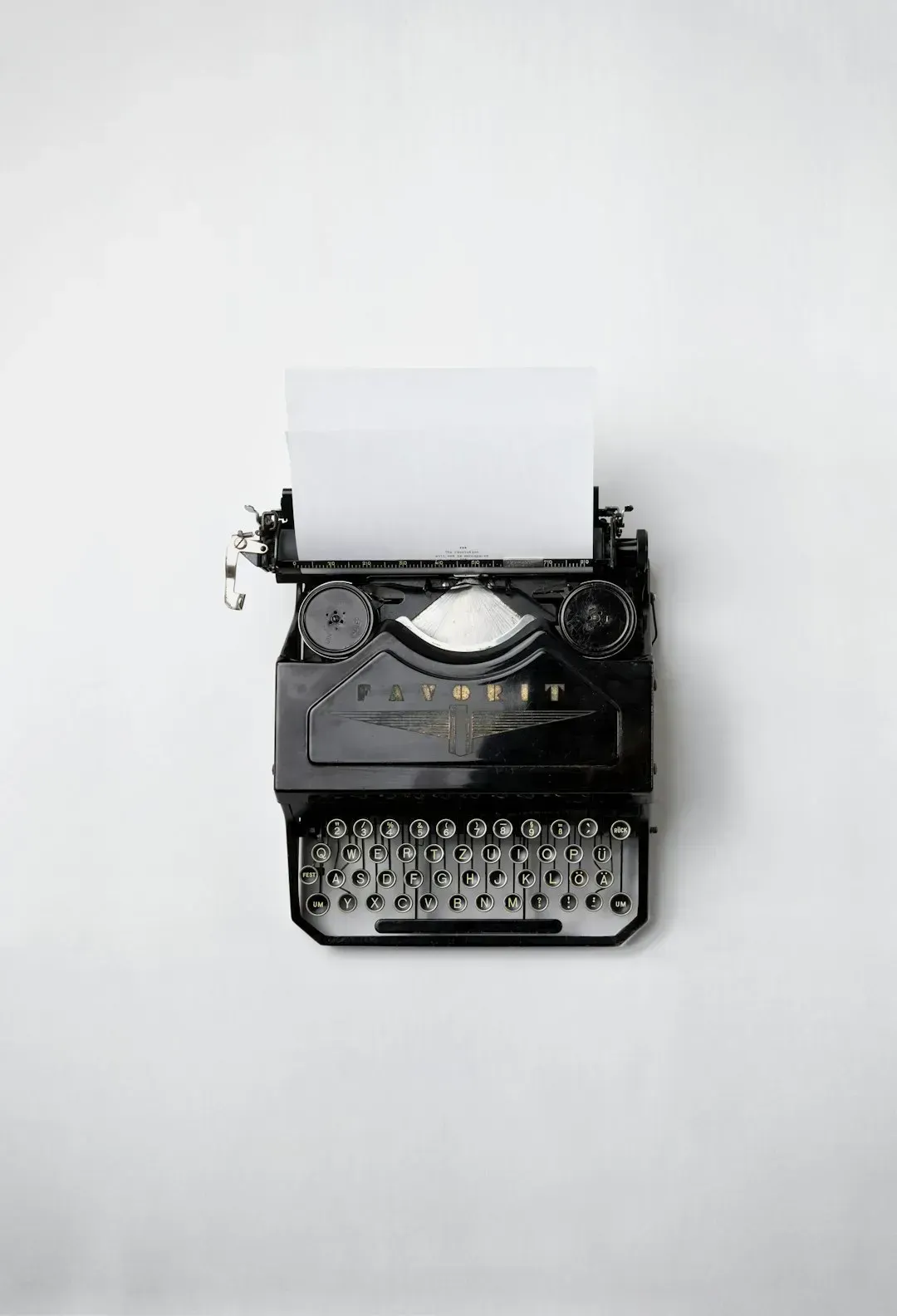
A manual typewriter, sometimes displayed decoratively and other times still in working condition, remains a common find in Boomer homes, particularly among those who used one professionally or academically before computers became standard. These machines represent both practical history and, in some cases, genuine craftsmanship that owners are reluctant to discard.
Gen Z, who learned to type on keyboards from an early age, generally finds typewriters interesting as vintage objects but impractical for actual use. The lack of features like autocorrect, easy editing, or digital storage makes the format feel more like an art piece than a writing tool.
12. Landline phone books and address books
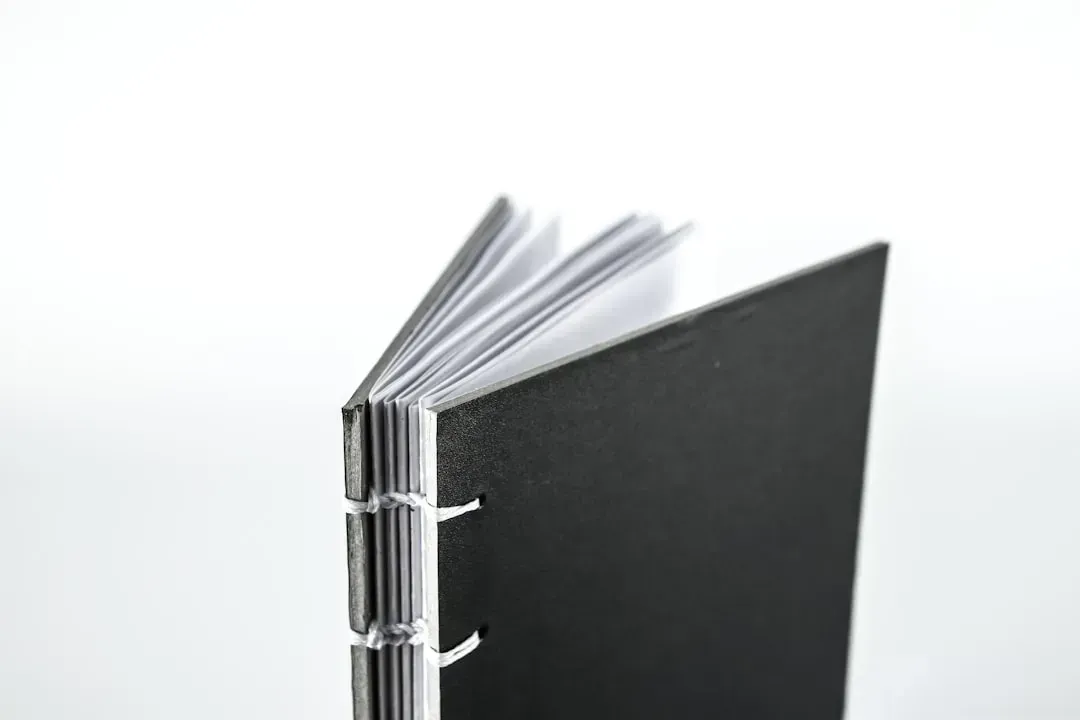
Small paper address books, filled with handwritten names, addresses, and phone numbers collected over years, remain common in Boomer households even as digital contact lists have taken over. These books often include information for people who have moved, changed numbers, or passed away, yet they’re rarely thrown out due to the personal history embedded in the handwriting itself.
Gen Z manages contacts entirely through smartphones, where information updates automatically and syncs across devices without any manual effort. The idea of writing out an address by hand, let alone maintaining a physical book of them, feels foreign to a generation that has never needed to.
The gap between what Boomers preserve and what Gen Z discards often comes down to different relationships with permanence and utility. Physical objects that once represented reliability and investment now compete with digital tools that update automatically and take up no physical space at all.




Leave a Reply