
1. Increased thirst and urination
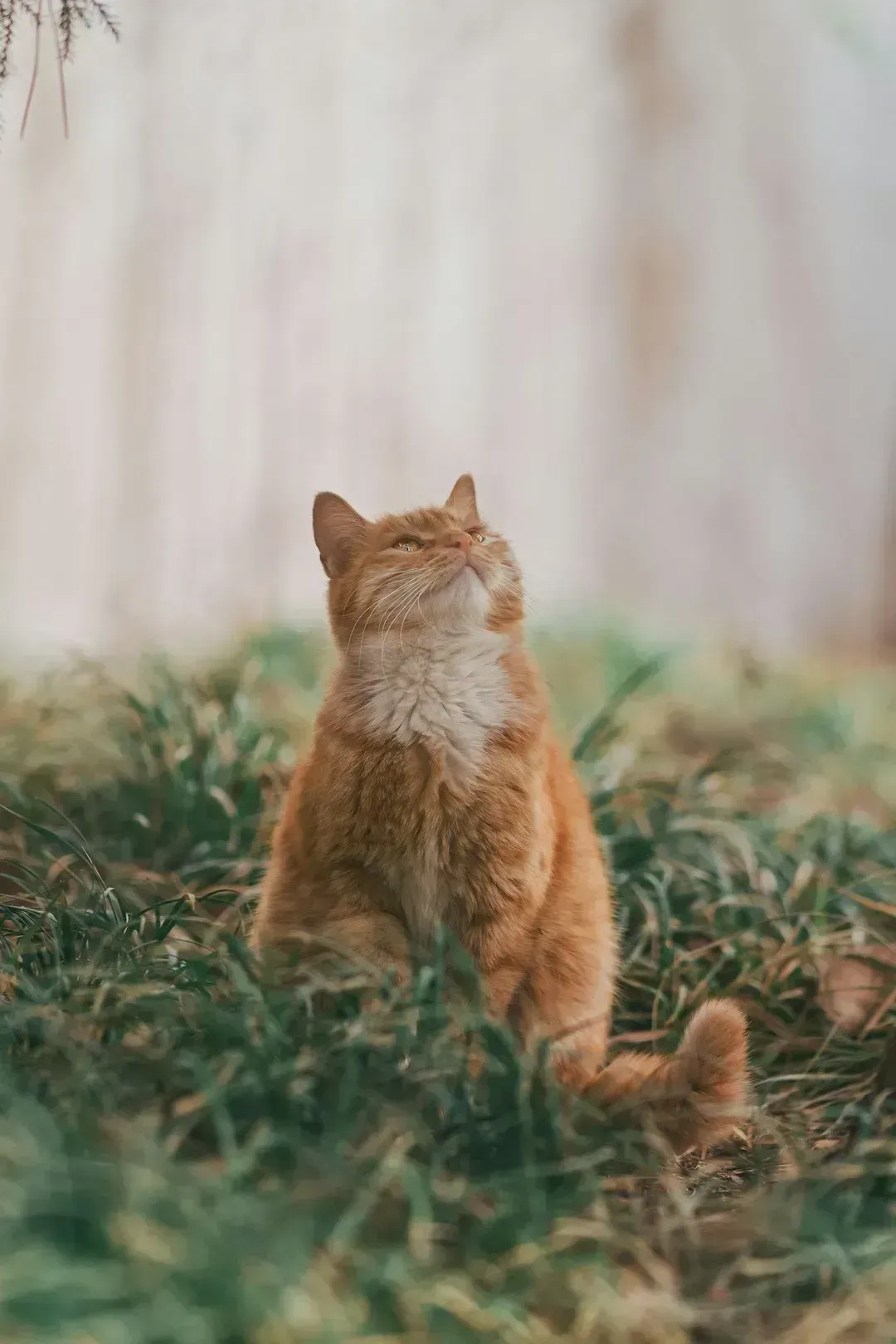
A senior pet suddenly draining the water bowl faster than usual, or asking to go outside more often, is one of the clearest early signals vets pay attention to. The earliest signs are usually increased drinking and more frequent urination, and an ammonia-like breath odor can also be a clue. This pattern shows up across several conditions, not just one, which is why it warrants a vet visit rather than a wait-and-see approach.
In cats, this combination is frequently tied to kidney function decline. Early kidney disease in cats is often silent, though as it progresses owners may notice increased thirst, more frequent urination, weight loss, reduced appetite, and occasional vomiting. Bloodwork typically catches it well before the symptoms become obvious at home.
2. Unexplained weight loss

Losing a little weight is common with age, but a noticeable, unplanned drop in body condition is treated very differently by vets. Sudden weight loss in a senior pet often means something is wrong, especially in cats, with hyperthyroidism, cancer, diabetes, and kidney disease among the common causes. It’s rarely something to simply monitor and hope resolves on its own.
For dogs, the same rule generally applies. A noticeable change in body weight should not automatically be attributed to aging, since unexplained weight loss can occur when a dog has difficulty eating, reduced appetite, digestive problems, or an underlying medical condition. A vet will usually want bloodwork before assuming it’s benign.
3. Reluctance to jump, climb, or use stairs
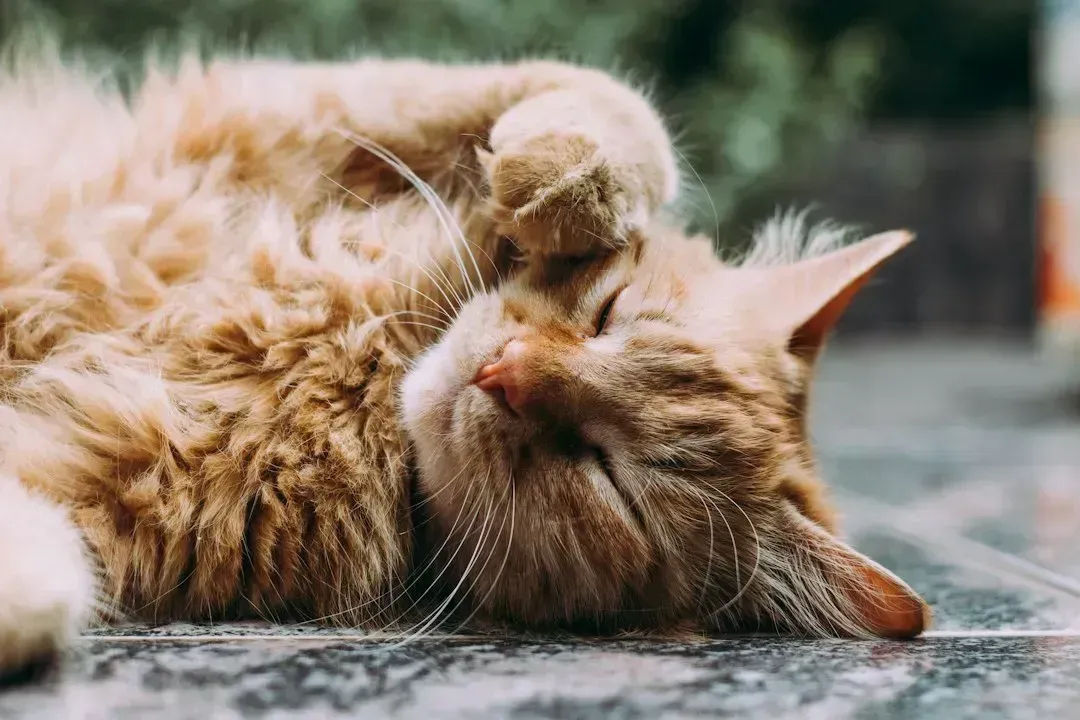
Mobility changes are often the first thing owners describe, even if they don’t realize what they’re describing. Changes in your pet’s activity level can be a warning sign of underlying disease, and a common cause is arthritis, which shows up as pets avoiding running, jumping, climbing stairs, or getting into cars. It’s easy to mistake this for simple laziness.
Cats are especially good at masking this. Arthritis is one of the most underdiagnosed issues in senior cats since they rarely limp or cry out, and instead may quietly stop jumping or climbing. A vet watching for this symptom is often looking for absence of activity rather than an obvious limp.
4. Bad breath and visible dental changes
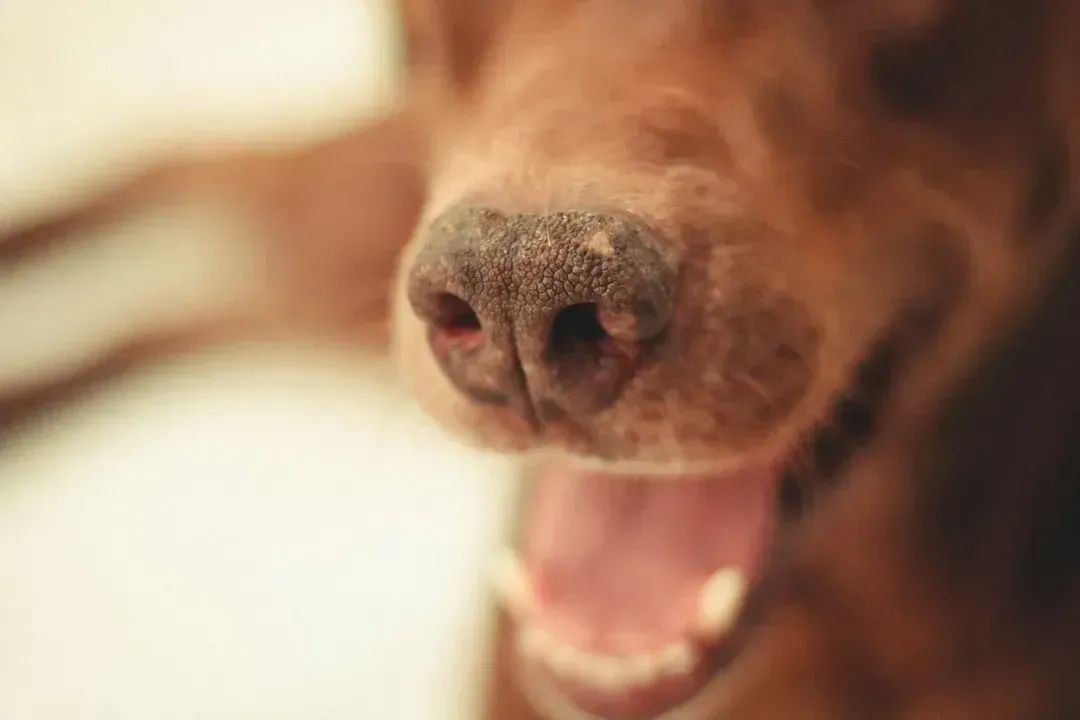
Foul breath in an older pet is almost never just “dog breath” or “cat breath.” Dental problems are extremely common in older pets, and bad breath, tartar, red gums, or difficulty chewing can indicate periodontal disease. Vets flag this early because the mouth connects to the rest of the body in ways owners don’t always expect.
What makes this symptom tricky is that pets often hide the discomfort. Some pets continue eating normally despite significant oral discomfort, so owners may assume everything is fine because their pet hasn’t stopped eating, even though untreated dental disease can cause ongoing pain and affect overall health. Left unchecked, it can escalate quickly.
5. Coughing, wheezing, or labored breathing
Any change in how a senior pet breathes gets immediate attention from a vet, and for good reason. Difficulty breathing is always a red flag, especially in older pets, and coughing or wheezing could indicate heart disease, respiratory infections, or fluid buildup in the lungs. These are not symptoms to monitor at home for very long.
Heart disease in particular can be sneaky. Heart conditions may develop without obvious symptoms in the early stages, with a pet appearing completely normal at home while an abnormal heart sound is detected during a routine exam, and possible warning signs including coughing, reduced stamina, rapid or difficult breathing, weakness, or fainting. Regular checkups often catch this before an owner ever notices a problem.
6. Confusion or disorientation in familiar places
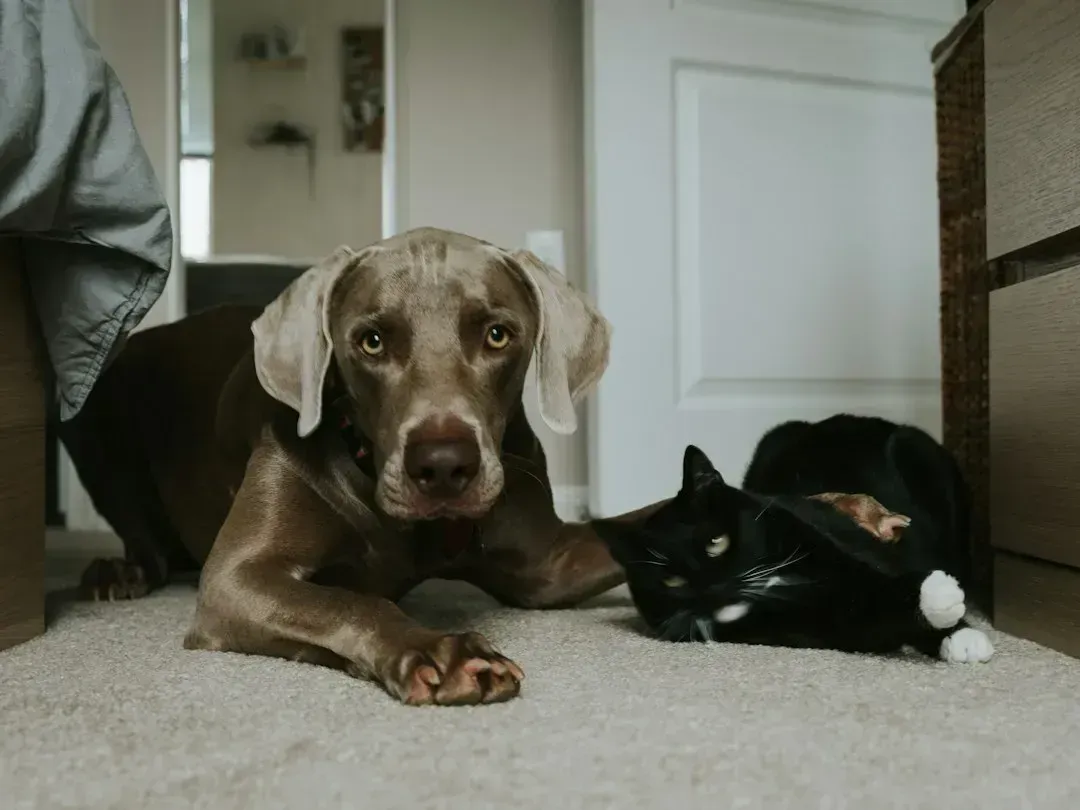
When an older dog or cat seems lost in their own home, it’s rarely just a quirky moment. Cognitive decline often begins with subtle changes, but the first thing many people notice is disorientation and confusion, where the pet becomes confused easily even in familiar environments. Vets treat this as a genuine neurological symptom, not a personality shift.
The scale of this issue tends to surprise pet owners. Up to 60% of dogs over 11 years old show signs of cognitive dysfunction. Cats can develop a similar condition, though it’s diagnosed less often simply because the signs are easier to miss in a species that already sleeps most of the day.
7. Cloudy eyes or vision trouble
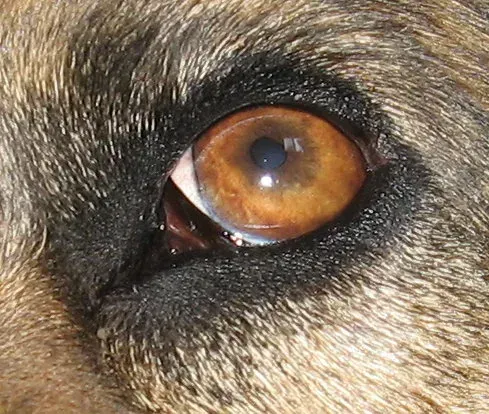
A visible change in the eyes, or a pet suddenly bumping into furniture, is a classic senior symptom vets look for during exams. Vision problems are common in older pets, and owners should watch for changes in eye appearance such as dilated or constricted pupils, squinting, or cloudiness, along with trouble navigating or bumping into objects at night. These changes can develop gradually enough that owners adjust without realizing their pet’s world has shrunk.
Not every case requires alarm, but every case deserves a look. If any of these things are noticed, it’s time for a visit to the veterinarian, who will perform an ophthalmic exam and might refer the case to a specialist. Some conditions are manageable once identified, which is the whole point of catching them early.
8. Changes in appetite, either direction
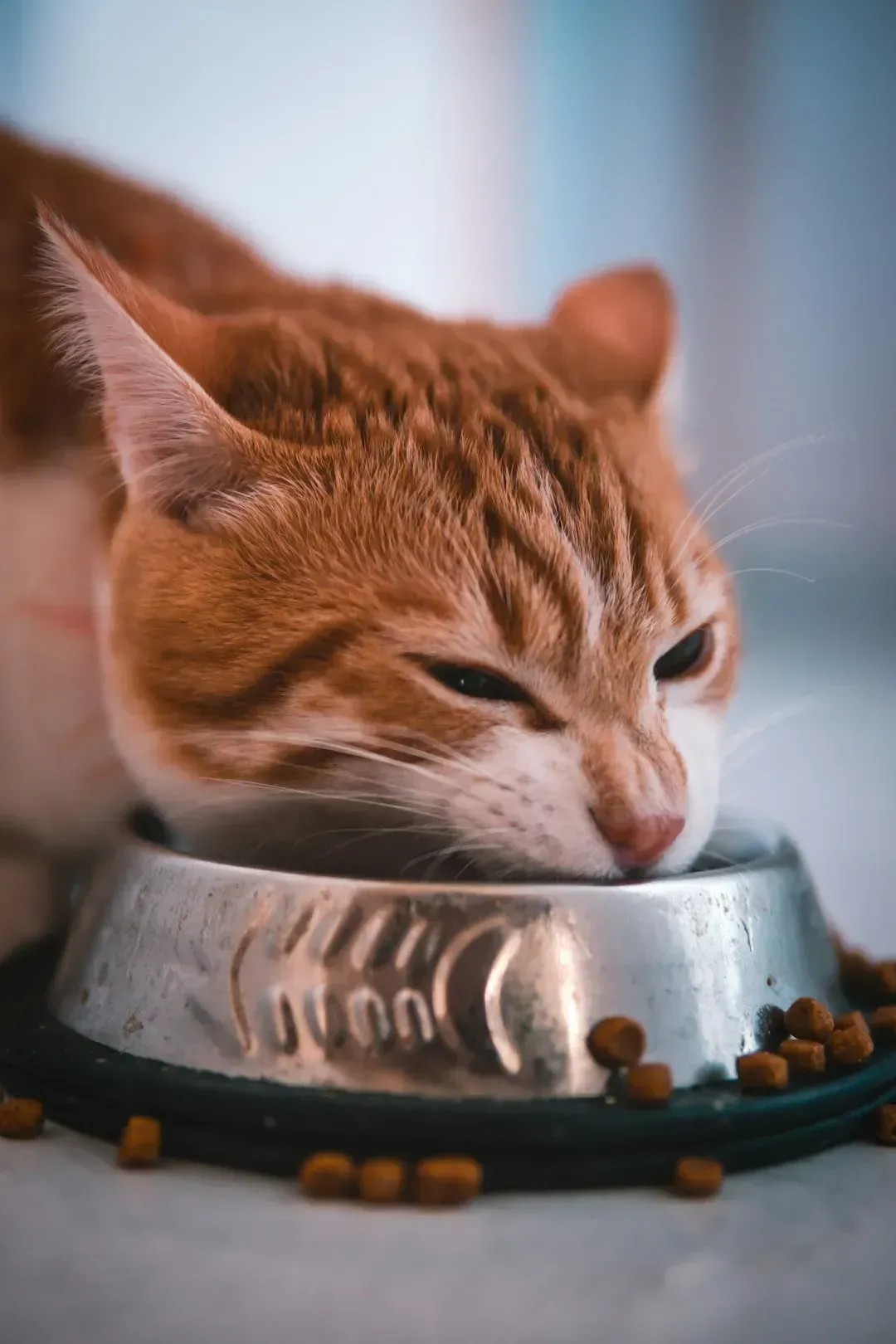
Vets watch appetite closely because it swings both ways in senior pets and each direction tells a different story. Behavioral changes can signal underlying health issues, and one sign to watch for is decreased appetite or sudden overeating. A pet who suddenly wants double portions is just as noteworthy as one who’s pushing food around the bowl.
In cats specifically, an overactive thyroid is a frequent culprit behind the “eating more but losing weight” pattern. The thyroid gland sometimes becomes overactive in older cats, producing too much thyroid hormone, which speeds up metabolism and can cause weight loss, increased appetite, vomiting, and restlessness, though it is highly treatable once diagnosed via blood test. It’s a good example of a symptom that looks worse than it needs to be, provided it’s caught.
9. New lumps, bumps, or skin changes

Any new growth on an aging pet’s body earns immediate attention from a vet, no matter how small it seems. Cancer can cause a wide variety of symptoms depending on the type and location of the tumor, including loss of appetite, weight loss, irregular bumps or lumps, lethargy, difficulty breathing or coughing, unusual bleeding, and behavior changes. Not every lump is serious, but none should be ignored.
The advice from most clinics is consistent on timing. If unusual lumps or bumps are noticed on a pet’s body, it is crucial to have them checked by a veterinarian right away, as early detection can increase odds of successful treatment. A quick exam is usually all it takes to rule out something dangerous.
10. Sudden collapse, weakness, or fainting
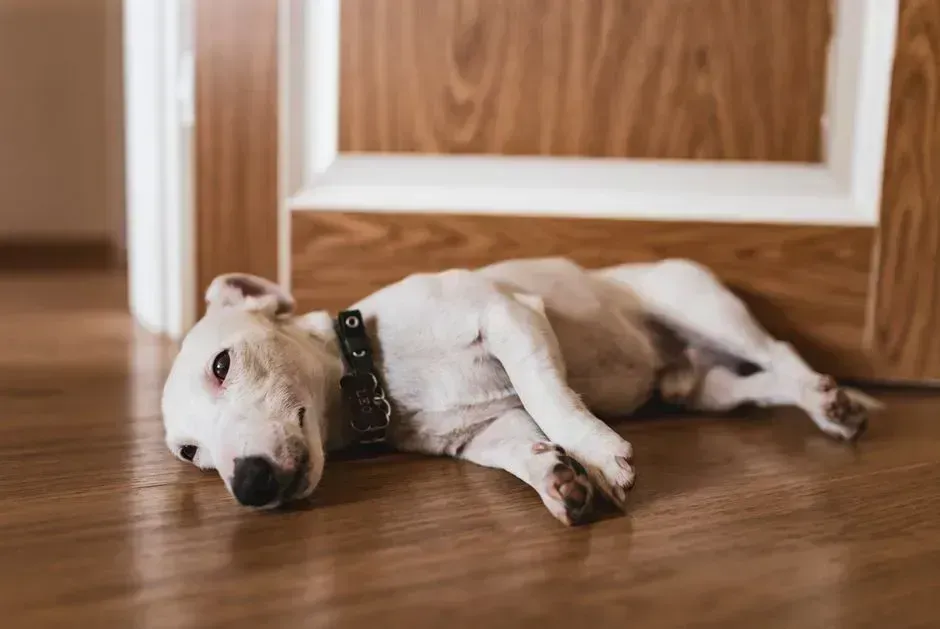
This is the symptom that moves a senior pet visit from routine to urgent almost instantly. A senior pet suddenly collapsing, stumbling, or having trouble standing could be experiencing something serious, and it’s important to seek emergency care immediately since the underlying cause could be life-threatening. Vets don’t wait on this one, and owners shouldn’t either.
It often overlaps with other warning signs already on this list, particularly breathing and heart issues. Some symptoms require more immediate attention, including difficulty breathing, collapse, severe weakness, repeated vomiting, inability to urinate, sudden neurological changes, or significant pain. When several of these show up together, same-day veterinary care is the standard recommendation.
Most of these symptoms share a common thread: they’re easy to explain away as normal aging, right up until bloodwork or an exam reveals otherwise. Twice-yearly wellness visits for senior pets exist precisely because so many of these conditions develop quietly, long before a dog or cat shows the kind of obvious distress that sends owners rushing to the clinic. Catching even one or two of these ten signs early on can make a meaningful difference in how comfortably a pet spends its later years.




Leave a Reply