
1. The evening walk around the block, no matter the weather

Dog walking in the ’90s wasn’t about step counts or fitness tracking. It was simply what happened after dinner, when someone grabbed the leash and the dog practically dragged them out the door. Rain, snow, or humidity didn’t usually cancel it, since most families treated it as a non-negotiable part of the evening.
There was rarely a plan beyond “around the block” or “to the corner and back.” Retractable leashes were becoming more common by the mid-90s, giving dogs a little more room to sniff every mailbox and fence post along the way. It wasn’t glamorous, but it was consistent, and consistency is something dog trainers still point to as one of the most important parts of a dog’s routine.
2. Scooping kibble from a giant bag in the garage

Before boutique dog food brands took over pet store shelves, most families bought whatever large bag was on sale, often stored in the garage or a laundry room closet. Brands like Purina, Alpo, and Kibbles ‘n Bits were staples, and the food usually got scooped with a plastic cup kept right in the bag. There wasn’t much talk about grain-free or limited-ingredient diets; dog food was dog food.
Wet food came in cans that needed a can opener, and mixing a spoonful into the dry kibble felt like a treat for the dog. Portion control was more of a guess than a science, based on the dog’s size and how much was left before the next grocery run. It worked well enough, even if today’s veterinarians would probably raise an eyebrow at some of those feeding habits.
3. Letting the dog out into the backyard, unsupervised
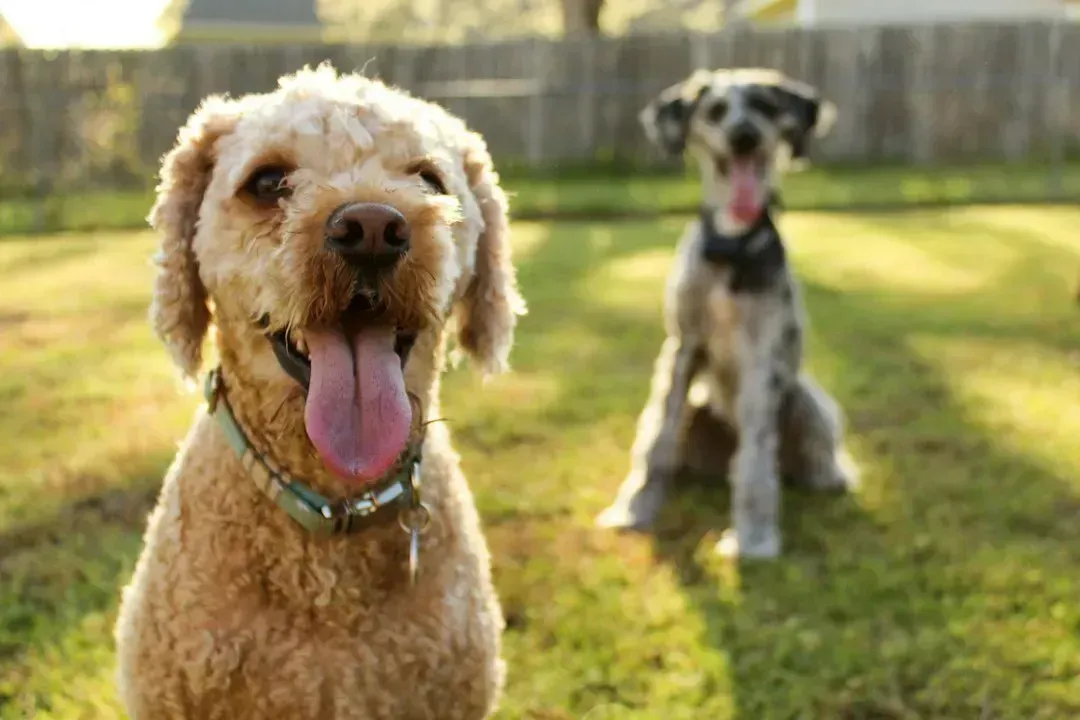
Fenced yards did a lot of heavy lifting in the ’90s. Instead of leashed bathroom breaks, many families simply opened the back door and let the dog wander out on its own for ten or fifteen minutes. It was a low-effort routine that fit around dinner prep, homework, or whatever else was happening inside.
There wasn’t much thought given to what the dog might be doing out there, digging, barking at a squirrel, or just lying in the grass. Invisible fences started gaining popularity during this decade for families without a physical fence, giving dogs even more freedom to roam the yard safely. It was a simpler kind of trust between owner and pet, one that assumed the dog would eventually just come back inside.
4. The annual trip to the vet, and not much else in between

Veterinary care in the ’90s tended to follow a once-a-year rhythm built around vaccinations and a general checkup. Preventive care like monthly heartworm pills existed, but it wasn’t as widely pushed or as automatic as it is today. Many dogs only saw the vet again if something was visibly wrong.
Flea and tick prevention was often handled with powders, collars, or dips rather than the chewable monthly treatments common now. Spaying and neutering rates were rising throughout the decade, partly due to public awareness campaigns from shelters and humane societies. Still, the overall approach to dog health was more reactive than the wellness-focused model families tend to follow in 2026.
5. Table scraps as an unofficial part of the diet
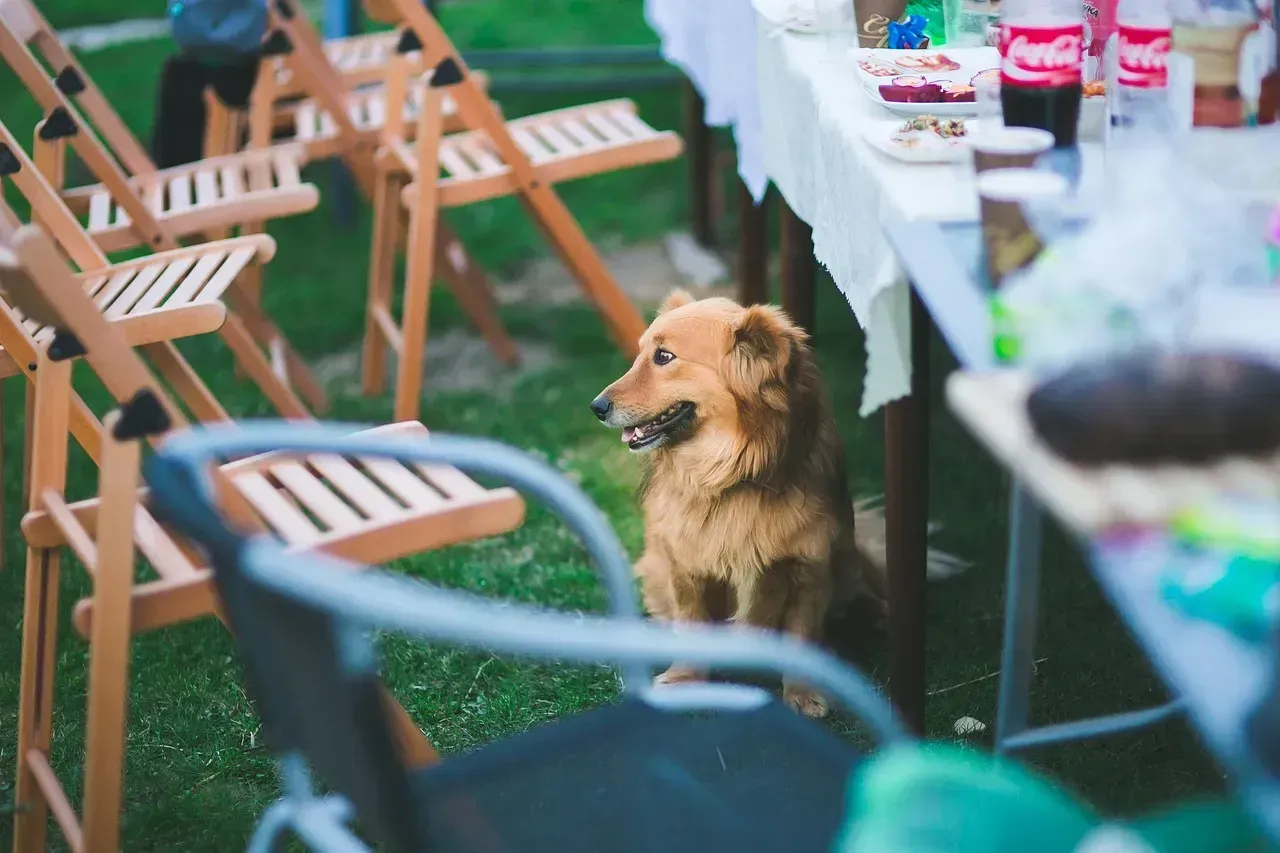
Sneaking food under the table was practically a family tradition in plenty of ’90s households. A piece of chicken skin, a crust of bread, or leftover mashed potatoes often ended up in a dog’s bowl or straight from someone’s hand at dinner. Nobody thought twice about it, even though some human foods aren’t actually safe for dogs.
Dogs quickly learned which family member was the softest touch at the table, usually a kid or a grandparent. This casual approach to feeding has shifted quite a bit, as veterinary guidance today puts more emphasis on avoiding foods like chocolate, onions, and grapes. Back then, though, the occasional scrap was just considered part of being a good dog owner.
6. Riding loose in the car, head out the window
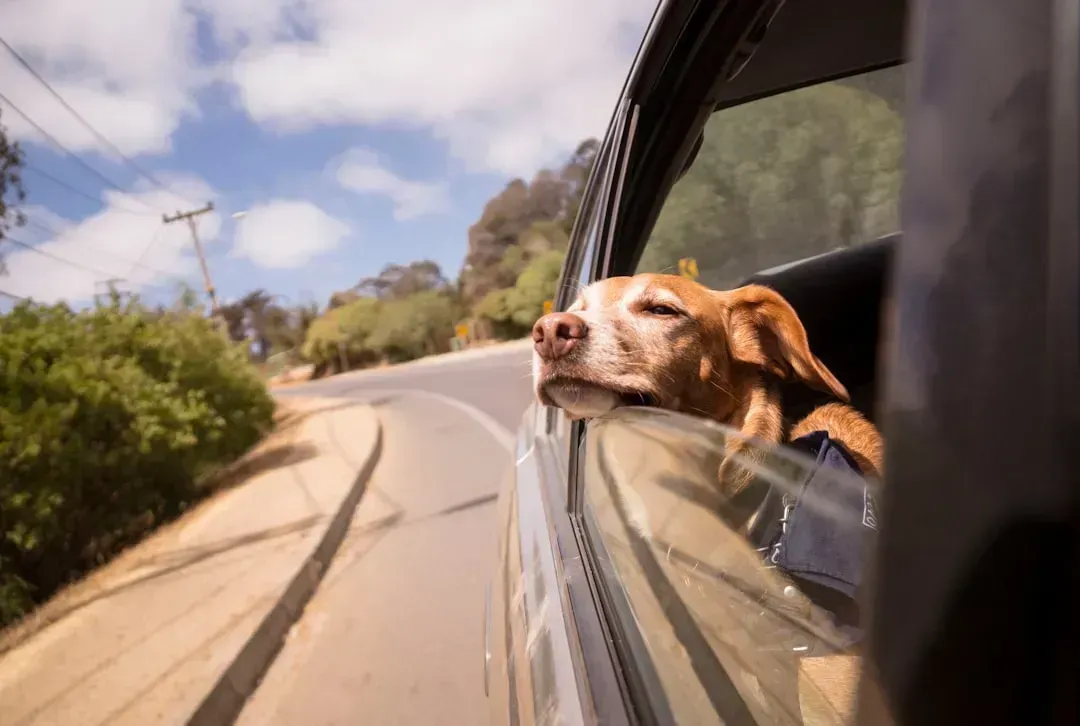
Dog seatbelts and travel crates weren’t really part of the conversation for most families in the ’90s. Dogs rode in the back seat or the way-back of a station wagon, often with their head hanging out the window as the car moved. It’s one of those images that instantly brings the decade back for anyone who lived it.
Car rides to the vet, the park, or grandma’s house were treated as exciting outings rather than logistical challenges. Safety research on pet travel restraints has grown significantly since then, and organizations like the Center for Pet Safety now test and rate crates and harnesses for crash protection. That kind of scrutiny simply didn’t exist in the same way three decades ago.
7. Watching Animal Planet or old dog movies together
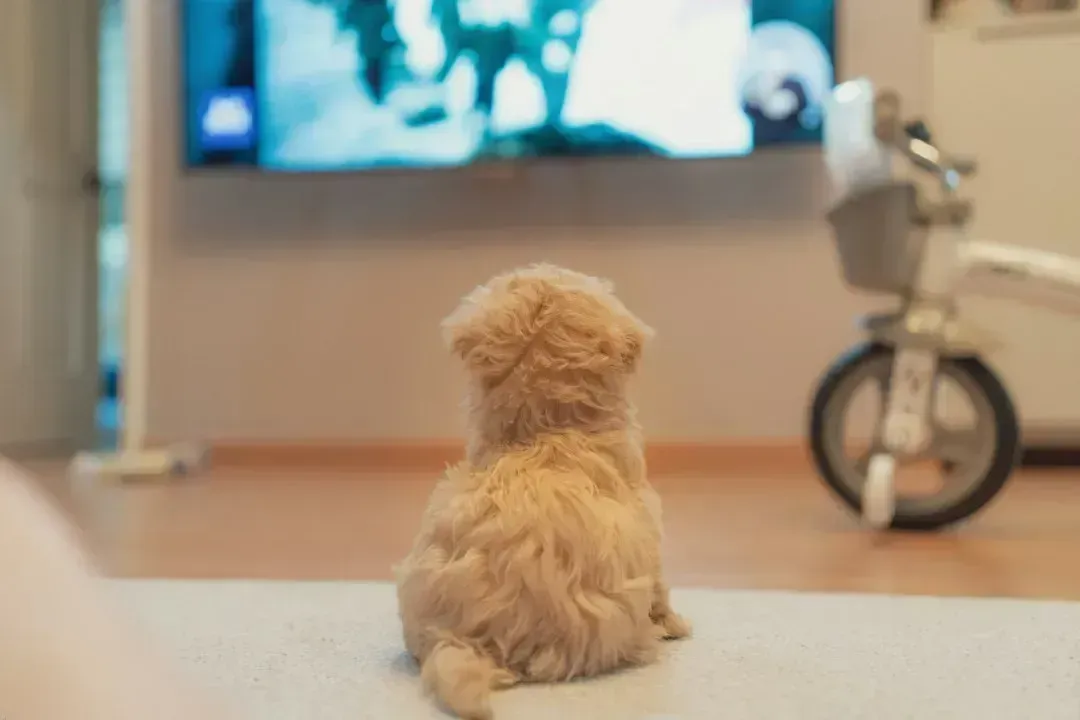
Family dog culture in the ’90s was heavily shaped by television and movies. Shows on Animal Planet, which launched in 1996, brought animal stories into living rooms on a regular basis, while films fed a wave of interest in specific breeds and dog ownership in general. Kids often begged for a dog after watching one of these movies, and plenty of parents gave in.
Watching these shows or movies became its own kind of family routine, often with the actual family dog curled up on the couch nearby. It wasn’t unusual for a dog to get extra attention or a belly rub during particularly emotional scenes. Pop culture and pet ownership were tightly linked in a way that felt very specific to that decade.
8. Basic obedience training, if any at all
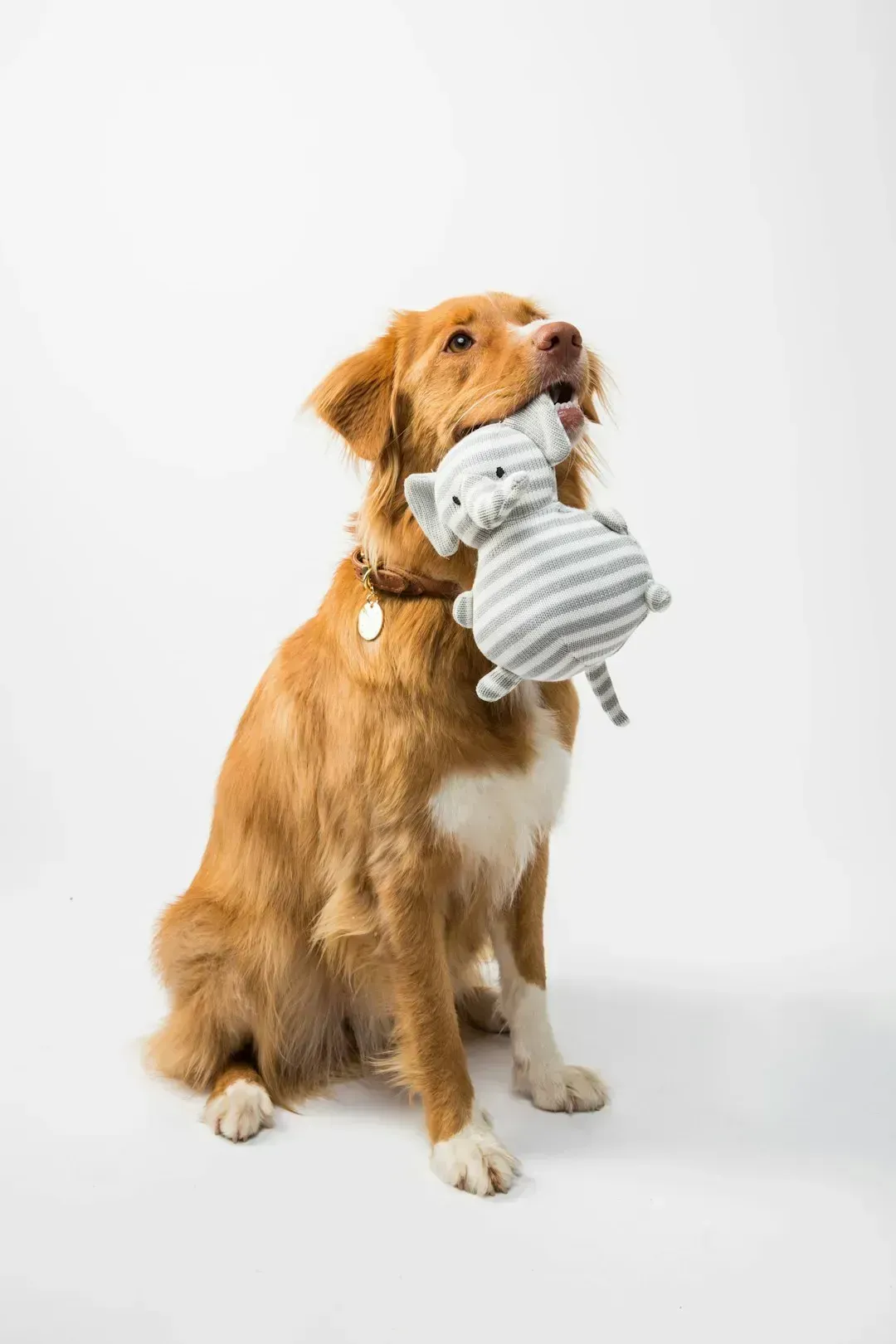
Formal dog training classes existed in the ’90s, but they weren’t nearly as mainstream or specialized as they are now. Many families relied on word-of-mouth advice, library books, or simply repeating “sit” and “stay” until the dog eventually got it. Choke chains and check collars were common training tools, reflecting the more dominance-based training philosophies popular at the time.
Positive reinforcement training using treats and clickers was gaining traction by the late ’90s but hadn’t yet become the dominant approach it is today. Professional organizations like the Association of Professional Dog Trainers, founded in 1993, were just beginning to shape more standardized, science-based methods. For most families, though, training was a casual, at-home effort rather than a structured program.
9. The dog sleeping wherever it wanted, rules or not

Despite plenty of parents insisting the dog wasn’t allowed on the furniture, most ’90s family dogs found their way onto couches, beds, and favorite armchairs anyway. The “no dogs on the bed” rule was more of a suggestion that softened the longer a family had their pet. By the end of the decade, plenty of dogs had a permanent, unofficial spot claimed somewhere in the house.
Dog beds existed, but they were often more decorative than functional, with the family pet choosing a human bed or the good couch instead. This blurred line between pet and family member reflected a broader cultural shift happening throughout the ’90s, as dogs increasingly moved from backyard animals to full household members. That shift has only continued since, with pet humanization now a well-documented trend in how American families relate to their dogs.





Leave a Reply