
Spend enough years with a dog underfoot and certain phrases start slipping out of your mouth automatically, often mid-sentence, sometimes to people who don’t even have a pet in the room. These little verbal habits form quietly, one repeated moment at a time, until they become part of how you talk. Most dog owners never notice they’re doing it until someone points it out or they catch themselves saying it to a coworker who has no idea what they’re talking about.
What’s interesting is how universal these phrases are across different breeds, ages, and households. Whether the dog is a scrappy rescue or a purebred show dog, the language that comes with long-term ownership tends to converge on the same handful of expressions. Here are nine of the most common ones, along with a look at why they stick around.
1. “She knows she did something”
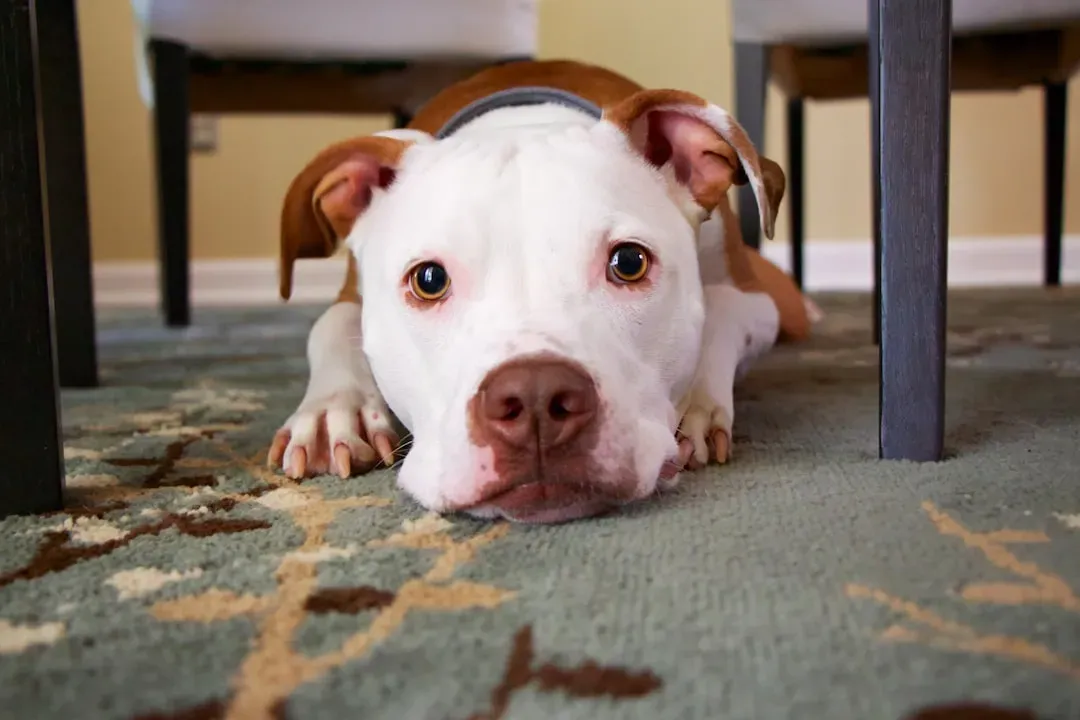
This phrase comes out almost reflexively when a dog slinks away with lowered ears or refuses to make eye contact after chewing a shoe or knocking over a plant. Owners interpret this behavior as guilt, but animal behaviorists have pointed out that what looks like remorse is more likely a learned response to a person’s tone, posture, or facial expression rather than actual awareness of wrongdoing. Dogs are remarkably good at reading human body language, so they react to the owner’s reaction, not necessarily to their own past actions.
Still, the phrase persists because the behavior is so convincing in the moment. It gets said in living rooms, in vet waiting rooms, and in group texts among dog owners comparing notes on their pets’ latest mischief. The phrase has become shorthand for a specific kind of guilty-looking slink that almost every dog seems to perform at some point.
2. “He’s talking to me”
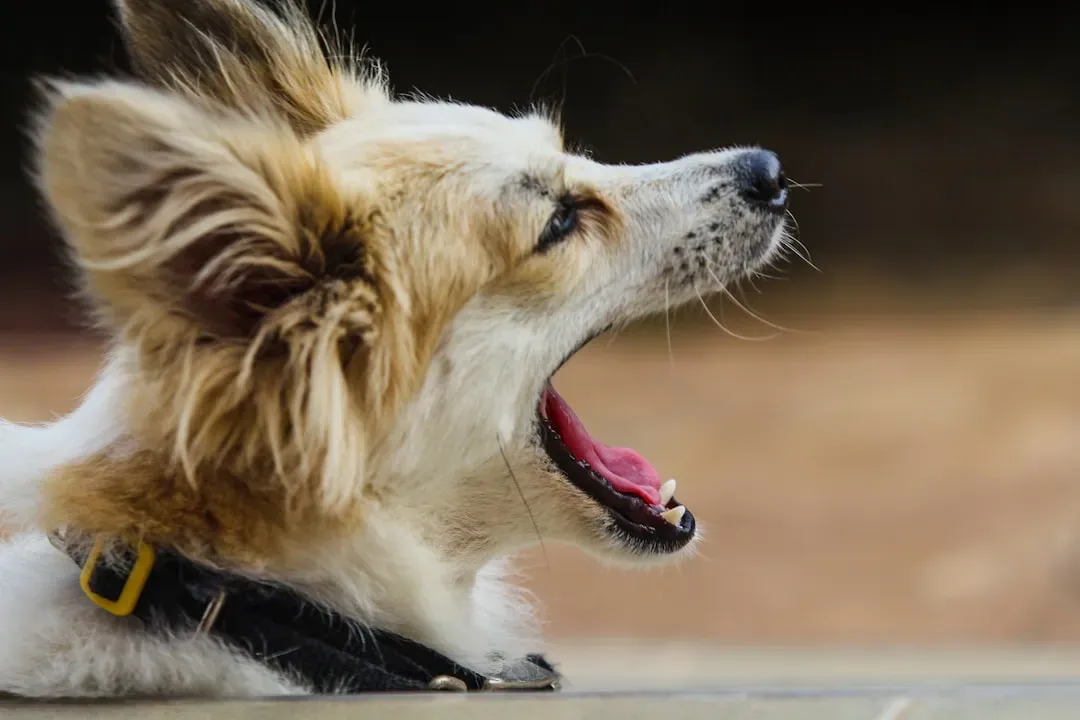
Long-term owners often describe their dog’s grumbles, sighs, or half-barks as conversation, insisting the dog is trying to communicate something specific. This isn’t entirely off base. Dogs do use a range of vocalizations, body postures, and facial movements to signal needs, moods, and requests, and owners who spend years with the same dog become fluent in reading these signals even if they can’t always explain how.
The phrase tends to show up during routine moments, like when a dog groans while settling onto the couch or huffs when dinner is five minutes late. Owners aren’t necessarily claiming their dog speaks English. They’re acknowledging a pattern of communication that’s developed between two species living in close quarters for years.
3. “That’s her spot”
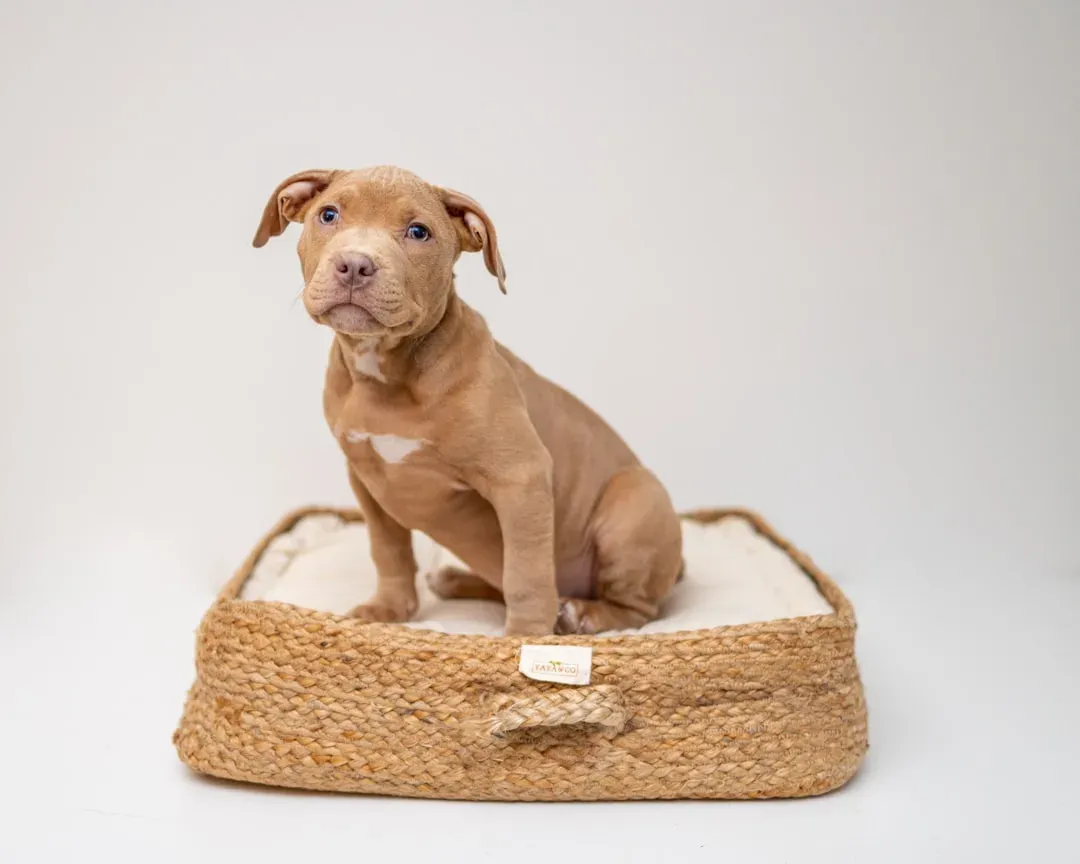
Every long-term dog owner eventually designates certain furniture, floor patches, or car seats as belonging exclusively to the dog, and they say so without a hint of irony. This possessiveness on behalf of the animal isn’t really about ownership in a legal sense. It reflects how deeply routines and territories become embedded in a household once a dog has lived there for years.
Guests are often informed of this rule before they even sit down, sometimes apologetically, sometimes not. The phrase signals a small but real shift in how the home is organized, with the dog’s preferences treated as fixed points rather than negotiable ones.
4. “He’s not a fan of that”

This phrase gets deployed constantly to explain a dog’s aversions, whether it’s a specific vacuum attachment, a particular guest, or an oddly shaped balloon. It sounds almost like describing a person’s taste in food or music, and that’s part of the point. Owners who’ve lived with a dog for years develop a mental catalog of likes and dislikes that’s often more detailed than what they could rattle off about some of their own friends.
Veterinarians and trainers generally agree that dogs do form consistent preferences and aversions based on past experiences, especially around sounds, textures, and unfamiliar objects. So when an owner says their dog isn’t a fan of something, they’re usually drawing on a real, observed pattern rather than projecting human tastes onto the animal.
5. “She’s my alarm clock”

Dogs tend to develop internal schedules tied to feeding times, walks, and their owner’s daily routines, and many end up waking their owners at almost the exact same time every morning. This isn’t coincidence. Research on canine circadian rhythms suggests dogs are sensitive to consistent daily patterns, and years of repetition reinforce those internal clocks until they become remarkably precise.
The phrase usually comes with a mix of affection and mild irritation, especially on weekends when the dog doesn’t understand the concept of sleeping in. It’s one of the clearest examples of how a dog’s biology and a household’s rhythm merge over time into something an owner starts relying on without meaning to.
6. “He’s just being dramatic”

This phrase surfaces when a dog yelps loudly after a minor bump, whines theatrically at a closed door, or collapses onto the floor for what appears to be no reason at all. Long-term owners learn to distinguish between genuine distress and what looks like exaggerated reaction, usually because they’ve seen the same performance repeated dozens of times under similar low-stakes circumstances.
That said, owners are also generally advised to stay alert, since sudden changes in a dog’s vocalizations or behavior can sometimes indicate pain or discomfort that shouldn’t be dismissed. The phrase works as a kind of shorthand built from experience, but most attentive owners still keep half an eye on whether the drama fits the usual pattern or seems different this time.
7. “She only listens when she wants to”

This phrase usually comes up with a laugh, often right after a dog ignores a command it clearly knows well. Selective listening isn’t necessarily defiance. Trainers note that a dog’s responsiveness can depend heavily on distraction level, motivation, and how consistently a command has been reinforced, which means the same dog might respond instantly at home but seem to forget everything at the park.
Owners who’ve lived with the same dog for years tend to know exactly when this selective listening will kick in, whether it’s around squirrels, other dogs, or an open trash can. The phrase becomes less of a complaint over time and more of an accepted quirk, filed away alongside all the other predictable patterns that come with knowing an animal well.
8. “That’s just how he sits”

Dogs develop specific postures and resting positions that become instantly recognizable to their owners, whether it’s a particular way of curling up, sprawling across a doorway, or perching half on and half off a chair. This phrase gets said almost defensively, usually when someone unfamiliar with the dog raises an eyebrow at an odd position. Owners have simply seen it so many times that it no longer registers as unusual.
Veterinarians note that resting posture can sometimes offer clues about comfort or joint health, particularly in older dogs, so this phrase occasionally carries more weight than it seems. Still, in most cases, it really is just a personal quirk, one of countless small habits that accumulate into a dog’s individual character over years of observation.
9. “We don’t go near that anymore”

This phrase refers to a specific place, object, or situation that’s been quietly phased out of the routine because the dog reacted badly to it once, sometimes years earlier. It might be a particular street corner, a certain type of toy, or even a specific chair at the vet’s office. Long-term owners rarely need to explain the full backstory anymore. They’ve adjusted the routine so thoroughly that the avoidance itself feels normal.
Behavior specialists point out that dogs can form strong associations from a single negative experience, and these associations can persist for years without regular exposure to counteract them. So while the phrase might sound mysterious to someone hearing it for the first time, it usually traces back to one memorable incident that reshaped the household’s habits going forward.





Leave a Reply