
A can of whipped cream isn’t something most people think twice about. Yet with Thanksgiving a few weeks away, one recall tied to that very product has landed right in the middle of holiday shopping lists.
Recalls come in many forms, and the headlines don’t always explain which ones matter to you. Here’s a clear look at the newest alert, the others running alongside it, and what the notices actually ask you to do.
The Kirkland Whipped Cream Recall
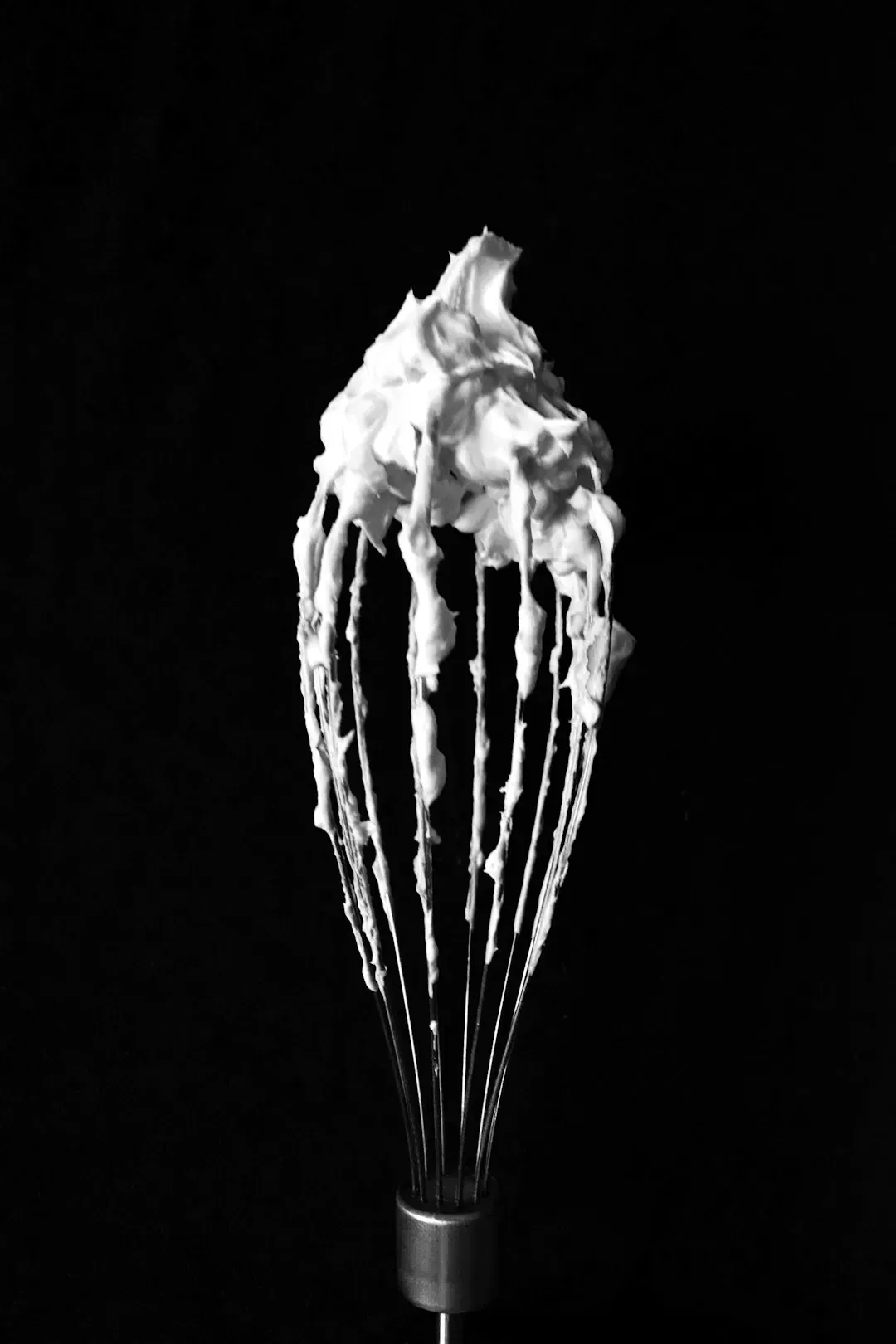
Alamance Foods, Inc. announced last week that it was voluntarily recalling cans of Kirkland Signature Real Heavy Whipped Cream due to the potential presence of a cleaning chemical. ABC News reported on it on November 16, 2026, noting that a popular Thanksgiving staple has been voluntarily recalled just weeks ahead of the holiday.
The company said it began the recall after learning that one batch may contain a small amount of a cleaning chemical. That wording points to a single batch, not the whole product line, which matters for anyone checking their fridge.
Who Might Have Bought It
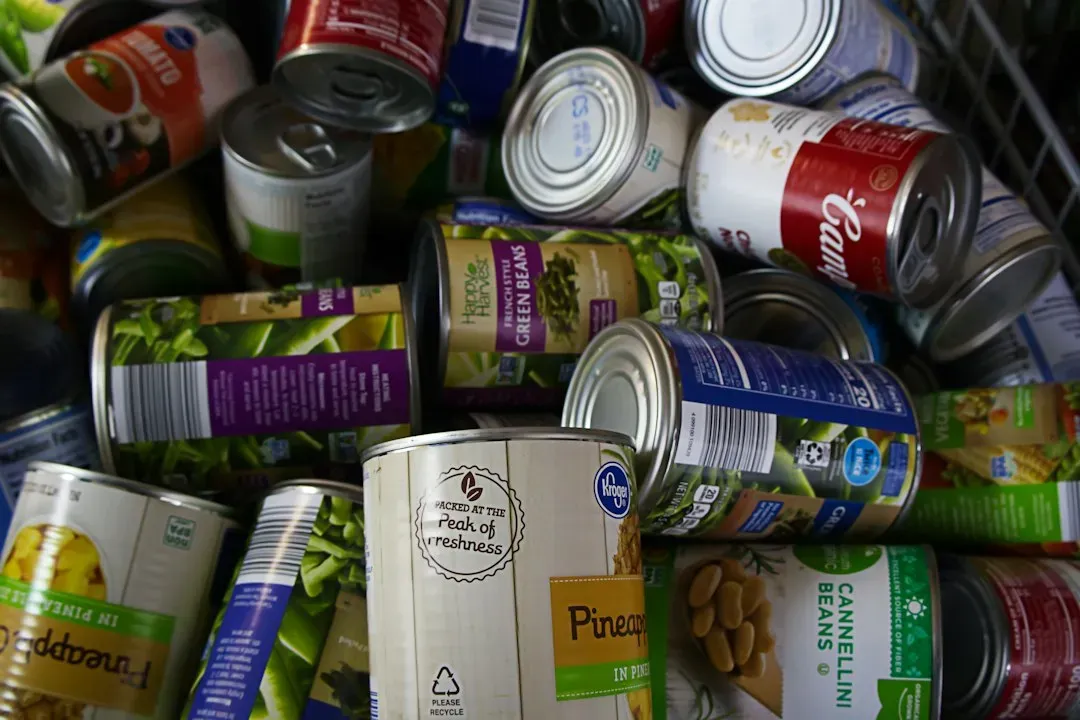
The scope here is fairly narrow. Recalled cans were sold between Oct. 11 and Oct. 31, 2026, in Alabama, Florida, Georgia, Iowa, Illinois, Indiana, Missouri, Mississippi, North Carolina, South Carolina, Tennessee and Wisconsin.
The packaging is also specific. The recalled whipped creams were sold in packs of three 15 ounce cans, so a single can from another store or another time frame wouldn’t be part of this notice.
A Listeria Alert Involving Biscuits
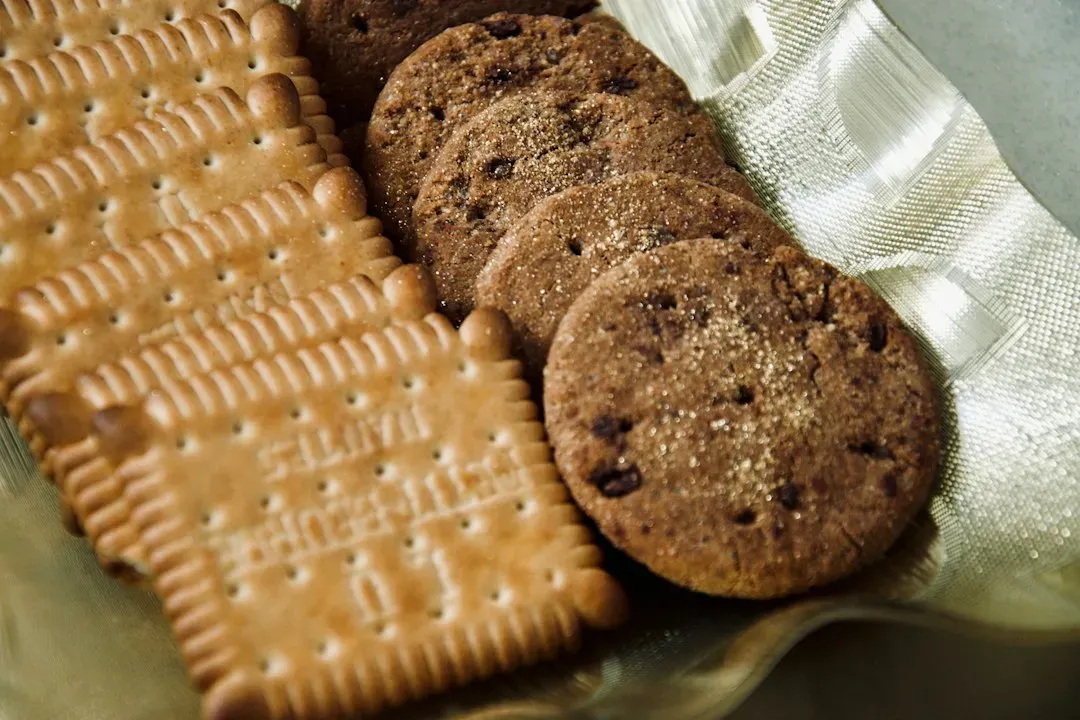
Another notice is worth a look if you buy packaged meat products. The USDA’s Food Safety and Inspection Service is issuing a public health alert for ready to eat meat products containing FDA regulated biscuits that may be contaminated with Listeria monocytogenes.
This one is a ripple effect. The contamination concern sits with an ingredient, and a recall tracker notes that additional downstream products may be identified as this ingredient recall progresses. In other words, the list of affected items could grow.
Allergen Problems Are a Steady Part of the Picture

Not every alert involves bacteria or chemicals. On November 16, a tracker listed that Whole Foods Market of Austin, TX is recalling Fromagerie Coop de Mean Cabricharme cheese because the product contains egg lysozyme, an egg white protein, which is not declared on the product label.
FSIS also issued an alert for frozen, not ready to eat, meat and poultry products due to misbranding and undeclared allergens. For people with food allergies, a missing label line is a real hazard, even when the food looks perfectly normal.
Recall or Public Health Alert: What’s the Difference?
The terms get mixed up, but they aren’t identical. In the UK, the Food Standards Agency explains that food can be recalled for reasons such as contamination with pathogens like listeria or salmonella, or manufacturing faults such as plastic or metal in the product. It adds that incorrect or missing allergen information can also lead to an allergen recall.
A voluntary recall usually means a producer has pulled a batch from the market. Meanwhile, UK guidance describes an allergy alert as being issued when an ingredient that’s an allergen to some people accidentally gets added to a product. The purpose is simple: help affected people avoid it.
How Many Recalls Are Active Right Now
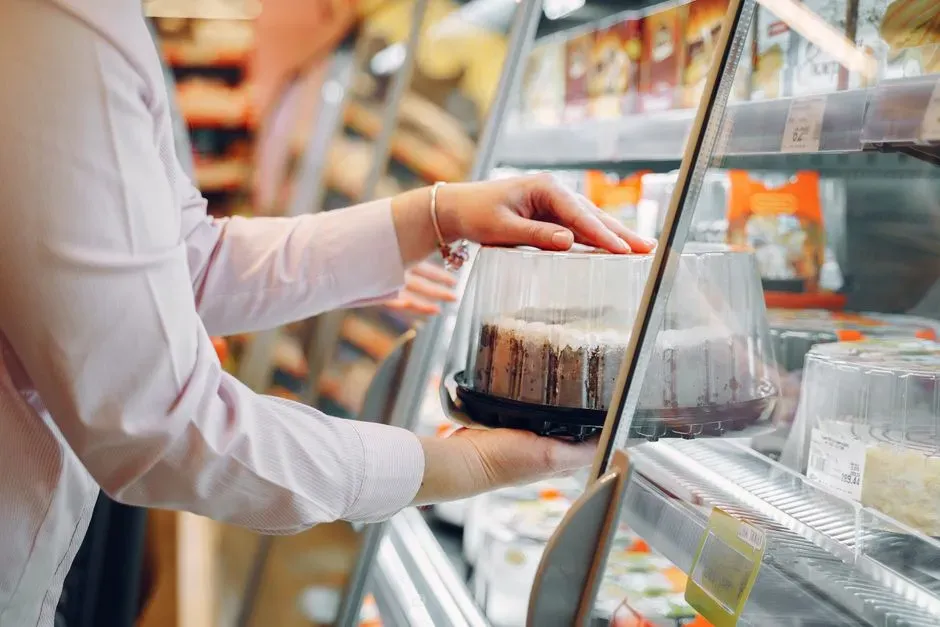
The volume can feel startling. As of November 16, 2026, one tracking site counted 313 active U.S. food recalls, including 141 Class I, 126 Class II, and 46 Class III. That means well over three hundred open cases, with nearly half in the most serious category.
Context helps here. The same site says these are recalls the FDA or USDA has not marked closed, so the count includes older notices still in progress. It’s a third party tracker, so treat the number as a rough guide and not an official tally.
Other Recent Recalls Worth Knowing
October brought its own mix. A FoodReady listing shows Lidl US recalling Gelatelli coffee and vanilla gelato on October 17 for potential contamination with Listeria monocytogenes. Another entry from October 27 covers cold smoked sprat fish from Haifa Smoked Fish, tied to potential contamination with Clostridium botulinum.
There was also a physical hazard. Natural Grocers’ two pound mung beans were recalled on October 22 for possible foreign material contamination with glass. The range of causes is a reminder that recalls aren’t all about germs.
What to Do If You Have the Product at Home
Start by checking the exact product name, size, and any lot or date codes in the notice. For the whipped cream, that means looking at the Kirkland Signature cans and comparing them with the sale window and states listed above. Don’t taste something to test it.
If your product matches, follow the instructions in the company notice, which typically involve returning it for a refund or throwing it out. Keep it away from children and pets until you’ve dealt with it. If someone has eaten a recalled item and feels unwell, contact a healthcare provider.
Staying Informed Without the Panic
You don’t need to read every headline. The USDA’s FSIS maintains a central page of recalls and public health alerts, and in the UK, the Food Standards Agency lets people sign up to its food and allergy alerts service.
Retailers often share their own notices too, as Costco did with its letter from the whipped cream manufacturer. Checking an official source once a week, especially before a big holiday shop, is usually enough to catch what affects your household.



Leave a Reply