
The Caribbean has long been the crown jewel of cruise destinations, drawing millions of passengers each year with its promise of turquoise waters, pristine beaches, and tropical paradise. Yet beneath the glossy brochures and Instagram-perfect sunsets lies a less comfortable truth. Several popular Caribbean ports have seen safety concerns escalate dramatically in recent years, prompting cruise experts and government officials to sound alarm bells about real dangers facing travelers.
While cruise lines work hard to ensure passenger safety, the reality is that some ports present genuine risks that cannot be ignored. The FBI received 138 reports of criminal activity on a cruise ship between January and September 2025, though many of the most serious concerns center on what happens when passengers step off the vessel and into port communities struggling with crime, gang violence, and political instability. Understanding which destinations warrant extra caution has become essential for cruise travelers planning their Caribbean getaways in 2026.
Haiti: The Level 4 Warning That Changed Everything

The State Department has listed Haiti as Level 4: Do Not Travel due to widespread kidnapping, civil unrest, violent crime, and lack of healthcare infrastructure. This represents the most severe travel advisory the United States government can issue, effectively telling Americans to avoid the country entirely. The situation deteriorated so dramatically that even Royal Caribbean’s private resort at Labadee, located on a remote peninsula roughly 100 miles from the capital Port-au-Prince, became off-limits.
No Royal Caribbean ship has visited Labadee as part of a scheduled port stop since April 2025, following a stoppage of visits in 2024. The cruise line extended its suspension through the end of 2026, citing safety concerns despite Labadee’s isolated location and private security. Haiti has been in a state of emergency since March 2024 when gang violence surged and caused civil panic around its cities. Gang control has spread across northern and western regions, creating a humanitarian crisis that shows no signs of immediate resolution. Cruise passengers who once enjoyed this exclusive beach destination now find their itineraries rerouted to safer alternatives like Nassau, Grand Cayman, or Puerto Plata.
Jamaica: High Homicide Rates Despite Tourism Appeal
Jamaica presents a complex situation for cruise travelers. The island welcomes millions of visitors annually across its five cruise ports including Montego Bay, Ocho Rios, and Falmouth. In 2024, more than 1.4 million cruisers sailed to Jamaica, generating nearly two hundred million dollars in revenue. Despite these impressive numbers, the country carries serious safety concerns that cannot be dismissed.
The Department of State regularly warns tourists of violent crime, noting that homicide rates are the highest in the Western hemisphere, and sexual assaults and armed robberies are common. The good news is that Jamaica’s travel advisory was downgraded from Level 3 to Level 2 at the end of May 2025, following an 18 percent decrease in major crimes. However, violent crime is still prevalent and Jamaica has one of the highest homicide rates in the Western Hemisphere. Cruise experts strongly recommend staying within organized tour groups and avoiding independent exploration beyond secure port areas.
Nassau and Freeport: Trouble in Paradise

Nassau welcomed a record-breaking 5.6 million guests in 2024, making it one of the busiest cruise ports worldwide. Yet popularity does not equal safety. In early 2024, the U.S. State Department raised the travel advisory for the country to Level 2: Exercise Increased Caution, identifying the main areas of concern as New Providence (Nassau) and Grand Bahama (Freeport). The proximity to Florida makes these ports convenient stops for short cruise itineraries, but rising crime has become impossible to ignore.
The US State Department raised its advice to level two due to rising crime and murders, reporting that in the month before one travel expert visited there had been 18 murders, including in broad daylight on the streets mostly related to gang violence. Sexual assaults by jet ski operators have been reported at Nassau’s beaches in 2025, and guests should remain vigilant for spiked drinks, taxi scams, and both credit card and ATM fraud. The concentration of thousands of cruise passengers in port daily makes tourists attractive targets for criminals. Staying within heavily patrolled tourist zones and avoiding ventures beyond Shirley Street remains the safest approach.
Trinidad and Tobago: State of Emergency Territory
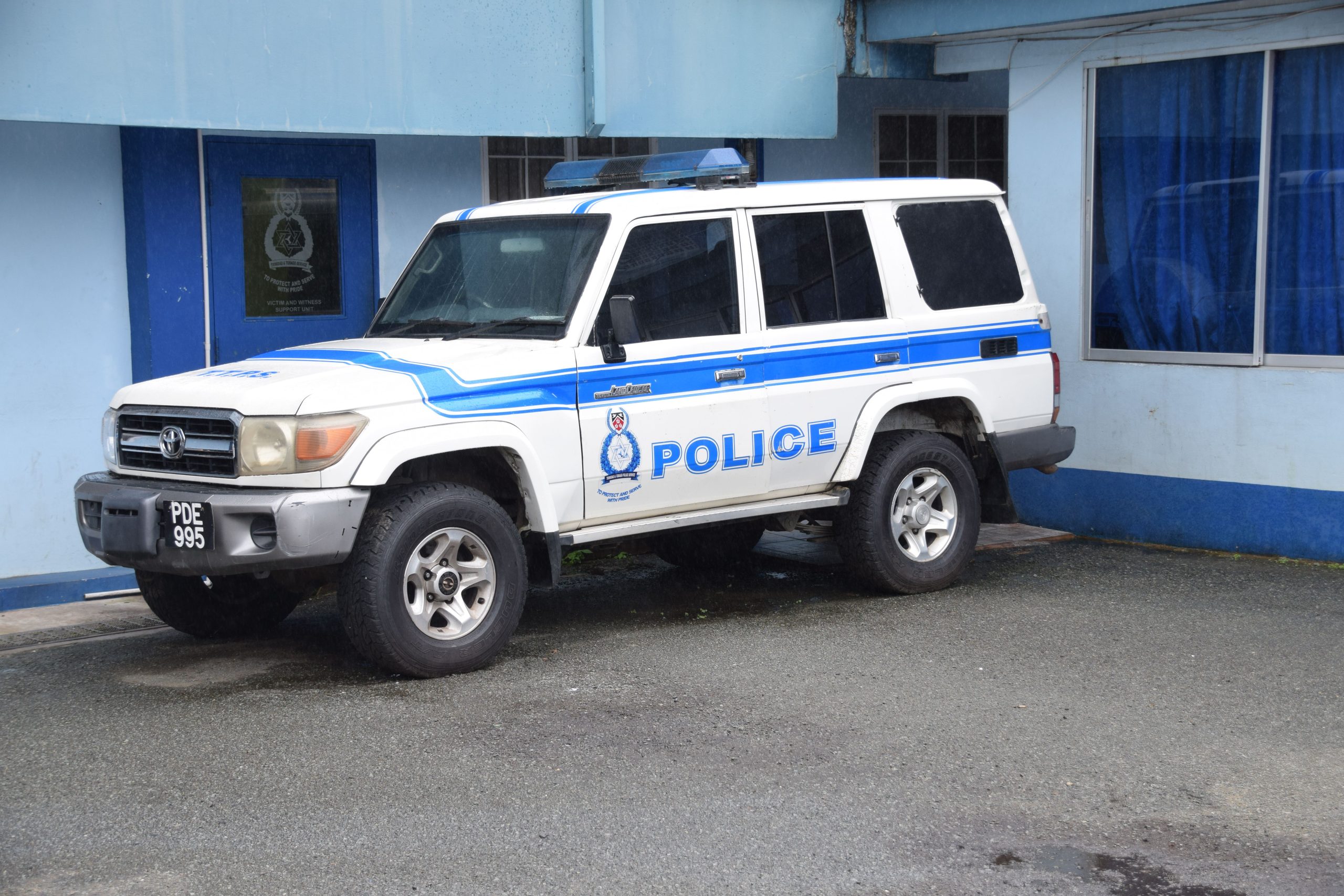
Trinidad and Tobago, the southernmost nation in the Caribbean, declared a nationwide state of emergency on December 30, 2024, following a weekend of deadly gang violence. The U.S. State Department issued a Level 3: Reconsider Travel warning for Trinidad and Tobago due to crime, stating visitors should reconsider travel due to serious risks from crime with heightened risks of terrorism and kidnapping. The declaration came after escalating conflicts between rival gangs reached unprecedented levels.
In 2024, the Trinidad and Tobago Police Service reported 623 murders, or about 37 per 100,000 people, making the nation the sixth most dangerous worldwide. Port of Spain, the capital and main cruise port, saw particularly high crime rates. Violence and shootings occur regularly in some areas of Port of Spain, gang activity such as narcotics trafficking is common, and a significant portion of violent crime is gang-related. Despite the ongoing situation, several cruise lines including Royal Caribbean continue calling at Port of Spain, though passengers should exercise extreme caution and stick exclusively to vetted tour operators.
Roatán and Lesser-Known Caribbean Ports

Honduras maintains a Level 3 travel advisory, and while the island of Roatán off the northern coast is considered safer than the mainland, risks remain. The mainland of Honduras has a high kidnapping rate, and while Roatán has lower crime rates, theft, assaults, and robberies do occur, particularly in areas like Coxen Hole where cruise ships dock. Major cruise lines including Carnival, which operates its own private port at Mahogany Bay, continue visiting despite the warnings.
Other ports facing elevated advisories include Grenada, which was raised from Level 1 to Level 2 on January 5, 2026. The Dominican Republic’s popular ports like La Romana and Puerto Plata operate under Level 2 advisories due to crime concerns. The Dominican Republic’s Puerto Plata saw over 2.8 million visitors come in by cruise ship in 2024, but travelers should remain vigilant about petty theft and scams, particularly outside designated tourist zones. Even Cozumel, long considered among the safer Mexican ports, now requires increased caution due to broader regional concerns about cartel activity, though the island itself remains relatively secure compared to mainland areas.
Staying Safe: What Cruise Experts Recommend
Cruise experts emphasize that understanding risk does not mean avoiding all Caribbean cruises. The key lies in being informed and taking appropriate precautions. First and foremost, travelers should check State Department advisories immediately before departure, as situations can change rapidly. Booking all shore excursions directly through the cruise line ensures vetted operators with accountability should problems arise.
When in port, experts recommend staying within designated tourist areas, traveling in groups rather than venturing out alone, and avoiding walking or driving after dark. Keep valuables minimal and secured, never flash cash or expensive jewelry, and remain aware of surroundings at all times. Booking a vetted tour or shore excursion through your cruise line is usually a good way to have fun and stay safe while in port. Many cruise passengers visit these destinations without incident by following common-sense safety protocols. The warnings exist not to prevent travel entirely, but to ensure travelers understand the risks and take appropriate measures to protect themselves while enjoying the beauty and culture these islands offer.





Leave a Reply