
Venice, Italy: the city that now charges you just to walk through it
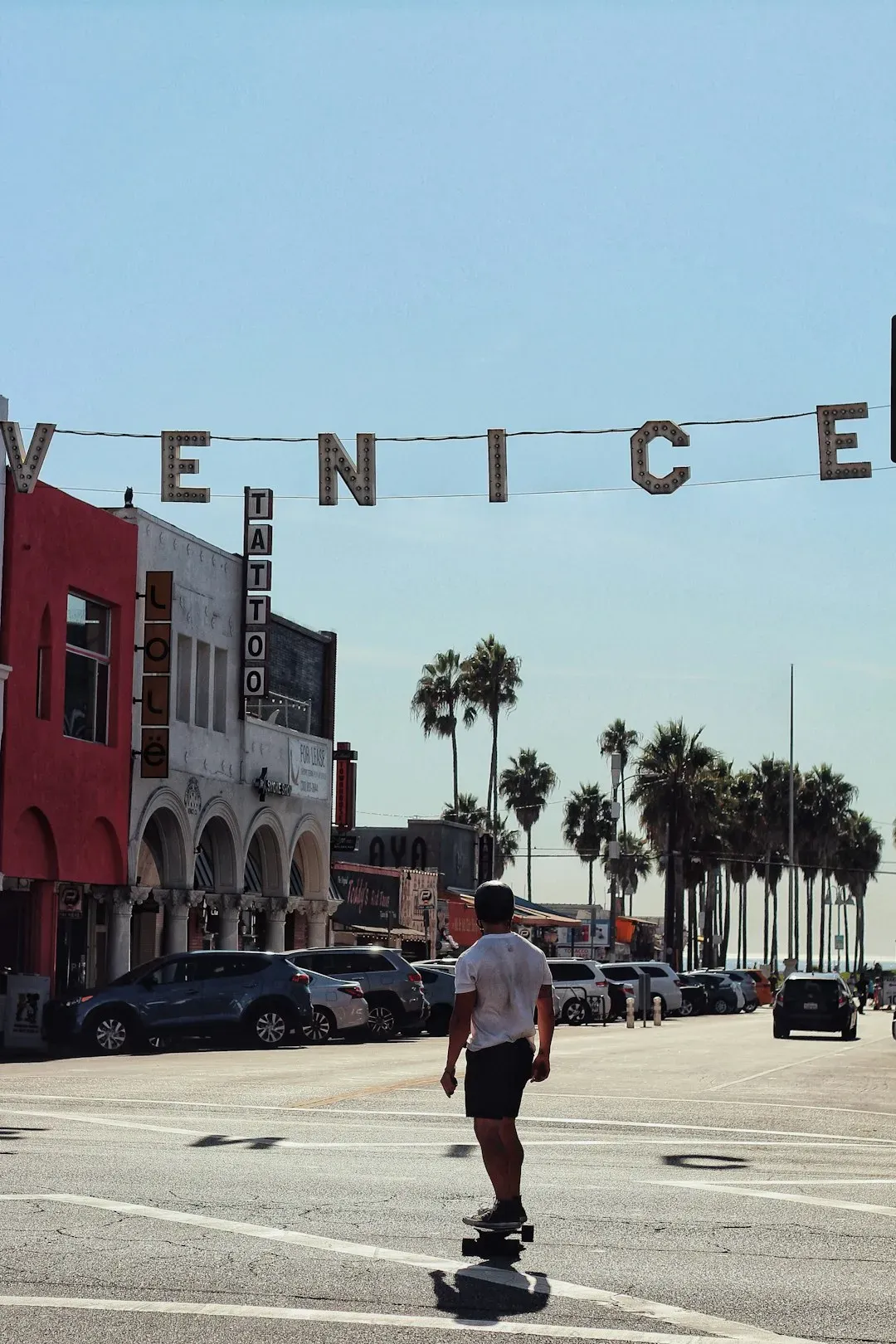
Venice has spent years testing the idea that a day-tripper fee might ease its overcrowding problem, and 2026 marks the third consecutive season the policy has run. Venice confirmed that its daytripper fee will return in 2026 with an expanded calendar covering 60 days between April and July, first introduced in 2024 as an experimental measure and continued through 2025. The fee specifically targets same-day visitors who contribute little to the local economy while adding real wear to the city’s fragile canals and bridges.
The expansion itself tells its own story. The Access Fee, which was trialled two years ago, will apply on 60 days in 2026, up from 54 days in 2025 and double the number of days in 2024 when the measure first appeared. A city that keeps widening its entry restrictions isn’t solving overtourism so much as managing its symptoms, which is exactly the kind of slow-motion strain that eventually shows up in how visitors describe their trip afterward.
Santorini, Greece: postcard views with a population that can’t keep up
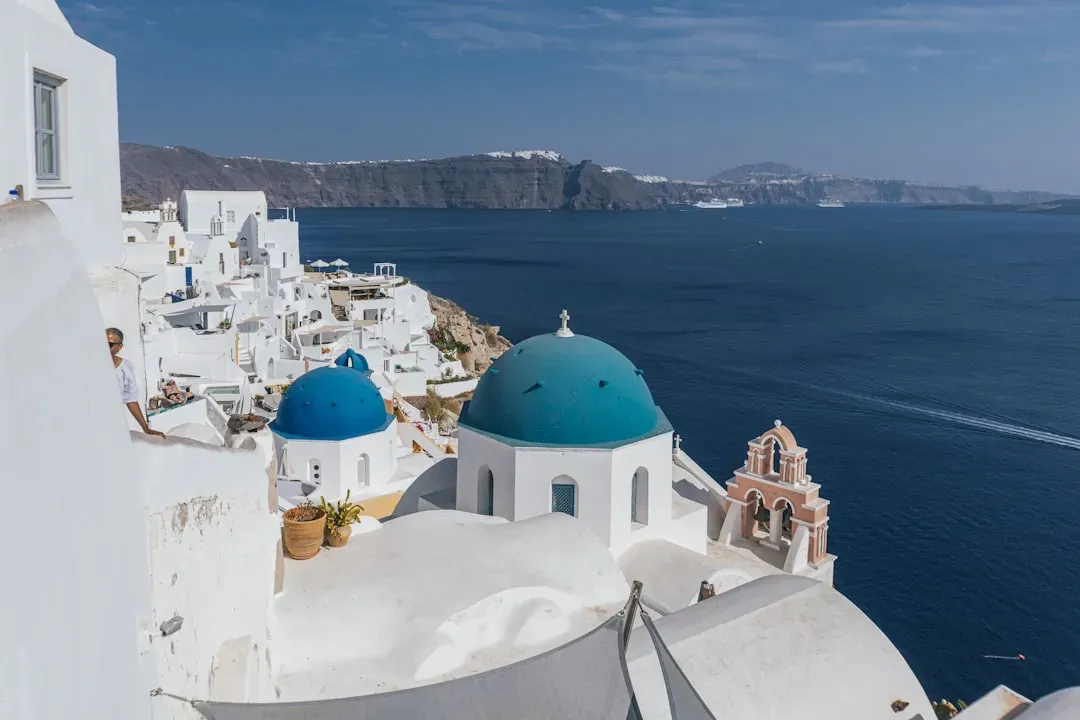
Few places illustrate the math of overtourism as starkly as Santorini. Santorini has 15,500 permanent residents spread across 76 square kilometers, and the 3.4 million annual visitors produce a ratio of approximately 220 tourists for every resident per year. That imbalance is why the island introduced one of Europe’s more aggressive cruise caps.
Greek officials didn’t wait for the situation to spiral further. The headline measure is Santorini’s hard daily cap of 8,000 cruise passengers, introduced in 2025 and tightened for 2026, with the occupancy assumption rising from 80 percent to 100 percent. Water supply issues have already surfaced too, since on May 28, 2025, water supply was interrupted in 15 villages after overconsumption, with Oia’s May consumption exceeding its own August levels from the previous year. A place running short on fresh water in spring, before the summer crowds even peak, isn’t a great sign for anyone hoping for a relaxed sunset over the caldera.
Machu Picchu, Peru: the ancient citadel now sold out months in advance
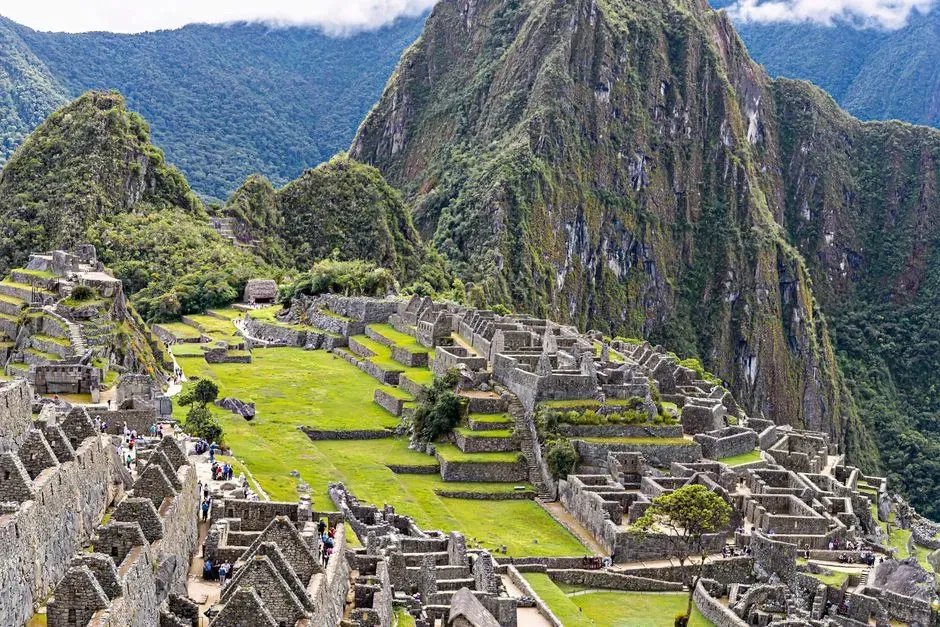
Machu Picchu was never built to host modern crowds, and Peru’s Ministry of Culture has responded with increasingly strict ticketing. Machu Picchu will cap daily entry at up to 5,600 visitors on peak-season and holiday dates in 2026, while the daily limit remains 4,500 visitors for the rest of the year. That might sound generous until you realize how far in advance those slots disappear.
Travelers who used to show up with a guide and pick their own path through the ruins now face a very different reality. Planning a trip to Machu Picchu used to feel relatively straightforward, but the 2026 regulations are the most comprehensive overhaul the site has seen in years, and travelers who arrive without understanding them are getting turned away at the gate. For anyone dreaming of a spontaneous Andes adventure, that rigidity is precisely the kind of letdown that tends to surface in trip reviews months later.
Bali, Indonesia: paradise wrestling with its own popularity
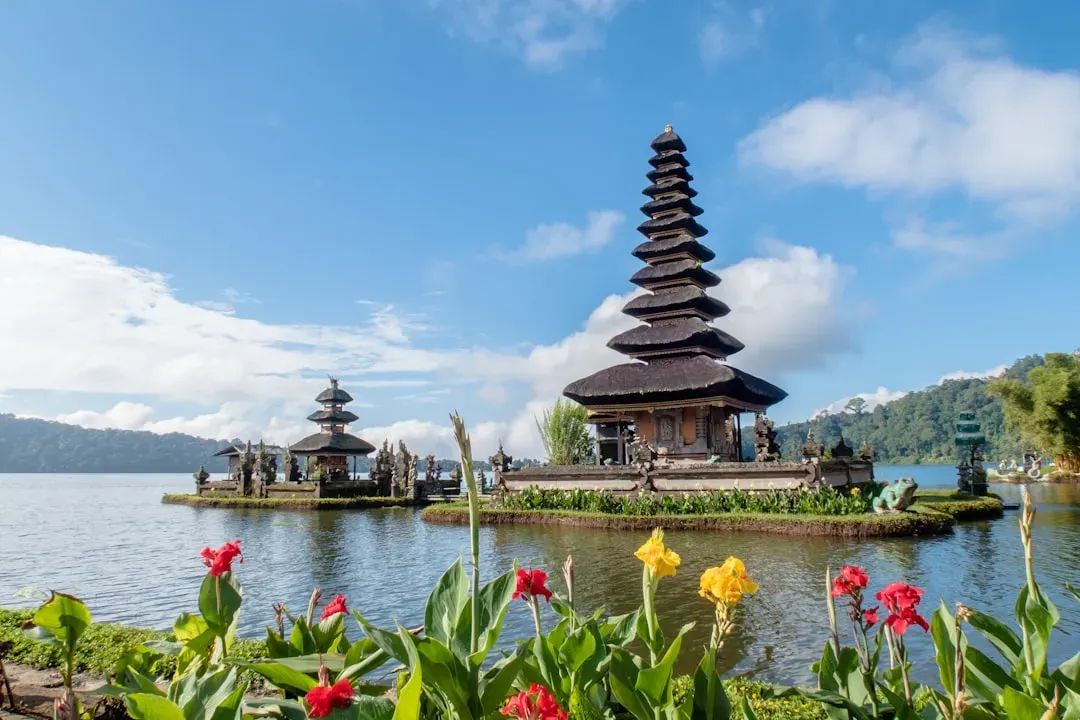
Bali’s tourism numbers have outpaced its ability to manage them gracefully. Bali saw 6.33 million international visitors last year, surpassing its pre-pandemic peak of 6.28 million in 2019 and representing nearly half of the country’s total 2024 visitors. Local officials have openly worried about repeating mistakes made elsewhere in Europe.
The island’s response has been a patchwork of measures rather than one clean fix. In September 2024, Indonesia imposed a moratorium on constructing new hotels, villas, and nightclubs in Bali, aiming to curb unchecked development and preserve the island’s environmental and cultural integrity. Yet enforcement remains inconsistent, since Bali’s tourism office head acknowledged that only roughly 35 percent of international visitors paid the new tourist levy in 2024. A tax nobody reliably collects doesn’t do much to fund the infrastructure upgrades the island actually needs.
Barcelona, Spain: a city where the welcome has visibly worn thin

Barcelona became a shorthand for tourist backlash after residents took to spraying visitors with water guns in the summer of 2024, a protest that made international headlines and that Indonesian officials later cited as a cautionary tale for Bali. The gesture was theatrical, but it reflected a genuine frustration over housing prices pushed up by short-term rentals and streets in the Gothic Quarter that locals say no longer feel like their own. City hall has since moved to phase out tourist apartment licenses entirely by 2028, a policy aimed squarely at reclaiming residential space from the vacation rental market.
What makes Barcelona different from Venice or Santorini is that its strain isn’t really about fragile monuments. It’s about everyday livability colliding with a tourism economy the city has leaned on for decades. Visitors who arrive expecting the relaxed Mediterranean charm of old photographs are increasingly met with a city actively negotiating how much of itself it’s willing to sell.
Amsterdam, Netherlands: the destination actively trying to turn people away
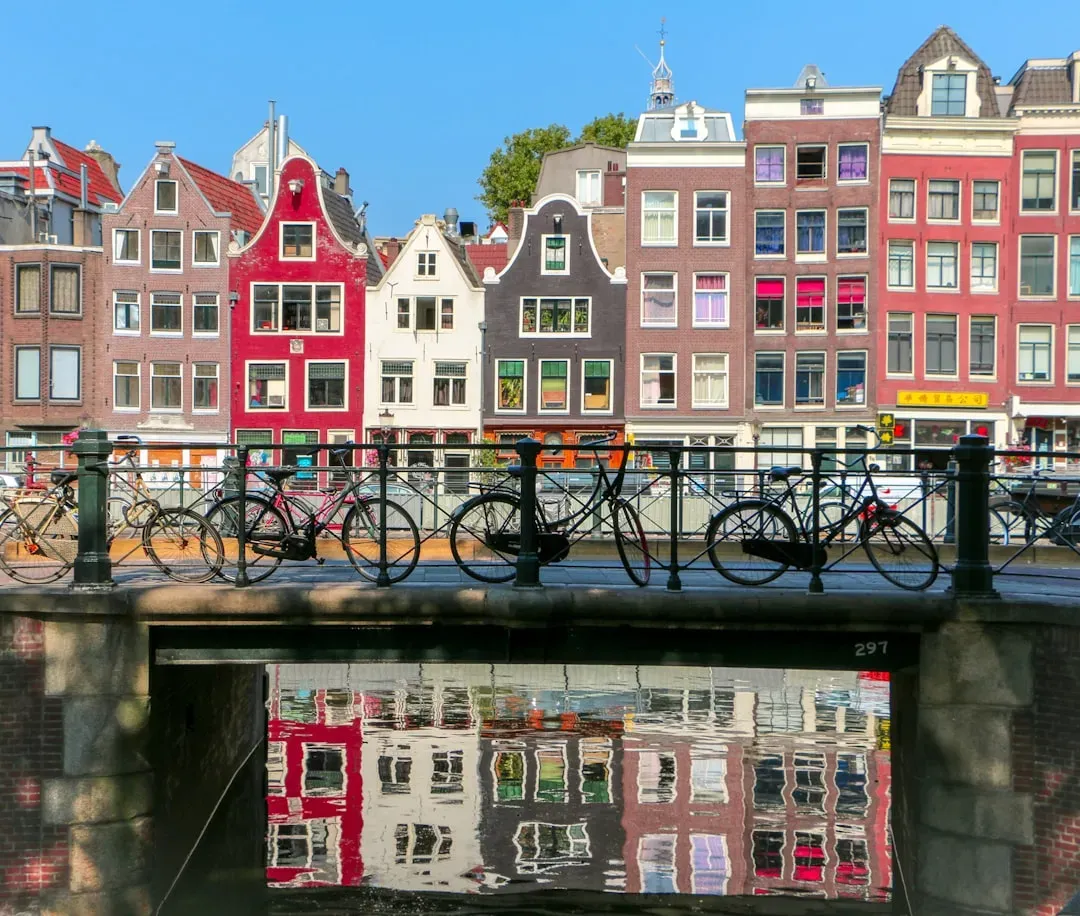
Amsterdam took an unusual approach a few years back by launching a public campaign specifically designed to discourage certain kinds of rowdy, budget-focused tourism, targeting the stag-party crowd rather than travelers in general. City officials have also capped the number of new hotel rooms and restricted river cruise growth, moves aimed at slowing the sheer volume of overnight stays in the historic center. None of this makes Amsterdam unwelcoming exactly, but it does signal a city drawing firmer lines around what kind of visit it wants to host.
The canal district, meanwhile, still buckles under foot traffic during peak season, with narrow bridges and bike lanes never designed for the crowds now funneling through them. Tourists expecting a quiet stroll past gabled houses often find themselves navigating a genuine bottleneck instead. It’s the kind of gap between expectation and reality that tends to leave a mark on how a trip gets remembered.
Kyoto, Japan: closing off the very streets that made it famous
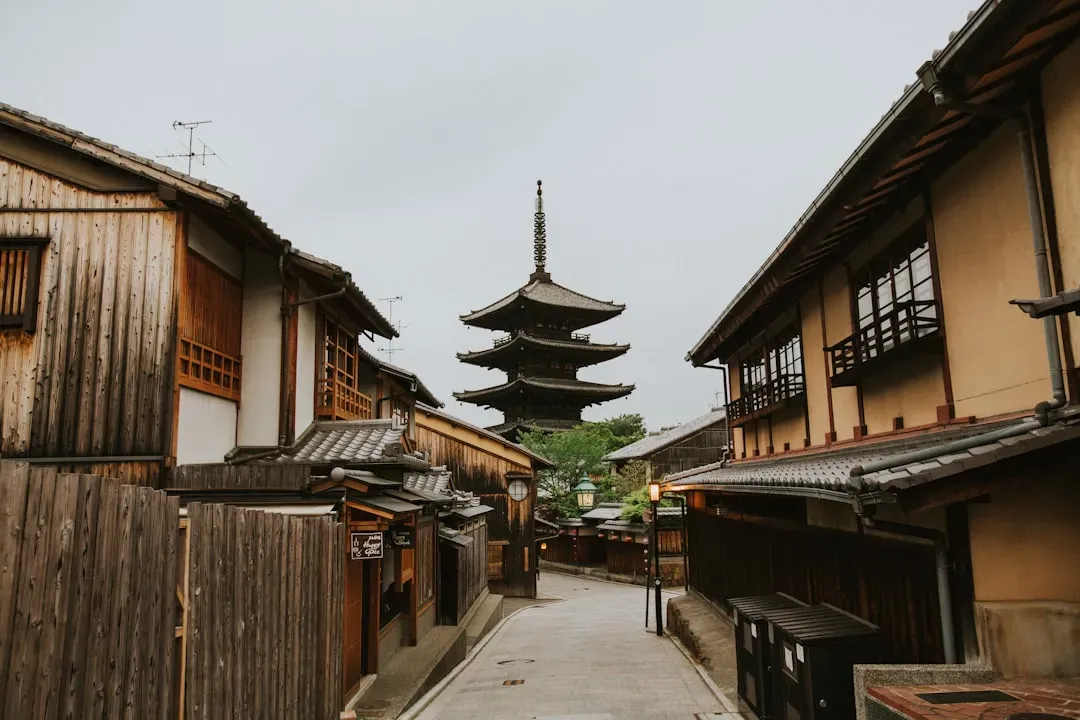
Kyoto’s Gion district, long associated with geisha culture, has restricted tourist access to several of its narrow private alleys after repeated incidents of visitors chasing or photographing geiko and maiko against their wishes. Local business associations pushed for the ban after years of complaints, and the fines for violators are steep enough to function as a real deterrent. It’s a striking reversal for a city that built much of its tourism identity around exactly those atmospheric streets.
The broader issue is one of volume rather than any single incident. Japan’s post-pandemic tourism boom has funneled enormous numbers of visitors into a compact handful of neighborhoods, and Kyoto’s temples and bamboo groves now regularly see queues that stretch well beyond what the sites were built to handle. Anyone picturing a serene, contemplative visit to Arashiyama in high season is likely picturing an outdated version of the place.
Mount Everest Base Camp, Nepal: crowding at the edge of survivable altitude
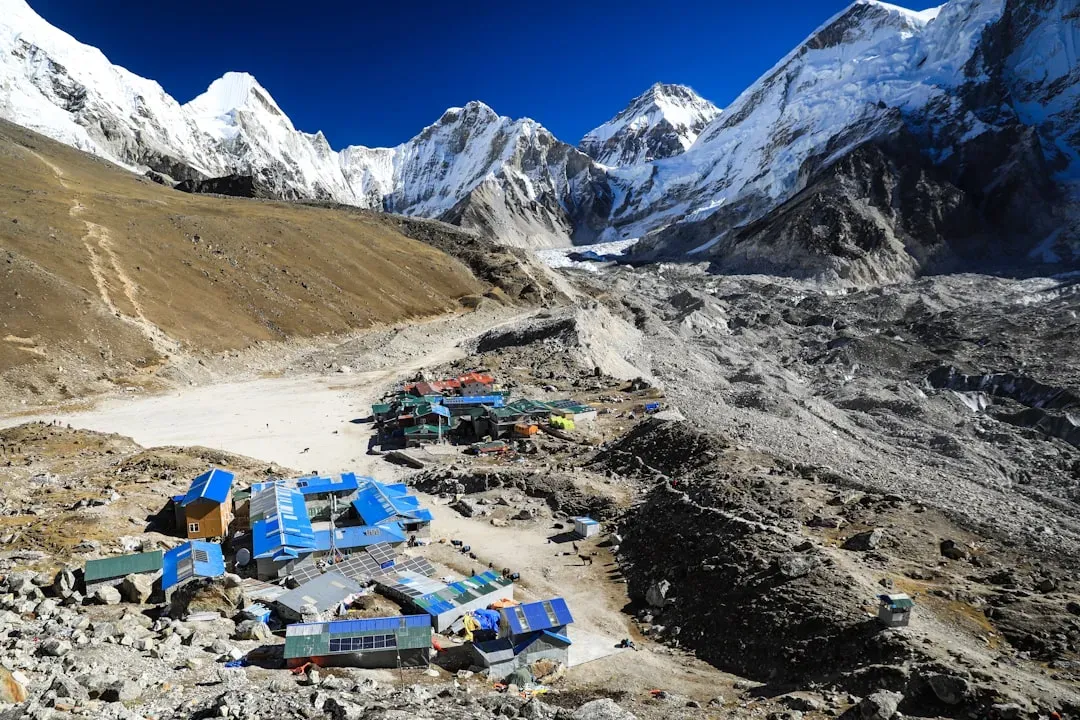
Everest’s climbing season has become notorious for images of queues strung along the route to the summit, but the crowding problem starts much lower, at base camp itself. Nepal has raised climbing permit fees substantially in recent years, partly to fund safety infrastructure and partly to slow the sheer number of expeditions attempting the mountain in the same narrow weather window each spring. Even trekkers who never intend to summit now report base camp trails that feel more like a procession than a wilderness experience.
Waste management remains one of the mountain’s most persistent problems, with expedition teams and government cleanup crews hauling out tons of discarded gear and human waste each season. For trekkers drawn by the idea of standing beneath the world’s tallest peak in solitude, the reality of shared tent cities and traffic jams on the trail can be a jarring adjustment. It’s a case where the mountain’s mystique and its lived experience have drifted noticeably apart.
Dubrovnik, Croatia: a walled city built for a fraction of today’s crowds
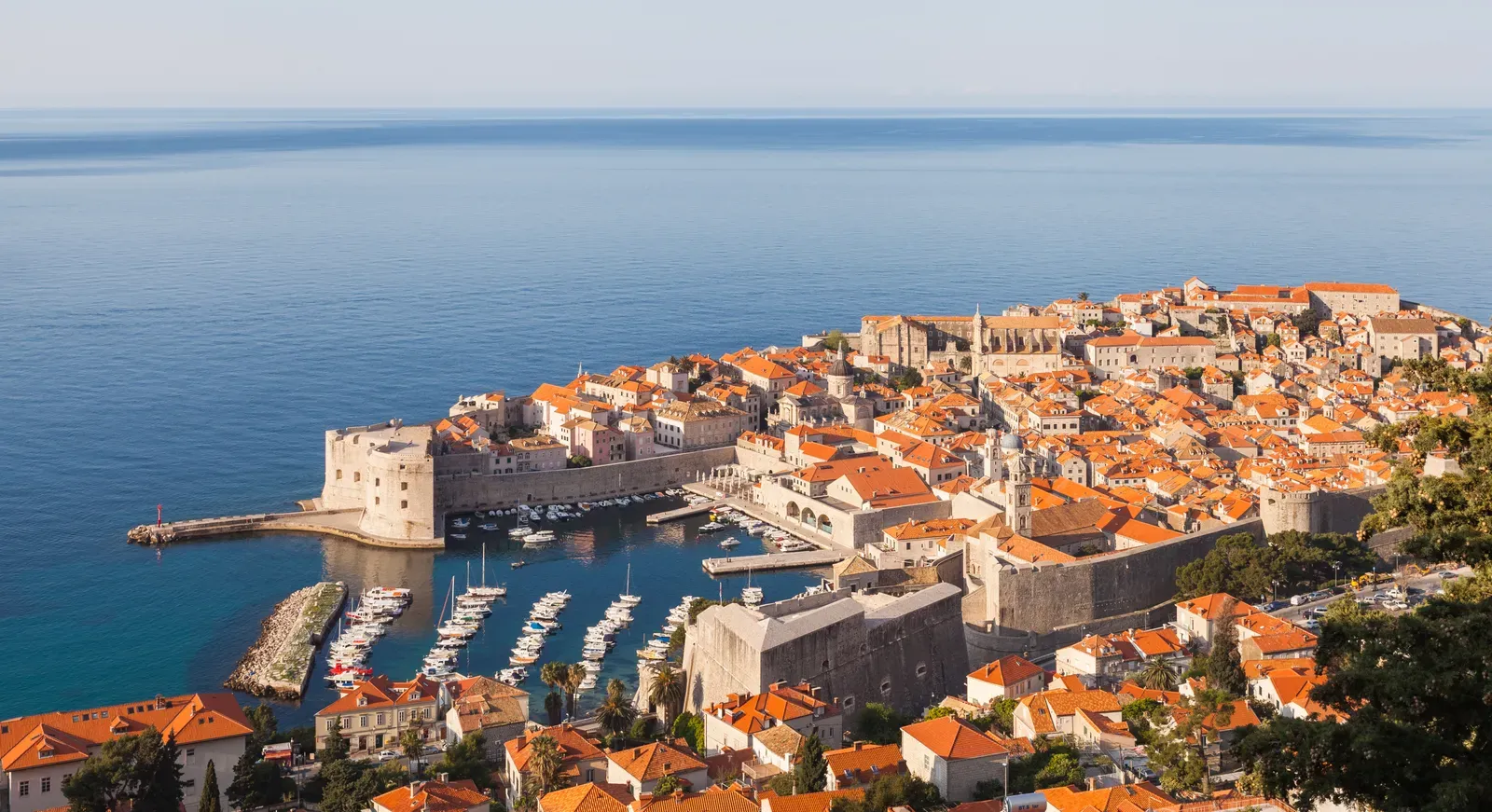
Dubrovnik’s Old Town was designed centuries ago for a small resident population, not for the multiple cruise ships that can dock on a single summer day and empty thousands of passengers into streets barely wide enough for two people to pass comfortably. City authorities have limited the number of cruise ships allowed to dock simultaneously and capped daily visitor numbers to the Old Town walls, a direct response to congestion that had become genuinely hazardous during peak hours. The measures have helped somewhat, but the underlying tension between a UNESCO World Heritage city and a bucket-list cruise stop hasn’t gone away.
Locals have also pushed back against the city’s reliance on a single television franchise’s fame, since much of Dubrovnik’s modern visibility traces back to its use as a filming location. That fame brought a wave of visitors more interested in photo backdrops than in the city’s actual Venetian and Ragusan history, which has left some residents feeling like their home became a stage set rather than a place people came to understand. Travelers expecting a quiet Adriatic gem often find a city working hard just to keep its narrow streets passable.
Maya Bay, Thailand: the beach that already had to shut its own doors
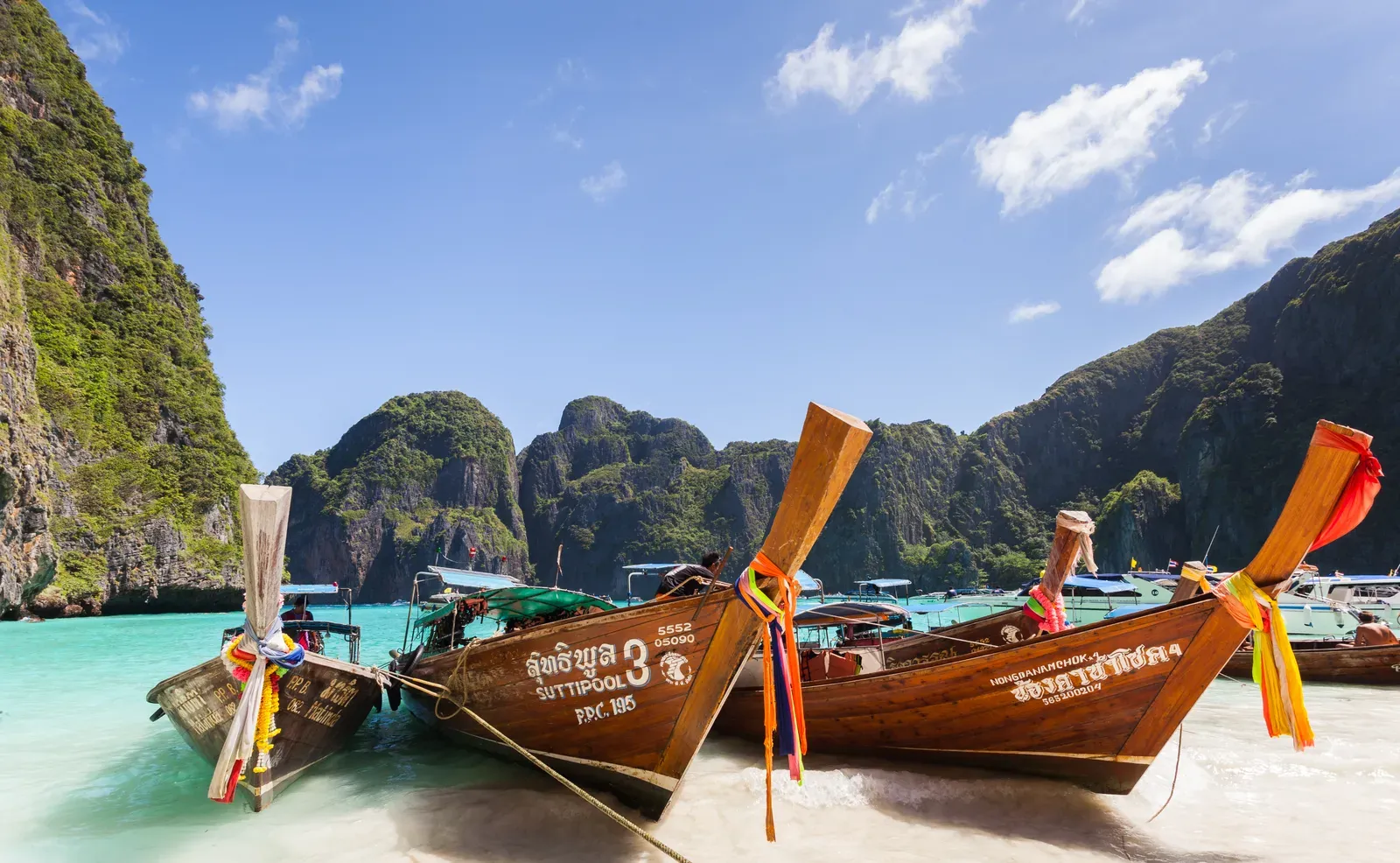
Maya Bay offers a preview of what happens when a destination’s popularity outruns its ecology entirely. The cove became a global sensation after appearing in a Hollywood film in the late 1990s, and the resulting decades of boat traffic and swimmers devastated its coral reefs so severely that Thai authorities closed it entirely in 2018 to allow the ecosystem a chance to recover. It reopened later with strict visitor caps, no swimming allowed near the reef, and a ban on boats mooring directly on the beach.
Even with those protections in place, the bay operates nowhere near the free-roaming paradise depicted in the marketing that made it famous. Visitors now arrive on a schedule, walk designated paths, and view the water from a respectful distance in many areas. It’s a useful case study for every destination on this list, since Maya Bay shows what happens when the fix arrives only after the damage is already done rather than before.
What this all points to
None of these destinations are collapsing, and none deserve to be crossed off a bucket list entirely. What they share is a pattern: rising visitor numbers colliding with infrastructure, ecosystems, or local patience that simply weren’t built for this scale, and governments now scrambling to install caps, fees, and restrictions after the strain became obvious rather than before.
The honest takeaway isn’t to avoid these places. It’s to go in with realistic expectations, book further ahead than instinct suggests, and accept that the version of the destination you saw in old photos or films may already be a few steps removed from what’s waiting on the ground.




Leave a Reply