
1. Whether you acknowledge them at the door
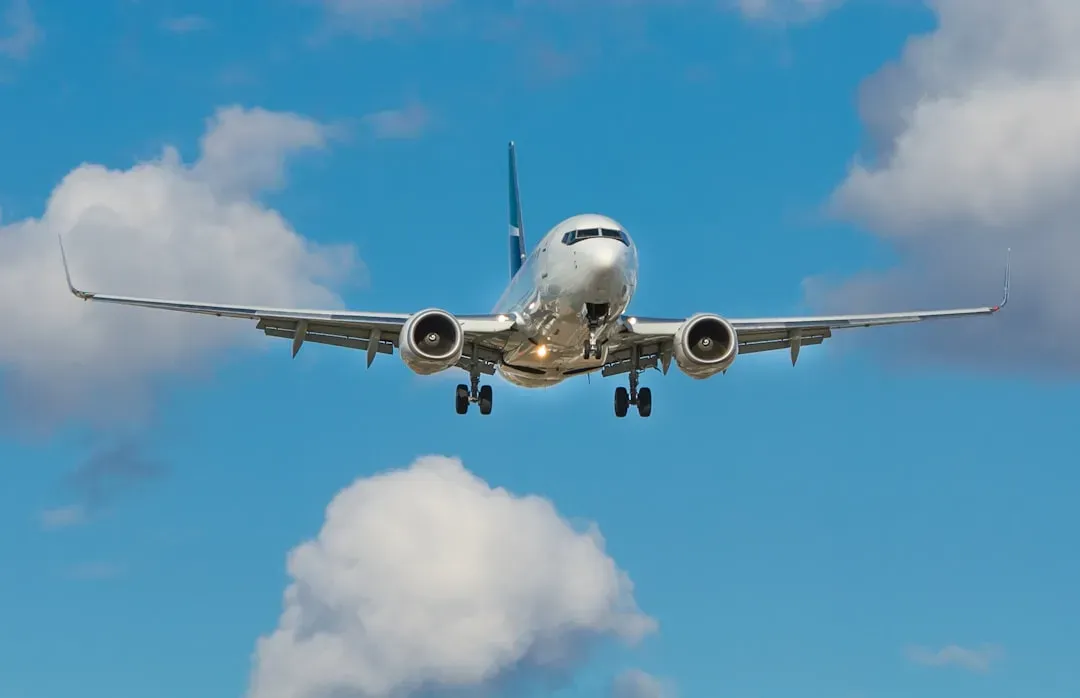
The greeting at the aircraft door is not just politeness for its own sake. Flight attendants notice if they are acknowledged by a smile or a returned hello, and if you do return their greeting, you’re automatically going to make a better impression. It sounds small, but crews often use that split second to gauge your general mood for the flight ahead.
This isn’t just a folk theory passed around by frequent flyers, either. Flight attendants from multiple airlines have shared that passengers who make eye contact and say hello are immediately flagged as cooperative and pleasant to work with. Skip the hello, and you’re not banned from good service, but you may simply blend into the background of an already busy cabin.
2. How you handle your bag
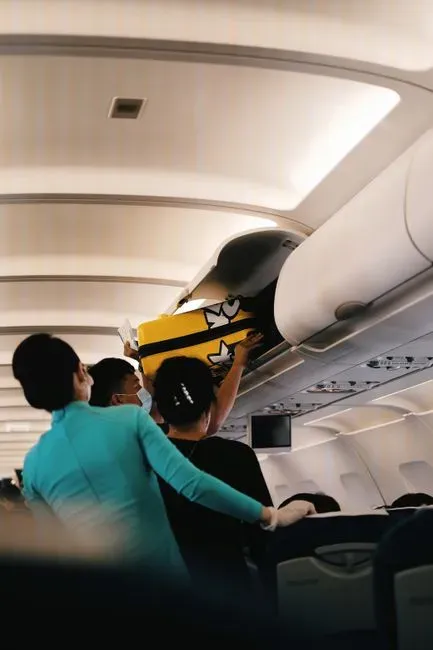
Luggage struggles are one of the most visible tells during boarding, and crews clock them instantly. They’re watching what happens with your bag, whether you lift it efficiently, place it neatly, and keep the line moving, and passengers who wrestle oversized luggage into the bin and act surprised when it doesn’t fit usually get remembered quickly. It’s less about judgment and more about triage. Someone who fumbles for two minutes with a bag that clearly won’t fit is telling the crew something about how the rest of the flight might go.
There’s also a broader operational angle here that airlines have flagged for years. According to a study by the International Air Transport Association, excessive carry-on luggage is a leading cause of flight delays, and when you bring more than you can handle, you’re affecting the entire cabin crew’s ability to keep the flight on schedule. A calm, quick bag stow is one of the fastest ways to disappear into the “easy passenger” category, which is exactly where you want to be.
3. Whether you seem lost or confused

Wandering the aisle looking for your row is one of the most immediate signals crews pick up on. Flight attendants notice when you actually know where you’re going and when you clearly don’t, and while it’s normal to double-check a row number, wandering up and down the aisle slows boarding for everyone. If you insist you’re in the right seat when you’re not, that moment tends to stand out even more, just not favorably.
Preparedness reads as competence, and crews notice it fast. They can usually tell right away if you’ve planned ahead or if you’re scrambling, and passengers who already have their boarding pass, seat number, and essentials ready move through the aisle with less confusion. Having your ticket and seat number ready before you step on board costs nothing and buys a surprising amount of goodwill.
4. Your energy and body language
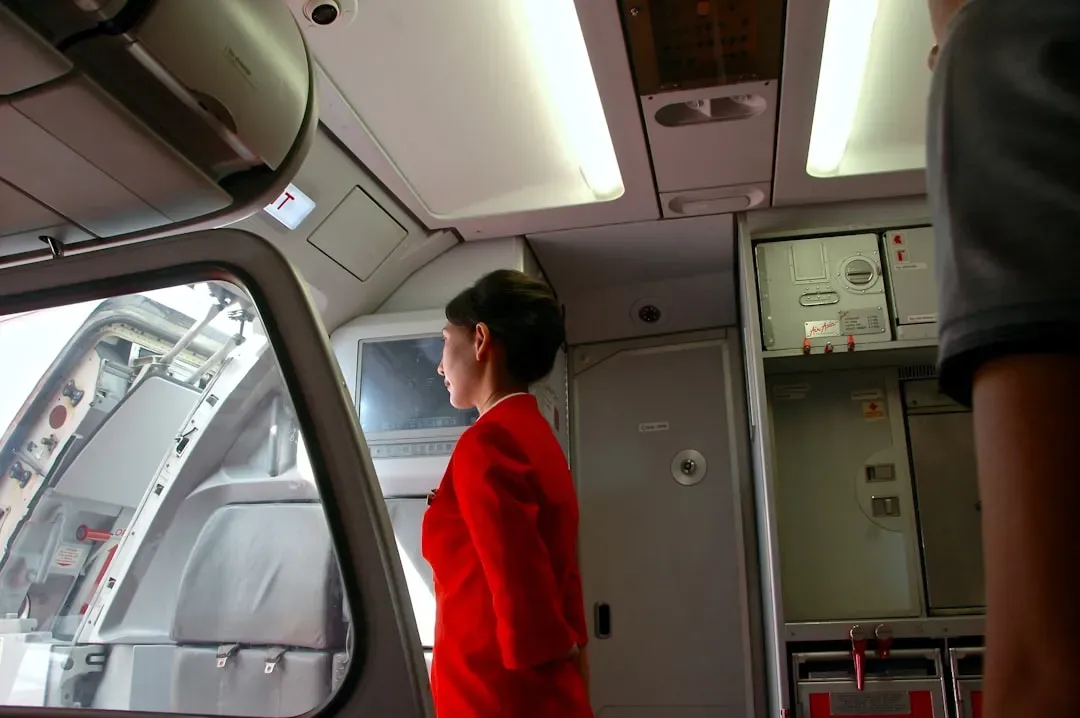
Crews aren’t just reading what you say, they’re reading how you carry yourself. What flight attendants notice about you isn’t limited to how you look. They also pay attention to how you act, since when you step onto the plane you’re usually giving off some kind of energy, and flight attendants are in a unique position to observe it as they welcome passengers. Tense shoulders, a clipped tone, or an irritated sigh at a minor delay all register. Impatience in particular tends to set expectations for the rest of the flight. Flight attendants notice passengers who look annoyed by every small delay, and when you’re irritated from the start, they likely expect more complaints once the flight is underway too. It’s not that a bad mood at the door guarantees a rough flight, but crews often brace for one anyway.
5. Whether you might need extra help
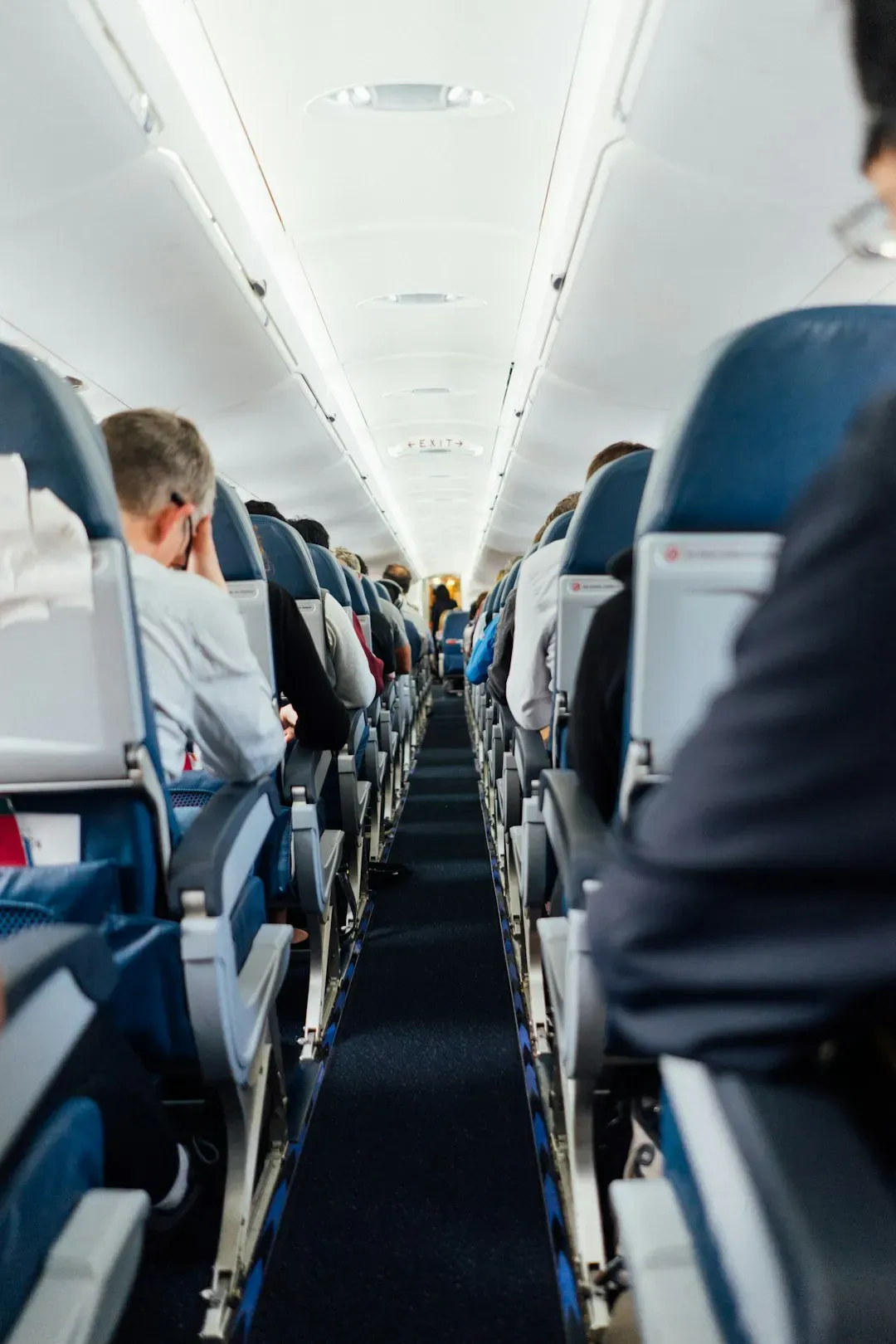
Long before most passengers realize it, crews are quietly identifying who may need assistance during the flight or in an emergency. The first thing flight attendants look for is those who need extra assistance during boarding or in an emergency evacuation, and they’ll already know about people with reduced mobility, unaccompanied minors, those with sight or hearing challenges, and wheelchair users, along with the elderly, injured, and parents with infants who may need extra help. This isn’t guesswork. Much of it comes from information reviewed before the flight even boards.
Health is part of that same radar. They will also look for anyone who has visible signs of sickness, and although flight attendants are trained to deal with medical emergencies, no one wants one to happen during a flight, especially since it’s estimated that one in every 212 flights will have a medical emergency, according to the National Institute of Health. That statistic alone explains why crews are scanning faces as closely as they are, even while smiling and pointing you toward your row.
6. Who could help out in an emergency
On the flip side of vulnerability, crews are also sizing up who looks physically capable of assisting if things go wrong. The general industry term for these travelers is Able-Bodied Passengers, or ABP, and flight attendants take careful notice of able-bodied passengers who may be able to help out in an emergency. It’s a quiet, almost invisible form of triage that most passengers never notice happening to them. The reasoning behind it is entirely practical, not personal. In an emergency, the crew may need physically capable people to help open doors, move obstacles, or assist with evacuations, since emergency exit doors can weigh several hundred pounds and inflatable slides need to be managed quickly. If you’re seated near an exit row and look alert and composed while boarding, there’s a decent chance you’ve already been mentally noted as someone the crew could call on.
None of this means flight attendants are constantly judging passengers in a harsh way. Their attention during boarding is mostly functional, built around safety, efficiency, and keeping a cabin full of strangers running smoothly for the next few hours. Still, it’s worth knowing that the first few seconds you spend walking down that aisle say more about you than you probably intended, and there’s no second take once the door closes.



Leave a Reply