
You can usually tell within the first few minutes of an airport queue. There’s a particular kind of nervous energy that surrounds first-time international travelers, a mix of excitement and low-grade panic that seasoned travelers have long since shed. It shows up in small habits, odd questions, and the way someone handles the unfamiliar rhythm of customs, currency, and culture shock.
None of this is a criticism. Everyone starts somewhere, and international travel is a skill built through repetition, not something people are born knowing. Still, the tells are fairly consistent, and once you know what to look for, they’re almost impossible to miss.
1. They pack like they’re moving countries permanently
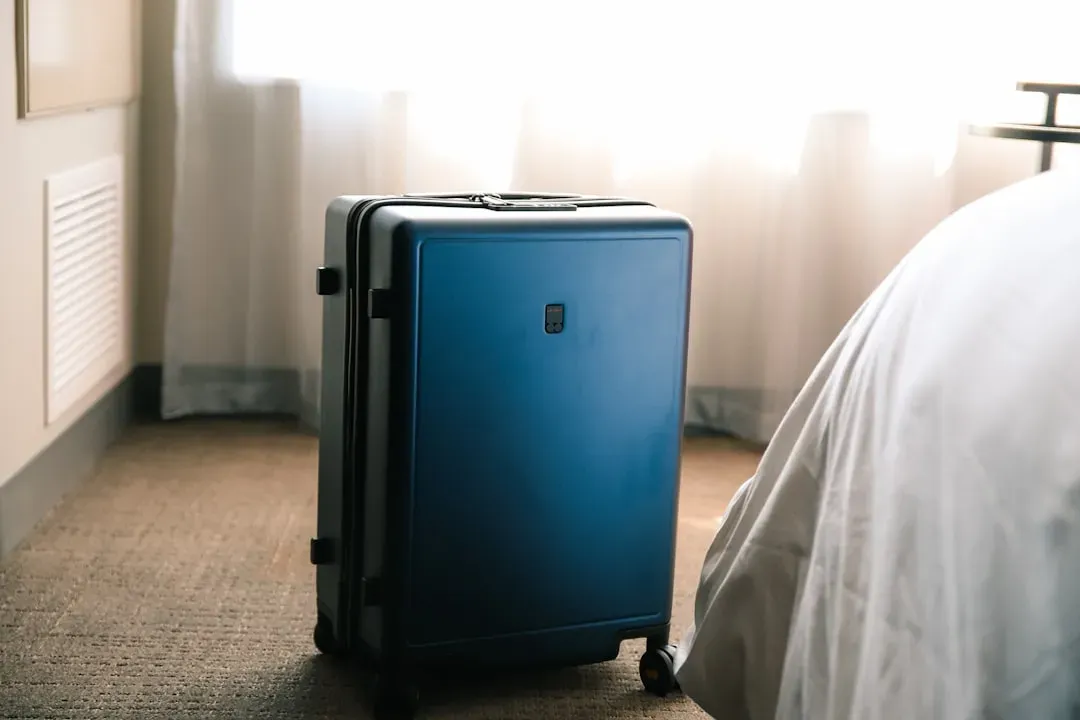
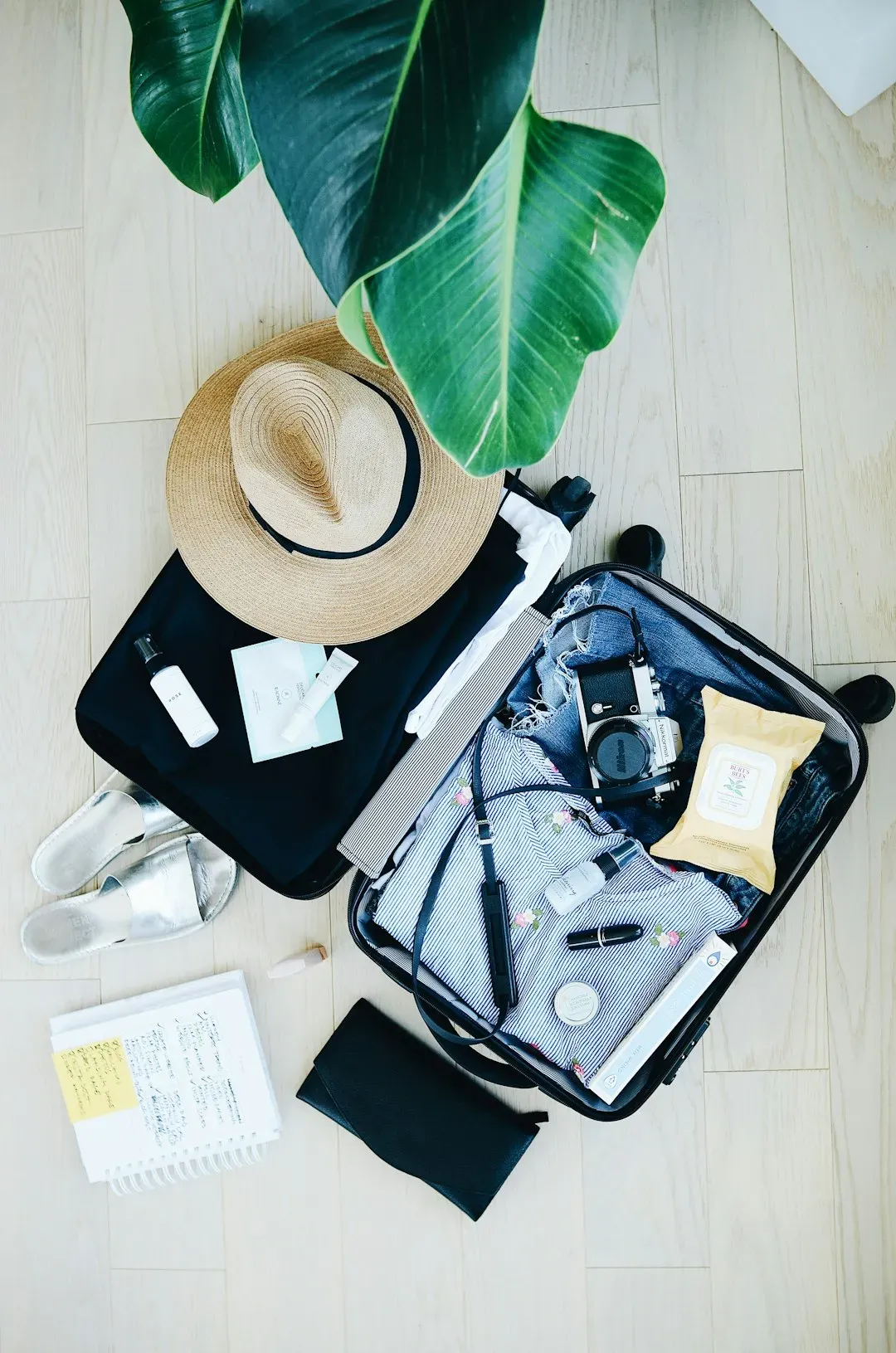
Overpacking is the single most reliable giveaway. First-timers tend to bring a separate outfit for every possible scenario, several pairs of shoes, and enough toiletries to survive a small apocalypse, forgetting that most destinations actually sell toothpaste and shampoo too. The result is a suitcase that barely closes and a shoulder that regrets every decision by baggage claim.
Experienced travelers, by contrast, have learned to pack light and repeat outfits without shame. They know laundry exists almost everywhere, that layers beat bulk, and that a carry-on is often enough for a two-week trip. Watching someone wrestle an oversized suitcase through cobblestone streets is usually a dead giveaway of a first international outing.
2. They’re visibly stressed about passport control and customs
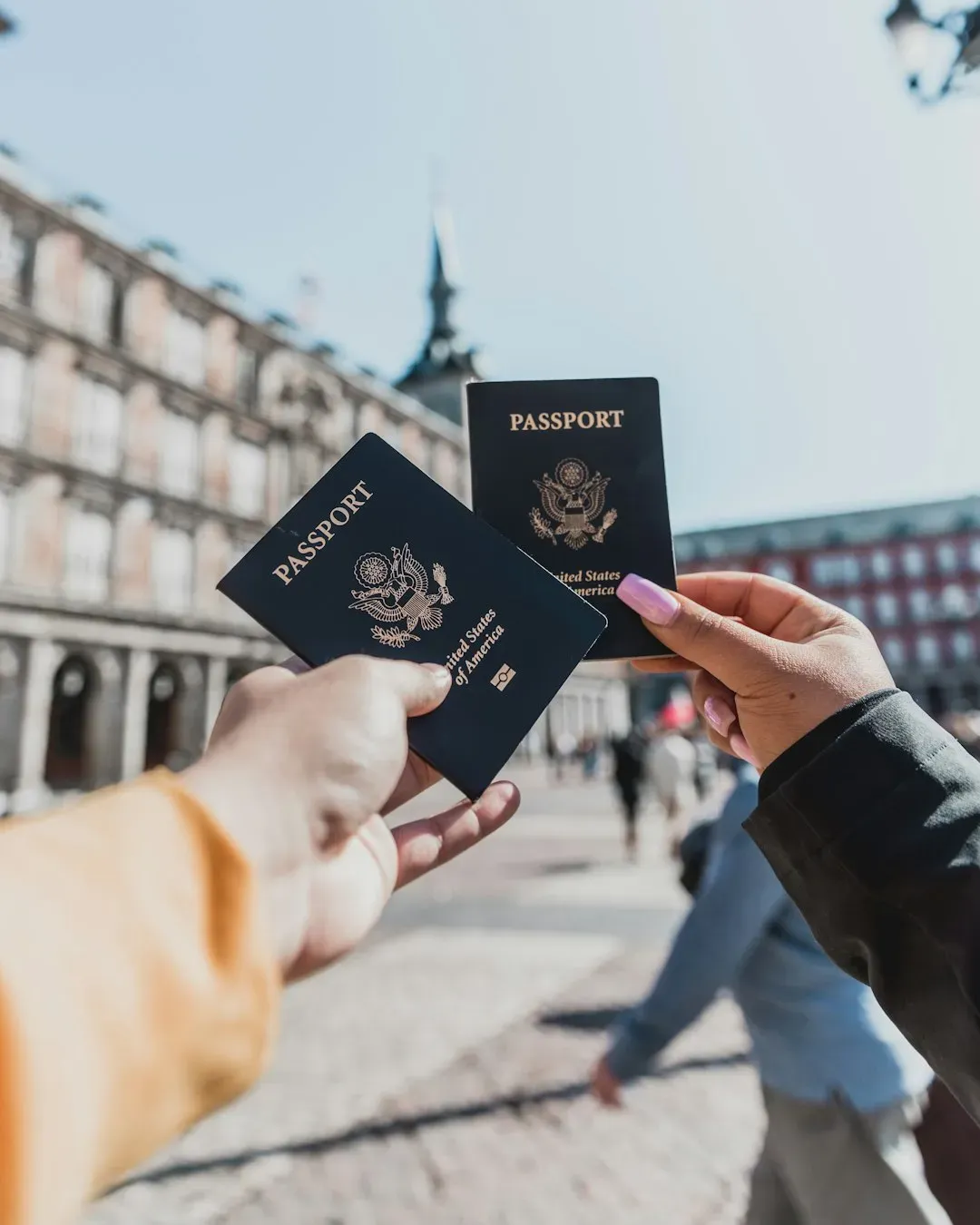
For someone stepping abroad for the first time, the passport control line can feel like a courtroom. They tend to over-prepare answers to questions nobody asks, clutch every document at once, and go quiet and stiff the moment an officer looks their way. Even routine stamps can feel like a small crisis.
Frequent flyers, on the other hand, treat the process as background noise. They’ve learned that most border interactions are quick and formulaic, and that officers are rarely interested in small talk. That calm, almost bored posture in line is something that only comes with repeated exposure.
3. They try to convert every price back into their home currency
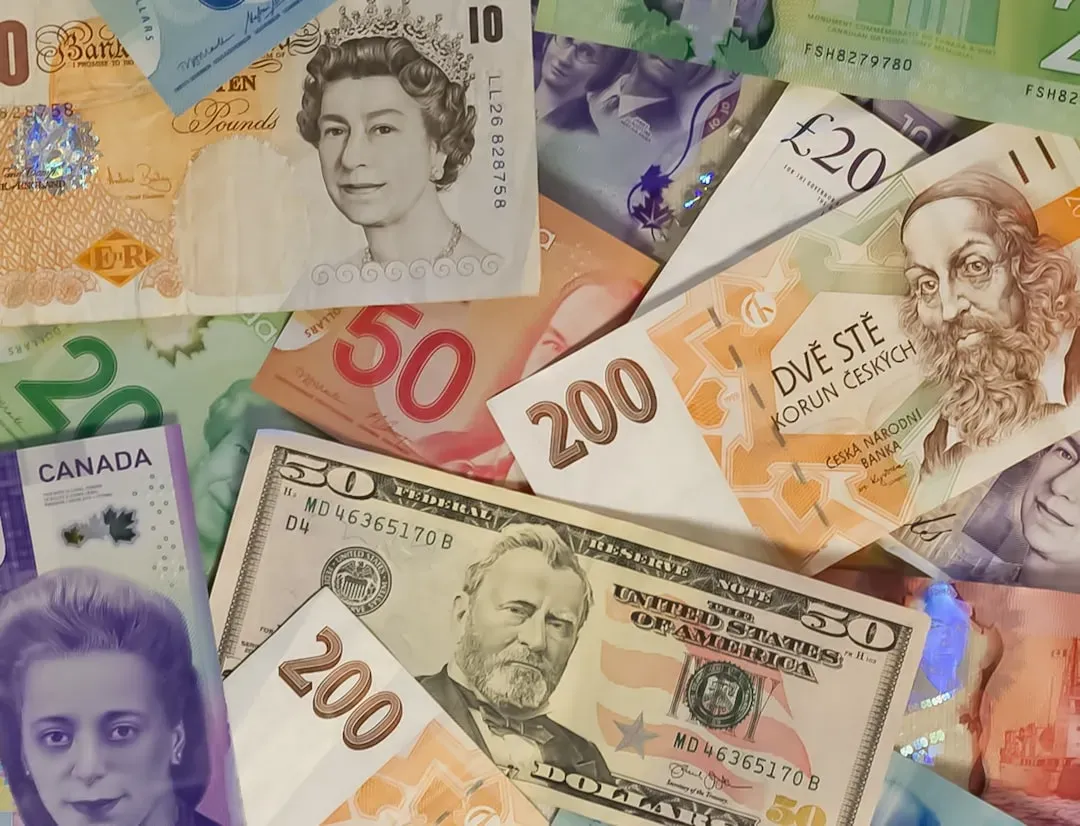
Whipping out a phone calculator for every coffee, taxi ride, or souvenir is a classic newcomer habit. It usually comes from a place of caution, wanting to avoid overspending, but it also slows everything down and can make prices feel more intimidating than they actually are. Locals notice this hesitation almost immediately.
Seasoned travelers tend to do a rough mental conversion once, get a general sense of value, and then stop obsessing over decimal points. They understand that constantly converting currency chips away at the enjoyment of spontaneous decisions, like grabbing street food or hopping on a local bus without overthinking the cost.
4. They expect everyone to speak their language

Assuming that English, or whatever their native language happens to be, will get them through any interaction is a common rookie mindset. First-timers often speak louder or slower when met with a language barrier, as if volume were the missing ingredient. It rarely works, and it can come across as a bit tone-deaf to locals.
Travelers with more experience abroad usually arrive with a handful of basic phrases, even if imperfect, and lean heavily on gestures, translation apps, or simple patience. They’ve learned that a little effort in the local language, however clumsy, tends to open doors that volume never will.
5. They’re shocked by cultural norms that locals consider ordinary
Things like tipping customs, dining etiquette, or personal space vary widely from country to country, and first-time travelers often react with visible surprise when norms don’t match what they’re used to. A missing tip line on a bill, a different bathroom setup, or an unfamiliar greeting can throw them off more than expected. It’s rarely malicious, just unfamiliarity showing through.
Regular international travelers tend to treat these differences as part of the experience rather than an inconvenience. They’ve been caught off guard enough times before to know that adapting quickly, rather than reacting, is the more useful skill to build.
6. They photograph absolutely everything, including the mundane
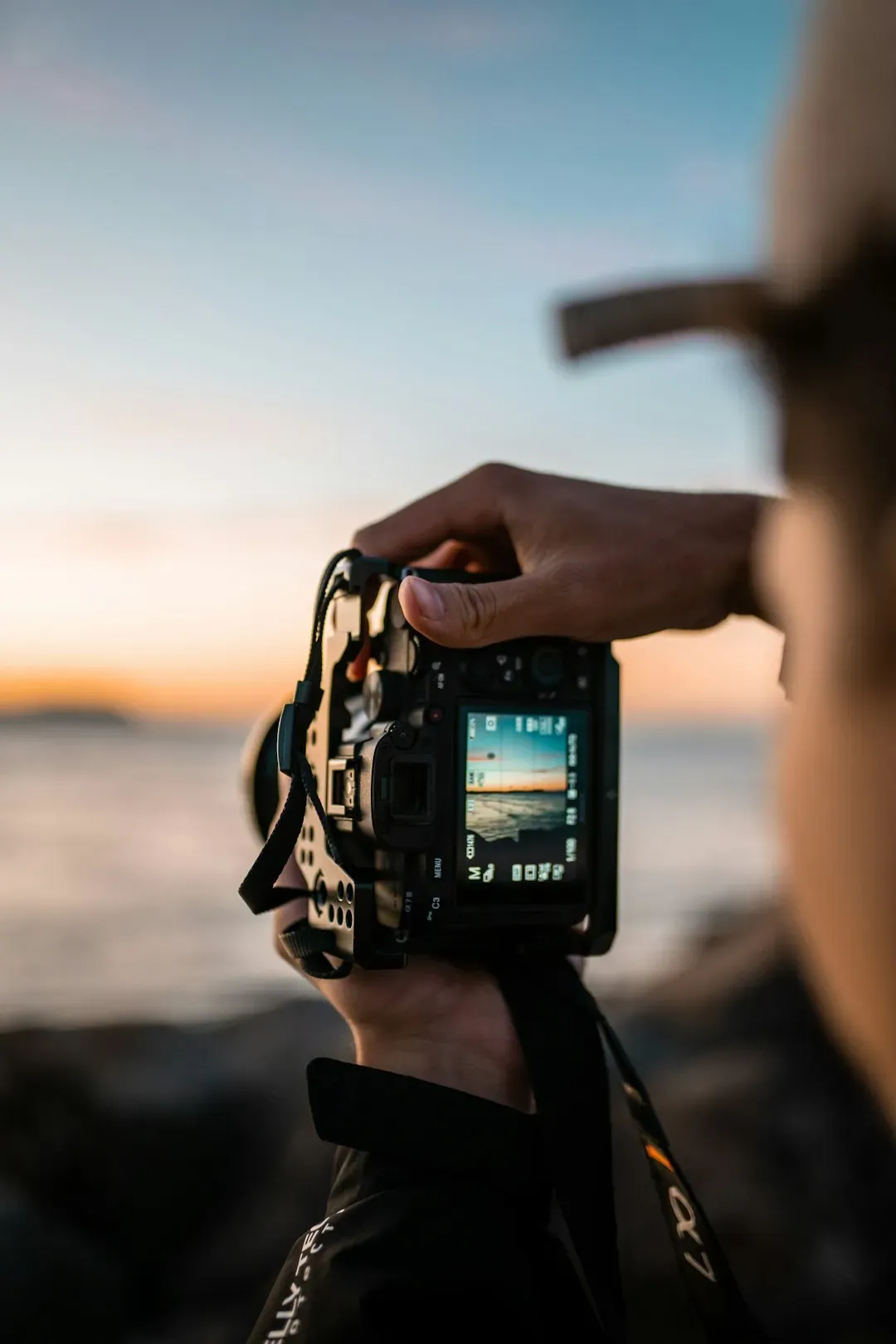
There’s a particular joy in photographing street signs, grocery store aisles, or even the inside of a hotel elevator when it’s someone’s first time seeing a foreign country. It’s charming, honestly, and comes from genuine wonder rather than performance. Still, it’s a fairly reliable sign that everything still feels new and worth documenting.
Frequent travelers usually become more selective with their cameras over time, saving photos for moments that genuinely stand out rather than every storefront or subway map. The instinct to capture everything fades once travel starts to feel more like a rhythm than a novelty.
7. They underestimate how different jet lag and time zones actually feel

First-timers often plan their first day abroad as if they’ll feel normal upon landing, scheduling full itineraries right after a long-haul flight. Reality tends to hit hard, with exhaustion, confusion about meal times, and an urge to nap at inconvenient hours. It’s a lesson almost everyone learns the uncomfortable way at least once.
Experienced travelers build in buffer time, knowing that adjusting to a new time zone usually takes at least a day or two. They treat the first twenty-four hours as recovery rather than sightseeing, which almost always makes the rest of the trip smoother.
8. They’re overly cautious with food, sticking to familiar options
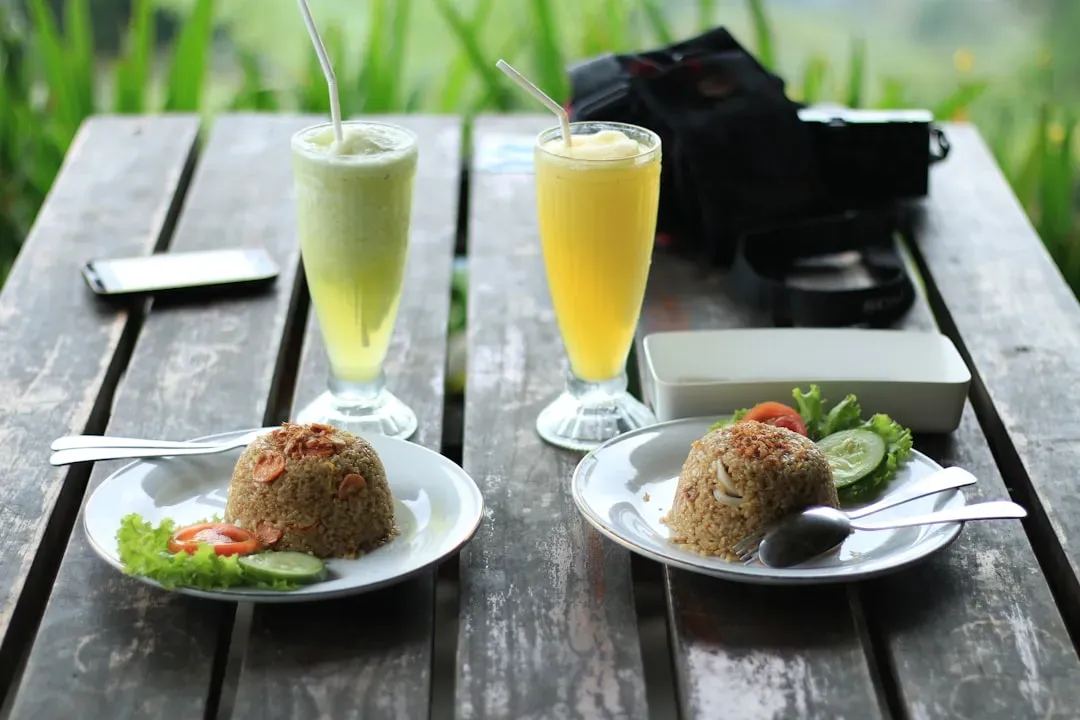
It’s common for first-time international travelers to gravitate toward chain restaurants or foods that closely resemble what they eat at home. The unfamiliar menu, unclear ingredients, or simply the fear of an upset stomach can make local cuisine feel like a risk rather than a highlight. This hesitation is understandable, but it often means missing out on some of the most memorable parts of a destination.
Travelers who’ve been around a bit longer tend to see food as one of the main reasons to go abroad in the first place. They ask locals for recommendations, try street food with reasonable caution, and treat an unfamiliar dish as an adventure rather than a gamble.
9. They don’t know how to handle basic logistics like SIM cards or transit systems
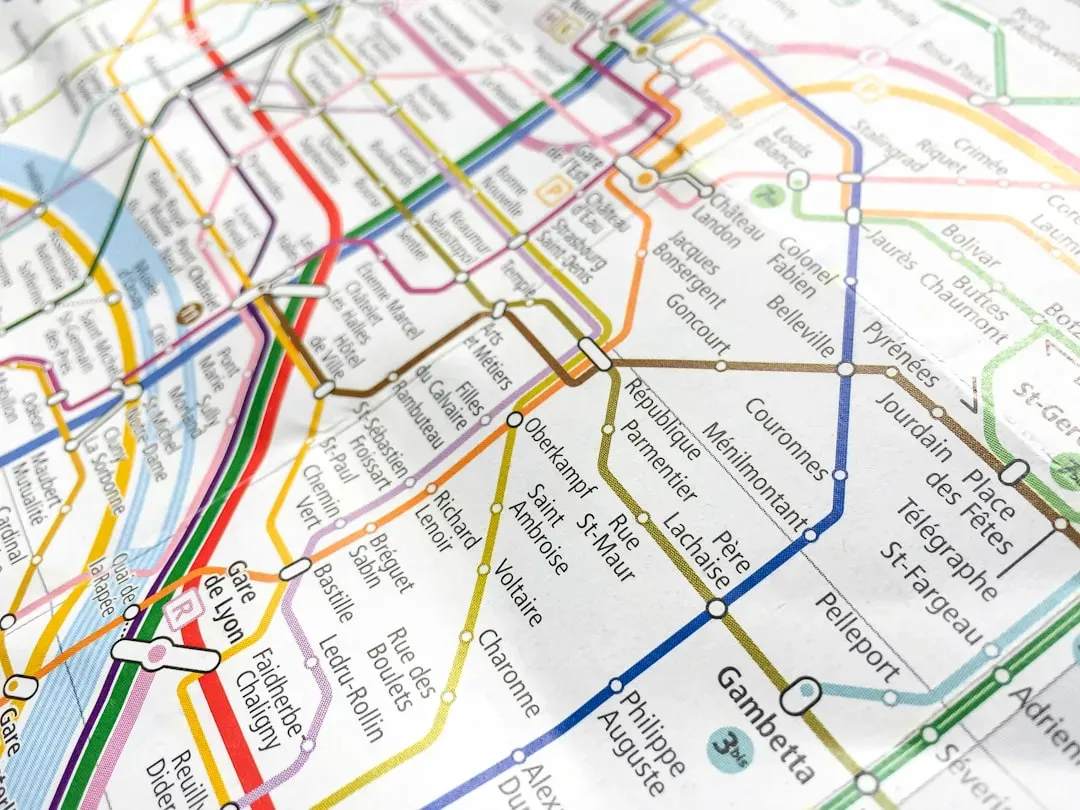
Figuring out local transportation, mobile data, or ticket machines can feel like solving a puzzle for someone new to international travel. It’s not unusual to see first-timers standing in front of a subway map for several minutes, or asking multiple people the same question just to be sure. These moments of confusion are almost universal early experiences.
More seasoned travelers have usually developed a checklist, buying a local SIM or eSIM right at the airport, researching transit apps in advance, or simply trusting that most systems, even unfamiliar ones, follow a logical pattern once you look closely. That comfort with logistics tends to come only after a few trips of trial and error.
10. They treat every trip like it might be their only one
There’s often an underlying urgency in first-time travelers, a feeling that they need to see and do everything possible because who knows when they’ll get the chance again. This can lead to packed itineraries, exhaustion, and a nagging fear of missing out on something important. It’s a mindset rooted in scarcity rather than experience.
Frequent travelers tend to relax into the idea that travel is repeatable, that missing one attraction or city doesn’t close the door forever. That shift in mindset, from treating a trip as a once-in-a-lifetime event to seeing it as one of many, is often the clearest marker of experience.
These signs aren’t meant to embarrass anyone, and honestly, most experienced travelers can point to a version of themselves who did every single one of these things on their first trip abroad. Overpacking, converting currency obsessively, or photographing a grocery store aisle are rites of passage more than mistakes. The learning curve is part of what makes international travel interesting in the first place, and it tends to flatten out fast once someone has a few stamps in their passport.




Leave a Reply