
Some brands don’t just sell products. They sell a feeling, a moment in time, a particular Saturday afternoon or Tuesday school lunch that you can’t quite recreate no matter how hard you try. That’s what makes the loss of a great American food brand sting differently than, say, a discontinued appliance or a closed clothing store. Food is memory, and when the brand disappears, so does a small but real piece of how you remember life.
These ten brands didn’t quietly fade because they were bad. Most of them were genuinely beloved, which makes their absence harder to explain and harder to accept. What follows is a gallery of the ones that left the biggest holes behind.
1. Howard Johnson’s
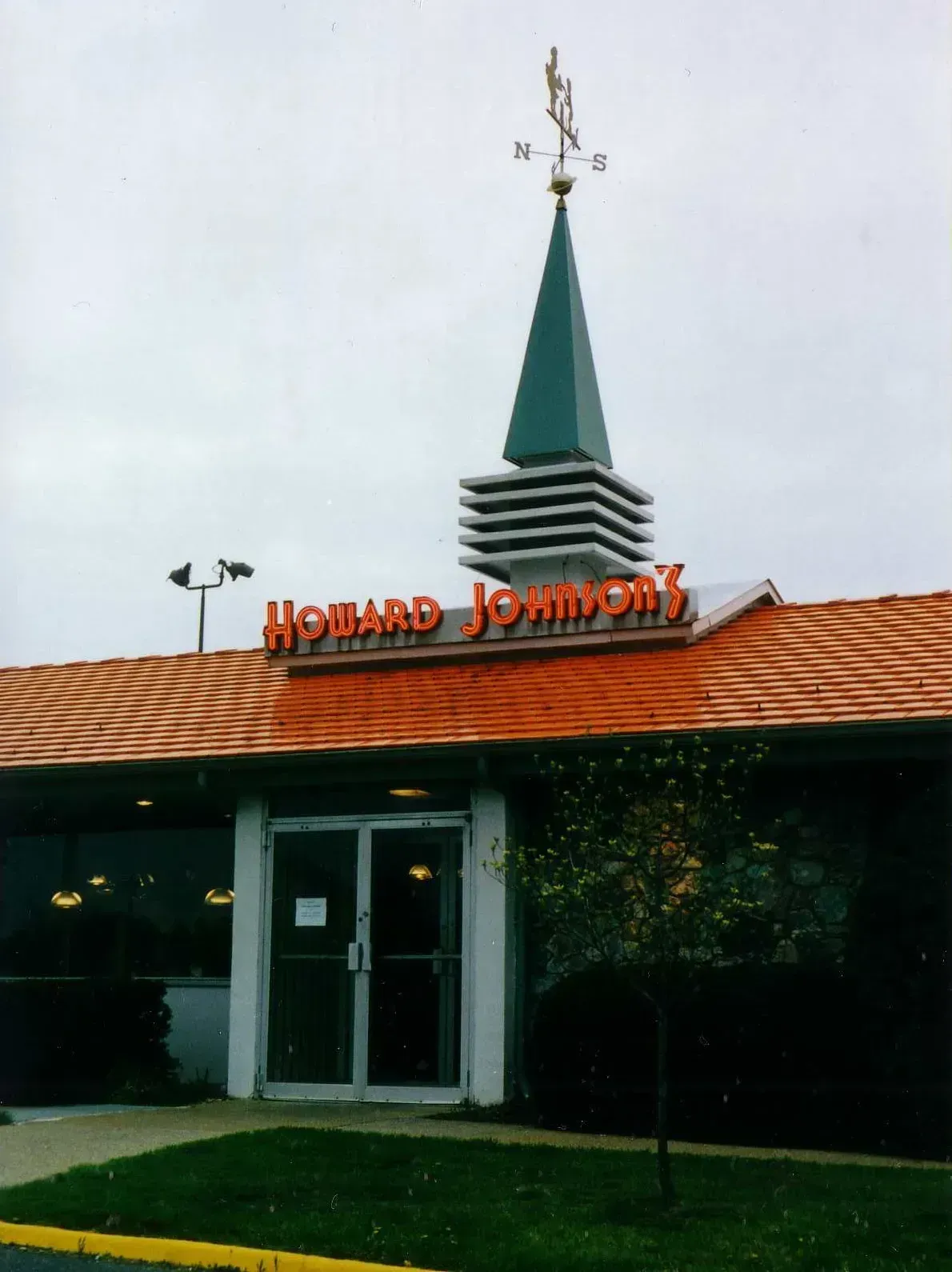
At its 1970s peak, Howard Johnson’s was one of America’s most popular roadside dining chains. With its iconic orange-roofed buildings and a simple menu of chicken, clams, and hot dogs, it operated a remarkable 1,000 restaurant locations across the country at its height. For families driving across America, that orange roof was as reliable a landmark as a highway sign. It meant a real meal, served in a booth, without pretension.
HoJo’s ultimately faced tough competition from newer casual chains like Applebee’s and Chili’s, and its stagnant menu failed to keep up with the times. In 1985 it was bought by Marriott for $65 million, with many restaurants reopening as hotels and coffee shops. One final Howard Johnson’s restaurant in Lake George, New York, remained open until 2022, displaying a sign that fittingly read “Last one standing.” Nothing has replaced it as the quintessential American family road-trip restaurant.
2. Burger Chef
Before the golden arches of McDonald’s dominated the fast-food skyline, another chain was quietly revolutionizing the burger business: Burger Chef. With flame-broiled burgers, self-serve topping bars, and the invention of the kids’ meal, Burger Chef was once a formidable rival to McDonald’s and Burger King. By 1972, it had over 1,200 locations, making it the second-largest burger chain in the U.S., just behind McDonald’s.
In 1972, the chain introduced the Funburger, a hamburger with packaging that included puzzles and a small toy. The following year, they introduced the Funmeal, the first kids’ meal that included a burger, french fries, a drink, a cookie, and a small toy, with expanded packaging featuring characters including the magician Burgerini, vampire Count Fangburger, and Cackleburger the witch. Already struggling with corporate mismanagement, over-expansion, and competition from McDonald’s selling Happy Meals, Burger Chef never recovered. In 1982, General Foods sold the brand to Imasco, the Canadian parent of Hardee’s, and most Burger Chef locations were converted to Hardee’s stores or shuttered entirely. The last Burger Chef franchise in Cookeville, Tennessee, closed its doors in 1996.
3. Necco (New England Confectionery Company)
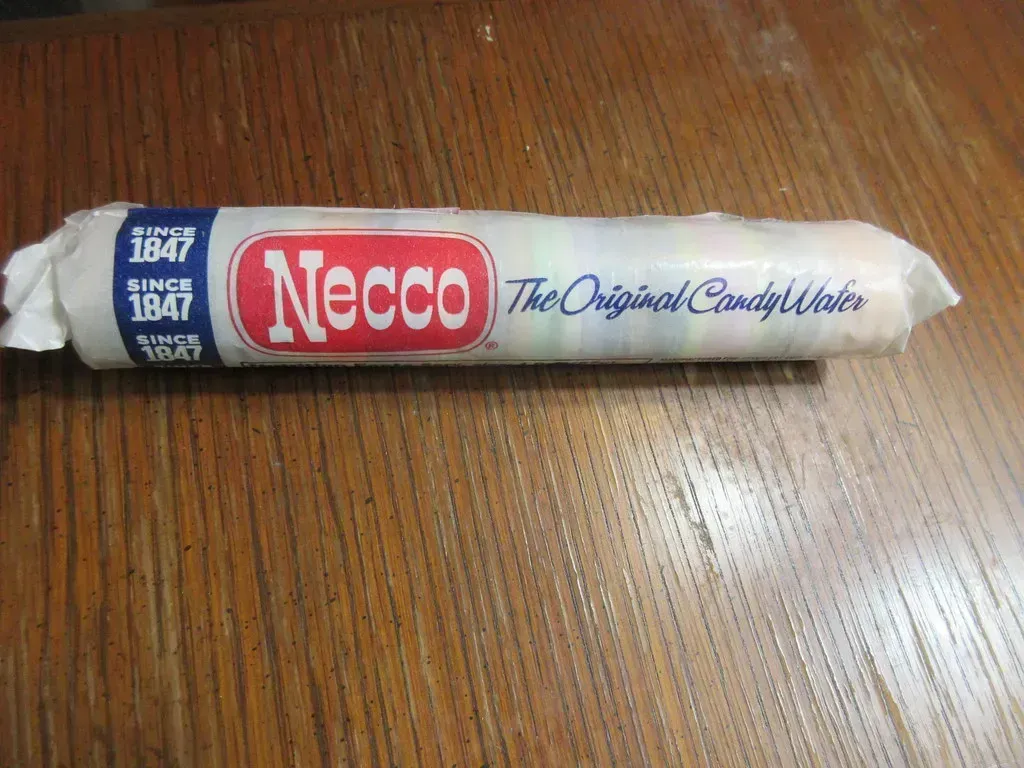
Necco, short for the New England Confectionery Company, was one of America’s oldest candy brands, dating back to 1847. It was best known for its pastel-colored Necco Wafers, sweet chalky discs that divided opinion but stirred deep nostalgia. The company also made other retro favorites like Sweethearts and Clark Bars. For well over a century, those little rolls of wafers appeared in candy dishes, Halloween bags, and American drugstores with a consistency that felt almost constitutional.
Despite a loyal fan base, changing tastes and financial troubles led to bankruptcy in 2018. Necco’s assets were sold off, and while some candies found new life under different owners, the original company behind them is gone, taking a piece of candy history with it. Sweethearts now live on under another banner, but the parent company that held it all together for over 170 years is genuinely, irreversibly gone. That’s a rare kind of loss.
4. Franco-American
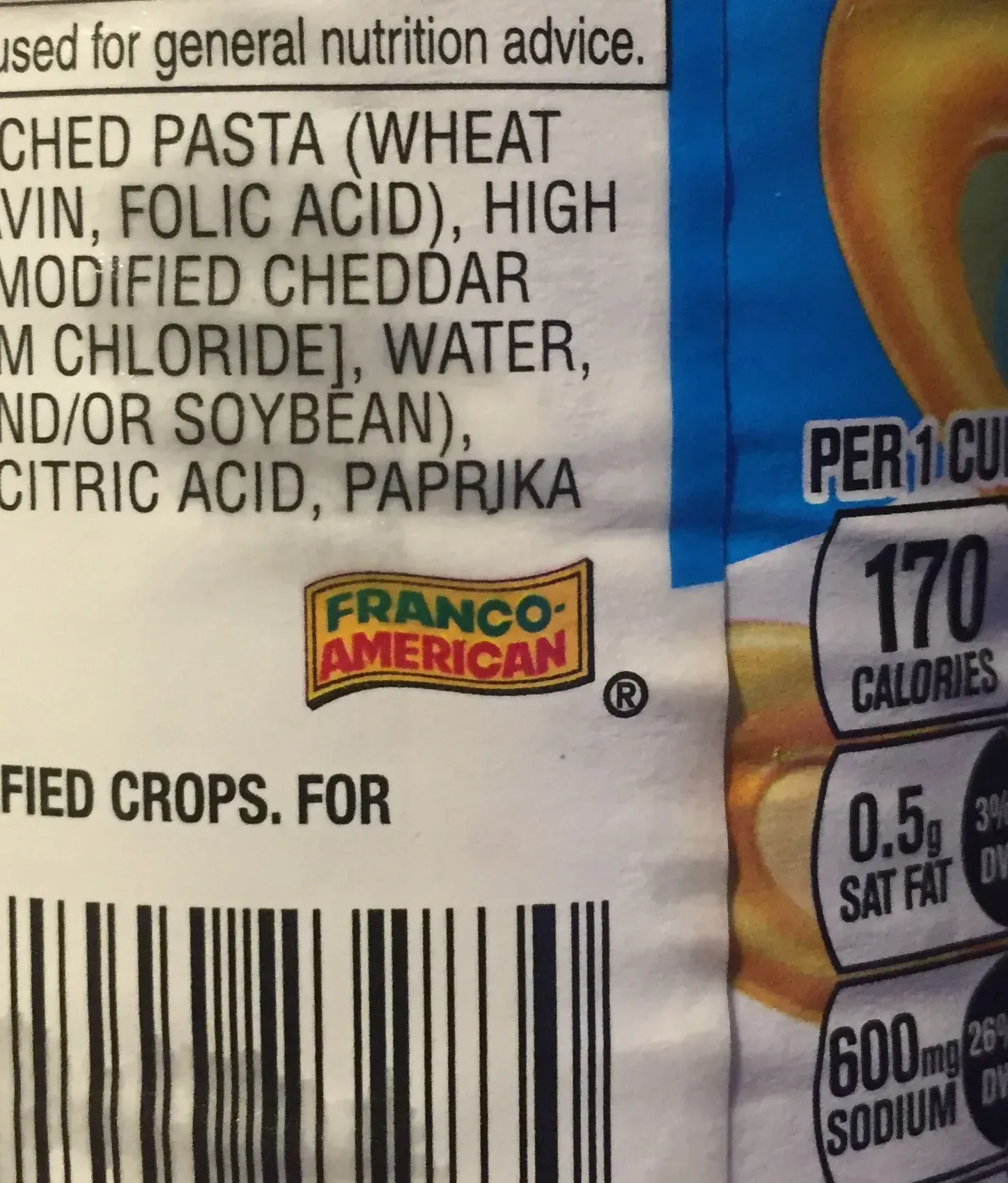
Parisian chef Alphonse Biardot moved to America and, along with his sons, started a simmering soup company in 1886 under the name Franco-American. By the dawn of the 20th century, the company offered a wide variety of items from French soups and ready-made French entrees to plum puddings. In 1915, Campbell’s Soup made its first ever acquisition, bringing Franco-American into the fold. It was an early sign of how corporate consolidation reshapes what sits on American pantry shelves.
In 1939, macaroni and cheese joined the line-up, then spaghetti with meat sauce a dozen years later. In 1965, Franco-American introduced its signature product: SpaghettiOs. The Franco-American name came to an end in 2004, with SpaghettiOs and related products being rebranded under the Campbell’s name. The product survived the brand, which is perhaps the strangest kind of disappearance. The name that built it all became invisible while the little O-shaped pasta rings carried on without it.
5. Swanson (Original TV Dinner Brand)
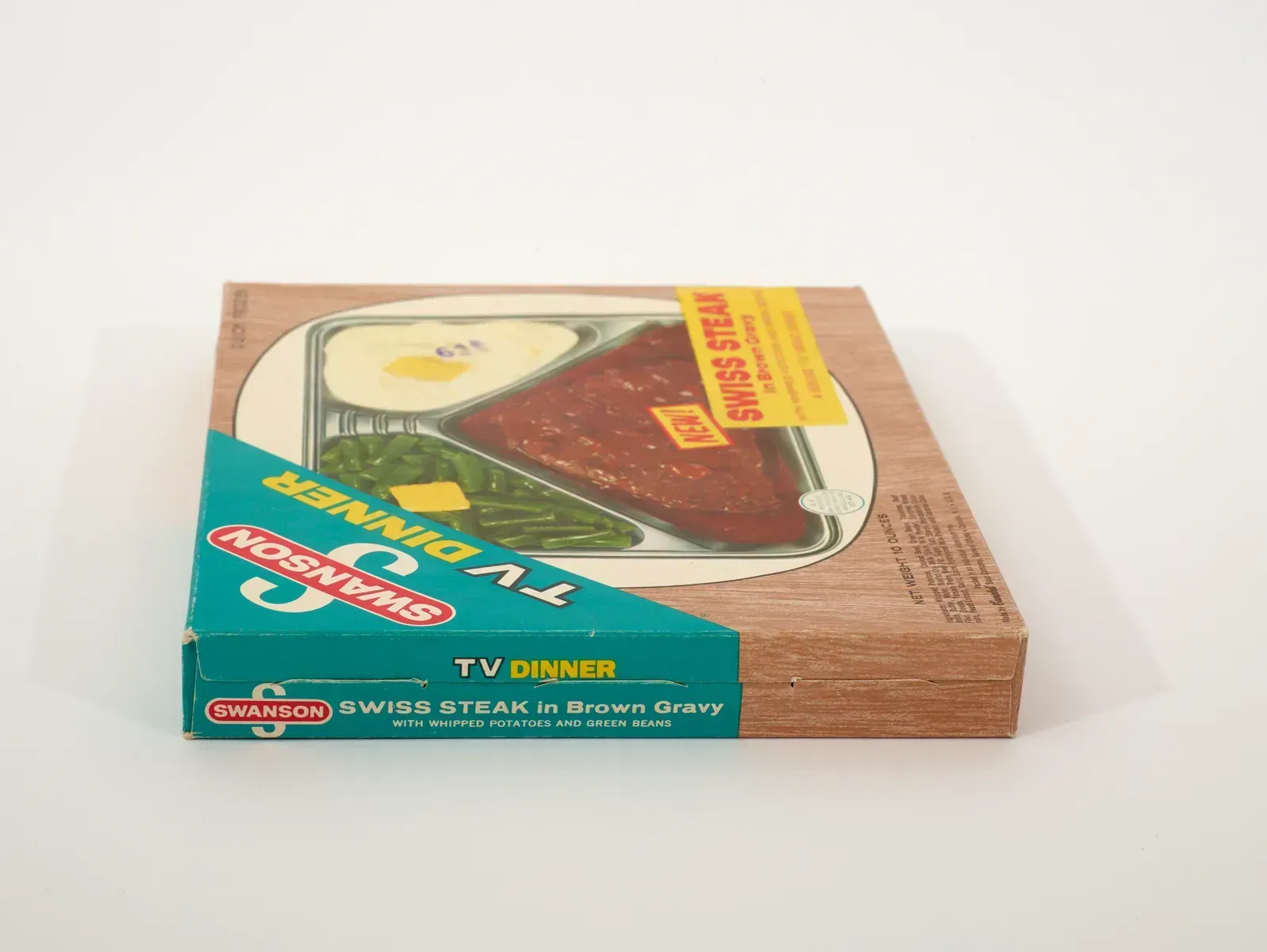
We have food brand Swanson to thank for America’s most iconic frozen meal, the TV dinner. Designed to be reheated in the oven, the original TV dinner consisted of a tray of turkey, mashed potatoes, and gravy. Launched in the 1950s, around the time more women were entering the workforce, it was wildly successful. The concept was so new that the very name “TV dinner” became a cultural shorthand for a whole way of living.
The breakfast versions became especially popular during the 1980s and 1990s, offering oversized frozen breakfasts packed with eggs, sausage, pancakes, hash browns, and syrup compartments. While the original Swanson-branded breakfast meals faded away by the late 2000s after company restructuring and rebranding efforts, they remained iconic among generations raised on frozen TV dinners. These days, Swanson TV dinners are sold under the Hungry-Man brand. The food is still there in some form, but the name that invented the category has been quietly erased.
6. SnackWell’s
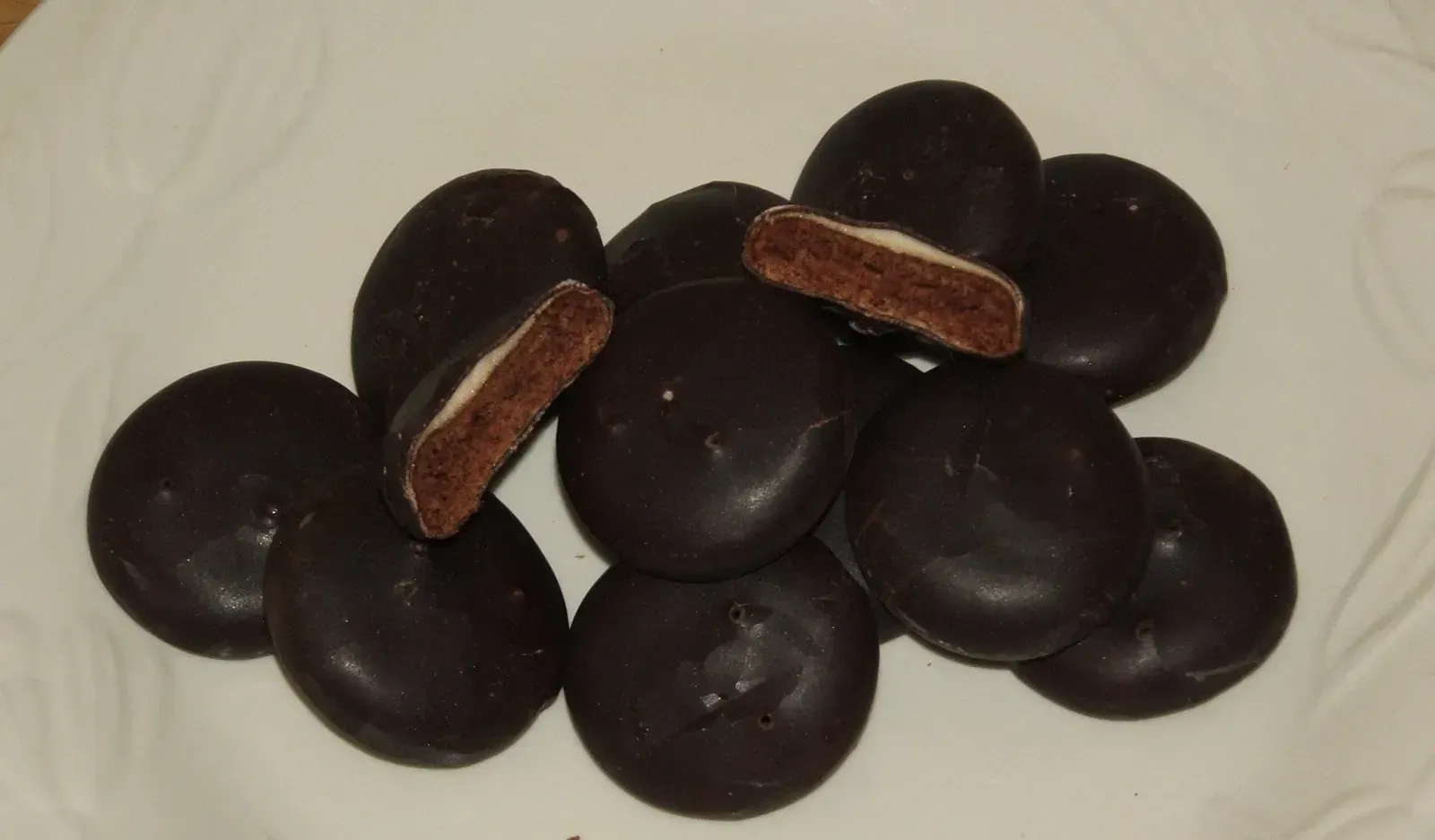
Nabisco released the SnackWell’s line in 1992, featuring several different types of fat-free cookies, including a Vanilla Creme sandwich cookie and a Devil’s Food cookie, by far its most popular. The level of consumption was reflected clearly in mid-nineties sales figures, with SnackWells bringing in $490 million in 1995. It wasn’t just a snack. It was a symbol of a whole decade’s relationship with food and guilt.
There literally is a cultural phenomenon called The SnackWell Effect, in which people are tricked into thinking they have some moral high ground because they are eating “good” food that is non-fat, which leads to them eating far more than they normally would. In 2017, Nabisco sold SnackWell’s to Back to Nature Foods. Two years later, the new owners quietly reformulated the Devil’s Food cookies, adding fat back in to keep up with the times. It didn’t help, and by 2022, the line was discontinued for good. The brand essentially made itself irrelevant by undoing the one thing it stood for.
7. Morton Frozen Foods
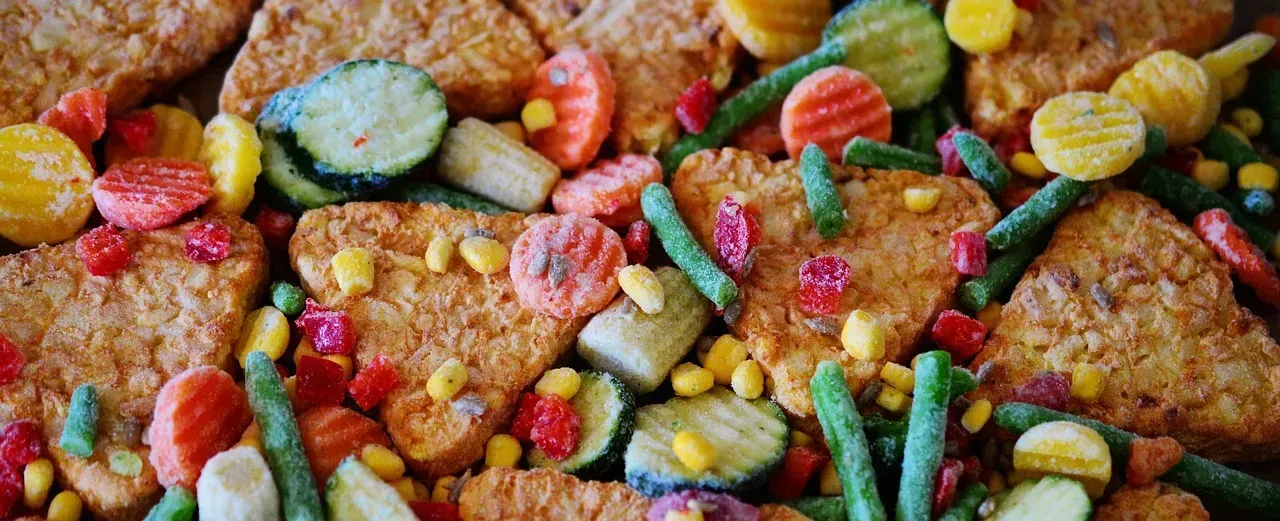
Originally founded as the Morton Packing Company of Louisville in 1940, the company made inroads in American homes in the following decade with its Morton Frozen Food line, featuring sweet and savory pies, casseroles, and breads. The company was acquired in 1955 by Continental Baking, who helped propel it to become the United States’ largest producer of pot pies, fruit pies, and cream pies by the tail end of the 1960s. For budget-minded families, Morton pot pies were a reliable staple, not fancy, but dependable in a way that mattered.
In 1986, Morton exchanged hands to ConAgra, who continued the brand’s life for several decades. Morton was still turning out pot pies as cheap as three for $1 in 2006, before disappearing from shelves sometime after. There was a brief resurgence of Morton Pot Pies, sold at Walmart in 2016, but poor sales ended this run. The trademark for the brand was cancelled in 2024, so fans pining for the brand name will just have to keep hope alive. That cancellation in 2024 makes it as final as it gets.
8. Jell-O Pudding Pops

Once a beloved treat of the 1970s and 1980s, Pudding Pops were a freezer aisle favorite that blended the creamy texture of pudding with the chill of a popsicle. Initially launched by Jell-O, these iconic frozen snacks came in classic flavors like chocolate, vanilla, and swirl. Their rich, smooth taste made them a go-to summer indulgence, often associated with nostalgic TV commercials.
Jell-O Pudding Pops, frozen pudding on a stick, were introduced to the market in the 1970s and were a huge hit. The dessert sold $100 million worth of boxes in its first year. Jell-O discontinued Pudding Pops in 2004 due to the high costs of making and storing frozen pudding. While other brands have tried to replicate the magic, none have captured the same creamy nostalgia of the original. That’s a gap in the frozen dessert aisle that remains unfilled, even two decades later.
9. Chi-Chi’s
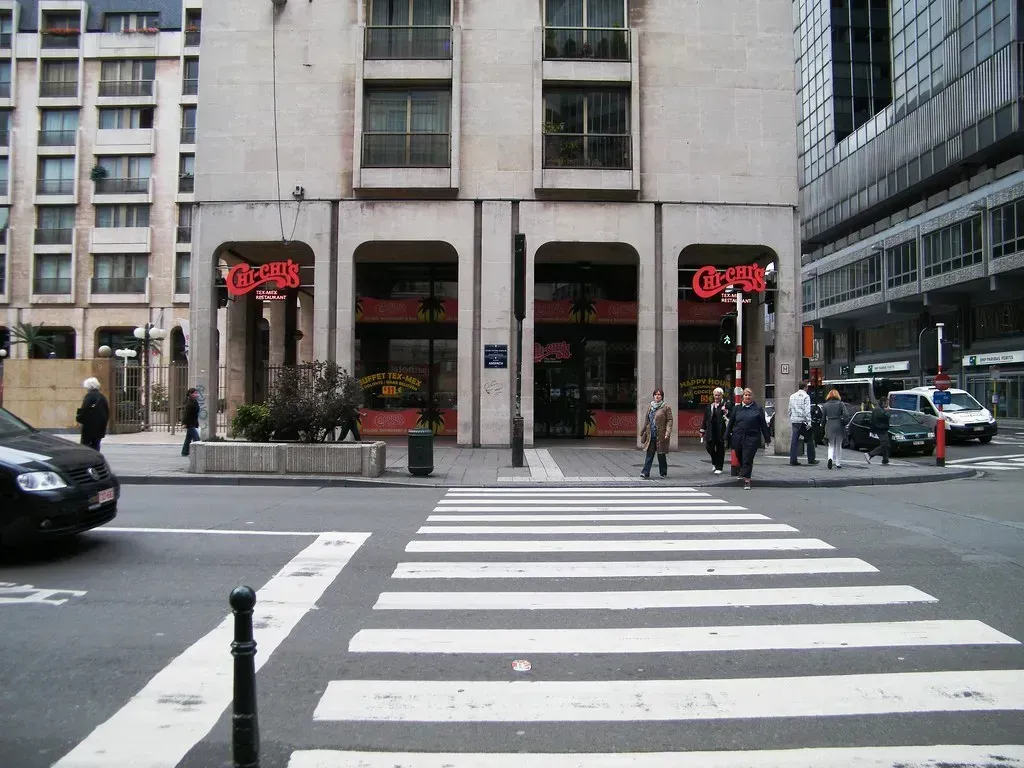
Chi-Chi’s became a go-to restaurant for casual family dining, known for its tacos, burritos, and salsa. The Mexican restaurant chain had more than 200 locations but filed for bankruptcy in 2003. In its heyday, it held a specific place in American dining that was genuinely its own: a full-service Mexican restaurant that felt festive enough for birthdays but relaxed enough for a Tuesday night. That niche proved hard for the market to replace cleanly.
The bankruptcy that killed Chi-Chi’s was compounded by a devastating 2003 hepatitis A outbreak traced to green onions at one of its Pennsylvania locations, one of the largest such outbreaks in U.S. history at the time. The brand never recovered from the dual blow of financial instability and the public health crisis. No chain has successfully occupied the same middle ground between fast-casual Tex-Mex and the full sit-down experience Chi-Chi’s once provided to millions of American families across more than two decades.
10. Jeno’s Pizza
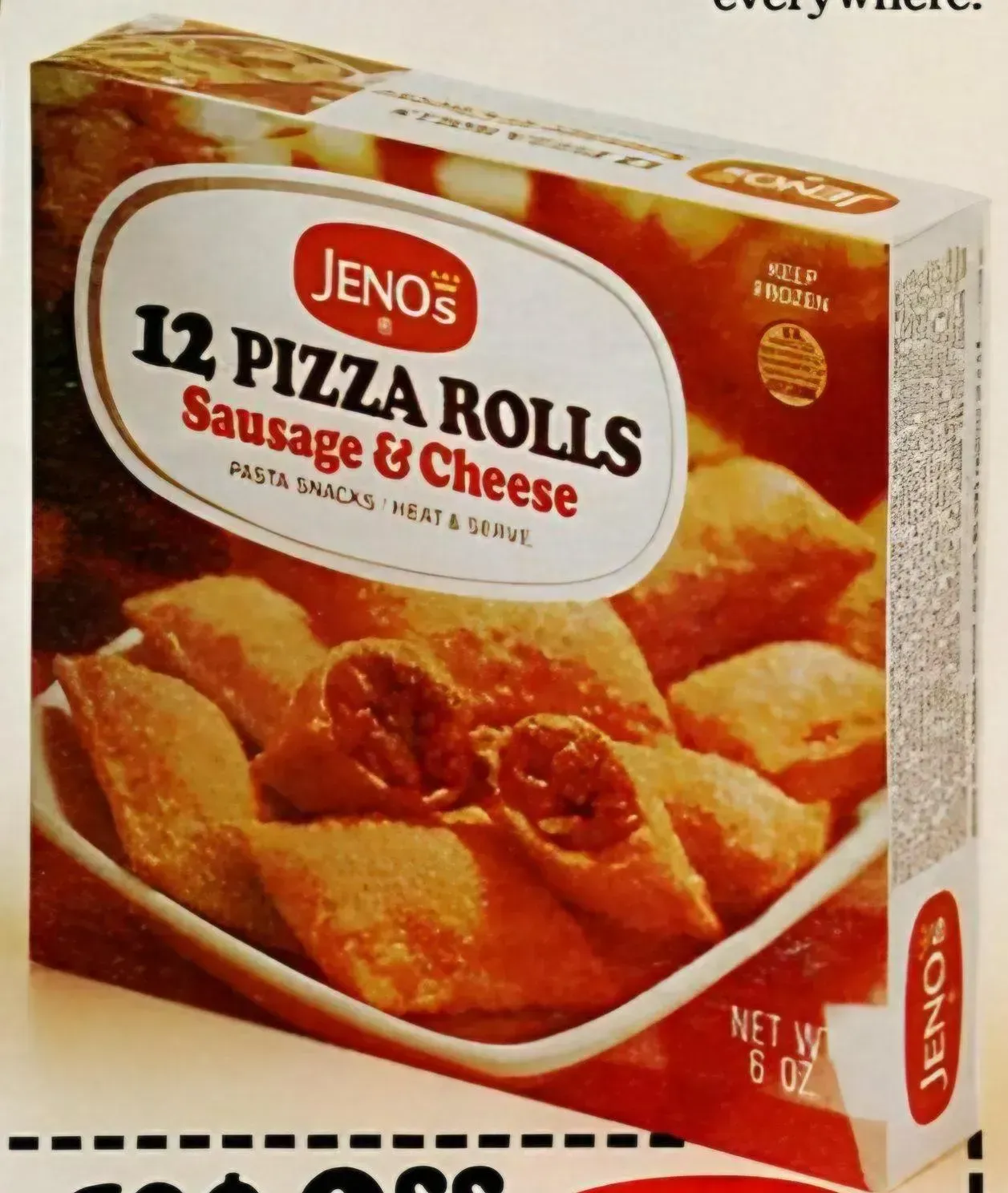
After finding success with his earlier ventures, Jeno Paulucci branched out into a line more aligned with his heritage: Jeno’s Italian Foods. This company sold pizza mixes, spaghetti, and sauces by at least 1958, but things really heated up in the following decade when it branched into frozen foods. In 1967, Jeno’s introduced budget-friendly frozen pizzas that retailed for just 39 cents, and it would launch a bite-size Pizza Rolls, an appetizer that would forever revolutionize snacking.
Jeno’s Pizza Rolls became one of the most copied snack concepts in American frozen food history, yet the Jeno’s name itself faded out as Pillsbury absorbed the brand and eventually rebranded the rolls under the Totino’s label. The frozen pizza line that bore Jeno Paulucci’s name was quietly retired, leaving him as one of American food history’s great uncredited architects. Pizza Rolls survived. Jeno’s didn’t. There’s something quietly unfair about that, and it’s the kind of loss that food historians tend to notice long after everyone else has moved on.
What these ten brands share isn’t simply nostalgia. It’s the specific feeling of a thing done right at a particular moment in time, a formula, a format, or a feeling that the market tried to replace and mostly couldn’t. Some products live on under new names or with altered recipes. Others are simply gone, leaving behind the kind of empty space that no amount of rebranding or reformulation has managed to fill. The food industry moves fast, but some of what it leaves behind turns out to have mattered more than anyone realized while it was still on the shelf.
Leave a Reply