
Spending time across generational lines can be genuinely rewarding. There’s real value in connecting with people whose formative years looked nothing like your own. Still, anyone who has sat at a dinner table, worked alongside, or navigated a customer service interaction with a Baby Boomer knows that certain patterns tend to surface, sometimes within minutes.
These aren’t just quirks or harmless generational flavor. For Millennials and Gen Z, some of these behaviors carry real weight, touching on issues of economics, technology, respect, and social awareness. Much of the frustration stems from a sense that the older generation is out of touch with the modern economic and social realities younger people face, going beyond annoyed sighs at the grocery store to a deeper clash of values regarding work, technology, and basic etiquette. Here are the ten red flags younger generations tend to clock almost immediately.
1. Dismissing Real Financial Hardship as a Lack of Effort

A survey by Clever Real Estate found that roughly six in ten Baby Boomers believe younger people could achieve homeownership if they simply put in more effort, with the majority holding the view that younger generations aren’t doing everything they can to afford a home. It’s a stance that lands hard with Millennials and Gen Z, especially given what the numbers actually show.
Homeownership rates for 30-year-olds who are married have plummeted from more than half in 1960 to just 12% in 2025, while Gen Z’s overall homeownership rate stands at just 26%. Younger generations pulled back on spending due to student loan debt and housing costs, with Millennials and Gen X holding about 87% of the country’s student loan debt, which tops 1.63 trillion dollars. Telling someone to “just work harder” in that environment reads less like wisdom and more like willful blindness.
2. Overreacting to Minor Inconveniences

Baby Boomers have gained a reputation among their younger peers for being know-it-alls, stuck in their ways, and easily frustrated, with outsized reactions to relatively small issues. The phenomenon became so recognizable online that it earned its own name. The term “boomer panic” was coined in 2023 by a TikTok user, describing the pattern of older customers appearing to get loudly frustrated over minor inconveniences, such as figuring out how to use some form of technology or waiting in a long line.
For younger generations who grew up navigating complex digital systems, economic instability, and a global pandemic before they turned 30, watching someone spiral over a missing price tag can feel jarring. The reaction often seems disproportionate not just to the situation, but to the relative security Boomers typically enjoy. Baby Boomers report more positive than negative assessments of their finances at a rate of roughly 64% good versus just 14% bad, which makes the volatility harder to understand from the outside.
3. Unsolicited Advice Delivered as Settled Fact

While Baby Boomers certainly have their own expertise and experience to offer, they largely grew up in a societal context that no longer exists, and their experiences outside of a global pandemic, the modern digital age, and social media aren’t necessarily relevant for Gen Z. That gap in context is significant. Advice about buying a house, getting a stable job, or saving for retirement made sense in a world where those things were actually achievable on a median income.
Coupled with the occasional entitlement some Baby Boomers feel alongside expressing these ideas and encouraging young people to take their advice, Gen Zers often feel disrespected and unheard. The issue isn’t the sharing of experience itself. It’s the assumption that the experience transfers perfectly to a world that has fundamentally changed, delivered without curiosity or acknowledgment that things might be different now.
4. A Complicated Relationship With Technology

Boomers have a very different relationship with technology than their younger counterparts, being the generation least likely to say they buy new technology products as soon as they’re available or feel confident in using them. For younger generations who’ve been digital natives their entire lives, this creates friction in everyday situations, from splitting a check to navigating a shared interface at work.
People are generally not comfortable with change, especially regarding new technologies that are unproven and not yet tested by time, and this uncertainty leads to anxiety and other forms of emotional discomfort. That’s understandable on its own. The red flag, though, is when the discomfort curdles into refusal, or when younger people are expected to absorb the frustration that comes with it. Baby Boomers largely find text messages annoying, which, when paired with a preference for unscheduled phone calls, creates a communication dynamic that feels exhausting to younger generations who treat asynchronous messaging as basic social courtesy.
5. Holding the Housing Market Without Acknowledging the Impact
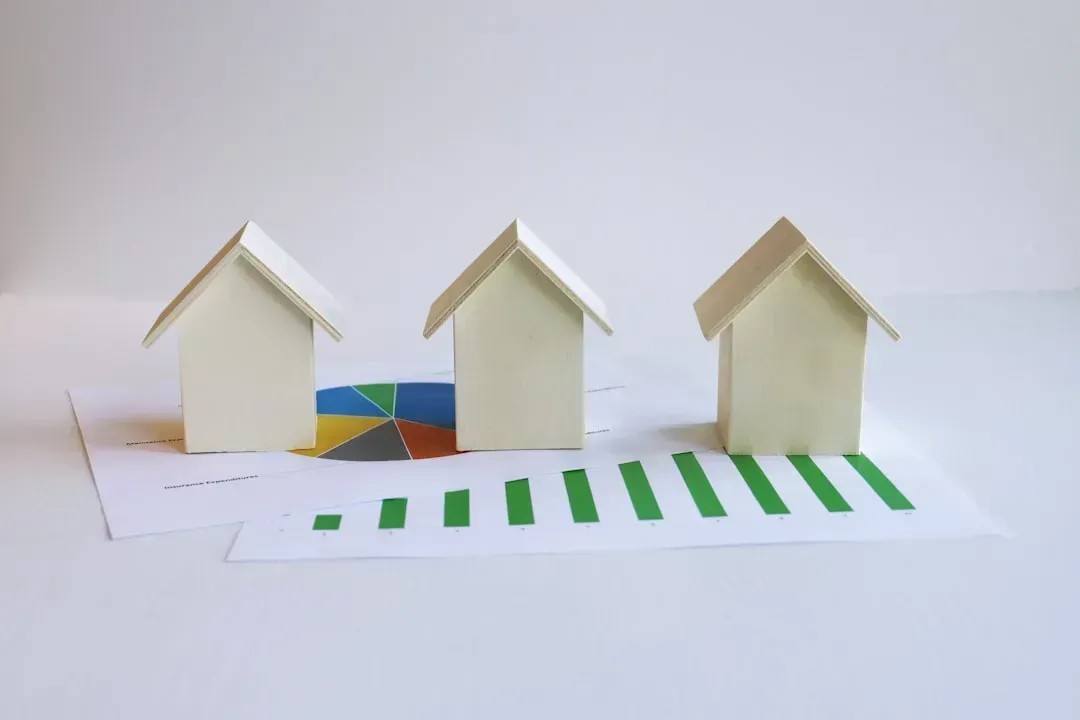
Baby Boomers accounted for 42% of all home purchases in 2025 despite representing only about 20% of the population. That dominance isn’t just a market statistic. It shapes where younger people can live, what they can afford, and how long their path to any kind of financial stability actually takes.
By far the most common answer among Boomer homeowners about their plans is never, with 61% saying they plan to live in their current homes for the rest of their lives. Just over half of Boomers say their generation is least responsible for the current lack of affordable housing, and about two-thirds believe younger generations could own a home if they were more responsible. That combination, holding significant market power while deflecting structural accountability, is one of the more visible sources of generational friction today.
6. Political Confidence That Doesn’t Match the Results
Drawing on a nationally representative survey of 4,500 respondents conducted in mid-2025, research found that younger respondents express deeper dissatisfaction with how the political system functions. More than half of Gen Z respondents said their political party is not moving in the right direction, while nearly two-thirds of Baby Boomers said the opposite. The contrast is striking, and it colors a lot of cross-generational conversations about current events.
When younger people raise concerns about the direction of institutions, climate, housing, or democratic norms, they’re often met with a Boomer confidence in the system that feels, to them, like a luxury belief. The findings show younger respondents trust political parties less, believe the system needs significant change, and express deeper dissatisfaction with how the political system functions overall. That’s not nihilism. It’s a response to a different lived experience of what those institutions have actually delivered.
7. The “We Had It Harder” Narrative

Baby Boomers grew up in a time of peace and prosperity, while Millennials faced economic challenges and the rise of technology, and these experiences deeply influence their values and worldview. The problem isn’t that Boomers had it easier in certain structural ways. The problem is the narrative that frames their own hardships as uniquely formative while treating younger generations’ struggles as self-inflicted or exaggerated.
Younger generations may feel frustrated by Baby Boomers’ critiques of their cultural contributions, including their values, political views, language, and technology adoption. More than half of Gen Z is living paycheck to paycheck, and with over a third struggling to cover basic living expenses each month, the pressure compounds the mental health challenges that explain why the vast majority of Gen Z prioritizes work-life balance over traditional career climbing. The “we survived too” response doesn’t address the structural differences. It just closes the conversation.
8. Public Phone Behavior That Ignores Everyone Else

Being stuck in a waiting room or coffee shop while someone blasts a Facebook video at full volume is a recognizable frustration, and there’s a specific kind of entitlement involved in forcing everyone around you to listen to your personal phone calls or tinny audio. It’s one of the more immediately noticeable behavioral patterns, and it tends to register with younger people almost instantly.
This isn’t a small thing. For generations that were socialized into headphone culture, screen awareness, and digital etiquette from early adolescence, treating public space as a personal living room reads as a lack of situational awareness rather than an innocent habit. The behavior has become so associated with a particular generational style that it feeds directly into stereotypes, fair or not, about Boomers and their relationship with shared social norms.
9. Viewing Millennial and Gen Z Values as Shallow or Misguided

Young people often frown upon older adults who adopt elements of youth culture, and they may feel frustrated by Baby Boomers’ critiques of their cultural contributions, including their values, political views, language, and technology adoption. This cuts both ways, but the generational power dynamic makes the Boomer version feel more loaded. When someone with more wealth, more housing security, and more institutional representation dismisses your values as immature, the dismissal carries a different sting.
Research has found that Millennials view Baby Boomers as domineering and resource-withholding, which contrasts sharply with more benign stereotypes commonly associated with older adults. That perception didn’t emerge from nowhere. It reflects a pattern of interaction where younger people feel their perspectives are treated as a phase to be corrected rather than a legitimate point of view shaped by real conditions.
10. Generational Pride That Comes at Someone Else’s Expense
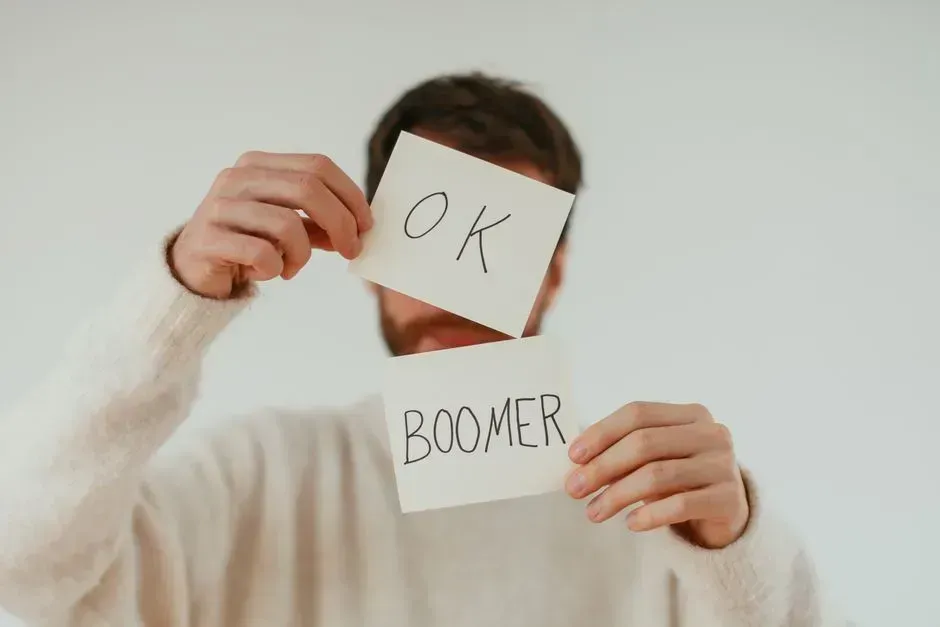
The phrase “OK boomer” became a catchphrase used to dismiss attitudes typically associated with Baby Boomers, and it has developed into a retort for resistance to technological change, climate change denial, or opposition to younger generations’ values more generally. The fact that a two-word phrase captured so much cultural tension says something about how consistent and identifiable these patterns have become across contexts.
From heated dinner-table debates to viral social media clips, certain habits and attitudes of the older generation are clearly striking a nerve with Millennials and Gen Z, and the sheer size and economic power of the Boomer demographic amplifies these daily misunderstandings. Generational pride becomes a red flag when it requires erasing the structural advantages that made it possible. Younger generations don’t object to Boomers being proud of what they built. They object to a pride that refuses to acknowledge what it cost others, or what has changed since.




Leave a Reply