
1. Eggs

For decades, eggs were treated almost like a controlled substance because of their cholesterol content, and one large egg does contain roughly 200 milligrams of dietary cholesterol, a large, whole egg contains around 200 mg of dietary cholesterol. That number used to trigger strict weekly limits, but the thinking has changed considerably. Newer clinical research indicates that saturated fat, not the cholesterol in eggs themselves, has the bigger influence on LDL levels, since recent evidence suggests that saturated fat has a greater impact on LDL cholesterol than dietary cholesterol from eggs does.
Federal guidance has moved in the same direction. The current dietary guidelines suggest keeping dietary cholesterol consumption “as low as possible without compromising the nutritional adequacy of the diet,” which leaves room for eggs rather than banning them outright. The 2025 Dietary Guidelines Advisory Committee has continued that pattern, noting that healthy food patterns, which include eggs, can be adapted to fit individual preferences. For most healthy adults, an egg a day is no longer considered a risky habit.
2. Full-Fat Yogurt
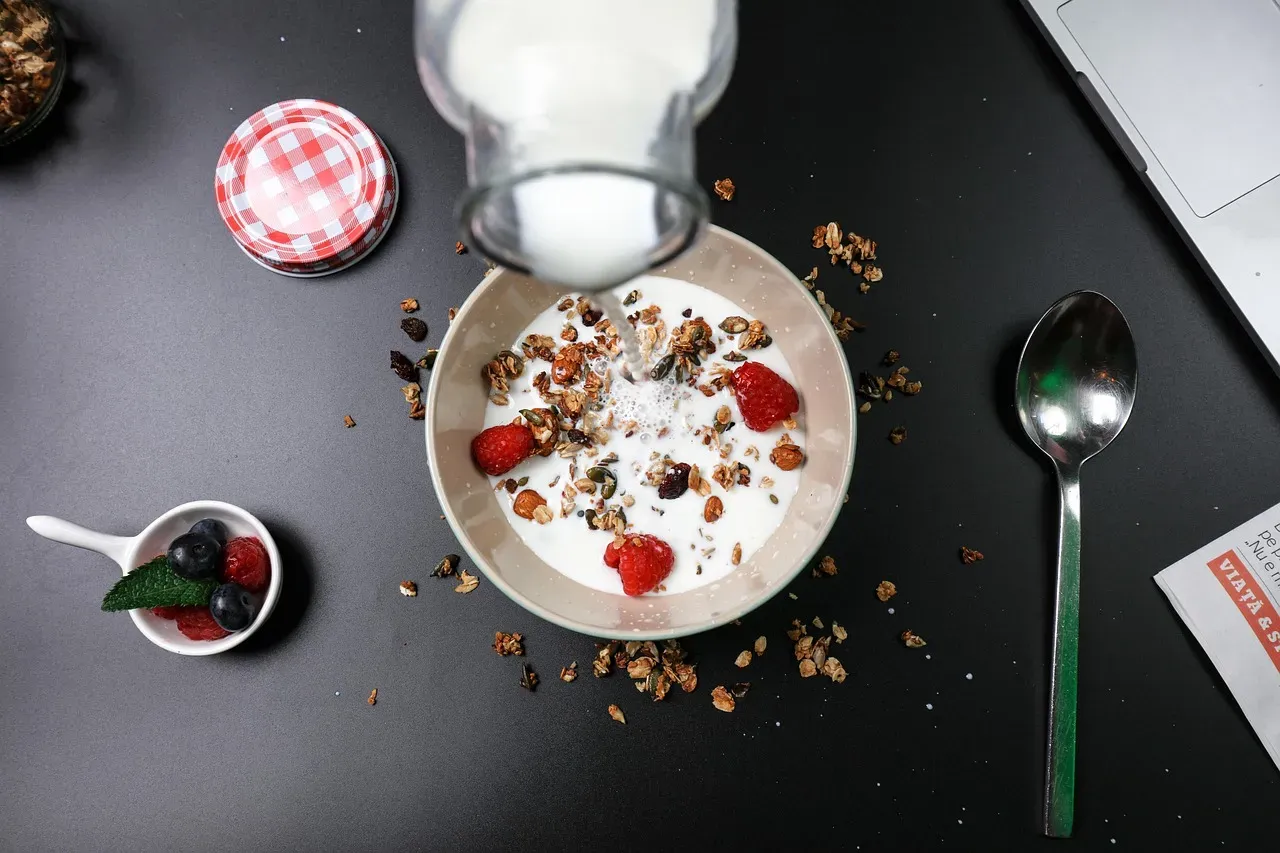
Fat-free yogurt spent years marketed as the smarter choice, but that framing is starting to look outdated. The newest dietary guidelines actually lean toward the full-fat version, since the 2025-2030 Dietary Guidelines for Americans emphasized full-fat dairy with no added sugars while still acknowledging lower-fat options have a place too. Part of the reasoning is that stripping out fat often means adding something else back in, and the guidelines pointed out that low- and fat-free versions of yogurt, for example, often have less protein, more added sugar, starch and chemical additives.
Fermented dairy in particular seems to hold up well under scrutiny. Research reviewed by Harvard Health found that fermented dairy, yogurt and cheese, have been shown to be slightly protective against cardiovascular disease, or at least not increase risk. A broader 2025 review concluded that dairy consumption of any kind, full-fat, low-fat, fat-free, has not been associated with cardiovascular disease risk. So the plain, full-fat container in the dairy case is not the villain it was once made out to be.
3. White Potatoes

Potatoes get grouped with fries and chips so often that people forget they are, technically, a vegetable. The distinction matters, because how a potato is cooked changes everything. Research summarized by Harvard’s Nutrition Source found that for every three servings of French fries eaten per week, the risk of developing type 2 diabetes jumped by 20 percent, yet potatoes cooked with the other methods did not appear to increase risk.
A single baked or boiled potato also brings real nutritional value to the table. A medium potato supplies meaningful amounts of two commonly underconsumed nutrients, since a medium potato provides 2 g of fiber (7% of the daily value) and 620 mg of potassium (15% of the daily value). A Norwegian cohort study even found that heavier potato eaters fared better over time, reporting that people who ate around 35 ounces a week had a 12 percent lower risk of dying from any cause than those who ate about half that amount. Skip the deep fryer, and the potato itself is a fairly solid food.
4. Dark Chocolate

Chocolate rarely makes anyone’s list of diet foods, but the dark variety, especially anything with a high cocoa percentage, is a genuine outlier. The flavanols concentrated in cocoa solids appear to support blood vessel function, and research has connected them to improved cholesterol markers, with studies showing dark chocolate may help lower your LDL “bad” cholesterol and may increase your HDL “good” cholesterol. Dark chocolate carries noticeably more of these compounds than its milkier cousin, since it contains two to three times more flavanol-rich cacao solids as compared to milk chocolate.
The long-running COSMOS trial added some nuance worth knowing. Researchers found that cocoa supplements didn’t reduce heart attacks, but they did reduce heart-disease-related deaths, which suggests the benefits are real but modest rather than miraculous. It is worth remembering that not all chocolate qualifies, since white chocolate is the least healthy variety as it contains no cocoa and is high in fats and sugar. A square or two of the dark, high-cocoa kind is the version nutritionists actually mean.
5. Coffee

Coffee has been accused of everything from stunting growth to wrecking sleep, yet the accumulated research tells a calmer story. Large cohort studies have repeatedly found that coffee drinkers have a lower risk of death from any cause compared to people who don’t drink coffee. A comprehensive 2025 review went further, concluding that moderate coffee consumption, typically three to five cups per day, is associated with reduced overall mortality and lower risk of major diseases such as cardiovascular diseases, diabetes, stroke, respiratory conditions, cognitive decline.
The catch, and there is always a catch, involves what people put in the cup. Researchers analyzing thousands of American adults noted that higher consumption of black coffee, or coffee that contained less sugar and saturated fat, was associated with lower-cause mortality, and a separate review pointed out that the addition of sugar and cream to coffee may attenuate coffee’s positive health effects. Plain black coffee, or coffee with just a splash of milk, keeps most of the upside intact.
6. Popcorn

Popcorn gets an unfair reputation mostly because of what happens to it at the movie theater concession stand, buried under butter and salt until it barely resembles a plant food anymore. On its own, though, popcorn is a whole grain, made from the intact kernel of the corn plant with the bran, germ, and endosperm all still present. Whole grains are consistently linked to better digestive health and steadier blood sugar, and popcorn happens to deliver that whole-grain fiber for very few calories per serving when it is air-popped rather than fried in oil.
The kernels themselves are also a decent source of polyphenols, plant compounds with antioxidant properties, concentrated largely in the hull, the part most people are tempted to pick out of their teeth and complain about. The problems people associate with popcorn, like excess sodium and saturated fat, almost always come from toppings rather than the corn itself. A batch popped at home with a light coating of oil and salt looks nothing like a nutritional gamble; it looks like a reasonably filling, fiber-rich snack that happens to taste good too.
Taken together, these six foods share a common thread. Their bad reputations came less from the foods themselves and more from how they were prepared, marketed, or misunderstood by outdated guidelines that have since been revised. Eggs, full-fat yogurt, potatoes, dark chocolate, coffee, and popcorn all have a legitimate place in a balanced diet when they are enjoyed in their simpler forms, without the deep fryer, the added sugar, or the excess salt doing the real damage. None of this means every food deserves a free pass, and moderation still matters as much as it ever did. What has changed is the evidence, and it increasingly suggests that a few foods once treated with suspicion were simply misjudged.



Leave a Reply