
Most people don’t give their napkin a second thought. You sit down, shake it open, and use it when something spills. Simple enough, right? The problem is that trained hosts, seasoned servers, and sharp-eyed dining companions notice exactly what you do with that rectangle of cloth, and those small details carry more social weight than most of us realize.
Proper napkin etiquette matters in ways that go well beyond formality. Following a set of norms reflects respect for the establishment and for good manners in general, and the small movements surrounding the simple act of picking up a napkin and placing it on your lap can signal whether you know what you’re doing and whether you belong in the space. Here are nine napkin habits that quietly broadcast a lapse in basic table manners.
1. Snapping or Shaking the Napkin Open Dramatically
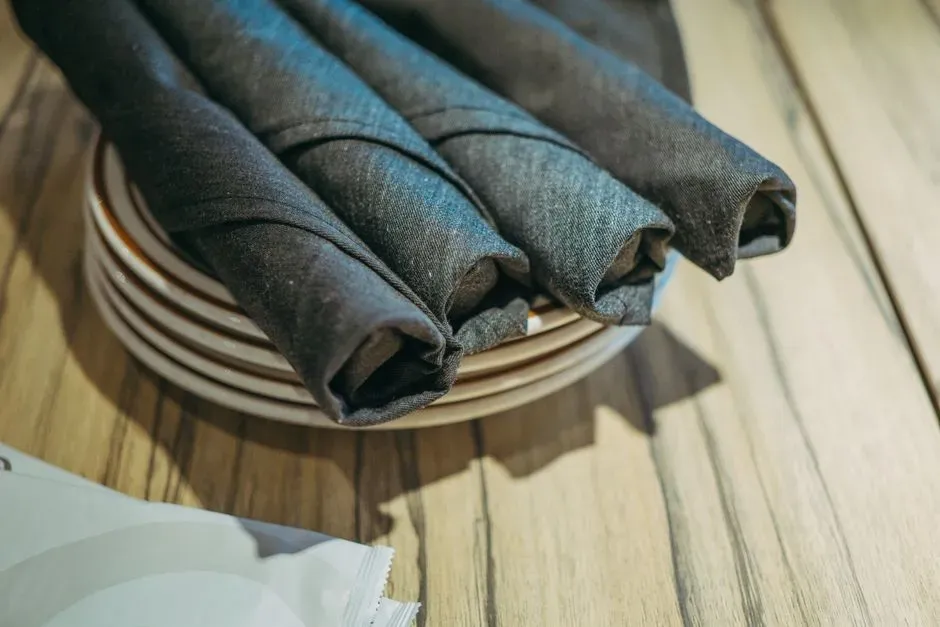
You should unfold your napkin in one smooth motion without “snapping” or “shaking” it open. That dramatic flick of the wrist might feel natural, but at a formal or semi-formal table it reads as careless and a little theatrical. The motion is louder than most people realize, and it draws the kind of attention you don’t want.
The size of your napkin will determine how to unfold and place it on your lap: larger napkins are unfolded halfway, while smaller napkins are fully extended to cover the lap. Your goal is to open the napkin in a singular, smooth motion, without unnecessary shaking or flailing movements. It takes roughly the same amount of effort as the dramatic alternative, but the impression it leaves is entirely different.
2. Tucking It Into Your Collar Like a Bib
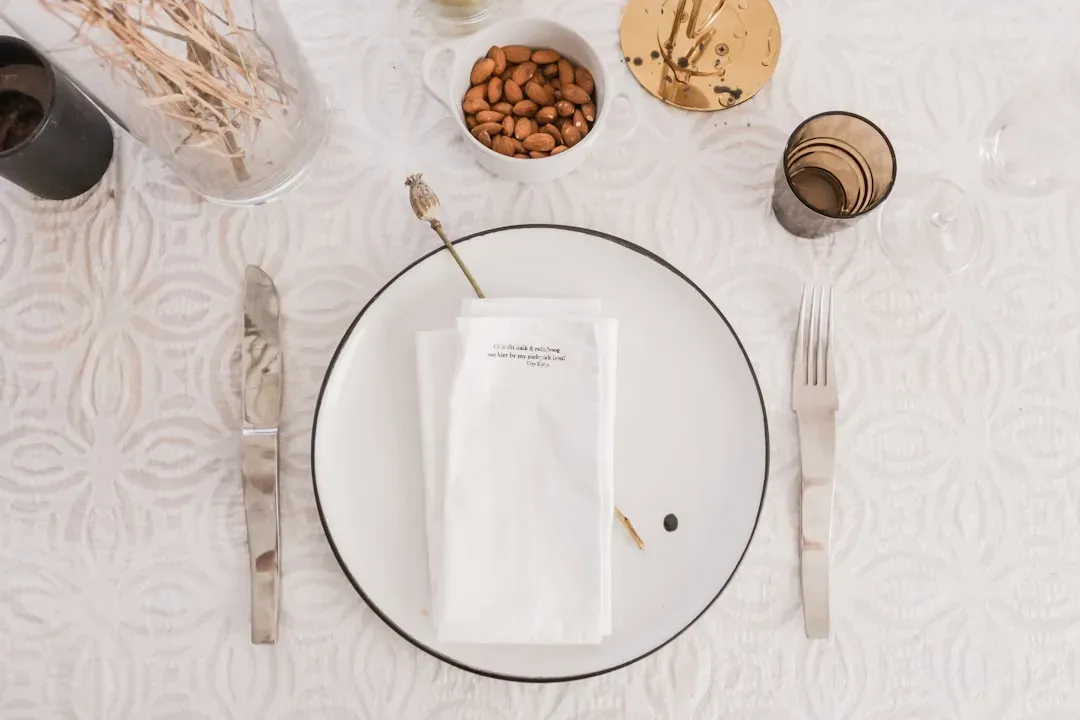
You should never tuck a napkin into your collar, between the buttons of your shirt, or in your belt. This applies across practically every dining context outside of a lobster bake or a small child’s birthday party. The napkin belongs on your lap, full stop.
Placing the napkin around your neck is considered inappropriate, even in casual settings. It should always rest on your lap. Beyond the etiquette issue, it also looks visually out of place at any table where other diners have bothered to dress thoughtfully. It signals that you’re prepared for mess rather than prepared for the meal.
3. Not Placing It on Your Lap at All
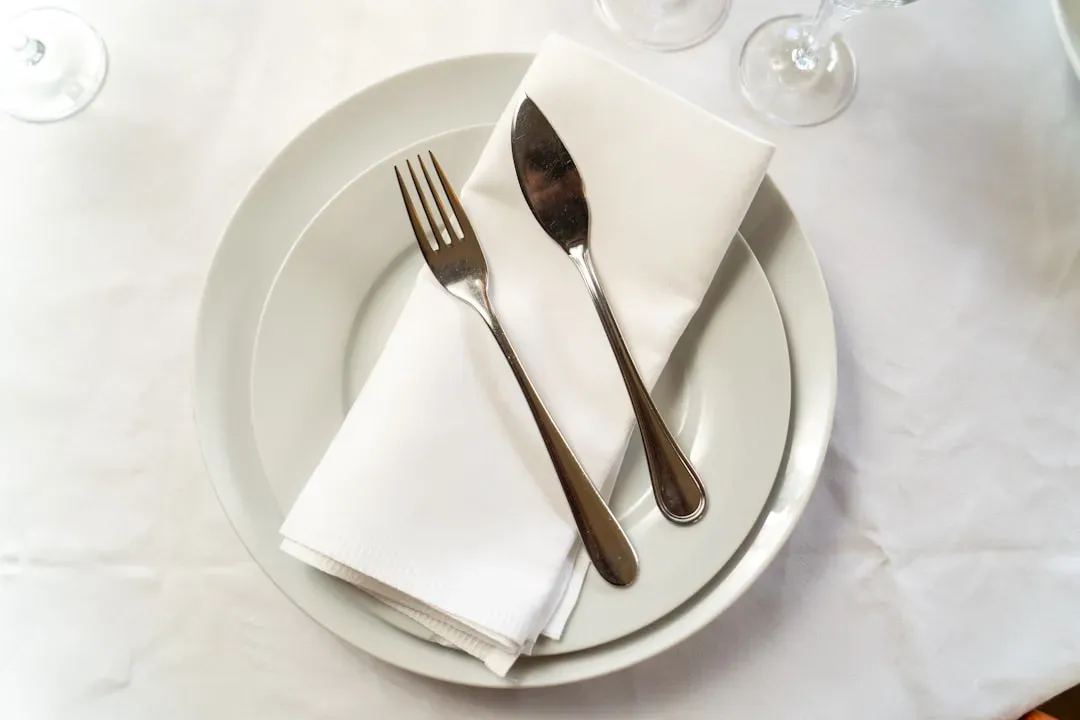
Ignoring the napkin entirely is a common faux pas. Your napkin is there to keep you tidy, so use it to dab your mouth and fingers as needed. Not using it can make you appear careless or unrefined. Leaving a cloth napkin untouched on the table throughout an entire meal is almost more conspicuous than any of the other mistakes on this list.
One of the first rules of napkin etiquette is placing your napkin on your lap as soon as you are seated. This small action signals to others that you are prepared and aware of dining norms. Failing to do so can make you appear inattentive or inexperienced. It’s one of those things that takes zero effort yet makes an immediate impression on everyone around you.
4. Wiping Your Mouth Instead of Blotting It
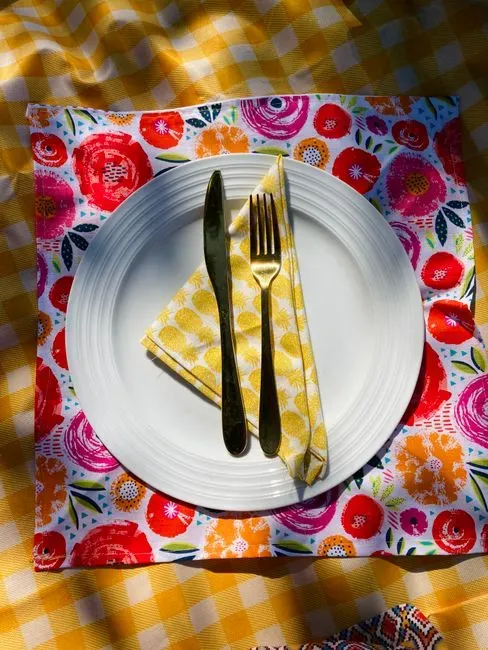
When using the napkin to wipe your face during the meal, try to resist the urge to wipe the napkin completely across your mouth. Simply use the corner of the napkin to elegantly dab food away or off your mouth. The difference between a blot and a wipe is subtle in motion but significant in how it looks to everyone else at the table.
Use your napkin to blot or pat, not wipe, your lips. Blot your lips before taking a drink of your beverage. That last point is worth remembering. Blotting before you sip keeps lipstick and food residue off glassware, which matters considerably in formal settings and at business dinners where the details are always being quietly observed.
5. Using It to Blow Your Nose
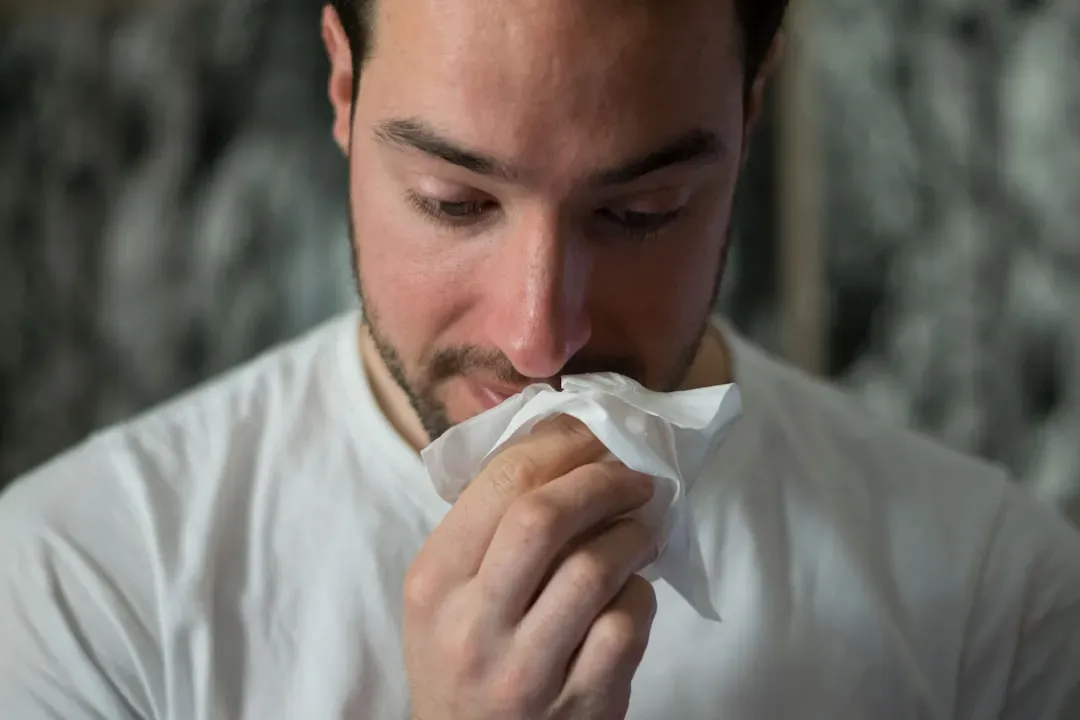
Never use the napkin to clean or polish your silverware, and by all means, keep it away from your nose. A restaurant napkin is not a Kleenex tissue. If you need to blow your nose, don’t do it at the table. Remove yourself to a restroom, and attend to the matter in private. This one sounds obvious until you watch how often people reach for the napkin mid-sneeze out of pure habit.
You should never blow your nose into a cloth napkin, and yes, people do this sometimes. It’s one of those gestures that’s startling for everyone else at the table and extremely difficult to unsee once it happens. A quiet excuse to step away takes seconds and preserves everyone’s appetite.
6. Leaving It on the Table While You’re Still Eating
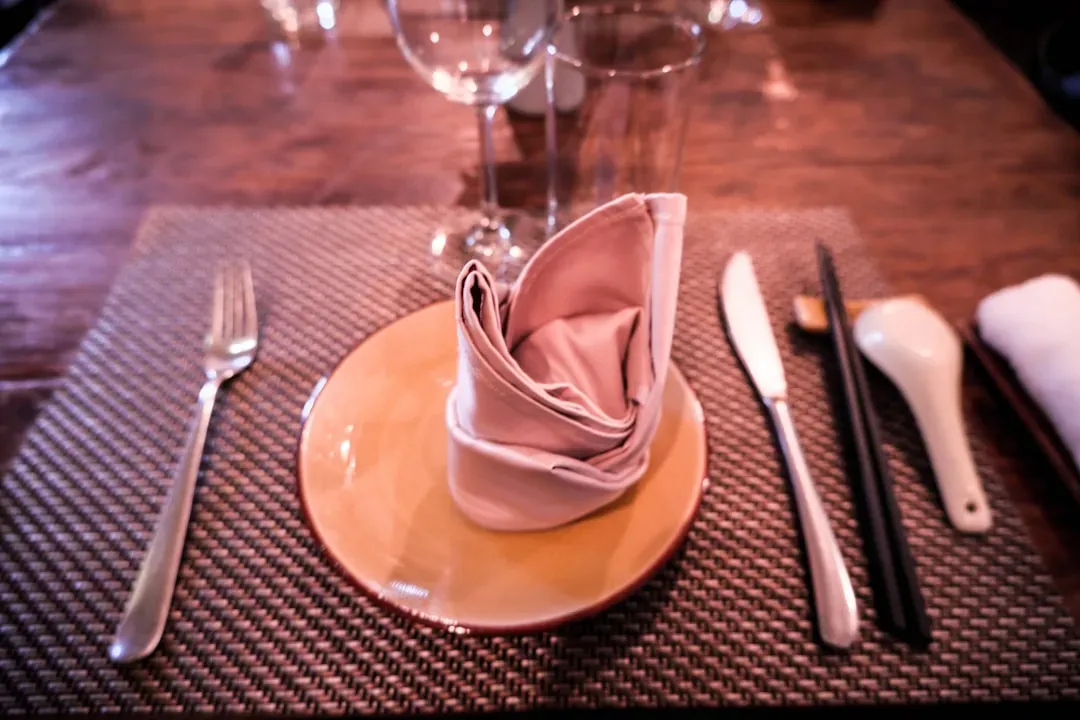
Leaving the napkin on the table while you’re eating is a breach of table manners. It should remain on your lap to avoid clutter and maintain cleanliness. A napkin resting beside your plate mid-meal isn’t a neutral move. At a table where servers are trained to read signals, it communicates something you probably don’t intend to communicate.
In many ways, the napkin is a way to send signals to servers, provided they’ve been trained to read those signals. The napkin remains on your lap throughout the entire meal and should be used to gently blot your mouth. Keeping it there isn’t just about hygiene. It’s about participating correctly in the visual language of the table.
7. Picking It Up From the Floor Yourself
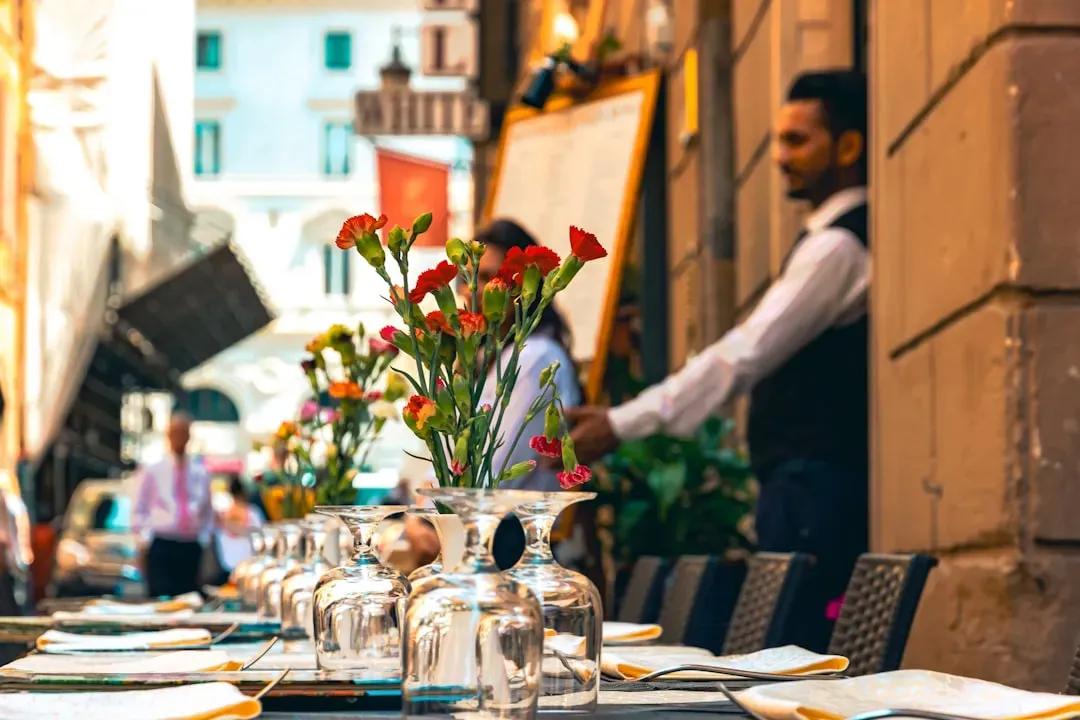
It’s not exactly becoming to grab a napkin from the not-so-clean floor and then put it on your mouth. Picking up a napkin that has fallen on the floor is just bad restaurant etiquette. While the floor of a fine dining restaurant may appear clean, it is a floor after all, and you might have been dropping crumbs there all night without even realizing it.
If you drop your napkin on the floor during the meal, try not to bend over and pick it up immediately. If your server saw this happen, they will fetch you a fresh napkin. If your server does not see this happen, you can simply hail them and ask for a fresh one. It’s a practical matter of hygiene as much as etiquette, and most trained servers fully anticipate it happening.
8. Putting It on Your Plate When You’re Done
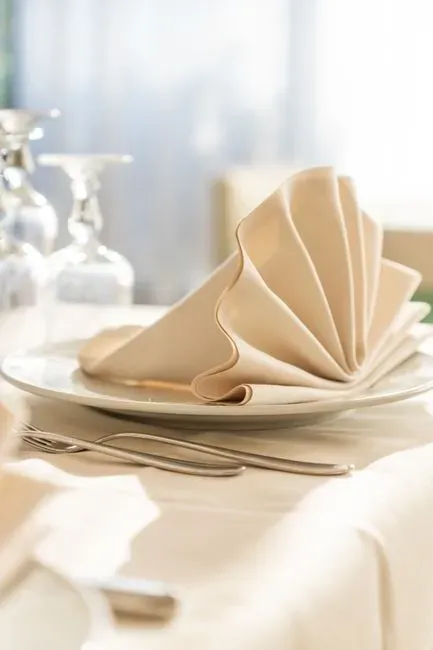
Someone could have perfect table manners throughout the whole meal and totally blow it at the end by crumpling their napkin onto their dirty plate instead of folding the napkin and laying it to the side. People in etiquette seminars describe how much they dislike this practice, using words like “gauche” and “déclassé” as the mildest available options.
The correct move requires the diner to fold over their napkin when they’re done, making sure no one can catch a glimpse of any food stains inside. No one wants to see that, and you don’t want anyone clearing the table to have to grab onto a sticky or gooey napkin. In addition, placing the soiled cloth to the left of your plate is common etiquette followed widely. It’s a small, clean finish that rounds off the meal with the same care you started it with.
9. Placing It on the Table Before the Host Signals the Meal Is Over
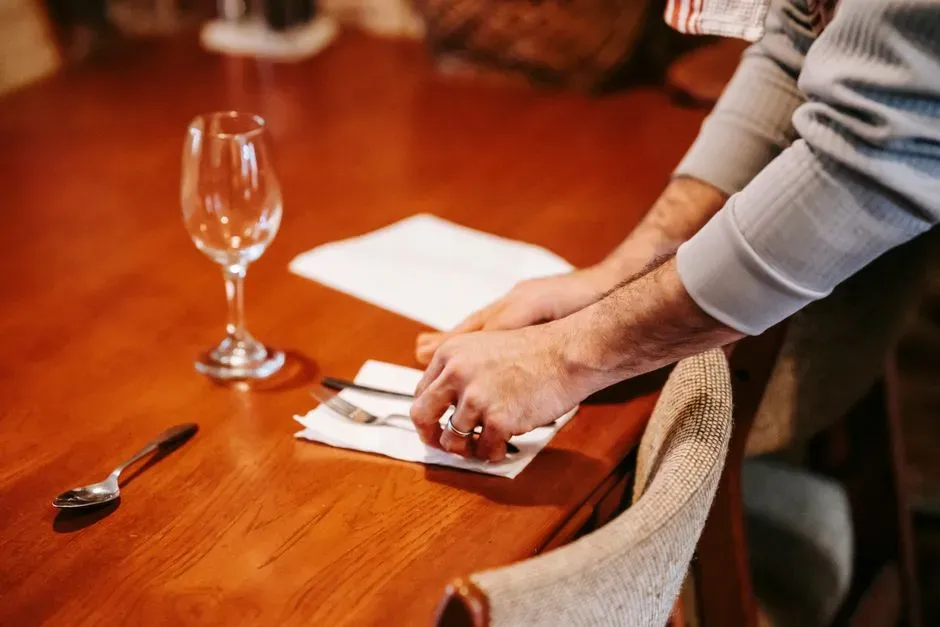
When the meal is over, do not place your napkin back on the table unless the host has already done this. If you did, you’d be signaling that the meal was over at a time when the host may have other plans. This is one of the less widely known napkin rules, and it catches people off guard precisely because it’s so easy to do without thinking.
The host signals the end of the meal by placing their napkin on the table. Once the meal is over, you too should place your napkin neatly on the table to the right of your dinner plate. Following the host’s lead isn’t just polite. It keeps the pace of the meal in rhythm and shows that you’re paying attention to the people around you, which is really what good table manners come down to in the first place.
The napkin seems like the least consequential item at any table setting. Yet it turns out to be one of the most expressive. Every time you pick it up, put it down, or reach for it without thinking, you’re quietly communicating something to the people who know what to look for. The good news is that the rules are genuinely simple once you know them, and the habits take almost no effort to build.


Leave a Reply