
There’s a certain unspoken language at the deli counter. You step up, name the meat, and then comes the question: how thick? Most people wave a vague hand and say “thin” or “paper-thin,” fully expecting the clerk to understand. What they don’t realize is that those words carry a very specific technical meaning on the other side of the counter, one that affects the machine setting, the slice count, and ultimately the texture of everything you’re about to eat.
Slice thickness isn’t just an aesthetic preference. It shapes how deli meat behaves in cooking, how it sits in a sandwich, and whether that prosciutto melts on your tongue or turns into something you have to chew through. Knowing what you’re actually asking for makes the whole exchange faster, smarter, and far less likely to end in three rounds of “is this thin enough?”
What “Paper-Thin” Actually Means on a Slicer
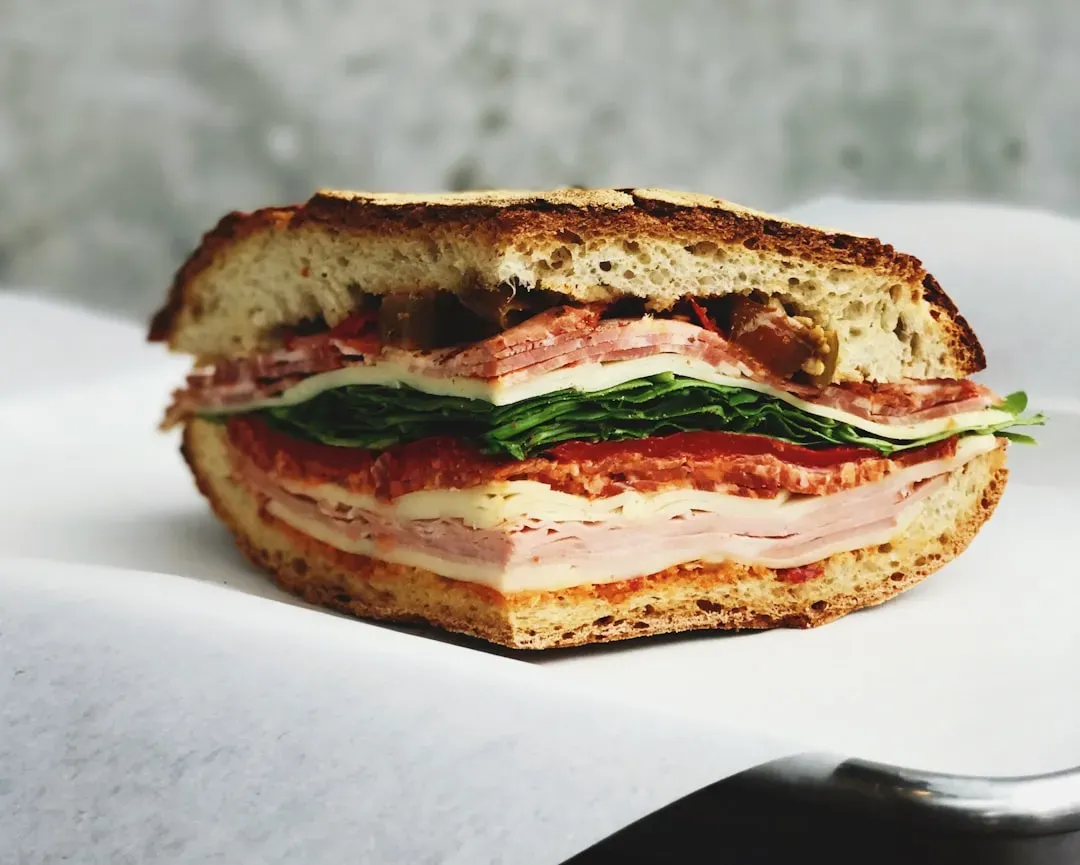
Shaved slices are less than 1/16″ thick, making them paper-thin. That’s a genuinely small number. To put it in perspective, a standard sheet of printer paper is roughly 0.004 inches thick, so you’re talking about a slice of meat that’s only about 15 times thicker than paper. It’s not a casual request.
Any meat cut thinner than 1/16″ can be described as “paper-thin,” and at just 2 to 3 mm, these slices are sheer enough to see light through. When you say those two words at the deli counter, a trained clerk knows exactly what setting they’re reaching for and which products can actually hold up to it.
The Thickness Spectrum: From Shaved to Dinner Cut
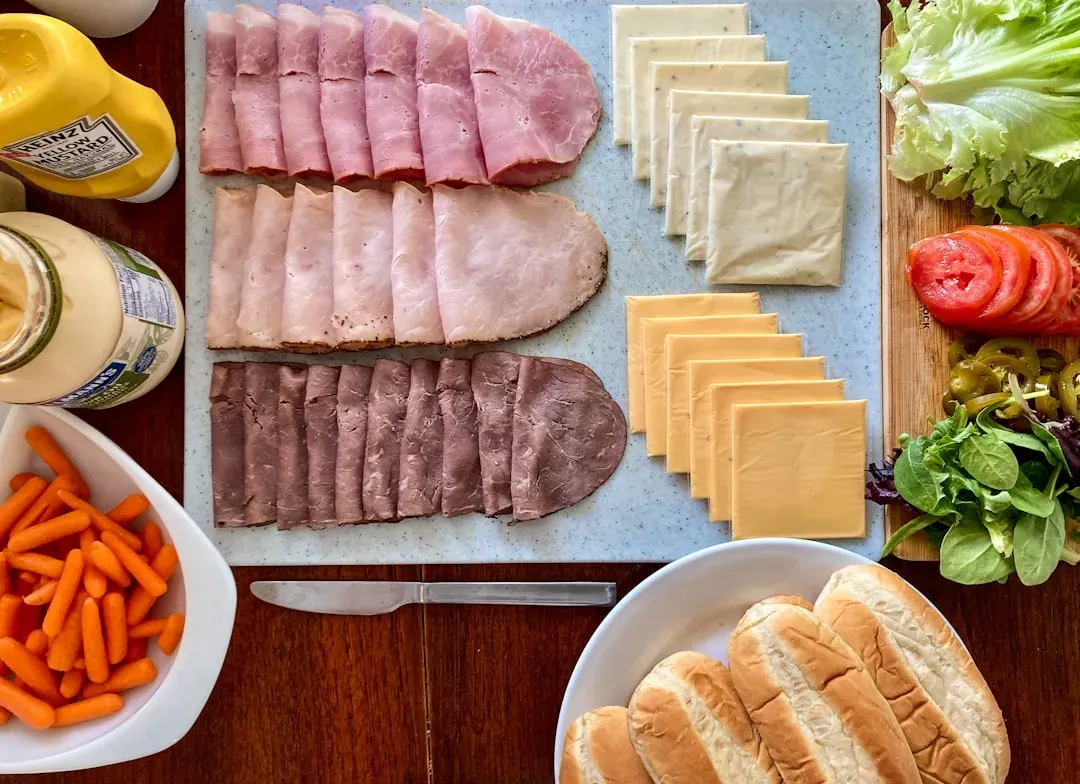
The deli world operates across a clear range of cuts. Shaved slices are less than 1/16″ thick, ideal for delicate textures like prosciutto or garnishing. Thin-sliced meat falls between 1/16″ and 1/8″, slightly more substantial than shaved, offering a bit more bite while remaining relatively thin. These two categories are often confused, but they’re genuinely different things.
Medium-sliced meat, also known as sandwich cut, ranges from 1/8″ to 3/16″ in thickness and provides a sturdier texture. Thick-sliced meat, also referred to as dinner cut, includes anything greater than 3/16″ thick, making it suitable for entrees and main dishes. Most everyday deli orders land somewhere in the medium range, which is worth knowing before you default to “thin.”
Why the Slicer Dial Numbers Don’t Mean What You Think
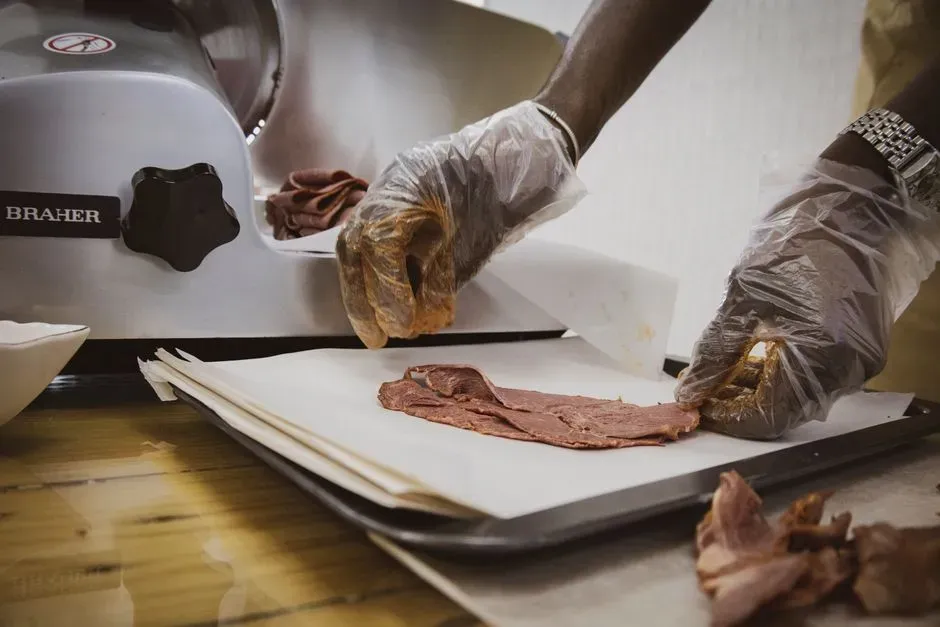
Here’s where things get quietly frustrating. In butcher and deli counters, customers ask for “thin/normal/thick,” but the numbers on the slicer dial are not millimetres. They’re internal reference marks. This explains why asking for a “number three” at one store gives you something completely different at another.
There is no standard thickness number system across slicer manufacturers. While 1.5 mm is a consistent physical measurement, some brands simply invent their own number scales. The practical takeaway: describing what you want in physical terms, or better yet asking for a sample first, will almost always get you closer to what you’re after than quoting a dial number from your last grocery trip.
The Ideal Thickness Depends on the Meat
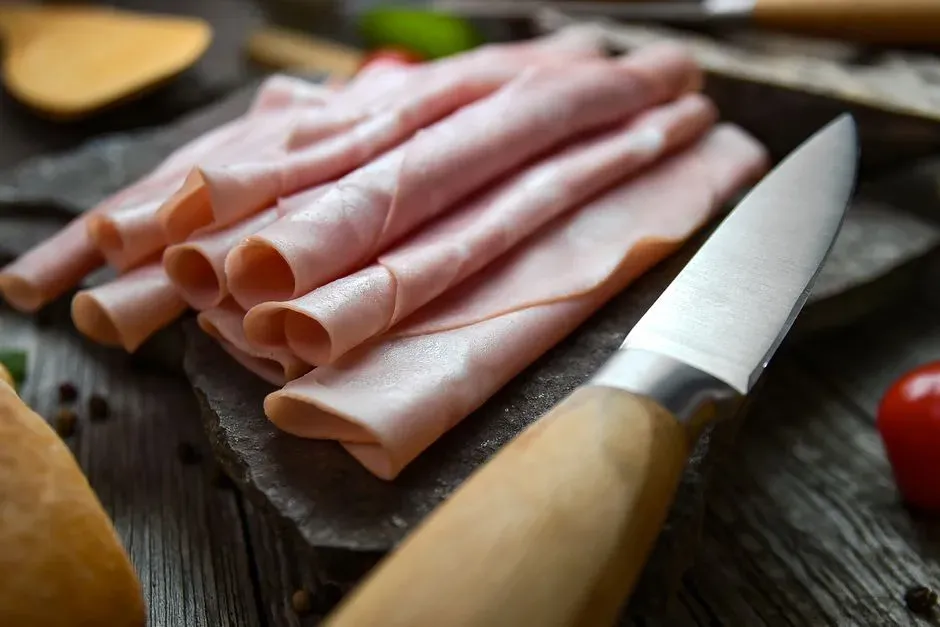
Generally speaking, roughly 1/8 of an inch is a good all-purpose thickness for deli meat, though the intended use should always be taken into account. Lean, delicate meats like turkey slice beautifully thin, while firmer products require a different approach entirely.
Lean, tender meats like turkey and chicken taste great sliced thinner around 1/8 inch, while firmer and denser meats like salami, bologna, and roast beef shine when cut thicker, at about 1/4 inch and up. Defaulting to paper-thin for a pastrami order, for example, can work against the whole point of the product’s texture and flavor.
Why Paper-Thin Slicing Changes the Eating Experience
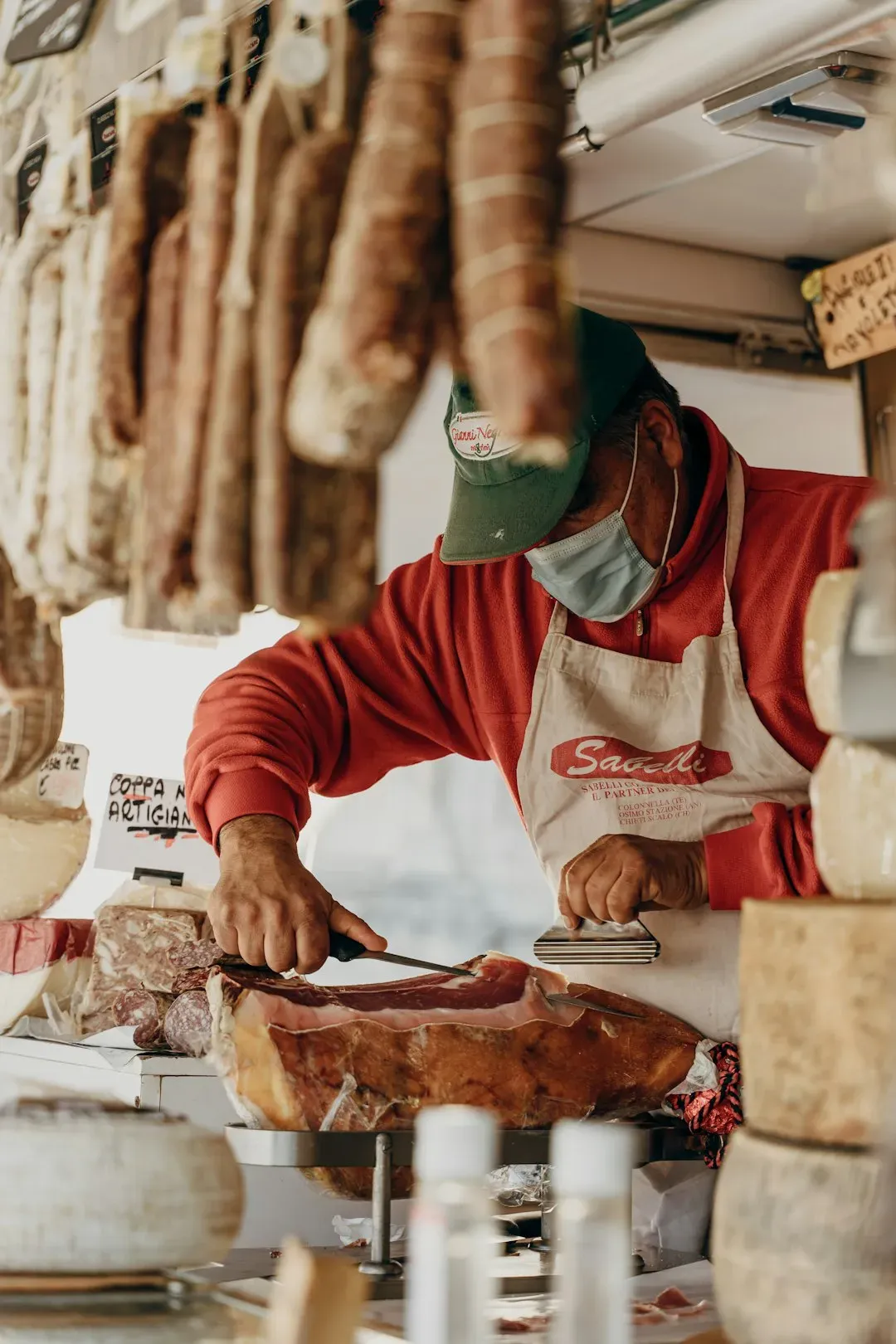
Slicing cured meat paper-thin can make all the difference in taste, presentation, and texture. Thin slices allow fat to melt quickly on the palate, enhance flavor balance, and deliver that signature melt-in-your-mouth experience. This is the science behind why a properly sliced piece of prosciutto tastes like a completely different food than the same product cut too thick.
Prosciutto can be tough and chewy if cut thickly. Ideally the slices are cut so thinly that if you hold a slice up to the light, it shines through, so paper-thin that the slices almost dissolve in your mouth. That textural transformation is entirely a function of thickness, not the quality of the ham itself.
When Paper-Thin Is Specifically the Right Call
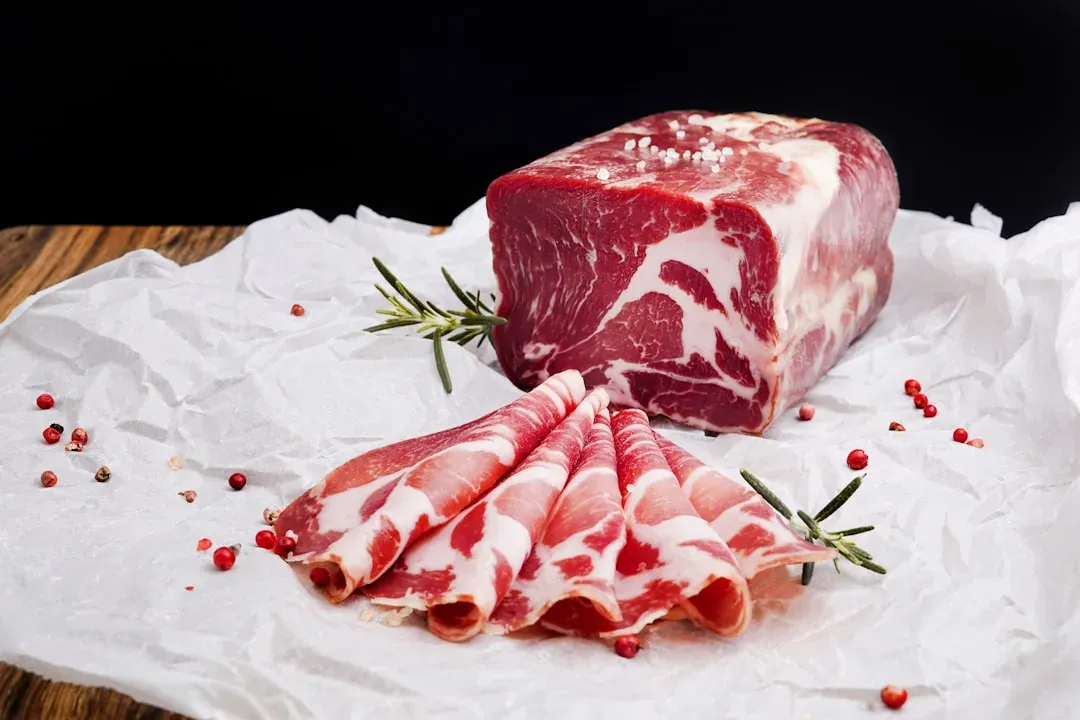
Shaved slices of meat are those paper-thin cuts you can almost see through, delicate and melt-in-your-mouth delicious. This thickness is ideal for a charcuterie board paired with cheese, fruit, and crackers. The visual effect of near-translucent meat draped across a board is also part of the appeal, not just the eating experience.
Prosciutto is an Italian dry-cured ham sliced paper-thin from the hind leg of a pig. Salt-curing and extended air aging produce a salty-sweet, umami-rich flavor with silky fat that melts on the tongue. When ordering prosciutto di Parma, the recommendation is to have it sliced paper-thin with a half-inch band of fat around the edge, and never to ask for the fat to be removed, as it contains roughly half the product’s distinct flavor.
The Right Way to Ask: Specificity Over Slang
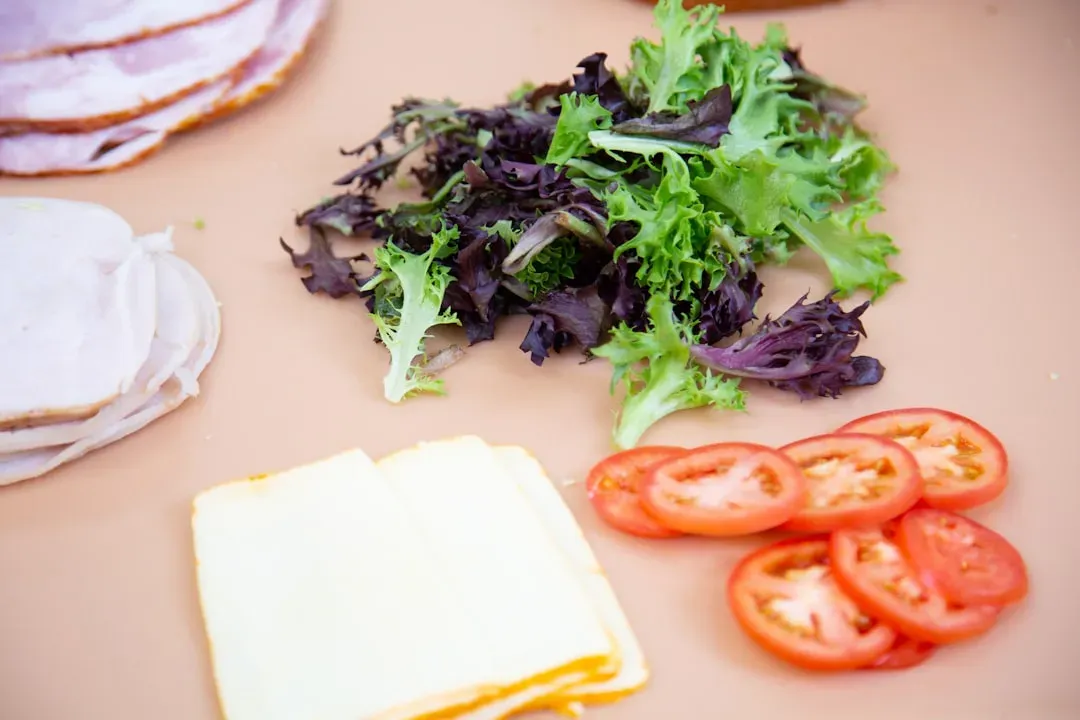
Vague instructions at the deli counter lead to frustration. Saying “thin” or “thick” isn’t specific enough, since different delis interpret these terms differently. Requesting specific slicer numbers or asking for samples to determine preferred thickness works much better, with most modern slicers using numbered settings from 1 to 15.
If you want your deli meat and cheese sliced thick, thin, or paper-thin, make sure you specify that when you order. Then, ask to see a piece before they slice the whole pound. The slicer can be adjusted so every piece is perfect. This one step alone saves a surprising amount of back-and-forth and results in far fewer disappointing bags of lunch meat.
The Sample Slice: Your Most Underused Tool

Some shoppers feel intimidated requesting an adjustment in thickness after sampling a slice, and will sometimes settle for a cut they dislike rather than speaking up. There is no need to be afraid to request that the slicer be adjusted after tasting your sample. Making changes is an anticipated part of a worker’s day in regard to providing customer satisfaction.
If you have a recipe in mind and are unsure of which thickness is best, you can ask the staff for their recommendation. This will allow you to get the perfect cut and also forge a relationship between yourself and the staff. Most deli clerks have genuine knowledge about their products and welcome the question, especially during quieter stretches at the counter.
Thickness and Portion: The Numbers Add Up
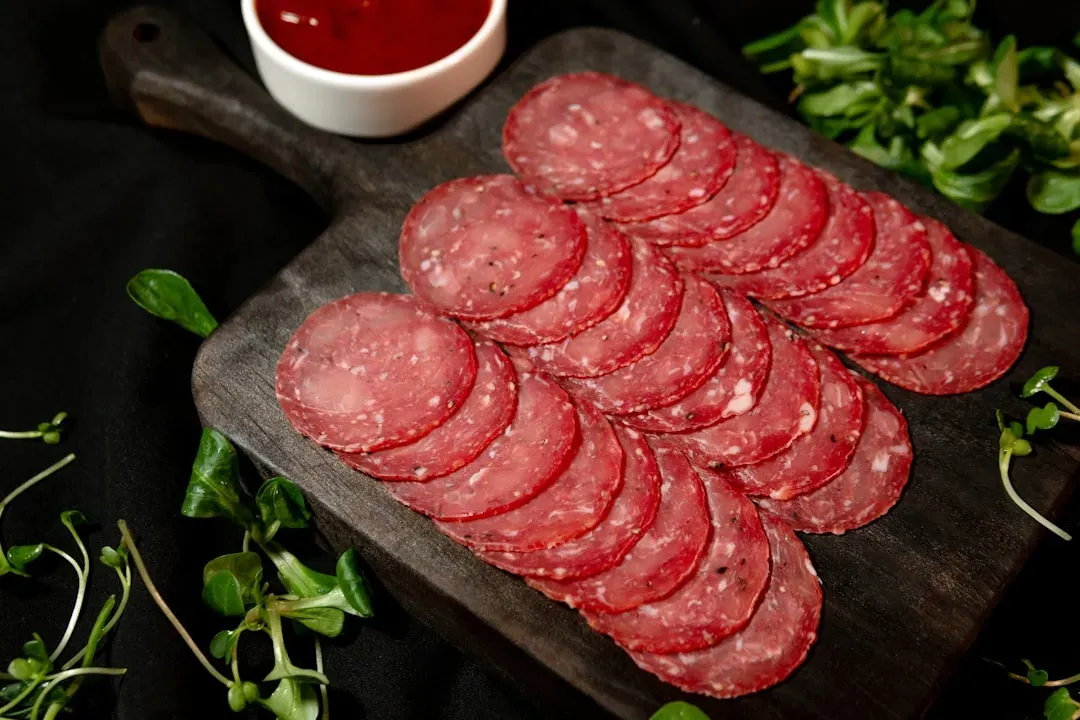
A quarter pound typically yields 4 to 6 slices of most deli meats, while half a pound provides 8 to 12 slices, depending on thickness. That range alone illustrates why the thickness request and the quantity request are inseparable. Order paper-thin and request a quarter pound, and you might walk away with a surprisingly generous stack. Order a thick dinner cut and the same weight disappears fast.
Deli workers generally find that asking for an overall slice total is more straightforward than asking by weight, because it involves no math, calculation, or weighing. It also eliminates unrealistic expectations from the customer’s standpoint, since patrons do not always have an accurate understanding of how many slices make up a certain weight. Pairing a clear thickness request with a slice count is one of the cleaner ways to order with confidence.
What a Good Deli Clerk Reads Into “Paper-Thin”

It’s easy to overlook the one thing that greatly enhances the deli-meat experience: the thickness of the slice. The right thickness can enhance everything from texture to flavor, mouthfeel, and overall suitability for its intended use. An experienced clerk hears “paper-thin” and immediately thinks prosciutto, smoked salmon, or a delicate charcuterie application. They adjust accordingly, sometimes asking a follow-up question about what you’re making.
Local deli workers are invaluable resources. They know what’s fresh, what’s selling, and where there are deals to be discovered. Building a good rapport not only makes for a better shopping experience but can also lead to a better grocery haul. The deli counter is one of the few places in a grocery store where a genuine conversation still happens, and the thickness question is often where it starts.

Leave a Reply