
1. Napoleon Bonaparte Was Not Unusually Short
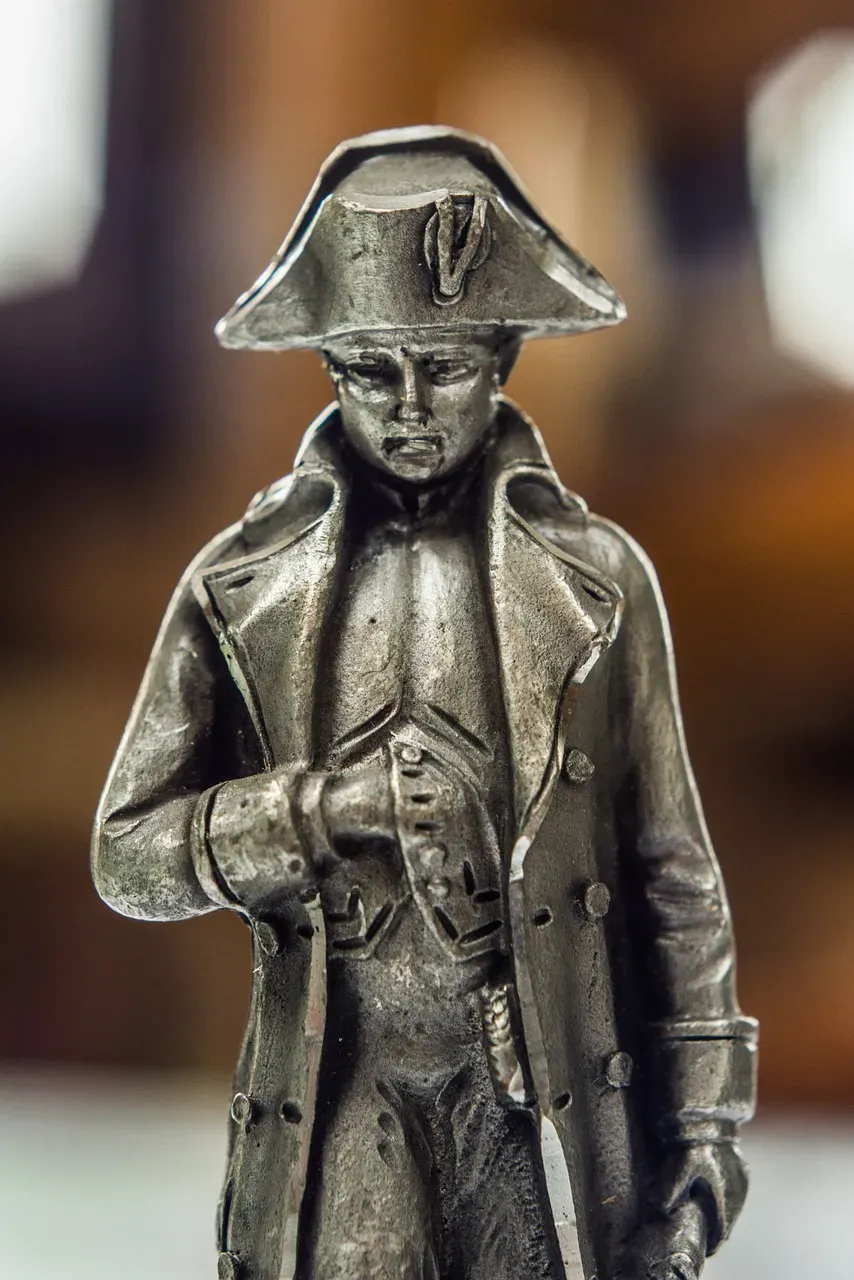
Of all the myths that refuse to die, Napoleon’s supposed short stature may be the most stubbornly persistent. At the time of his death, he measured 5 feet 2 inches in French units, the equivalent of about 5 feet 6 inches in modern measurement. In the 18th century, the average French man was a little over 5 feet 5 inches, meaning he was essentially average in height.
So where did the story come from? Around 1803, the celebrated cartoonist James Gillray introduced the character of “Little Boney,” who resembled a childish Napoleon. Historians also point out that Napoleon was often seen in public with Old Guard grenadiers, who were required to be physically large and whose uniforms may have made the emperor look slight in comparison. The short emperor was, in significant part, a piece of wartime mockery that the world simply never corrected.
2. Cleopatra Was a Scholar, Not Just a Seductress

Hollywood painted her as a seductive beauty who slept her way to power, but Cleopatra was actually a polyglot scholar who spoke at least twelve languages and studied mathematics, astronomy, and philosophy. She was the last pharaoh of ancient Egypt and held together a crumbling empire through diplomacy and raw intelligence, not simply charm.
Roman propaganda deliberately cast her as a temptress to undermine her legitimate diplomatic skills. Despite her powerful reign, most people reduce her to her appearance, especially because of her relationships with Julius Caesar and Mark Antony. The seductress image was, in essence, a political smear campaign that outlasted the empire that invented it.
3. Marie Antoinette Never Said “Let Them Eat Cake”
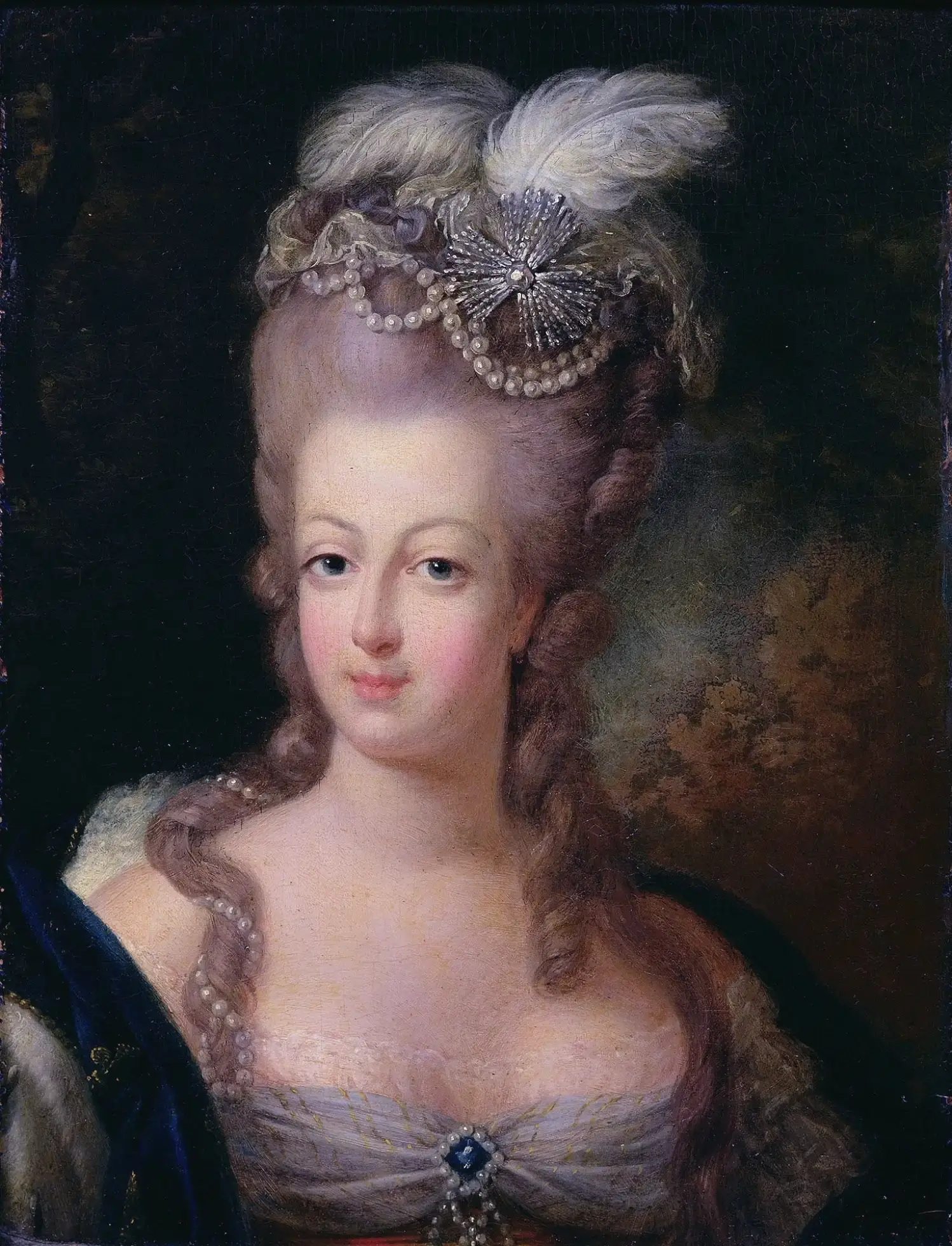
The phrase is one of the most famous in history, and it almost certainly wasn’t hers. There is absolutely no historical evidence that Marie Antoinette ever said “Qu’ils mangent de la brioche” or anything like it. The phrase can actually be traced back to Jean-Jacques Rousseau’s Confessions in 1765. At that time, Marie Antoinette was approximately nine years old and still living in Austria.
Lady Antonia Fraser, author of a biography of the French queen, believes the quote would have been highly uncharacteristic of Marie Antoinette, an intelligent woman who donated generously to charitable causes and displayed sensitivity towards the poor population of France. While the causes of France’s economic woes extended far beyond the royal family’s spending, anti-monarchist polemics demonized Marie Antoinette as Madame Déficit, who had single-handedly ruined France’s finances. She was a convenient villain for a revolution that needed one.
4. Albert Einstein Never Failed Mathematics
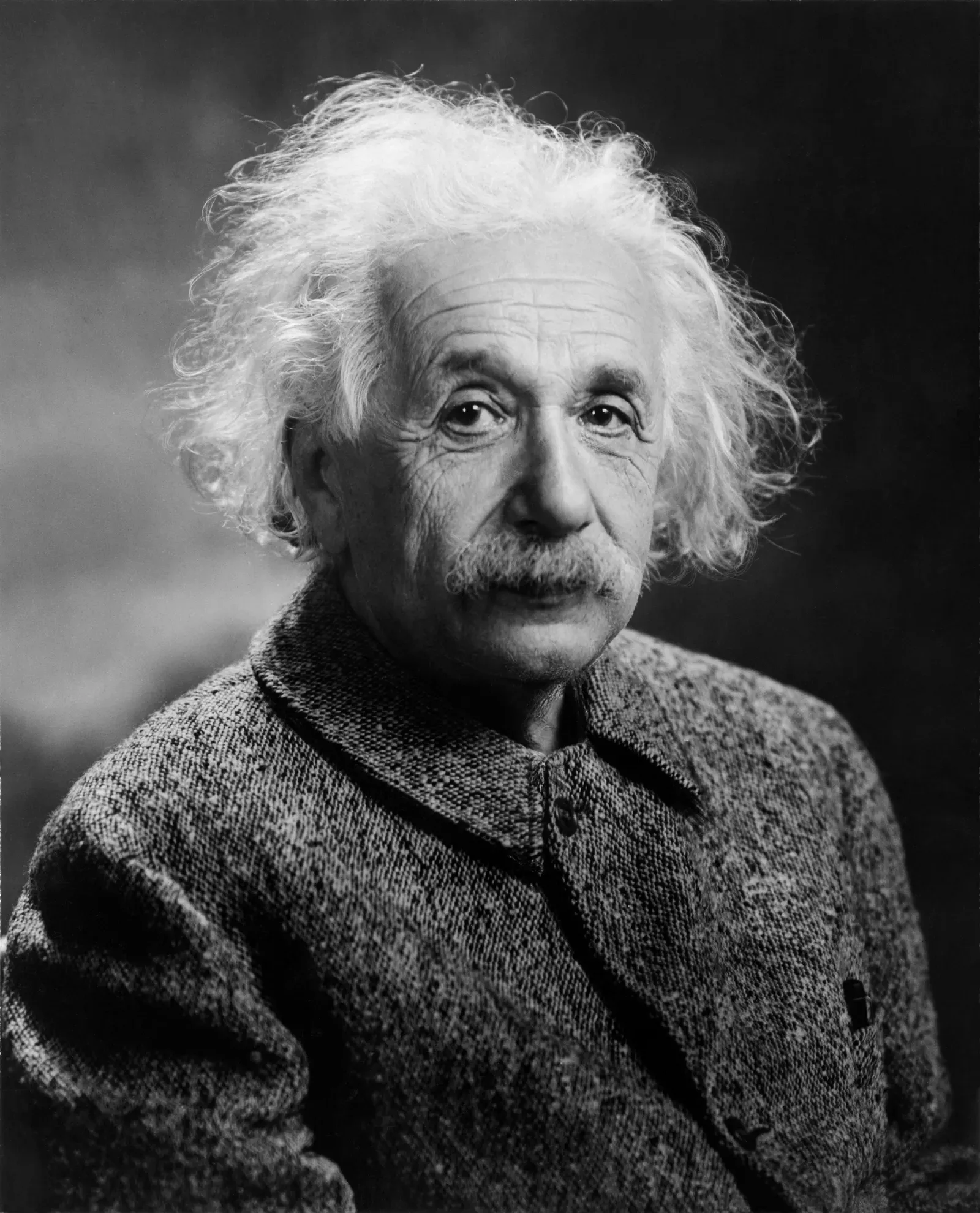
The story has been repeated in countless classrooms and motivational posters: Einstein failed math as a child, yet went on to reshape physics. It’s a comforting narrative. It’s also false. Einstein himself once responded to this myth by stating “I never failed in mathematics,” and the historical record overwhelmingly supports his claim. Far from struggling with basic arithmetic, Einstein demonstrated exceptional mathematical ability from childhood, mastering advanced concepts years before his peers.
The theoretical physicist did fine in math, but he did flunk the entrance exam to the Zurich Polytechnic Institute on his first try at age 16. The exam was given in French, which Einstein wasn’t fluent in, and records show he passed the math section but failed the language, botany, and zoology sections. The “failed student” myth likely arose from that single, very misleadingly described incident, stripped of all its context.
5. Genghis Khan Was a Promoter of Religious Tolerance and Trade
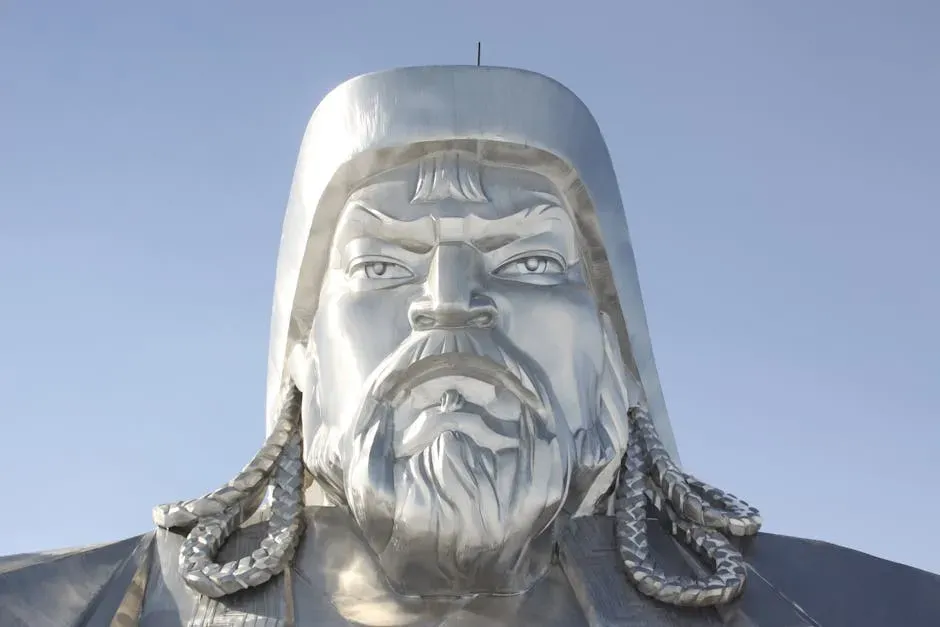
History books paint him as a bloodthirsty barbarian, but Khan actually built sophisticated legal codes, promoted religious tolerance, and established the trade routes that became the Silk Road. His empire was brutal in conquest, but what came after was something more complicated and in many ways more modern than people expect.
He created a meritocratic system where people advanced based on ability rather than tribal connections, which was quite progressive for the 13th century. While known for his military campaigns, he also established the Pax Mongolica, which facilitated cultural and economic exchange across Asia. The conqueror and the administrator were the same man, and the administrator is the one history mostly forgot.
6. Richard III Was Not the Deformed Villain Shakespeare Described
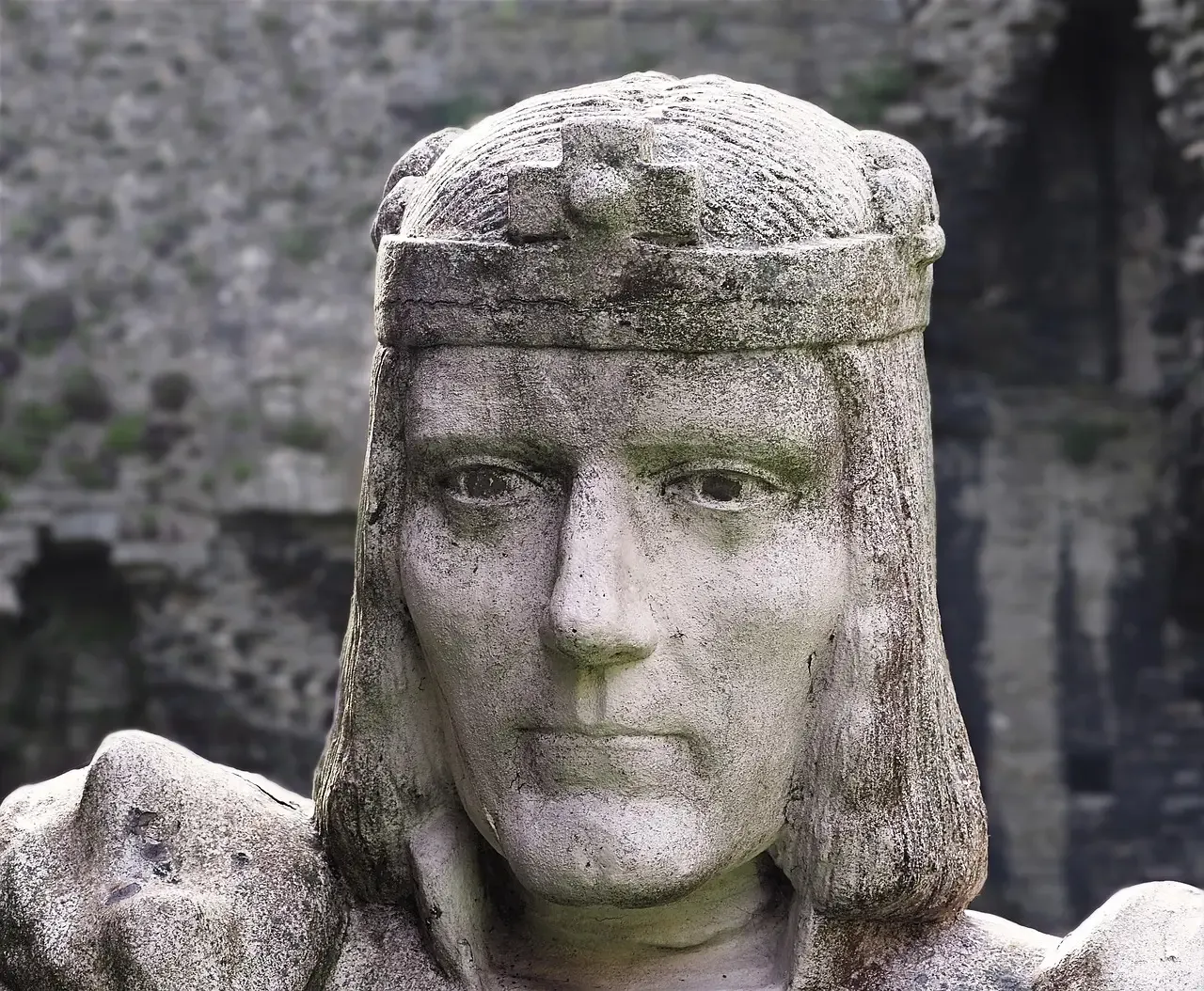
Shakespeare immortalized him as a deformed, hunchbacked villain who murdered his nephews for the crown, but that image was pure Tudor propaganda. Modern analysis of his skeleton reveals only mild scoliosis, with no withered arm or dramatic hump. The Tudors, who seized power after Richard’s death, had every reason to blacken his name, and Shakespeare wrote his plays under their patronage.
Isotope analysis of his remains also shows he had expensive tastes, regularly dining on peacock, swan, and heron while washing it down with plenty of wine. He was a man of his time, with the politics of his time, but the twisted monster of Tudor legend was essentially a character invented to justify a dynasty’s legitimacy. Real archaeology, carried out after his remains were discovered beneath a Leicester car park in 2012, has since filled in a far more nuanced picture.
7. Thomas Edison Did Not Invent the Light Bulb
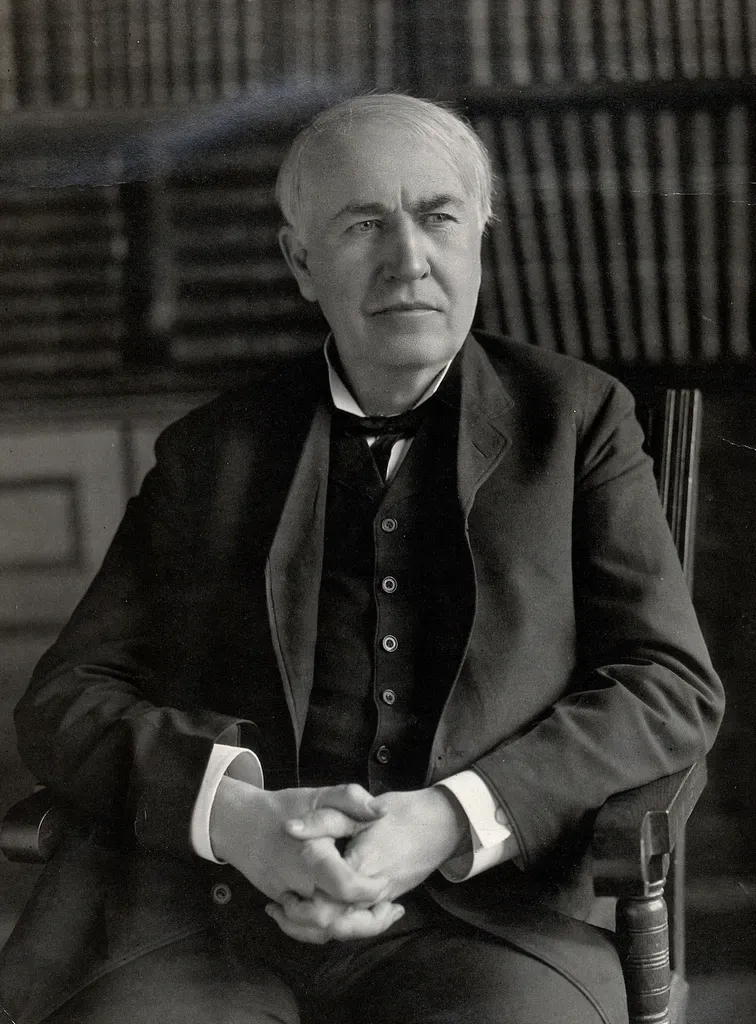
Edison’s name is practically synonymous with the light bulb, and that association has been taught to generations of schoolchildren as straightforward fact. The reality is considerably messier. Despite popular belief, Edison did not invent the light bulb, since the first electric light was created by English scientist Humphry Davy in 1800.
However, Edison did reinvent these unreliable and expensive lights into the first commercially viable light bulb, which helped extend the wonders of electricity around the world. That’s still a genuinely impressive achievement, but it’s a different story from invention. He was also known for stealing credit for others’ ideas, and even sued people for their patents. When Tesla’s alternating current system started to become more popular than Edison’s direct current, Edison tried to turn public opinion against the Serbian inventor. The credit he received often came at someone else’s expense.
8. Julius Caesar Was a Reformer, Not Just a Tyrant
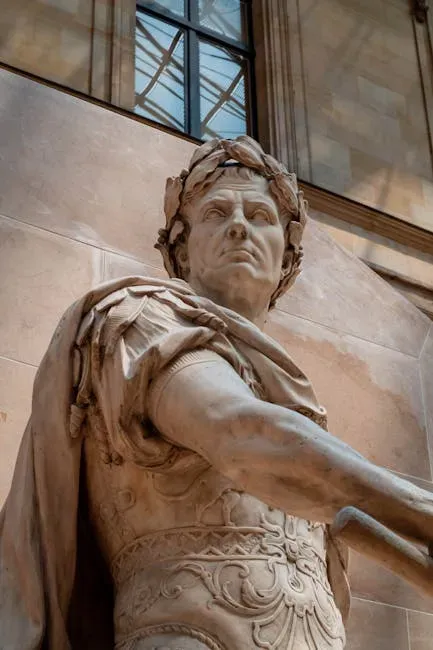
Traditional history paints Caesar as a power-hungry tyrant whose ambition single-handedly destroyed the Roman Republic. He was actually a popular reformer who balanced aristocratic and common interests through land redistribution, calendar reform, and citizenship expansion. The Julian calendar he introduced remained the standard in much of the world for over sixteen centuries.
His brief “dictatorship” was a legitimate Roman constitutional office, and his assassination had more to do with debt policies than tyranny. Many senators who plotted against him owed him money and feared the consequences of his financial reforms more than they feared his political ambitions. His story, like so many others, is far more about competing economic interests than the dramatic clash of liberty versus despotism that later romanticized accounts preferred.
9. La Malinche Was Not a Traitor to Her People
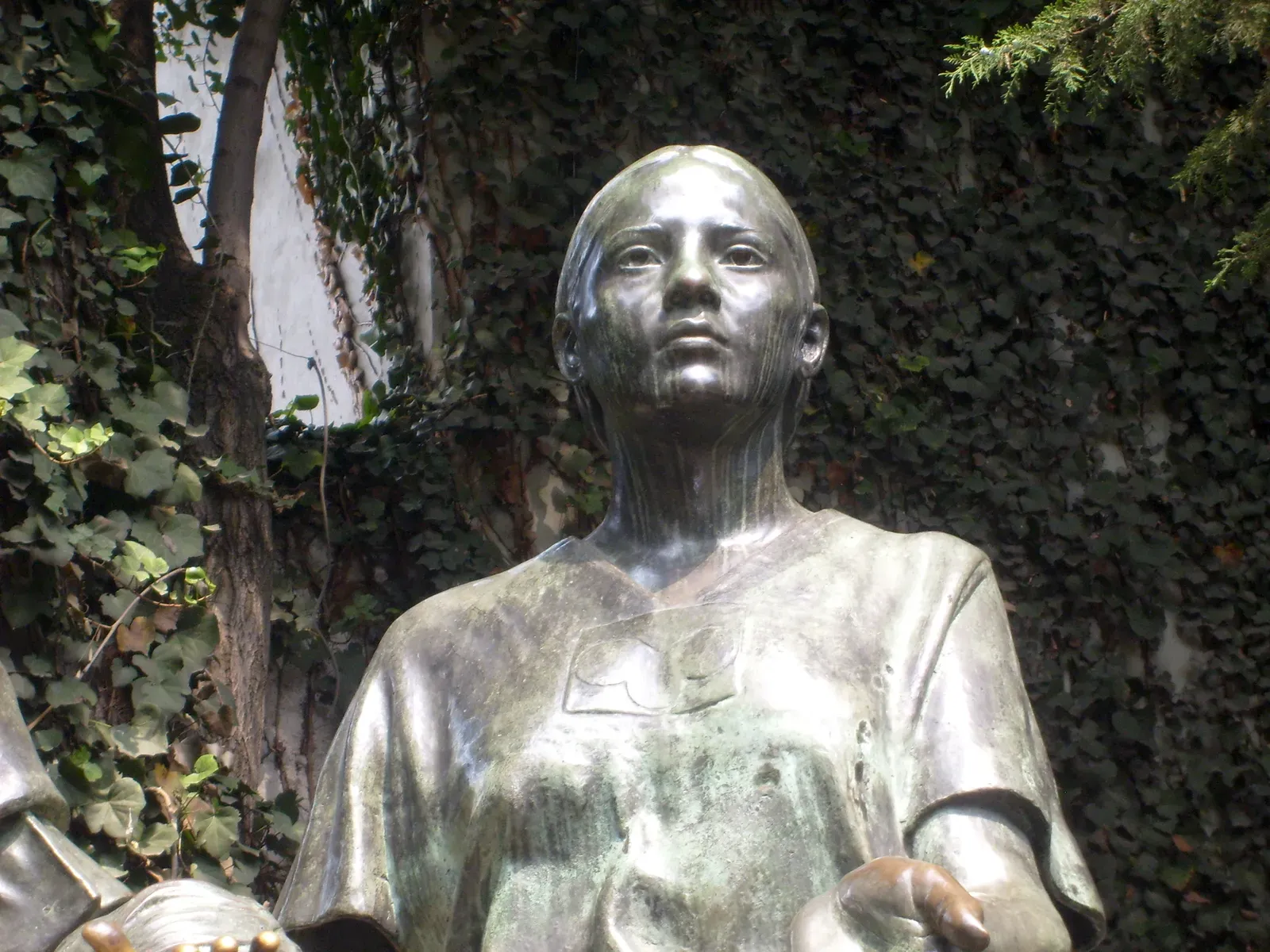
Mexican history branded her a “traitor” who betrayed the Aztecs to Spanish conquistador Cortés, but she was actually an enslaved Nahua woman forced into service as an interpreter and cultural broker. She had been sold into slavery as a child and had no meaningful choice in how she was used. The concept of national loyalty being applied to someone who was enslaved says a great deal more about the myth-makers than about her.
The “traitor” label ignores how her multilingual skills likely prevented further bloodshed and saved thousands of Indigenous lives. She navigated an impossible position with intelligence and pragmatism, and the label of traitor was applied long after her death by a nation that needed someone to blame for the conquest. Her story is less about betrayal and more about the erasure of agency from women who survived extraordinary circumstances.
10. Nikola Tesla Was Not a Suppressed Martyr
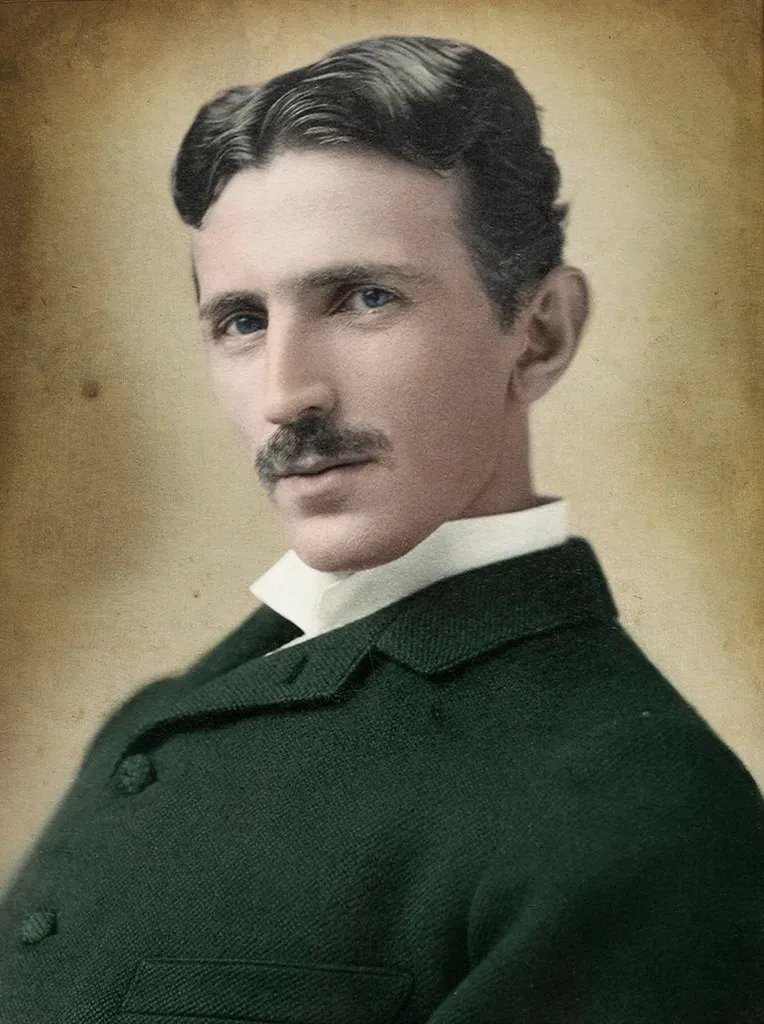
Modern internet culture loves portraying Tesla as a suppressed genius whose “free energy” discoveries were buried by shadowy conspiracies. In reality, he was a brilliant engineer whose major achievements were the induction motor and AC electrical system, but his wireless power experiments failed for boring financial reasons, not government cover-ups. The Wardenclyffe Tower project collapsed largely because his investor, J.P. Morgan, withdrew funding after concluding it wasn’t commercially viable.
Tesla was genuinely brilliant, genuinely eccentric, and genuinely undervalued during his lifetime. None of that needs embellishment. The conspiratorial mythology that has grown around him in recent decades replaces a fascinating, complicated real man with a cartoon hero, which ultimately does him a disservice. His real contributions to electrical engineering were transformative enough to stand entirely on their own, without the invented drama of hidden inventions and shadowy suppression.
The pattern across all ten of these figures is worth noticing. Myths rarely form by accident. They serve purposes, whether that’s justifying a new regime, selling a political idea, comforting struggling students, or simply making a complicated story easier to tell. The truth about these people, with all its contradictions and context, tends to be more interesting than the simplified version anyway. It just requires a little more patience to find.



Leave a Reply