
Every year, millions of Americans pack their bags dreaming of picture-perfect vacations. They save up, book flights, shell out for hotels, and then… reality hits. The food is overpriced, the lines are endless, the iconic attraction is smaller than it looked on Instagram, and the hotel bill makes their jaw drop. It’s a story playing out across the country with alarming frequency right now.
Traveling can come at a cost, and more than half of Americans say the current economy is impacting their travel plans, with the average person putting aside around $5,300 for travel. That’s real money. And more travelers than ever are asking a blunt, honest question before they book: Is it actually worth it? The answers, for some of America’s most hyped destinations, are surprisingly uncomfortable. Let’s dive in.
Las Vegas, Nevada: The Value Proposition Has Quietly Collapsed
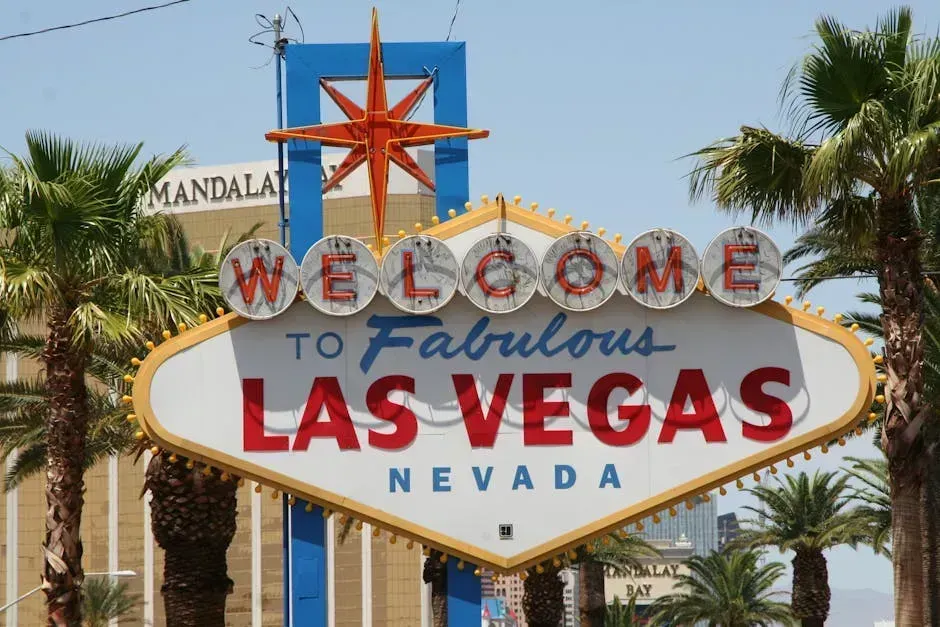
Las Vegas built its entire legend on a single, irresistible promise: unbelievable indulgence at a price almost anyone could swing. Cheap buffets. Affordable rooms. A trip that felt like a splurge but wasn’t. That era is over.
Las Vegas just recorded its worst decline in annual visitation since the pandemic, with a roughly 7.5% annual drop in 2025 sparked by economic uncertainty and declining international visitation. The total number of visitors dropped by approximately 3.1 million, bringing the count to around 38.5 million for the year, the lowest since the recovery from the pandemic began.
Higher room rates and resort fees have made a visit to Las Vegas significantly more expensive, prompting many potential visitors to reconsider. Resort fees averaging between $44 and $57 per night have become major deterrents, prompting city leadership to emphasize the urgent need to restore value offerings.
The Las Vegas Convention and Visitors Authority estimated a roughly one quarter drop in the city’s biggest international tourism group: Canadians. MGM Resorts and Caesars Entertainment both saw Las Vegas profits and revenue fall in 2025, with Caesars reporting a dramatic drop in profit. Honestly, when the casinos themselves are bleeding, you know something structural has shifted.
New York City, New York: Iconic, Overwhelming, and Brutally Expensive
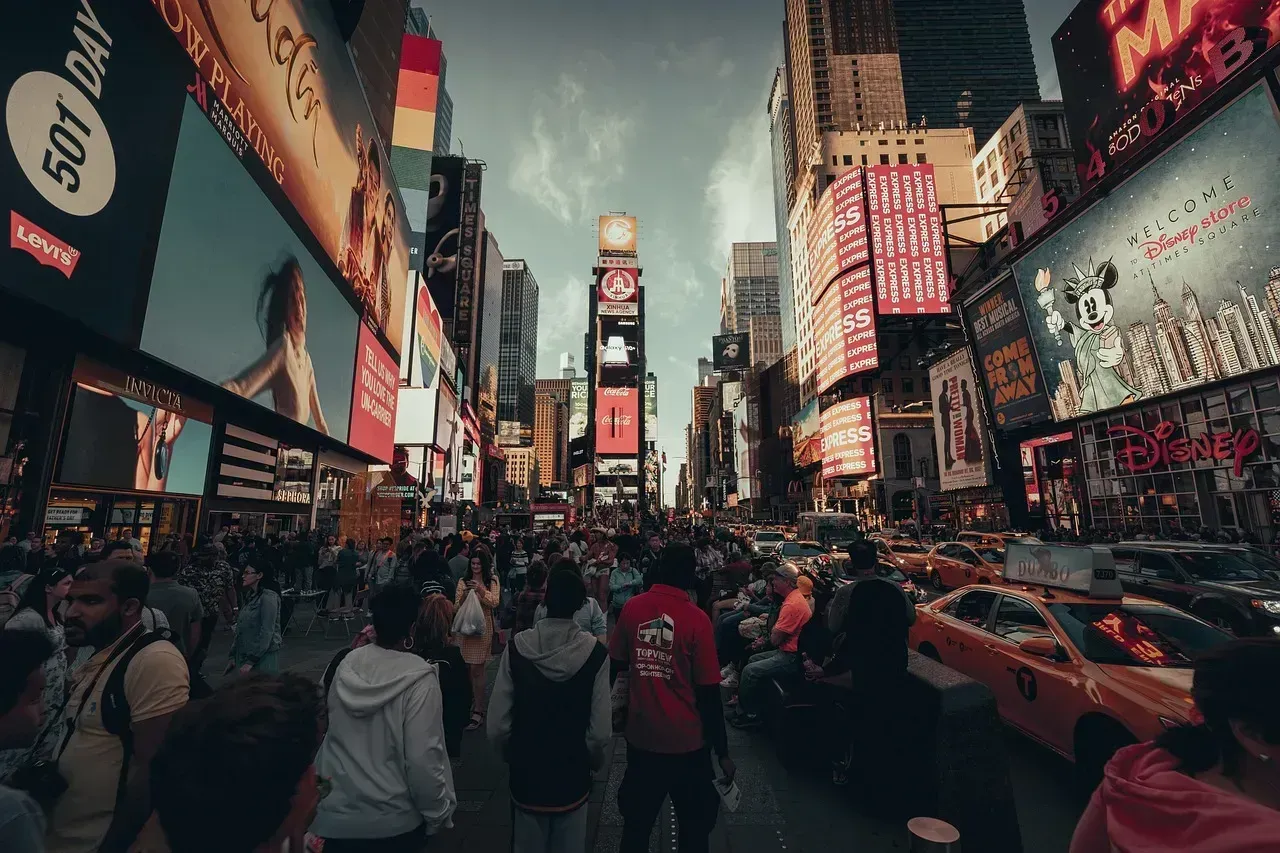
New York is undeniably one of the world’s great cities. Nobody disputes that. The problem is that the gap between the dream and the reality has never been wider, especially for budget-conscious travelers who expect their dollar to mean something.
New York is iconic, but overwhelming crowds, high costs, and underwhelming attractions like Times Square frustrate many tourists. Think about it like this: you travel thousands of miles, spend a fortune on a hotel in Midtown, and then the centerpiece of your New York experience is a massive, crowded intersection surrounded by chain restaurants you have back home.
Times Square is one of those places made popular by movies and television, most notably for the ball drop every New Year’s Eve. Still, the attraction consistently deserves mention among the most overrated tourist destinations in the country. Times Square is one of the busiest intersections in the city and often quite noisy. The first glimpse of the giant ads is a neat sight to behold. However, that wonder fades fast as crowds of tourists compete for a chance to take a selfie in the middle of the square.
According to YouGov DestinationIndex data, while New York is popular, it receives a modest value-for-money score of just 9.3, suggesting that while the destination is well-known, it is not considered a great financial deal. I think that score speaks volumes.
Honolulu and Maui, Hawaii: Paradise That’s Pricing Itself Out of Reach
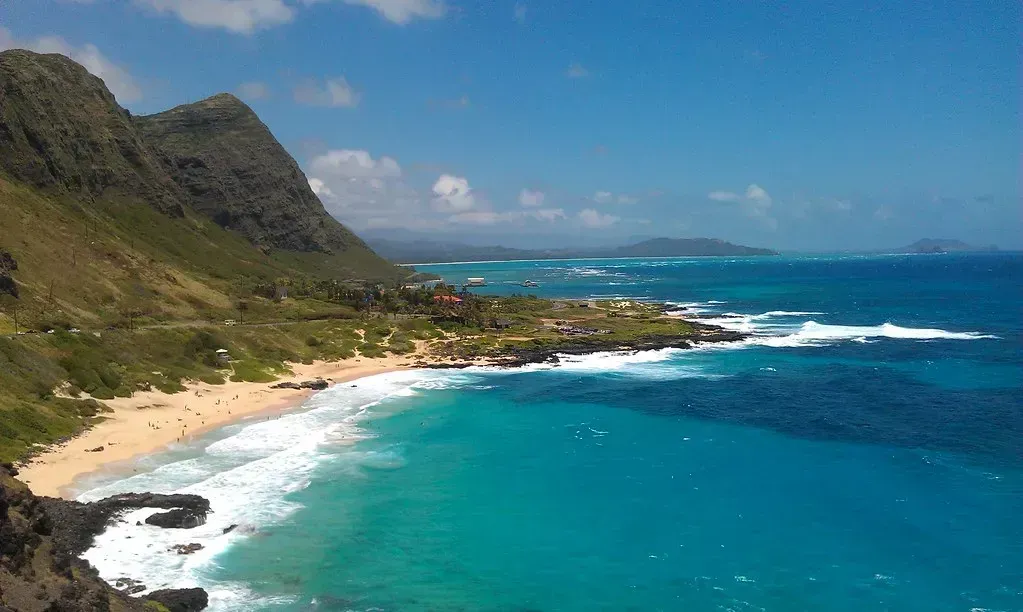
Hawaii has a special place in the American imagination. Crystal water, volcanic landscapes, that impossible combination of mountains and ocean. The trouble is that the fantasy and the financial reality have drifted so far apart that a growing number of travelers are quietly crossing it off their lists.
The part of the Hawaii tourism market under the most strain is the mass market middle, where travelers want Hawaii, but increasingly resist the full cost once airfare, lodging, dining, car rental, and activity prices are combined.
Hawaii is facing a slower-than-expected recovery in international tourism. In 2025, the state experienced roughly a 6% decline in international visitors compared to 2024. While domestic travel remains relatively strong, international tourism, particularly from Japan and South Korea, has been slower to recover. This is partly due to travel restrictions, higher airfare costs, and increasing competition from other Pacific destinations.
Between the loss of middle-income travelers, the decline in Canadian and international visitation, and pricing that is increasingly affordable only to the most affluent, Hawaii faces a protracted period of low occupancy, small-business failure, and a redistribution of services catering to wealth. That’s a bleak picture for a place that once positioned itself as the dream trip for every American family.
Orlando, Florida: Theme Park Magic at an Unmistakably High Price
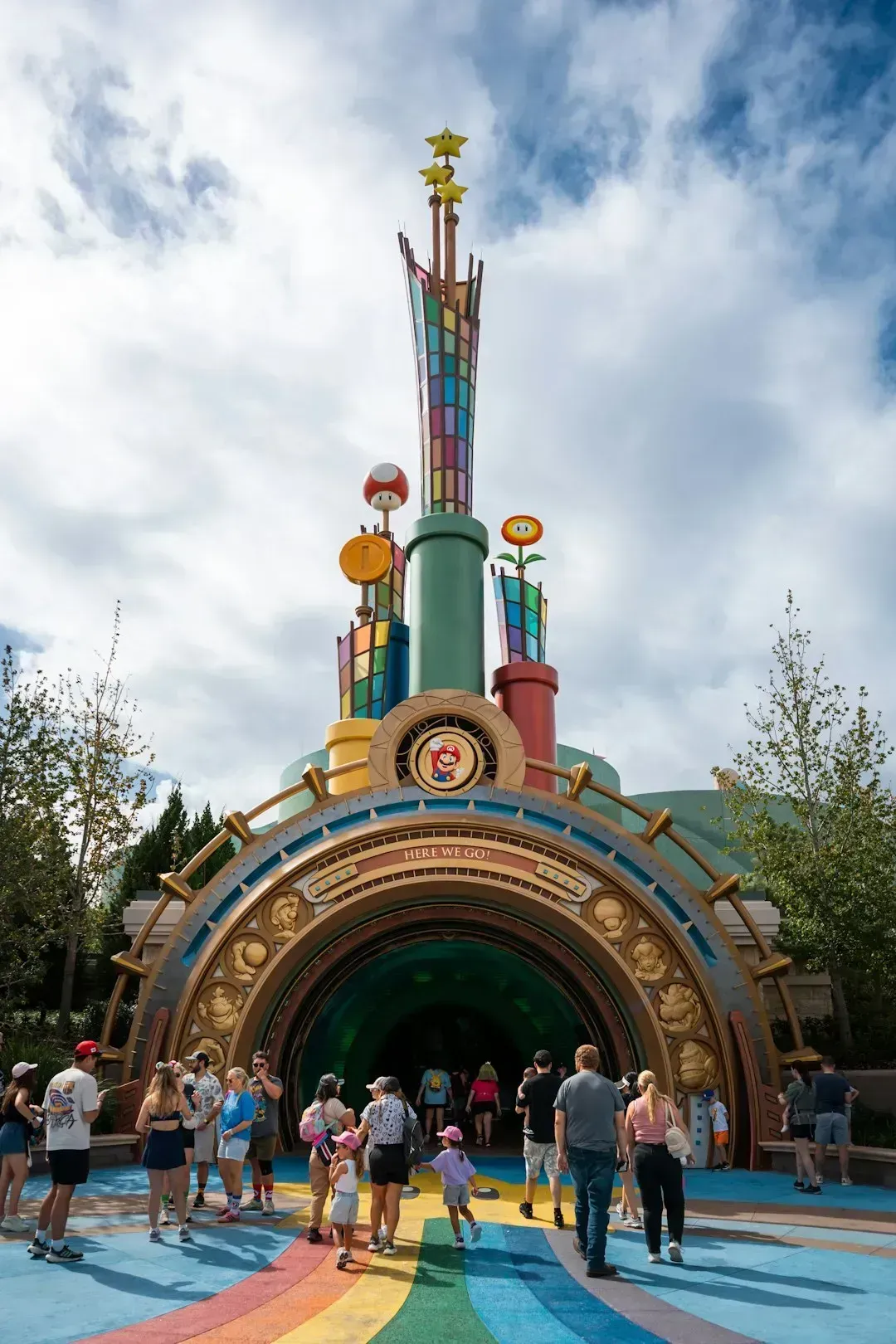
Orlando is the undisputed king of American family travel. The theme parks. The hotels. The relentless sunshine. For decades, it was the gold standard for family vacations. These days, the price tag attached to that magic wand has grown alarmingly heavy.
Rising ticket prices and hidden fees at attractions like Disney World are sparking a real backlash. Orlando has seen escalating costs, with single-day tickets reaching $159, a sharp increase from previous years, and hotel prices averaging $227 per night.
Ticket prices to Disney World rose by more than 100% from 2014 to 2025 for the highest-priced one-day ticket. That’s not a modest inflationary adjustment. That’s a complete transformation of what a Disney trip actually costs. Disney World ticket prices for dates between January and October 2026 range from $139 to $199, up from the current range of $139 to $189. The ceiling keeps rising.
Florida’s tourist traps, like inflated food costs at popular spots and hidden charges at theme parks, are eroding the once-affordable vacation experience. Even localities like Fort Lauderdale are grappling with price gouging concerns. Let’s be real: when a single day at a theme park costs more than a roundtrip flight to Mexico, something has gone wrong.
San Francisco, California: A World-Class City With a World-Class Price Problem
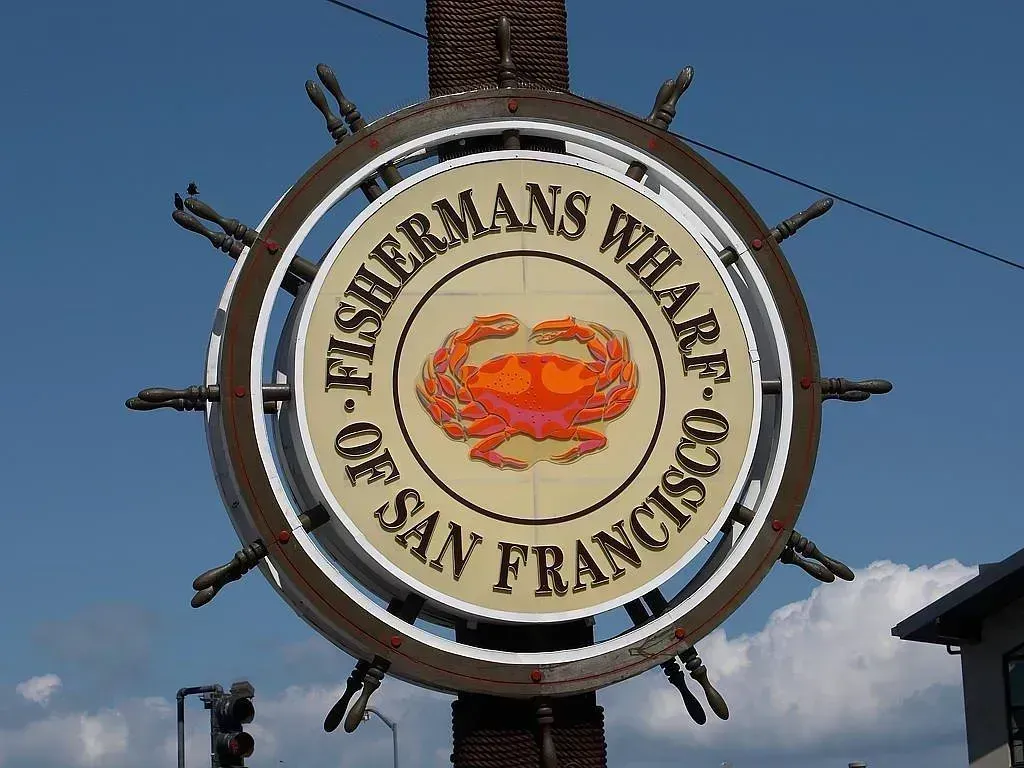
San Francisco has been in a strange, painful spotlight for years now, and the tourism conversation mirrors the city’s broader identity crisis. The views are still stunning. The food culture is genuine. The bay is breathtaking. The Fisherman’s Wharf experience, though? That’s a different story entirely.
A major study identified Fisherman’s Wharf in San Francisco as the single biggest tourist trap in the United States and indeed the world. That’s not a small claim. It means out of every touristy destination on earth, this stretch of San Francisco waterfront consistently delivers the widest gap between expectation and reality.
Fisherman’s Wharf is one of the most popular destinations in San Francisco, a bustling hub of seafood restaurants, souvenir shops, and street performers that gives it an intensely commercialized feel. While it offers views of the Golden Gate Bridge and Alcatraz, there are plenty of less crowded places throughout the city to take in the views and grab a bite.
Cities like San Francisco and states like Hawaii are exploring higher transient accommodation taxes. Charleston has emerged as the latest U.S. destination to feel the strain, alongside major cities like New York, San Francisco, New Orleans, Honolulu, and Miami, all struggling to balance booming visitor numbers with local quality of life.
Memphis, Tennessee: Culture and Crime in an Uncomfortable Balance
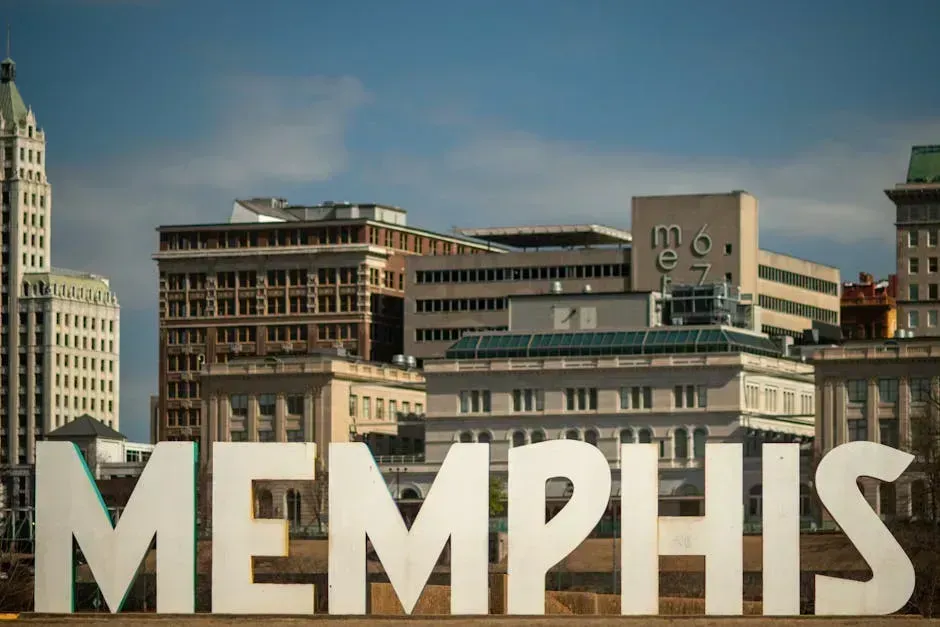
Memphis genuinely has some of the best cultural credentials in the country. Blues history, soul food, Graceland, the National Civil Rights Museum. On paper, this is a rich, rewarding destination. The problem is that the safety conversation around Memphis is impossible to ignore, and it directly shapes whether the trip is actually worth making.
Violent crime rates in Memphis are a staggering 500% above the national average, with roughly 1,200 violent crimes per 100,000 residents. To put that in perspective, that’s not just “higher than average.” That’s a level that consistently ranks Memphis among the most dangerous cities in America, year after year.
Downtown Memphis is a prime spot for sightseeing, but it is also one of the most dangerous neighborhoods in the city, meaning visitors should always be vigilant and avoid walking through the area alone, especially after dark. The cultural draw is absolutely real. Travelers willing to stick tightly to tourist zones and exercise constant caution may have a fine trip, but those expecting to explore freely should think carefully before booking.
Miami, Florida: Beautiful, Buzzy, and Built to Empty Your Wallet
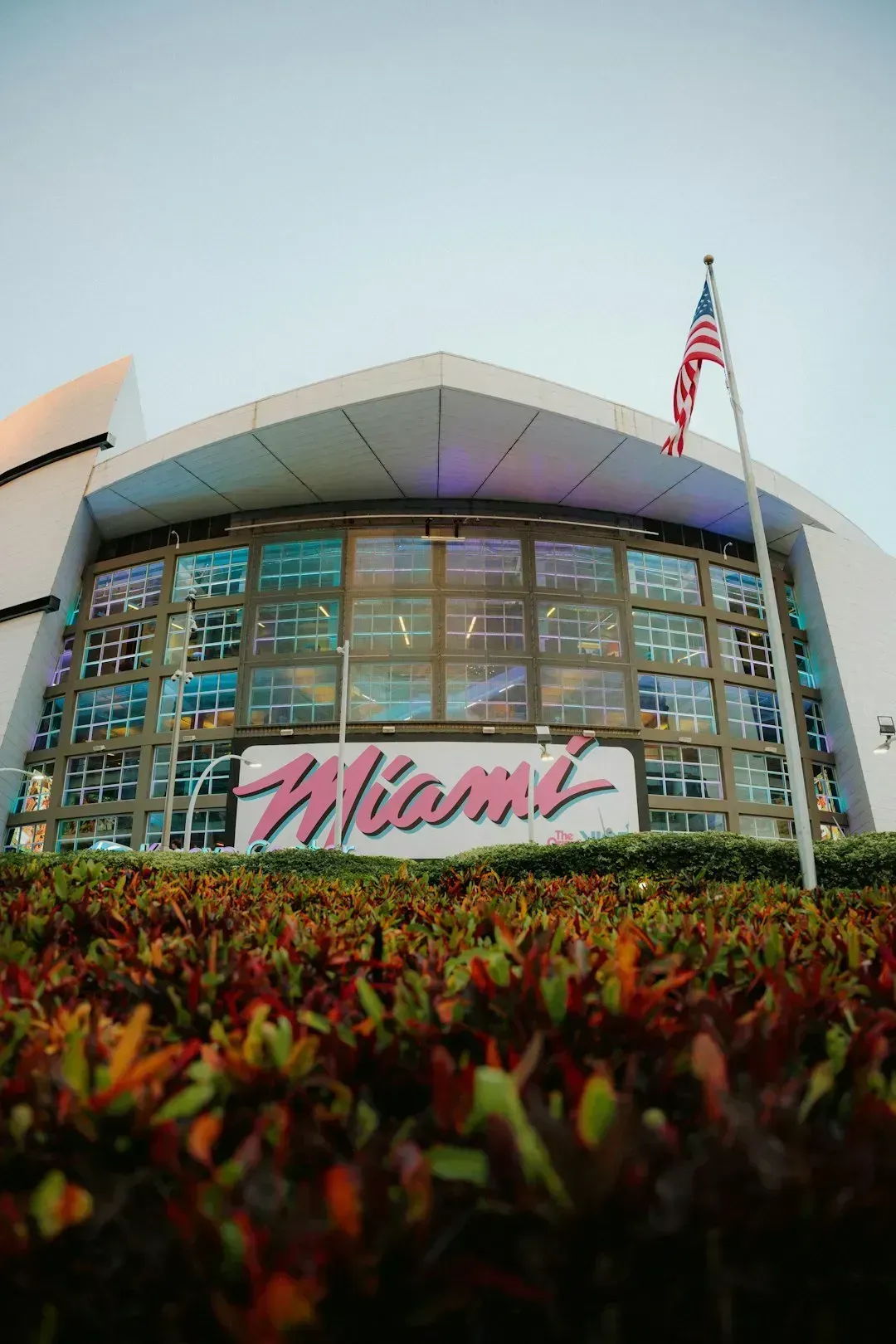
Miami remains genuinely spectacular in many ways. The energy, the beaches, the art scene, the food. It draws people from across the globe, and it always will. The issue is that Miami has increasingly positioned itself as a luxury destination while still marketing to everyone, creating a painful gap for middle-budget travelers who show up expecting fun and leave feeling financially bruised.
Charleston has emerged alongside New York, San Francisco, New Orleans, Honolulu, and Miami in facing an overtourism crisis echoing scenes unfolding in European hotspots like Spain, Greece, and Italy, where crowds choke narrow streets, drive up prices, and test the patience of residents.
Miami, Tampa, and Key West are all witnessing higher accommodation rates, exacerbating the strain on family vacations. Florida’s tourist traps, like inflated food costs at popular spots and hidden charges at attractions, are eroding what was once a relatively affordable vacation experience.
Tourists in 2025 were more likely to research in advance, hunt for clear pricing, and avoid well-trodden tourist hotspots. Instead of enduring the expense, lines, and inconvenience, many are turning to less-crowded or more affordable destinations, not just elsewhere in Florida but around the U.S. and overseas. High-profile social media complaints about being “nickel-and-dimed” or suffering through endless waits seem to stick.
Los Angeles, California: The Entertainment Capital With a Crushing Expectations Gap
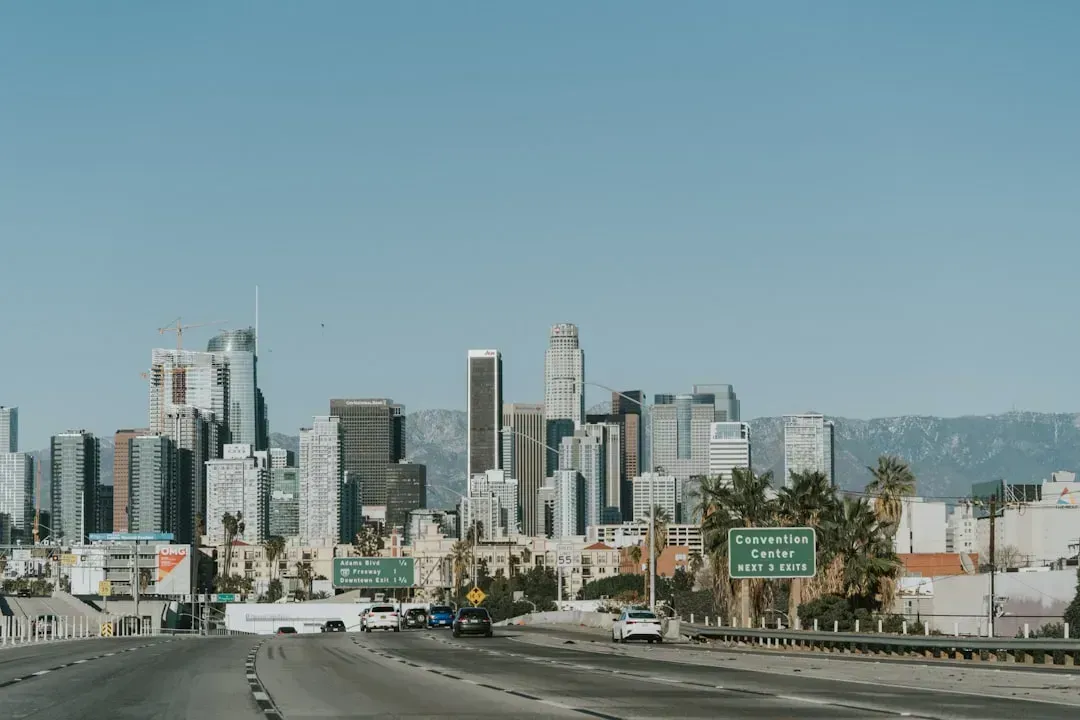
Few cities in the world carry as much cultural weight as Los Angeles. Hollywood, the beaches, the sun, the celebrities. It sounds like a dream. Then you land, sit in traffic for two hours trying to reach your hotel, pay $25 for parking, and stand on the Hollywood Walk of Fame surrounded by people in superhero costumes trying to charge you for a photo.
Los Angeles tops lists for the most disappointing U.S. city due to an overwhelming mismatch between expectation and reality. Overhyped landmarks, choking traffic, and a gritty, sprawling urban core leave many tourists shocked at how little magic they feel once they arrive.
There’s a reason the Hollywood Walk of Fame was created on that specific stretch of Hollywood Boulevard: because there is literally no other reason to go there. Once you’ve seen those immortalized names on the sidewalk, there’s not much more than suspect superheroes, claustrophobia-inducing crowds, star tour salesmen, and a never-ending line of gift shops and tattoo parlors.
Plymouth Rock, Massachusetts: America’s Most Anticlimactic Landmark
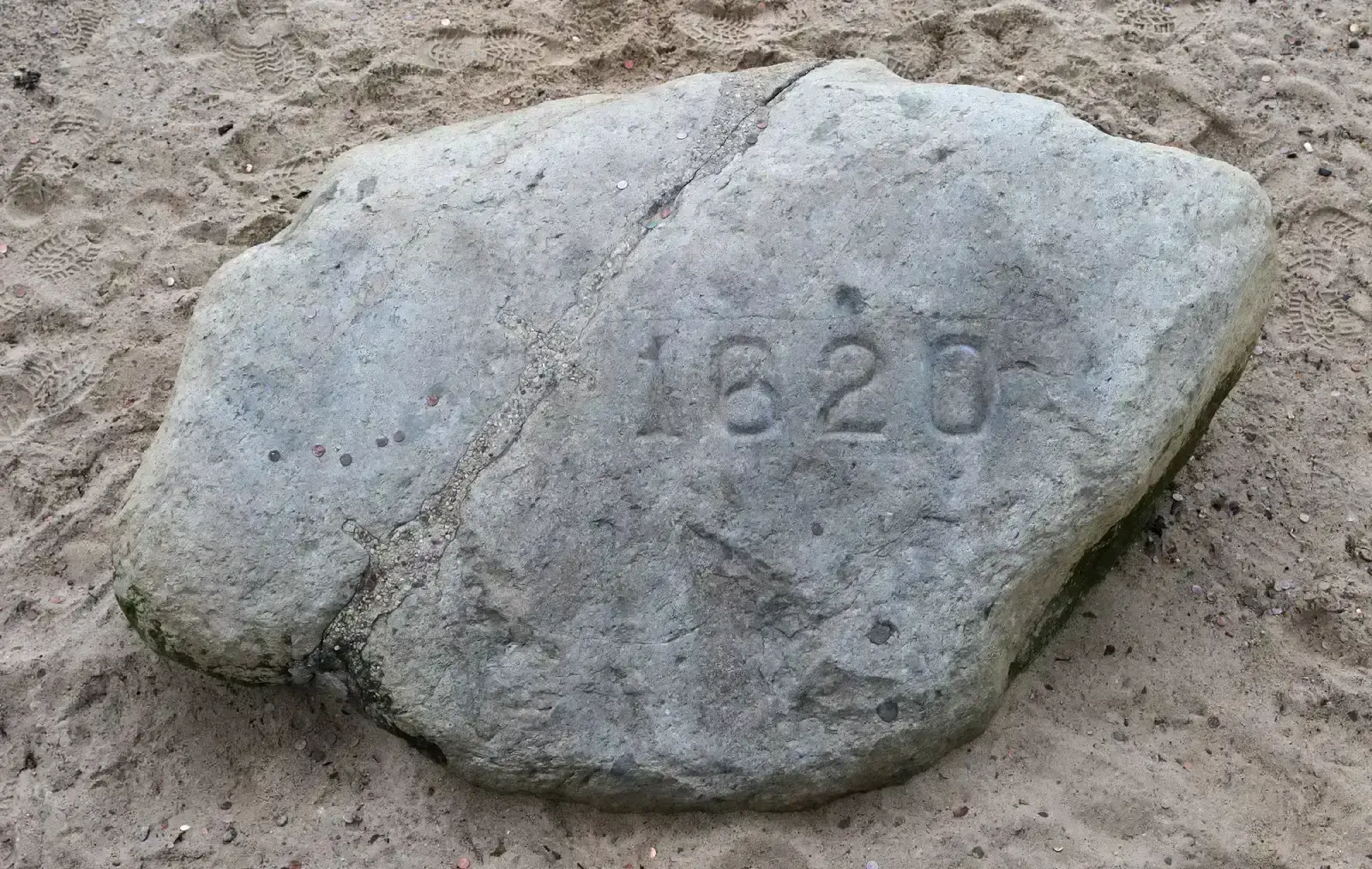
Plymouth Rock holds enormous symbolic power in American history. It represents the Pilgrim landing, the founding mythology of the nation. The problem is that the actual rock, the physical object people travel to see, is genuinely, almost comically underwhelming when you encounter it in person.
Making the trip to Plymouth Rock sounds cooler than it actually is, mostly because it’s just a rock in the sand without any tangible evidence that it was the Pilgrims’ stepping stone to the new world. If you’re a stickler for historical significance, Plymouth Rock might be a pilgrimage in itself.
The attraction is essentially just a rock surrounded by a fence, and with little to see or do, many visitors conclude it’s not worth the trip. The historical imagination is powerful, and Plymouth’s broader town has genuine charm. The rock itself, though, is a lesson in how legends outpace physical reality by a wide margin. I think most visitors leave with a half-smile and a quiet sense of “okay, then.”
Mount Rushmore, South Dakota: Big Reputation, Smaller Reality
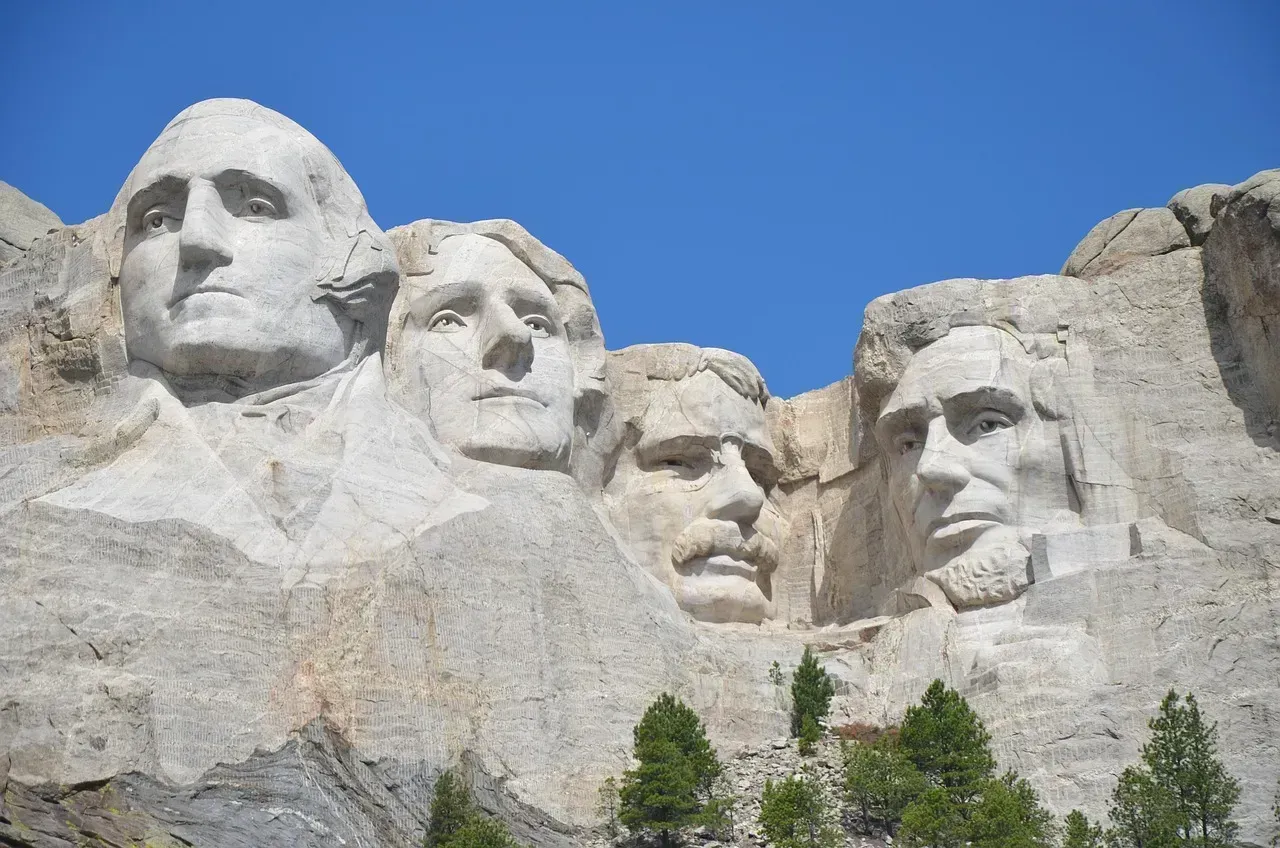
Mount Rushmore is undeniably an engineering achievement of enormous scale. The idea of carving four presidents into a granite mountain in the Black Hills has a kind of audacious ambition that demands respect. Then you arrive in the parking lot, pay your fee, walk the main path, and realize the whole experience takes about 20 minutes.
Mount Rushmore draws more than two million visitors annually, and many leave feeling underwhelmed. Up close, the granite sculpture is smaller than you might expect and takes about five seconds to truly absorb. After that, there’s not much else to do besides walk up steps on a subpar nature trail and pop into an average museum.
It’s a bit like seeing the Mona Lisa at the Louvre: you’ve built it up so powerfully in your mind that the physical object simply cannot compete with the idea of it. The surrounding Black Hills region, however, is genuinely beautiful. Mount Rushmore might work well as a short detour on a wider road trip, but it almost certainly cannot anchor an entire vacation on its own.





Leave a Reply