
The burnout numbers are no longer a fringe complaint
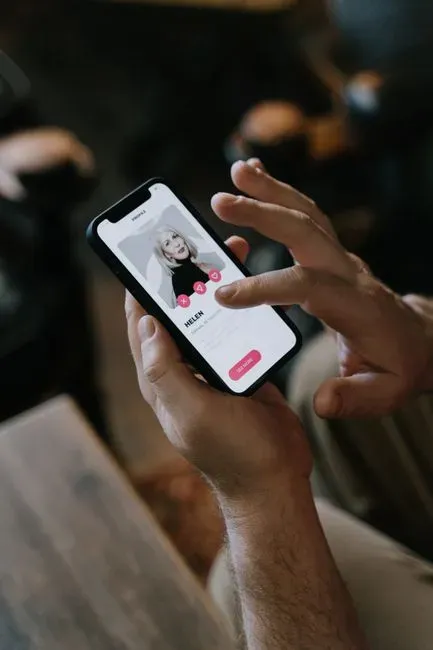
The scale of dissatisfaction is hard to ignore at this point. Forbes Health reported that 78% of surveyed users felt emotionally, mentally, or physically exhausted by dating apps at least sometimes. Among younger users, the picture looks even rougher, since more than 75% of Gen Zers feel burnt out using dating apps like Hinge, Tinder, and Bumble because they don’t feel as if they can find a genuine connection with someone despite how much time they spend on the apps.
The reasons people give for quitting are fairly consistent across surveys. According to the Forbes Health survey, 40% of respondents said they could not find meaningful connections, while another 27% pointed to rejection, and 24% cited repetitive conversations. Add in the time cost, and the math gets harder to justify: Forbes Health survey found dating app users spend an average of about 51 minutes per day on these platforms, with millennials spending the most at 55.7 minutes daily, adding up to roughly 310 hours per year.
Wall Street already sees the shift in the numbers

This isn’t just a mood among users, it’s showing up directly in company financials. Match Group, the company that owns Tinder, Hinge and OkCupid, recently reported drops in the total number of paying users across its platforms, and Bumble, owned by a different parent company, has also lost subscribers. The declines aren’t small either, with Bumble shares tumbling 8% in after-hours trading following second-quarter 2025 earnings that revealed deepening customer retention challenges, with paying users declining 8.7% to 3.8 million.
Match Group hasn’t been spared. Match Group’s Q1 2025 earnings report showed total revenue of $831 million, down 3% year over year, while paying subscribers fell to 14.2 million, down 5% from the previous year, marking the fifth consecutive quarter of payer decline. Tinder specifically has struggled even more, with its direct revenue in Q1 2025 at $447 million, down 7% year over year, and paying subscribers declining 6% to 9.1 million. By the fourth quarter of 2025, Tinder payers had dropped to 8.8 million, an 8% year-over-year decline.
Trading swipe screens for trivia nights and hobby meetups
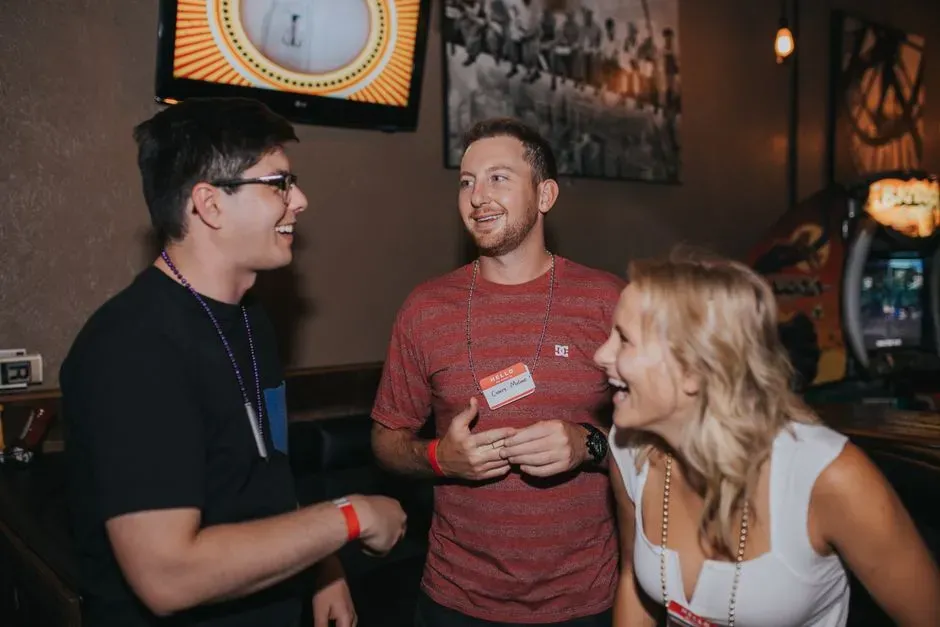
One of the clearest signals of where singles are actually spending their time is event platform data. Eventbrite tracked U.S. platform activity in the first half of 2026 against the same period a year earlier, looking specifically at events blending hobbies with connection-oriented language like “singles,” “come solo,” or “find your people.” The results were striking: experiences using “meet cute” language are up 117%, trivia nights are up 403% with attendance up 388%, and mahjong is up 235%.
Other low-key hobby gatherings have followed the same pattern, with bird watching meetups, Pilates socials, plant swaps, and pottery all seeing growth. What makes this trend interesting is that these events aren’t marketed as dating events at all. None of them are explicitly about dating, and that’s the appeal.
Fitness classes and gyms as unofficial meeting grounds

Gyms and running clubs have quietly become one of the more reliable places for singles to cross paths with people who share their habits and values. Data backs up the anecdotal buzz around run clubs and studio classes: according to Strava’s Year in Sport Trend Report for 2025, Gen Z was 39% more likely than Gen X to use fitness to meet people who share similar interests. The appeal is straightforward, since showing up to the same class week after week builds familiarity without any of the pressure of a formal date.
Industry watchers see this as part of a broader pattern away from purpose-built dating platforms. Younger users in particular are increasingly meeting people through shared interests, events and third places like gyms rather than relying solely on dedicated dating platforms. It’s a return to something dating apps were originally supposed to replace, meeting someone through a shared activity rather than a curated profile photo.
Coworking spaces are quietly becoming dating territory

Remote and hybrid work reshaped a lot of daily routines, and coworking spaces turned out to be one unexpected byproduct. These shared offices bring together people who already have overlapping schedules and, often, overlapping professional interests, which naturally lowers the barrier to conversation. Unlike a bar or a dating app profile, a coworking space gives people repeated, low-pressure exposure to the same faces over weeks or months.
That repetition matters more than people might assume. Personality compatibility tends to matter a great deal in relationships, and coworking environments let people observe how someone actually behaves, works, and interacts with others before any romantic interest even enters the picture. It’s less about a grand meet-cute and more about familiarity building naturally over time.
Speed friending events double as low-pressure dating scenes
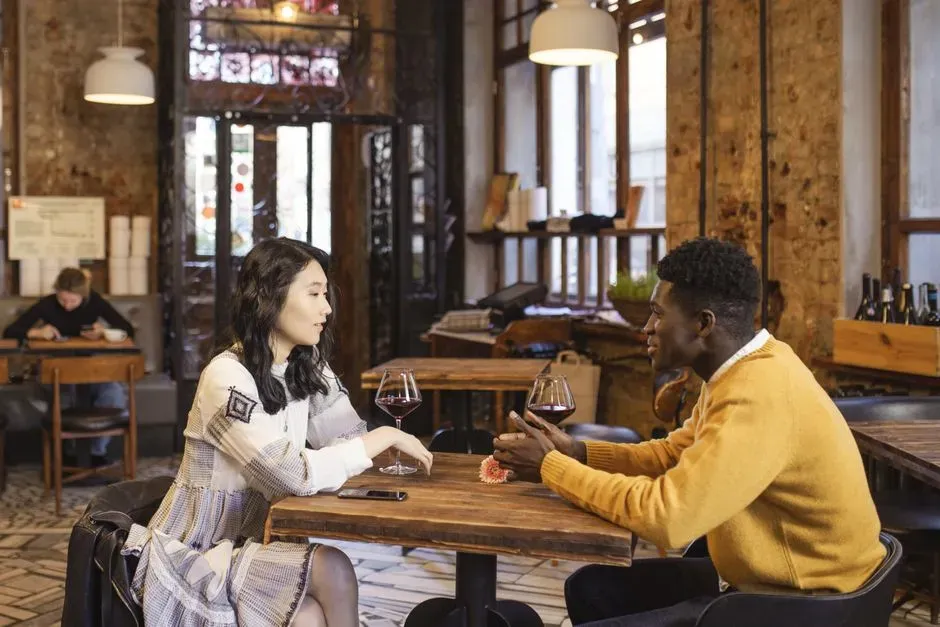
Speed dating has been around for decades, but its newer cousin, speed friending, has picked up momentum as people look for lower-stakes ways to meet others. To meet new people, many have turned to speed friending, in-person events very similar to speed dating but designed for platonic connections. The twist is that a lot of attendees treat these events as more than just a friend-finding mission.
Many people are relying on them as “feelers,” and while they’re not explicitly looking to find a date, they remain open to the idea of meeting a potential suitor. This dual-purpose approach takes some of the pressure off. If romance doesn’t happen, the evening still counts as a win because a new friendship or two usually comes out of it anyway.
Matchmakers and human curation are making a comeback
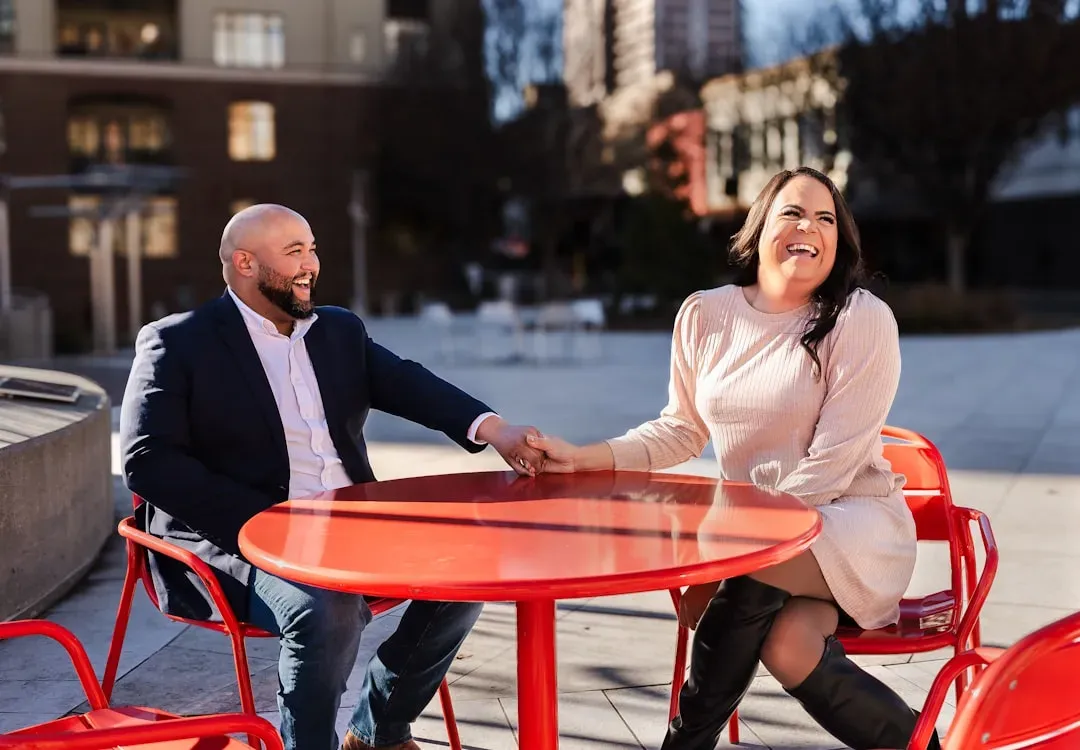
Professional matchmaking, once seen as an old-fashioned or niche service, is getting a second look from people tired of algorithmic dead ends. The appeal comes down to outcomes rather than nostalgia. The success rate for professional matchmaking sits between 60% to 80%, compared to less than 10% for app matches that lead to serious relationships.
That gap has changed how people weigh their options. Singles are realizing that apps represent the highest effort for the lowest return, while thoughtful, human-centered approaches offer the opposite, with less time wasted and better outcomes. It’s not that matchmaking is new, it’s that after years of app fatigue, paying for a human’s judgment suddenly feels less indulgent and more practical.
Friendship apps and dinner meetups are filling the gap

Dating app companies themselves have noticed the shift and are pivoting some of their energy toward friendship, betting that platonic connections might lead somewhere romantic anyway. Bumble launched Bumble For Friends, which gained 730,000 monthly active users within a year, and acquired the Geneva app for interest-based group connections. Match Group has made similar moves, since the company introduced Yuzu for the Asian-American community in the U.S., allowing users to select friendly or romantic encounters.
Beyond the big platforms, standalone dinner and social meetup services have found an audience too. Friendship-oriented apps face stiff competition, with platforms like WeRoad and TripBFF for travelers, and France’s Timeleft, which organizes personality-based dinners. Some skeptics within the industry aren’t convinced these apps will last, and some experts doubt the longevity of friendship apps, suggesting that joining local activities may be a more sustainable way to make friends.
Dating apps themselves are pushing users back into the real world

Even the platforms losing users seem to recognize that the swipe-only model has hit a ceiling. Several have rolled out in-person programming to try to recapture some of what got lost along the way. Even the dating apps themselves are reading the room and have offered in-person options, like Bumble IRL, Match’s 72 Hours, and Tinder’s Single Summer Series, while Hinge launched a $1 million social impact fund to fight Gen Z loneliness via real-life connections.
These pivots reflect a broader admission that pure digital matching wasn’t delivering what people actually wanted. City-level event data backs this up too, since one Axios analysis found the number of Eventbrite dating and singles events in the D.C. area grew 43% from 2022 to 2023. The apps aren’t disappearing, but they’re clearly trying to look more like the events and communities that are pulling their users away.
Cost is pushing people away from apps just as much as fatigue
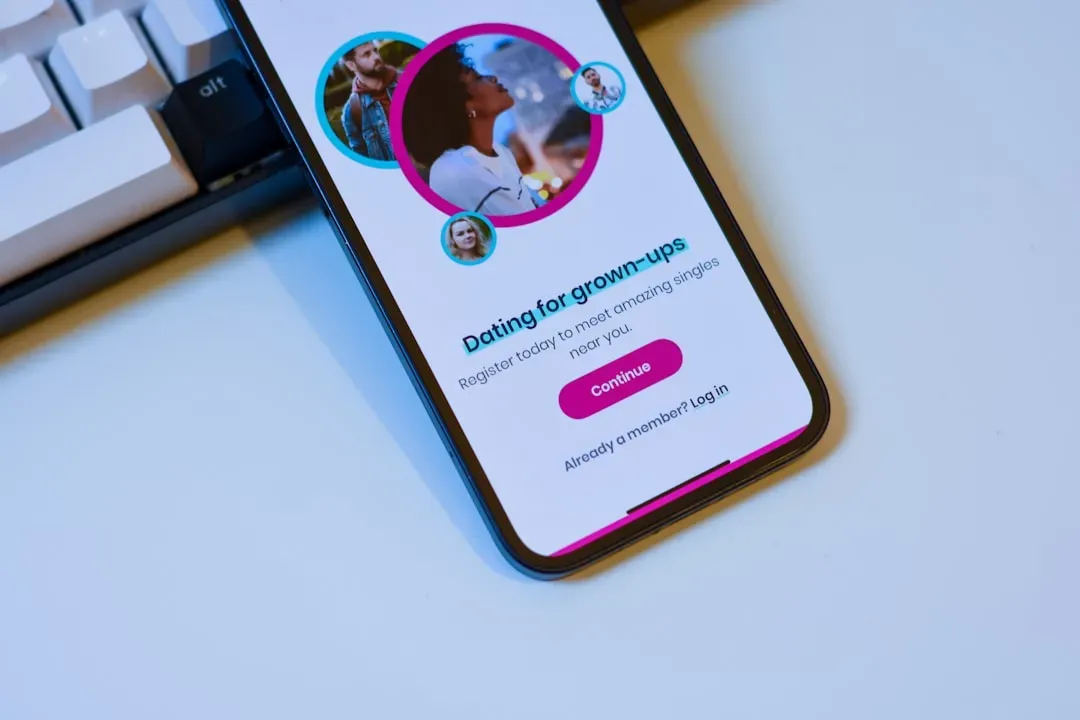
Money has become a bigger factor in this shift than most people initially assumed. Dating in general has simply gotten more expensive, and that’s changing behavior on top of the emotional exhaustion. A BMO Financial Group survey found the average date cost in the US is $189, an increase of 12.5% from the previous year, with 50% of Gen Z daters and 40% of millennial daters saying the costs interfere with their financial goals.
Layer subscription fees for premium app features on top of that, and the math starts to look unfavorable compared to a free trivia night or a running club membership. Analysts see this as a compounding problem for the app industry rather than a temporary blip. This, coupled with screen fatigue, means the dating app companies’ struggles are not over, and even if economic conditions improve, dating apps would struggle to bring back users without providing meaningful experiences.
The bigger picture on how relationships actually start now
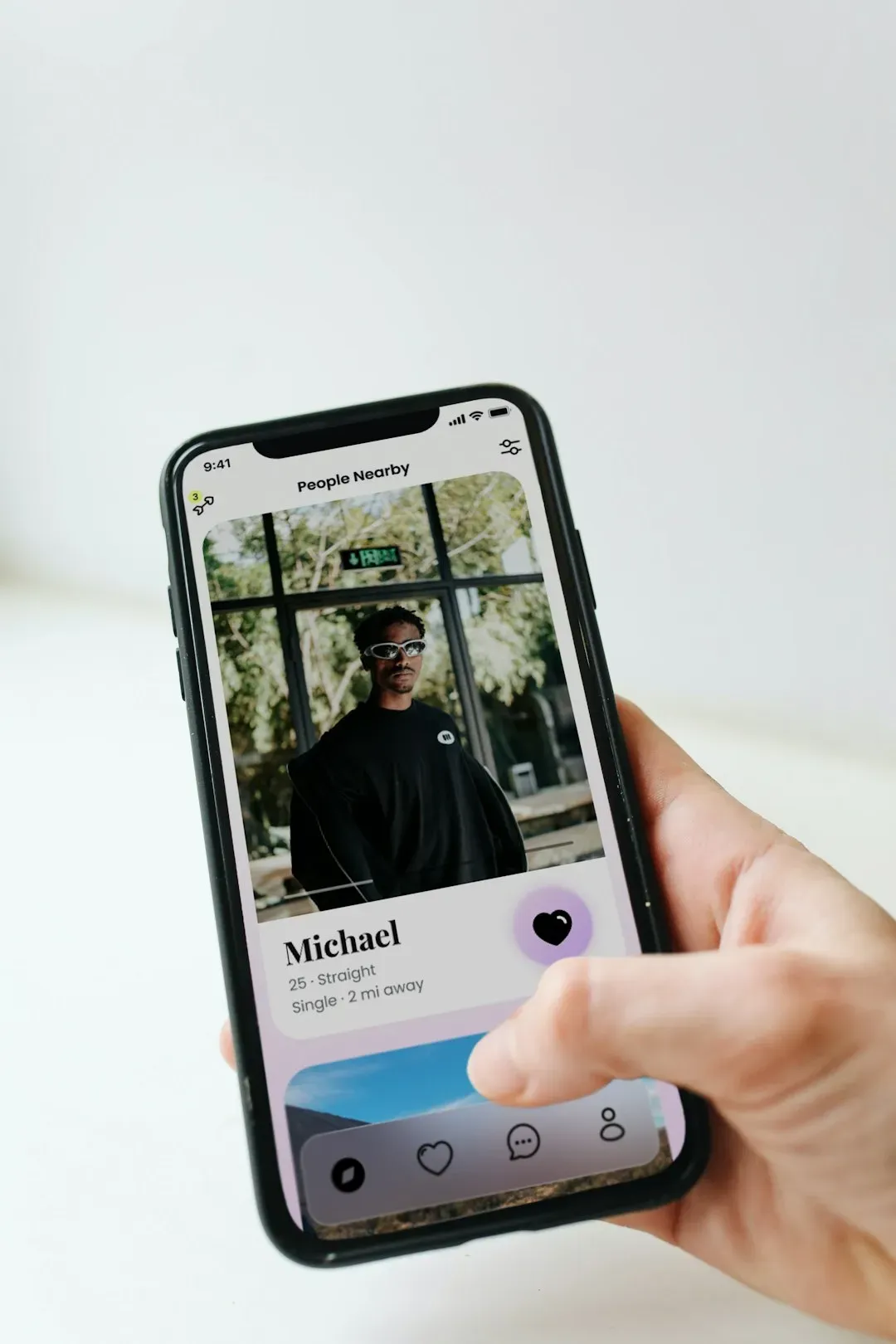
None of this means online dating has become irrelevant overnight. It’s still a meaningful path to partnership for a lot of people, just a smaller slice of the pie than the hype of the last decade suggested. Pew found that about one in ten partnered adults in the U.S. met their current partner through online dating, with a higher share among younger adults.
What’s changed is the sense of inevitability around apps as the default starting point. Singles increasingly treat swiping as one option among several, alongside gym classes, coworking spaces, hobby meetups, and matchmakers, rather than the obvious first move. The common thread across nearly every alternative gaining traction is the same: less screen, more room for an actual conversation to happen on its own terms.



Leave a Reply