
Flight attendants have seen it all. Thousands of hours in a pressurized metal tube at 35,000 feet gives you a particular perspective on human behavior – especially what people eat and drink when they think nobody is paying close attention. Honestly, the cabin crew is always paying attention. It is literally part of their job.
There are certain orders that, while completely legal and technically fine to place, make experienced crew members quietly raise an eyebrow, share a glance across the galley, or mentally brace for what might come next. Some of these concern safety. Others concern hygiene. A few are just genuinely baffling from a crew perspective. Let’s dive in.
1. Diet Coke – The Drink That Tests Everyone’s Patience
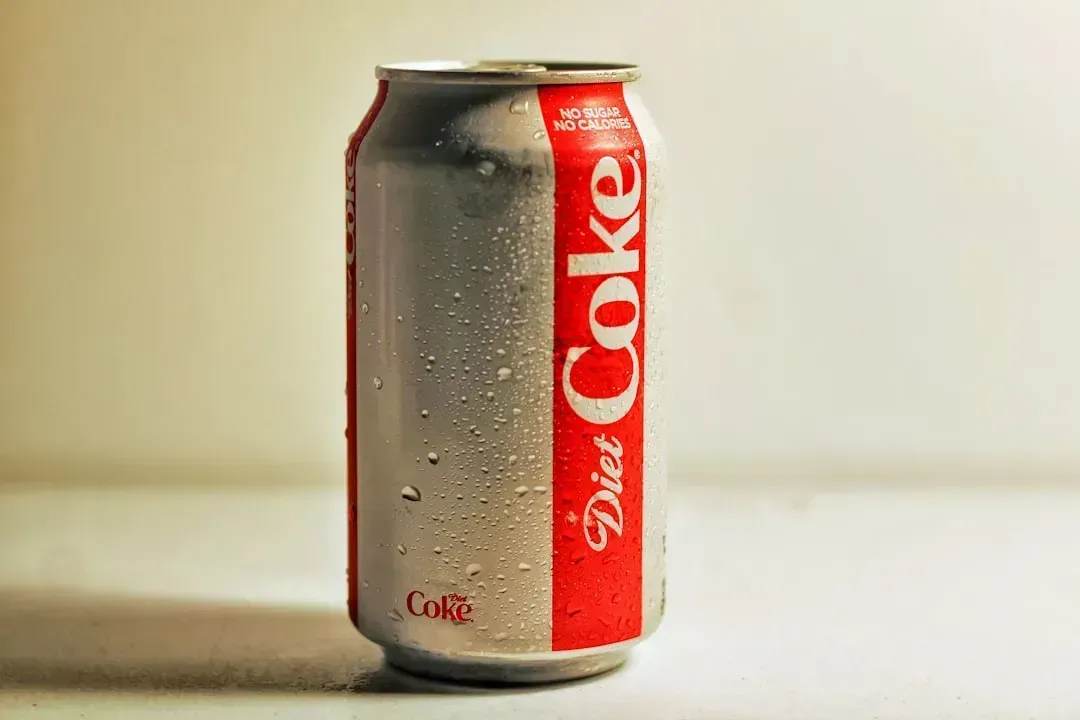
Here is the thing about Diet Coke: it sounds like the most ordinary, harmless drink order you could possibly make at 30,000 feet. A classic. Refreshing. Totally reasonable. The crew, however, quietly dreads it every single time.
The average airplane cabin is pressurized to the equivalent of about 8,000 feet instead of sea level, which means soft drinks foam up significantly more when poured out of a can. The worst culprit is Diet Coke. A flight attendant literally has to sit and wait for the bubbles to fall before continuing to pour – and if three passengers all ask for Diet Coke, they will often get them started, take another three drink orders, serve those, and then come back to finish the Diet Cokes. Think of it like trying to manage a shaken soda bottle while also running a small restaurant at altitude. If you are ordering Diet Coke, you could actually be a helpful passenger by offering to just take the can, so your flight attendant does not have to take so long to finish your order. You can get the can without a cup to avoid the frustration of pouring it yourself.
2. Hot Coffee or Tea – A Hygiene Concern Nobody Warns You About
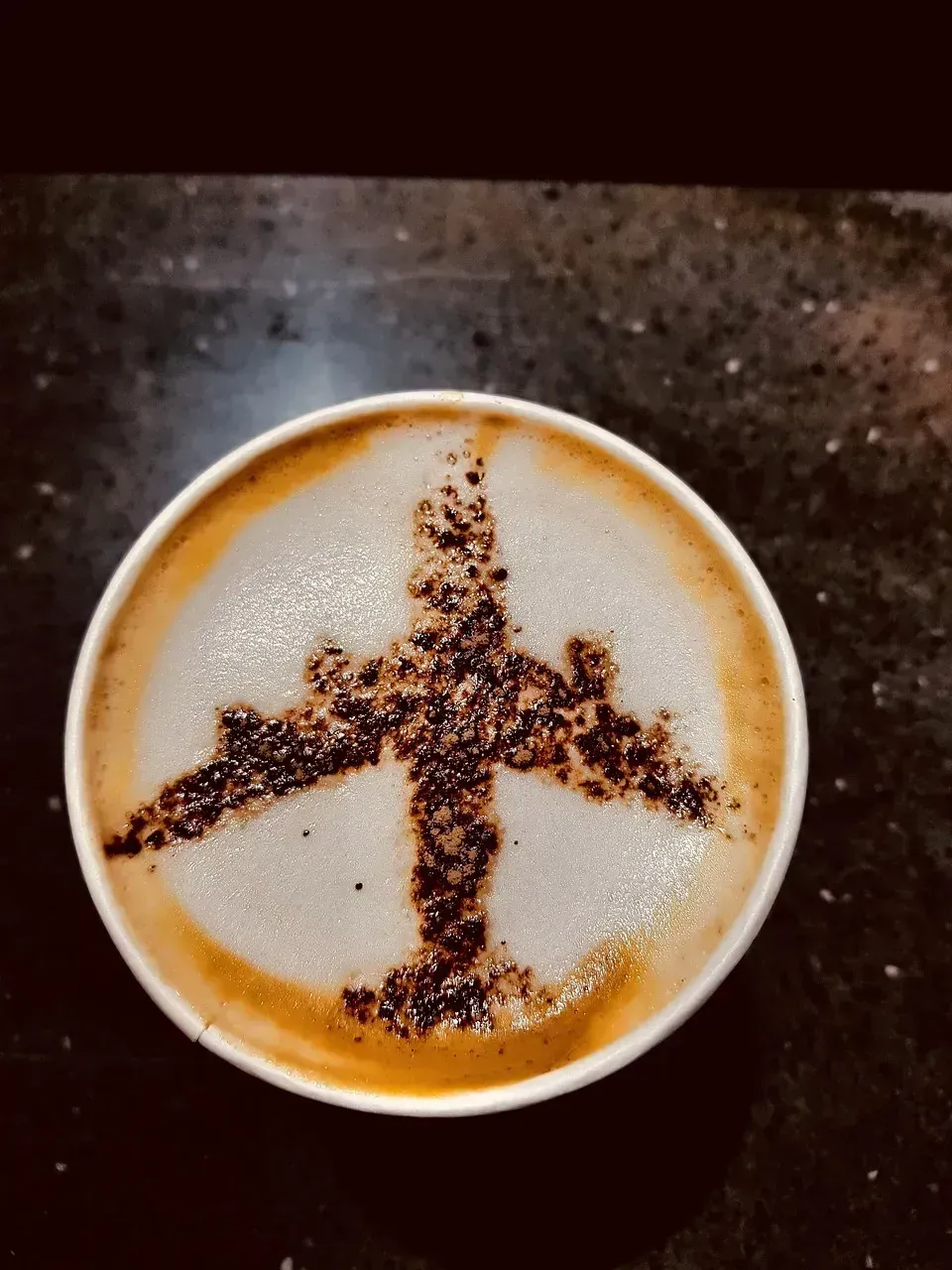
The pre-flight coffee order feels innocent enough. You are tired, it is early, and you just want something warm in your hands. But here is what many passengers genuinely do not know: the water used to brew that coffee is not from a sealed bottle.
Findings reveal that roughly one in eight airplanes failed water safety standards, including tests for coliform bacteria, a red flag for contamination. While the water is technically heated to near-boiling temperatures to brew coffee and tea, that is not always enough to guarantee safety, especially when altitude changes the boiling point. While the cabin crew may smile as they hand you that steaming cup, many of them would not drink it themselves and have not for years. Flight attendants from a wide range of major airlines and international carriers have echoed the same warning: the water used for hot drinks on airplanes comes from onboard tanks that may not be as clean as you would hope. It is a quiet concern that rarely gets said out loud at the moment of service.
3. Bloody Mary – The Salty Cocktail That Quietly Worries the Crew
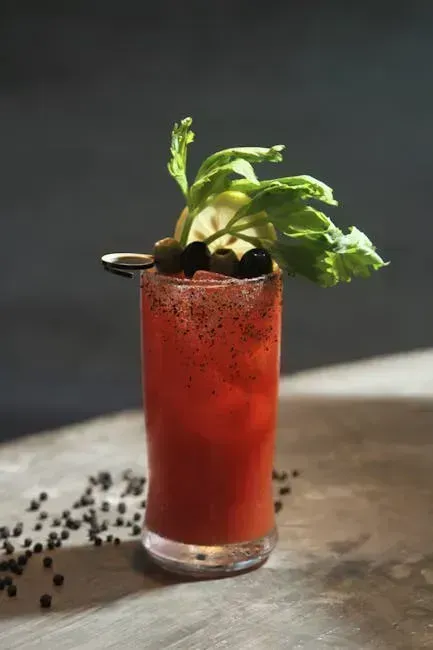
Ordering a Bloody Mary on a plane feels sophisticated. Very “I know what I’m doing at altitude.” Yet flight attendants know something about it that most passengers overlook entirely.
Bloody Marys, despite their popularity in flight, exacerbate the already dehydrating conditions of air travel, and the combination of alcohol and high sodium content creates a perfect storm for feeling terrible upon landing. Flight attendants specifically call out Bloody Marys because they tend to be super salty, which further dehydrates you on the plane. The cabin humidity already sits lower than the Sahara Desert. Adding massive amounts of sodium to your already stressed system is just asking for trouble. A Bloody Mary mix contains roughly 12 times more sodium than a standard soft drink – a staggering amount when your body is already struggling to stay hydrated at altitude.
4. A Third (or Fourth) Alcoholic Drink – When Crew Start Running Mental Calculations

Nobody wants to be the passenger who gets cut off. Yet from the crew’s side of the cart, multiple rounds of alcohol trigger something that goes beyond simple judgment. It becomes a genuine safety assessment, and a legal one at that.
As a general rule, flight attendants have the right to refuse the sale of alcohol at any time during the flight. US Federal Aviation Administration rules prohibit passengers from drinking alcohol onboard an aircraft unless it has been served to them by the airline. They also prevent carriers from serving more alcohol to those they believe to be already drunk. Alcohol impairments become more severe at altitude, where lower oxygen levels can actually heighten intoxication effects. So when you order that third drink, you are not just ordering a drink – you are triggering a mental calculation the flight attendant is required to make. It is a system running quietly in the background every time someone flags down the cart one more time.
5. Bringing Your Own Alcohol to Mix Into a Soft Drink
Some passengers think they have found a clever workaround: bring mini bottles from the airport duty-free shop, order a soda, and quietly mix the two together. What they do not realize is that this is not just frowned upon – it is a federal violation.
Passengers who quietly mix their own mini bottles of alcohol into a soda or juice think they are being sneaky. Flight attendants almost always notice. And this is where things get very serious, very fast. Federal law prohibits passengers from consuming alcohol aboard a flight that is not served by a flight attendant. It does not matter if you bought the mini bottle in the airport. It is also forbidden for passengers to consume their own alcohol onboard, and alcoholic drinks can be confiscated and kept locked away for the duration of the flight. Only consuming alcohol served by the crew enables the crew to keep better track of any potentially disruptive passengers and limit their intake accordingly.
6. Hot Food Brought Onboard From the Terminal
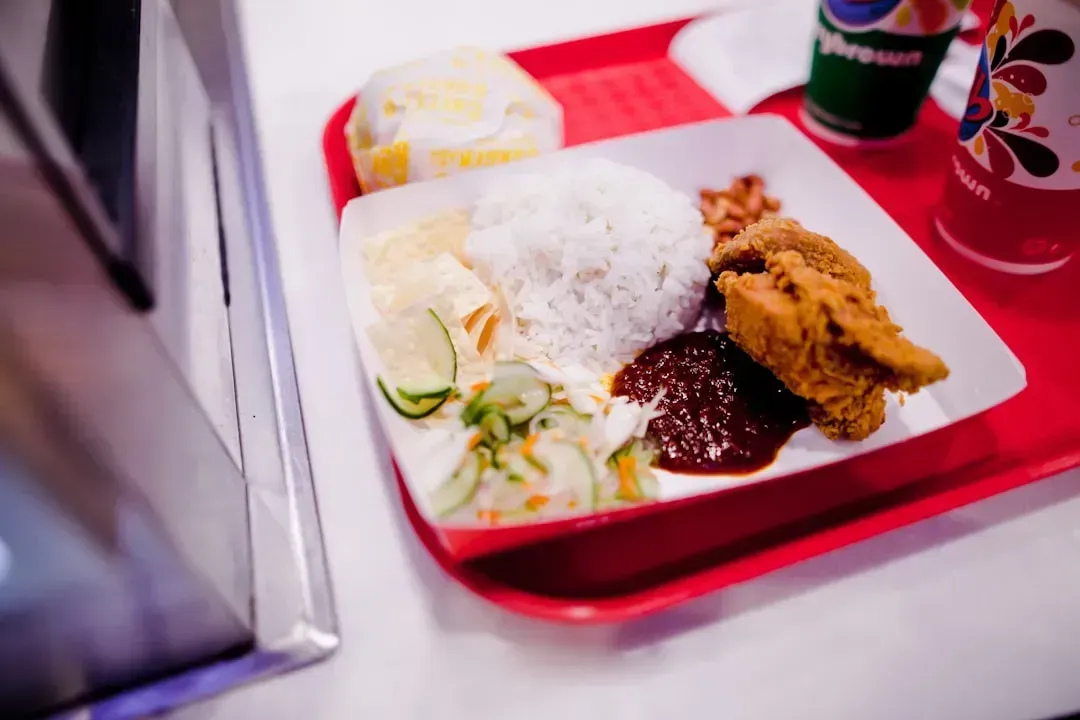
Let’s be real – airport food is expensive, and bringing your own hot meal onto the plane feels like a smart move. The crew rarely says anything in the moment. Quietly though, it can trigger a cascade of practical concerns that are hard to ignore once you understand them.
Crew can intervene if food is too hot, messy, or spill-prone, or if another passenger has a medical allergy, or the smell is overpowering. These are operational decisions, not personal ones. The recycled air on a plane can amplify smells, and limited space makes messy foods a nightmare. Tuna or egg salad, for example, is delicious, but the strong, lingering smell is a major problem in an enclosed cabin. A passenger once brought a fish curry onto a transatlantic flight, and by row five, it had essentially redefined the entire flight experience for everyone nearby. The crew has to manage the fallout from that.
7. Tomato Juice (Plain) – Innocent But Puzzling to the Crew
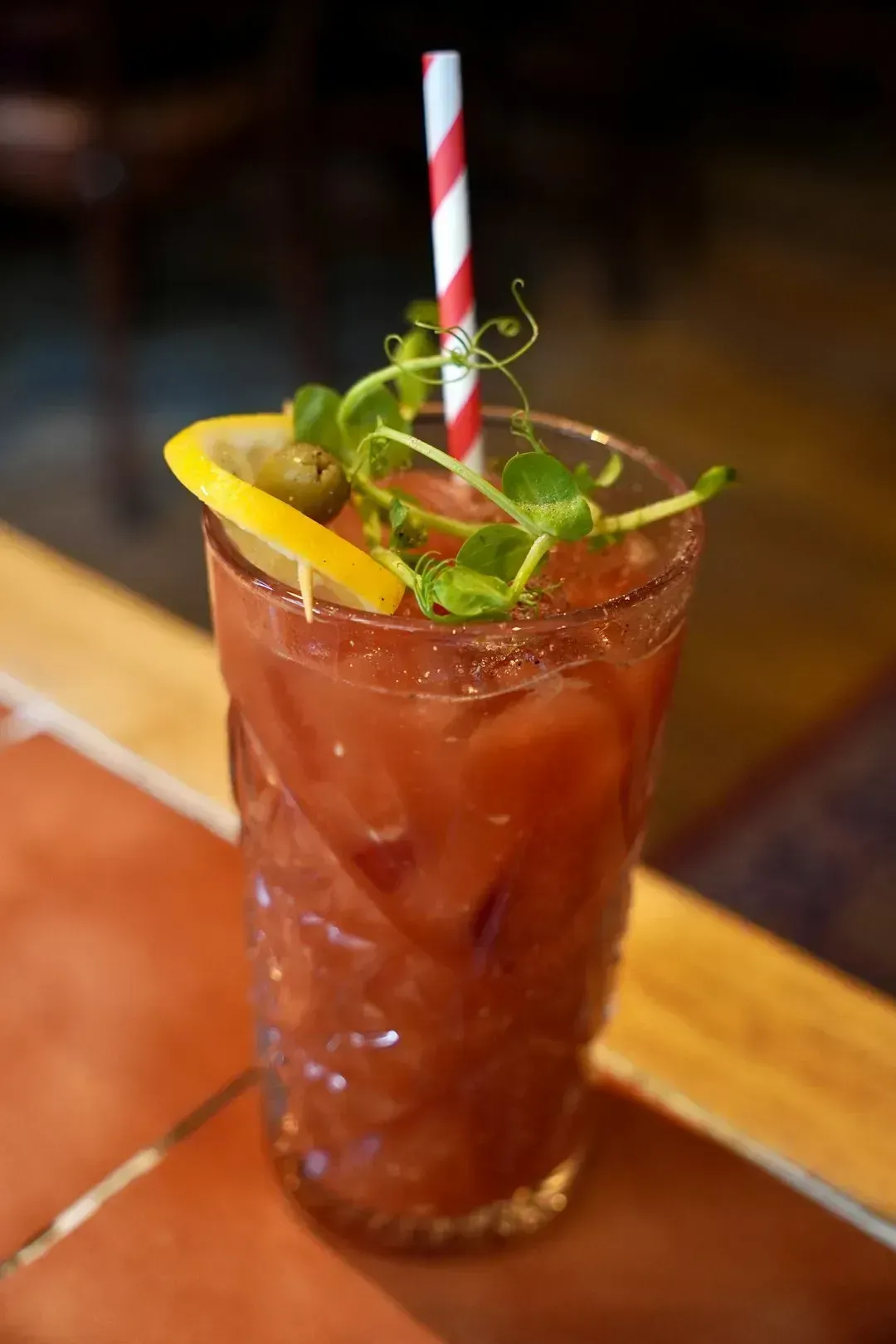
Here is one that is genuinely harmless but still makes veteran crew members pause. People who would never dream of pouring a glass of tomato juice at home suddenly become devoted fans of the stuff the moment they board a plane.
Tomato juice is by virtually every measure not a popular drink on the ground. Most people would not dream of ordering it at a restaurant or pouring a glass at home. Then they step on a plane and suddenly it is their favorite thing in the world. Everything in your environment – from the sound to the lighting to the smell – influences your sense of taste. Smart airlines know this and design the plane environment to enhance taste. In fact, some airlines work with food scientists to build menus around these in-flight taste shifts. Tomato juice is not weird – it is the cabin playing tricks on you. The crew knows this, which is precisely why they find it quietly fascinating every single time.
8. Ordering Decaf Coffee – The One That Genuinely Baffles Everyone
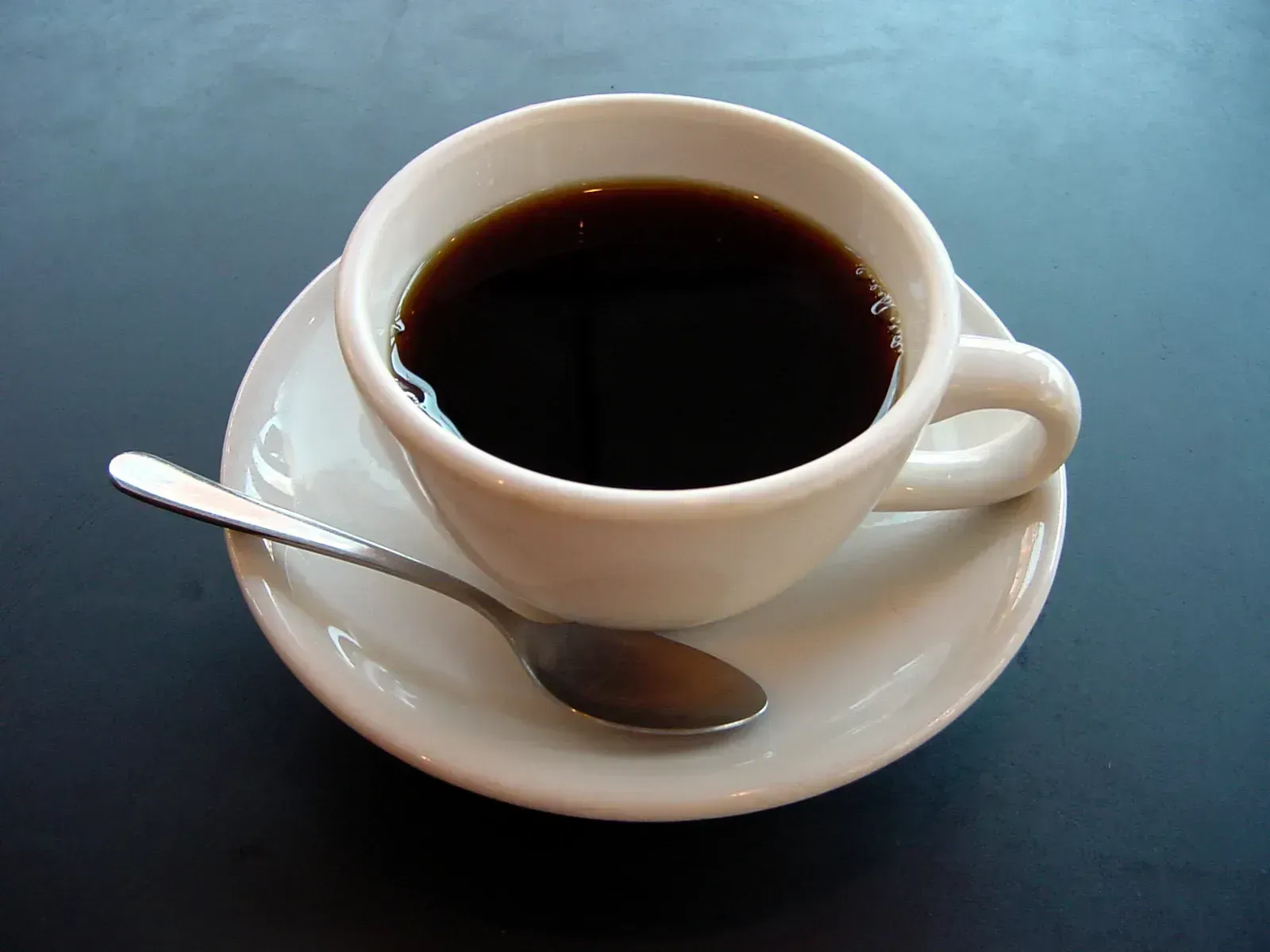
This one sits in a slightly different category. It is not a safety concern, not a hygiene issue, and not a legal gray zone. It is simply something that makes the crew quietly wonder what exactly the logic is behind it.
Hot drinks can already be a headache for flight attendants. Occasional turbulence at high altitudes makes it challenging to serve coffee and tea without risking spills. The limited resources on board make it time-consuming to prepare individual hot beverages, leading to longer waiting times for other passengers. Ordering decaf coffee is the one drink that manages to be both unpleasant and inconvenient at the same time. You are adding to the complexity of the service, consuming a drink brewed from water that the crew themselves tend to avoid, and you are not even getting the caffeine payoff that at least makes the whole exercise understandable. I think this one will remain a mystery of aviation for years to come.
Next time you buckle in and the cart rolls down the aisle, you might see the whole ordering process a little differently. The crew is professional, warm, and genuinely there to help – but behind every smile at the beverage cart, there is a wealth of experience quietly processing whatever lands in front of them. What would you have guessed made the list? Tell us in the comments.




Leave a Reply