
What the survey numbers actually show
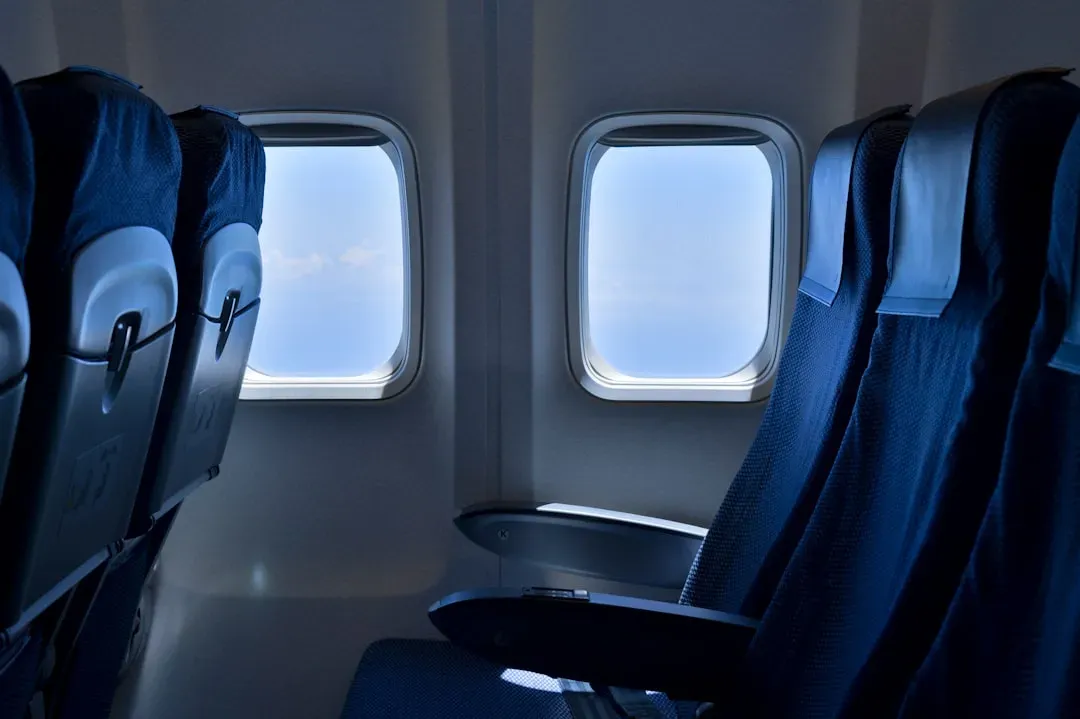
Most large-scale surveys of the general traveling public still lean window. A 2024 survey by Upgraded Points of more than three thousand US travelers found that window seats dominate the preferences, with 66.6% of passengers opting for them over aisle seats (31.7%) or middle seats (1.7%). A separate 2024 survey cited by Axios found something similar, reporting that nearly 67% of passengers prefer window seats, while about 32% favor the aisle.
Other polls put the gap much tighter. A survey from the travel platform Going found that the public at large favors window seats, with 53% deeming it their first choice, while aisle took 46% of the vote. That spread between a landslide and a near tie suggests the “average” answer depends heavily on who gets asked and how the question is framed.
Why frequent flyers tell a different story
Once you narrow the sample to people who fly often for work rather than once or twice a year for vacation, the pattern shifts. According to research summarized on airlinetraveler.com, surveys and booking data from major airlines and travel platforms consistently show that the majority of travelers, typically between 55% and 65%, prefer the aisle seat when given a free choice.
The same analysis notes that this preference is anything but uniform across the flying population. It states plainly that younger travelers and occasional flyers tend to prefer window seats at a higher rate, while frequent business travelers overwhelmingly gravitate toward the aisle. That split lines up with something older industry research picked up on too, with one comparison of studies noting data to suggest more frequent travelers prefer aisles, oddly even when general population surveys tilt window.
The case for the aisle: freedom over scenery
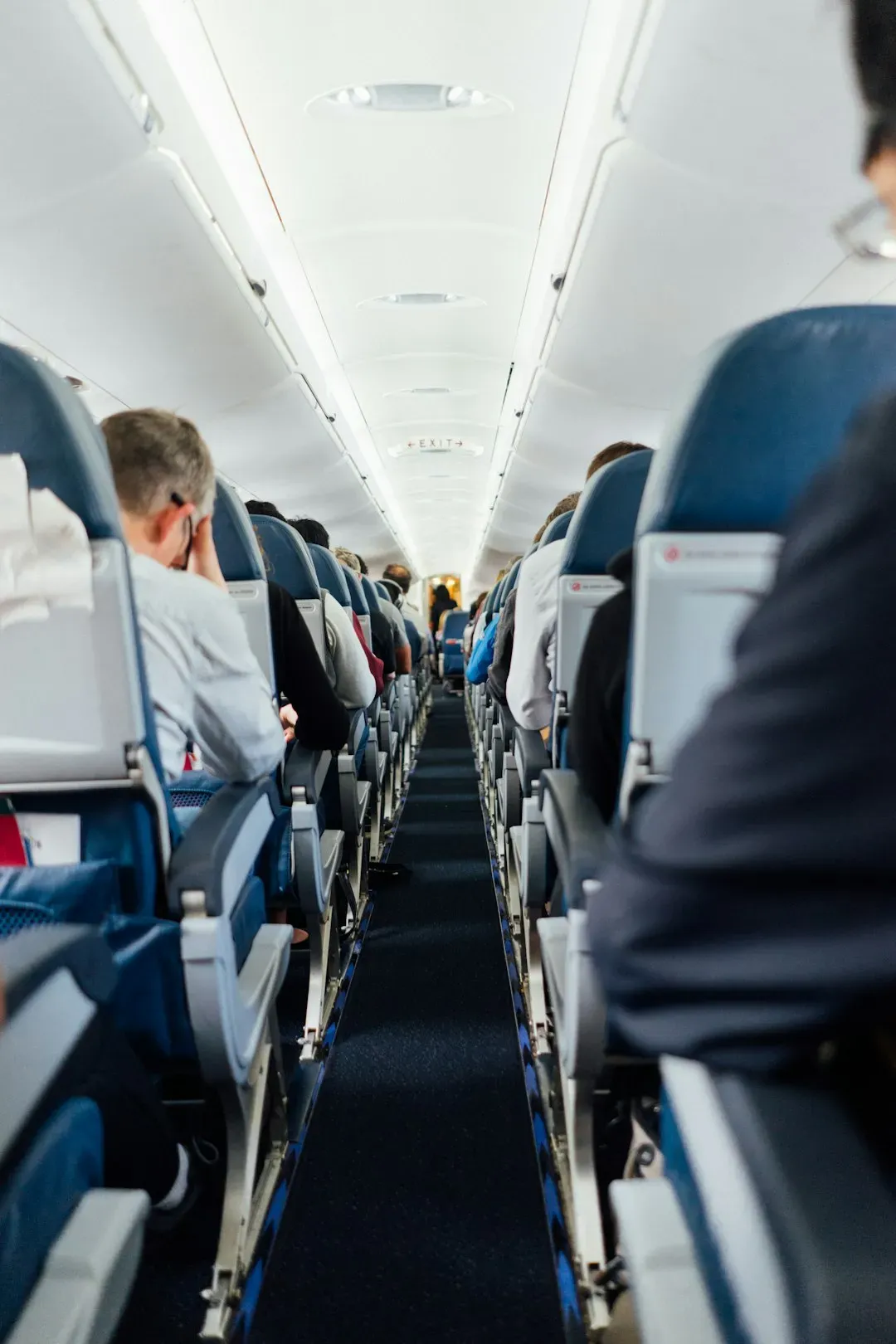
For someone who flies twice a week, the appeal of an aisle seat has little to do with sentiment and everything to do with logistics. A Business Insider travel reporter who covers dozens of flights a year described the shift in her own habits candidly, explaining that nowadays she flies more than ever and prioritizes comfort over views in the air, since in-flight window views have lost their luster.
She also pointed to something many frequent flyers eventually learn the hard way about window seats: the awkwardness of needing a bathroom break. In her words, she got up less when seated by the window, likely because she didn’t want to disturb neighboring passengers, and could recall holding her bladder for far too long out of fear of waking them. Multiply that discomfort by dozens of flights a year, and the aisle starts to look less like a compromise and more like the smarter default.
The case for the window: rest, control, and a sense of order
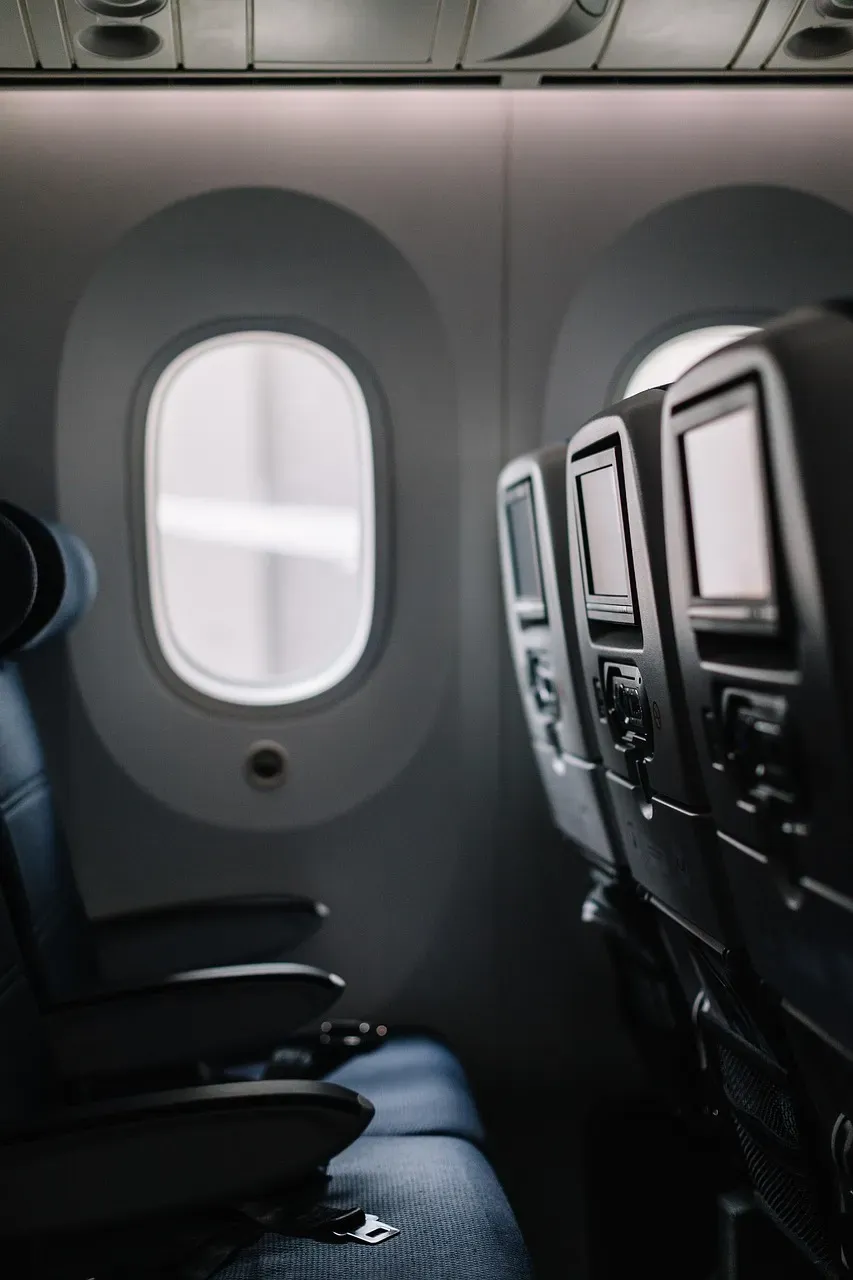
Window seats haven’t lost their appeal entirely, even among people who fly constantly. Long-haul veterans often point to the wall as the only real headrest option in economy, and some psychologists frame the preference in deeper terms. One behavioral scientist quoted in coverage of the debate argued that champions of the window seat tend to be more selfish, as well as less anxious, seasoned flyers who are more confident in disturbing others.
There’s also a simple environmental psychology explanation that doesn’t require judging anyone’s character. Research on bounded spaces suggests that people who want predictability during a flight benefit from having a visual reference point outside, since the window seat gives anxious flyers something to look at, a source of real-time environmental data that, for many, is calming simply because it exists. For flyers who still get a flicker of nerves before takeoff, that visual anchor can matter more than legroom.
Health and mobility concerns on long flights
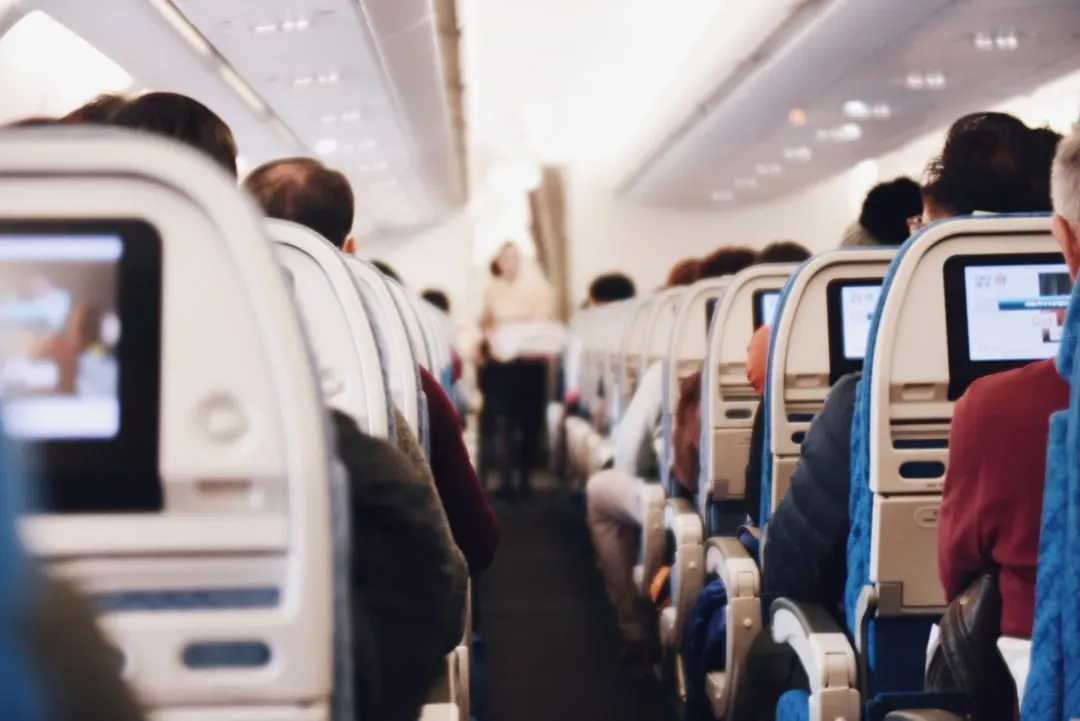
Once flights stretch past four or five hours, seat choice stops being purely about comfort preference and starts intersecting with basic circulation health. Medical guidance has long urged passengers to move periodically on long-haul routes, and the Business Insider account referenced this directly, noting that travelers should stretch their legs on long-haul flights to avoid deep-vein thrombosis, the development of blood clots that come from remaining seated for long stretches of time.
That single fact does a lot of explaining for why frequent international travelers skew toward the aisle more than occasional domestic flyers. Someone flying coast to coast once a year might tolerate ninety minutes wedged by the window without much thought. Someone crossing the Atlantic or Pacific every month tends to build habits around getting up, and an aisle seat simply makes that easier to do without an awkward climb over a stranger.
Gender and generational differences in seat choice
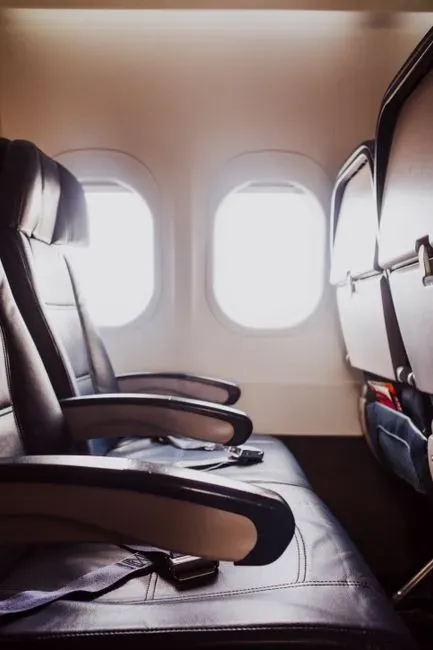
Preference doesn’t split evenly across demographics either. A late 2024 survey of over a thousand US travelers found that women strongly favor window seats at nearly 65%, compared to about 54% of men, while men are slightly more open to middle seats. That same research also found generational patterns worth noting, reporting that Gen Zers and Baby Boomers favor window seats, while Gen Xers and Millennials are more likely to opt for middle or aisle seating.
Those generational and gender patterns roughly track with career and travel-frequency stages. Millennials and Gen Xers are disproportionately represented among business travelers logging the most annual segments, which lines up with the broader finding that frequent flyers as a group lean aisle even when younger leisure travelers and retirees lean window. Age and how often someone boards a plane seem to interact rather than operate independently.
How trip length changes the calculation

The window-versus-aisle debate isn’t a fixed preference for most people; it shifts depending on the flight itself. A short regional hop of under two hours rarely triggers restroom anxiety or leg-numbness concerns, so window seats retain their appeal for the view and the corner to lean against.
Red-eyes and long-haul international routes flip that calculus for frequent flyers who value sleep and mobility over scenery. The same research noting the general 55 to 65 percent aisle lean among habitual flyers also observed that preference shifts considerably based on age, travel frequency, trip length, gender, and cultural background, which suggests trip duration is doing real work in that equation rather than being a footnote.
Does the debate still matter in premium cabins?
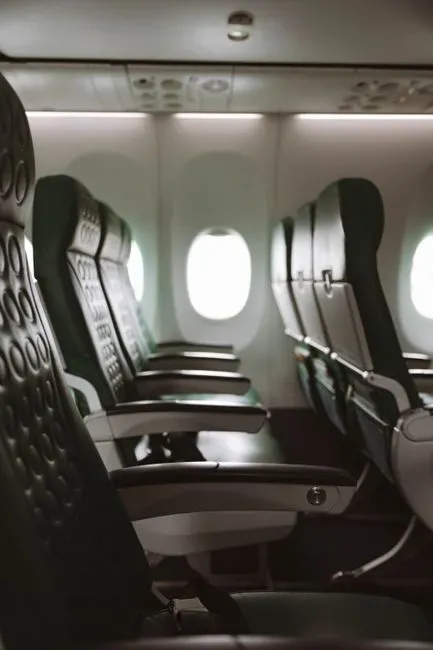
Business and first class seating changes the conversation considerably, since many long-haul premium cabins now use staggered or herringbone configurations where nearly every seat has some aisle access anyway. Upgraded Points’ research on economy seating still found that even the most desirable coach seat, 1A, earns its reputation partly because it offers ample legroom, a prime window view, easy access to the aisle and restrooms, and a quick boarding and disembarking process, essentially eliminating the tradeoff entirely.
That detail is telling. When airlines design a seat that removes the compromise, passengers stop debating and simply take the best of both worlds. For frequent flyers who occasionally get upgraded or who fly premium economy on points, the aisle-versus-window argument often becomes irrelevant precisely because the seat itself was engineered to avoid forcing the choice at all.
The middle seat and what its universal rejection reveals
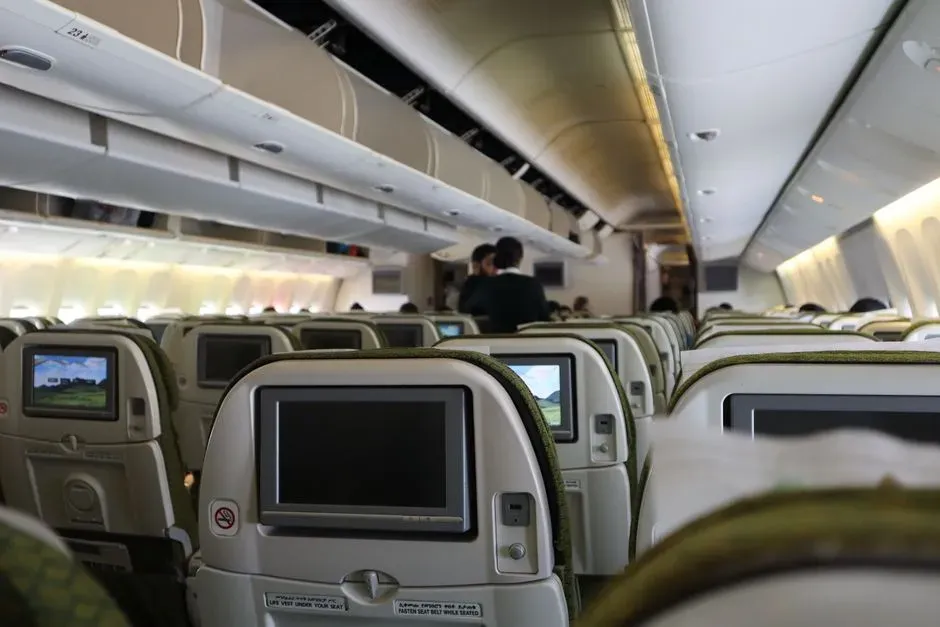
No conversation about seat preference is complete without acknowledging the seat almost nobody wants. Across nearly every survey referenced here, the middle seat trails far behind both alternatives, with the Upgraded Points data showing only 1.7% of passengers opting for the middle seat and the Going survey putting that figure at just 1% of people voting for the middle seat.
That near-universal avoidance actually clarifies the aisle-versus-window question rather than complicating it. The middle seat offers neither the wall to lean on nor the freedom to move, combining the drawbacks of both options without any of the benefits. Frequent flyers, more than anyone, have learned to treat middle seat avoidance as a near non-negotiable part of trip planning, often paying extra specifically to guarantee they land on one side of the plane or the other.
How pricing and airline policy shape the choice
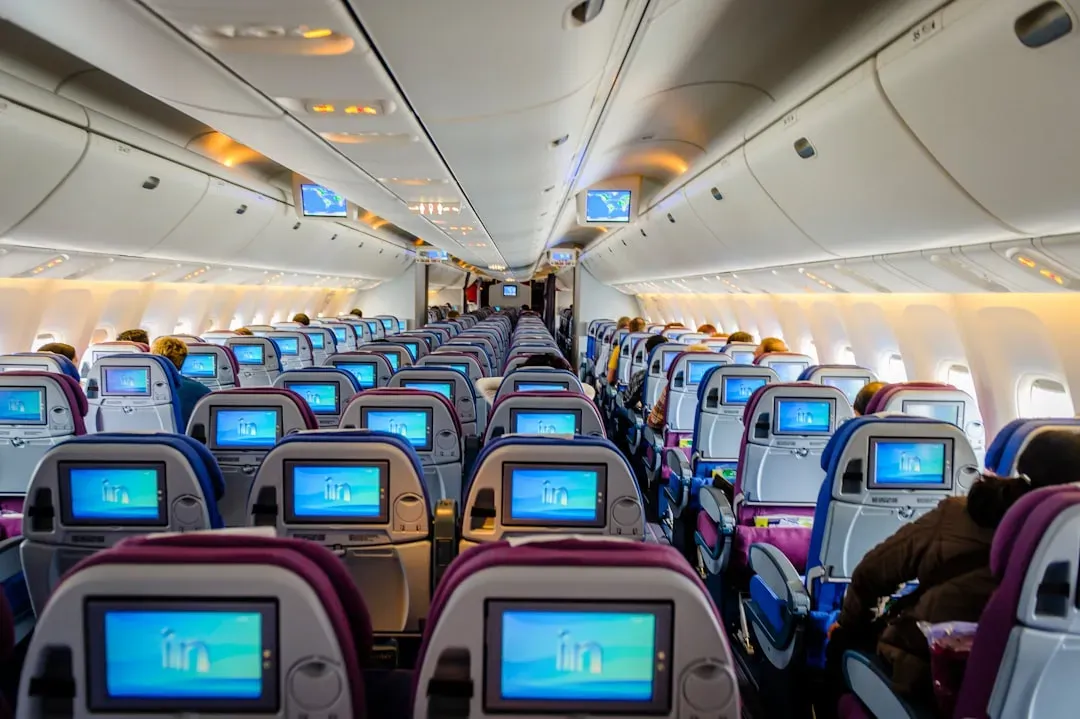
Seat selection has increasingly become a paid product rather than a free perk, and that shift has quietly influenced how much thought flyers put into the decision. Upgraded Points found that on average, passengers are willing to pay US$33.59 extra to select their airplane seat in advance, a figure that underscores just how much this once-casual choice now carries real financial weight.
An older but often-cited Expedia study found a similar willingness to pay skewed heavily toward one side of the cabin, reporting that 35% of passengers were willing to pay to reserve a window, whereas only 15% were willing to pay for an aisle seat. For frequent flyers holding elite status, this dynamic matters less since many airlines grant complimentary advance seat selection as a loyalty perk, effectively letting their aisle preference play out without the added fee that casual travelers have to weigh.
Final thoughts





Leave a Reply