
Las Vegas, Nevada
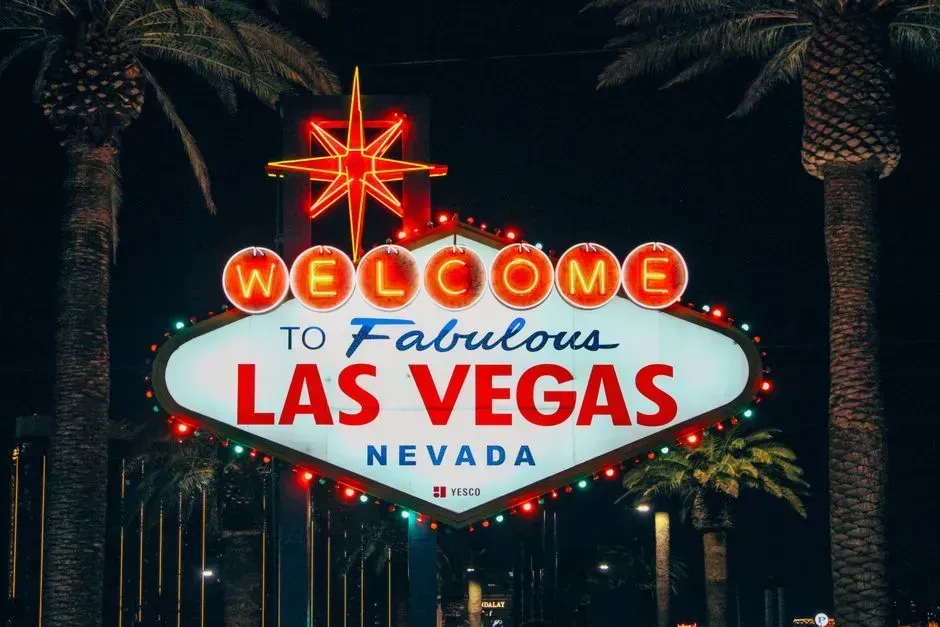
Las Vegas built its reputation on being an affordable escape, but that reputation has taken a hit. The Las Vegas Convention and Visitors Authority’s data covering January to July 2025 showed overall visitor volume was down 8% compared to the same period the year before. Domestic travelers, not just international ones, have started noticing the change in how the city treats them.
Viral “ghost town” stories circulated about Vegas in 2025, with complaints about resorts nickel-and-diming guests as once-affordable properties turned into luxury destinations with hidden fees stacking up fast. Parking charges, resort fees, and pricier restaurants have made a weekend trip feel less like a bargain getaway and more like a financial gamble before the cards are even dealt. On top of that, hotel occupancy rates fell by more than 300 basis points in 2025, landing at 80.3%, with the sharpest declines coming in the second half of the year.
Hawaii
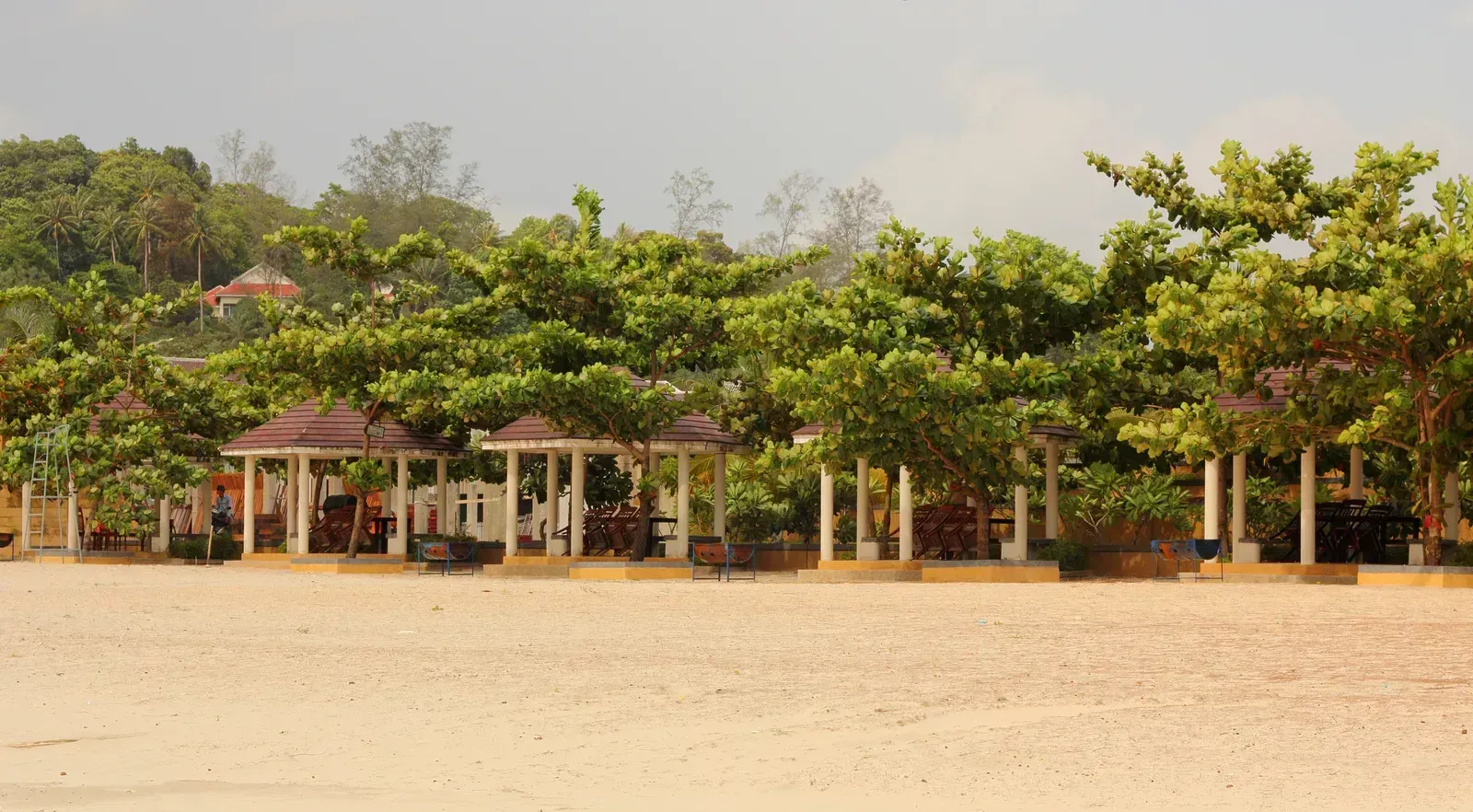
Hawaii has always occupied a complicated space for mainland travelers, but that complexity has deepened. Water shortages, housing crises worsened by vacation rentals, and legitimate concerns from native Hawaiians about cultural preservation have created an atmosphere that feels different from the laid-back aloha spirit travelers expect. Programs meant to soften the impact of tourism exist, but they haven’t erased the tension.
The state has introduced programs that encourage tourists to respect local traditions and reduce their environmental impact, hoping to reduce the negative effects of overtourism while still welcoming visitors. Even so, many American beachgoers seem to be picking up on the friction and looking elsewhere for their tropical fix. It’s not that people have stopped loving Hawaii. It’s that guilt and higher costs have made it a harder sell than a Caribbean alternative.
Venice, Italy
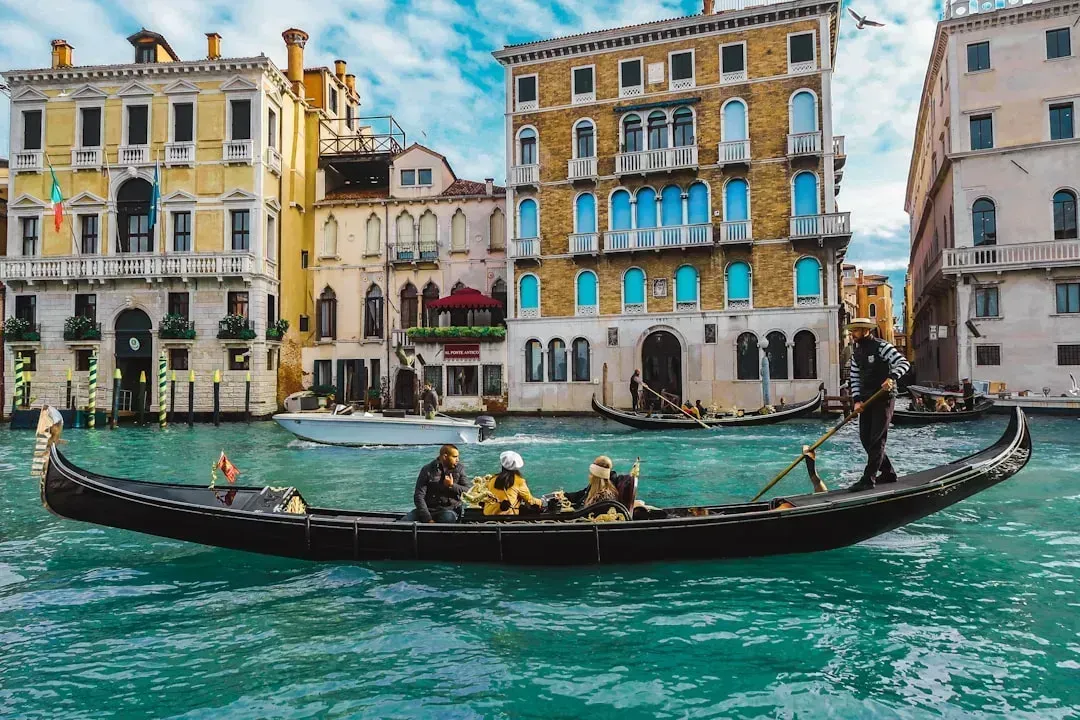
Venice has spent years trying to manage the sheer volume of people crowding its narrow streets and bridges, and 2026 brought another round of restrictions. Venice decided to bring back its entrance fee for 2026, part of a broader wave across Europe as Spain also removed 53,000 illegal holiday rentals from booking websites. For a lot of American travelers, paying an entry fee just to walk around a city feels like a signal that the experience has changed for the worse.
Photos from peak season showing shoulder-to-shoulder crowds on the Rialto Bridge have done more to discourage visits than any official warning could. Cruise ship restrictions, timed entry slots, and rising accommodation costs have combined to make Venice feel less like a romantic escape and more like an exercise in crowd management. Plenty of Americans are choosing quieter Italian towns instead, or skipping the country’s biggest hotspots altogether for a season or two.
Barcelona, Spain

Barcelona’s overtourism problem became impossible to ignore once locals started making headlines for confronting visitors directly. Barcelona residents made headlines for squirting water at visitors in protest of their city being overrun. That image traveled fast on social media, and it stuck.
In April 2024, widespread anti-tourist protests erupted in Barcelona, with actions including increased tourist taxes, fines for public drinking, and caps on cruise-ship visitors. American travelers who once treated Barcelona as an easy stop on a European itinerary are now weighing whether they want to spend a vacation feeling like an unwelcome guest. Higher taxes on short-term rentals have also pushed up lodging costs, which hasn’t helped the city’s case.
Amsterdam, Netherlands
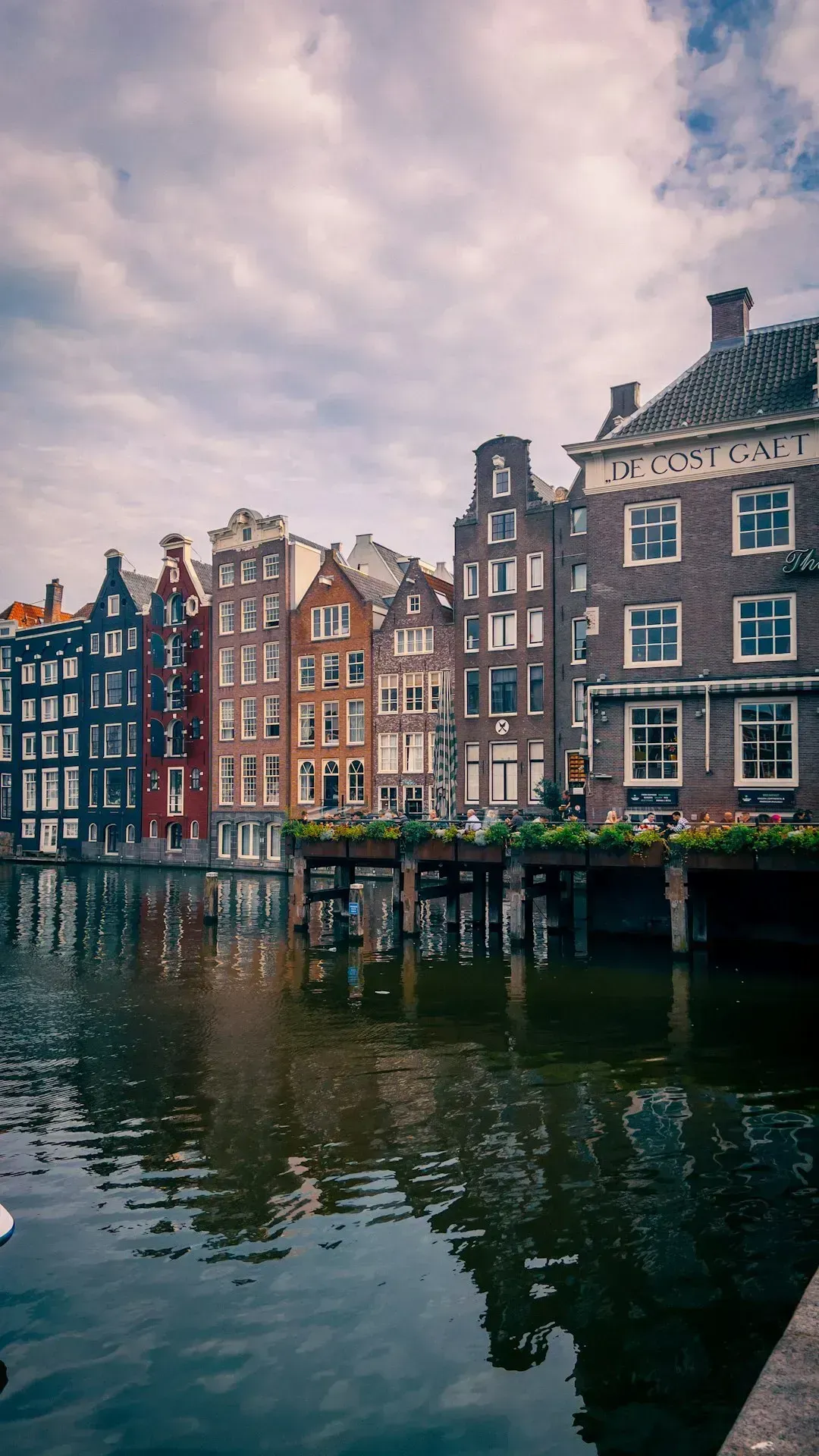
Amsterdam has been trying to reshape its tourist image for years, and the messaging has grown more pointed over time. A couple of years ago, the city launched a campaign targeted at rowdy young people that simply asked them to stay away, followed by a public smoking ban in the Red Light District and interactive quizzes meant to debunk myths about letting loose in the city. None of that exactly says “come visit.”
The frustration runs deeper than marketing campaigns, though. A local campaign group has accused the city of failing to limit overnight stays for leisure to the 20 million cap set by a 2021 bylaw, and after years of little change, a group of residents decided to take legal action against the city they love. American travelers picking up on the tension, combined with steadily rising hotel prices, have started rerouting trips toward calmer Dutch or Belgian towns instead.
Bali, Indonesia
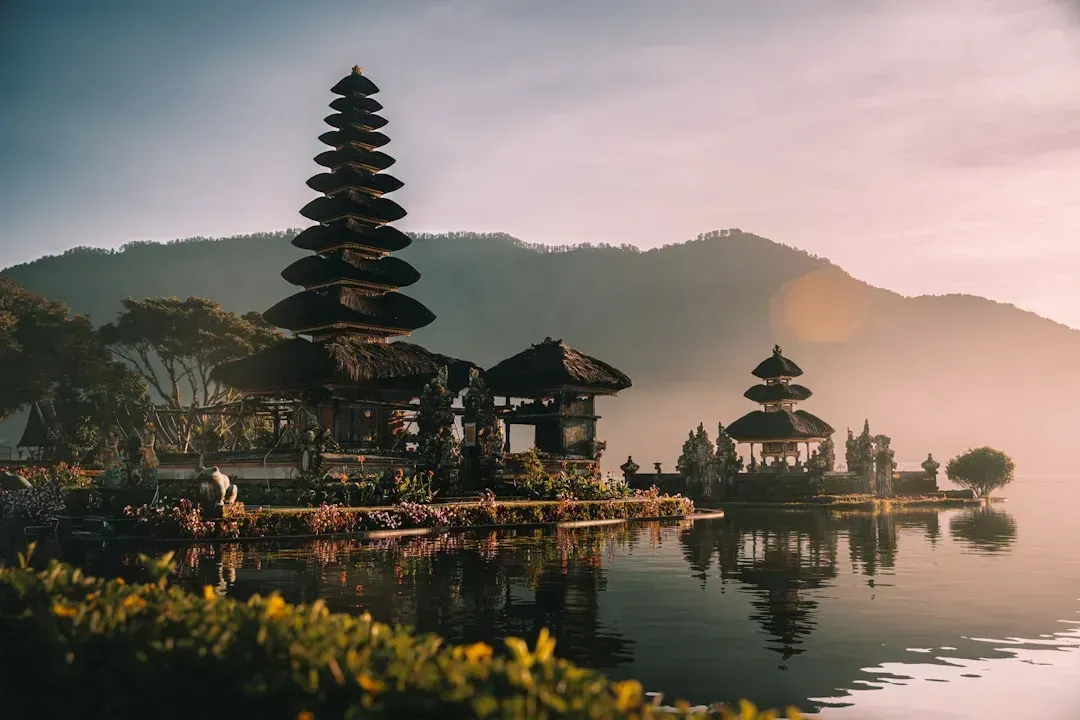
Bali’s transformation from quiet island escape to Instagram factory has caught up with it. Leisure travelers are skipping Bali in 2026 due to overtourism, rising prices, traffic congestion, and travel burnout, with many feeling the experience no longer matches the cost or expectations. Areas like Canggu and Seminyak, once known for laid-back charm, now feel more like busy commercial strips.
American visitors have also drawn specific scrutiny from local authorities. Officials have identified Russian, Australian, and American tourists as among the most frequent violators of Bali’s immigration regulations, with the island’s immigration office deporting 331 foreign nationals in 2025 alone. Between the crowds, the crackdowns, and the traffic jams that can eat up half a day, a growing number of Americans are quietly rerouting to less crowded parts of Southeast Asia.
Canary Islands, Spain
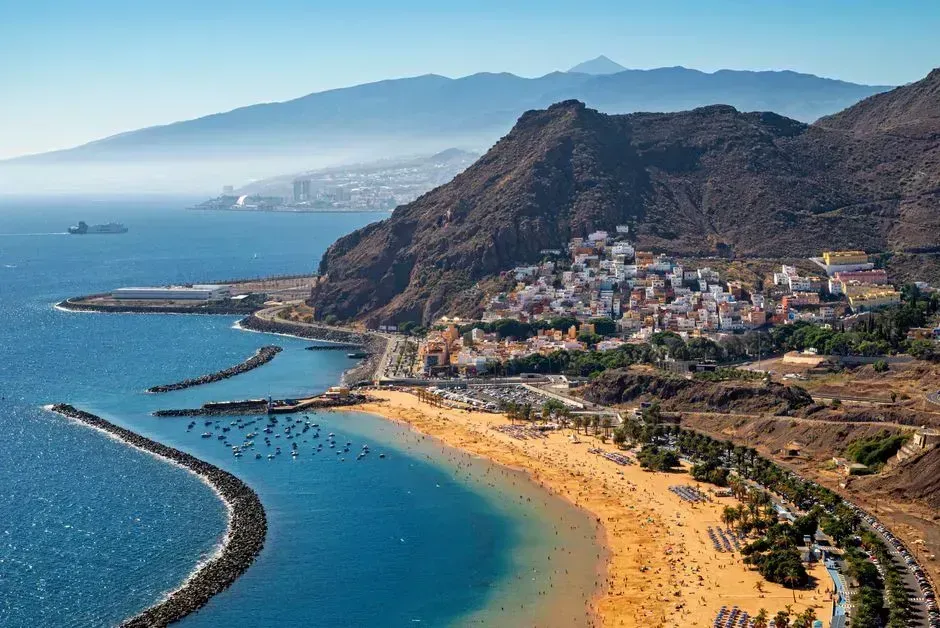
This Spanish archipelago has become a case study in what happens when a destination gets too popular for its own infrastructure. The Canary Islands remain on Fodor’s No List for 2026, a rugged volcanic archipelago off the coast of Morocco that includes Lanzarote, Gran Canaria, and Tenerife, and was the third most popular spot for visitors to Spain. Local frustration over housing shortages and strained resources has grown alongside the visitor count.
Canary Islands Tourism reported that the seven islands welcomed 1.23 million visitors in August 2025 alone, the highest number ever recorded in any month, with ten million foreigners visiting in just the first half of the year. American travelers reading about protests over water usage and rental prices have started treating the islands as a place to visit briefly rather than settle into for a long stay, if they visit at all.
Mexico City, Mexico
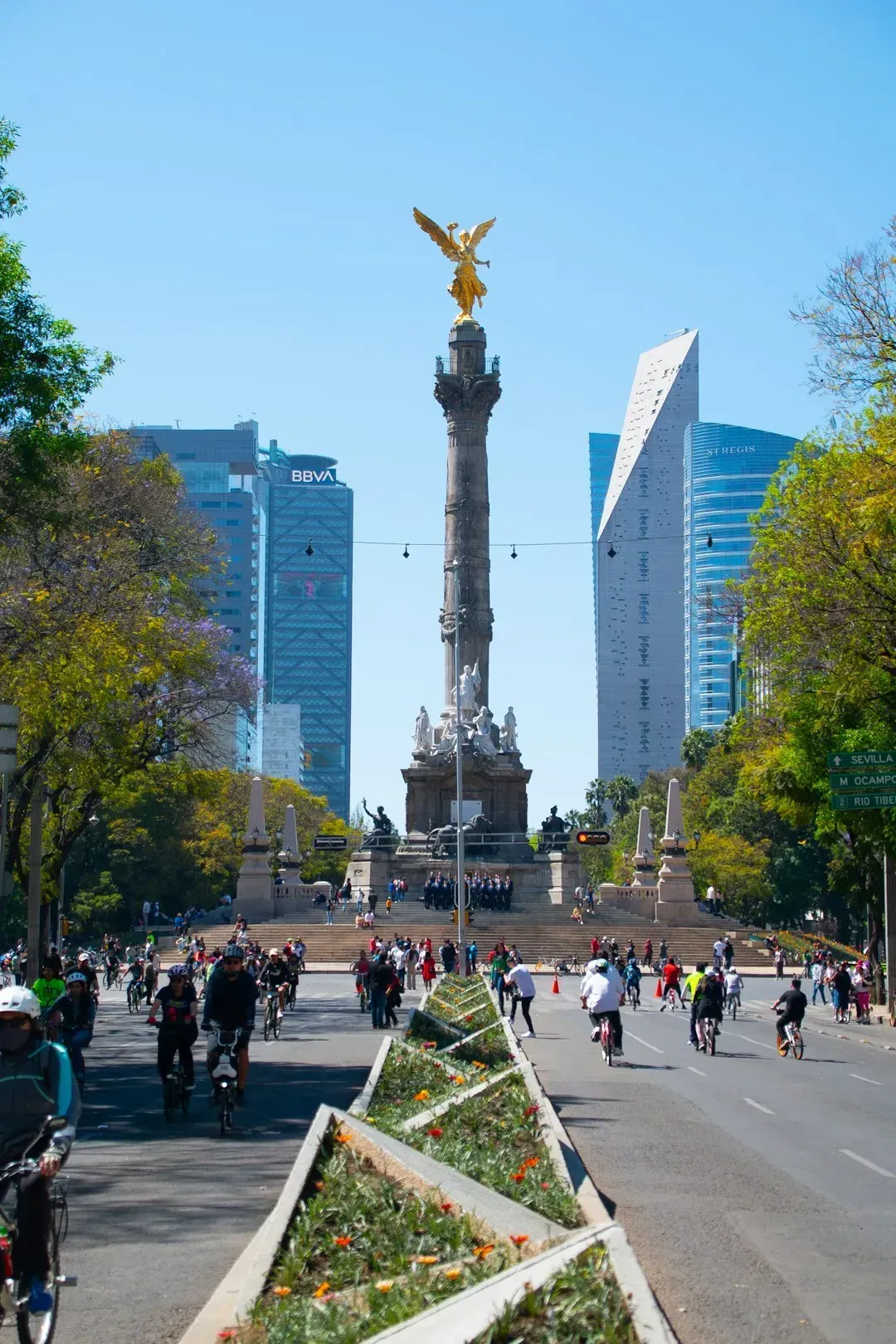
Mexico City’s rise as a trendy destination for remote workers and vacationers came with an unexpected backlash. The city saw sometimes violent eruptions against overtourism throughout the summer of 2025, with the first protest beginning on July 4, American Independence Day. The timing wasn’t subtle.
Those protests were directed against the perceived endless influx of Americans and Europeans into trendy neighborhoods, according to local reporting. That kind of visibility has made some American travelers uneasy about being the target of resentment rather than the guest of honor. It doesn’t help that rents in popular neighborhoods have climbed as short-term visitors and digital nomads moved in, pricing out longtime residents and souring the welcome for newcomers.
Iceland’s tourist hotspots
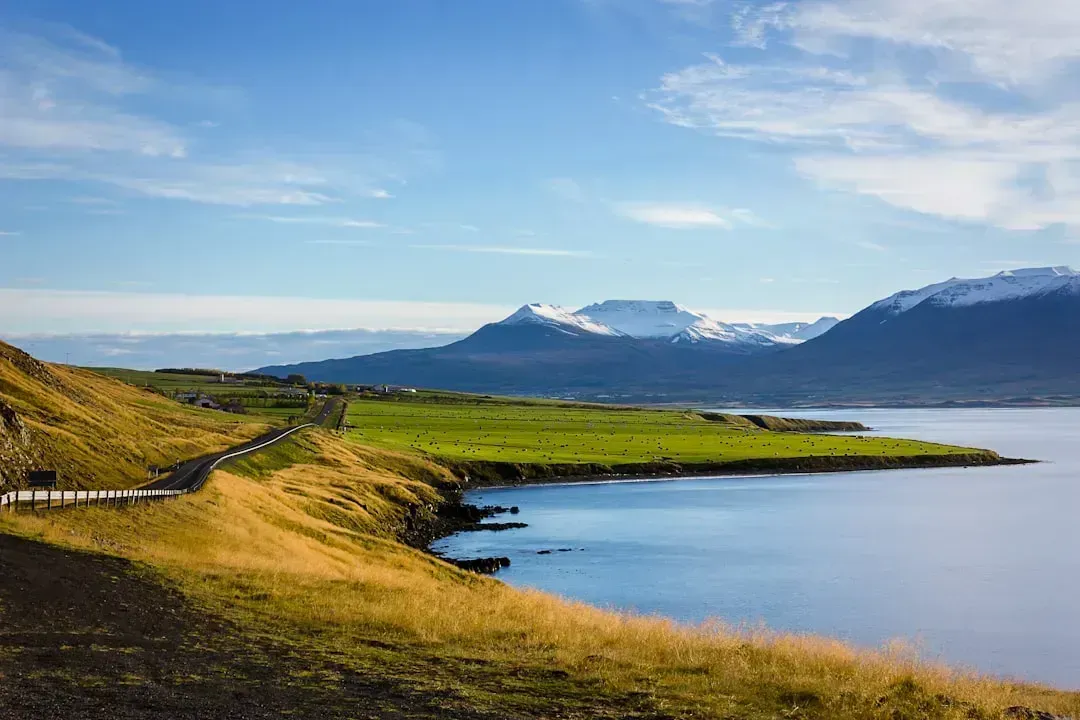
Iceland’s dramatic landscapes made it one of the most photographed countries on earth, and that fame has come at a cost. Barcelona, Venice, and Iceland’s most photographed spots have become victims of their own Instagram fame. Places like the Blue Lagoon and stops along the Golden Circle now draw crowds that can rival theme parks during peak season.
Prices have climbed right alongside the visitor numbers, with entry fees, tour packages, and hotel rates in Reykjavik pushing a once-affordable adventure destination into premium territory. American travelers who pictured solitary hikes past waterfalls are instead finding parking lots full of tour buses. Many are opting for less-photographed corners of the country, or skipping Iceland altogether in favor of destinations that still feel undiscovered.
Cancun and the Riviera Maya, Mexico
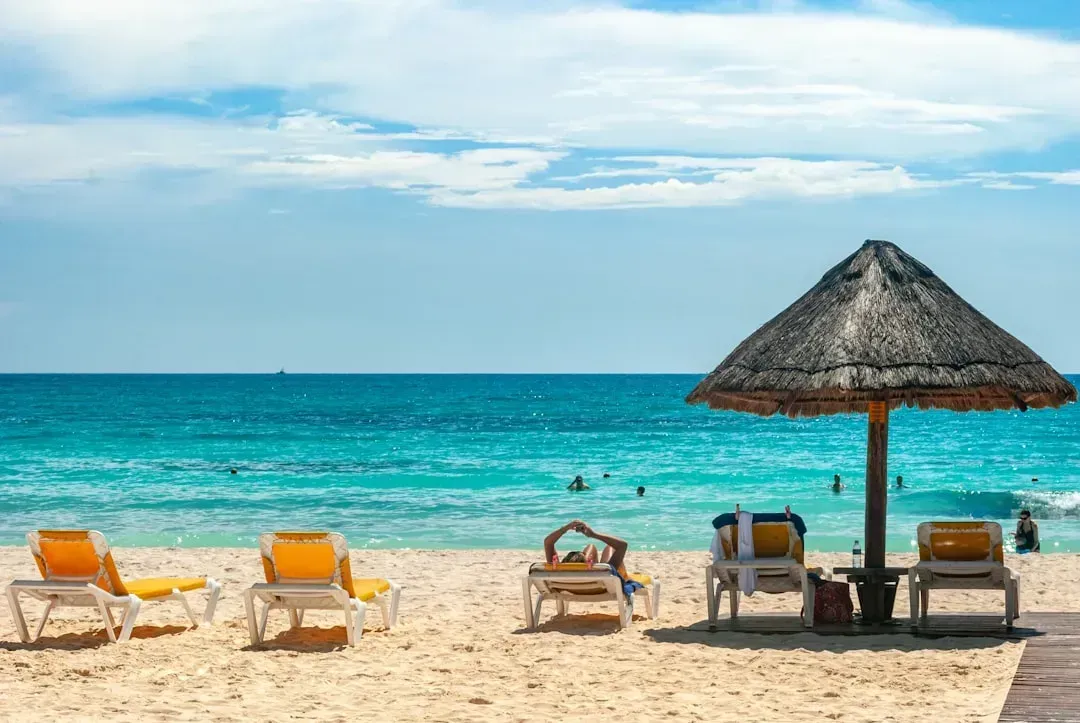
Cancun has long been a reliable spring break and honeymoon staple for American travelers, but rising costs have chipped away at that reputation. Resort prices along the Riviera Maya have climbed steadily in recent years, closing the gap that once made Mexico feel like an obvious budget-friendly alternative to Florida or the Caribbean. That shrinking price advantage is part of a wider pattern across the region.
It’s the same reason more and more travelers are saying goodbye to Caribbean vacations in 2026, as costs climb across warm-weather destinations that once felt like guaranteed value. All-inclusive resorts that used to undercut domestic options now sit closer to the same price point, and that has taken away much of the appeal for travelers looking to stretch their vacation budget.
Rome, Paris, and other pricey Western European capitals
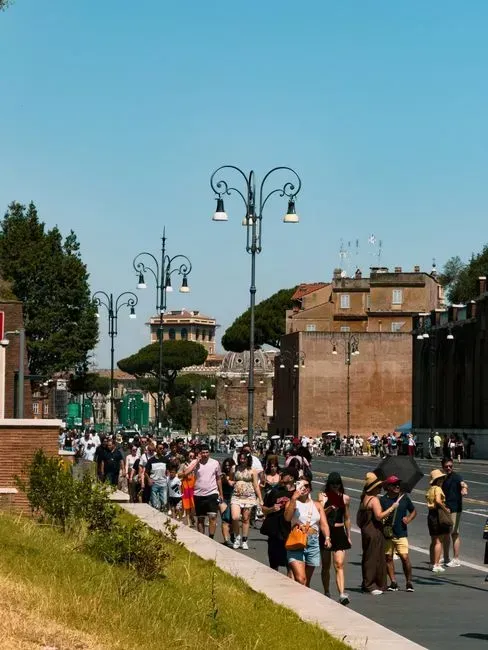
The romance of a European vacation is running headfirst into economic reality for a lot of American families. European countries including the UK, France, Italy, and Germany are increasingly viewed by US travelers as offering worse value than a year ago, with the dream of sipping espresso in Rome or wandering through Parisian streets colliding hard with rising costs. A two-week trip that once felt like a splurge now feels closer to a major financial decision.
Americans are looking at their bank accounts and realizing a two-week trip to Europe now costs what a down payment on a car used to, with rising prices for transport, dining, and accommodations prompting many to rethink how often they travel. The cities themselves haven’t lost their appeal. It’s the math that has changed, and for many households, that math no longer adds up the way it used to.
Taken together, these eleven destinations tell a fairly consistent story. Overtourism has pushed some places past the point where a visit feels relaxing, while inflation and shrinking value have made others simply too expensive to justify. None of this means these spots have lost what made them special in the first place. It just means American travelers are getting pickier, more price-conscious, and a little more aware of the impact their visit might have on the places they’re stepping into.




Leave a Reply