
The United States is home to 63 official national parks, and if the numbers are anything to go by, Americans absolutely love them. In 2024, the National Park Service notched a record-high 331.9 million recreation visits at more than 400 sites across the country. That’s a staggering figure. Yet tucked behind all that popularity is a quieter, more surprising story.
While places like Zion and the Great Smoky Mountains are practically bursting at the seams, some parks sit in near-total silence year after year. The reasons vary wildly – brutal remoteness, extreme costs, seasonal inaccessibility, and even a simple lack of awareness. So let’s dive into the 10 national parks that Americans keep skipping, and more importantly, why.
1. Gates of the Arctic National Park, Alaska – America’s Most Avoided Park
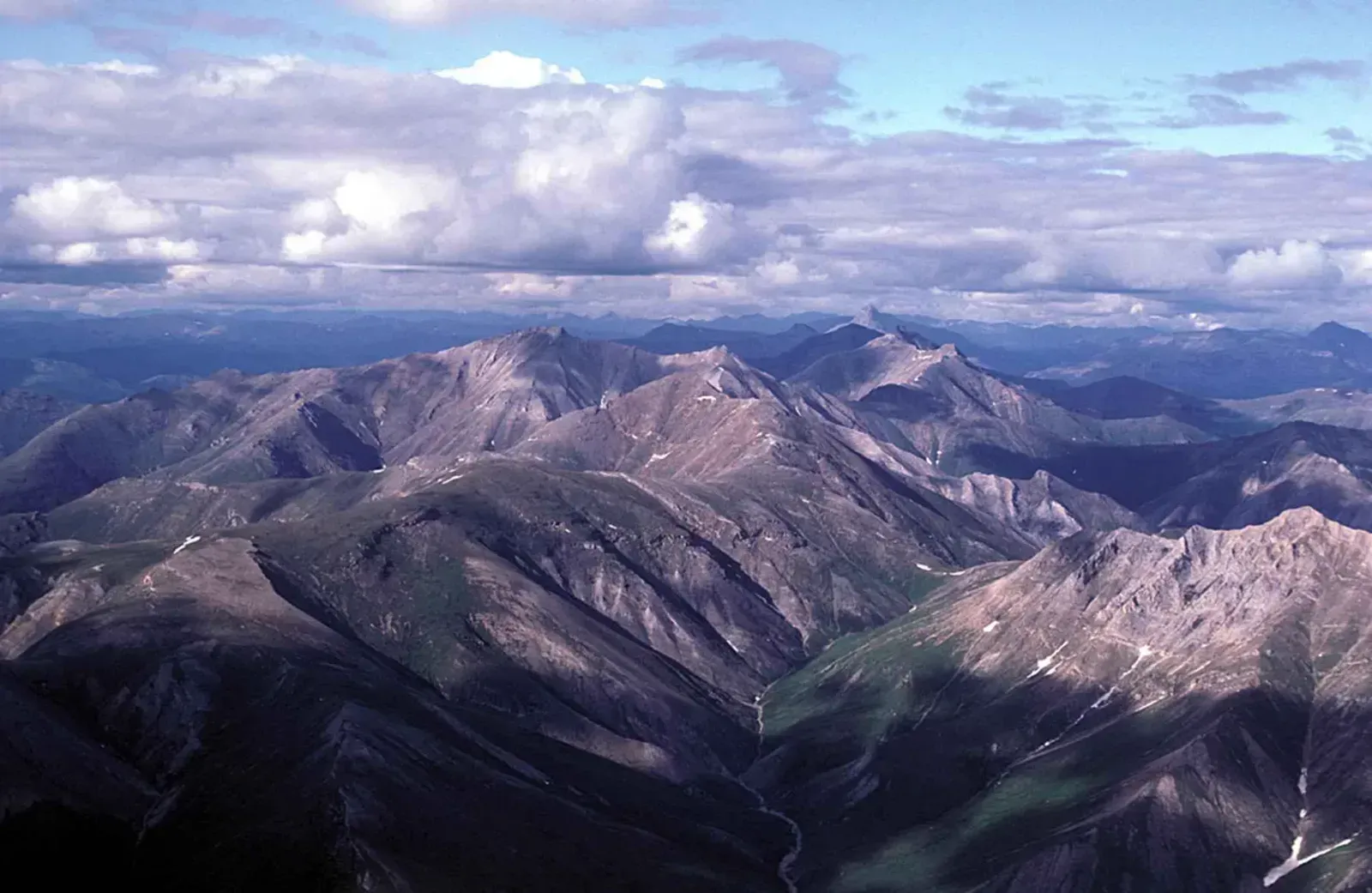
Here’s a fact that genuinely blew my mind: the least-visited national park in America is Gates of the Arctic, with just 11,907 visitors in 2024. Think about that for a second. Some popular beaches receive more people in a single weekend.
Located entirely north of the Arctic Circle, this vast wilderness area has no roads or trails, offering true backcountry adventure for those willing to charter a bush plane to reach its boundaries. There is no welcome sign, no visitor center inside the park, no established campground. Nothing.
Getting into the park requires multiple flights, a guide to do it safely, and thousands of dollars. For the overwhelming majority of American travelers, that’s simply a barrier too high to clear. It’s not a weekend getaway; it’s an expedition.
2. North Cascades National Park, Washington – The Hidden Alps Next Door
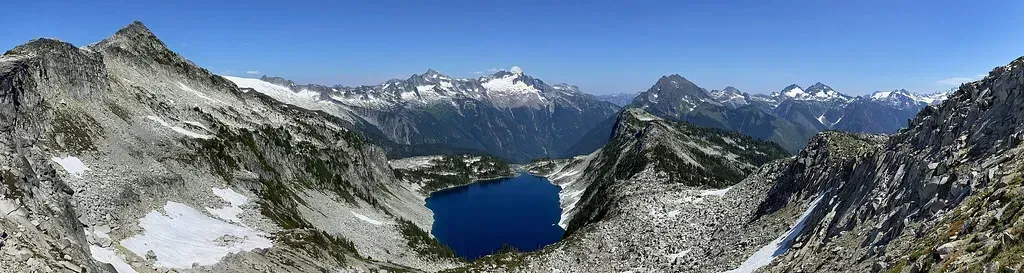
Despite being just a three-hour drive from Seattle, North Cascades National Park welcomed only 16,485 visitors in 2024. Often called the “American Alps,” this park features over 300 glaciers, jagged mountain peaks, and vibrant alpine meadows. It sounds almost unbelievable that a park this close to a major city remains so empty.
This wilderness sees a fraction of the visitors of Washington’s other national parks – Olympic and Mount Rainier. Part of the explanation lies in how the park is managed and counted. North Cascades forms a tri-park as the North Cascades National Park Complex, managed with Ross Lake and Lake Chelan National Recreation Areas. Many visitors come and simply don’t count as park visitors in the official sense.
North Cascades sees just 30,000 annual visitors versus 3 million at nearby Mt. Rainier. Rugged terrain and limited infrastructure deter crowds. It’s a bit like having an incredible restaurant right around the corner that nobody talks about. Once you find it, you wonder how it stayed secret this long.
3. Kobuk Valley National Park, Alaska – Sand Dunes in the Arctic
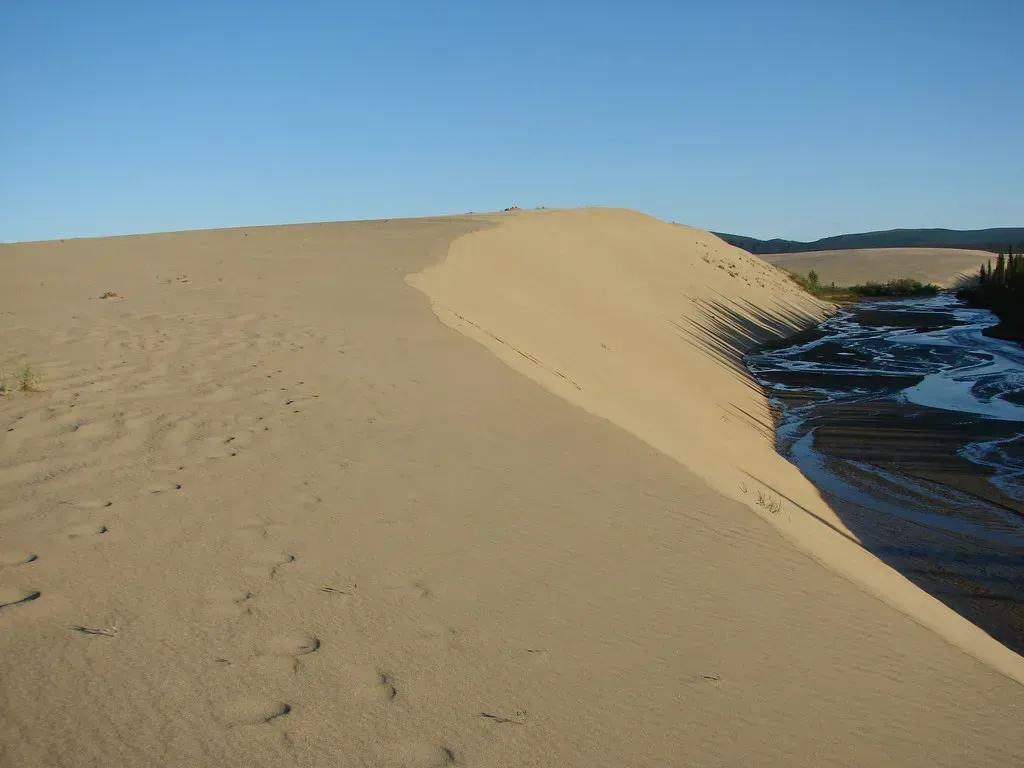
Home to the iconic Great Kobuk Sand Dunes, this Arctic park received just 17,233 visitors in 2024. The massive 25-square-mile sand dune system – the largest in Arctic North America – contrasts dramatically with the surrounding boreal forest and tundra. Honestly, it sounds like something from another planet.
No designated trails or roads exist in the park, which at 1,750,716 acres is slightly larger than the state of Delaware. Since no roads lead into the park, visitors arrive via chartered air taxi from Nome, Bettles, or Kotzebue. Flights are available year-round but are weather-dependent.
Despite that, over 17,000 people made the journey in 2024, which makes it one of the few parks seeing consistently higher visitation after the 2020 pandemic, since the pre-pandemic average was around 15,000 visitors. Still, the logistical and financial challenges keep the visitor count vanishingly small compared to most parks.
4. Lake Clark National Park, Alaska – Four Million Acres, Almost Nobody There
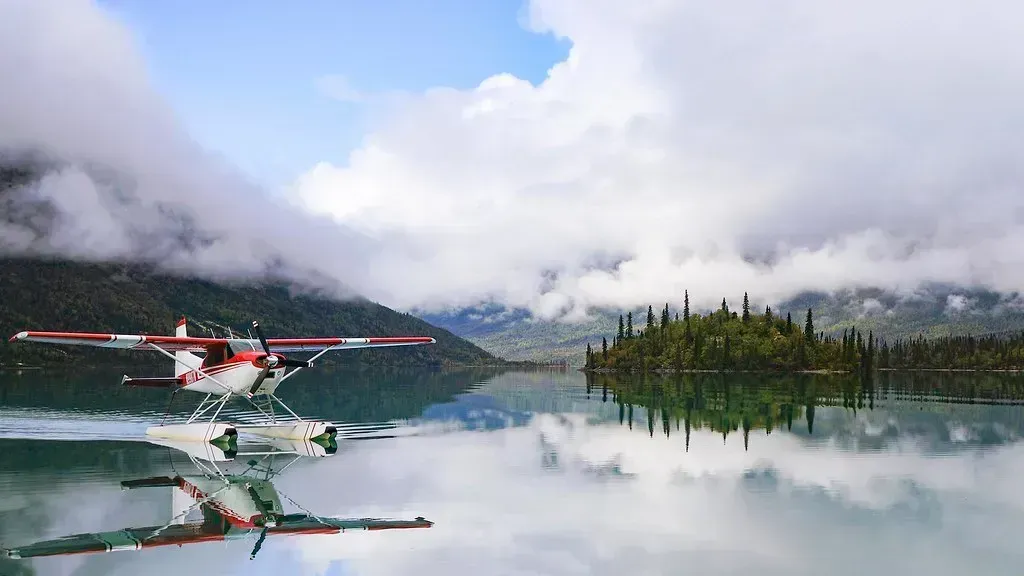
Lake Clark National Park and Preserve welcomed only 18,500 visitors in 2024, coming in as one of the four least-visited parks in the entire country. For a park of this scale and natural drama, that number is almost shocking.
Stretching across more than 4 million acres, this national park and preserve is home to three designated Wild Rivers and abundant wildlife. Bears, wolves, salmon runs – it has it all. The problem is getting there. Visitors must take a small plane to reach jumping off points into the park. The cost for all this? Around $1,000 for a day trip, and upwards of $3,000 to $5,000 for a multi-day adventure.
Lake Clark draws visitors for bear-watching and is a low-visitation national park, but that’s a good thing as it helps protect the natural beauty and wildlife that call this park home. In the past four years, visitation to Lake Clark has averaged around 18,000. It’s worth noting – the park’s remoteness isn’t a flaw. For those who make it, it feels like a privilege.
5. National Park of American Samoa – America’s Most Far-Flung Park
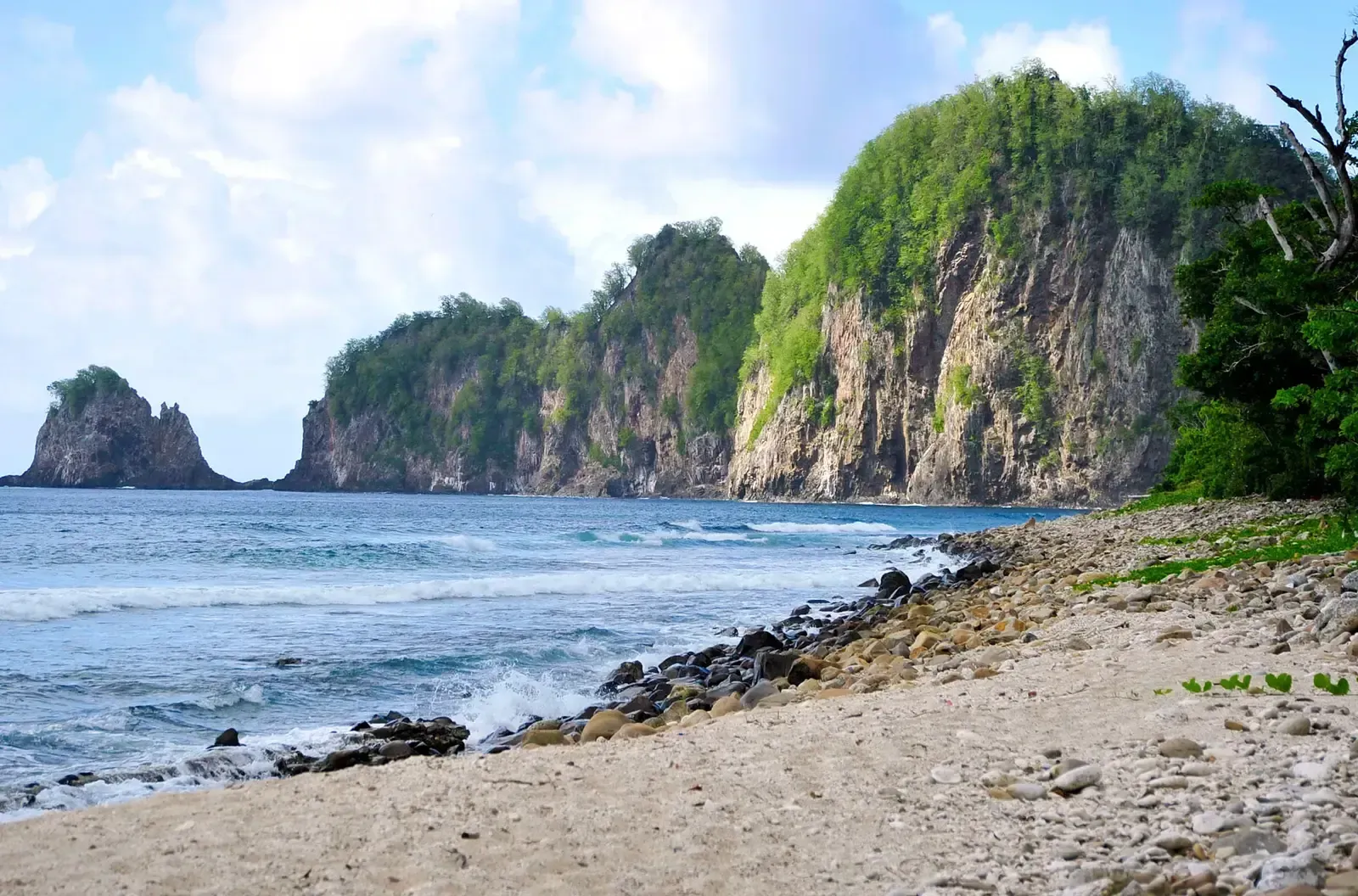
Most Americans don’t even know this park exists. A lot of people aren’t even aware that part of Samoa is a U.S. territory, or that it has a national park. Established in 1988, the National Park of American Samoa covers three islands and more than 13,000 acres, one third of which is ocean.
In 2024, the National Park of American Samoa welcomed 22,500 visitors. Most parkgoers will need a passport to visit this spot in a remote part of the South Pacific. Hawaiian Airlines offers direct flights to American Samoa from Honolulu. Even then, it’s a journey of many hours from the U.S. mainland.
The 8,256-acre National Park of American Samoa is a unique and remote destination located across three islands in the South Pacific. It is also one of the few U.S. National Parks that protect tropical rainforest. The islands are also home to some of the most pristine coral reefs in the Pacific. The effort is real. For many, it’s simply too far and too expensive to justify.
6. Isle Royale National Park, Michigan – Island Isolation at Its Most Extreme
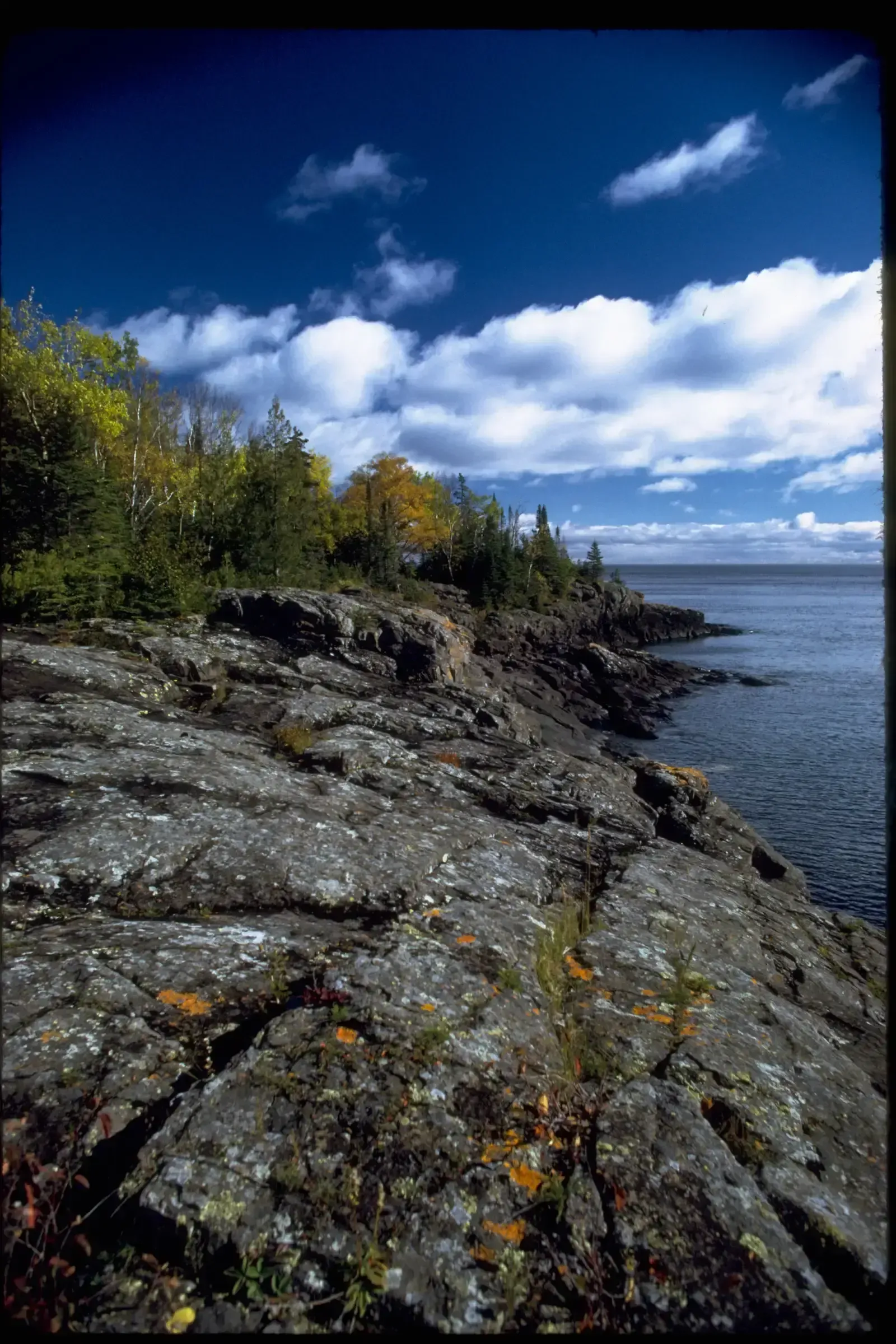
Isle Royale National Park in Michigan ranks as the sixth least-visited national park, welcoming just under 30,000 visitors in 2024. It consistently sits near the bottom of visitor counts year after year, and the reason isn’t complicated.
Isle Royale National Park is a remote island, 45 miles by 9 miles long, way up along the Canadian border. With 36 different campgrounds in the park, there’s no question what the main recreational activity is here. Isle Royale is a great place to watch for moose and go on lengthy hikes, far from other people. The park is only reachable by ferry or seaplane, so most visitors tend to stay for a minimum of a few days.
Another reason Isle Royale is consistently one of the least visited national parks in the U.S. is that the national park is only open from mid-April through October. This is due to the extreme weather the island experiences because of its geographic location on the lake. A six-month window plus a ferry or plane ride is a combination that keeps casual visitors away entirely.
7. Katmai National Park, Alaska – World-Famous Bears, World-Class Remoteness
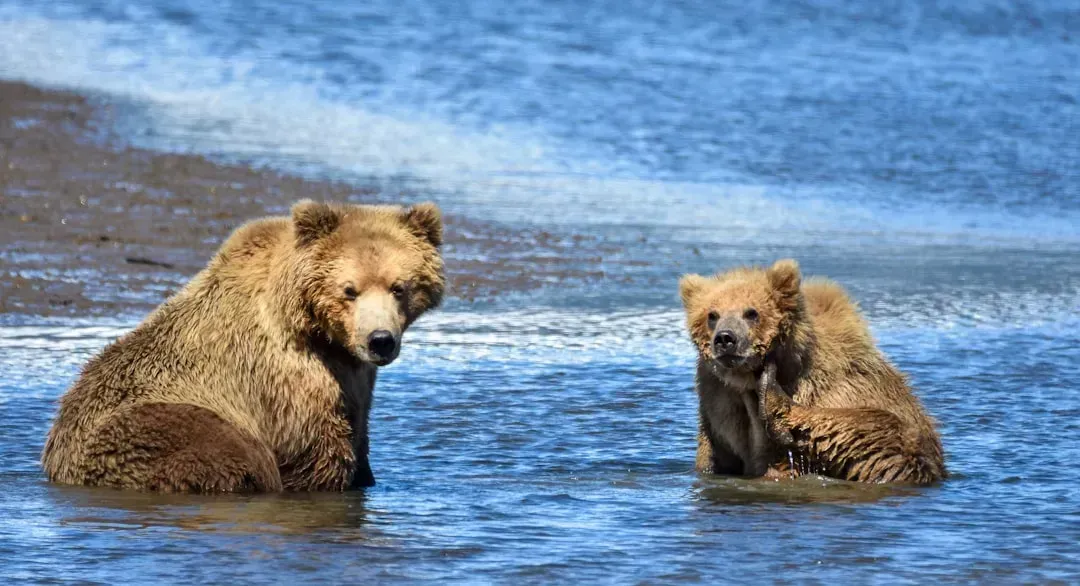
If you’ve ever seen one of those viral videos of brown bears catching leaping salmon at Brooks Falls, you’ve seen Katmai. It’s genuinely spectacular. Yet known for the world-famous Brooks Falls, where bears gather to catch salmon, Katmai received 36,230 visitors in 2024. Despite its popularity on wildlife documentaries, Katmai’s remote location keeps visitor numbers low.
Beyond bear viewing, the park preserves the Valley of Ten Thousand Smokes, a dramatic ash-filled valley created by the 1912 Novarupta volcanic eruption. That’s the kind of landscape you simply cannot find anywhere else on Earth. Still, getting there requires flying into the Alaskan bush, which isn’t exactly a casual decision.
Katmai National Park is one of the best places in the world to see brown bears. The southern Alaska park is difficult to reach, but thousands make the effort because more than 2,000 bears live in the park. The bear-to-visitor ratio here is unlike anything else in the American park system, which is either thrilling or terrifying depending on who you ask.
8. Wrangell-St. Elias National Park, Alaska – Bigger Than Switzerland
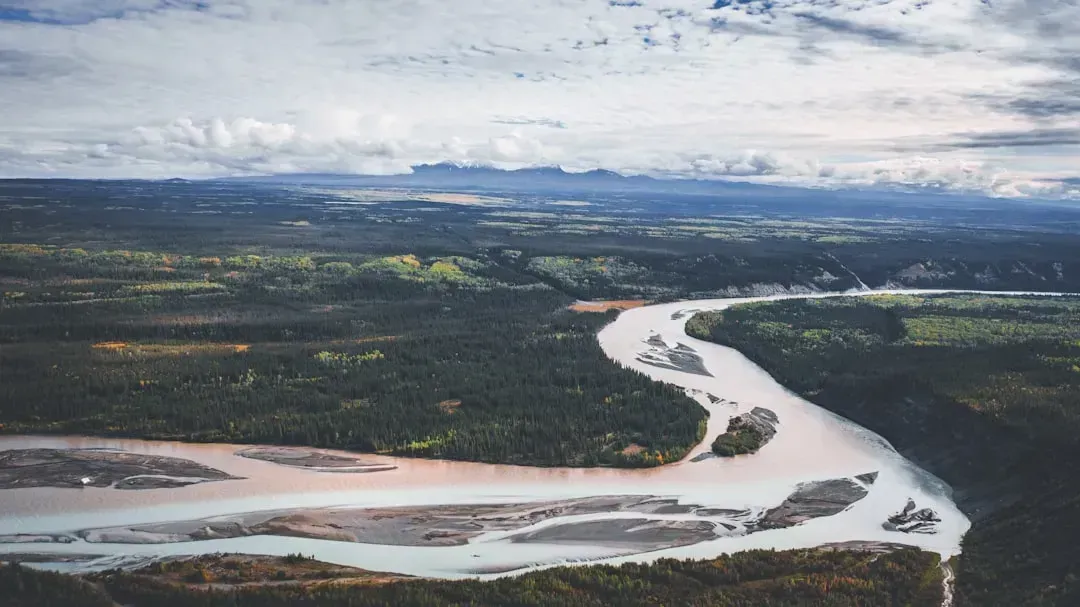
Scale is hard to wrap your head around with this one. America’s largest national park at over 13 million acres, larger than Switzerland, Wrangell-St. Elias welcomed 81,670 visitors in 2024. For a park that size, 81,000 visitors is essentially nobody.
This national park spans the greatest concentration of glaciers in North America, four different mountain ranges, and is also a UNESCO World Heritage Site. Although this national park has a larger land mass than numerous European countries, it has a mere 100 miles of road running through it.
Most of the park is backcountry, and visitor services are limited. There are some maintained trails in the frontcountry Nabesna and McCarthy areas. For anyone who prefers a visitor center, a cell signal, and a restroom nearby, Wrangell-St. Elias simply isn’t the park for them. It demands a different kind of traveler entirely.
9. Dry Tortugas National Park, Florida – Beautiful, Remote, and Logistically Painful
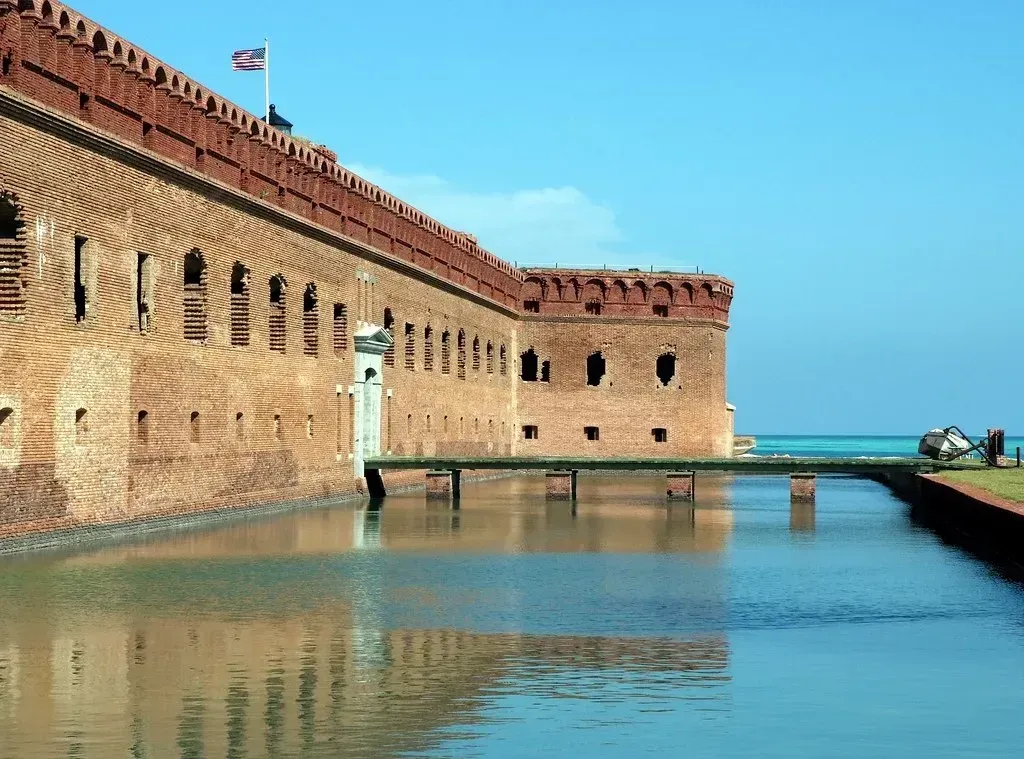
Dry Tortugas is one of those parks that sounds incredibly appealing on paper. Located 70 miles west of Key West in the Gulf of Mexico, Dry Tortugas received 84,873 visitors in 2024. This remote park centers around Fort Jefferson, a massive 19th-century coastal fortress, surrounded by crystal-clear waters, vibrant coral reefs, and abundant marine life. Accessible only by boat or seaplane, the park offers world-class snorkeling in uncrowded conditions.
Dry Tortugas National Park shares a similar story with many of the other parks that make this list; it is remote and can only be reached by plane, so fewer people are able to visit than many other parks that receive more visitors due to their ease of access. The cost of ferries and seaplanes adds up fast, and many travelers simply move on to easier Florida destinations.
Since Dry Tortugas National Park is one of the more isolated Florida Keys, the islands’ surrounding coral reefs are famous for being untouched by over-tourism. Snorkeling is an immersive experience at the national park because the waters are filled with colorful tropical fish, nurse sharks, and sea turtles. I think the irony here is real – the very thing that makes Dry Tortugas worth visiting is the same thing keeping most people away.
10. Great Basin National Park, Nevada – The Dark Sky Gem Nobody Visits
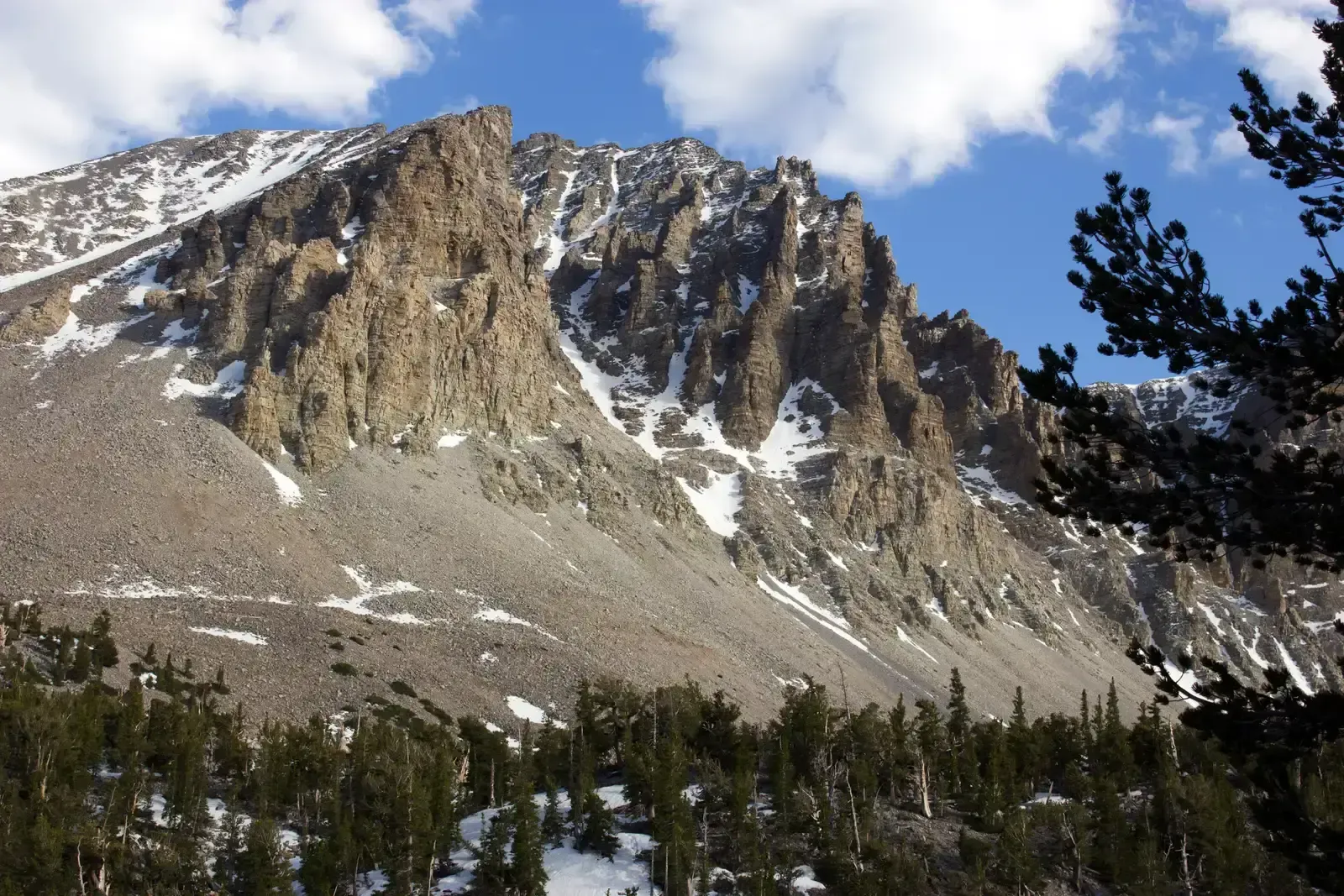
Nevada’s Great Basin is the kind of place that makes you feel like you’ve stumbled onto a secret. With 152,068 visitors in 2024, Great Basin offers diverse attractions from ancient bristlecone pine forests to the spectacular Lehman Caves system. The park’s remote location in eastern Nevada keeps crowds away, allowing visitors to enjoy dark night skies perfect for stargazing and the 13,063-foot Wheeler Peak in relative solitude.
Great Basin National Park is home to 13,063-foot Wheeler Peak, ancient bristlecone pines, about 40 caves and a wide array of plants and animals. It’s also the only national park in Nevada, which makes its low profile even more puzzling. Great Basin National Park is five hours north of Las Vegas – which might explain everything, really. Vegas has a way of absorbing all nearby attention.
Great Basin’s tourist traffic has risen from 94,000 to 143,000 visitors over the past ten years, which shows that word is slowly getting out. Still, compared to a Yellowstone or a Yosemite, it remains virtually undiscovered. A park’s popularity can depend on many things, including ease of access, perceived natural beauty, social popularity and recreational opportunities. Great Basin struggles on nearly all of those fronts – not because it lacks beauty, but because nobody thinks to look.
The Bigger Picture: What’s Keeping Americans Away?
The pattern here is unmistakable. With parks spanning 32 states and territories, it may come as a surprise that three of the top five least visited parks are in Alaska. But Alaska’s a tricky place to get to, so it’s no wonder its parks don’t have as many visitors. Remoteness is the single biggest barrier, and it’s rarely a small inconvenience.
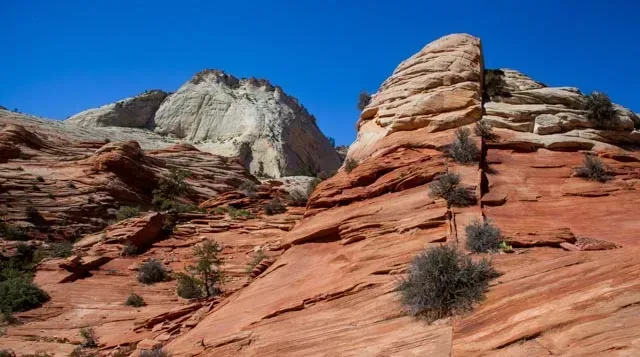
While Zion National Park in Utah and the Grand Canyon in Arizona bring huge summer crowds, these spots see a small fraction of the millions of visitors flocking to the most popular parks. Some are very remote and lack much of the infrastructure of the blockbuster spots, but there’s no shortage of vast, spectacular wilderness to explore.
There’s also a broader systemic issue emerging right now. The Trump administration fired roughly 1,000 NPS employees in a bid to cut federal spending, and more than 700 park employees resigned under the administration’s deferred resignation program. Officials say the staffing reductions could affect visitors’ experiences in the parks this year. Fewer staff means fewer rangers, fewer services, and less incentive for people to visit the parks that already struggle the most. The National Park Service reported 323 million recreation visits in 2025, a decrease of 8.85 million recreation visits, or 2.7%, from the record year in 2024. The numbers are already beginning to reflect the strain.
These ten parks are extraordinary places. Each one holds something genuinely rare – silence, wildness, a sense of discovery that’s becoming harder to find anywhere. The gap between America’s most and least visited parks keeps widening, and honestly, that’s a story worth paying attention to. Which of these parks would you be willing to make the trek for?





Leave a Reply