
Most pet poisoning cases don’t happen because someone did something reckless. They happen in ordinary kitchens, during ordinary moments, when a dog snags a dropped grape or a cat laps up a little spilled coffee. Veterinarians see the same handful of culprits again and again, and the frustrating part is that many owners genuinely have no idea these everyday items are dangerous until it’s already an emergency.
The foods below aren’t exotic or rare. They’re sitting in kitchen cabinets and fruit bowls across the country right now, which is exactly why vets keep sounding the alarm about them.
1. Chocolate

Chocolate contains substances called methylxanthines, theobromine and caffeine, that are toxic to dogs and cats. Dark chocolate and baking chocolate are most dangerous due to high theobromine content, and symptoms include vomiting, diarrhea, rapid breathing, increased heart rate, and seizures. The toxicity isn’t uniform across every bar in the pantry, either.
The toxic dose depends on your dog’s weight and the type of chocolate. A single square of milk chocolate might barely upset a large dog’s stomach, while a small dog getting into a bag of baking chocolate is a genuine emergency. Vets generally treat any chocolate ingestion as worth a call to poison control, just to be safe.
2. Xylitol (found in more than just gum)
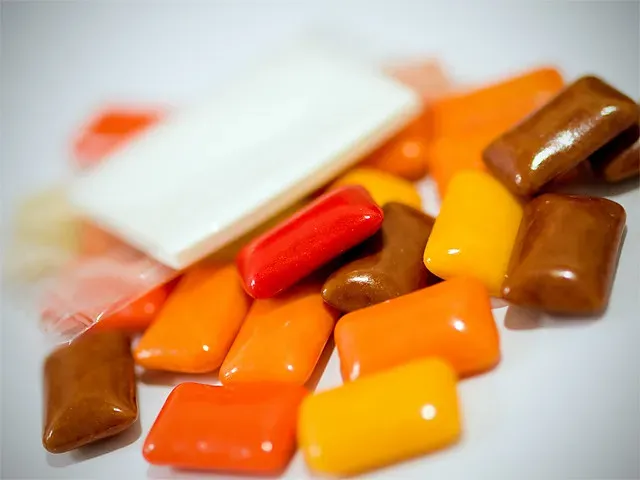
Xylitol has become one of the fastest growing poisoning concerns of the last few years, largely because it keeps turning up in products nobody expects. Xylitol is a commonly used sugar substitute that can be toxic to dogs, and it’s often found in sugar-free chewing gums, candies, toothpaste and more. It’s also increasingly common in peanut butter, baked goods, and even cough drops.
In dogs, xylitol causes low blood sugar and liver injury, and signs of low blood sugar include weakness, unsteadiness, shaking and, if it goes untreated, seizures. Severe hypoglycemia in dogs can occur within 10 to 60 minutes of eating the xylitol, and if the hypoglycemia is left untreated, it can be quickly fatal. Interestingly, while xylitol consumption can be dangerous for your dog, it does not cause serious problems in cats or ferrets, though vets still recommend keeping it away from every pet in the house just to avoid confusion.
3. Grapes and raisins
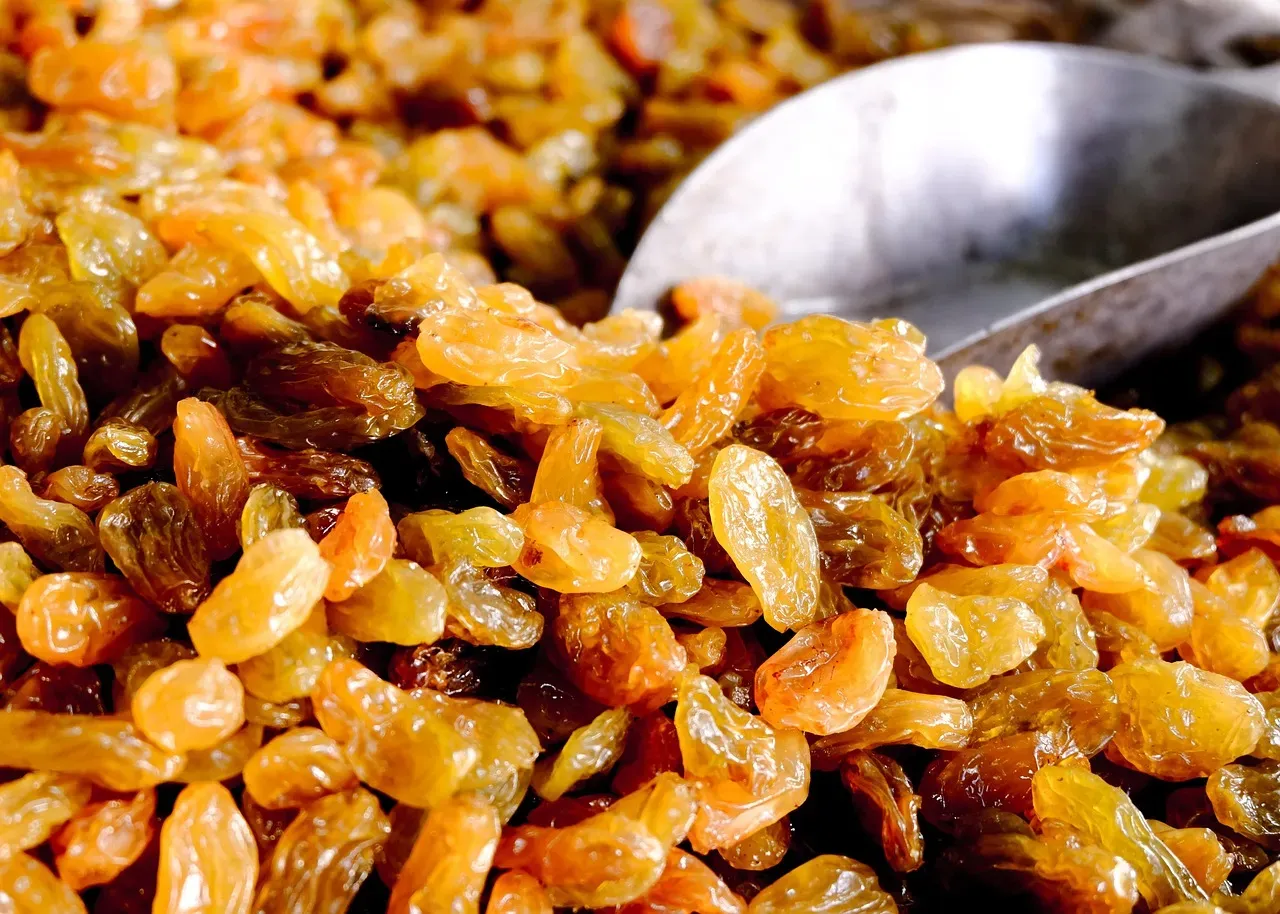
Few foods split opinion among veterinary toxicologists quite like grapes. What’s clear is the outcome: grapes and raisins can cause acute kidney failure in dogs, and even small amounts can be dangerous, with the toxic substance still unknown. That uncertainty is part of why vets treat every exposure seriously rather than trying to guess a “safe” amount.
Symptoms include vomiting, lethargy, decreased appetite, and decreased urination within 12 to 24 hours of ingestion. Tartaric acid is speculated to be the toxic component in grapes and raisins, since dogs are not able to process tartaric acid, and exposure can lead to kidney damage. Raisin bread, trail mix, and fruitcake are common hidden sources that owners often overlook.
4. Onions, garlic, and other alliums
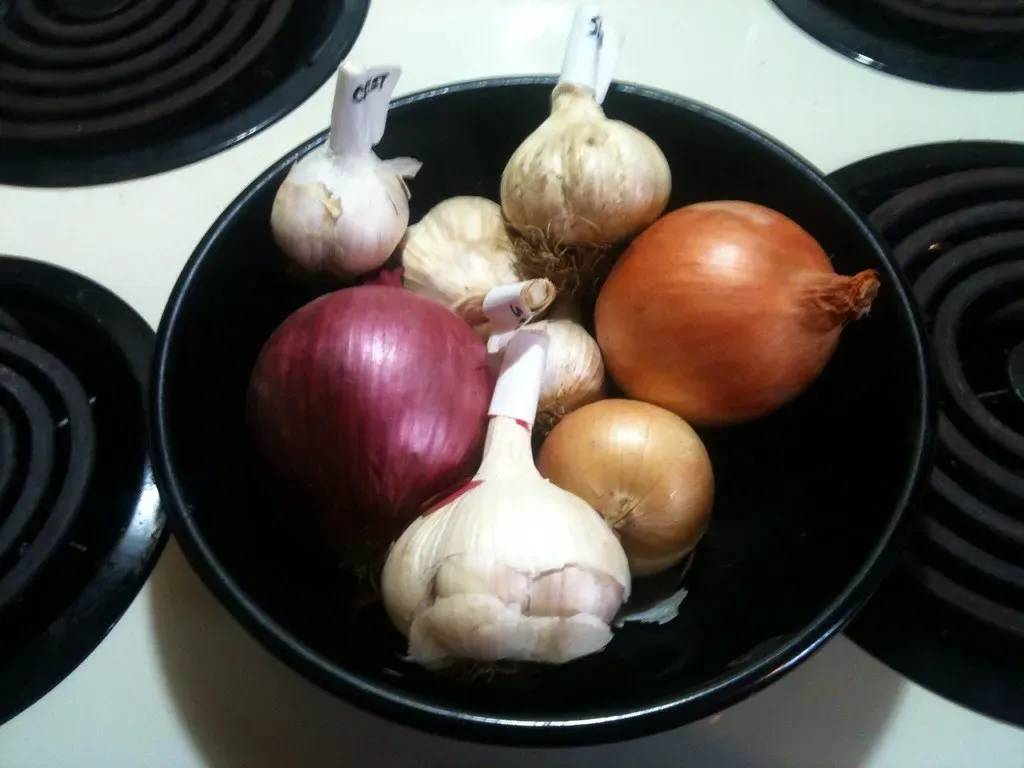
Onions and garlic show up in so much of what people cook that it’s easy to forget how dangerous they are to pets. Onion, garlic and chives are members of the Allium species of vegetables, and they can cause gastrointestinal irritation and red blood cell damage, which can lead to anemia. This isn’t limited to raw onion either. Powdered, cooked, or dehydrated forms carry the same risk, which means leftover soups, sauces, and seasoned meats are just as much of a threat as a raw onion left on the counter.
Although cats are more susceptible, dogs are also at risk depending on the amount ingested. The damage to red blood cells can be gradual, so a pet that seems fine right after eating something with onion or garlic in it might develop symptoms of anemia days later, which makes this one especially easy to miss.
5. Alcohol
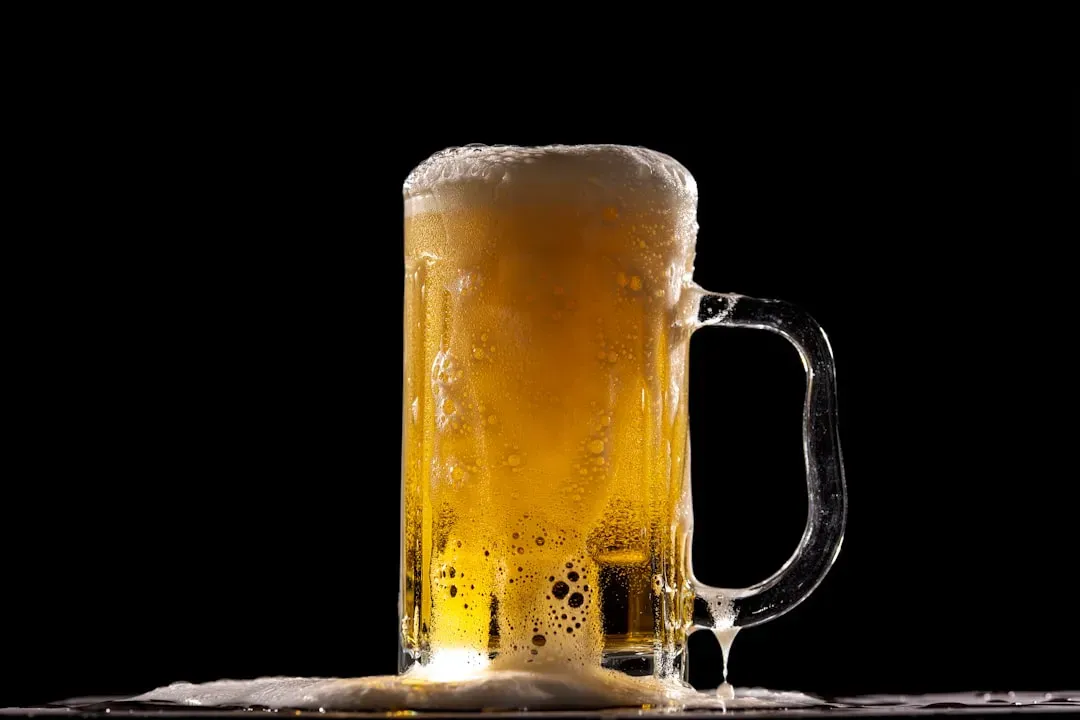
Owners rarely hand their pets a drink on purpose, but alcohol exposure happens more often than people think, through unattended cocktails, desserts, or fermenting fruit. Alcohol is highly toxic to all pets, including cats and dogs, and it can lurk in places beyond the obvious beer or cocktail, since some desserts like rum cake and tiramisu are flavored with alcohol, and fermented fruit, including fermented apples, can also contain it.
Alcohol is dangerous for pets because it can cause dehydration, low blood sugar, electrolyte imbalances and kidney and liver issues. Because pets are so much smaller than the average human, even a modest spill can represent a large dose relative to their body weight. A dog lapping up a puddle of spilled beer is not the harmless comedy it sometimes looks like.
6. Macadamia nuts
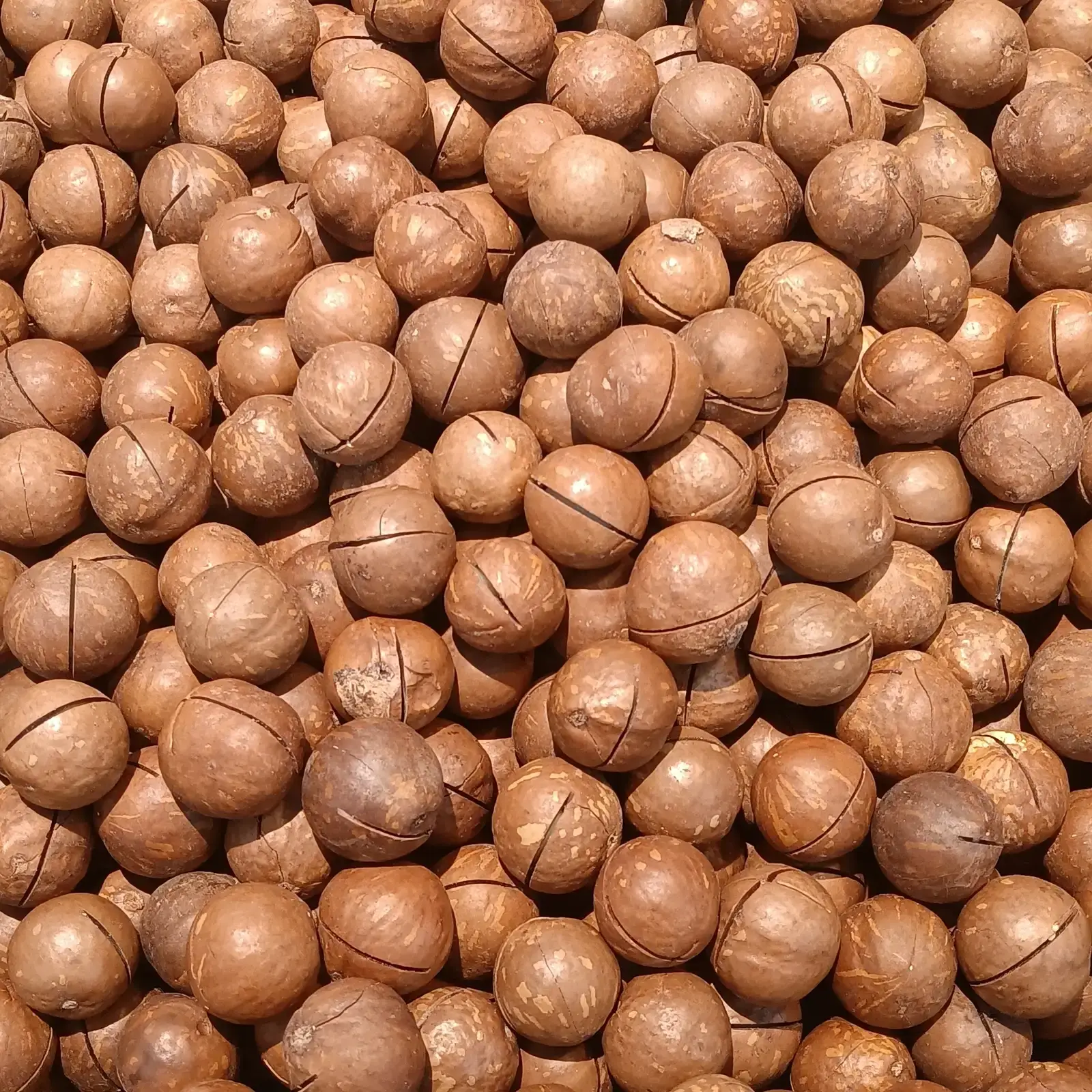
Macadamia nuts don’t get talked about as often as chocolate or grapes, but the reaction they trigger in dogs is distinctive and unsettling to witness. Macadamia nuts can cause weakness, incoordination, depression, vomiting, tremors and hyperthermia in dogs. The exact toxic mechanism is still not fully understood by researchers, but the clinical picture is well documented.
Symptoms typically show up within twelve hours of ingestion and usually resolve within a couple of days with supportive veterinary care. Even so, the sudden hind leg weakness that macadamia toxicity produces can be alarming enough that owners rush to the emergency vet assuming something far worse, like a spinal injury, is happening.
7. Milk and dairy products
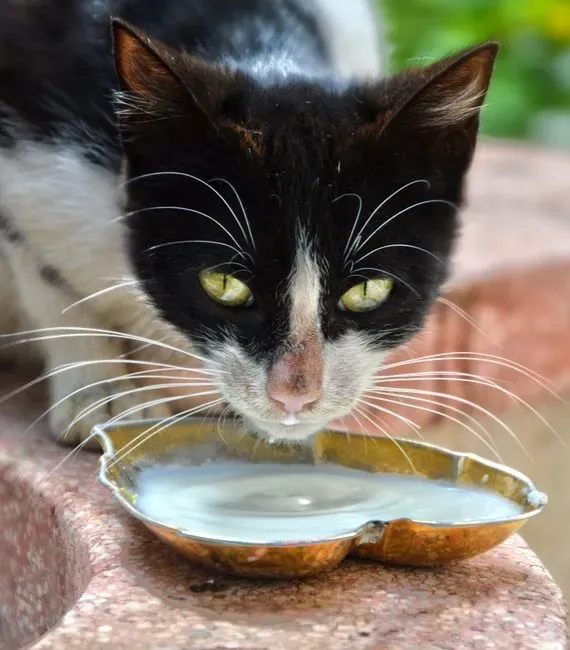
It’s a persistent myth that cats need a saucer of milk, and it’s one that vets have been trying to correct for years. Because pets do not possess significant amounts of lactase, the enzyme that breaks down lactose in milk, milk and other dairy-based products can cause diarrhea or other digestive upset. This applies to dogs as well, though many people assume cats are the only ones affected.
Most adult cats are lactose intolerant and do not digest dairy well, and while a small taste is unlikely to cause serious harm, regular milk can cause stomach upset, diarrhea, and gas, making water always the best choice for keeping a cat hydrated. The occasional lick of yogurt or cheese isn’t likely to send anyone to the emergency vet, but making dairy a habit is where the trouble tends to start.
8. Raw eggs, raw meat, and cooked bones
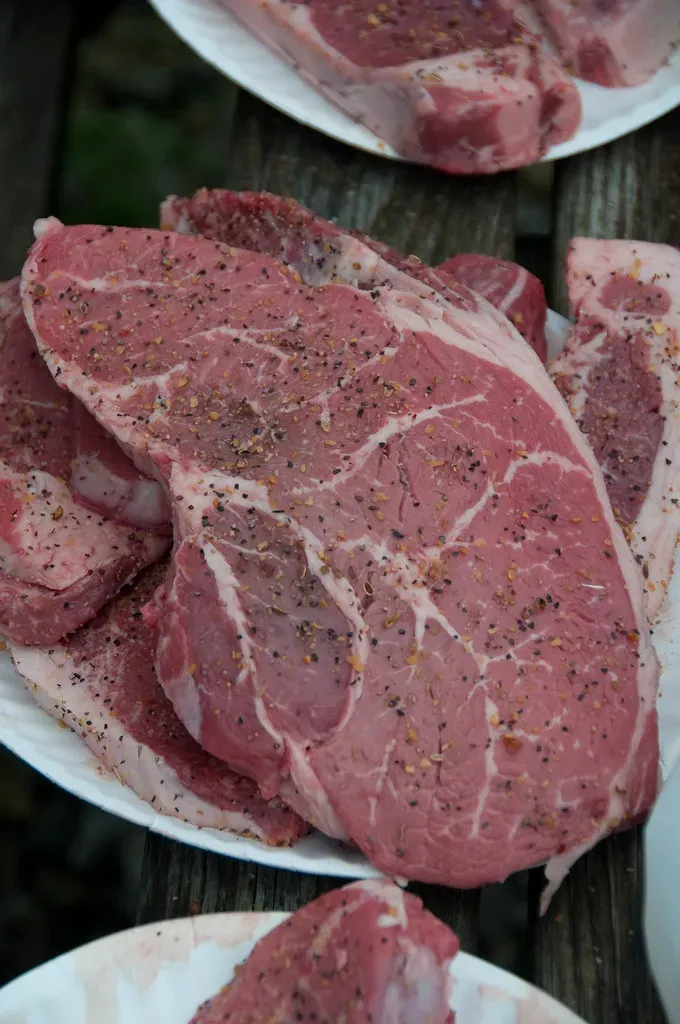
Raw feeding trends have made this category more relevant than it used to be, and vets have noticed the uptick in related concerns. Raw meat and raw eggs can contain bacteria such as Salmonella and E. coli that can be harmful to pets and humans alike, and raw eggs contain an enzyme that can interfere with absorption of certain vitamins, leading to skin and coat problems. Bones present a separate, more mechanical danger.
Feeding a pet raw bones may seem like a natural option, but dogs and cats might sustain injury or obstruction to the gastrointestinal tract when ingesting bones, which could be serious and require surgery. Cooked bones are even riskier because they splinter more easily than raw ones, turning a seemingly harmless treat into a trip to the emergency room for bowel perforation or blockage.
None of these foods require a dramatic amount of exposure to become a problem, which is really the point vets keep trying to make. A little vigilance around the kitchen, the trash can, and the holiday dessert table goes a long way. When in doubt about something a pet has eaten, calling a vet or a poison control hotline immediately is almost always the better move than waiting to see what happens.





Leave a Reply