
1. Pre-Minced Jarred Garlic
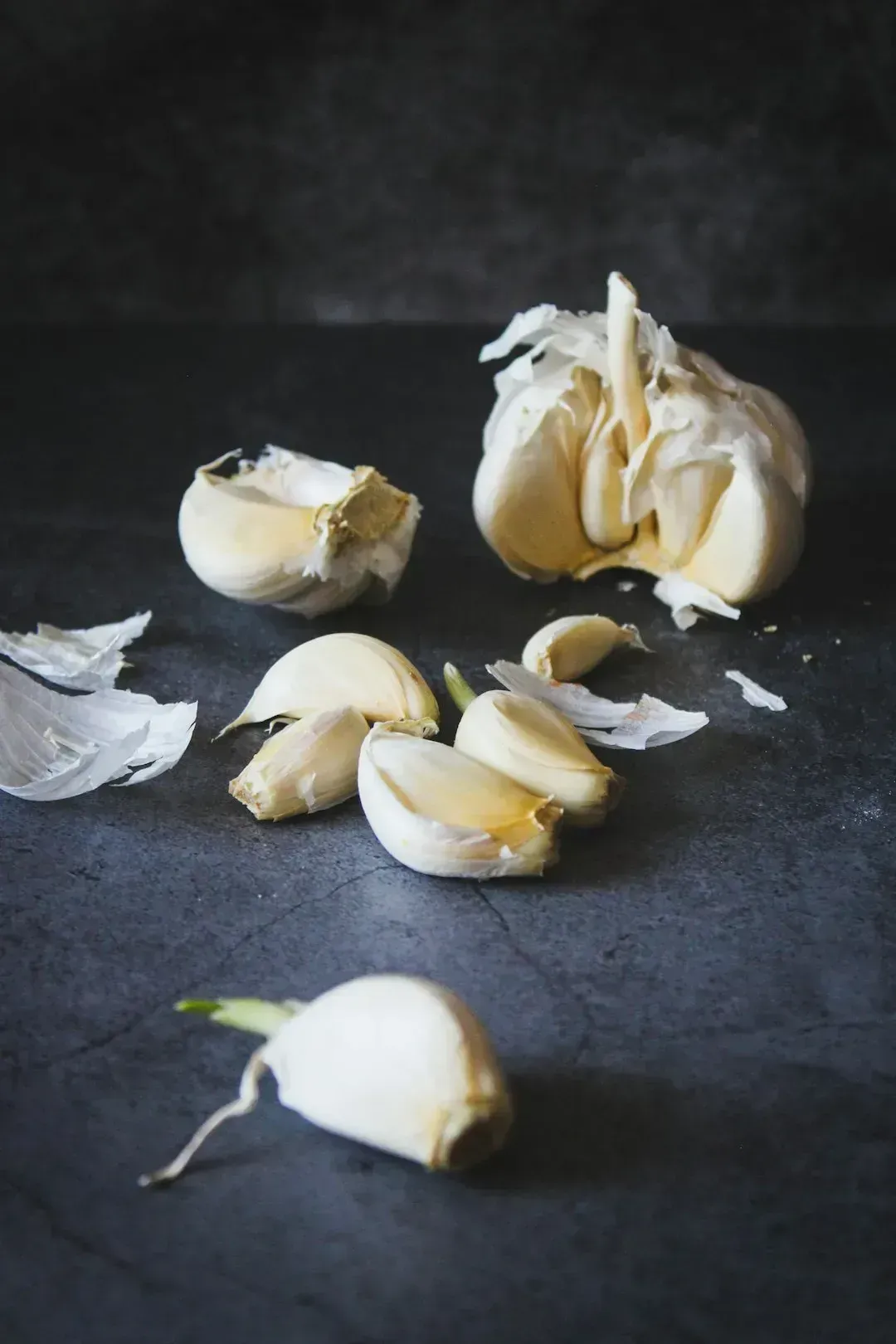
Jarred minced garlic sits on shelves for convenience, but it loses much of the sharp, aromatic punch that fresh cloves deliver. The mincing and preservation process breaks down the compounds responsible for garlic’s flavor, so what’s left tastes muted and slightly metallic compared to garlic minced minutes before cooking. Fresh garlic also costs a fraction of the price per use.
Mincing a few cloves takes under a minute with a sharp knife or a simple press. Many home cooks skip this step out of habit rather than necessity, paying a premium for something that barely improves their dish. A whole bulb of garlic is cheap, keeps for weeks in a cool pantry, and delivers noticeably better flavor every time.
2. Pre-Shredded Cheese
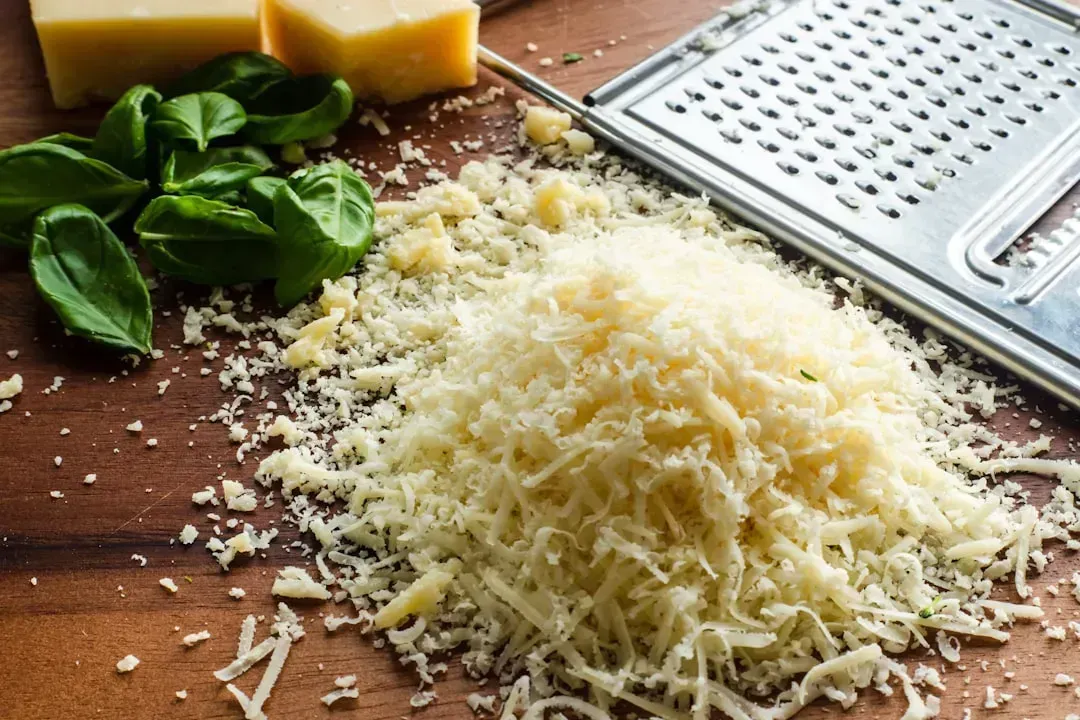
Bagged shredded cheese is coated with anti-caking agents like cellulose or potato starch to keep the strands from clumping together. That coating also interferes with how the cheese melts, often leaving it grainy or oily instead of smooth. A block of cheese, grated fresh at home, melts more evenly and tastes noticeably fresher.
Block cheese is also cheaper per pound than the pre-shredded version, since you’re not paying extra for the packaging and processing. Grating cheese takes only a couple of minutes with a box grater or food processor attachment. For anyone making pizza, casseroles, or melted sandwiches regularly, this is an easy way to cut costs without sacrificing quality.
3. Bottled Lemon and Lime Juice

Bottled citrus juice is shelf-stable because it’s pasteurized and often contains preservatives like sodium benzoate or sodium metabisulfite. That processing flattens the bright, fresh acidity that makes citrus so useful in cooking and baking. A fresh lemon or lime, squeezed just before use, brings a cleaner and more vibrant flavor to sauces, dressings, and marinades.
Fresh citrus fruit is inexpensive, especially when in season, and one lemon typically yields enough juice for most recipe needs. Chefs generally treat bottled juice as a last resort for emergencies, not a everyday pantry staple. The difference is especially noticeable in dishes where citrus is the star flavor, like ceviche or a simple vinaigrette.
4. Name-Brand Dried Spices and Herbs

Spice companies charge a premium for brand recognition, attractive packaging, and marketing, not necessarily for higher quality ingredients. Store-brand or bulk-bin spices often come from the same suppliers as name-brand products, just without the fancy jar. Since dried spices lose potency over time regardless of the label, freshness matters far more than brand.
Buying spices from bulk bins or international grocery stores usually costs significantly less per ounce than name-brand versions in small jars. This also lets cooks buy only the amount they need, reducing waste from spices that go stale sitting in the back of a cabinet. Rotating stock and replacing spices every six months to a year matters more than which brand sits on the shelf.
5. Pre-Cut Fruits and Vegetables
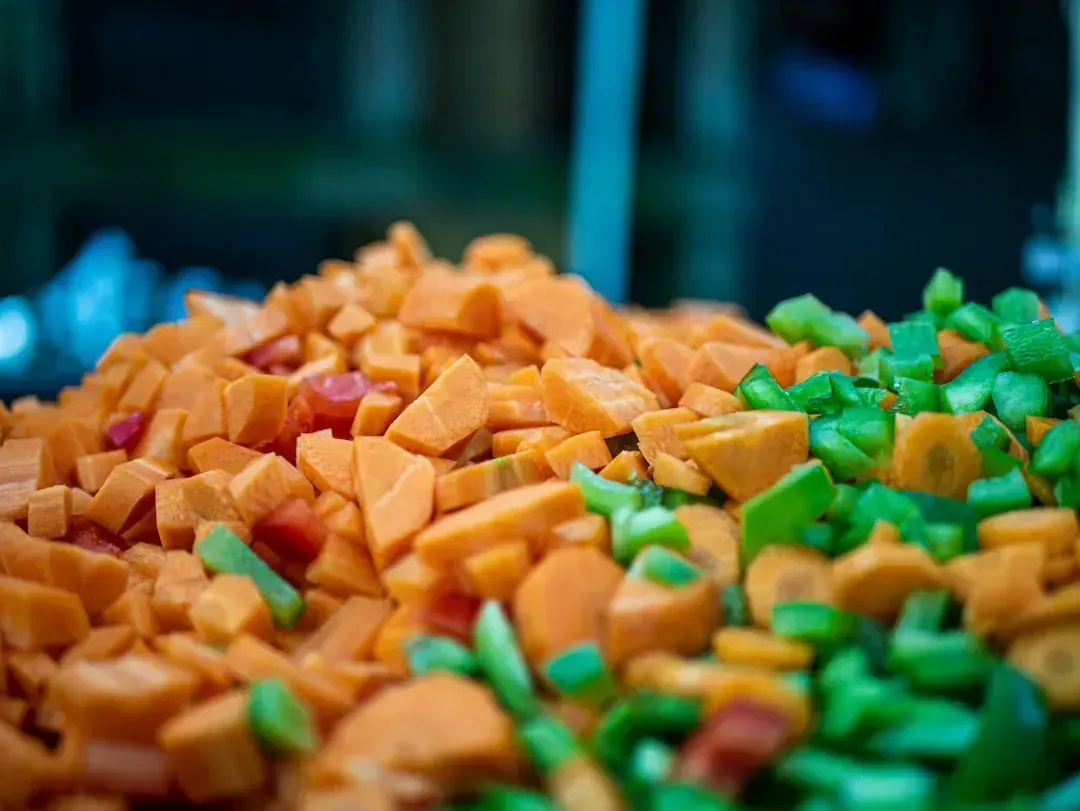
Grocery stores charge extra for the labor of washing, peeling, and chopping produce, sometimes doubling or tripling the price compared to whole items. Beyond the cost, pre-cut produce also has more exposed surface area, which speeds up oxidation and nutrient loss once it’s packaged. Whole fruits and vegetables simply stay fresher longer in the refrigerator or on the counter.
A few extra minutes with a cutting board saves real money over time, especially for households that cook frequently. Chefs also point out that cutting produce yourself lets you control the size and shape for a specific recipe, which pre-cut bags rarely accommodate well. For anyone trying to stretch a grocery budget, this is one of the simplest places to cut back.
6. Bagged Salad Kits
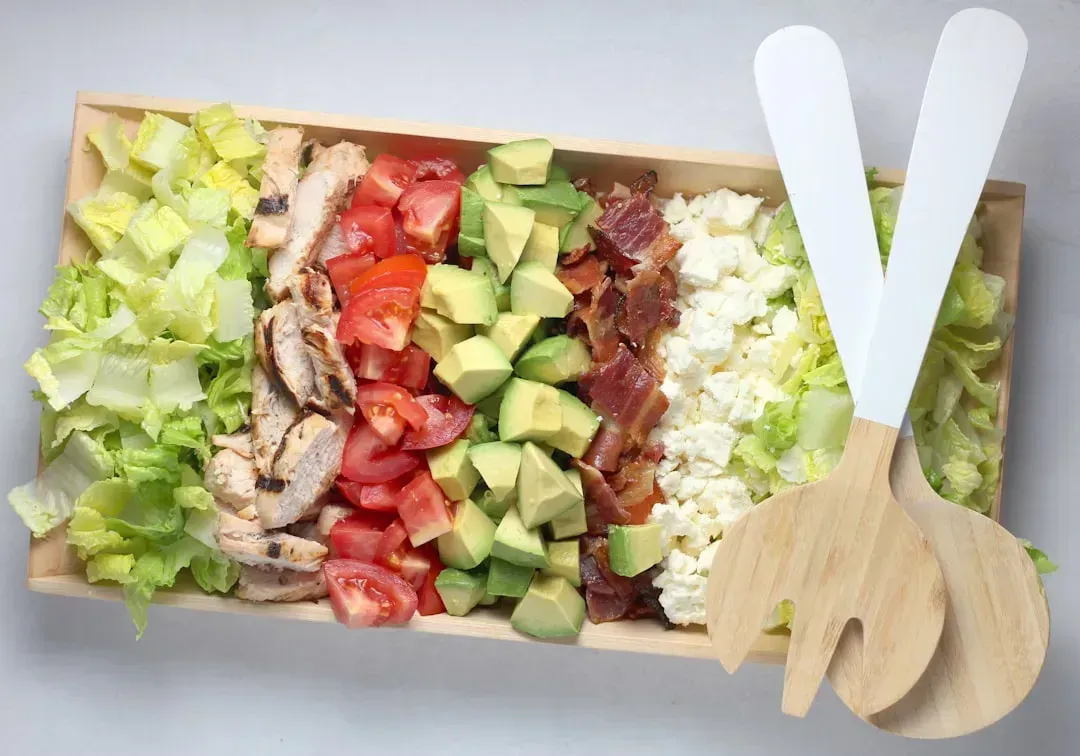
Salad kits bundle pre-washed greens with dressing, cheese, and toppings for a price that’s often much higher than buying the same ingredients separately. The greens inside these bags also tend to wilt faster because they’ve already been washed and packaged, which introduces excess moisture that speeds spoilage. Buying a head of lettuce and assembling a salad from pantry staples is almost always cheaper.
The dressing packets included in these kits are frequently loaded with added sugar and preservatives to extend shelf life, which isn’t necessarily an upgrade in flavor or nutrition. A homemade vinaigrette takes just a couple of minutes and uses ingredients most kitchens already have on hand, like olive oil, vinegar, and mustard. The convenience of a salad kit rarely justifies its markup once you factor in both cost and freshness.
7. Truffle Oil
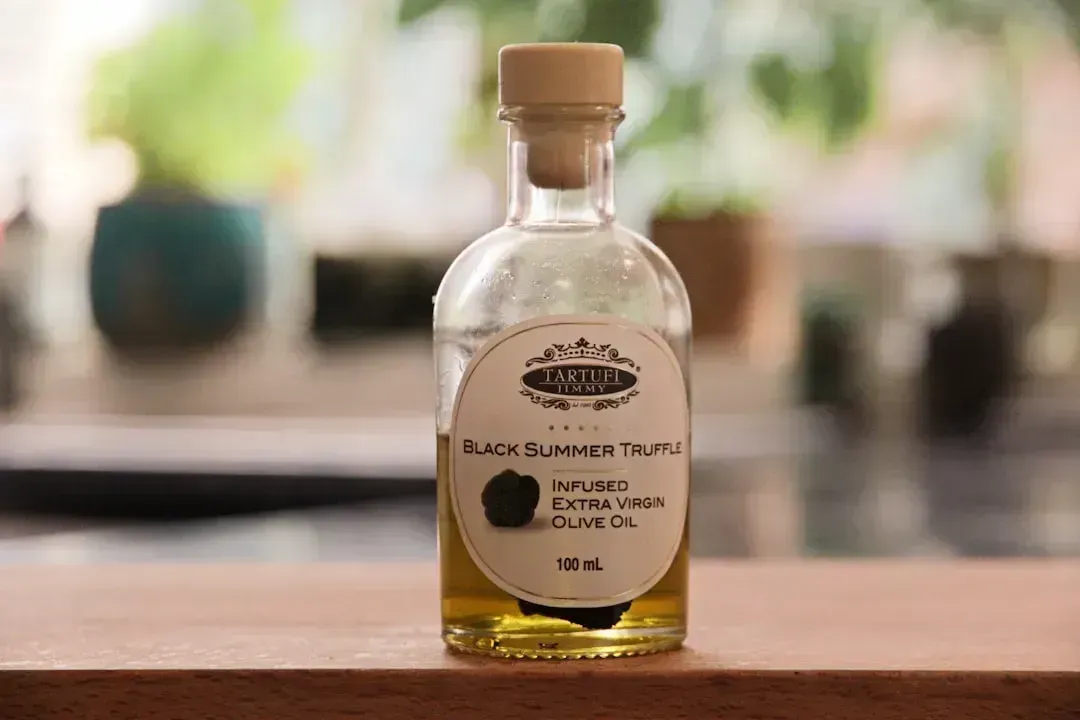
Most truffle oil sold in grocery stores contains no actual truffle at all. Instead, it’s typically flavored with a synthetic compound called 2,4-dithiapentane, which mimics truffle aroma without the real ingredient’s complexity or nuance. Real truffles are extremely expensive and rarely make their way into a mass-market bottle of oil priced for everyday shoppers.
Because the synthetic flavor is often overpowering and one-dimensional, a small drizzle can easily overwhelm a dish rather than enhance it. Many trained cooks skip truffle oil entirely, preferring to build depth with ingredients like good olive oil, mushrooms, or a splash of sherry vinegar. Paying extra for a bottle labeled truffle oil often means paying for a marketing story rather than genuine truffle flavor.
8. Name-Brand Pantry Staples Like Flour and Sugar
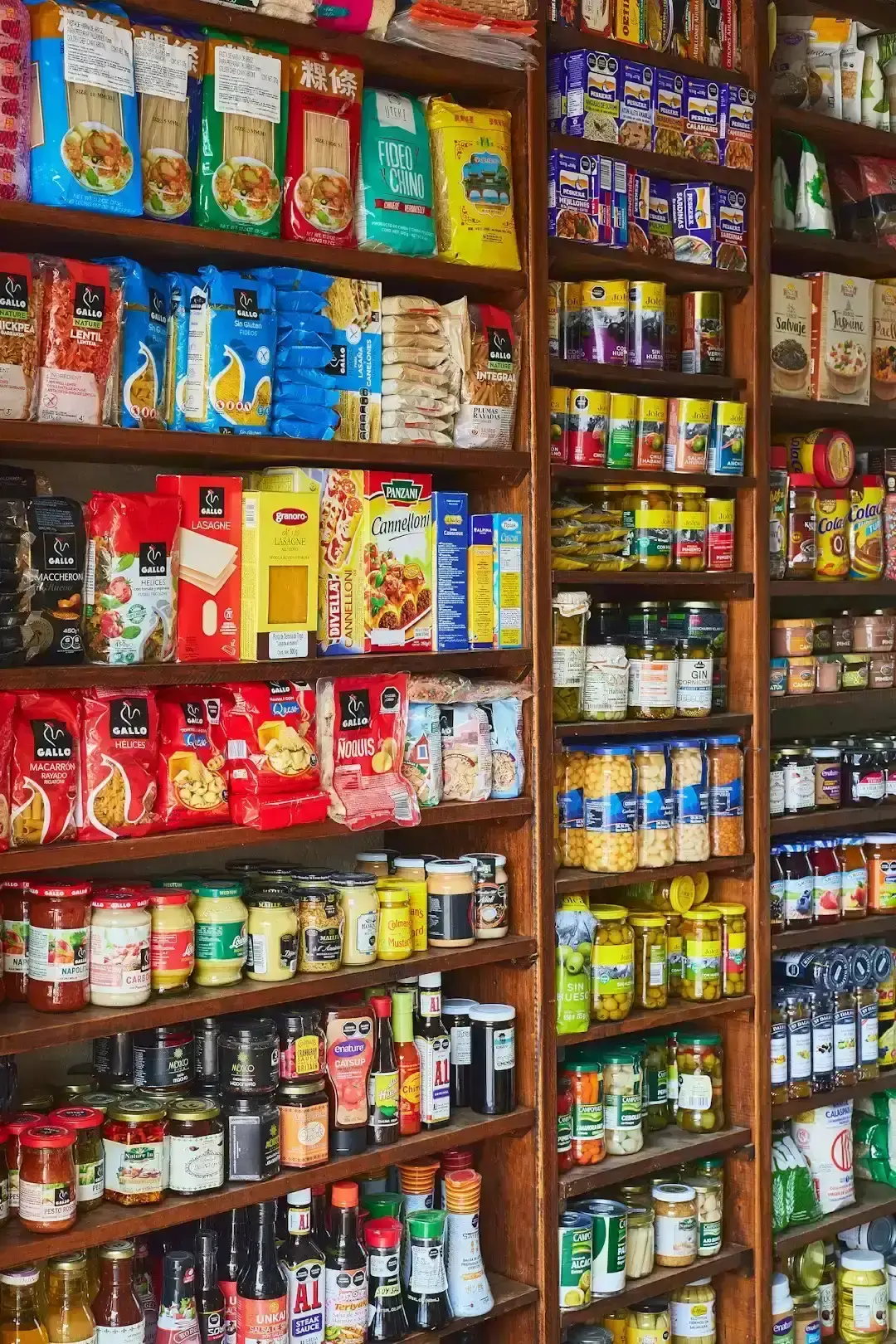
Basic pantry items like all-purpose flour, granulated sugar, and baking soda are highly standardized products regardless of brand. The chemical composition and performance in baking barely differ between a name brand and a store brand version, since both must meet the same manufacturing standards. Paying more for a recognizable label on these staples adds cost without adding value.
Store brands are typically manufactured in the same facilities or under similar specifications as their name-brand counterparts. For recipes where flour or sugar is a background ingredient rather than the star, the source rarely affects the final result. Chefs generally reserve their brand loyalty for items where quality differences are more noticeable, like chocolate or olive oil, and save money on staples like these.
9. Organic Produce With Thick, Inedible Peels
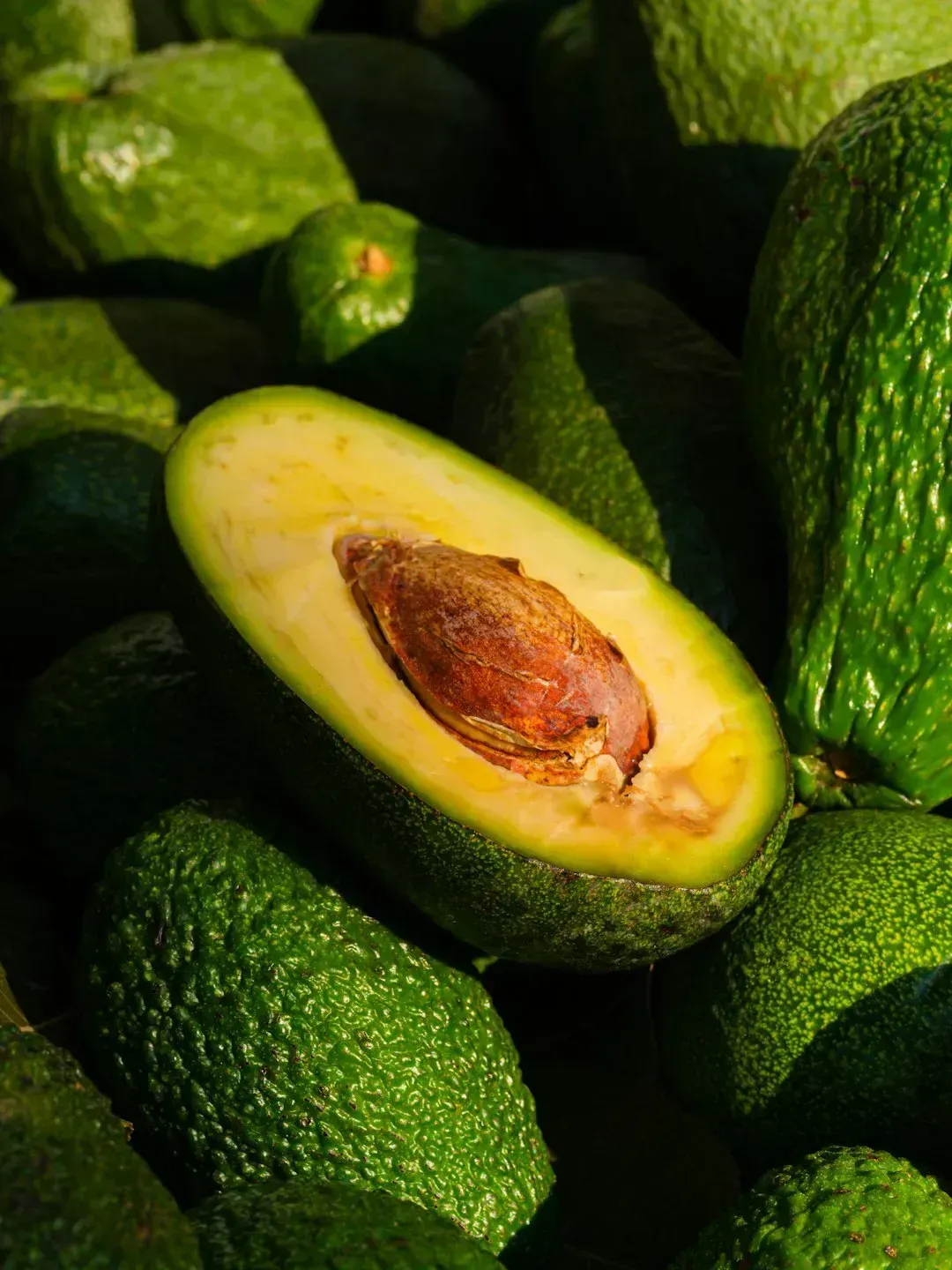
Organic certification adds cost to production, and that expense gets passed along to shoppers. For produce with a thick outer skin that gets peeled away and discarded, like bananas, avocados, or melons, the potential benefit of buying organic is limited since the edible portion has minimal direct contact with any pesticide residue on the surface.
This doesn’t mean organic farming lacks value in other contexts, but for these specific items, the premium price often outweighs the practical benefit. Many chefs reserve organic purchases for produce eaten with the skin on, like apples, berries, or leafy greens, where the difference is more relevant. Being selective about where organic spending goes stretches a grocery budget further without compromising on the items where it matters most.
10. Bottled Salad Dressings
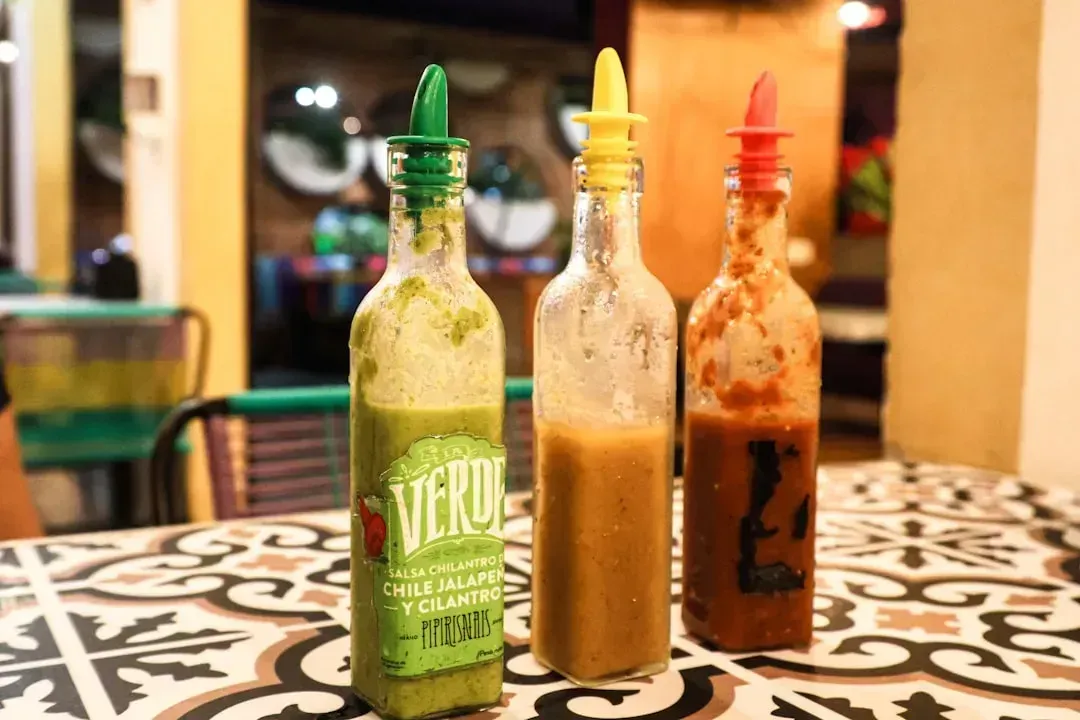
Bottled dressings often rely on stabilizers, emulsifiers, and added sugar to maintain a long shelf life and consistent texture. These additives can dull the fresh, balanced flavor that a simple homemade dressing achieves with just a few basic ingredients. A classic vinaigrette needs little more than oil, an acid like vinegar or citrus, and a bit of mustard or honey to emulsify.
Making dressing from scratch also costs significantly less per serving than buying a bottle, since the base ingredients are inexpensive pantry staples. It takes only a few minutes to whisk together, and the flavor can be adjusted to taste in ways a mass-produced bottle never allows. For anyone who eats salads regularly, this small habit change adds up to meaningful savings over time.




Leave a Reply