
Ask a group of professional cooks where they eat on a night off, and you’ll hear about taquerias, noodle counters, and neighborhood bars with a short menu. You’ll rarely hear the name of a national chain. That pattern is common enough that it has become a running theme in restaurant media, though it’s worth saying up front that it’s a tendency and not a rule. Plenty of chefs admit to a soft spot for a fast food burger or a bucket of fried chicken.
Still, the reasons chefs give for steering clear are consistent, and they say a lot about how kitchens work. This article walks through the most common explanations, and it sticks to what chefs have said publicly and what the industry data supports. It doesn’t claim to speak for an entire profession.
Consistency Is the Point, and Some Chefs Find It Boring

A chain’s product is built to taste the same in Ohio as in Oregon. That’s a real achievement, and the business depends on it. Many chefs, though, are drawn to cooking because of variation: a seasonal vegetable, a special that sold out, a cook’s own twist.
When your job is to chase flavor, a menu engineered for sameness can feel flat. Chefs often describe it as a matter of curiosity, not snobbery. They’d simply rather spend a rare meal out learning something new.
Central Kitchens and Pre-Made Components
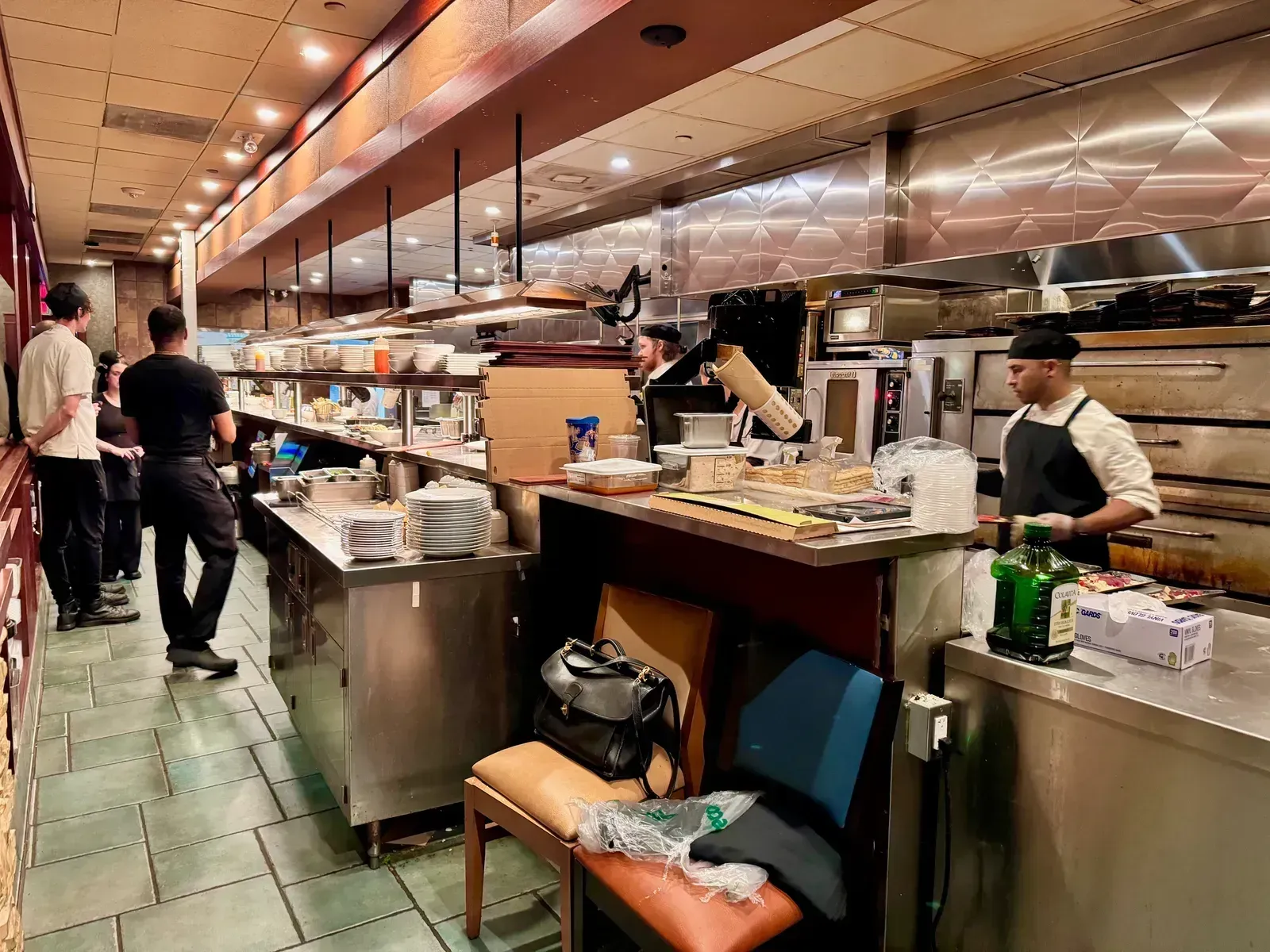
Many large chains rely on centralized production, with sauces, doughs, and proteins prepared elsewhere and finished on site. This is standard practice for operating at scale, and it supports food safety and speed. Chefs trained to build flavor from raw ingredients can find it hard to enjoy food they know was assembled and reheated.
The objection is usually about craft, not safety. A cook who spends hours on a stock may not feel inspired by a dish that arrives in a pouch. That’s a preference, and it isn’t a claim that the food is bad.
Sodium, Sugar, and Nutrition Concerns

Nutrition research gives some chefs a practical reason to be wary. Studies using national U.S. dietary survey data have found that meals from restaurants, especially fast food, tend to be higher in calories and sodium than meals prepared at home. The Dietary Guidelines for Americans recommend keeping sodium under 2,300 milligrams per day, and a single restaurant entree can account for a large share of that.
Chefs know how much salt, butter, and sugar go into flavor, because they use them too. Some say they avoid chains to keep their own palate sensitive and their diet in check after long days tasting food at work. That’s a personal habit more than a verdict on any one brand.
Supporting Independent Restaurants

Loyalty to the independent community is a big part of the story. The industry is tight-knit, and chefs often eat at friends’ restaurants, swap visits, and know the people behind the counter. Dining out becomes a way to support colleagues who face the same thin margins.
Those margins are real. The National Restaurant Association has repeatedly pointed to rising food and labor costs as top pressures for operators, and independents have less cushion than large corporations. A chef choosing a local spot over a chain is, in part, putting money where the community is.
Late Hours and Limited Options Change the Equation

Cooks work nights, weekends, and holidays, so their eating schedule is unusual. After a late shift, the open options are often limited, and that’s where chains sometimes win. Drive-thrus are open when little else is.
Several chefs have joked in interviews about their own late-night fast food habits. It’s a reminder that the “never eat at chains” image is partly myth. Convenience and exhaustion have a way of overriding principle.
Knowing How the Sausage Gets Made
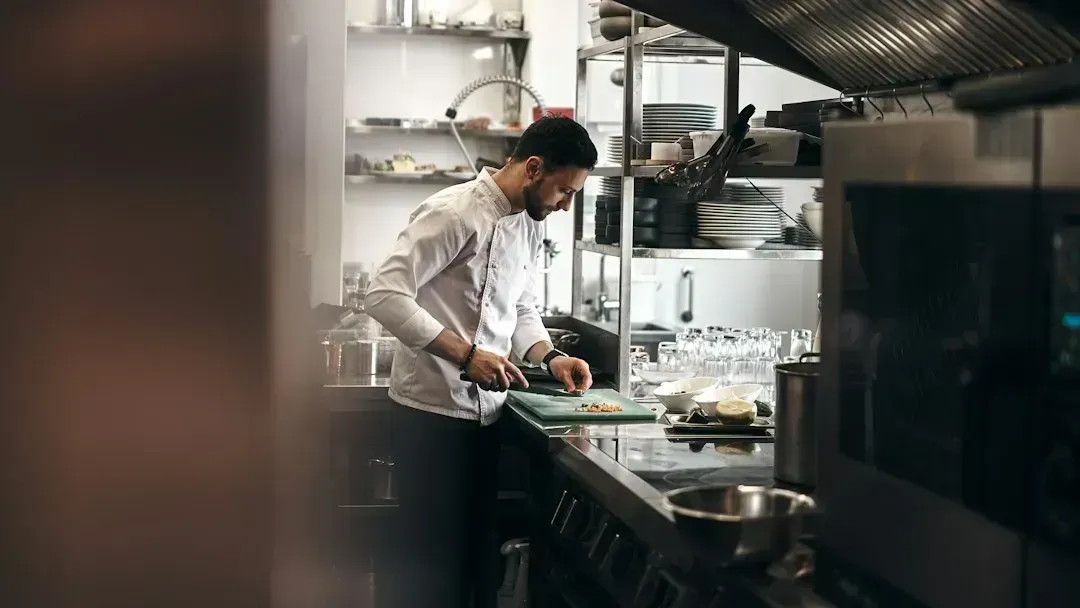
Working in kitchens teaches people to read a menu with a critical eye. They notice portion costs, frozen versus fresh components, and how a long ingredient list signals processing. That insider knowledge can make some dishes less appealing.
This isn’t unique to chains, since any restaurant can cut corners. Yet chains are an easy target because their systems are so visible and standardized. Chefs tend to say they want food that shows a human decision behind it.
Where Chefs Do Make Exceptions
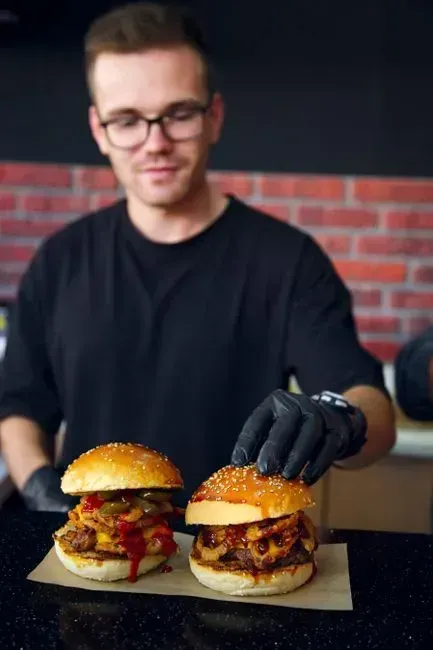
Many well-known chefs have spoken fondly of certain chain items, from burgers to breakfast sandwiches to regional favorites. Often the appeal is nostalgia, price, or the fact that a particular item is done well at scale. Good cooks can respect a product that does one thing reliably.
This nuance matters. Respecting a chain’s execution and choosing to eat there regularly are different things. Most chefs aren’t condemning the model, just explaining their own habits.
What Home Diners Can Take From This

You don’t need to give up chains to borrow a chef’s mindset. Check the nutrition information many chains publish, share plates, and balance a heavy meal with lighter ones during the week. When time allows, try a local place with a short menu and see what the kitchen does well.
The takeaway is modest. Chefs avoid chains for a mix of taste, craft, health, community, and habit, and they bend those rules when life demands it. Eating well mostly comes down to paying attention to what’s on the plate and who made it.



Leave a Reply