
Siberian Husky
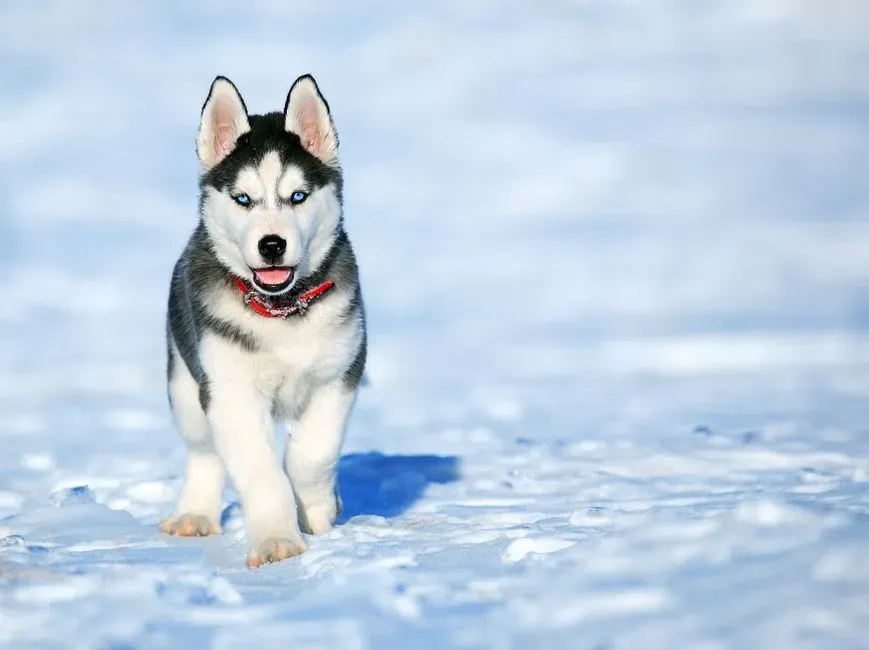
Huskies are stunning, no argument there, but their reputation for beauty often overshadows the reality of what they actually need. Huskies are beautiful, friendly, and full of personality, but their energy levels are not for beginners, and they need hours of daily exercise, mental stimulation, and space to run. Skip that and things go sideways fast.
Without it, they can become destructive and try to escape any yard or enclosure, and many first-time owners underestimate how challenging it is to keep up with their needs, leading to frustration for both the pup and the owner. A Forbes Advisor survey of five thousand dog owners, conducted in early 2024, backed this up in a rather blunt way: the worst behaved breed was Siberian Husky, based on how often owners reported barking, escaping, and destructive habits.
French Bulldog
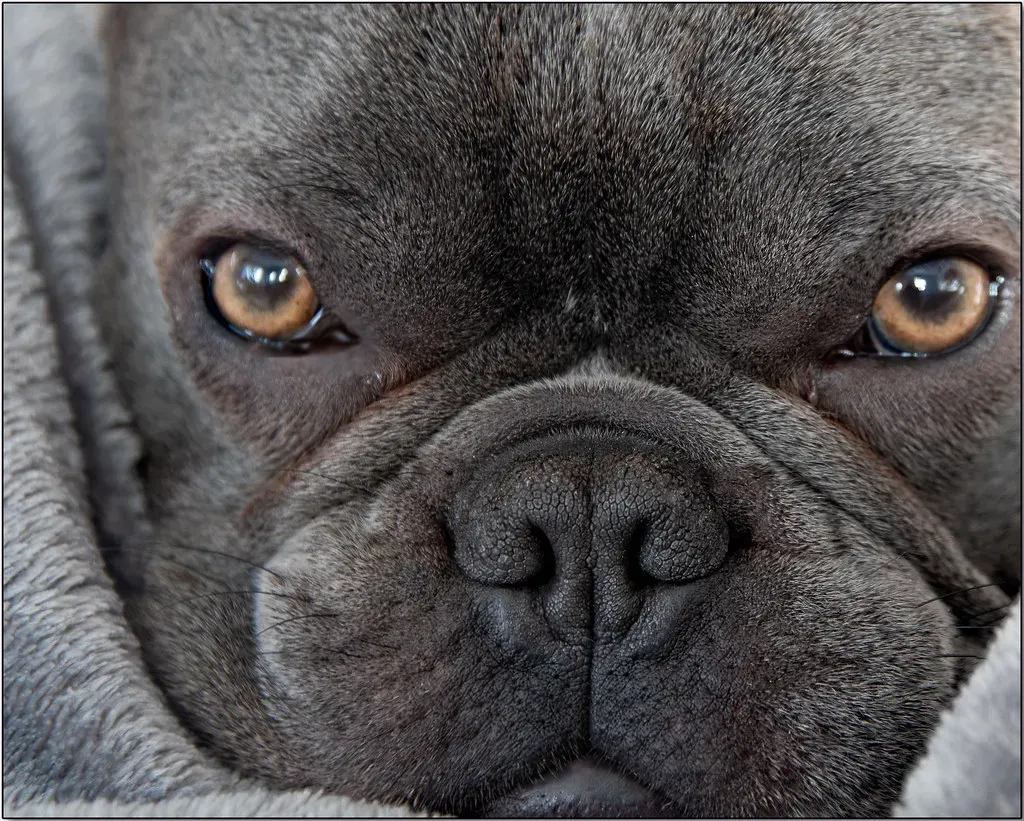
French Bulldogs have topped popularity charts for years, and it’s easy to see why with those bat ears and compact bodies. The trouble starts once the vet bills arrive. The French bulldog is one of four small breed dogs to land in the top five worst behaved dog breeds, according to the same Forbes Advisor survey.
Beyond behavior, the breed’s flat face creates real physical limitations that many buyers don’t fully research beforehand. Breathing difficulties, overheating risk, and expensive surgeries are common enough that some veterinarians now bring them up unprompted during checkups. It’s a breed bought for looks that often demands a level of medical attention few new owners plan for financially or emotionally.
Dalmatian
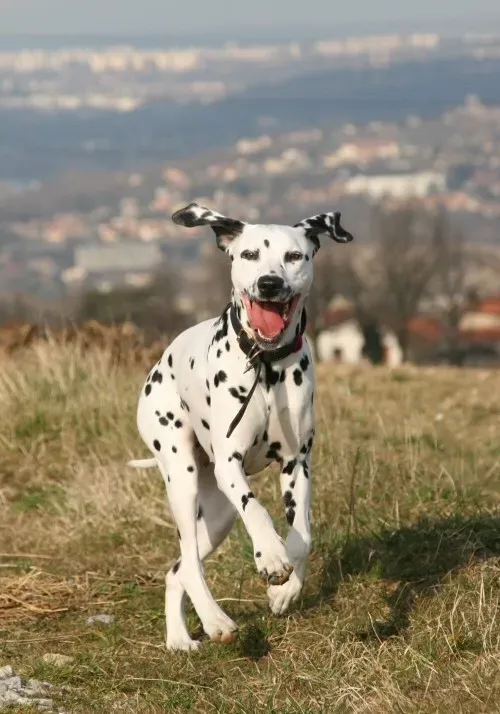
Few breeds owe their popularity to a single movie quite like the Dalmatian, and few breeds have paid for it quite as hard. Popularized by Disney’s 101 Dalmations, these dogs are highly energetic, which can be challenging for non-active owners, and some individuals will struggle with their extensive exercise demands, particularly as they are also quite tricky to train.
The health side complicates things further. Dalmatians are prone to genetic health issues, such as urinary stones and deafness, which could result in high vet bills. Combine a stubborn streak with a dog that needs serious daily mileage, and it’s not hard to see why families expecting a calm, elegant companion end up surprised.
Cane Corso
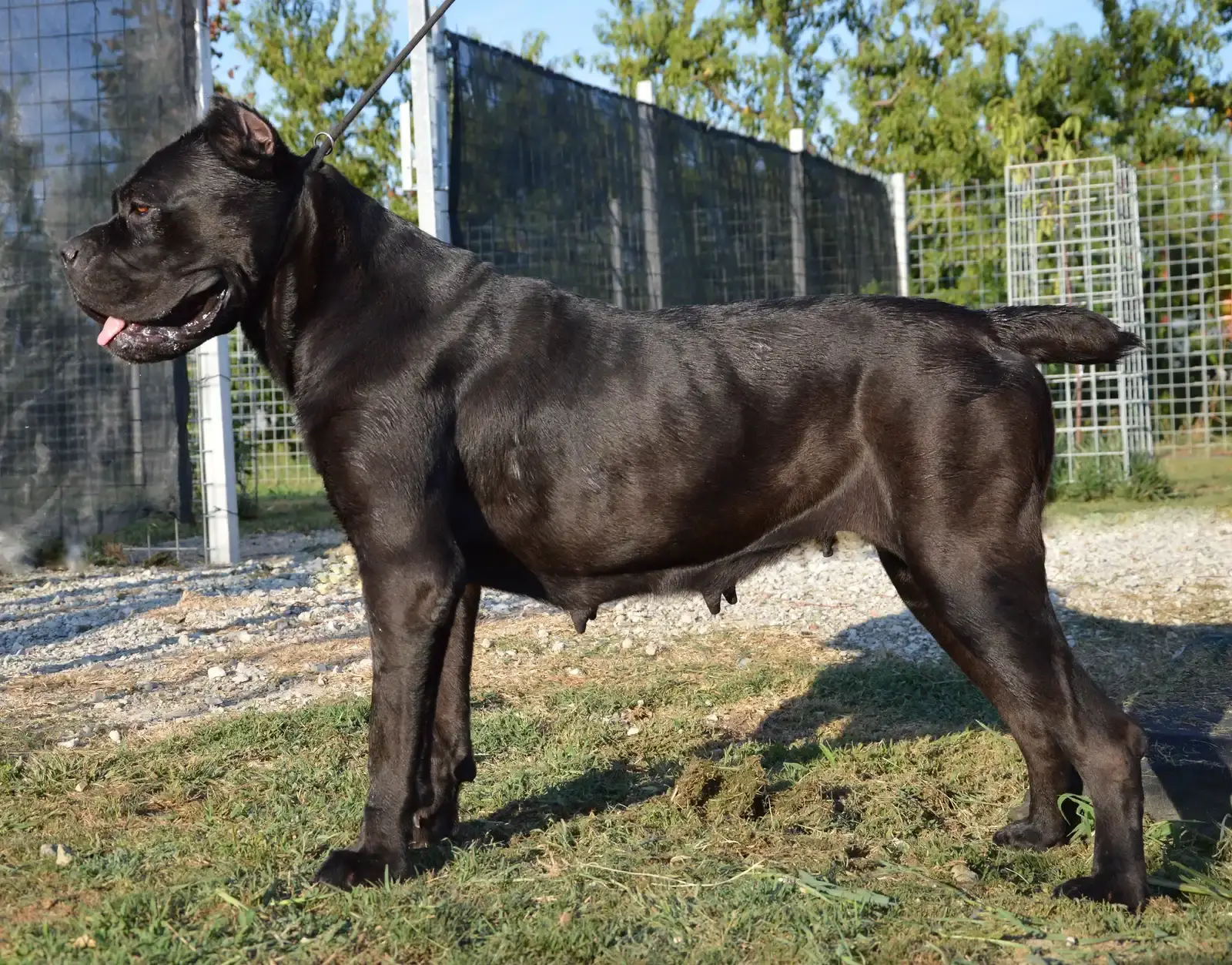
Cane Corsos have grown popular partly because of their imposing, protective look, appealing to people who want a serious guard dog. That size and drive, though, come with strings attached. The Cane Corso is a very powerful and protective breed that needs early, consistent training and socialization, and without it, they can become difficult to control and potentially aggressive.
They also need plenty of exercise and mental engagement, and first-time owners often regret getting one because they underestimate how much responsibility comes with owning such a strong, dominant breed. This isn’t a breed that tolerates a casual approach to training. Skimp on structure early on, and you end up managing a large, powerful animal that’s already set in its habits.
Akita
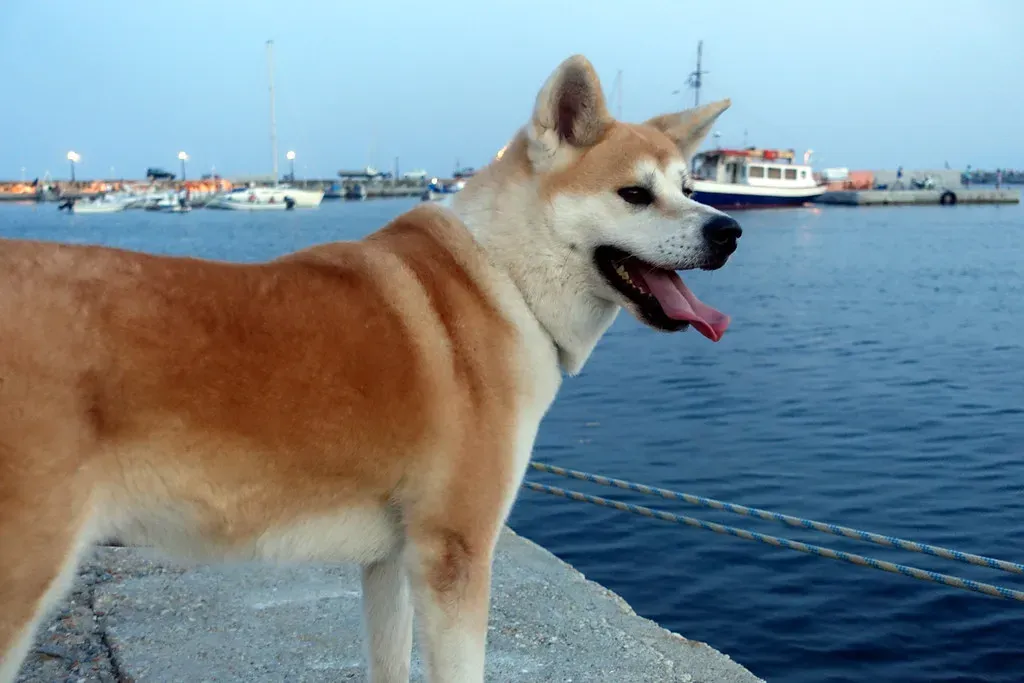
Akitas carry an undeniable presence, loyal, dignified, almost regal, and that image draws in a lot of admirers who haven’t quite thought through the daily reality. These powerful dogs can be aggressive toward other dogs and suspicious of strangers without proper socialization, and their independent nature makes them challenging to train, often testing boundaries and asserting dominance over inexperienced handlers.
Experienced dog professionals echo this pattern repeatedly. Akitas are beautiful dogs, very loyal to their family, and good protectors, but they are not good for people with other pets unless they are raised from puppy age with them, and they are stubborn as hell also. Add in heavy year-round shedding and the need for a confident handler, and the breed quickly filters out owners who picked it purely for its looks.
Chow Chow
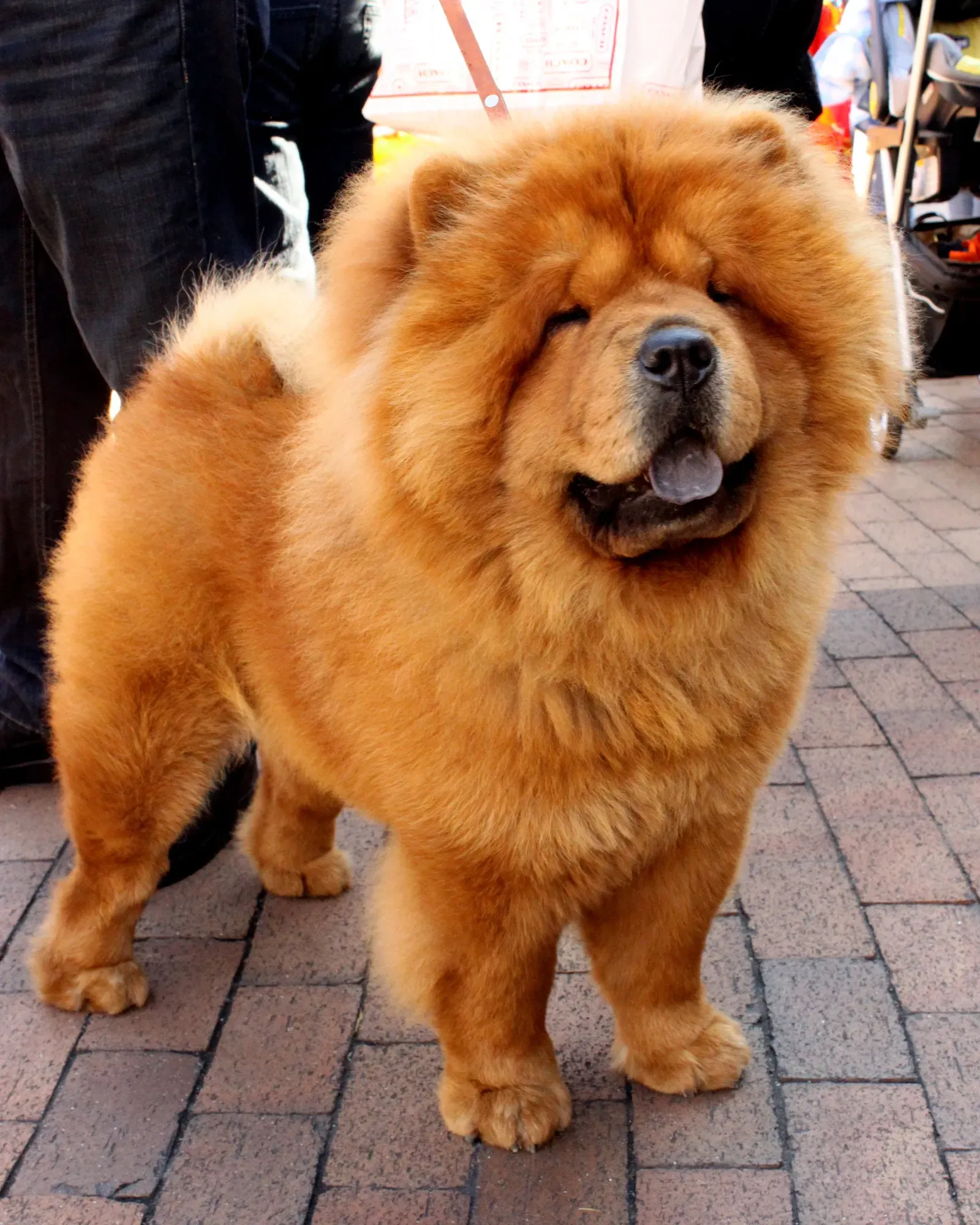
Chow Chows have that lion-like mane and a calm, almost aloof expression that many people mistake for an easygoing temperament. The reality tends to disappoint people looking for a cuddly, demonstrative companion. Individuals sometimes regret adopting Chow Chows due to their independent nature, which can make them appear less affectionate than other breeds, which is an issue for owners looking to have a loyal companion.
Chow Chows are independent dogs with a different approach to affection compared to more classically affectionate breeds like Labradors or Golden Retrievers. Their thick double coat also demands regular grooming to avoid matting and skin problems, adding an upkeep cost that surprises a lot of first-time owners who focused only on the breed’s striking appearance.
What Owners Wish They Had Known First

A common thread runs through nearly every case of buyer’s remorse in dog ownership, and it usually has nothing to do with the breed’s appearance. The question owners wish they’d asked first is simple: what was this breed originally bred to do, because if that job doesn’t fit your actual daily life, the mismatch shows up fast, and it’s usually the dog who pays for it when families quietly rehome a dog they genuinely love.
That mismatch tends to hit in three predictable areas. High-energy herding breeds need a daily job, not just a walk, guardian breeds often need heavy early socialization to handle city noise and strangers, and low-shedding breeds usually trade vacuuming for professional grooming every four to six weeks. Before choosing a breed based on a viral clip or a friend’s recommendation, it pays to look honestly at your schedule, your living space, and your patience for training, since those factors decide far more about compatibility than coat color or ear shape ever will.




Leave a Reply