
Every October, the same small ritual plays out in many homes. Sandals get kicked to the back, linen shirts get shoved into a bin, and the sweaters come out smelling a little like last March. It feels like a chore, yet a careful swap now can save you money, space, and frustration when warm weather returns.
This guide walks through the practical steps, from sorting to storage containers to pest prevention. The advice leans on guidance from textile conservators, extension services, and museum care standards, and it sticks to methods that hold up year after year.
Start by Editing, Not Packing

Before anything goes into a box, decide what deserves the space. Pull out every summer piece and sort it into keep, donate, repair, and discard. A simple test helps: if you didn’t wear it this summer and it doesn’t fit or flatter you now, it probably won’t be a favorite next year either.
Editing first matters because stored clothing takes up real room, and packing things you’ll never wear just moves clutter into a bin. Donation centers also tend to see a rush of drop-offs at season change, so check what a local charity currently accepts. Items with stains or broken zippers can go into a repair pile with a firm deadline.
Wash or Clean Everything First

Clean clothes store better, and this is the rule conservators repeat most. The Smithsonian’s guidance on textile care, along with university extension advice, notes that body oils, sweat, and food residue may not look like much now. Over months, though, they can darken into stains and attract insects.
Even items you wore only once should be laundered or dry cleaned. Sunscreen is a frequent culprit, since it can leave yellowish marks on fabric that appear later. Make sure everything is completely dry before packing, because trapped dampness invites mildew.
Fix Stains and Small Repairs Now
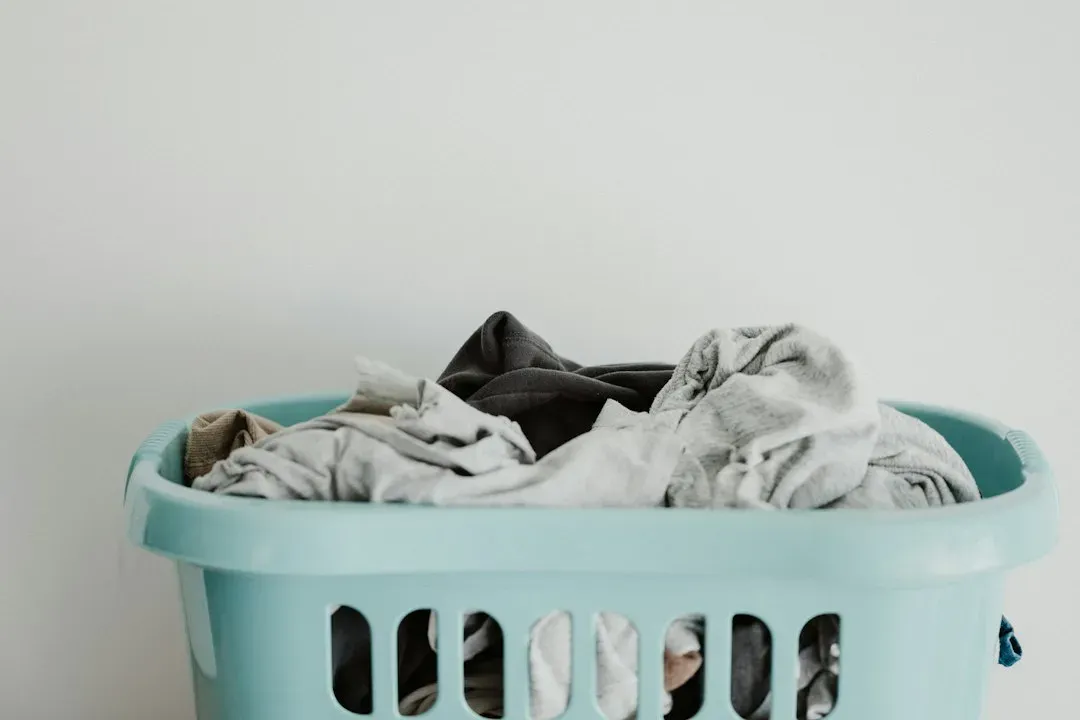
A stain you treat in October is usually easier to remove than one that has set for eight months. Check collars, underarms, and hems under good light, and treat spots before the final wash. Don’t put a garment in a hot dryer if a stain remains, since heat can set it permanently.
This is also the moment to sew on loose buttons and mend small seam splits. It’s a bit tedious, but it turns next spring’s getting dressed into a smooth experience. Nothing feels better than reaching for a favorite dress and finding it ready to wear.
Choose the Right Containers

Breathable storage is the safer default for most clothes. Cotton storage bags, sturdy cardboard boxes lined with acid-free tissue, or plastic bins with ventilation all work reasonably well. Extension services often caution against sealing natural fibers in thin plastic bags for long stretches, since trapped moisture can encourage mold and yellowing.
If you do like clear plastic bins, choose ones with tight lids to keep out pests and dust, and add a layer of cotton or tissue between fabric and plastic. Avoid cardboard from grocery stores, which may contain acids that can discolor delicate fabric. Label each bin with its contents, so you aren’t digging through everything in May.
Fold, Hang, or Roll: Match the Method to the Fabric
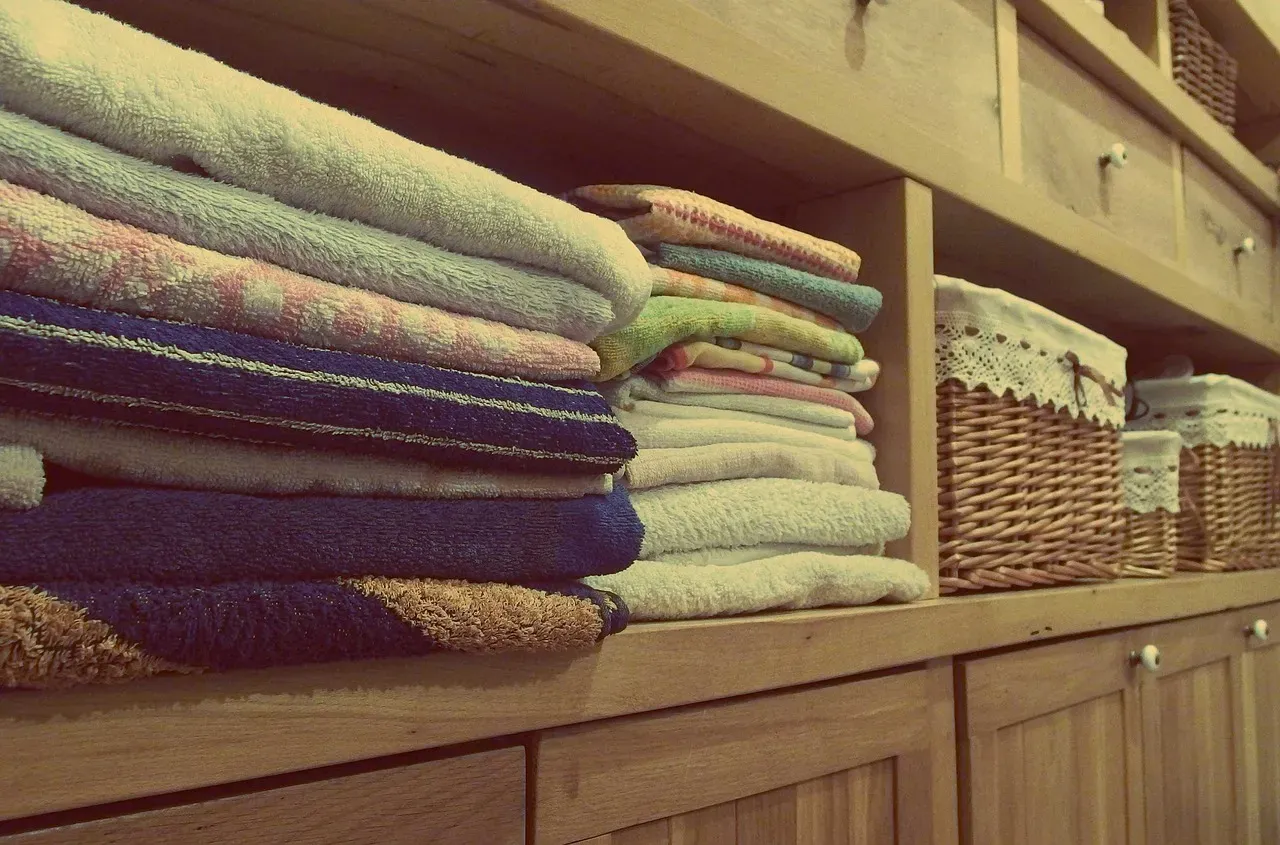
Heavier knits and stretchy fabrics should be folded, because hanging can stretch them out of shape over time. Structured items like tailored linen blazers or dresses with delicate straps do better on padded hangers, ideally in a breathable garment bag. Lightweight cotton tees and shorts can be rolled to save space and reduce hard creases.
For anything folded, add tissue in the creases and refold occasionally if you store it for a long period. Don’t overpack bins, since compressing fabric tightly can create stubborn wrinkles. Place the heaviest items at the bottom and delicate ones on top.
Keep Moths and Pests Away
Clothes moths feed on natural fibers such as wool, silk, and fur, and they are particularly drawn to soiled fabric. That’s one more reason washing first matters. Summer clothes are often cotton and linen, which are less appealing than wool, but blends and any stained pieces can still be at risk.
Cedar blocks and lavender sachets are popular, though they’re mainly a mild deterrent rather than a guaranteed fix, and cedar’s scent fades unless it’s refreshed by light sanding. Sealed containers are the more reliable barrier. Many pest control experts recommend inspecting stored items periodically for tiny holes or webbing.
Pick a Smart Storage Location

Where you put the bins counts as much as what’s in them. A cool, dry, dark spot with stable temperature is ideal, such as under a bed or on an interior closet shelf. Attics and garages swing between hot and cold, and basements can be damp, all of which are hard on fabric and elastic.
Keep bins off bare concrete floors and away from water pipes. If humidity is a concern in your home, a moisture absorber placed nearby can help, but keep it from touching the clothes. Light can fade fabric as well, so avoid stacking containers where sun reaches them.
Handle Shoes, Swimwear, and Accessories Separately
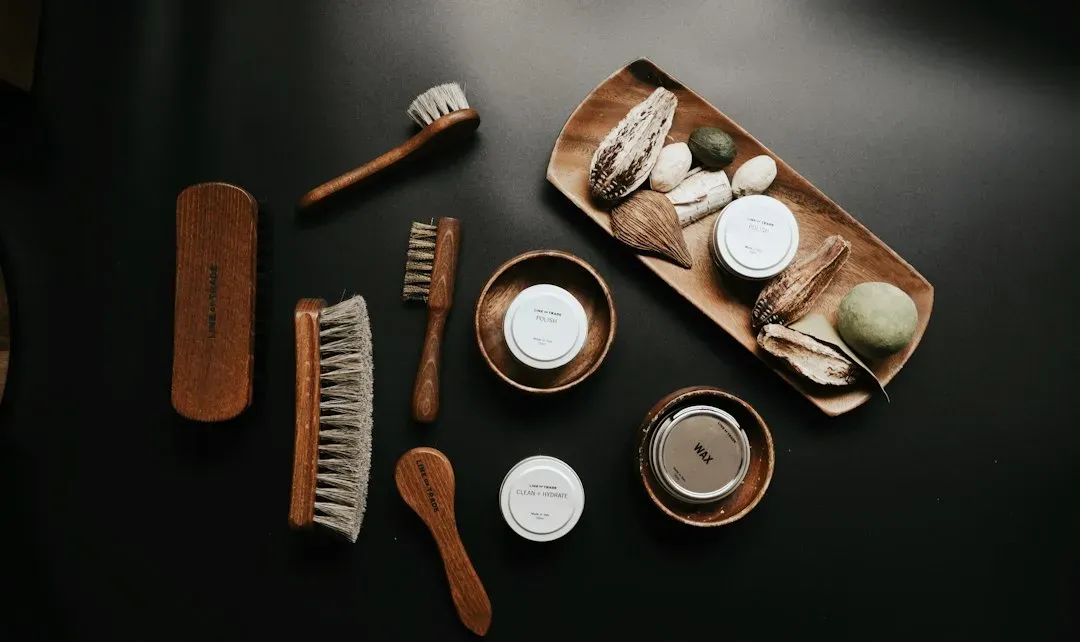
Sandals and canvas shoes should be wiped clean, dried fully, and stuffed with tissue to hold their shape. Leather needs a little conditioning before storage so it doesn’t dry out. Swimsuits should be rinsed and air dried, since chlorine and salt can slowly break down elastic fibers if left behind.
Straw hats are best kept in a box where they can’t be crushed, and sunglasses belong in their cases. Group accessories in a labeled bin so you can find them quickly. It’s a small step that makes the spring swap much faster.
Conclusion: A Little Care Now Pays Off Later

A good seasonal swap comes down to a few habits: edit, clean, repair, store breathably, and choose a stable spot. None of it requires special equipment, and most of it fits into a single weekend. The reward is opening a bin next spring and finding clothes that are fresh and ready to wear.
Treat the swap as a yearly reset, and your wardrobe will thank you. The best closet is the one you’re glad to open, in every season.





Leave a Reply