
1. Arriving Without a Buffer for Security Wait Times
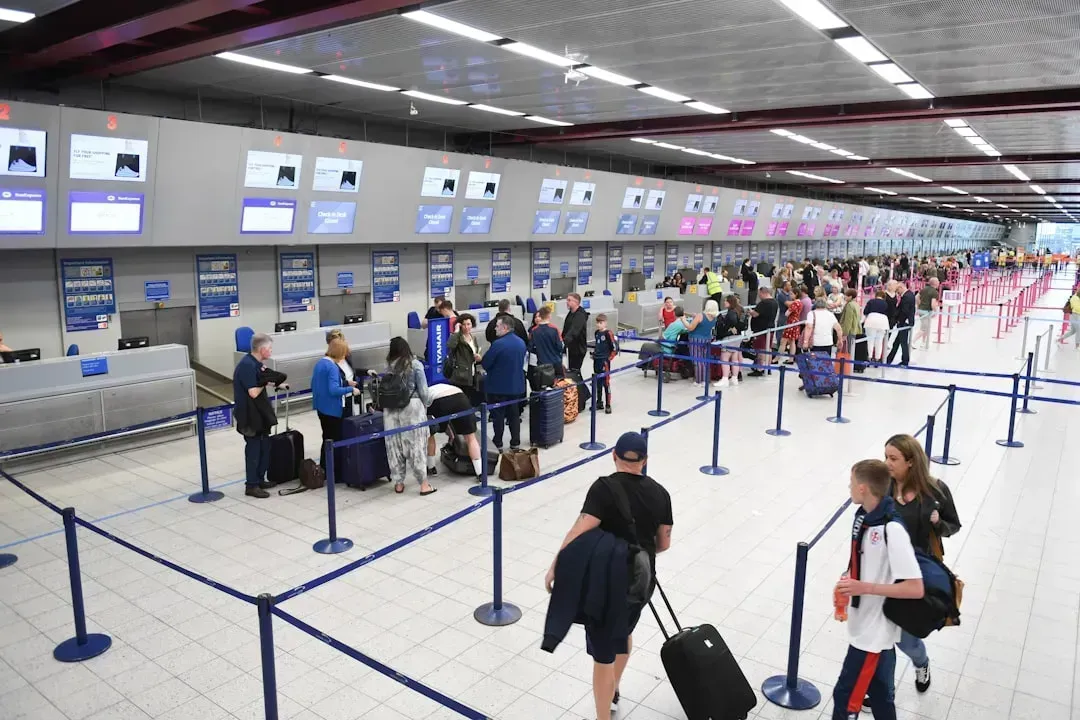
Security lines have grown less predictable since staffing and screening procedures shifted after the pandemic, and many travelers still plan their arrival times based on outdated expectations. Frequent flyers say the biggest recurring mistake is cutting arrival windows too close, especially at larger hub airports where wait times can swing widely depending on the hour.
TSA data has shown that checkpoint volumes at major U.S. airports regularly exceed two million travelers screened nationwide on peak summer days. Seasoned travelers tend to build in extra time not because they enjoy sitting at the gate, but because they’ve learned that a quiet Tuesday morning and a holiday Friday afternoon behave nothing alike.
2. Waiting Until the Checkpoint to Empty Pockets
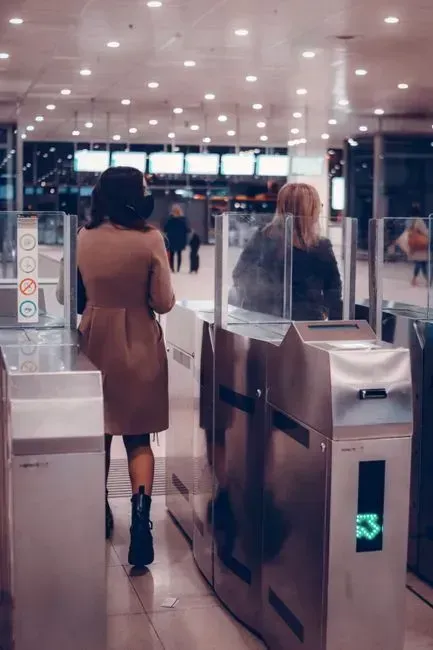
One of the most common holdups frequent flyers point to is passengers who wait until they’re standing in front of the X-ray machine to start digging through pockets, bags, and jacket linings. Belts, phones, keys, and loose change all need a home before that moment, not during it.
TSA officers have repeatedly noted that pocket contents and metal accessories are among the top triggers for secondary screening delays. Experienced travelers usually prep their bins mentally while still in the security line, which keeps the whole checkpoint moving instead of stalling on one traveler at a time.
3. Overpacking Carry-On Bags Beyond What Fits Easily

Overhead bin space has become tighter as more airlines encourage carry-on travel to avoid checked baggage fees, and frequent flyers say this has made oversized or overstuffed bags a near-daily headache at boarding gates. Bags that technically meet size limits but are packed to bursting often need extra shoving, extra time, and sometimes gate-checking anyway.
Airlines including Delta, American, and United have all tightened carry-on enforcement at gates in recent years, particularly on smaller regional jets with limited bin space. Travelers who fly weekly tend to pack with the shape of the bin in mind rather than just the bag’s listed dimensions, which avoids the last-minute scramble entirely.
4. Blocking Walkways to Check Phones or Boarding Passes
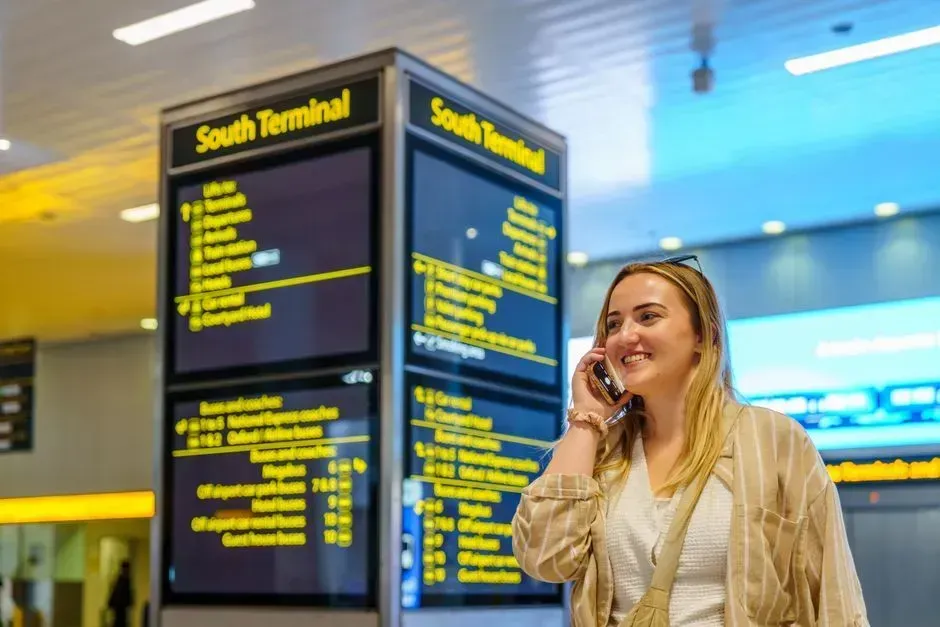
Frequent flyers consistently mention people who stop dead in the middle of a concourse or jet bridge to check their phone, dig for a boarding pass, or simply get their bearings. It seems minor, but in a busy terminal it creates a ripple effect of people swerving, stopping short, and losing momentum behind them.
Airports like Atlanta’s Hartsfield-Jackson and Chicago O’Hare handle tens of millions of passengers a year, and foot traffic density in their busiest corridors makes even a two-second pause noticeable. The habit seasoned travelers rely on is simple: step to the side first, then figure out where you’re going.
5. Not Checking Gate Changes Until It’s Too Late
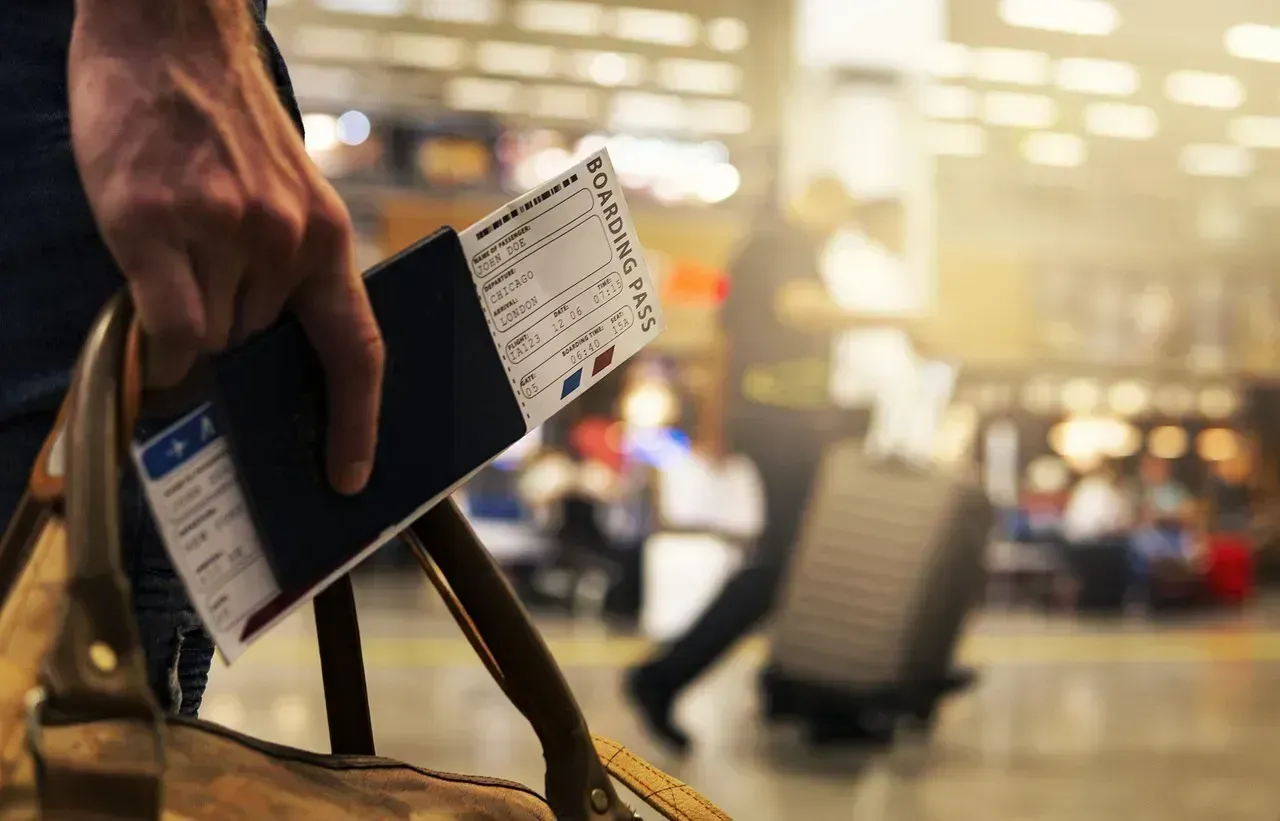
Gate assignments shift more often than casual travelers expect, sometimes multiple times in a single afternoon at larger airports juggling weather delays or aircraft swaps. Frequent flyers say the mistake they see constantly is people settling into a gate area without ever glancing at the monitors again until boarding time nears.
Airlines typically push gate change notifications through their apps, but not everyone has notifications enabled or checks their phone during a layover. Regular travelers tend to glance at departure boards every so often out of habit, which saves them the sprint across the terminal that less frequent flyers sometimes end up making.
6. Forgetting Liquids and Laptops Are Still Separate Rules

Even with newer CT scanners rolling out at select airports that allow laptops to stay in bags, the older 3-1-1 liquid rule and separate bin requirements are still standard at most checkpoints in the United States as of 2026. Frequent flyers notice that many travelers assume newer technology is everywhere already, leading to confusion when an agent asks them to remove items they thought could stay packed.
TSA has been gradually expanding CT scanner deployment, but the rollout remains uneven across airports and even between terminals at the same airport. Travelers who fly often tend to default to the stricter, older rules unless they know for certain their specific checkpoint has upgraded equipment.
7. Reclining Seats Abruptly Without Checking Behind Them
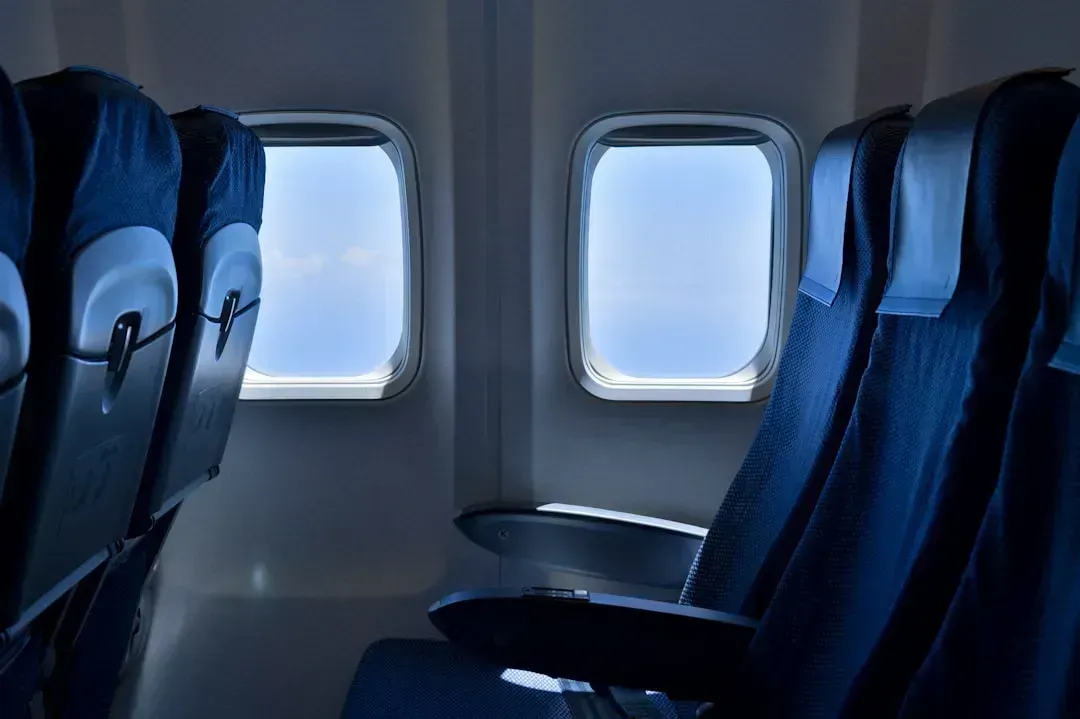
Nothing draws quiet frustration from frequent flyers quite like a seat reclining suddenly into a laptop, drink, or knee with zero warning. It’s a small courtesy that costs nothing, yet it remains one of the most repeated complaints among people who fly multiple times a month.
Airlines don’t enforce any formal etiquette here, so it comes down entirely to individual habits. Experienced travelers generally glance back or recline in stages rather than dropping the seat back in one abrupt motion, which avoids the spilled coffee and startled elbows that make short flights feel longer.
8. Standing at Baggage Claim Instead of Stepping Back
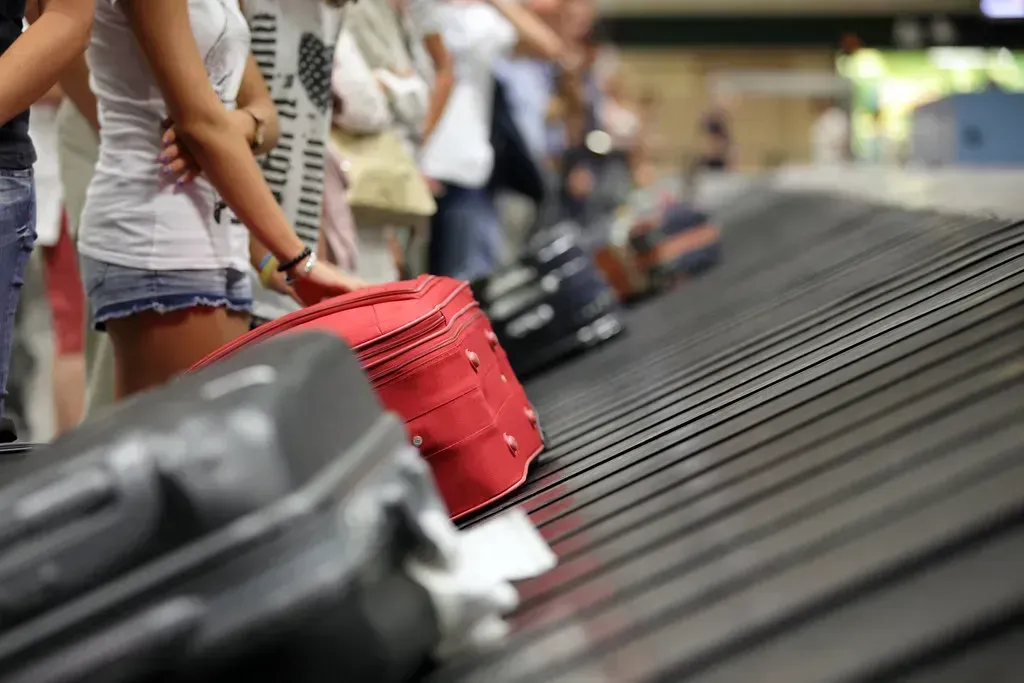
The final recurring mistake frequent flyers mention happens after landing, when passengers crowd directly against the baggage carousel instead of leaving room to actually see their bags coming. This creates a wall of people that makes it harder for everyone, including the ones standing closest, to spot their luggage in time.
Baggage claim areas are usually designed with sight lines in mind, but they only work if people stand back far enough to use them. Regular travelers tend to hang a few feet away, scanning for their bag’s shape or tag color, then step in only once it’s actually within reach.





Leave a Reply