
Plenty of people bring home a second cat for the same reason: the first one seems lonely, bored, or too clingy. It’s a kind thought. Behaviorists, though, tend to ask a different set of questions before anyone heads to the shelter.
Cats can live happily with other cats, but it doesn’t happen automatically. Success depends on when you add a cat, who you add, and how slowly you let the two meet. Here’s what the specialists keep coming back to.
Cats Aren’t Strictly Solitary, but They Are Territorial
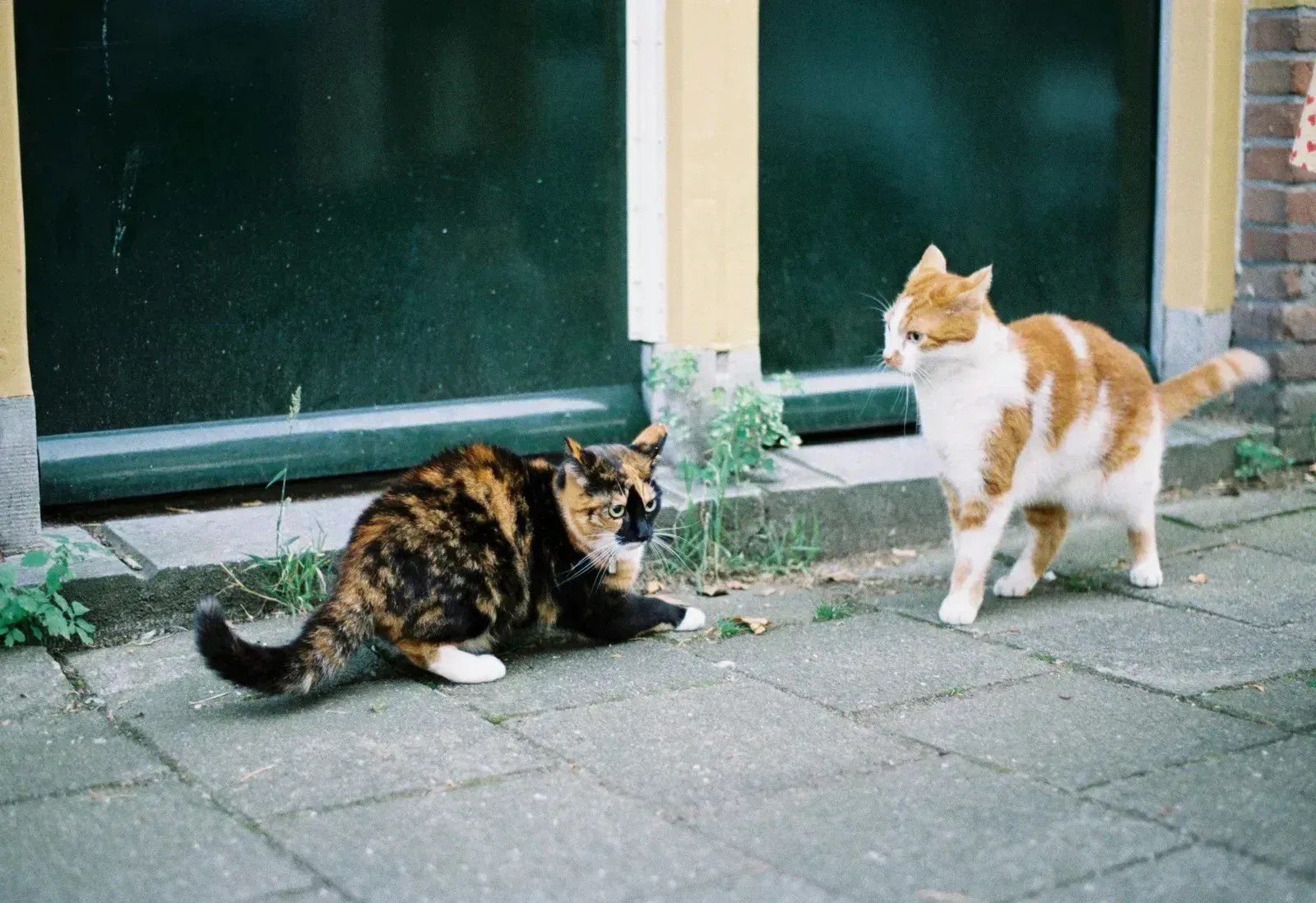
A common belief is that cats prefer to live alone. One certified behavior consultant points out that cats aren’t solitary creatures, and many benefit from feline companions. That doesn’t mean every cat wants a roommate.
The complication is territory. The same source notes that cats are also territorial, so introductions need some finesse. A new cat arriving in a home isn’t a friend to the resident, just a stranger on its turf.
Start by Asking Whether Your Cat Is Ready

Before you adopt, it helps to assess your current cat honestly. PetMD suggests meeting with a board certified veterinary behaviorist or a certified applied animal behavior consultant to judge whether your cat is ready to accept another feline. That’s a reasonable step if your cat has a history of fear or aggression.
Your cat’s everyday behavior offers clues too. A cat who is confident, curious, and relaxed around visitors is often a better candidate than one who hides or bristles at every change. A bored cat may simply need more play and attention from you, not a second pet.
Timing Matters More Than Most People Expect

The best moment for a second cat is a calm one. Avoid adding a newcomer during a move, a new baby, a renovation, or a stretch when your resident cat is already stressed. A cat dealing with one big change doesn’t need another.
Also think about your own schedule. Introductions take daily effort, and most take a few weeks, though some need months. Picking a time when you’re home and not rushed makes the process far more manageable.
Age and Early Socialization Shape Compatibility
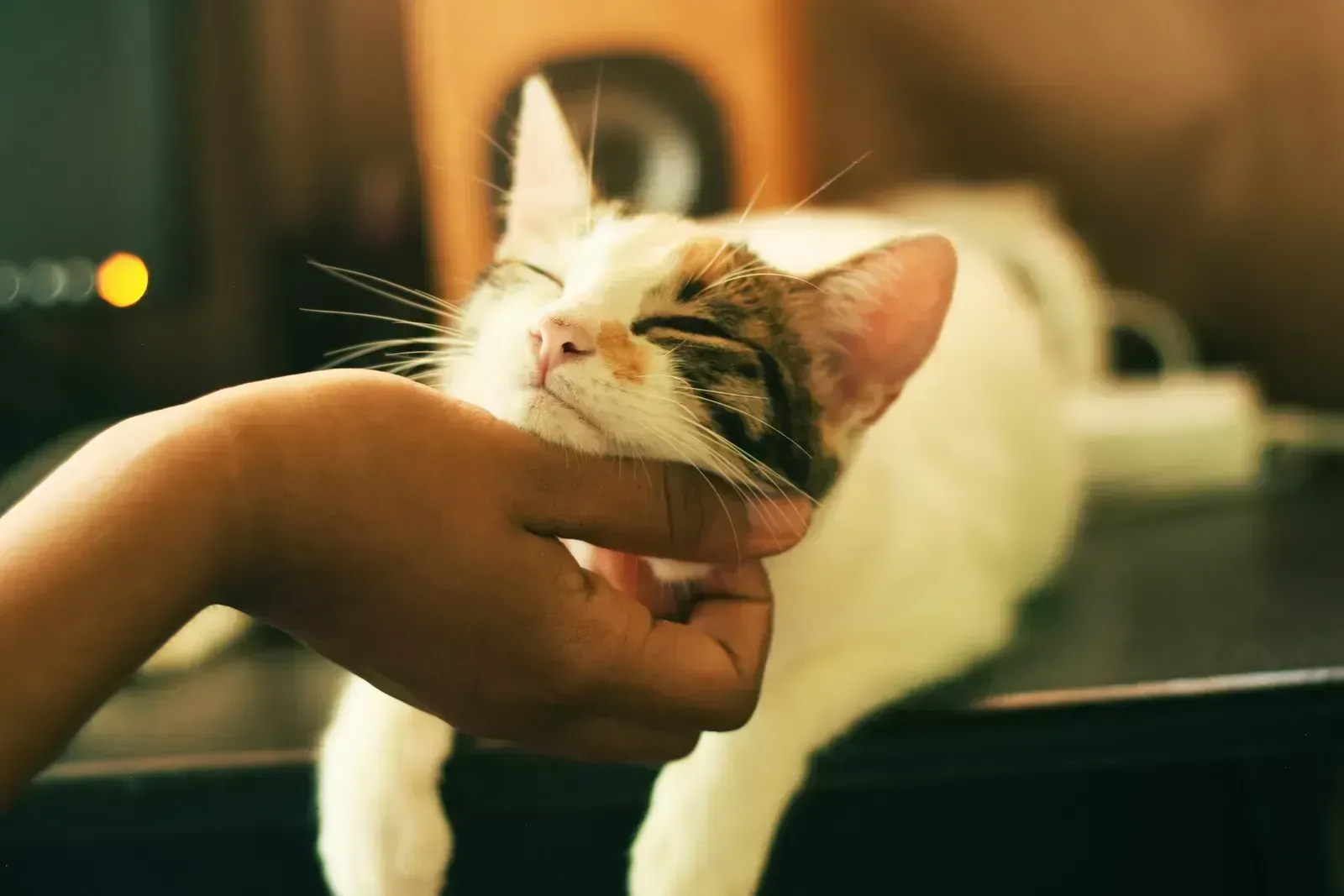
Early experiences influence how cats relate to each other later. PetMD notes that kittens go through an early socialization period, from about two to nine weeks of age, when they learn from their mother and siblings how to interact positively. Cats who missed that window may find other cats harder to read.
That’s one reason a cat’s history is worth asking about before you adopt. Shelters and rescues often know how a cat has behaved around others, and that information is more useful than a guess based on looks or age.
Choosing a Pairing: Personality Over Appearance

Matching energy levels tends to work better than matching coats. A playful young cat may wear out a quiet senior, while two high-energy cats can burn off steam together. Neither pairing is guaranteed, but compatibility of temperament is a sensible starting point.
Ask the shelter how the candidate has done with other cats, and whether a meeting can be arranged. Some adopters also consider bonded pairs, since those cats already have a working relationship. It’s a practical way to sidestep the hardest part of introductions.
Prepare a Sanctuary Room Before the Newcomer Arrives

Behavior consultants recommend setting up a room as a safe place for the newcomer, which gives the cat time to become familiar with new surroundings more securely. Best Friends advises preparing the space before the cat arrives, with a new litter box, bed, crate, bowls and toys.
The room serves both cats. Both cats need to feel secure. When they feel there’s no safe place, the same source says, they can slip into survival mode, with panic, fighting, and perhaps spraying.
Let Scent Come First, Then Sight
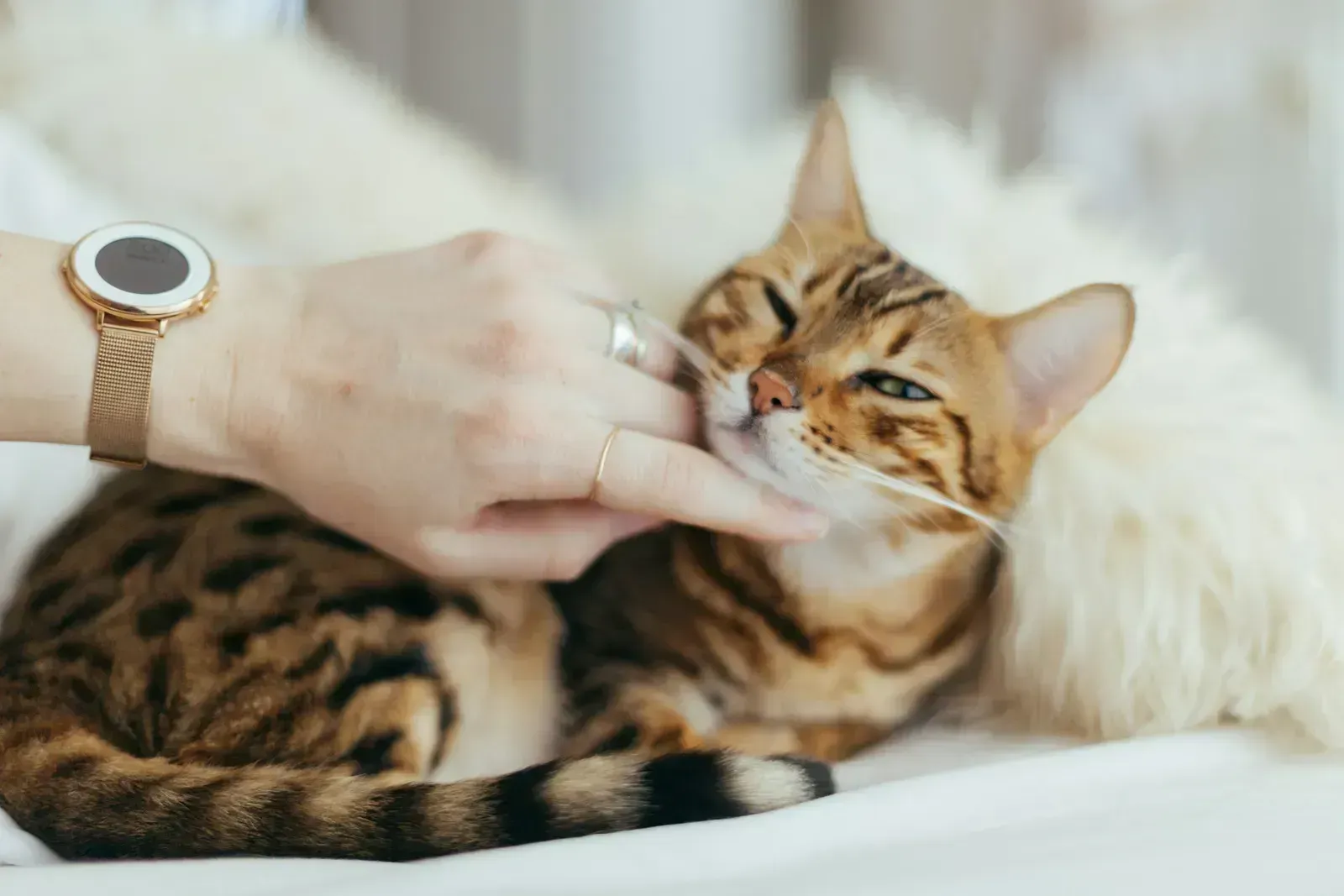
One behaviorist describes taking it one sense at a time: hearing, then smell, then sight, and finally touch, each under control. The idea is to avoid overwhelming either cat with a full face to face meeting on day one.
Scent swapping can be simple. A clean sock can pick up scent from the resident cat and be placed in the newcomer’s room. PetMD warns that even visual contact too early can cause stress and start the relationship off badly.
Use Barriers and Positive Associations for First Meetings

Once both cats are calm, controlled viewing comes next. Cats should be eating calmly on either side of the door and showing no distress before you allow visual contact. The Humane Society’s guidance suggests a tall, sturdy baby gate, at least 36 inches high, in the doorway.
Pair these sightings with something pleasant. Treats, a meal, or play on each side help the cats link seeing each other with something they enjoy. The pace, as the Humane Society puts it, should be set by the cats.
Read Body Language and Move at the Cats’ Pace

Watch for warning signs. PetMD lists flattened ears, a rigid posture, fur standing on end, bared teeth, and dilated pupils as negative body language. If you see them, step back to an earlier stage.
Good signs matter too. Behaviors worth rewarding include gentle mouthing, rubbing against each other, and grooming. Best Friends’ Sherry Woodard notes that some cats accept each other right away, while others take weeks or even months to become friends.
Final Thoughts

A second cat can work well when the timing is calm, the personalities fit, and the introduction is gradual. Prepare a separate room, introduce scent before sight, and use barriers and treats for first meetings. Then let the cats’ body language decide how fast you go.





Leave a Reply