
The house gets quieter, the laundry shrinks, and one or two bedrooms sit unused. For many parents, the question of what to do with a grown child’s room arrives sooner than they expected. Some people rush to claim the space, while others leave the posters up for years.
Hard national data on this is limited, and much of it comes from commercial surveys. Still, the patterns are consistent: guest rooms, offices, hobby spaces and storage keep coming up. Here’s how empty nesters are approaching the change, and what the available evidence says.
Many Parents Do Renovate, and Often Quickly
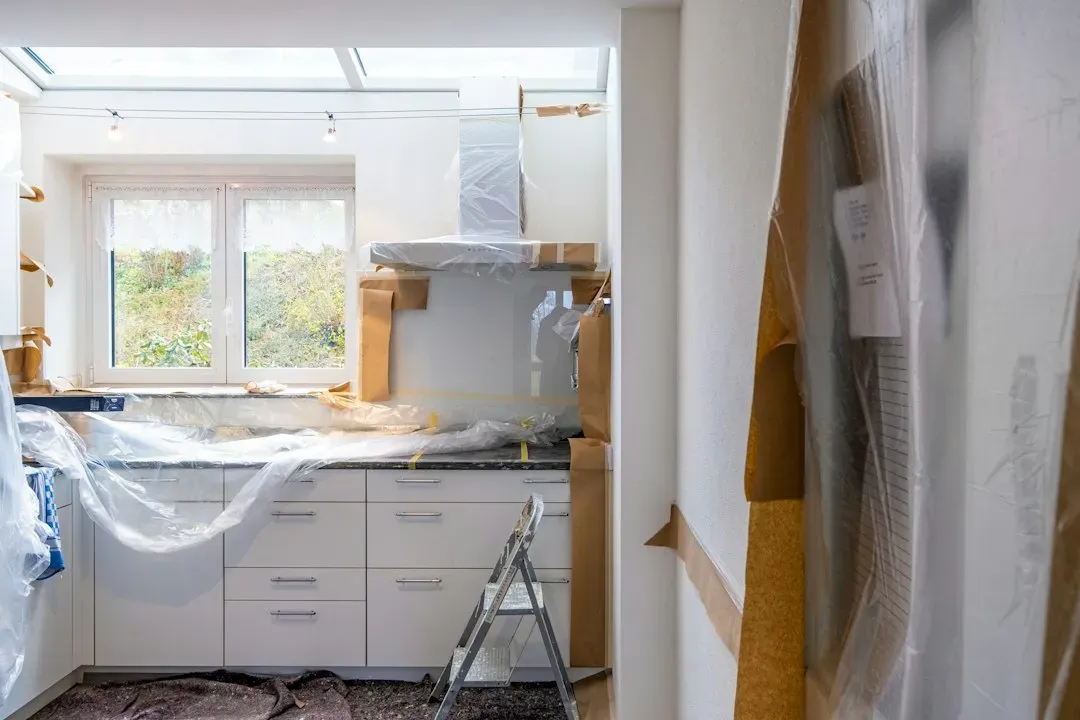
A Neighbor.com survey found that 71 percent of empty nesters renovate their house in some way after a child moves out. It spoke with 1,092 American adults, and more than half started within a year, while 24 percent began immediately. The survey is from 2022, so it’s older than the 2024 to 2026 window, but it’s still a useful snapshot.
It’s also a commercial survey from a storage company, so treat the numbers as indicative rather than definitive. Kids’ former bedrooms and bathrooms were the most commonly renovated spaces, making up 30 percent of these makeovers.
Not Everyone Is Ready to Change the Room
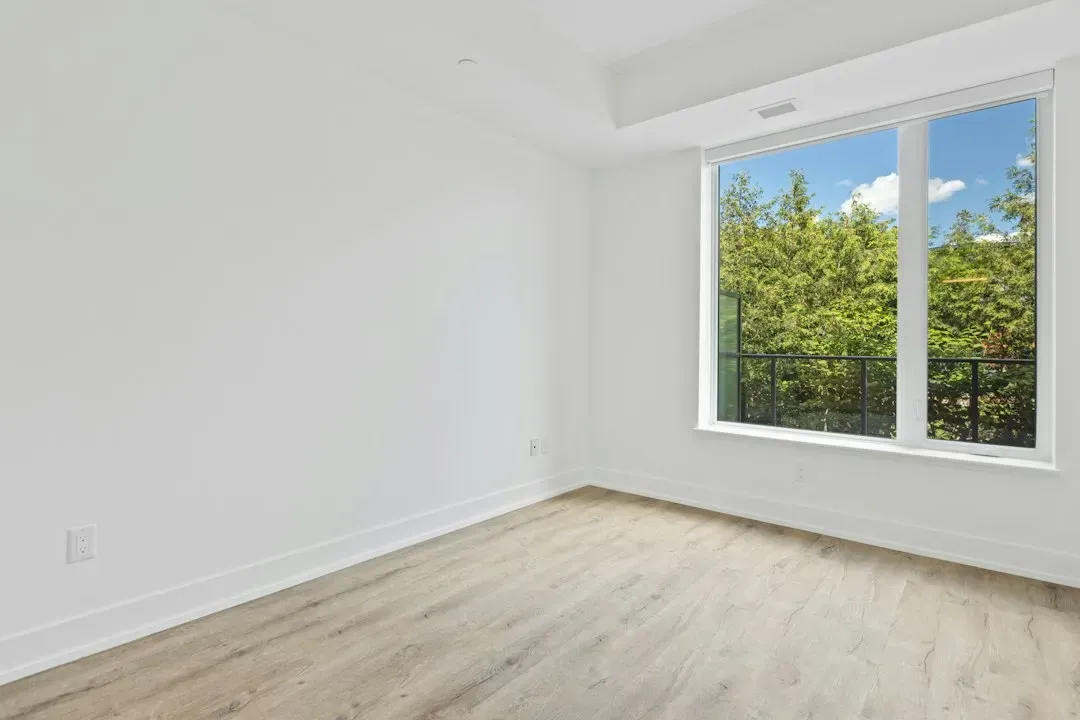
Plenty of parents hold off, and that’s normal. Plenty of parents leave a room untouched for a while before they’re ready to change it. A room full of memories isn’t just square footage.
A UK report commissioned by SunLife found 30 percent of over 55s whose children had left said they would never reclaim those bedrooms. That research is several years old and British, yet it shows the emotional pull is real. Parents who do redecorate often wait; almost half wait at least a year.
Guest Rooms Remain the Default Choice
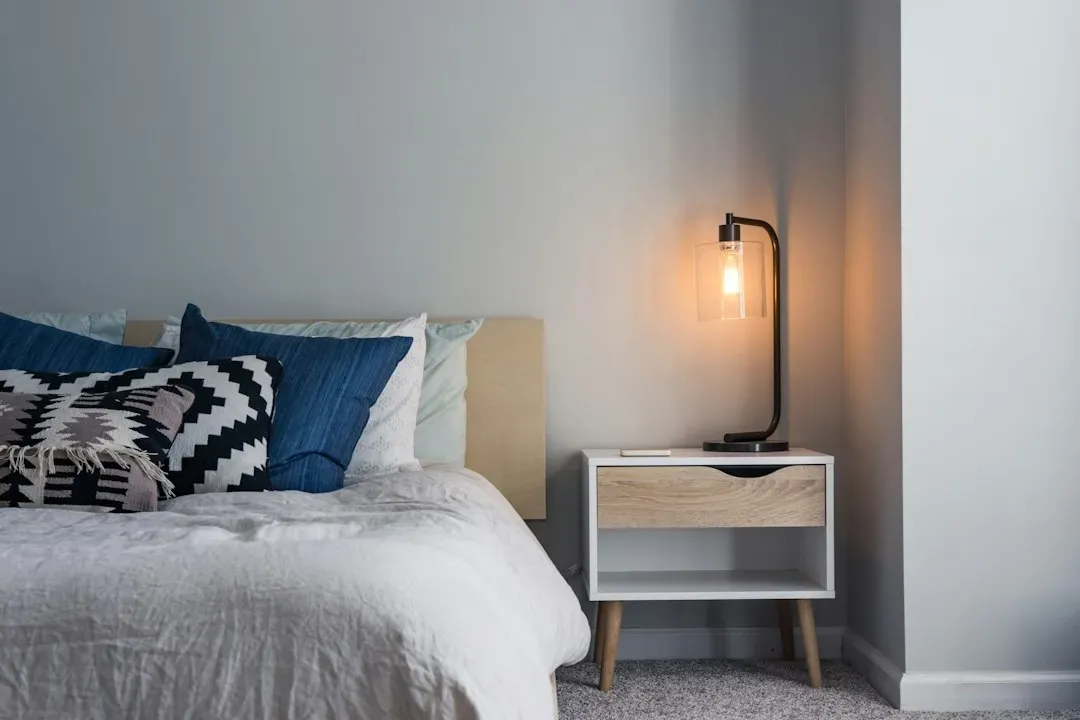
Before hobby rooms, there’s the guest room. In the Neighbor survey, the most common plan for a child’s former bedroom was a guest room, followed by an office or an entertainment room. It’s a gentle compromise, since the bed stays and visiting kids still have somewhere to sleep.
That’s also why the hobby room often has to share space. Designers suggest multipurpose furniture such as a daybed, sleeper sofa, or Murphy bed so a craft space can turn into a bedroom when family visits.
The Rise of the Craft and Hobby Room
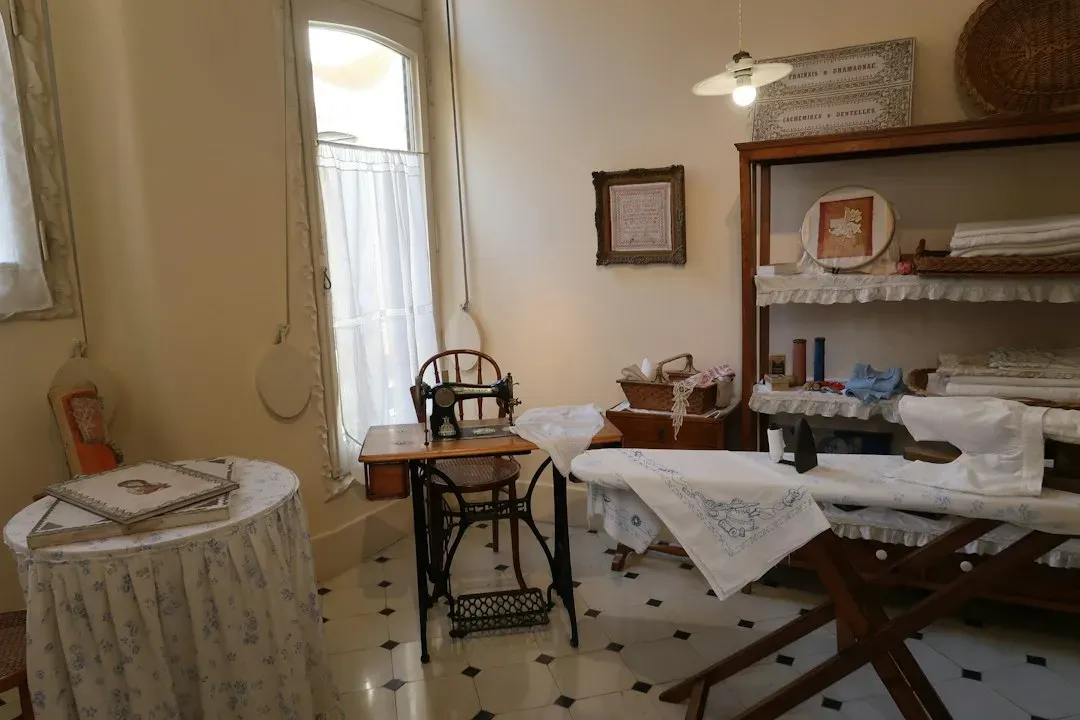
Many interior-design sources point to hobbies as a natural fit. One flooring company’s guide lists sewing, painting and scrapbooking as pursuits people never had a dedicated spot for while raising kids. That’s advice rather than hard data, but it matches what designers describe.
A well-built craft room needs some basics. One home guide says to prioritize storage and organization, excellent lighting, and a large flat working station. Others mention a reading nook or a place to store photography equipment.
Music, Fitness and Quiet Corners

Hobbies don’t have to mean crafts. One interior blog lists art, music and crafts as hobby options, along with multipurpose rooms for working out, reading and meditation. A spare room can handle noise or sweat better than a corner of the living room.
Fitness needs are modest. One guide notes that for a yoga space you really don’t need anything other than a mat, though airflow and lighting help. A child’s room often has a closet and a door, which makes it surprisingly practical.
Storage Rooms: Practical, Though Often a Stopgap
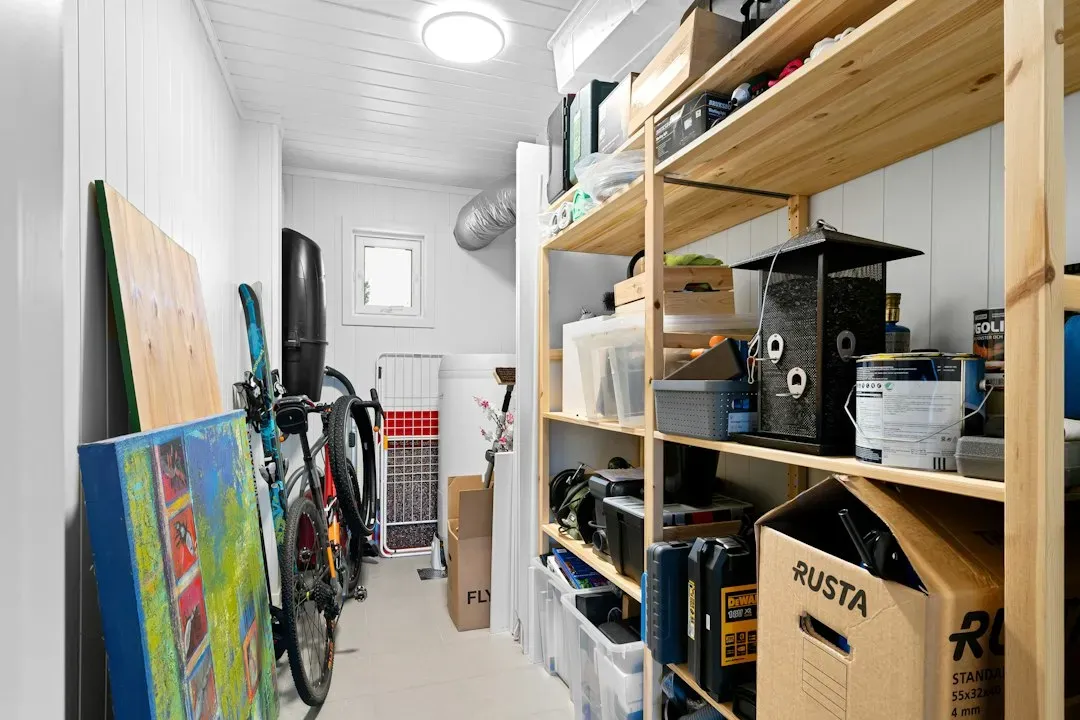
Storage appears on lists of options, too. One interior designer’s list includes a storage room alongside offices and hobby rooms. Seasonal decorations, tools and kids’ leftover belongings tend to collect there naturally.
A fully closed-off storage room can feel like giving up on the space, though. A better approach is to mix functions: closed storage can tuck away office supplies, workout equipment or hobby materials so the room still feels calm for guests.
Keeping a Little of Your Child in the Room
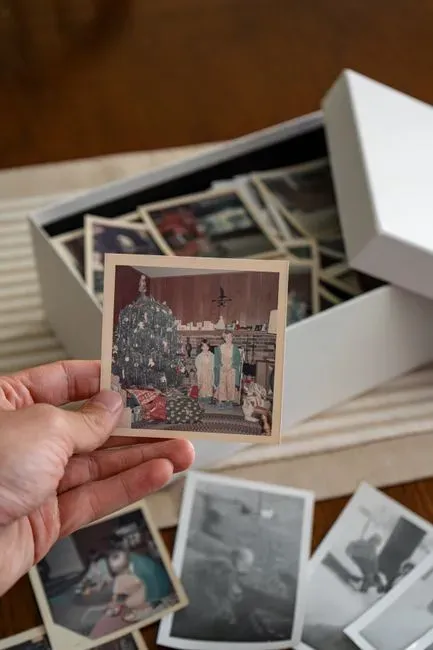
Few parents want to erase their children entirely. One designer quoted in Sunset says to set aside a few meaningful photographs, books or personal objects while editing the rest. That keeps the room welcoming without turning it into a shrine.
Another approach is a light update. Suggestions include replacing bedding, changing flooring, swapping artwork and removing youthful items like toys and trophies. Adult children still feel at home, and you gain a more usable space.
Practical Steps for Making the Switch

Start small. A designer in Sunset recommends fresh paint, updated bedding, new lighting and more sophisticated window treatments before adding something you’ll actually use. Painting alone can shift the mood of a room.
Also ask your kids before discarding anything. One interior designer advises that it’s their choice to throw or keep, so pack belongings in the closet or along one wall instead. That way the room works for you and the memories stay safe.
Conclusion
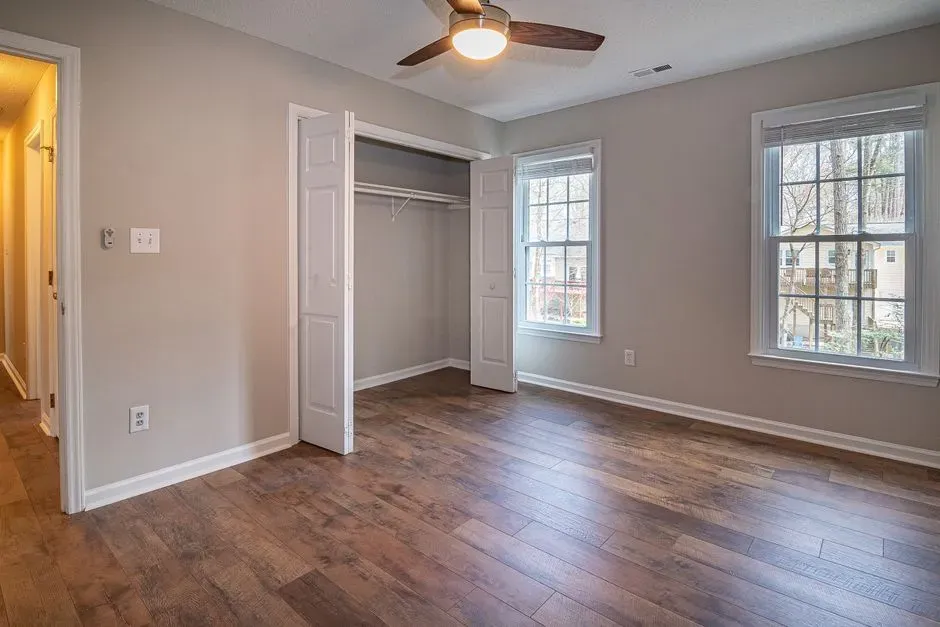
Empty nesters don’t follow one script. Some convert a bedroom quickly, others take years, and many land on a hybrid of guest bed, hobby table and tidy storage. The evidence is mostly survey-based and somewhat dated, yet the direction is clear.
A child’s old bedroom can be a place to start something new without closing the door on the past.




Leave a Reply