
Florida. Just the word used to conjure something almost magical for retirees: sun-drenched afternoons, white sand beaches, no state income tax, and an endless parade of golf carts. For decades, it was the undisputed retirement capital of America. So what happened?
Somewhere between the 2020 pandemic housing boom and back-to-back hurricane seasons, the dream quietly started unraveling. The same state that used to be a no-brainer for retirees is now losing its grip – and people are noticing. I decided to ask ChatGPT to break it all down. The 9 reasons it gave me are eye-opening, backed by real data, and honestly a little hard to ignore. Let’s dive in.
1. Housing Prices Have Become Absolutely Brutal

The sticker shock is real. Over the ten years ended in 2024, housing costs increased by 132 percent in Florida, the second-largest spike among all states, according to Construction Coverage. That’s not a typo. Think about what that means for someone who retired on a fixed income and now wants to buy into the market.
In July 2024, the median sale price reached $409,700, making homeownership increasingly unattainable for many retirees on fixed incomes. Compare that to what Florida used to represent: a place where a decent coastal home was genuinely affordable. That era is gone.
Property taxes are relatively low at 0.79%, but rising living costs mean retirees now need about $685,000 in savings to live comfortably in Florida. For the average retiree, that number is daunting. While Florida used to be on the list of most affordable states to retire, its cost of living has increased quickly over the last five years.
2. The Homeowners Insurance Crisis Is Strangling Retirees
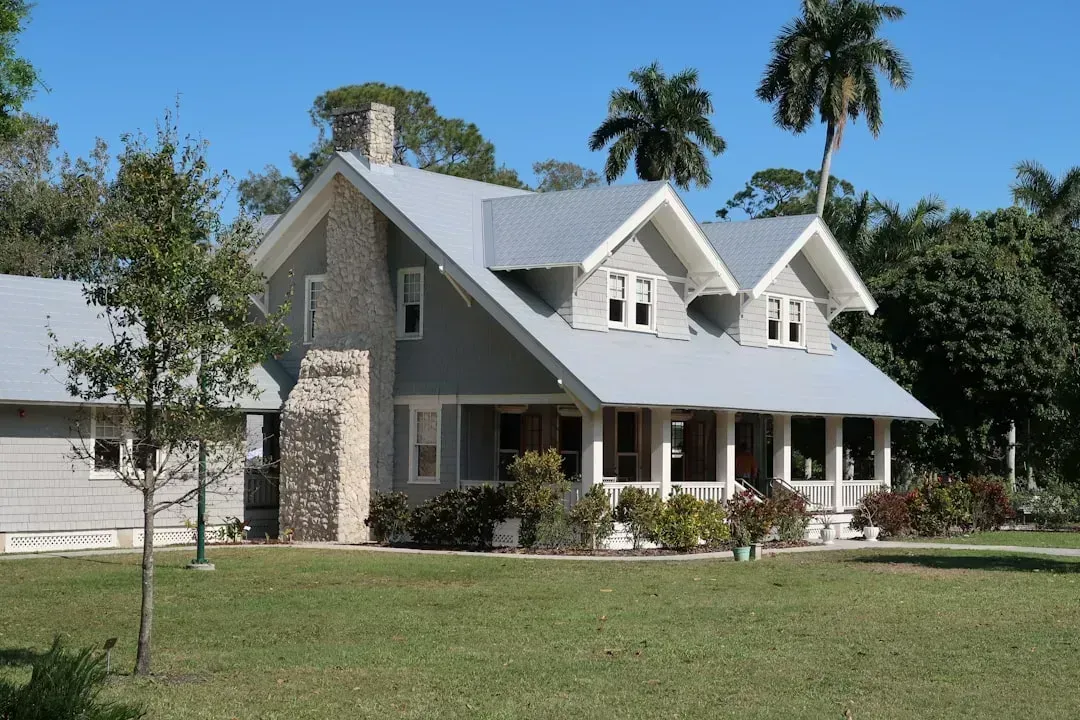
Here’s the thing nobody puts in the retirement brochure: insuring your Florida home might cost more than your mortgage payment up north. Insurify projected Florida’s average annual home insurance premiums rose another 9% in 2025, reached a staggering average of $15,460 annually – that’s $1,320 more than the year before. Let that number sink in for a second.
Increasingly frequent extreme weather events and rising reconstruction costs have made Florida the most expensive state for homeowners insurance, according to an April 2025 report from the nonprofit Consumer Federation of America. Premiums rose more between 2021 and 2024, in absolute dollars, than in any other state, with average annual premiums of $9,462.
Multiple major carriers have either gone insolvent or completely withdrawn from Florida. Since 2022, over 20 insurance companies have stopped writing new policies in the state, leaving fewer options for consumers. Roughly seven out of ten Florida homeowners have experienced rising insurance costs or coverage changes, such as their insurer dropping them, a 2024 Redfin survey found.
3. Hurricanes Are No Longer Just a “Seasonal Inconvenience”
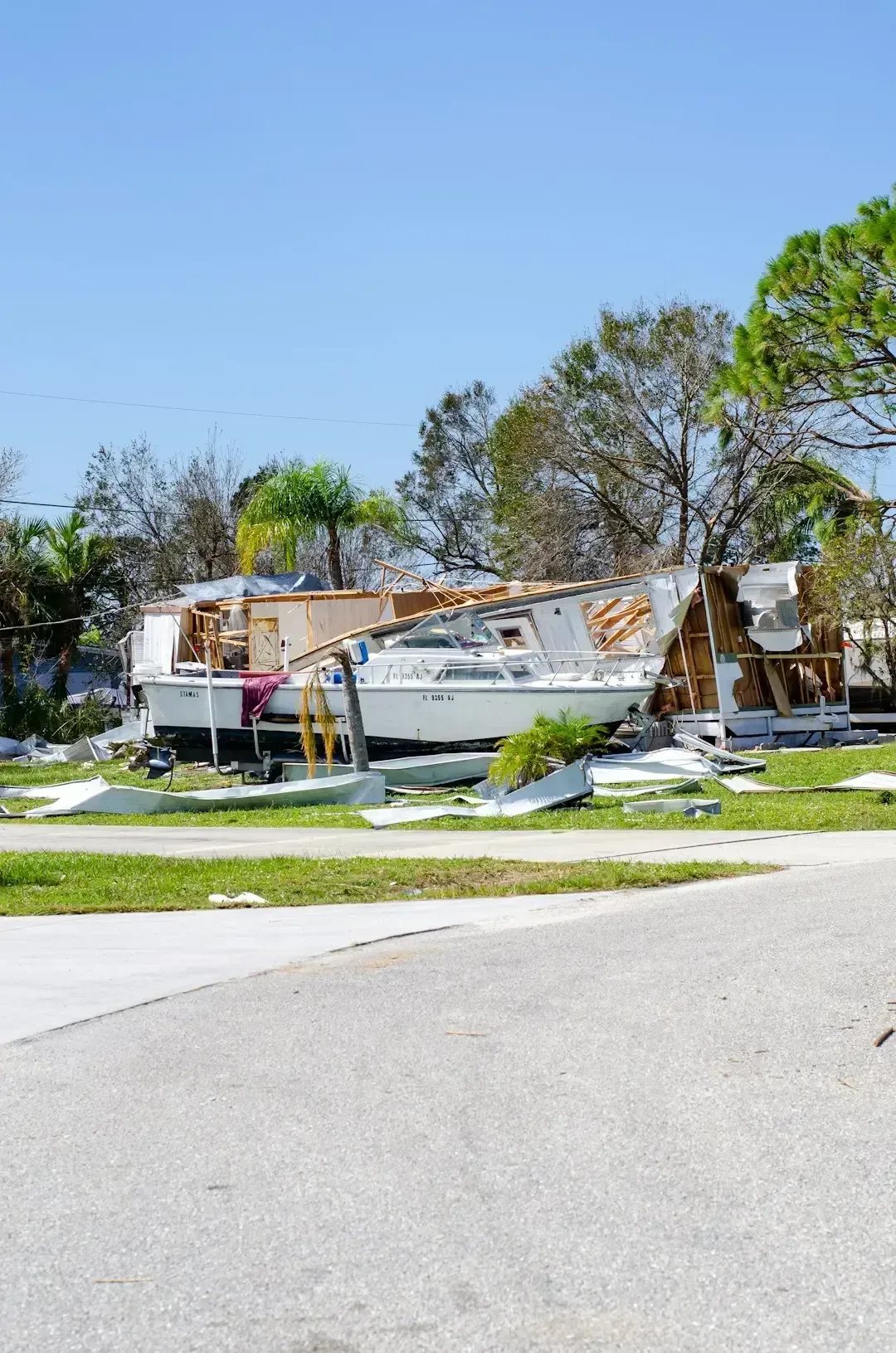
Everyone knows Florida has hurricanes. That’s old news. What’s new is just how devastating they’ve become – and how often. Hurricane season runs half the year, from June 1 to November 30, with an average of three major hurricanes per year, according to the National Oceanic and Atmospheric Administration. Six months of living with anxiety is genuinely exhausting, especially for older adults.
In September 2024, Hurricane Helene hammered Florida and the Southeast, killing more than 230 people, making it the deadliest hurricane to strike the U.S. since Hurricane Maria ravaged Puerto Rico in 2017. Some estimates put the economic impact of Hurricane Helene, including property and infrastructure damage, as high as $200 billion, which makes this storm the costliest in U.S. history.
Retirees who move to Florida are often shocked to discover that deductibles for hurricane insurance often range from 2% to 5% – and sometimes as much as 10% – of the policy coverage, rather than the fixed dollar amount they were accustomed to up north. That’s a whole different level of financial exposure. Some retirees are asking themselves a simple but important question: is this how I want to spend my golden years?
4. The Skyrocketing Condo Fees Nobody Warned You About

Many retirees figured they’d sidestep sky-high house prices by buying a condo. Honest mistake. A new Florida law that took effect at the end of 2024 has turned condo ownership into a potential financial nightmare for people on fixed budgets. Before this law, condo boards – often run by retirees on fixed incomes – could vote to waive saving money for major repairs to keep monthly fees low. That option ended on December 31, 2024. Now, thousands of buildings are legally required to fully fund decades of deferred maintenance immediately.
The result is that condo HOA fees are suddenly surging. Owners are waking up to special assessment bills for $50,000, $80,000, or even $100,000 per unit, due in weeks, not years. These assessments are for mandatory things like structural waterproofing and roof replacements. If you can’t pay, you face foreclosure.
This has caused inventory to skyrocket by over 50% in some areas, creating a glut of condos that are rapidly losing value. In addition to mortgage payments, many retirees faced HOA fees that in 2025 average between $400 to $600 per month in luxury or resort-style communities, making them an important factor when calculating total housing cost.
5. The “No Income Tax” Perk Doesn’t Tell the Whole Story
Look, the no-state-income-tax thing is genuinely nice. Nobody’s arguing that. Honestly, it’s one of Florida’s strongest selling points, and it’s still real. Florida does not have any personal income tax, and this applies equally to Social Security benefits, pensions, IRA/401(k) withdrawals, investment income, and even military or public pensions. Great, right? Well, sort of.
Don’t confuse “no state income tax” with “no taxes at all.” State and local taxes in Florida can take a bite out of your retirement savings. The combined state and local sales tax averages 7.00%, according to the Tax Foundation. That’s higher than the combined rates retirees from states like Michigan, Pennsylvania, Massachusetts, and New Jersey are accustomed to paying.
Florida drivers pay 44% more than the national average in car insurance due to high accident rates and rampant litigation fraud. Between house and car, a retired couple can easily spend $1,500 a month just on premiums. That’s a mortgage payment for a house you supposedly already own. When you do the full math, that income tax break starts to feel much smaller than it looked on paper.
6. Florida’s Healthcare System Is Underperforming for Seniors

This one surprises a lot of people. Florida is full of hospitals, clinics, and retirement communities, so it must have amazing healthcare, right? Not necessarily. According to a SeniorLiving.org report, Florida earns a D+ grade for senior healthcare, falling short in healthcare affordability, access, and outcomes. That’s a genuinely alarming grade for a state marketing itself as a retiree paradise.
Florida ranks 38th overall in healthcare. In the state, 31% of residents avoided a doctor-recommended procedure, lab test, or evaluation in the past year because they couldn’t afford it, and 41% experienced delays from accessing healthcare due to long wait times for appointments. Those aren’t minor inconveniences for older adults managing chronic conditions.
Long-term care in Florida, which Medicare tends not to cover, can reach anywhere from $63,000 to over $130,000 per year depending on how much attention is required, according to 2024 data from Genworth. For a retiree on a fixed income, those numbers aren’t just alarming – they’re potentially ruinous. The quality and accessibility of care can vary significantly by region. While South Florida boasts a concentration of highly rated hospitals and specialists, more rural Florida cities may have limited facilities or longer wait times.
7. Overcrowding and Traffic Have Shattered the Peace and Quiet
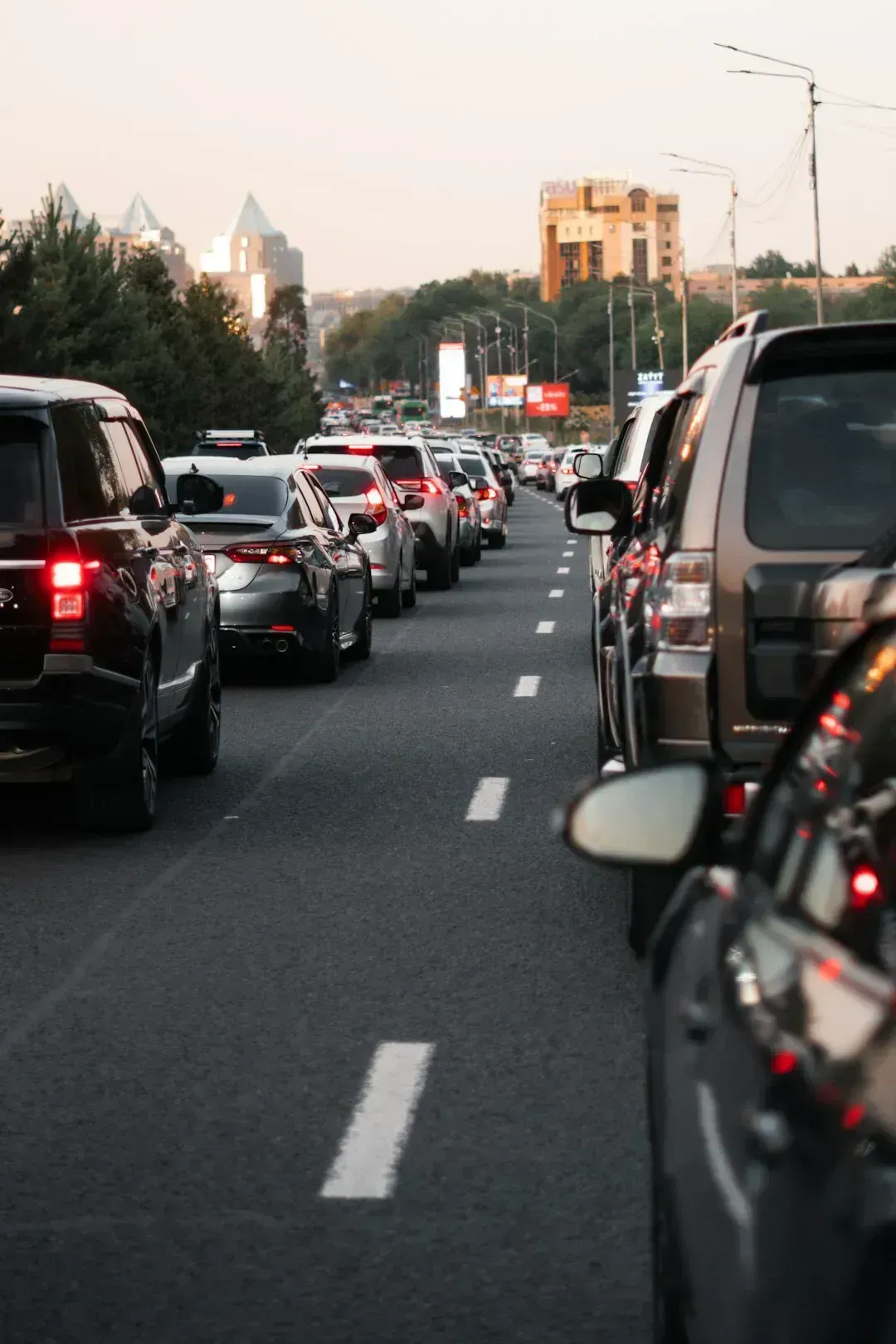
Retire to Florida, they said. Relax on the beach, they said. Nobody mentioned the bumper-to-bumper gridlock that now defines daily life in much of the state. A typical 3-mile drive in Fort Myers now faces severe traffic congestion, turning what should be a quick trip into a frustrating ordeal. The Fort Myers-Cape Coral metro area ranks as the 13th worst in the country for traffic congestion, with residents losing approximately 48 hours each year stuck in traffic.
The significant population growth has resulted in severe congestion and traffic issues in major cities. Commuting times have increased, and the infrastructure is struggling to keep up with the growing demand. Major highways and urban centers are often gridlocked, making daily commutes a frustrating and time-consuming experience.
Traffic congestion is becoming a daily headache in many popular areas. Public services and infrastructure are feeling the strain. Emergency rooms and primary care providers can be booked out for weeks. The once-sleepy retirement towns are now buzzing with tourists, new developments, and big-city problems. In many areas, that peaceful retirement lifestyle is being replaced by construction noise, longer wait times, and less personal space.
8. The Heat Is Becoming a Genuine Health Hazard

Florida has always been hot. That’s kind of the point. People moved there to escape snowstorms and icy sidewalks. But there’s a line between warm and dangerously sweltering – and Florida has crossed it. The reality is that 2024 and 2025 were the hottest years on record. For seniors, this heat is not just uncomfortable; it is physically dangerous.
Florida’s warm climate results in heavy reliance on air conditioning, pushing electricity bills higher than the national average. Retirees should budget for estimated monthly utility costs, including electricity, gas, water, garbage, and internet, which on average hover around $639.25 in 2025. That’s before any of the emergency cooling costs during extreme heat events.
The state’s hot and humid climate, coupled with the threat of hurricanes, poses health risks and discomfort for older adults. It’s a cruel irony – you move somewhere warm for your health and comfort, then discover that the same warmth is now a medical risk factor. I think that’s the detail most retirement guides conveniently skip over.
9. Retirees Are Going Broke – or Heading Back to Work

Perhaps the most alarming trend of all: Florida is not just discouraging new retirees. It’s financially breaking existing ones. A Moneywise survey uncovered that a staggering one-quarter of the state’s seniors live below 150 percent of the poverty line, ranking Florida 7th in elderly poverty nationwide. That’s not how the dream is supposed to go.
For many seniors in Florida, the 401(k) plan is exhausted, savings have shriveled, and that monthly Social Security payout doesn’t come close to covering basic monthly expenses. Many senior citizens are “unretiring” and heading back to work as the rising cost of living outstrips their ability to meet household expenses.
Data from the U.S. Census Bureau backs up the findings, showing a steady decline in the number of 65-plus Americans moving to Florida since 2020. “There’s a clear trend that this retiree age group, which has been such a prominent driver of population growth, is declining, at least as of now,” says Rich Doty, a research demographer at the University of Florida’s Bureau of Economic and Business Research. Many of these people are “half-backs” – retirees from the Northeast who moved to Florida, realized the math didn’t work, and moved halfway back, settling in states like Tennessee, North Carolina, and Georgia, which offer lower insurance risks and a cost of living that more aligns with a fixed income.
Florida hasn’t lost all its magic. The weather is still beautiful, the beaches are still stunning, and the tax structure still has real appeal for wealthier retirees. But the state that once welcomed everyone with open arms now seems to work best if you arrive with significant means. South Florida is still a paradise, often reminiscent of living in a postcard. Increasingly, though, it’s a postcard reserved for the wealthy. For the average American retiree on a fixed income, the numbers simply don’t add up the way they used to. Would you still retire in Florida knowing all this? That’s a question worth sitting with.





Leave a Reply