
We all think we know how to find a cheap flight. You’ve probably heard the advice a hundred times. Book on Tuesday. Clear your cookies. Wait for a last-minute deal. I thought I had it figured out too, until a string of expensive mistakes taught me something far more humbling: the rules have changed, the stakes are real, and the wrong timing can quietly drain your travel budget in ways you’d never expect.
What follows is every painful lesson, backed by hard data from real research, that I wish someone had told me before I hit “confirm booking” at completely the wrong moment. Let’s get into it.
The Myth That Almost Cost Me $200: There Is No Magic Booking Day
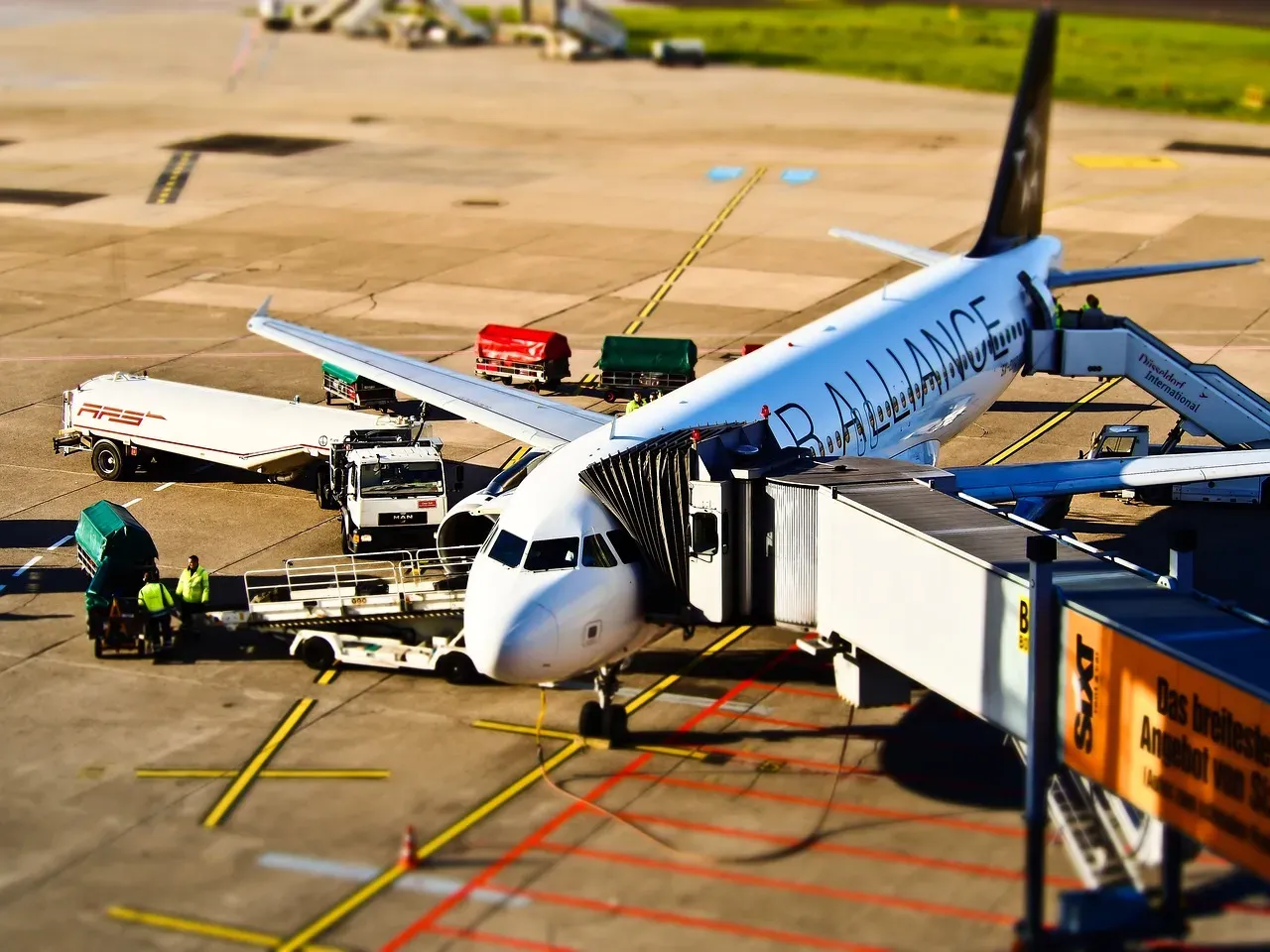
Here’s the thing everyone still gets wrong. The idea of a golden booking day, particularly the long-standing belief that Tuesday is the cheapest day to book, is essentially folklore at this point. Research shows that a magic booking day is simply a myth, and there is no single best day to book. There are, however, some sweet booking windows when airlines lower prices.
I spent weeks waiting for a specific Tuesday to book a domestic flight, convinced I’d unlock some secret discount. The fare climbed the entire time I was “strategically” waiting. There is no magic cheapest day to book, no cheapest time of night, and airline prices change constantly based on demand algorithms, not your calendar.
Data clearly shows that the average low fare varies by less than a dollar, no matter what day of the week you buy an airline ticket. Honestly, knowing that would have saved me a lot of anxiety and, ultimately, a meaningful chunk of cash.
Booking Too Early: Why I Overpaid by Booking Eight Months Out

Most people assume that booking as early as humanly possible is always the smart move. I used to think the same thing. I booked a transatlantic trip nearly eight months in advance, feeling smug about my “planning ahead” strategy. The fare I paid was significantly higher than what appeared just a few months later.
Booking too early, meaning more than six months in advance, or too late, meaning less than two weeks before travel, tends to result in higher prices during both of those periods. Prices are also usually pretty high when airlines first load their schedules.
Booking very early in what researchers call the “First Dibs” zone means you’ll spend roughly a third more on average than if you wait to buy in the prime booking window. The sweet spot, as almost every major study now confirms, is somewhere in the middle. After nearly a decade of tracking airfare, the data points to a clear pattern: booking too early and booking too late both tend to cost more. The sweet spot falls between one and three months before departure for domestic flights, and two to eight months for international travel.
The Last-Minute Gamble That Went Terribly Wrong
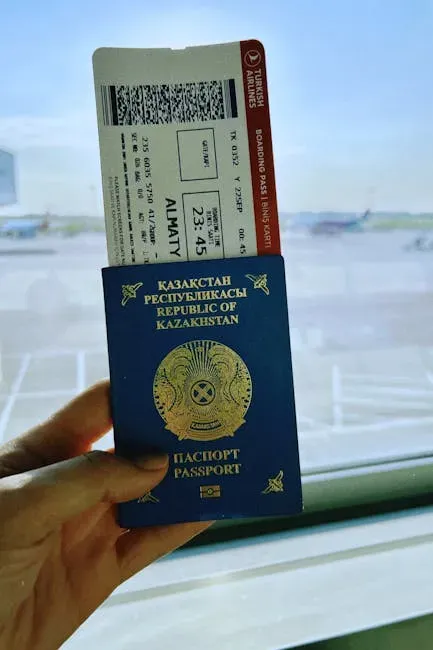
Let’s be real. We’ve all romanticized the idea of scoring a last-minute deal. There’s something thrilling about it, like stumbling onto a hidden treasure. I tried it for a holiday trip, waiting until about ten days before departure, hoping prices would drop.
They did not drop. They exploded. Flights generally do not get cheaper at the last minute. Prices typically increase significantly in the three weeks leading up to departure, as remaining seats are often purchased by business or emergency travelers willing to pay more.
If you find yourself purchasing in the last-minute zone, you’ll likely pay about nearly sixty percent more than you would in the prime booking window. That is not a small premium. That is the difference between a budget vacation and a seriously painful credit card statement. Business travelers often need to book at the last minute and are insensitive to prices, since their company is paying and the trip is not optional. You and I are not business travelers. We are paying out of our own pockets, and competing with that crowd last-minute is a losing game.
Flying on the Wrong Days: The Weekend Trap

I have flown on a Friday evening more times than I’d like to admit. It felt convenient. Leave after work, arrive refreshed, start the weekend at the destination. Sounds reasonable. The only problem? It cost me every time.
According to a 2025 Google report, the cheapest days to travel are Monday through Wednesday, roughly about thirteen percent cheaper than flying over the weekend. That might not sound enormous, but on a round trip, it stacks up fast. For the second year in a row, the cheapest day of the week to fly is Wednesday, which can save you an average of over a hundred dollars compared to flying on Sunday, the most expensive day to fly.
Fridays and Sundays are statistically more expensive to fly on for shorter distances, as people commonly travel domestically for weekend trips. I was literally funding the airline’s peak demand by being exactly the kind of traveler they were charging premium prices to. Economy-class data shows that Wednesday departures repeatedly had the lowest average ticket prices. Fares tend to rise toward Friday, peak on Saturday, and then ease again from Sunday through midweek.
Peak Season Pricing: What Summer and the Holidays Actually Cost
Nothing prepared me for the sticker shock of booking a summer family vacation at the “wrong” time within the season itself. I thought August was peak summer. Turns out, the data tells a surprising story.
August, despite being peak summer travel time, has actually been revealed as the cheapest month to travel, while February and March are the priciest. That surprised me enormously. Domestic flights during June and July average around $499 while international tickets climb to about $1,724. By August, prices ease slightly, with domestic fares dropping and international fares offering savings of roughly fifteen and nearly thirty percent, respectively.
Holiday seasons are where the real damage happens. The averages for Thanksgiving and holiday-season domestic flights have been running significantly higher year over year, with Thanksgiving fares averaging $751 for domestic flights and Christmas holiday flights averaging $685 round-trip. Thanksgiving week is the big exception to fall’s otherwise lower prices. During this time, fares skyrocket with domestic round-trip tickets averaging around $751, and prices climb as the holiday nears. I booked a Christmas trip just five weeks out. It was, I’ll say, an expensive lesson in holiday travel logistics.
The International Booking Window I Completely Ignored

International flights operate by a different set of rules, and I learned that the hard way. I applied the same instinct I used for domestic trips, booking a European trip about six weeks before departure, expecting I’d done fine. The seat I got was cramped, the fare was high, and better options had clearly been available weeks earlier.
For international flights, prices are typically lowest 49 days or more before departure, but that number changes slightly based on destination. For Europe specifically, the recommendation shifts to 48 days, and 50 days for Mexico and the Caribbean. Real booking data shows that the largest share of international economy bookings happened two to four months before departure, and the key takeaway is to aim to book between 60 and 120 days before departure.
According to Expedia’s 2025 Air Hacks Report, which analyzed billions of data points from every airline together with the Airlines Reporting Corporation, booking one to three months ahead of a domestic flight can save up to a quarter of the cost compared to last-minute bookings. For international routes, the window is even wider and the stakes are even higher. For long-haul flights from the U.S. to Asia, the general booking sweet spot is five to seven months before departure, though this timeline shifts around major holidays and festivals when prices rise quickly and seats fill up fast.
How Dynamic Pricing Is Designed to Work Against You
Here’s something I think most casual travelers truly underestimate. The price you see when you search for a flight is not a fixed number someone calculated fairly. It is the output of an algorithm engineered to extract maximum revenue. Understanding that changes everything.
Airlines employ dynamic pricing models where rates are raised to meet demand, and these costs can fluctuate wildly among budget providers as well as long-haul airlines. A common example of sudden price jumps occurs when the cheapest fare bucket sells out. Imagine a flight where the lowest ticket tier is priced at $390 and the next at $470. When the last seat in the lower tier sells, the next price immediately becomes visible. From the traveler’s perspective, it looks like a sudden $80 increase.
Airlines deploy sophisticated yield management algorithms that constantly optimize prices based on complex factors including flight popularity, seasonality, school holidays, special events, competitor pricing, and the dynamic balance between supply and demand. Budget airlines use particularly aggressive algorithmic pricing that adjusts fares multiple times daily. The practical takeaway? Studies show that airlines commonly raise prices 21, 14, and 7 days before departure. Those are not coincidences. Those are deliberate pricing escalation points built into the system. Knowing when those cliffs arrive is the only real weapon a traveler has.
Conclusion

Looking back, every expensive flight I booked had one thing in common: I was operating on assumptions, folklore, and wishful thinking rather than data. The evidence is clear, consistent, and actually pretty actionable once you know it. The sweet spot windows exist. The worst days to fly exist. The holiday traps are predictable. The dynamic pricing cliffs are real.
Aim for the sweet spot when booking: one to three months ahead for domestic trips and two to six months ahead for international trips. Setting a Google Flights price alert to be notified when prices change is one of the easiest ways to know exactly when to book your flight, especially if you are locked in on your travel dates and destination. The tools to do this well are mostly free. The cost of ignoring them, as I found out repeatedly, is very much not.
What would you have done differently if you’d known all this before your last big trip? Tell us in the comments.





Leave a Reply