
A year without a car sounded almost noble when I first decided to try it. No gas prices to complain about, no insurance renewal notices, no circling the block for parking. What actually happened was messier, slower, and more interesting than the tidy minimalist fantasy I had in my head.
Twelve months later, my bank account looks different, my daily rhythm looks different, and so does my patience for certain errands. Here is what actually changed, item by item, without the rose-tinted filter.
1. Grocery shopping becomes a logistics puzzle

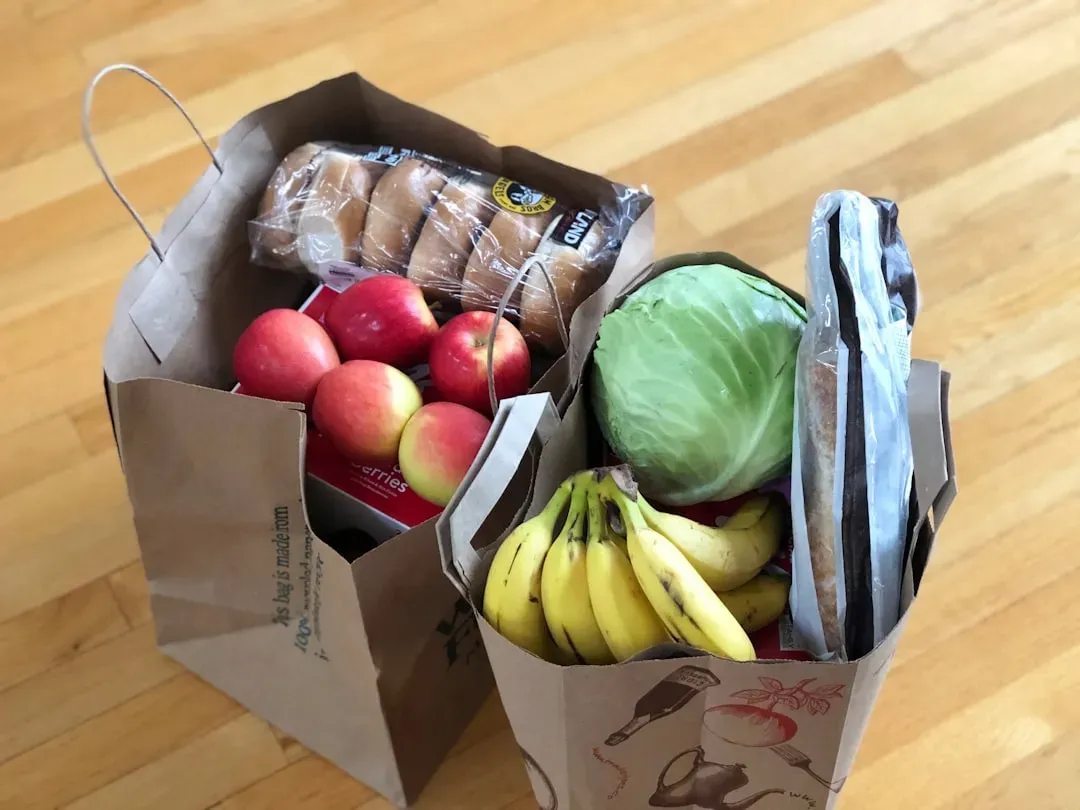
Without a trunk to toss bags into, every grocery run turns into a math problem involving weight, distance, and how many stairs are waiting at home. I started shopping more often but buying less each time, which is closer to how people in many walking-oriented countries actually eat. It is not necessarily worse, just noticeably more deliberate than the once-a-week mega haul I used to do.
Heavy items like laundry detergent, cat litter, or a case of water became small strategic decisions rather than afterthoughts. I leaned on a rolling cart more than I ever expected to, and I got surprisingly good at judging exactly how much fits in two tote bags. The upside was less food waste, since I was no longer stockpiling produce that quietly rotted in the back of the fridge.
2. Public transit costs less than a car, but not as little as people assume
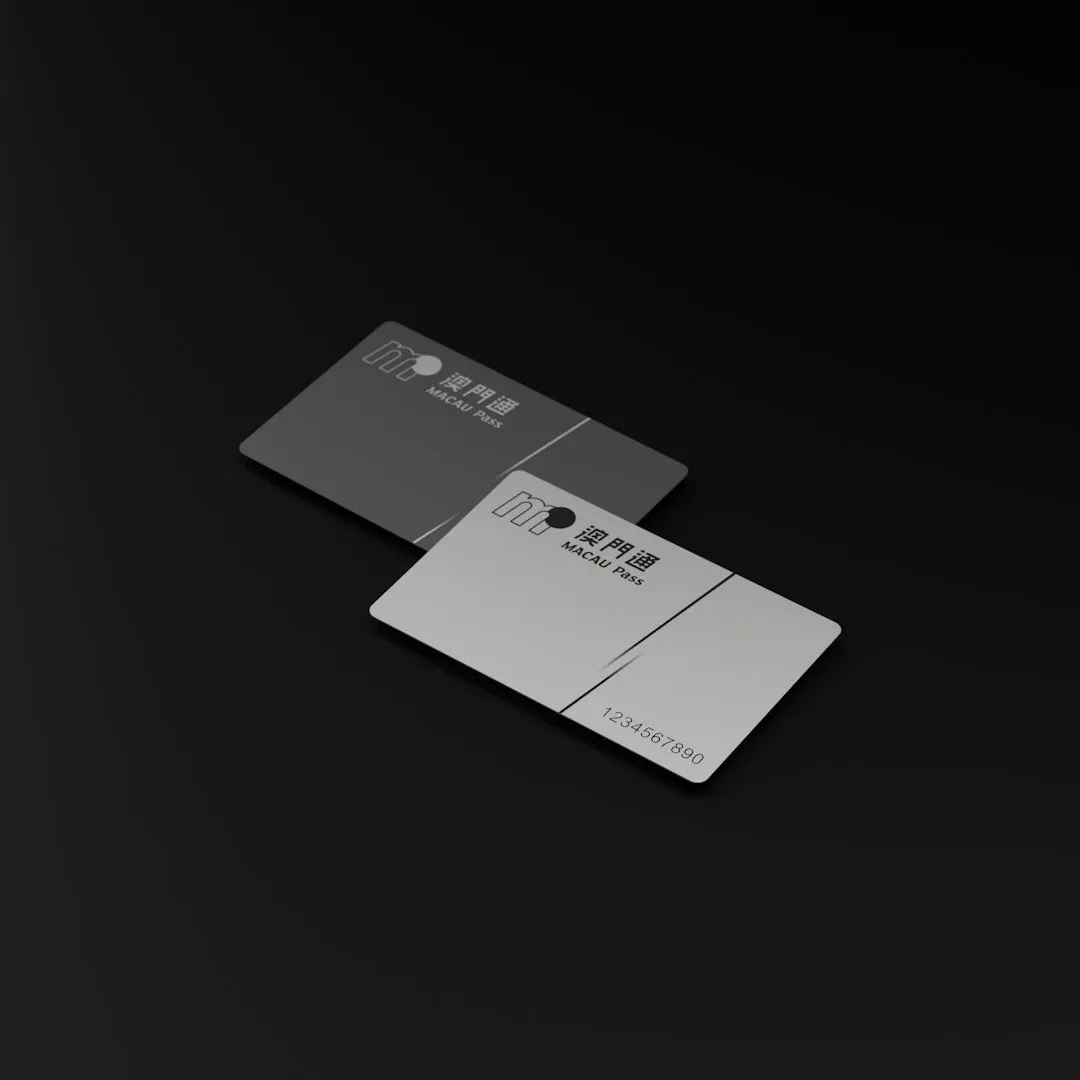
Monthly transit passes in most mid-sized American cities run somewhere in the range of seventy to over a hundred dollars, depending on the system and whether discounts apply. That is still far below the average cost of owning and maintaining a car, which AAA has estimated at close to a thousand dollars a month when you factor in insurance, depreciation, fuel, and repairs. So the savings are real, but they are not as dramatic as “free” or “nearly free,” which is the story I had somehow convinced myself of beforehand.
Fare increases, service cuts, and occasional system disruptions add friction that a car owner simply does not deal with in the same way. I budgeted for transit as a fixed monthly cost, similar to a subscription, and that mental shift made it easier to plan around. It also meant that on months when I used rideshares more than usual to fill gaps, the total cost crept closer to what a modest car payment might have been.
3. Rideshare and taxi costs sneak up on you fast
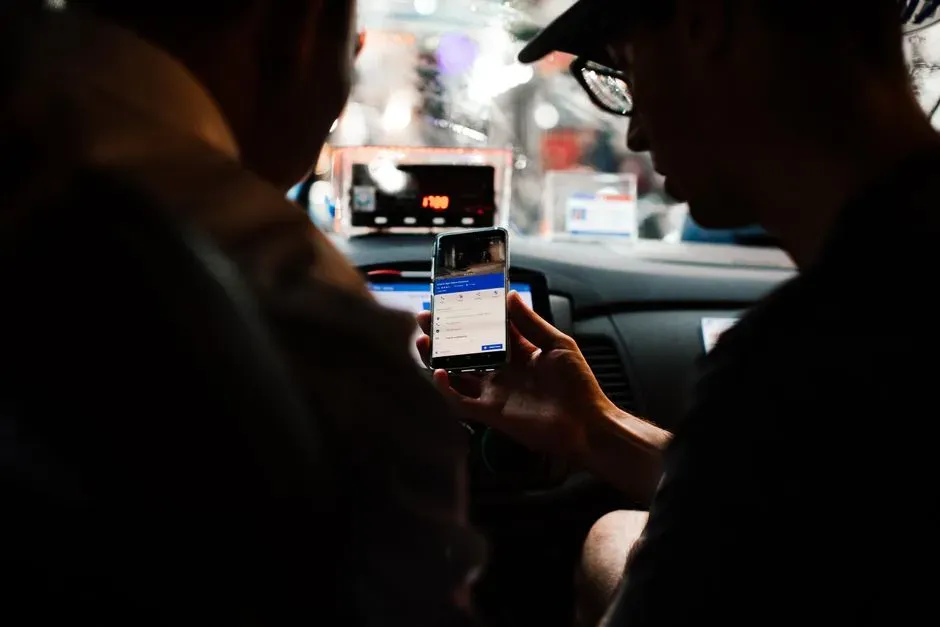
Occasional Uber or Lyft rides feel harmless in the moment, but they add up quickly once you are relying on them for anything a bus or train cannot cover, like late-night trips or hauling something bulky. A single ten-mile ride during peak pricing can easily run twenty-five to forty dollars depending on the city and time of day. I tracked my spending for a few months and was genuinely startled at how three or four “quick trips” a week turned into a real line item in my budget.
Surge pricing during bad weather or big local events made the unpredictability worse, since a normally cheap ride could suddenly triple in cost. I eventually set myself a monthly rideshare cap, treating it almost like a credit limit, which forced me to plan trips instead of defaulting to convenience. That discipline alone probably saved me more money than any other single change I made during the year.
4. Weather stops being background noise and starts being a variable
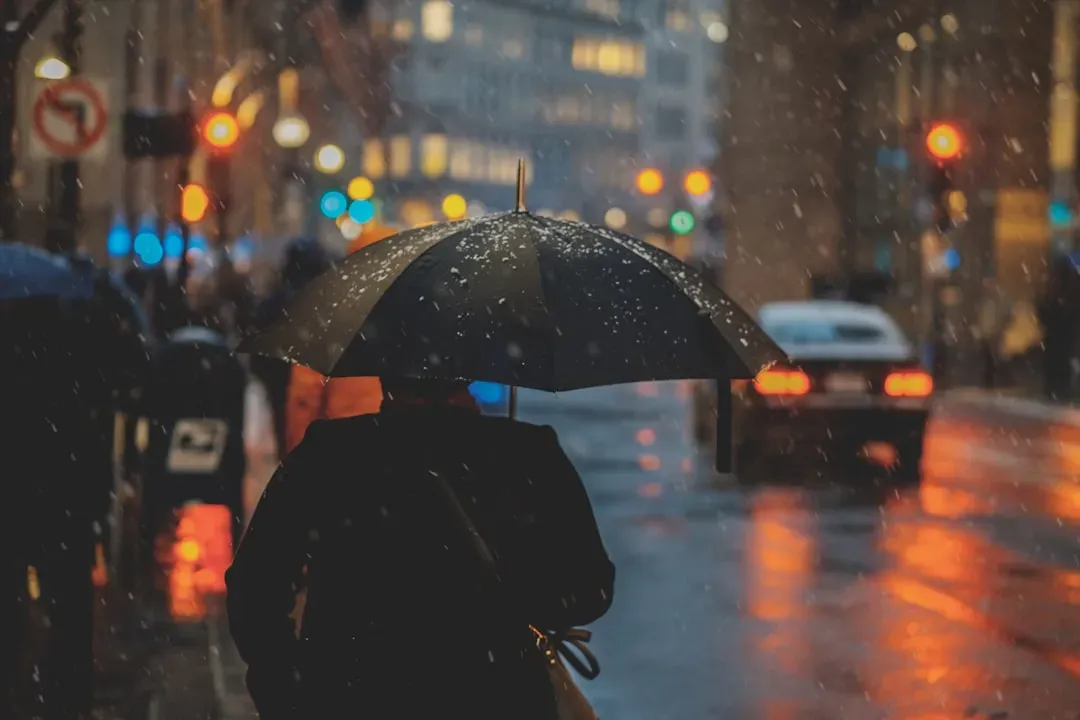
When a car is your default mode of travel, rain, snow, and heat are minor inconveniences you barely register. Without one, checking the forecast became a daily habit, since a light drizzle at 7am could mean a genuinely unpleasant walk to the bus stop by 8. I invested in real rain gear, actual waterproof shoes, and a decent coat, purchases I had never bothered making when a car door was always ten feet away.
Extreme heat turned out to be its own challenge, particularly waiting at bus stops with no shade during summer afternoons. Winter added a different layer of difficulty, since icy sidewalks and delayed transit schedules during snowstorms meant building in extra time I never used to think about. Over the year I got noticeably better at layering clothing and timing errands around weather windows rather than ignoring the sky entirely.
5. Your social life reorganizes itself around geography

Friends who lived a quick fifteen-minute drive away suddenly felt like a much bigger commitment once that trip meant two buses or a pricier rideshare. I noticed myself gravitating toward people and places within easy walking or biking distance, almost without deciding to. It was not a dramatic shrinking of my social world, but it was a real shift in who I saw casually versus who required actual planning.
Dinner invitations that used to be a simple “sure, I’ll head over” now came with a mental calculation about transit schedules and last-bus times. A few friendships adapted easily since those people were happy to meet halfway or come to me instead. Others faded slightly, not out of any conflict, just the quiet friction of distance that a car used to erase without me noticing.
6. Bikes and e-bikes fill more of the gap than expected
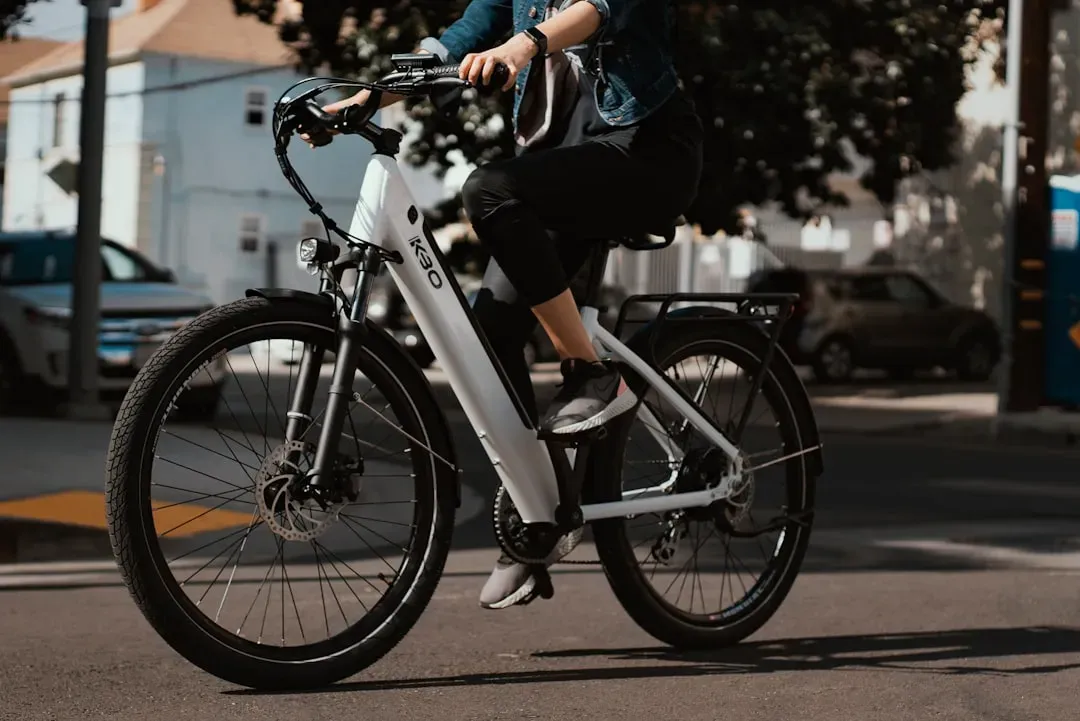
I bought a used e-bike about three months in, mostly out of frustration with slow bus routes, and it ended up being the single most useful purchase of the entire year. E-bikes have surged in popularity across the United States precisely because they extend practical riding range and make hills and longer distances far less punishing than a standard bicycle. Suddenly trips that felt too far to bike and too short to justify a rideshare had a comfortable middle option.
Bike lane infrastructure varies enormously by city, and mine has decent but incomplete coverage, so some routes still felt genuinely unsafe mixing with car traffic. Weather still mattered here too, though an e-bike with fenders and a light rain jacket handled more conditions than I expected. Maintenance costs were minimal compared to a car, mostly just occasional tire and brake work at a local shop.
7. Delivery services become a quiet but real expense
Without a car for quick errands, I leaned harder on grocery delivery and food delivery apps than I ever had before, and the fees added up in ways that were easy to overlook. Delivery and service fees on top of tips can add several dollars to every single order, and those small charges compound fast over a month of regular use. What started as an occasional convenience slowly became a habit that quietly cost more than a tank of gas would have.
I eventually pulled back and reserved delivery for genuinely bad weather days or when I was juggling a heavy work schedule. Batching orders, rather than ordering small amounts frequently, helped reduce the fee-to-purchase ratio significantly. It was a useful reminder that convenience always has a price, even when that price is hidden in small increments rather than one big number.
8. Renting a car occasionally is smarter than people admit
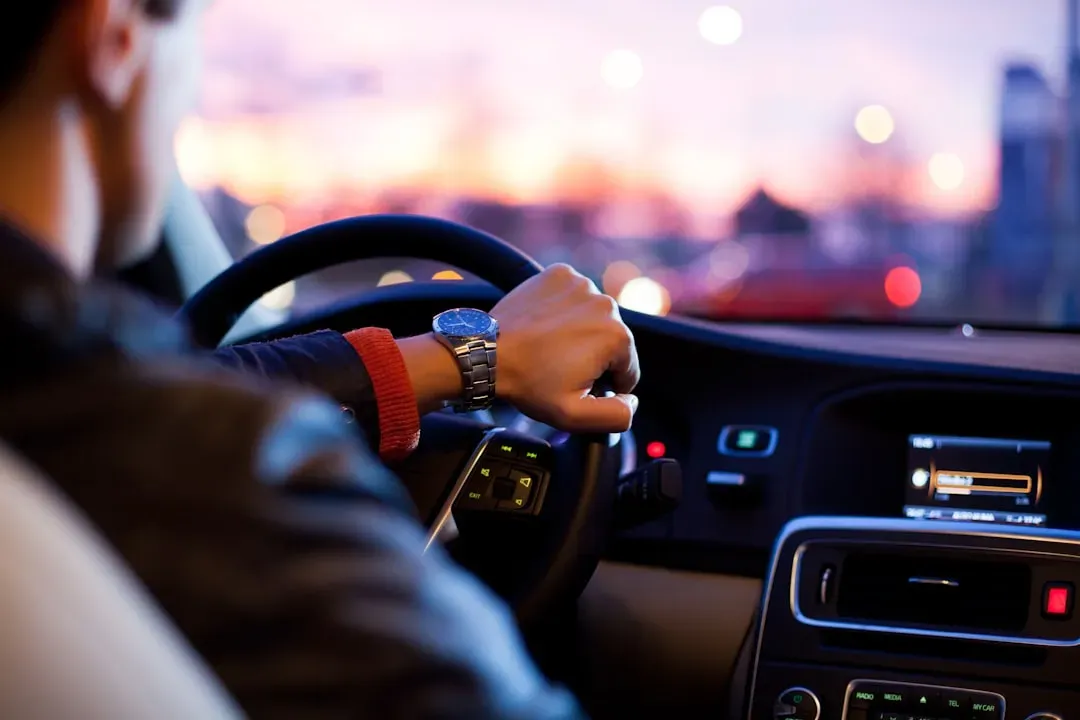
For longer trips, moving furniture, or visiting family outside the city, I rented a car roughly once every six to eight weeks, and it turned out to be far more cost effective than owning one outright. Daily rental rates for a standard economy car typically range from about thirty five to sixty dollars depending on location, season, and how far in advance you book. Even factoring in occasional higher rates during peak travel seasons, the total yearly cost stayed well below what full ownership, insurance, and maintenance would have run me.
Car sharing services like Zipcar or Turo added another layer of flexibility for shorter windows, sometimes just a few hours to run multiple errands in one trip. Booking ahead mattered a lot, since last-minute rentals during holiday weekends carried noticeably higher prices and thinner availability. This hybrid approach, mostly car-free with occasional rentals, ended up feeling like the most balanced solution of the entire year.
9. Your relationship with time itself genuinely changes
Cars compress time in a way you do not fully appreciate until it disappears; a fifteen-minute drive can easily become a forty-minute combination of walking, waiting, and transit transfers. I had to relearn how to estimate how long things actually take, building in buffer time for delays that a car mostly lets you ignore. Oddly, this slower pace also gave me more built-in reading and thinking time during commutes, something I never had while driving.
Spontaneity took the biggest hit, since last-minute plans now required checking schedules or estimating rideshare wait times before saying yes to anything. On the other hand, I found myself walking more overall, which had a small but noticeable effect on my daily activity levels without any deliberate effort. By the end of the year, time felt less like something I controlled and more like something I had to plan around, which was an adjustment but not necessarily a bad one.
Looking back at the full year, going car-free was neither the disaster some friends predicted nor the effortless lifestyle upgrade certain minimalist blogs promise. It was a series of small trade-offs, some genuinely freeing, some genuinely annoying, that added up to a different relationship with money, time, and my own neighborhood. Whether I go back to owning a car again is still an open question, but the year gave me a much clearer picture of what that choice actually costs, in every sense of the word.



Leave a Reply